
They live in the water and sometimes make an appearance on your dinner plate. Meet clams and mussels, two of the most commonly known types of bivalve mollusks on Earth. To the untrained eye, they may look the same and even taste similar, but there is actually a world of difference between these two hard-shelled aquatic creatures. In fact, besides somewhat similar shapes, clams and mussels are quite distinct. There are considerable differences between what they eat, where they live, how they reproduce, how they look, and the purposes for which humans use them. These differences not only highlight the specialized ecological roles that different creatures have, but also illustrate the variety found within groups of similar organisms.
Clams and mussels, for example, are members of the invertebrate phylum Mollusca. This group includes creatures like scallops and oysters. While these shelled beings may seem similar to creatures like crabs, they are actually more closely related to the “gooey” water creatures. Indeed, clams and mussels count gastropods like snails and slugs and cephalopods like octopuses and squids as their cousins within the phylum Mollusca. This is just one fascinating fact about these shellfish. Let’s learn more and unpack the key differences between clams and mussels in terms of anatomy, lifestyle, location, behavior, and even culinary use. Some of these differences may surprise even the biggest marine life lover.
Taxonomy and Appearance
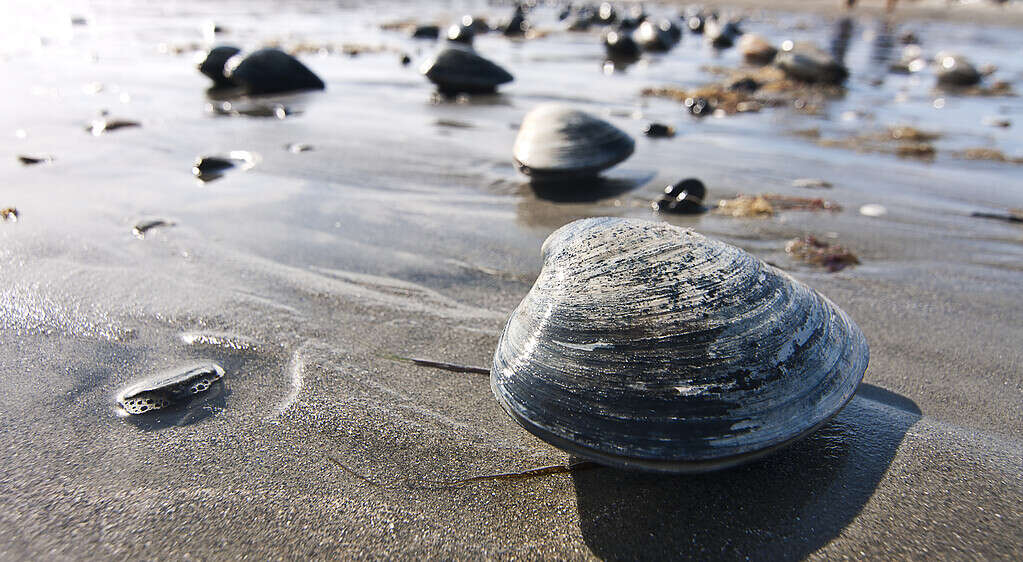
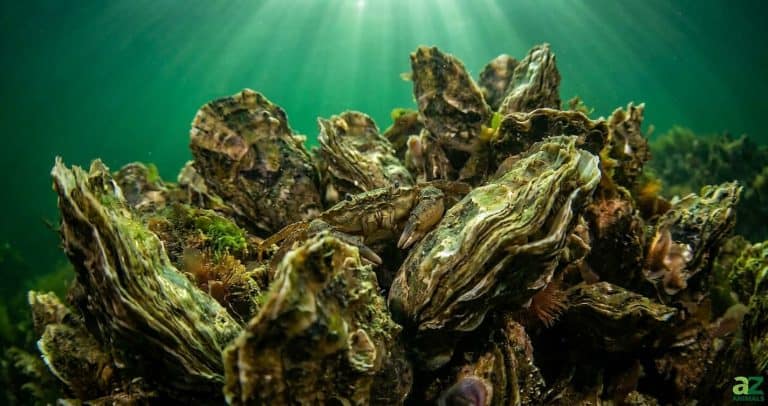
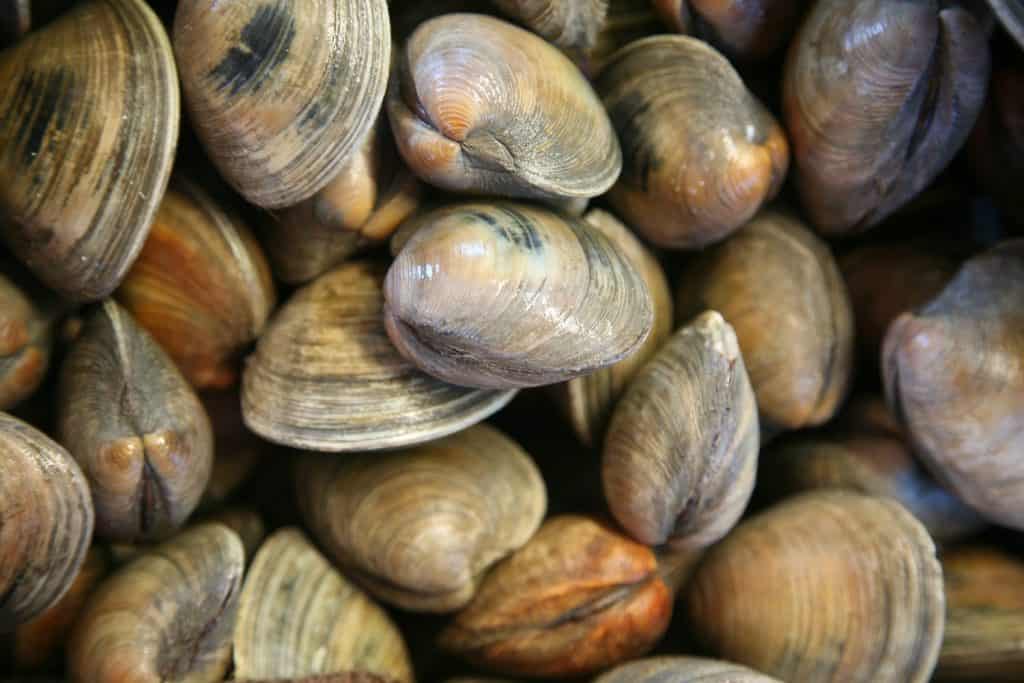
Clams stick in the mud while mussels attach to rocks.
©southlandp/iStock via Getty Images
While clams and squid are like cousins, clams and mussels are more like siblings. They may both belong to the Mollusca phylum and the Bivalvia class, but clams and mussels are part of different families and arrived in these families along distinct evolutionary pathways.
Clams
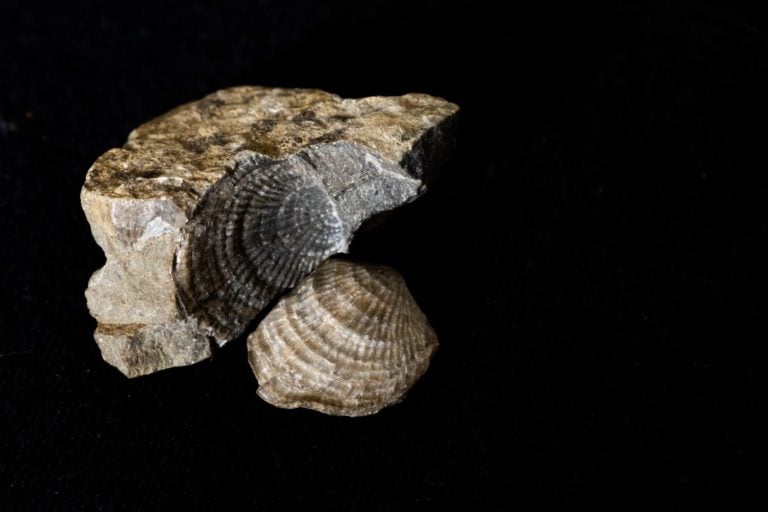
The problem with the term clam is that it’s pretty broad. While there are several families of clams, such as venus clams, surf clams, and Icelandic clams, it’s also a general descriptor. People use the term clam to denote bivalve mollusks with more rounded and symmetrical shells that live submerged in mud or sediment. As a rule of thumb, clam shells are more round and oval-shaped. They are also pretty thick and heavy, with a slightly ridged or even smooth texture and lighter colors. They also feature noticeable symmetry between their two valves, which helps them anchor their bodies while submerged. Clams tend to stick to the mud, using their thick shells to withstand pressure and keep themselves hidden deep in the sediment.
Mussels
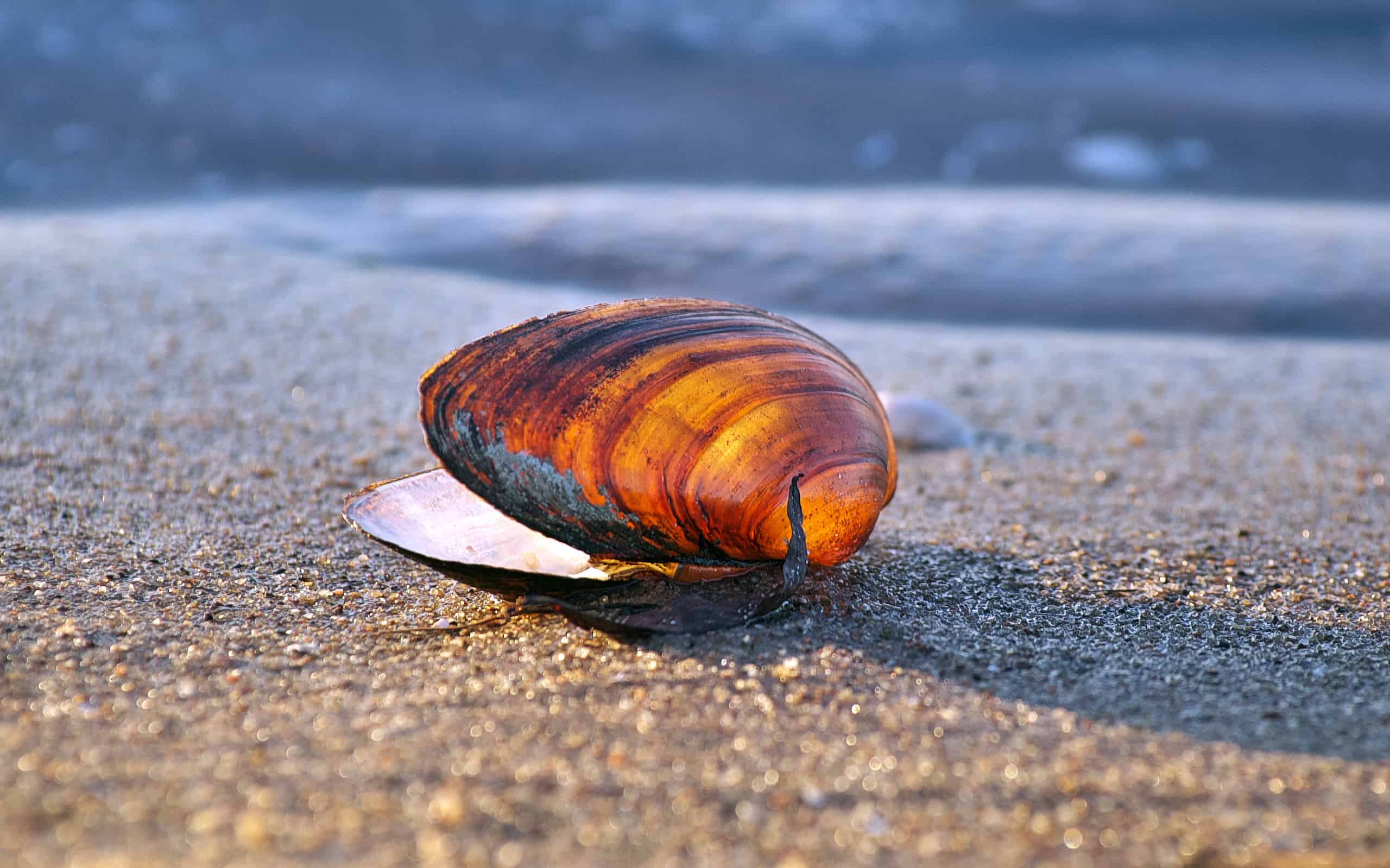
Mussels, on the other hand, have two main types. There are marine mussels, of the family Mytilidae, which usually attach to rocks and other hard surfaces in ocean water. There are also freshwater mussels, of the family Unionidae, which typically live in the sediment of rivers and lakes. While clams are round and thick, mussels are more elongated, almost elliptical in shape, and usually asymmetrical with an angle at one end. They have considerably darker colors than clams. Clams burrow, but marine mussel shells, for example, are perfect for attaching to rocks in wave-heavy locations. While freshwater mussels have thicker shells than their saltwater counterparts, they have similar angular and elongated shapes.
Habitat and Specialization
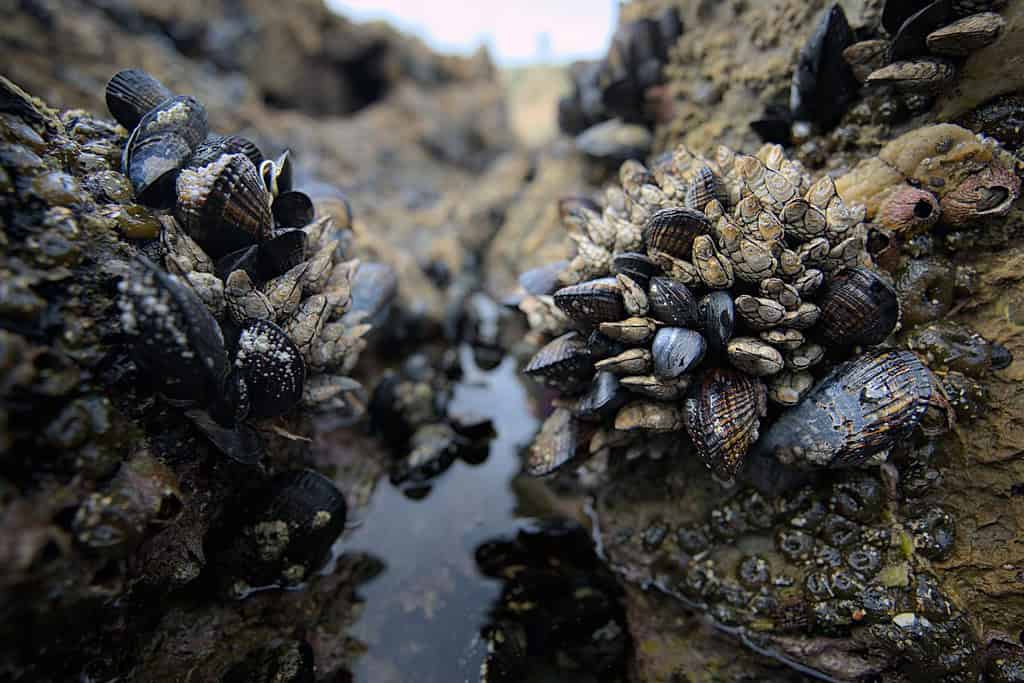
Marine mussels secrete a glue-like substance that affixes them to hard surfaces like rocks.
©Cavan-Images/Shutterstock.com
When it comes to location, clams are similar to freshwater mussels, but saltwater (marine) mussels are in a class of their own. That’s because both clams and freshwater mussels tend towards similar habitats. All of them, however, tend to pick a spot and stay there for an extended period of time. Bivalve mollusks don’t have much in terms of locomotive power.
Clams
Clams spend the majority of their lives buried in the sediment. They don’t move much, but when they do, clams rely on a muscular foot to dig through mud, sand, gravel, or other terrain. Most people see them as immobile, but clams can actually dig at a rate of an inch per second to flee from predators. When they reach a good spot, usually one with loose substrate, they burrow down and submerge. This protects them from environmental shifts, changing tides, and hungry predators. Typically, clams can be found at intertidal beaches, estuaries, offshore sediments, and mudflats. Some species can even be found in freshwater rivers and lakes.
Mussels
Clams prefer soft, muddy, or sandy substrates, while mussels prefer to attach themselves to firm surfaces like rocks. Especially in saltwater, they anchor themselves to hard surfaces like rocks using byssal threads. These are hefty yet silky fibers that they secrete as a sort of adhesive. These byssal threads keep marine mussels from being ripped away by rushing waves. In fact, they thrive in locations with strong tides and currents. Freshwater mussels, however, are more like clams. They, too, burrow down into riverbeds and lake bottoms.
Feeding, Behavior, and Life Cycle
Clams and mussels are filter feeders, but clams have to extend siphons to reach the water column from their submerged spots in sediment.
©mikeledray/Shutterstock.com
Both clams and mussels are filter feeders, which means they suck in water, take nutrients from it, and expel the water cleaner and more refreshed. This makes them integral creatures in their habitats. While they share similar ecological roles and feeding methods, clams and mussels diverge when it comes to life cycles.
Clams
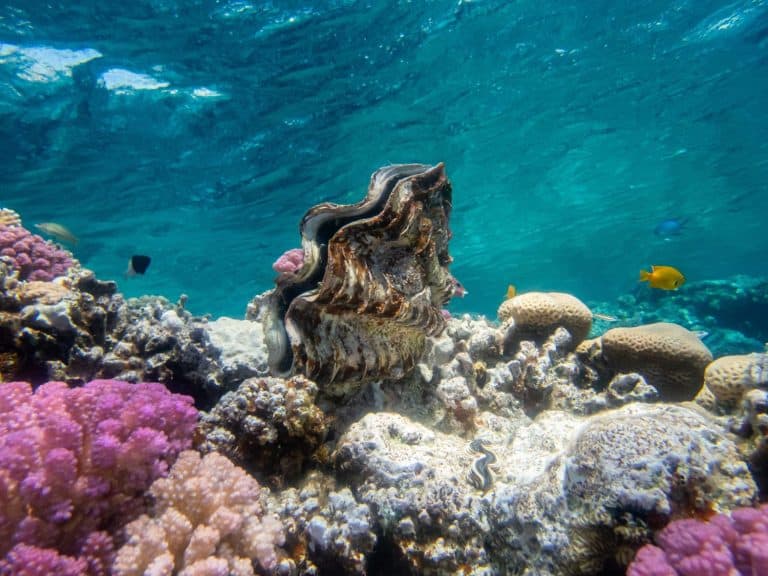
Clams feed by drawing in water, extracting nutrients, and then expelling the filtered water back into their environment. Since clams usually live under the surface, they extend siphons to the water column and extract plankton, microalgae, and other organic particles. Giant clams are even known to host symbiotic algae, which provide them with extra nutrition through photosynthesis.
This makes clams an important aspect of their environments. They not only turn over sediment through burrowing and filtering water during their feeding process, but they also serve as an important food source for other creatures like birds and fish. They process considerable amounts of water, so the health of clams reflects their ecosystems at large. When it comes to reproduction, clams release eggs and sperm into the water in a process called broadcast spawning. The fertilized eggs and larvae eventually settle into the sediment and develop into juvenile clams. More rarely, certain clams brood within their shells.
Mussels
Like clams, mussels also filter feed. The difference, however, is that marine mussels filter passing water via waves and currents, bringing them plenty of plankton and organic particles. Since mussels congregate on rocks in large groups, they usually improve the health of the water in coastal areas. Freshwater mussels are highly efficient water filters, with individual mussels capable of filtering up to 15-20 gallons of water per day. Both types of mussels serve this function, with individuals capable of filtering several gallons of water per day. This makes mussels of both fresh and saltwater varieties important members of their habitats, as they filter large bodies of water. Marine mussels also reduce erosion through their congregation of dense communities on coastal rocks.
Like other bivalve mollusks, marine mussels also reproduce via broadcast spawning. Freshwater mussels, however, employ one of the more unique reproductive processes in the world. They release larvae called glochidia, which attach to the gills or fins of specific fish to develop. Freshwater mussels will even lure these fish types by mimicking prey using their tissue flaps. Once the larvae mature and are done hitching a ride, they fall off and settle into the sediment.
Human Use and Conservation
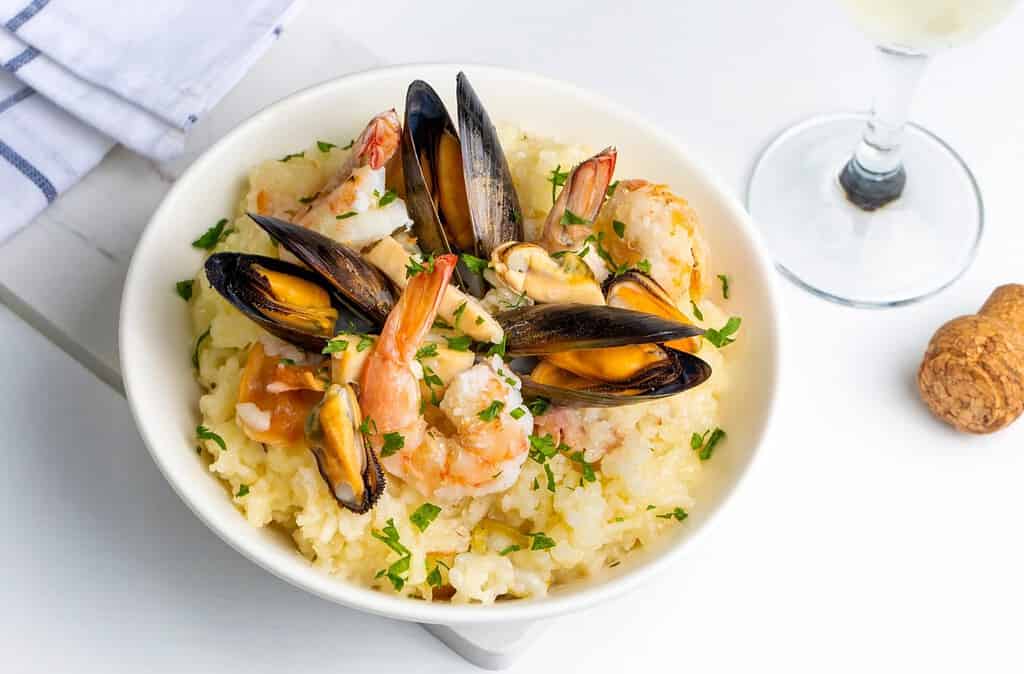
Mussels make a tasty addition to stews and pasta dishes.
©Esin Deniz/Shutterstock.com
When it comes to the taste of both mollusks, there are considerable differences. Clams have a stronger, acrid flavor with a chewier texture. This makes them a welcome addition to chowder, pasta dishes, and even sushi in some regions. Marine mussels have a far milder and sweeter flavor with a tender texture. This makes them a perfect complement for curry, seafood stews, and even French fries. Freshwater mussels, however, rarely make it into human meals because they are tough and unwieldy.
For the most part, clams are pretty common. Plus, there are many clam fisheries out there that operate under sustainable management. That said, some species face increasing habitat destruction and overharvesting. The same goes for marine mussels. Freshwater mussels, however, are among the most endangered animal groups in the world due to threats such as water pollution, invasive species, and habitat loss.