
Quick Take
- Patience is necessary when you have a nervous dog, so avoid sudden movements or changes.
- Creating a dedicated safe space for your pup is paramount for building confidence.
- Give your dog a chance to explore their new surroundings at their own pace, and over time, they will make your house their home.
Like humans, all dogs are different and have their own personalities. Some are so outgoing that they’ll meet you at the front door like they haven’t seen you in years. Other dogs are more withdrawn and may need some coaxing to come out of their shell. If your dog is more withdrawn, you need to handle the situation carefully. Bringing home a newly adopted dog who is shy and fearful is less like starting a typical pet-owner relationship and more like earning trust gradually and quietly. These dogs aren’t being difficult—they’re navigating a world that feels unpredictable, overwhelming, or even unsafe. With that said, there are steps you can take to help nervous dogs feel more secure.
In this guide, we’ll outline specific, detailed steps you can follow to help your dog feel more secure and confident. Think of these not as rigid rules, but as supportive habits that create a safe emotional environment where your dog can begin to relax and grow.
Establish a Calm, Predictable Daily Routine
In almost any case, the best way to help nervous dogs feel more secure is to establish a simple and predictable routine. For a fearful dog, unpredictability can feel like danger. When they don’t know what’s coming next, their stress levels stay elevated. While each day will have its differences, you can create a consistent routine by anchoring your day around a few key events, such as:
- Feeding times (morning and evening)
- Bathroom breaks
- Walks or enrichment time
- Wind-down and bedtime
Try to plan these events for roughly the same time each day. Even the smallest consistencies, like always placing the food bowl in the same spot or taking the same route on early walks, can help your dog feel more secure. As time goes on, your dog will be able to anticipate what comes next, which will lead to greater confidence.
Let Your Dog Set the Pace for Interaction
Even if you set up a predictable routine, it’s important not to force anything. Many new dog owners make the mistake of trying to bond too quickly. Instead, give your pet some space. Move too fast, and you may overwhelm your new pup. The idea is to shift your mindset. You’re not trying to “win them over.” You’re giving them space to choose you.
At the beginning, spend some time simply sitting quietly in the same room. Avoid direct eye contact. Turn your body slightly to the side and keep your movements slow and minimal. When your dog approaches, resist the urge to reach out immediately. Let your pet sniff and investigate you first. If they stay nearby, you can gently offer a hand at their level, allowing them to initiate contact.
This approach builds trust because it teaches your dog something incredibly important: They are in control of the interaction.
Create a Dedicated Safe Space
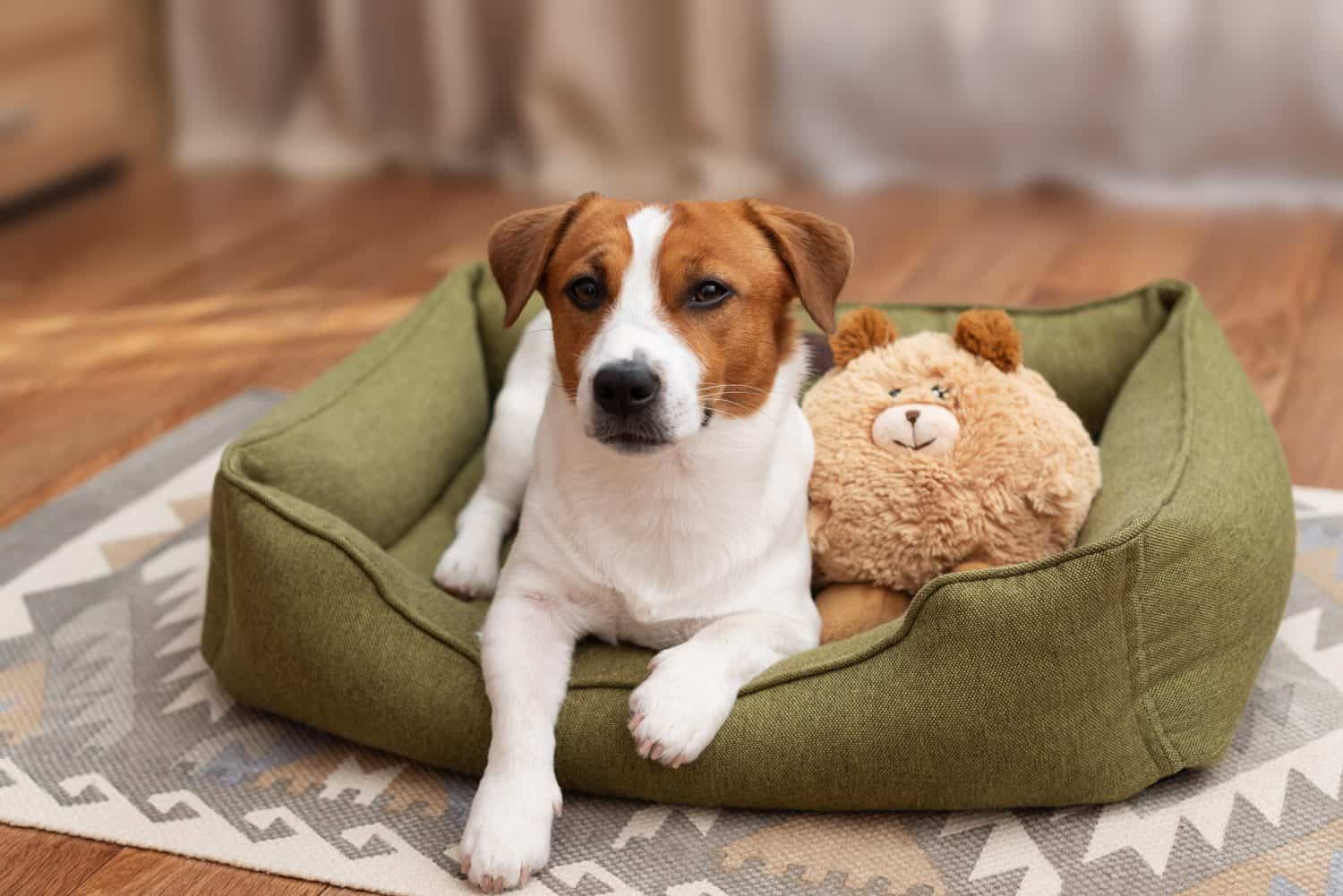
Put your dog at ease by creating a safe space where your pet knows they’ll always be okay.
©annokhotska/Shutterstock.com
You can help nervous dogs feel more secure by providing them with a safe space. Every fearful dog needs a place where they can fully let their guard down. This isn’t just a cozy spot. It’s a psychological safety zone. This space could be an entire room or simply a spot just for them, such as:
- A crate with the door left open
- A soft bed in a quiet corner
- A covered nook that feels enclosed and secure
The key is location and consistency. Choose a low-traffic area away from noise, foot traffic, and sudden disturbances. Then, respect their space. If your dog retreats to this space, don’t follow. Don’t reach in to pet them. Don’t pull them out, even for something routine, unless absolutely necessary. In the end, the space should convey one clear message: “Nothing bad happens here.” Once your dog believes it, they’ll truly be able to relax.
Use Gentle, Predictable Handling
For many dogs, the touch of an owner can be incredibly comforting. However, fearful or nervous dogs can feel threatened, especially if your reach is sudden or inconsistent. When you know you have a shy dog, keep your touch and petting slow, predictable, and low-pressure. Try to avoid reaching over their heads, as this can feel intimidating. Instead, try petting along the chest, shoulders, or side of the body.
When you pet your dog, pay close attention to how your pet responds. If they lean in, relax their bodies, or stay close, those are good signs. If they stiffen, turn away, or move away, respect that immediately. Remember that your goal isn’t to increase tolerance for touch, but to build positive associations with it. Over time, your dog may seek affection more consistently.
Keep the Environment Calm
While it’s important to have a safe space for your pup, it’s also necessary to try to keep the rest of your home calm and without any unnecessary stimulation, at least until your dog gets more comfortable. In the early days, try to limit loud TV or music, avoid sudden movement or raised voices, and keep household activity predictable. This may not be a good time to host a family party at your home. If you must have people over, give your dog the option to stay in their safe space without pressure to interact.
This doesn’t mean your home has to be silent or like a museum; it just means reducing unnecessary stressors while your dog is adjusting. Think about what would startle you if you were in a new place. As your dog becomes more comfortable, you can gradually introduce more activity. But always introduce changes at a pace they can handle.
Introduce New People Slowly and Thoughtfully
You should also think about how to help nervous dogs feel more secure around new people. Meeting strangers can be one of the most stressful experiences for a fearful dog. The key is both proper planning and removing pressure from the interaction.
When someone new enters your home:
- Ask them to ignore the dog completely at first.
- Advise your guest to avoid eye contact, talking to the dog, or reaching out.
- Let the dog observe from a distance.
If your dog is brave and approaches the new person, have them toss a treat to your pup without leaning in too far or stepping forward. This approach allows your dog to gather information at their own pace. Instead of feeling confronted, they feel in control of the situation.
Over time, these low-pressure introductions help your dog learn that new people aren’t a threat.
Build Confidence Through Small, Achievable Wins
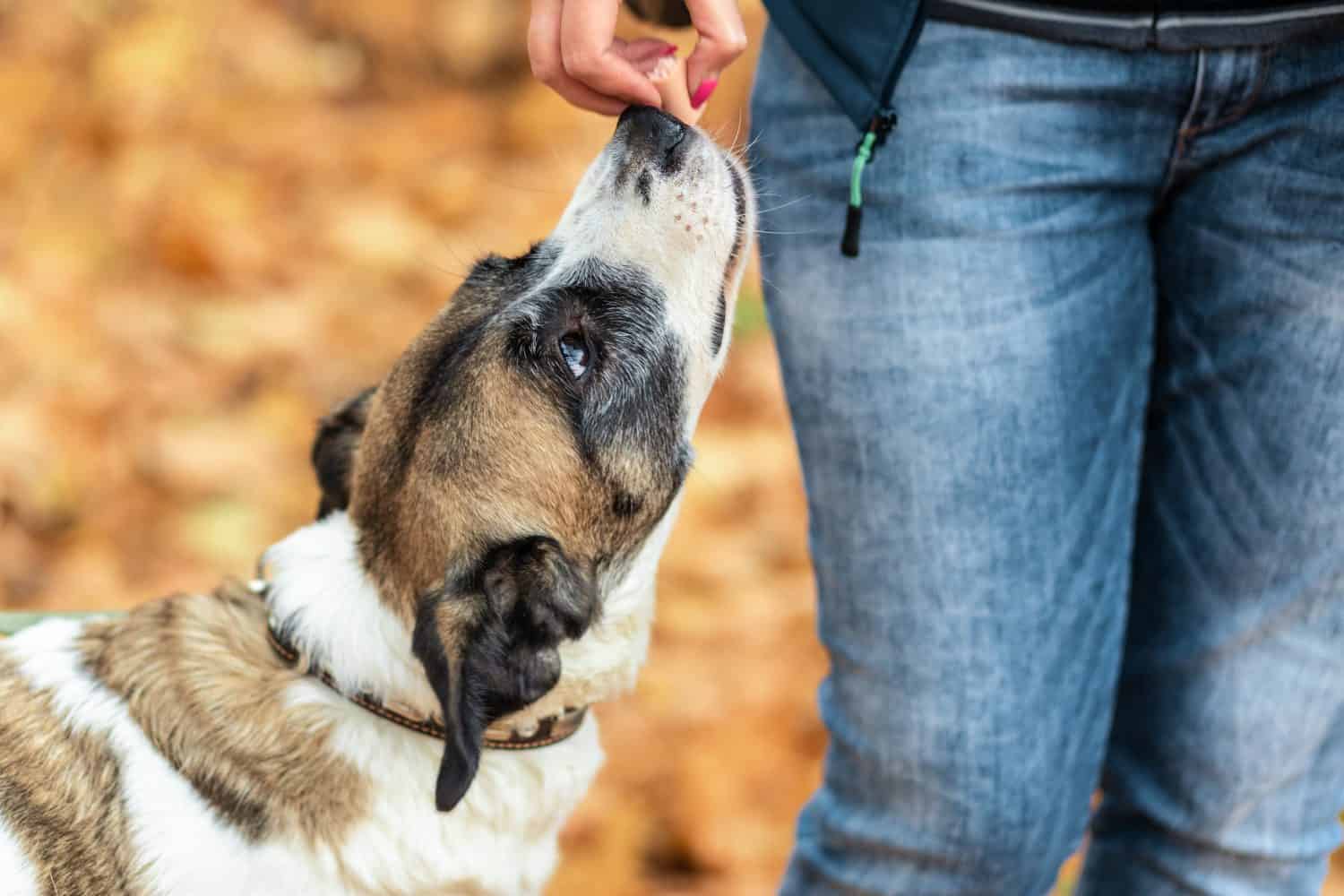
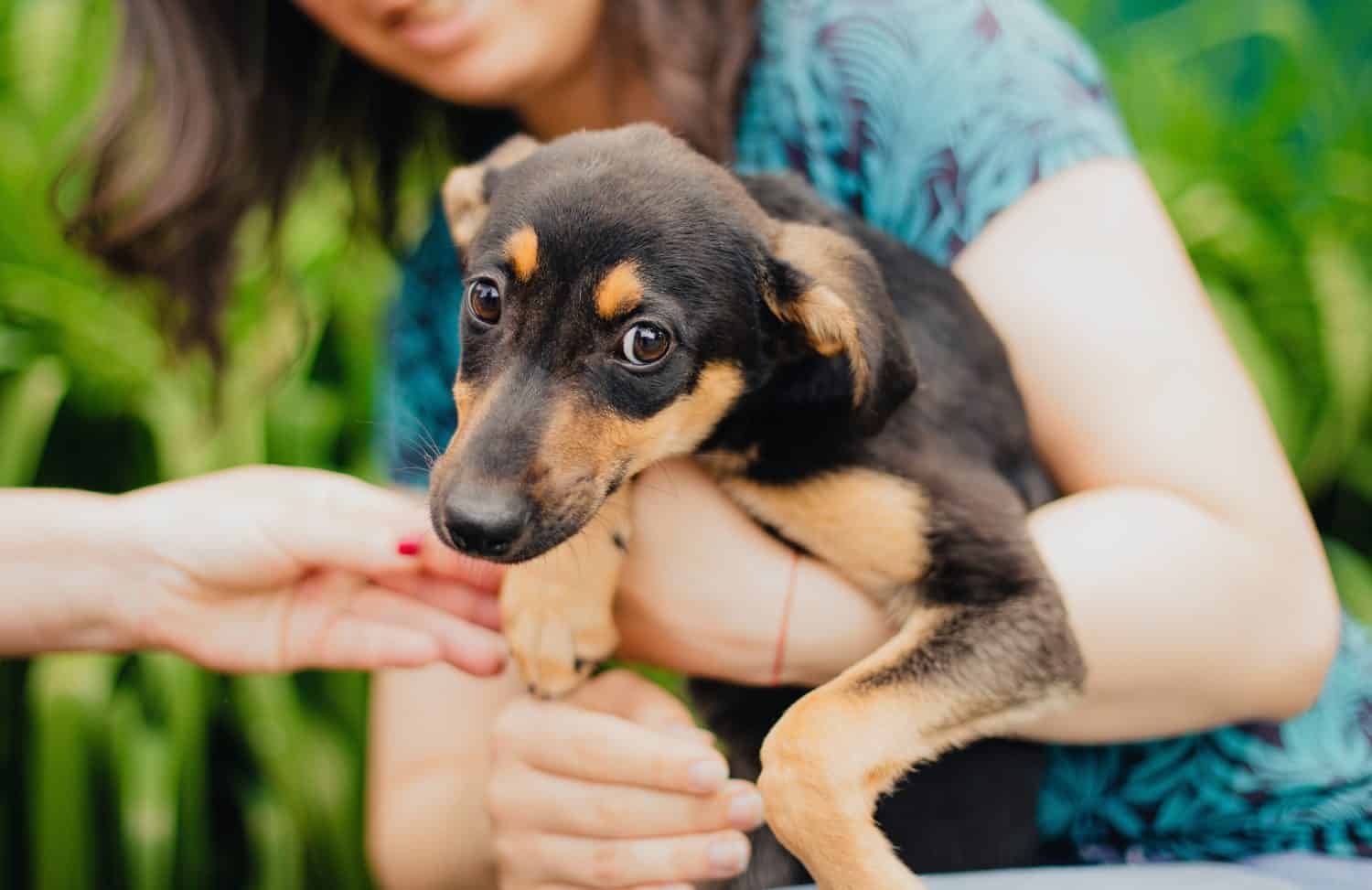
The first time that your nervous dog takes a treat out of your hand may indicate that they’re gaining confidence.
©Ekaterina Kolomeets/Shutterstock.com
At some point, you will have a breakthrough with your dog. You just may need to take it one step at a time. Often, confidence comes from repeated small successes. Look for opportunities to create “easy wins” for your dog, which may include your pet:
- Taking a treat from your hand
- Exploring a new room
- Responding to a simple cue
You can start training even a nervous dog at any time, but keep it light and positive. Use treats and encouragement to teach simple tricks, such as “touch” or “sit.” Every time your dog succeeds at something—even something small—they build a little more confidence in themselves and their environment.
Allow Safe, Gradual Exploration
Fear often shrinks a dog’s world. Your goal is to gently expand it. Even a small residence can seem like a big place to a nervous dog. You should help your dog get comfortable in your house, but start with very low-pressure exploration. Let your pup sniff around your home at their own pace. Keep doors closed and introduce one room at a time.
When you leave home, take short, quiet walks in low-traffic areas. Try to avoid busy parks, crowded sidewalks, or noisy environments at first. These can overwhelm your dog and reinforce fear. Instead, focus on calm, controlled exposure. Let your dog pause, observe, and retreat if needed. Exploration builds familiarity. Familiarity reduces fear.
Learn to Read Your Dog’s Stress Language
Just because they can’t speak doesn’t mean that pets aren’t constantly communicating. Dogs, in particular, are especially communicative when they’re stressed. The key is to learn your pet’s “stress language” so you can understand and assist when they’re anxious.
Typical signs of stress in dogs include:
- Lip licking or yawning when not tired
- Turning their head away
- Freezing or stiffening
- Showing the whites of their eyes
When you see these signs, it’s your cue to ease off. Give space, reduce stimulation, or slow things down.
Keep in mind that your pet will also communicate when they’re happy. Indications such as soft eyes, a loose posture, and calm movement signal comfort. When you see these signs, you can feel free to approach and pet your pooch. By responding appropriately, you show your dog that you’re listening—and that builds trust faster than anything else.
Final Thoughts: Trust Is Built in Quiet Moments
In the end, there are many ways to help nervous dogs feel more secure, but don’t expect dramatic transformations right away. It’s all about subtle shifts. The little moments that might go unnoticed if you’re not looking closely.
The first time they relax near you. The first time they approach you without hesitation. The first time they choose connection over distance. These moments matter. By creating calm routines, offering predictable care, respecting boundaries, and celebrating small victories, you’re doing something deeply meaningful: You’re showing your dog that the world—and your presence in it—can be safe.