
Quick Take
- Every test came back normal, yet this hawk wouldn't budge. What was actually wrong?
- Wild animals rarely get obese on their own. Staff went door to door to find who was responsible.
- A few extra ounces doesn't ground a bird the way you'd expect. Scientists strapped weights onto hawks to find out what really suffers.
- Even after her recovery, one detail the viral coverage skipped shows how much danger she was really in.
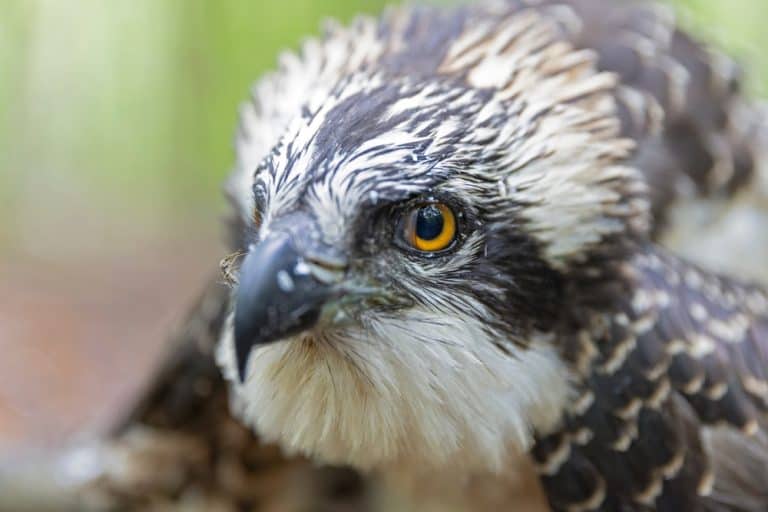
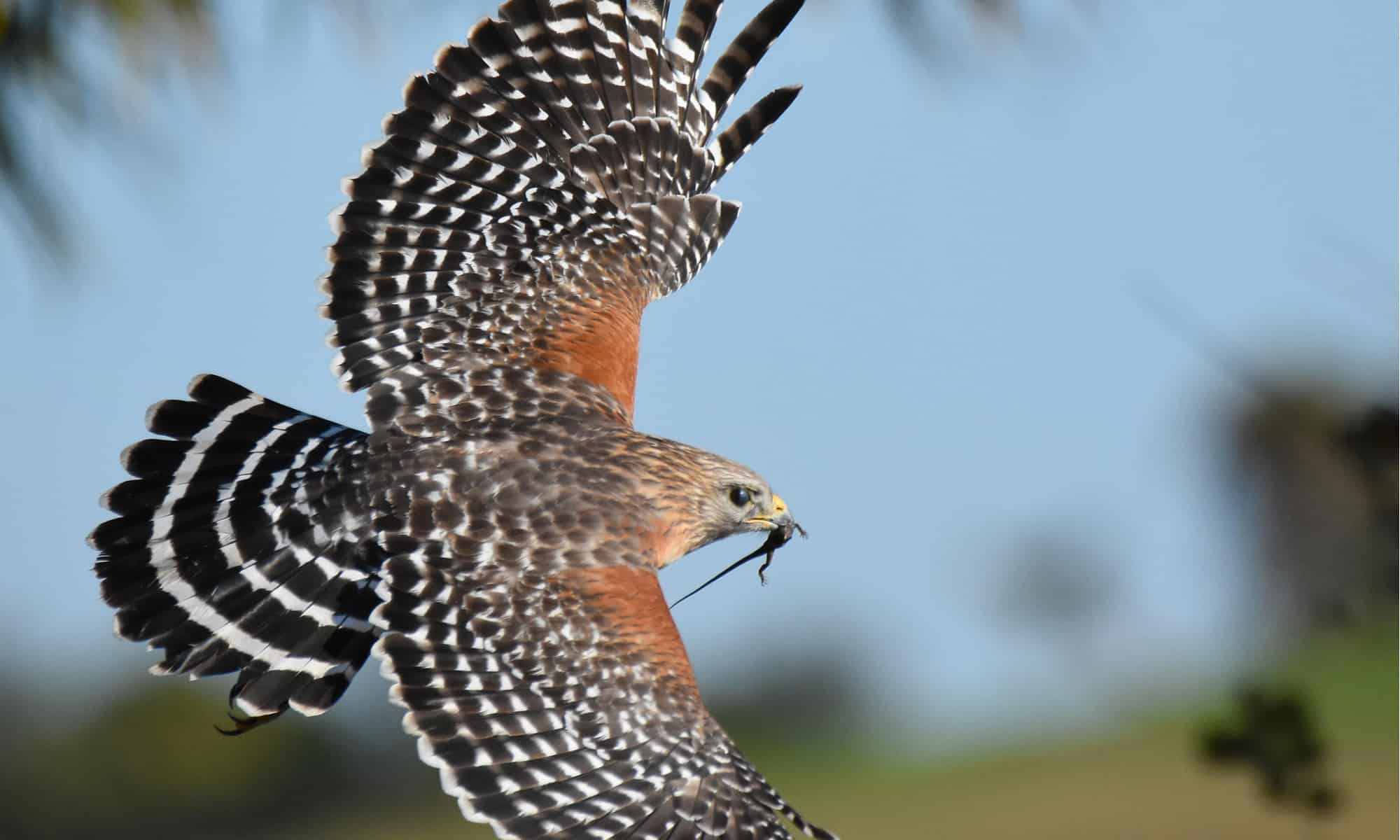
A hawk sat in a driveway in southwest Virginia and wouldn’t get up. She was about a mile from the Southwest Virginia Wildlife Center, which turned out to be lucky for her. When staff brought her in, they ran through the usual list of reasons a grounded hawk can’t fly. As KTLA in Los Angeles reported, they checked for broken bones, lead poisoning, eye damage, head injuries, and bruises from a crash or a fight. Everything came back normal. The red-shouldered hawk, logged as RSHA 26-2599, was eventually diagnosed with something simpler: she was too fat to fly. She weighed just over 2 pounds.
The center first posted about her on Oct. 29. The update came on Sunday, Nov. 8. “She’s flying again, y’all!” the center wrote. In a little over a month, a strict diet and some exercise had taken about 4.6 ounces off her, and that was enough for her to start getting lift again. The center wasn’t ready to call her slim, though. In their words, she’s “still beefy.”
The Chickens Next Door
A wild hawk doesn’t get this heavy on its own. As the center put it, “It’s rare for wild animals to become obese without human intervention.” So staff went back to the woman who had found the bird and asked whether any of her neighbors kept chickens that roamed free. It took a couple of weeks to get an answer, and when it came, it came with an exclamation point: yes, and the neighbors’ chickens had been vanishing at an alarming rate.
“This queen was picking off the buffet of easy prey set out before her, eating her fill, and then snoozing in the trees nearby until she was ready to eat again,” the center wrote. “The chickens were let out in the morning, she ate another, and repeat.”
None of that is unusual for a hawk, except how easy it was. Red-shouldered hawks normally hunt by perching over shallow water or open forest floor and dropping fast on whatever moves below. Most of what they catch is small mammals and frogs or similar critters, with the occasional snake, lizard, or fish. Birds show up less often on the menu, probably because birds are harder to catch. But a flock of chickens let loose in a yard at the same time every morning has none of the things that normally make a bird hard to catch. A hawk that finds a setup like that keeps coming back.
Why a Few Extra Ounces Keep a Bird Grounded
Extra weight doesn’t really stop a bird from flying. It stops a bird from climbing. Scientists once tested this directly on two trained Harris’s hawks. They flew the birds along flat paths and climbing paths while strapping on extra weights. Each hawk weighed about 2 pounds on its own, and could still carry as much as 1.4 pounds more while flying level. But the heavier the birds got, the slower they climbed, and the less power they had left for gaining height.
It makes no difference to a hawk’s wings whether the extra weight is a load strapped on or a few too many chicken dinners already eaten. That’s why the wildlife center is tracking her recovery by how well she lifts off, not by how far she flies, and why her flying time is still limited. Right now she manages four or five laps of the flight pen before she’s too winded to keep going.
Some of her size was never going to disappear. She’s a female, and female hawks run 25 to 30 percent larger than males, so part of her weight is simply the body she was born with. Even so, the center still calls her significantly overweight for an adult red-shouldered hawk, with a long way to go before anyone talks about setting her free.
The Part Nobody Shared as Widely
The staff feeding her a careful diet are caring for a bird that was found stuck on the ground, in a neighborhood with other predators around. “This is a man-made issue, and this could have had a sadder ending if she had been found by a larger predator instead of the finder,” they said. “Without flight, she is extremely vulnerable.”