Quick Take
- A highway shoulder offers hawks something they can't resist, and it's not just food.
- One sense makes hawks deadly hunters, and it also pulls their attention off the traffic.
- An injured hawk's first hour post-injury calls for surprisingly little action.
- Surviving the crash isn't the hard part; one tiny flaw can still keep a hawk from the sky for good.
“Bring Your Hawk to Work Day,” the Appleton Police Department wrote on the evening of Tuesday, Nov. 10. The next line was “Just kidding.”
The bird in the officer’s care wasn’t really his pet hawk. It had been hit by a car in Appleton, Wisconsin, earlier that day. The department said it was “hopeful for a full recovery and eventual return to the wild,” as WFRV Green Bay reported. An officer picked the hawk up and drove it 30 miles northeast to Green Bay, where the Bay Beach Wildlife Sanctuary runs a wildlife rehabilitation program right on the shore of the bay.
Why the Road Is a Hunting Ground
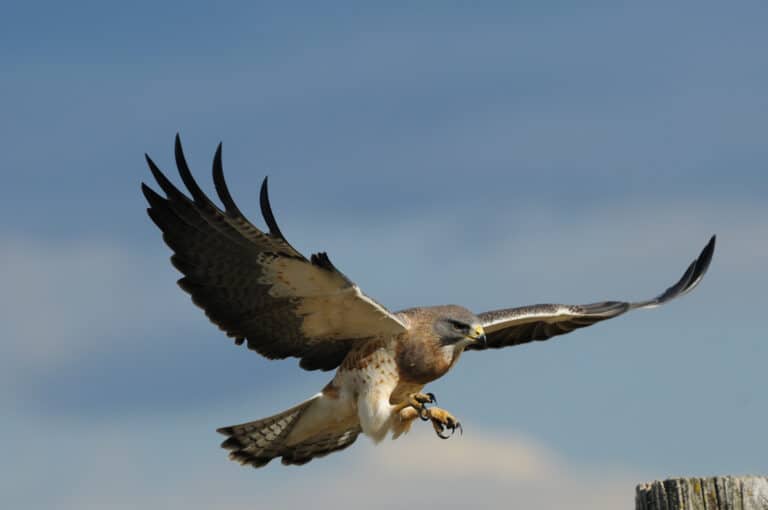
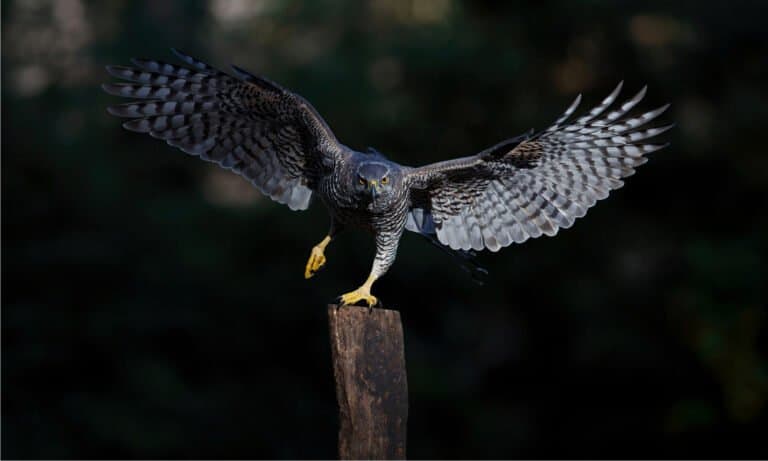
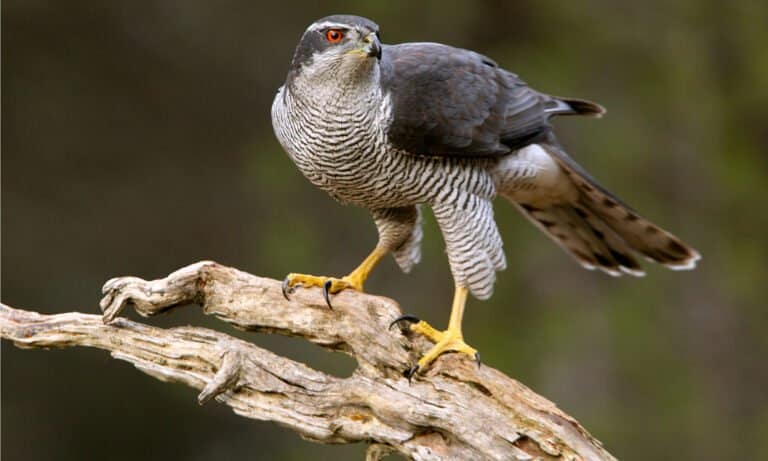
Almost every hawk in North America hunts the same way, so it probably didn’t matter which kind of hawk this was. A hawk needs two things close together: a high spot to sit, and open ground below with nothing blocking its view. A highway shoulder gives it both. Light poles, road signs and telephone poles line the edge of a strip of grass that’s mowed short all season, and short grass is exactly where mice and voles are easiest to spot. Red-tailed hawks, the most common hawk in North America, spend much of the day sitting on exactly those perches, watching exactly that strip of grass.
Then there’s what the bird is watching with. A red-tailed hawk’s eyesight is roughly eight times sharper than a human’s, good enough to spot a mouse in the grass from more than 100 feet up. A hawk locked onto a vole at the edge of the road is giving its full attention to a patch of ground about the size of a dinner plate. Traffic is moving just a few feet away, and the dive carries the bird straight across the lane. What crosses that lane is a body weighing two to four pounds with a wingspan over four feet. That’s a lot of wing, and not much weight to go with it.
The Quiet Ride
What an injured hawk needs in its first hour is, mostly, nothing. The standard guidelines rehabbers follow lay out the priorities in order: make sure the bird can breathe, keep it warm, check quickly for broken bones or bleeding, and keep it calm and still. Panic burns energy a hurt raptor can’t spare.
What Happens at the Sanctuary
Getting back into the wild is the goal, and it’s a tough bar to clear. A hawk has to fly well enough to catch its own food, perch properly, and still keep its distance from people before anyone opens the door to let it go. A wing that heals even slightly crooked can leave a bird comfortable enough to live but unable to hunt. That’s how rehab centers end up with education birds, the ones that spend their lives visiting school groups instead of flying free. Which of those two futures this hawk gets was decided by a car in a split second, hours before anyone made a joke about it.