
Quick Take
- It's one of the world's most common sea turtles, so why is seeing one here a big deal? Why it's rare here →
- Spotting this animal took more luck than you'd think, and the reason is hiding in its body. Why turtles need warmth →
- Something unusual is warming the water off California, and it's already changing where turtles lay eggs. See what's warming California →
- The same warm water that lured this traveler north could turn on it. Find out why. Discover the cold risk →
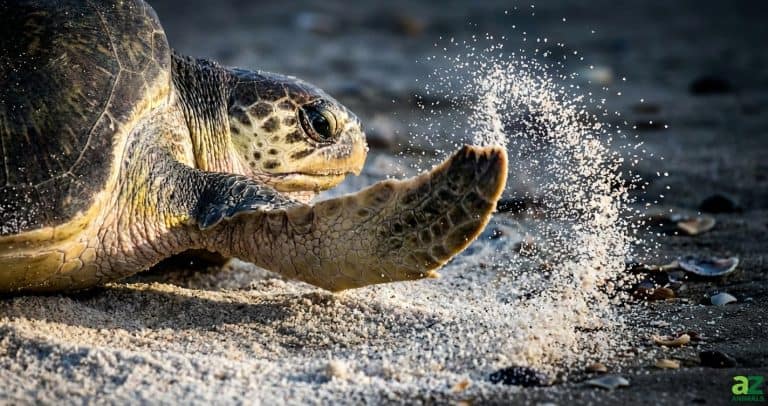
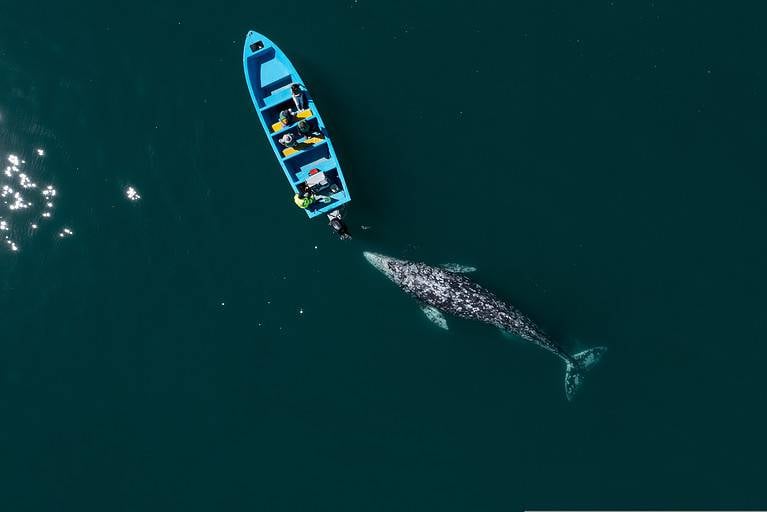
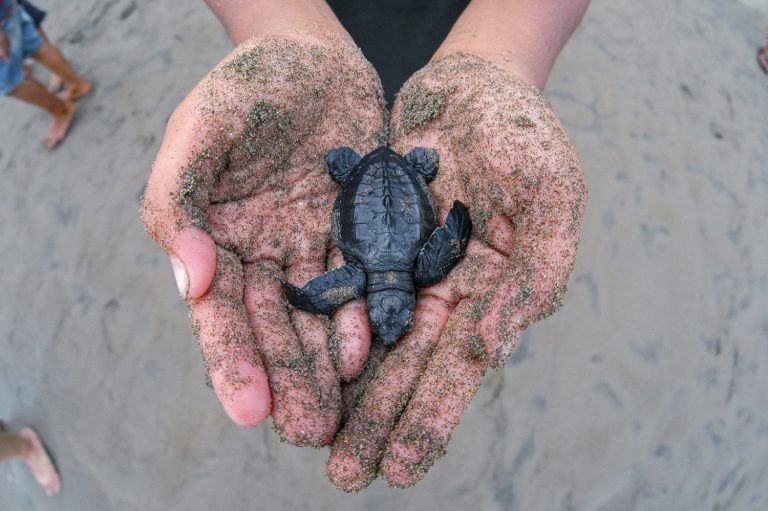
A whale-watching boat out of Monterey was already heading back to the harbor on the morning of Saturday, Nov. 7, when a small, dark head popped up out of the water right beside it. Morgan Quimby, a photographer on the 9 a.m. trip for Monterey Bay Whale Watch, got the shot. The animal was an olive ridley sea turtle, two to two-and-a-half feet long with a heart-shaped shell, and it took a few breaths before heading back down, the crew wrote in the post that KTLA built its story around.
Spotting it at all was pure luck. Sea turtles can stay underwater for up to seven hours by slowing their heart rate way down, sometimes to nine minutes between beats. Olive ridleys take that to another level: tagged turtles in the North Pacific spent only about a fifth of their time at the surface. The boat happened to pass by during the few minutes this one needed to breathe.
Rare Here, Not Rare Everywhere
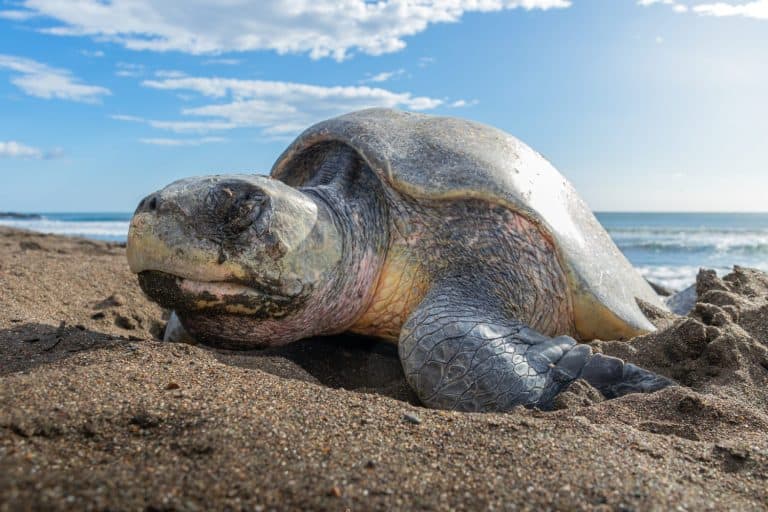
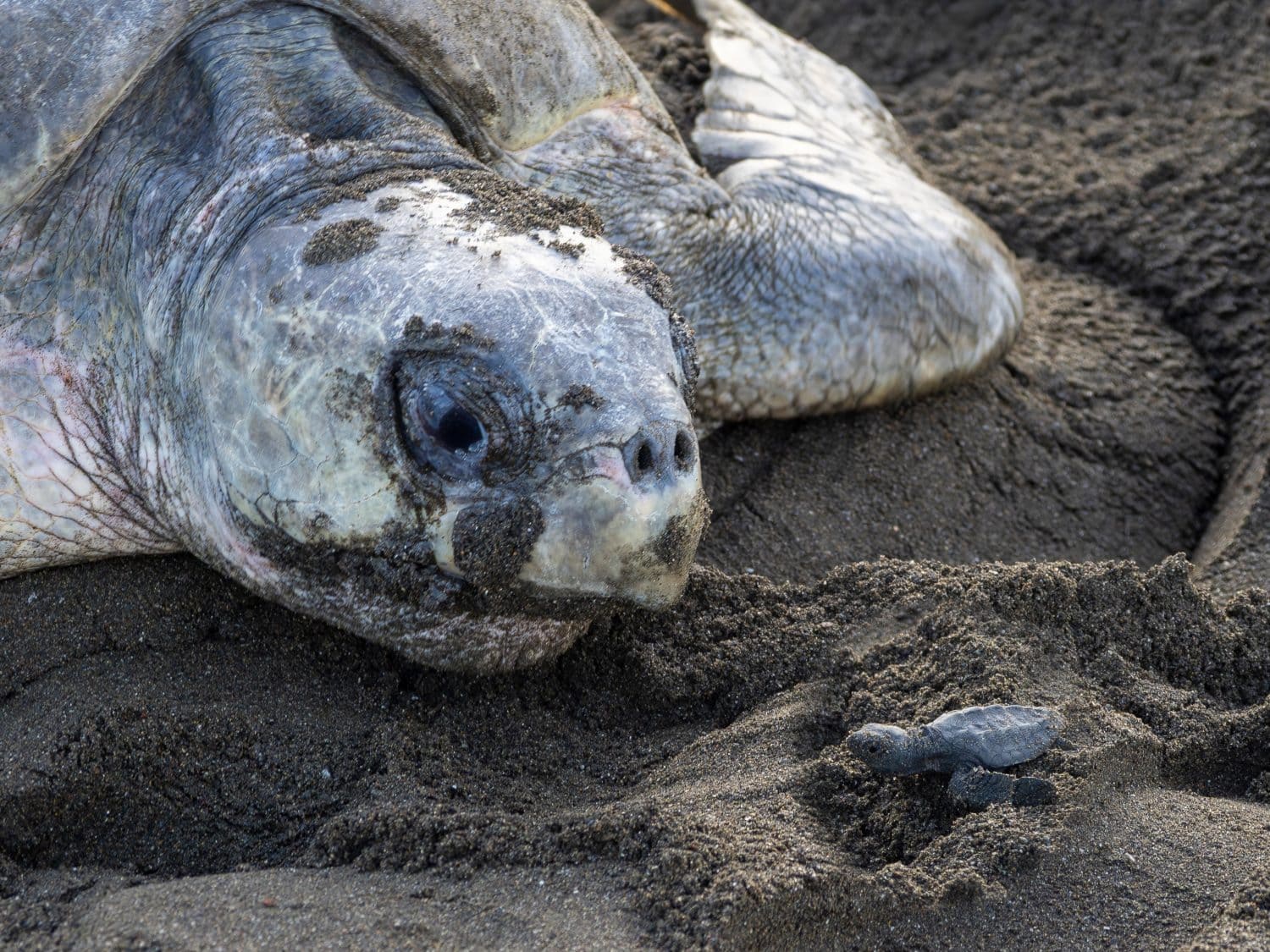
KTLA’s reporting notes that olive ridleys are actually one of the more abundant sea turtles in the world. What’s rare is finding one here. They usually nest off Oaxaca in southern Mexico and down into Costa Rica, and the same tracking work found the species living mostly between 8 and 31 degrees north latitude, in water around 73 to 82 degrees Fahrenheit. That strip of warm water is basically the turtle’s whole world. Wherever it swims inside that band, nothing tells it that it’s left the tropics behind.
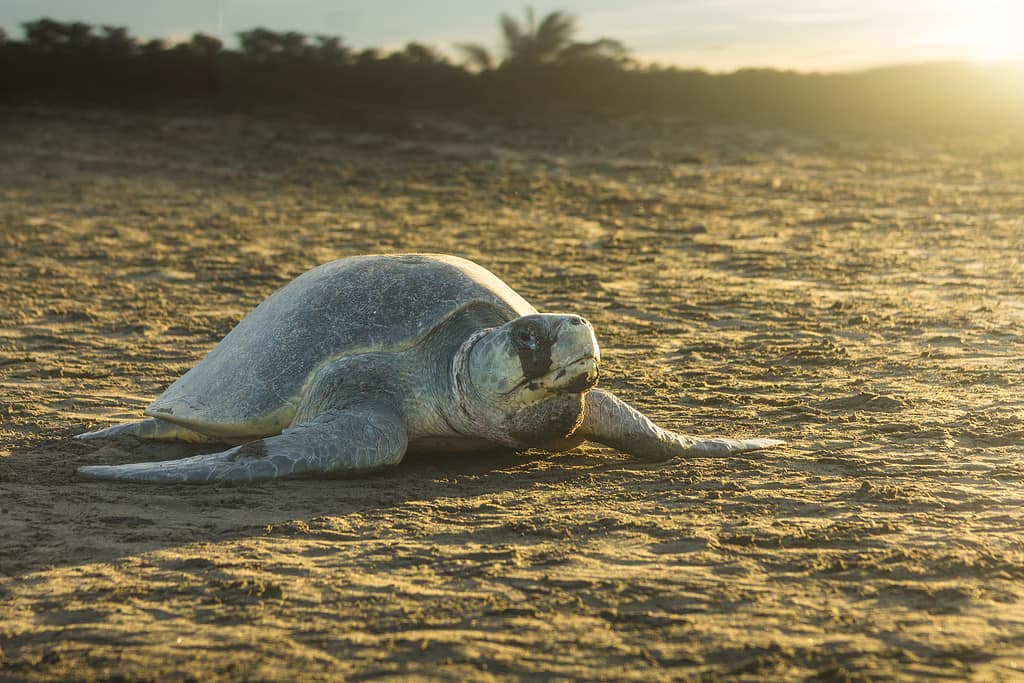
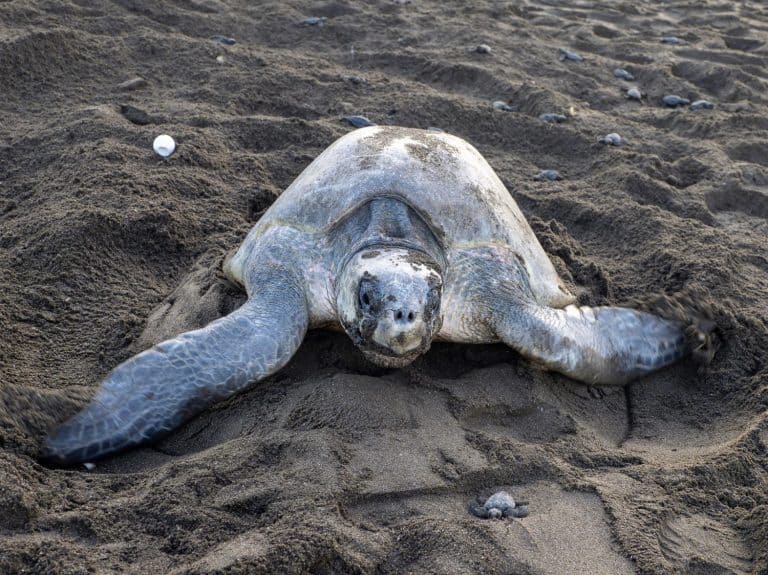
This sea turtle arrives every month at the pacific coast of Costa Rica
©Daniel Alvarado Calderon/iStock via Getty Images
What Carried It North
This fall, that warm strip of water stretched a long way north. An extreme marine heat wave combined with a strong El Niño has pushed Southern California’s water close to the temperature of the turtles’ own nesting grounds, and near Monterey the water has been running more than 10 degrees warmer than normal. Monterey Bay Whale Watch called the sighting “highly indicative of the El Niño and its effects on our bay,” and the evidence backs that up: three other olive ridleys have laid eggs on Southern California beaches since September, the first sea turtle nests ever documented on the U.S. West Coast.
The Catch With Warm Water
A hard-shelled sea turtle can’t warm its own body, so it’s at the mercy of whatever temperature the water happens to be. If the warm water pulls back, that turtle is in trouble. Researchers in British Columbia looked back through 247 sea turtle sightings and strandings recorded since 1931 and found that almost half the hard-shelled turtles turned up dead or too cold to move, because they simply can’t keep their body temperature up in cold northern water. Olive ridleys can adapt to colder water for a short time, but a long stretch can be a problem. This one has followed warm water a long way. The head that popped up beside the boat went back under after a few breaths, into water that, for now, still feels like home.