
Quick Take
- A new giant anteater was introduced at the Buffalo Zoo
- Giant anteaters are listed as a “vulnerable” species.
- Giant anteaters can eat approximately 30,000 insects per day.
There’s a new “insect specialist” coming to the Buffalo Zoo, and it has everyone talking. By adopting the anteater, the zoo staff is doing its part to save the life of an animal that no longer has a fighting chance in the wild. Let’s talk more about this new zoo guest and why it’s such a big deal.
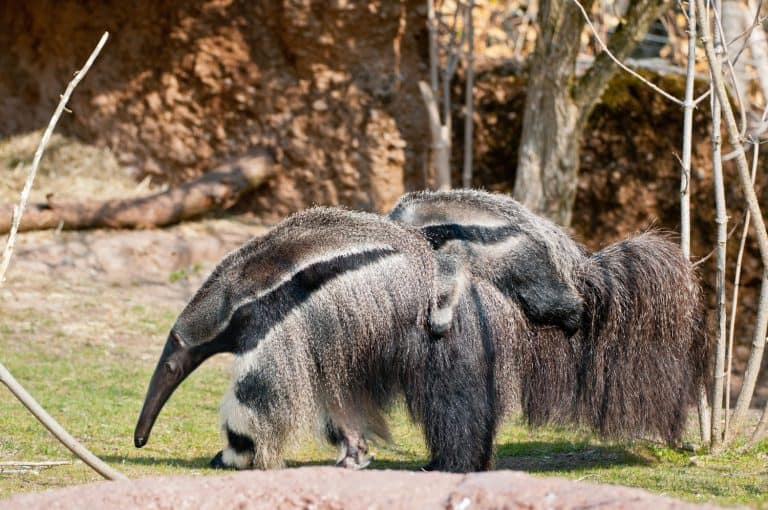
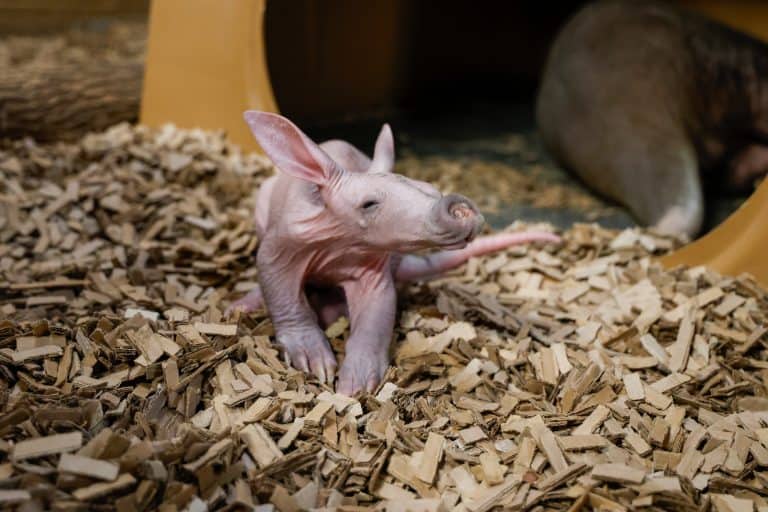
The new resident at the Buffalo Zoo is named Tupi, and he’s a seven-year-old male anteater. While at his new home, Tupi will get the support he needs to live a long life. He lived at both the Beardsley Zoo in Connecticut and the Nashville Zoo prior to his current stop. He’ll be joined by Maria, the zoo’s current female anteater resident. The idea is that they can work together to sustain the species.
Tupi is eight feet long, which is typically the maximum size the species will reach. They can also weigh up to 100 pounds. Although they can be a physically imposing species, they still face dangers and concerns in the wild, so the zoo is often the best place to be.

From how they travel to how they eat, giant anteaters are truly one of the more unique species on the planet.
©Lucas Leuzinger/Shutterstock.com
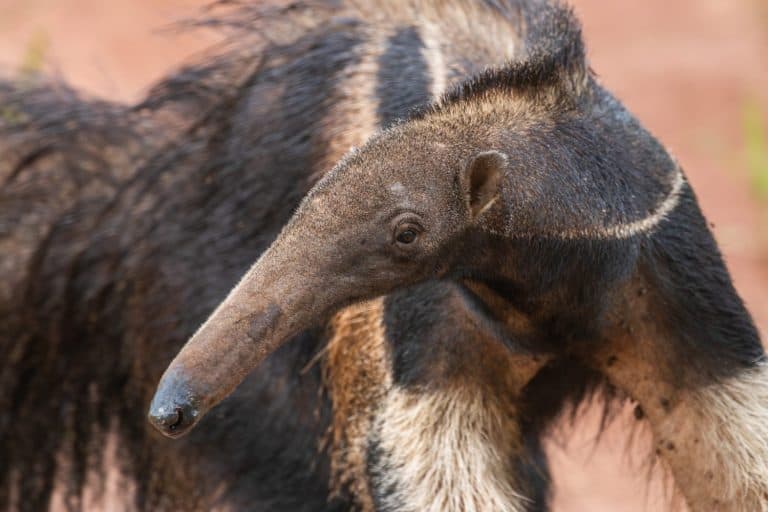
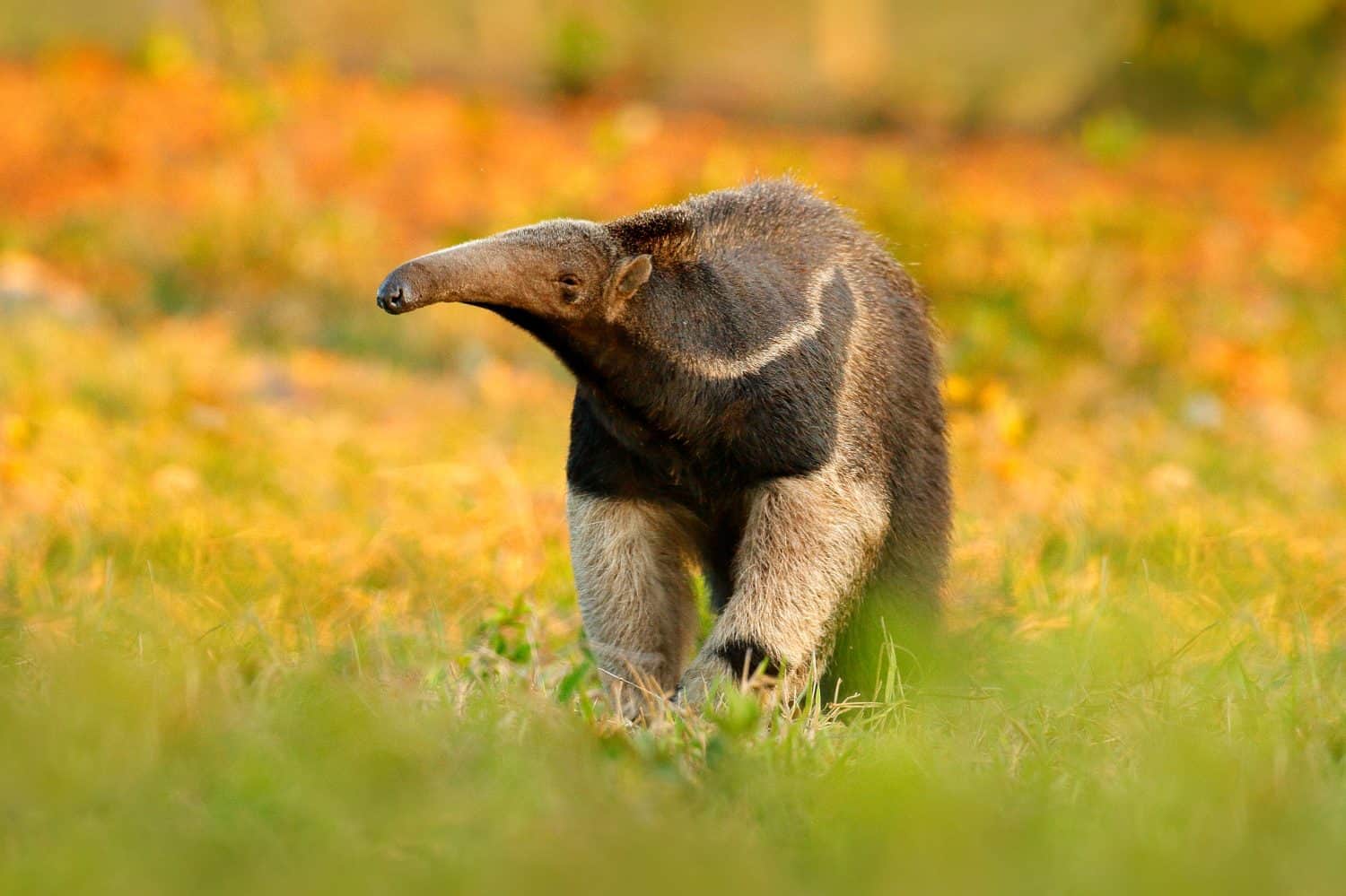
There are four primary species of anteater, including the silky anteater, southern tamandua, north tamandua, and the giant anteater. Giant anteaters have limited ways of perceiving and navigating their environment. They have a diminished sense of sight, and they can’t hear very well, so they rely on their acute sense of smell (which is 40 times more powerful than a human) to find sustenance and to survive. Giant anteaters rely strictly on a diet of ants or termites. They walk through their habitat and can smell when insects are nearby.
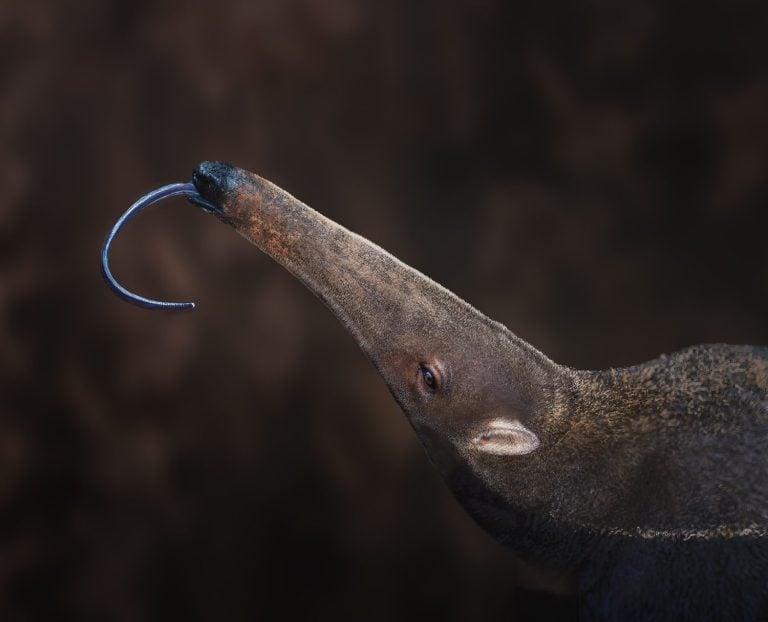
Once they’re certain that the food is near, they’ll use their claws to rip open the nest. Giant anteaters don’t have teeth, so they use their sticky, saliva-covered, two-foot-long tongue, which flicks in and out of their mouths to consume over 100 insects in a single feeding. They accomplish this by flicking their tongue in and out approximately 150 times per minute. All in all, many giant anteaters eat up to 30,000 insects per day. However, since the insects will fight back by trying to bite the anteater’s tongue, they’ll typically only eat ants for a minute before moving on to the next nest. Needless to say, they spend the majority of their day eating.
An aspect of their anatomy that makes them particularly biologically unique is their large claws, which are as sharp as knives. In order to protect their claws and walk efficiently, giant anteaters move by tucking in their claws and walking on their front knuckles. This adaptation does not slow them down; they can gallop at up to 30 miles per hour in short bursts when needed.
Giant anteaters are also incredible swimmers. When they enter deeper water, anteaters use their long noses as snorkels. While in the water, they move with a freestyle stroke. The ability to swim allows them to traverse rivers and move to new breeding and feeding grounds.
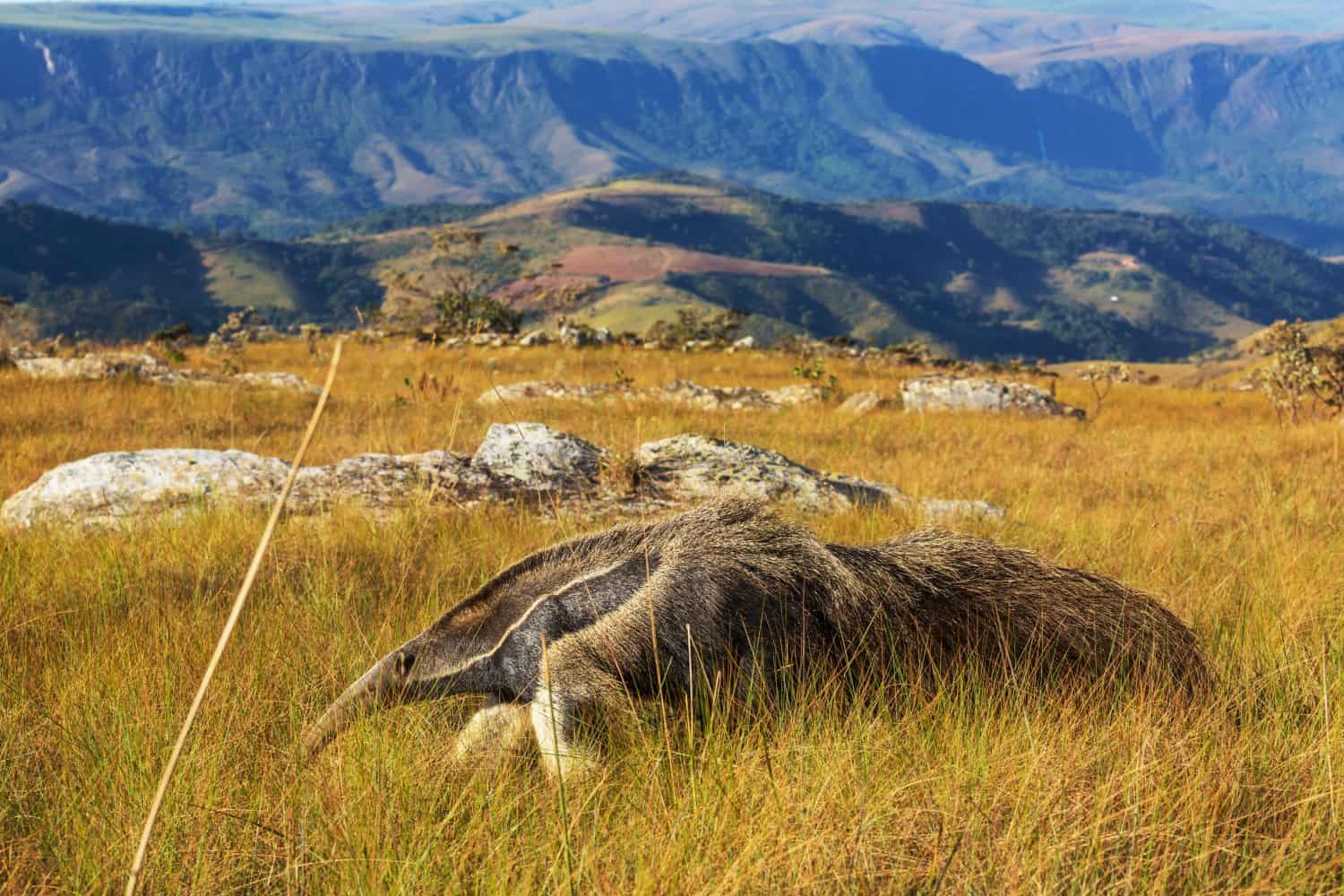
Giant anteaters are listed as vulnerable due to the disappearance of their natural habitat.
©Galyna Andrushko/Shutterstock.com
In addition to being a wonderful attraction for residents of the state, the addition of giant anteaters to the Buffalo Zoo increases their chances of survival. Currently, the native habitat for giant anteaters includes many areas across South and Central America, excluding Uruguay, El Salvador, and Guatemala. While there, you can find them in grasslands, wetlands, and tropical forests.
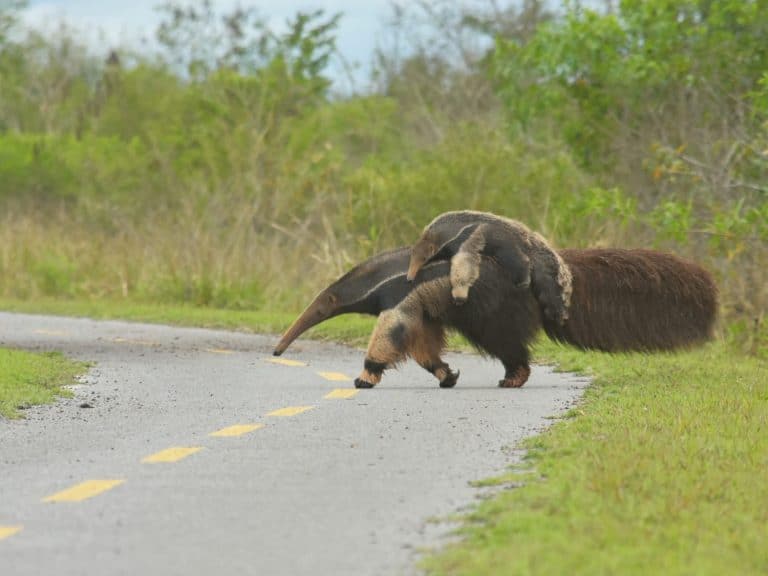
The issue is that the natural habitats for giant anteaters are quickly becoming depleted. Currently, the International Union for Conservation of Nature lists the giant anteater as “vulnerable,” and in many areas, such as Uruguay, it is extinct. There are several reasons why giant anteaters are in danger. Much of it is due to the expansion of roadways in South America. The area is changing, and the construction of roads and highways cuts into the land where anteaters call home. That’s in addition to the issue of anteaters being struck by moving vehicles. At the same time, new buildings and developments force anteaters out of their natural environment. When they try to find a new place to live, they often struggle to find food, mates, and shelter.
By providing animals like the giant anteater with a new, safe home at the Buffalo Zoo and other local zoos, they can receive the care they need. While there are conservation efforts underway, like The Anteaters and Highways Project, it’s often not enough, so finding an adequate home is key. The animals brought to live at the zoo are no longer forced to fend for themselves, and they can live longer and happier lives thanks to the efforts of zoologists across the nation. If you live in the area, consider visiting the new resident.