
Quick Take
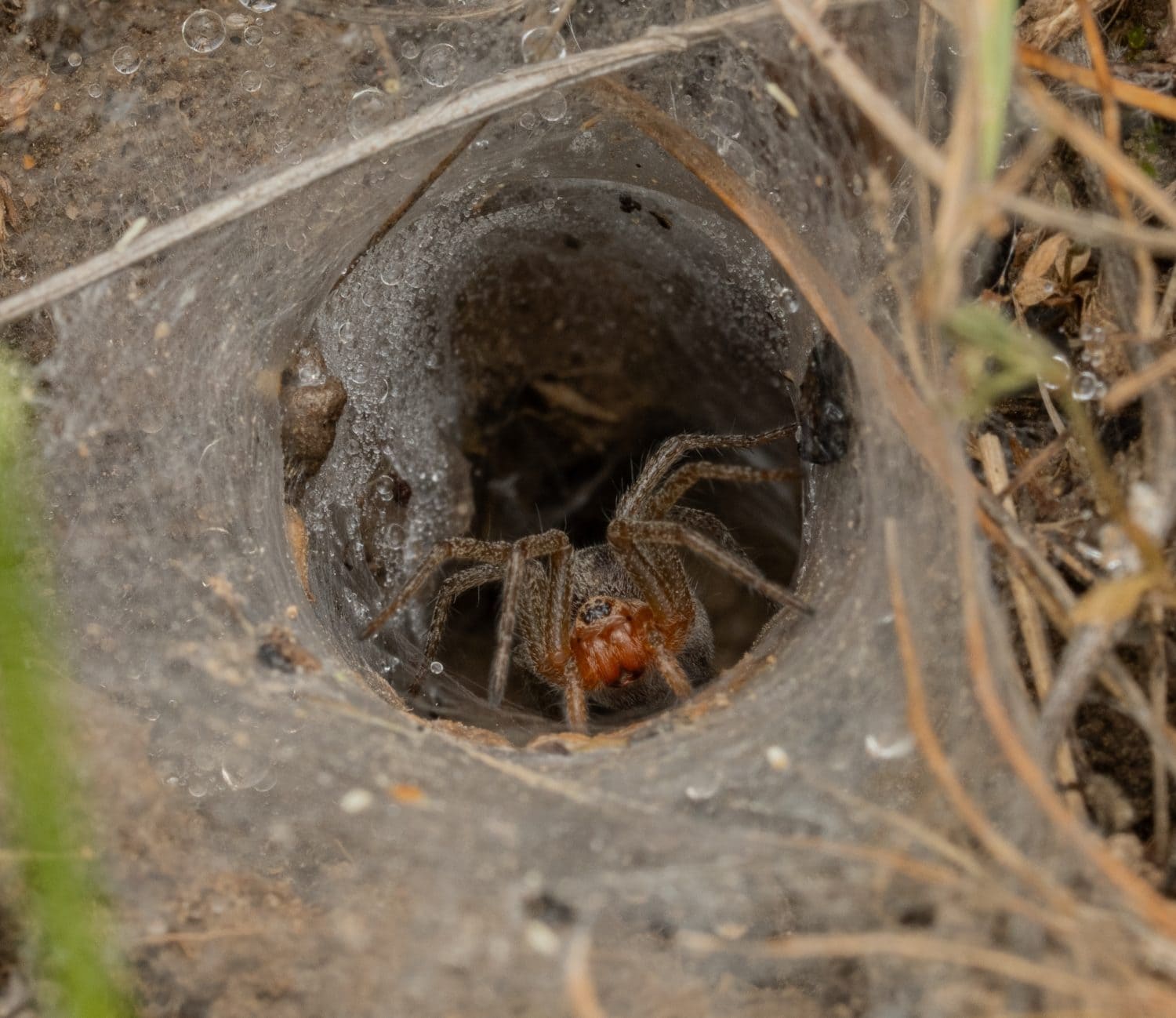
- Sydney funnel-web season is when male Atrax robustus leave burrows to mate, increasing encounters with people.
- Spider season is broader, driven by warmth and humidity, increasing visibility of many harmless spiders and their webs.
- Practical safety during funnel-web season includes wearing shoes outdoors at night and shaking out clothing and gear before use.
Across much of Australia, people start talking about “spider season” as the weather warms and webs seem to appear overnight in gardens, sheds, and corners of the house. At the same time, experts issue specific seasonal warnings about Sydney funnel-web spiders, especially as males begin wandering and turning up indoors.
These two patterns often overlap, but they are not the same phenomenon. One involves many common and mostly harmless species becoming more visible, while the other concerns a medically significant spider whose movements raise genuine safety concerns. Understanding the difference between general spider activity and funnel-web season helps people respond calmly, enjoy outdoor spaces, and avoid dangerous mistakes during warmer months.
What Australians Mean by “Spider Season”

Spider season in Australia brings an increase in spiders and webs.
©0leJohny/Shutterstock.com
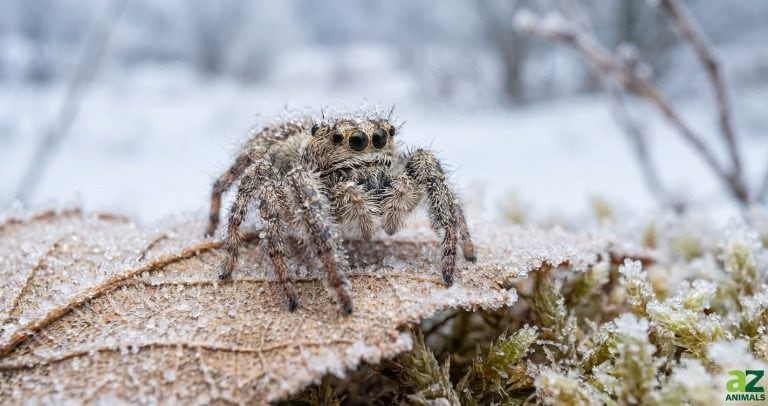
When people complain about spider season, they are usually reacting to a sudden rise in visible spiders and webs around homes and outdoor spaces. This increase begins in spring and often peaks through summer and early autumn. Warmer temperatures speed up spider growth, while rising humidity supports booming insect populations, providing an abundant food supply.
Many Australian spiders are present year-round but remain hidden during cooler months. As temperatures rise, juveniles emerge, adults grow larger, and web-building activity increases. This makes spiders far more noticeable around windows, fences, eaves, shrubs, and garden beds. The result feels sudden, even though it reflects a normal seasonal cycle rather than an invasion.
Common Spiders Active During Spider Season
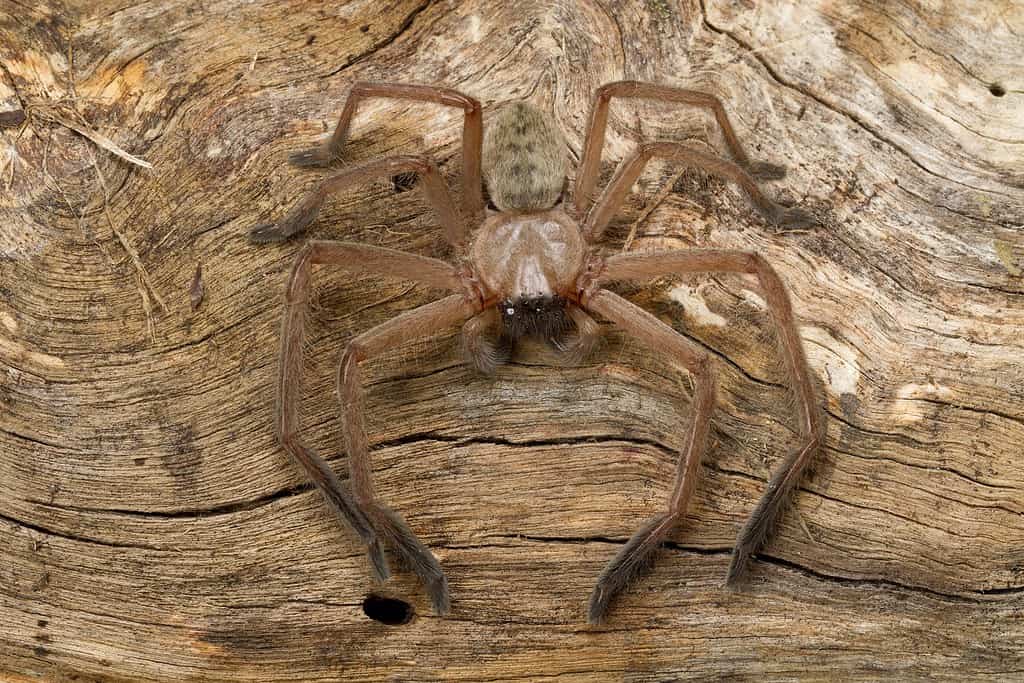
Delena cancerides, the Australian huntsman spider, is a harmless species active during spider season.
©https://collections.museumsvictoria.com.au/species/8803 – Original / License
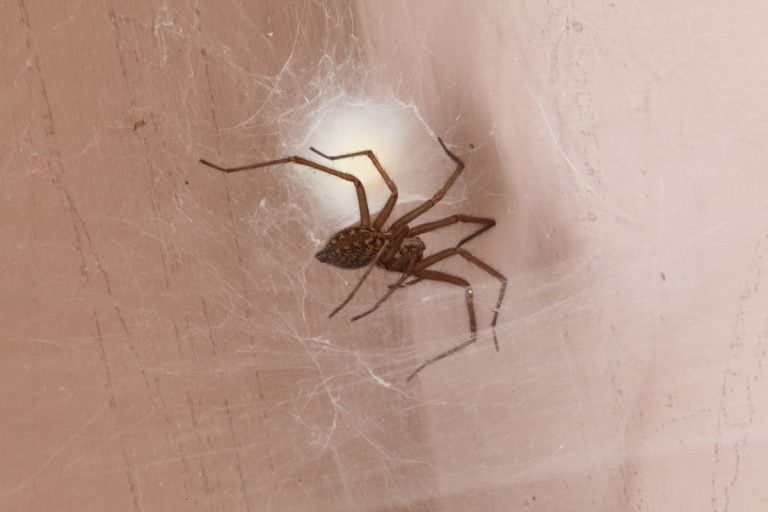
Spider season involves a wide variety of species, most of which pose little risk to people. Orb-weaver spiders become especially noticeable as they build large, symmetrical webs across paths and garden spaces. Huntsman spiders often wander indoors, particularly during warm nights or after rain, leading to alarm despite their generally mild venom.
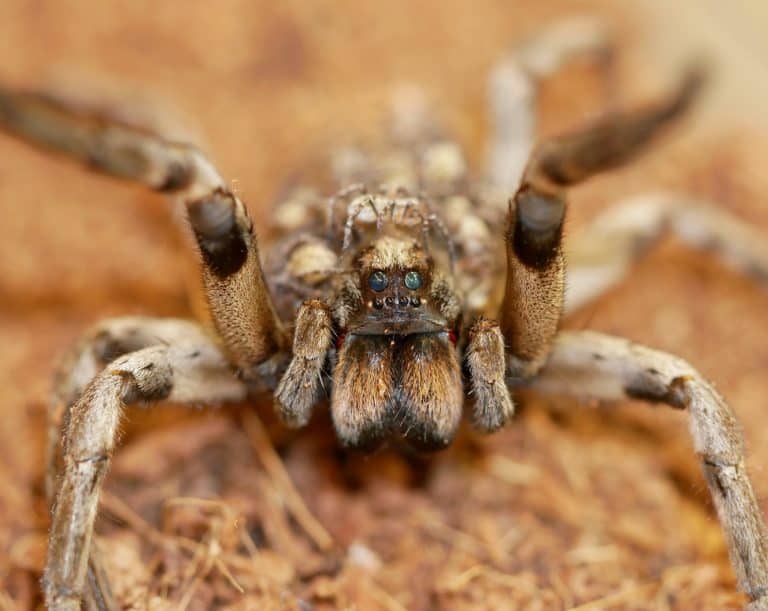
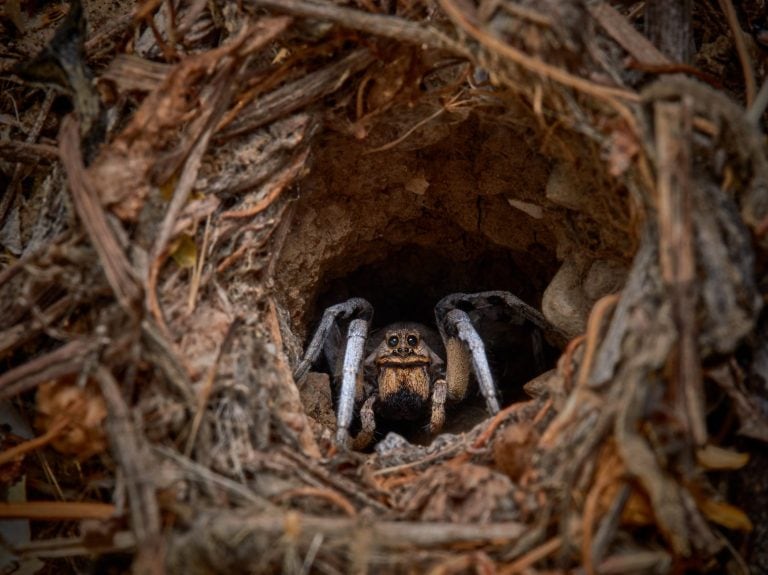
Other frequently seen species include house spiders that build messy webs in corners, garden spiders that anchor webs between plants, and wolf spiders that hunt on the ground rather than using webs. These spiders are active because conditions support feeding, growth, and reproduction, not because they are seeking out human spaces. Their presence reflects healthy insect populations and seasonal warmth rather than danger.
Seasonal Cycles That Drive Spider Visibility
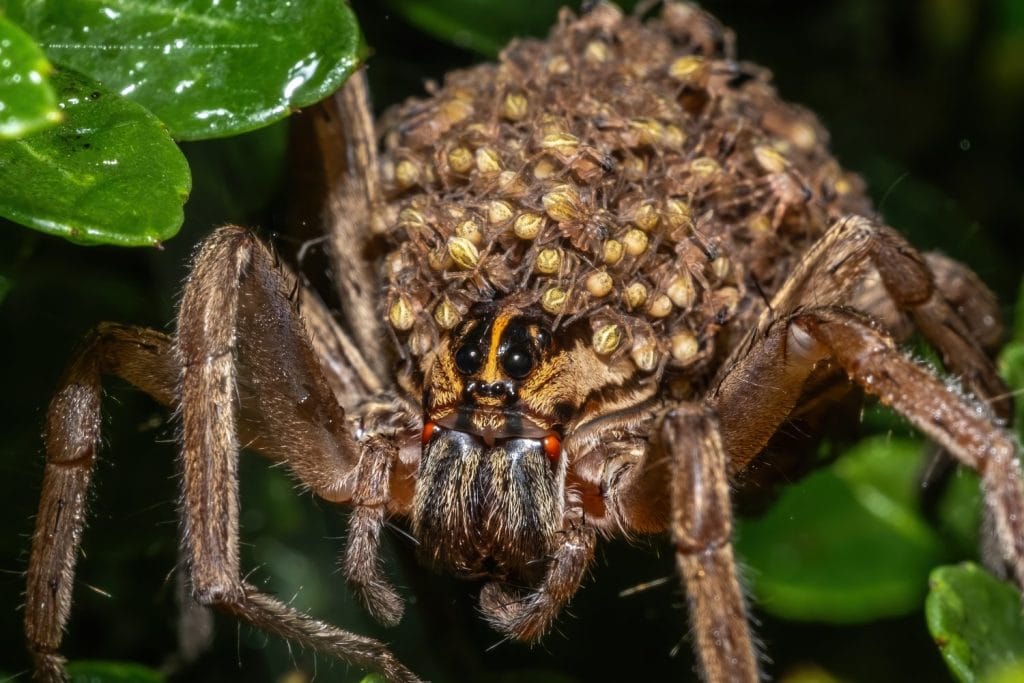
A wolf spider with babies on her back.
©samray/Shutterstock.com
Most Australian spiders follow biological rhythms shaped by temperature and food availability. Eggs laid in late summer or autumn hatch in spring, releasing large numbers of spiderlings. These young spiders disperse to new areas and grow quickly as insects become plentiful.
By mid to late summer, many spiders reach adulthood and build larger webs or begin roaming in search of mates. As autumn approaches, females often produce egg sacs that protect the next generation through cooler months. Many adult spiders then die off as temperatures drop, leaving eggs or juveniles to carry the cycle forward. This repeating pattern explains why spider season feels predictable year after year.
Sydney Funnel-Web Spiders and Their Unique Risk
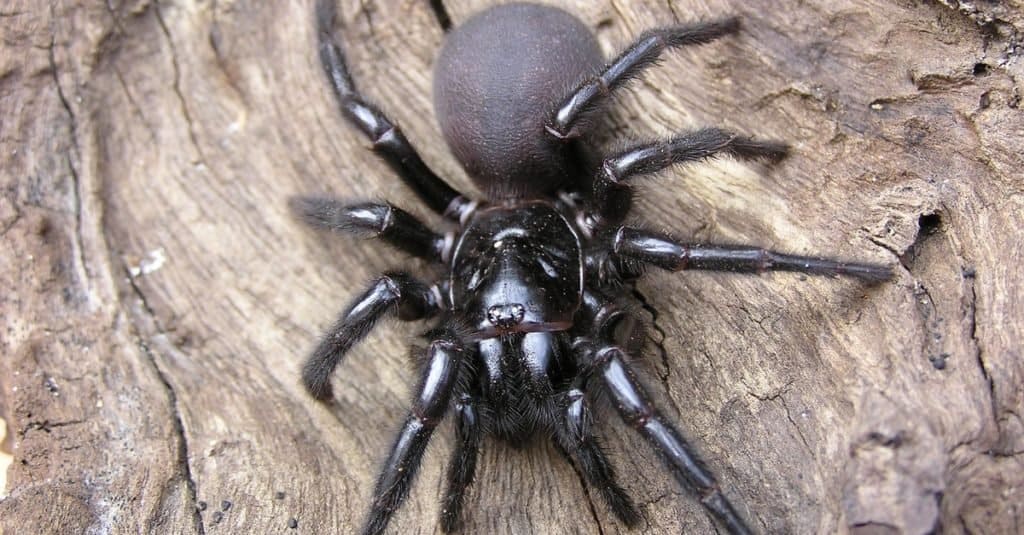
The Sidney Funnel-Web Spider has fangs longer than some snakes.
©James van den Broek/Shutterstock.com
The Sydney funnel-web spider, Atrax robustus, is a glossy, dark, medium-sized spider native to eastern Australia. It lives in silk-lined burrows in moist, shaded habitats such as forest floors, gullies, and densely planted gardens. Females remain in these burrows for most of their lives and rarely encounter people unless disturbed, while males are far more mobile and responsible for nearly all serious human bites due to their potent venom and long, powerful fangs.
Funnel-web season refers to the time of year when male spiders leave their burrows to search for females, increasing the risk of encounters with people. In the Greater Sydney region, this typically runs from October through April, with peak activity often occurring during the hottest and most humid months, usually between December and March, depending on weather conditions. During this period, males may cross lawns and patios, enter houses, and shelter in cool, damp places such as shoes, sheds, garages, pool filters, and drains, particularly after warm weather follows rainfall.
How Funnel-Web Venom Compares to Other Toxins
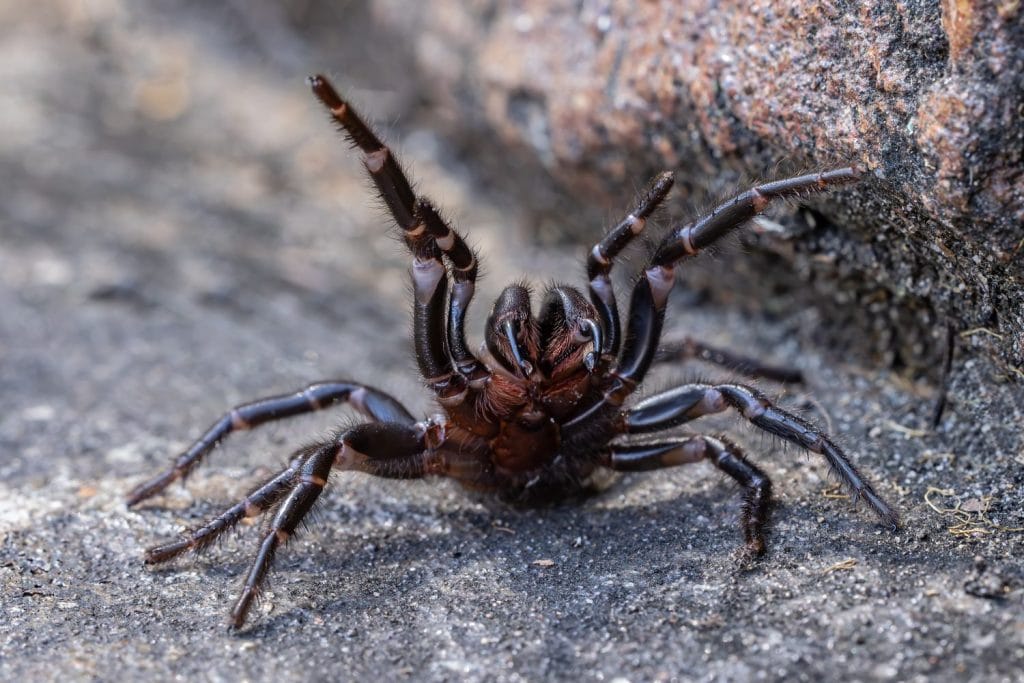
Venom is visible on the fangs of this funnel-web spider.
©Ken Griffiths/Shutterstock.com
Sydney funnel-web venom is among the most dangerous spider venoms known to affect humans. It targets the nervous system, interfering with normal nerve signaling and causing symptoms such as muscle twitching, sweating, nausea, and breathing difficulties. In untreated cases, symptoms can escalate rapidly.
When compared to other animal toxins, funnel-web venom acts more quickly than many snake venoms and is considered more dangerous to humans than the venom of most spiders worldwide. Unlike venoms that primarily destroy tissue, funnel-web venom disrupts nerve function, which explains its severity. The introduction of antivenom in the early 1980s transformed outcomes, and no confirmed deaths have occurred since 1981. Even so, bites remain medical emergencies requiring immediate treatment.
Practical Safety During Funnel-Web Season
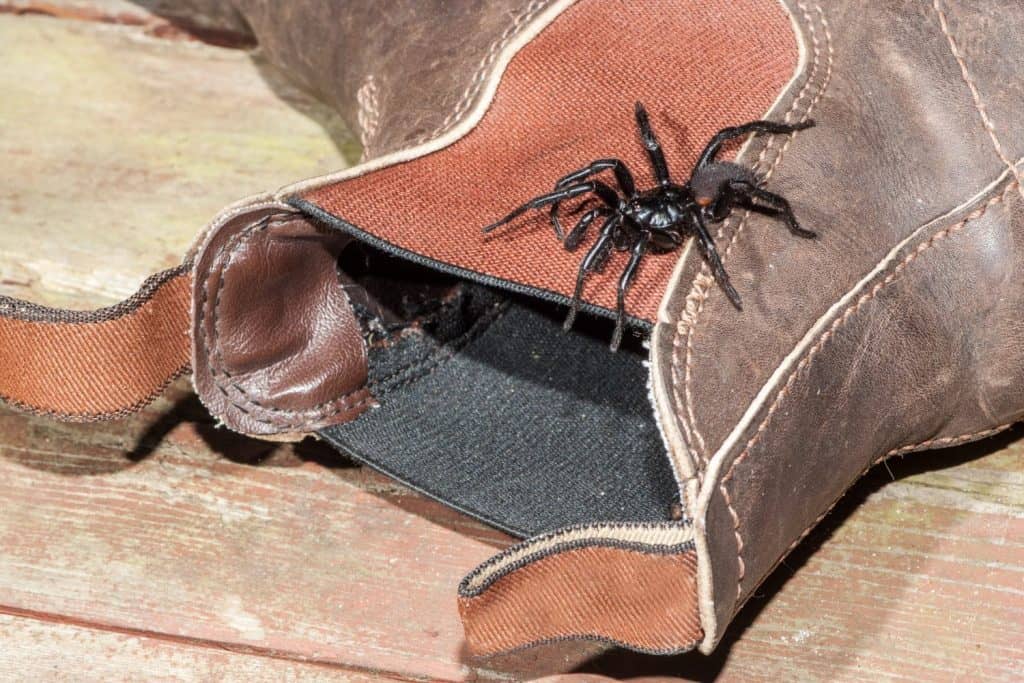
Shaking out your shoes before putting them on is a wise precaution when deadly spiders are out and about.
©Ken Griffiths/Shutterstock.com
Simple habits reduce risk during funnel-web season. Wearing shoes outdoors, especially at night, lowers the chance of accidental contact. Shaking out shoes, gloves, and clothing before use is especially important if items have been left on the floor.
Keeping sheds, garages, and laundries tidy reduces cool, damp hiding places. Pool owners are advised to check filters and equipment regularly. If a suspected funnel-web spider is found, some wildlife programs accept safely collected specimens for antivenom production, though collection should only be attempted using secure containers and extreme care.
What To Do If You Spot a Spider in Your House?
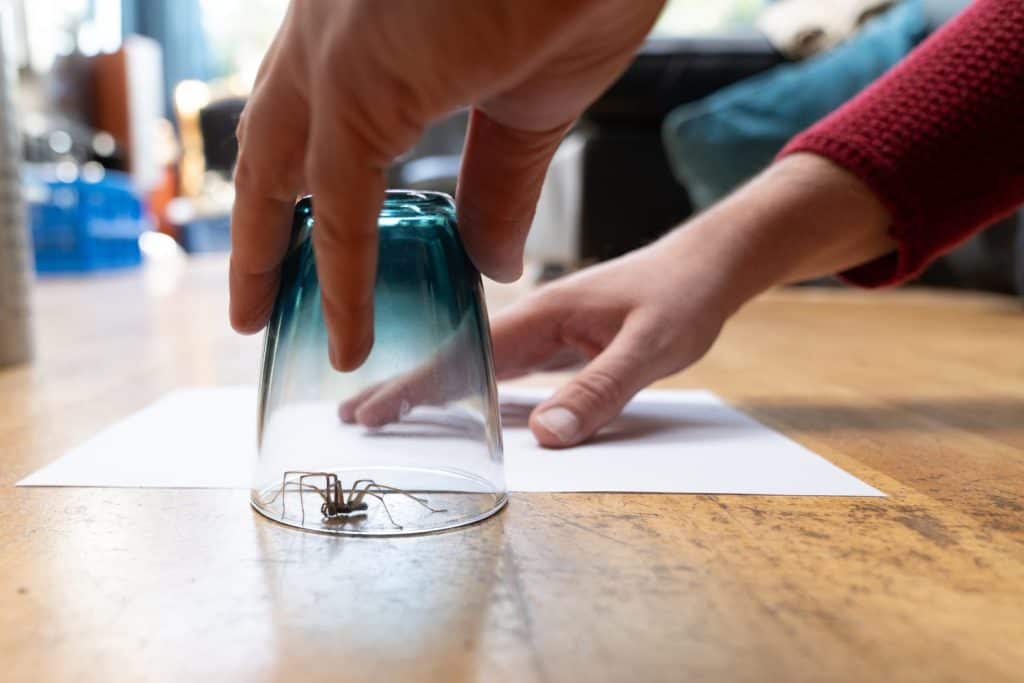
To remove non-venomous spiders from your house, trap them under a glass and then slide a piece of paper under it, then safely release them outside.
©Leoniek van der Vliet/Shutterstock.com
If you see a non-venomous spider in your house, staying calm is the best first step. Most house and garden spiders are harmless and are usually just passing through while hunting insects. If you’re comfortable, you can leave it alone and let it do its job, since these spiders help control flies and mosquitoes. If you want it gone, gently trap it with a cup and a piece of cardboard and release it outside, or encourage it toward an open door or window. Avoid spraying unless spiders are persistent, since unnecessary pesticide use can harm beneficial species and isn’t usually needed.
If you suspect the spider may be venomous, especially something like an Atrax robustus, do not attempt to handle it. Keep your distance, isolate the area if possible, and make sure children and pets are kept away. If the spider is inside, contacting a licensed pest controller is the safest option. Should a bite occur or be suspected, apply pressure immobilization bandaging and seek urgent medical care immediately. In Australia, treating unknown spiders with caution is the safest approach, in view of the danger of some of the spider species there.
What About Calling an Exterminator?
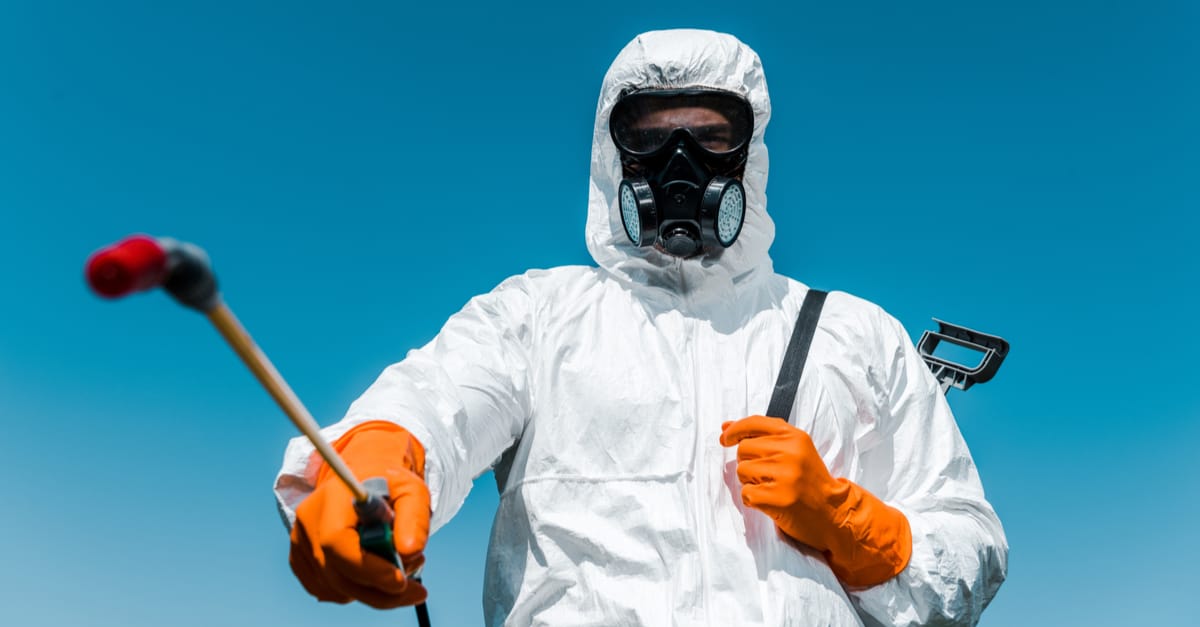
Even after calling an exterminator, spiders can still cross into your property from untreated areas a great distance away.
©LightField Studios/Shutterstock.com
Sometimes people who are especially fearful of spiders or who have a large infestation may call an exterminator. Professional pest control treatments can reduce the number of spiders and insects inside and immediately around a home, which lowers the chance of indoor encounters. Residual sprays around skirting boards, entry points, garages, and sheds can deter funnel-web spiders from coming indoors. That said, spraying does not eliminate funnel-web spiders from the surrounding environment. These spiders live in outdoor burrows, often well beyond the treated area, and wandering males can still enter a property during funnel-web season.
Because of this, experts generally treat spraying as a secondary measure, not a complete solution. Physical precautions matter more: sealing gaps under doors, keeping floors clear, shaking out shoes and clothing, and reducing damp hiding spots. Extermination can help reduce risk inside the house, but it cannot fully prevent funnel-web encounters during peak season, which is why seasonal awareness and basic safety habits remain essential.
Seasons of Awareness Rather Than Fear
Spider season and funnel-web season are overlapping but distinct patterns shaped by Australia’s climate. Most spiders become visible because conditions support growth and feeding. A much smaller group, the Sydney funnel-web spiders, require specific precautions due to their venom and seasonal movement.
Recognising this difference allows people to respond appropriately. With awareness, simple safety habits, and accurate information, Australians can stay protected while continuing to share their environment with one of the world’s most diverse spider populations.