Only 34 aardvarks exist in AZA-accredited zoos, marking a critical population requirement.
A 4-pound birth weight creates a technical hurdle for Curator Jac Menish during early development.
The Least Concern classification is actually counterintuitive due to a massive knowledge gap.
The Nashville Zoo must complete a specific vaccination protocol before the calf joins public walks.
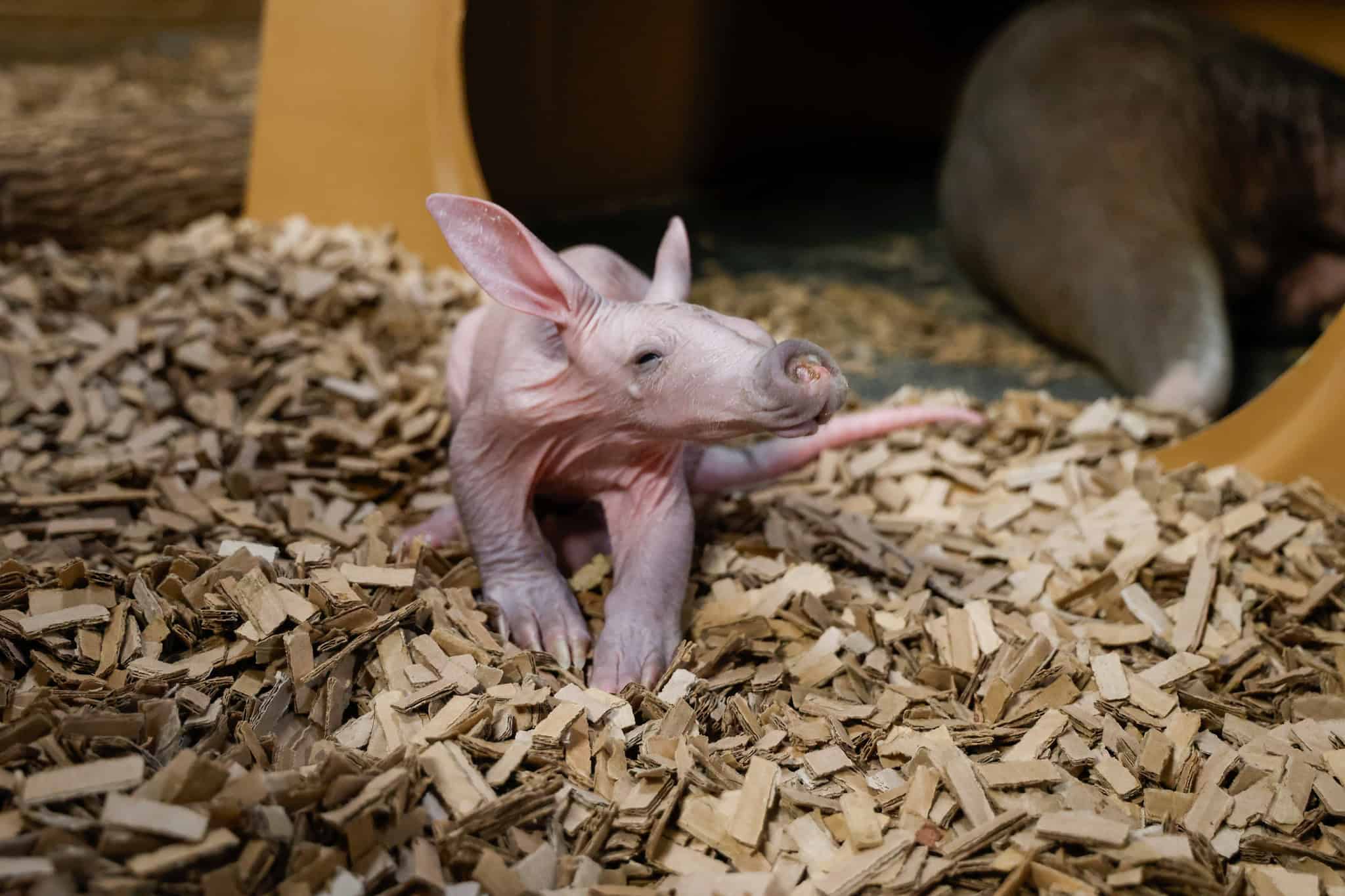
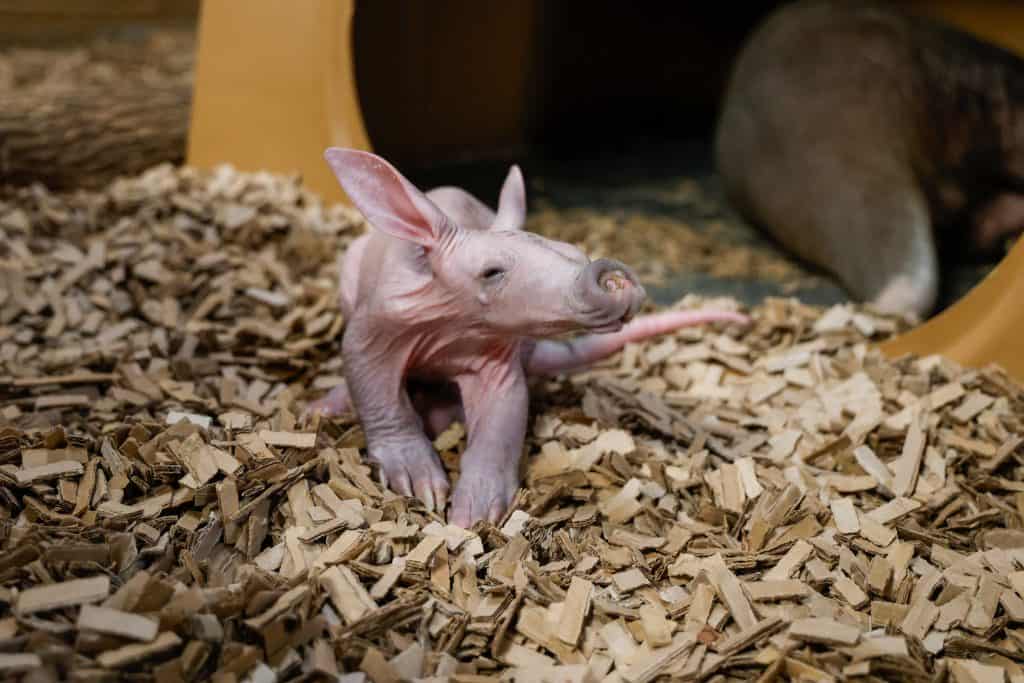
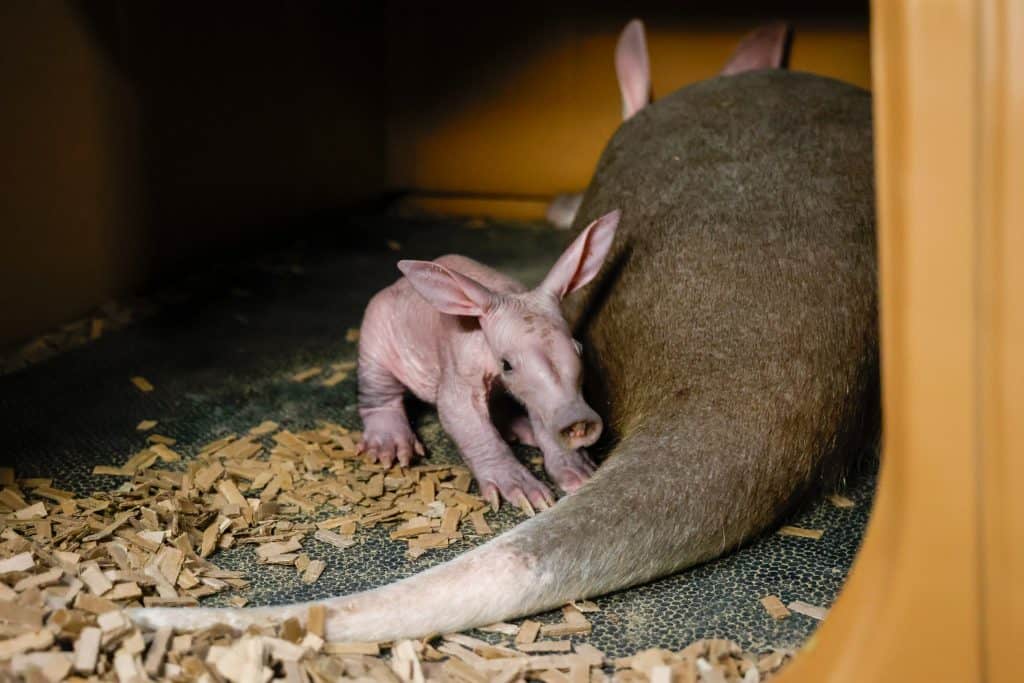
While many rang in 2026 with another countdown as the ball dropped, the Nashville Zoo was having its own New Year’s celebration. Just six hours and six minutes into January 1, the Nashville Zoo welcomed the birth of its first baby aardvark. Weighing just four pounds, the aardvark quickly captured the hearts of everyone at the Zoo.
The aardvark calf, born to mom Karanga and dad Winsol, represents an incredible milestone for the Zoo. Prior to the calf’s birth, there were only 33 aardvarks in zoos and aquariums accredited by the Association of Zoos & Aquariums (AZA). Jac Menish, the Curator of Behavioral Husbandry at the Nashville Zoo, explains, “This baby is now number 34. Each birth in an AZA zoo or aquarium is very significant. We want people to be able to see aardvarks and learn about these amazing animals for generations to come, and so each birth helps us increase this important population.”
What Are Aardvarks?
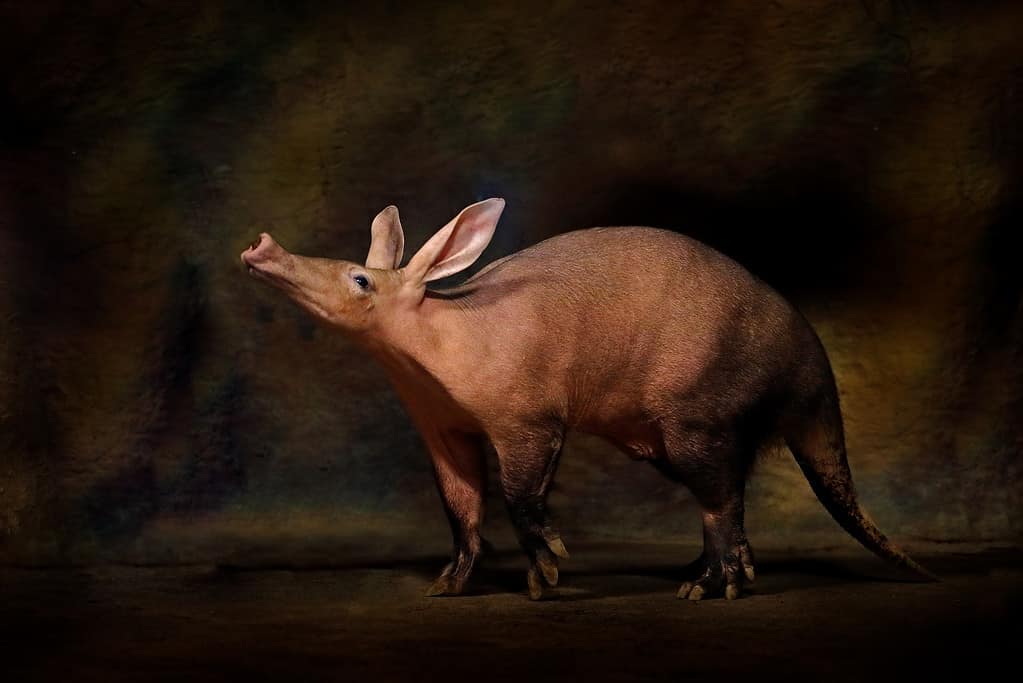
Aardvarks are small to medium-sized mammals primarily found in sub-Saharan Africa. Sometimes called “earth pigs” or “ground pigs” for their almost hairless bodies and long snouts, aardvarks live in underground burrows they dig with their powerful claws.
Aardvarks have more nasal turbinates (bones) in their nose than other mammals, contributing to their unmatched sense of smell.
Aardvarks are particularly unique because they have very few close animal relatives. According to Menish, “Aardvarks are the only living species in the Order Tubulidentata. They are most closely related to manatees, elephants, and hyrax, but even those are quite distantly related.”
In terms of diet, aardvarks are insectivores, meaning they eat predominantly insects. Ants and termites are their favorite meals. Aardvark claws, in addition to being used for digging burrows, are helpful for tearing apart ant mounds. They can then reach the insects with their long, sticky tongue. Aardvarks can eat up to 50,000 (or potentially 60,000!) insects each night. However, Menish adds, “They will occasionally also eat fallen fruit.”
Everyone’s Happy About Another Aardvark
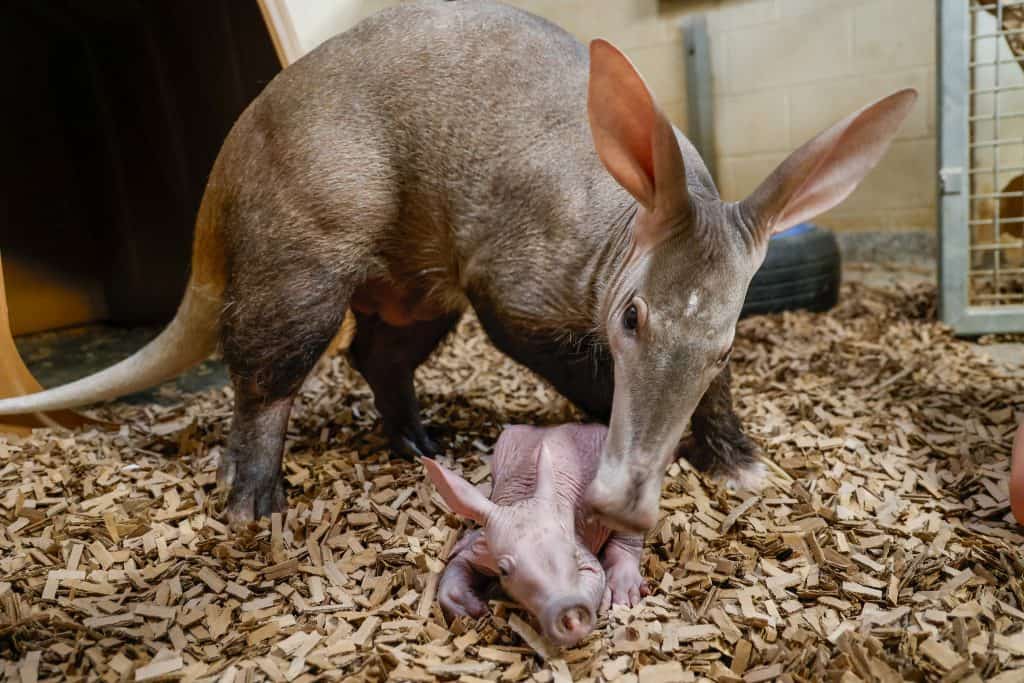
Not every animal parent is attentive, but aardvark mothers play an important part in raising their calves.
According to Menish, aardvark pregnancies last for around seven months and typically produce just one calf at a time. After birth, the mother raises the calf, usually weaning it when it is around three or four months old. As of right now, the Nashville Zoo isn’t sure whether the new calf is male or female. “It is very difficult to tell the sex of a young aardvark until it is much older,” says Menish.
Regardless, the calf, named Happy, is thriving under the Zoo’s care. Menish shares, “Happy was walking well minutes after birth, and was running around the stall within days of being born. Since then, Happy has been doing really well and is growing like a weed. It is up to over 11 pounds, so that is a nearly 180% increase in weight in just 21 days.” Then, with a smile, she adds, “Mama Karanga is a very good mom.”
Although it takes months to fully wean an aardvark calf, aardvarks usually start eating insects around 14 weeks old. Happy definitely isn’t there yet, but Menish notes that Happy is curious about his mother’s diet and has been sniffing around her insects and fruit.
Aardvarks are an important part of their ecosystem, so their protection is important. A birth like Happy’s helps the species by providing an opportunity to study these animals up close so we can apply those lessons to their protection in their home range.
Jac Menish, Curator of Behavioral Husbandry at the Nashville Zoo
Does Happy’s Name Live Up to Its Personality?
Absolutely! When Menish describes Happy, she says, “This little calf is very bright and bouncy, but it’s also insistent on getting mom’s attention when it wants it.” Right now, some of the keepers feel like Happy’s personality is closer to his dad, Winsol’s personality, than his mom’s personality. But Menish acknowledges that it can always change.
Much like other animals and humans, aardvarks like Happy show distinct personalities.
Happy is also social with the zookeepers who have been taking care of Karanga since before Happy was born. When Happy is sleepy, the calf enjoys a nice cuddle. Menish says, “The cutest thing Happy does is it allows keepers to pick it up when it is sleepy and stays asleep in their arms. Happy also twitches in its sleep and even moves its legs like it is running, similar to how dogs do when they are sleeping. We don’t know if Happy is dreaming or not, but it’s awfully cute.”
What Happy’s Birth Teaches Us
Once Happy receives its vaccinations, the calf will join its mother on walks and aardvark tours!
As shared earlier, Happy is the 34th aardvark to live in an AZA-accredited zoo or aquarium. Says Menish, “It’s important to ensure that zoo and aquarium animal populations are as diverse and healthy as possible, so each birth helps. We work with the Aardvark Species Survival Plan (SSP) to make sure this population of animals is well-matched.”
Happy’s birth gives zookeepers and researchers the opportunity to learn more about aardvarks and how the species could be protected in the wild. Aardvarks are not considered endangered. Rather, the IUCN Red List classifies aardvarks as “Least Concern.” However, Menish cautions that the “Least Concern” status is partly due to how little we know about aardvarks. She explains, “Our knowledge is hindered by the secretive nature of these animals and how difficult it is to study the population.”
Aardvarks currently maintain a wide geographical range. But aardvarks are also facing habitat destruction and population losses due to hunting. As the African Wildlife Foundation explains, humans sometimes hunt aardvarks for their meat or body parts, which are believed in some cultures to be charms or to ward off harm.
Conservation
Although Happy’s birth seems quite separate from these issues, Menish explains that they are intrinsically connected: “Aardvarks are an important part of their ecosystem, so their protection is important. A birth like Happy’s helps the species by providing an opportunity to study these animals up close so we can apply those lessons to their protection in their home range.”
If you’re interested in supporting aardvark conservation after reading Happy’s story, there are numerous ways you can help. The first, Menish says, is supporting organizations such as the African Wildlife Foundation that work to conserve the aardvark’s home range. But you can also take smaller actions. She explains, “It’s important to do small things that can help animals in Africa, such as recycling cell phones and cans, as the metals used in these items can come from Africa. You can also use less energy, as pollution from energy production can affect environments all over the world.”
One of the most important things you can do is continue to learn. Learn more about the richness of our planet and the animals that inhabit it. Read about Happy and let it spark your curiosity to learn about a species you may not have known about before. Educate yourself on conservation issues. By paying attention to the amazing animals we see—and those that could one day be at risk of disappearing—we can hopefully develop solutions to protect and preserve them.
About the Nashville Zoo
Nashville Zoo is a nonprofit organization and an accredited member of the Association of Zoos and Aquariums, exemplifying the highest standards of animal care and husbandry. The Zoo is actively engaged in conservation research, habitat protection, breeding programs, and education initiatives in our backyard as well as around the world. With support from the Nashville community, donors, and sponsors, the Zoo is ranked the number one tourist attraction in Middle Tennessee and welcomes more than 1.4 million guests annually. Nashville Zoo is at 3777 Nolensville Pike, six miles south of downtown. For more information about Nashville Zoo, visit nashvillezoo.org.
Jessica Lynn is a writer at A-Z-Animals.com, where her primary focus is sharks, reptiles, and insects. Jessica has been writing for over 10 years and holds a Bachelor's degree in English from Virginia Commonwealth University, which she earned in 2014.
A resident of North Carolina, Jessica enjoys beachcombing for unique shark teeth, spending time on the water with her kayak, or relaxing at home with her cat.
Thank you for reading! Have some feedback for us?
Contact the AZ Animals editorial team
Thank you for your feedback!
We appreciate your help in improving our content.
Our editorial team will review your suggestions and make any necessary updates.
There was an error submitting your feedback. Please try again.