
Quick Take
- Anteaters are famously solitary, yet their parenting habits seem to tell a completely different story. See solitary vs. parenting →
- Something about the way anteater pups travel with their mothers offers an unexpected layer of protection while also revealing a hidden vulnerability. Discover the hidden vulnerability →
- Giant anteaters and tamanduas look almost nothing alike, yet they share one parenting trait that surprises most people. See the shared parenting trait →
- Having twins sounds like double the joy, but for anteaters it is nearly biologically impossible. There is actually a reason for that. Find out why twins are rare →
Anteater species vary greatly in shape and size. Two examples are giant anteaters and tamanduas. While their most noticeable difference is size, they also share many similarities, such as how they care for their pups. This Instagram post by @lovinganimals.dg shows videos of these two species and captures some adorable parenting moments. Read here to learn more.
©Martin Pelanek/Shutterstock.com
Are Anteaters Maternal?
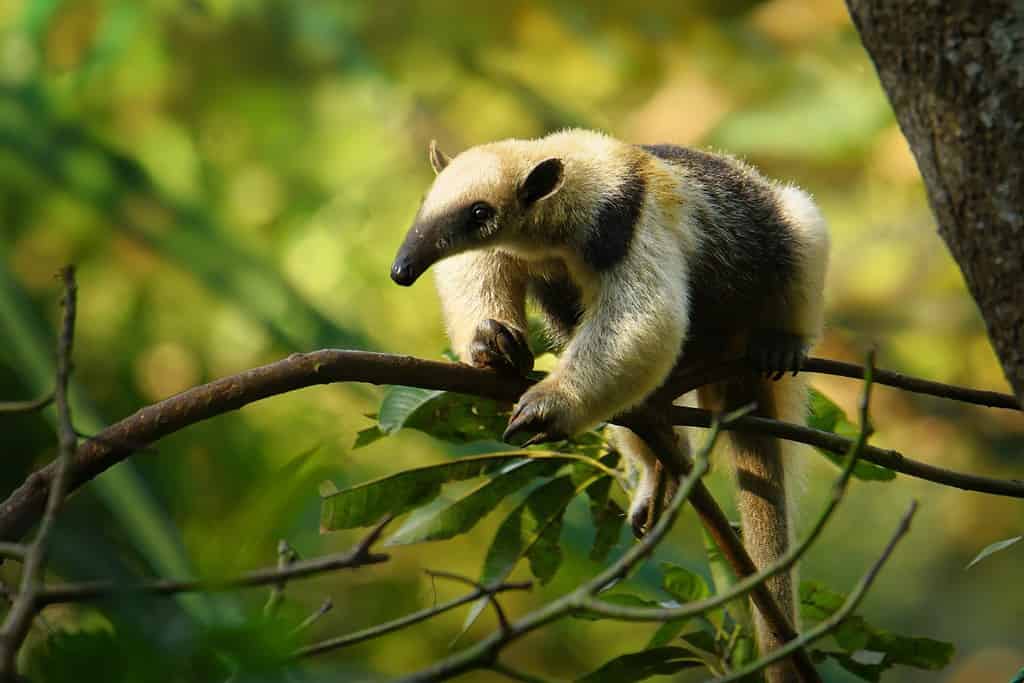
The video above shows two different species of anteaters. The first is the giant anteater, which is the largest anteater species. Weighing anywhere between 60 and 140 pounds, they are much larger than the other species in the video. The other species is a tamandua. These anteaters weigh about five to 17 pounds. One of their shared traits is their diet. Both eat ants and termites with their long snouts and even longer tongues. Giant anteaters eat about 35,000 insects a day, while tamanduas eat roughly 9,000. Although the video shows two very different-looking anteaters, viewers couldn’t help but admire the strong parental bonds they share with their young.
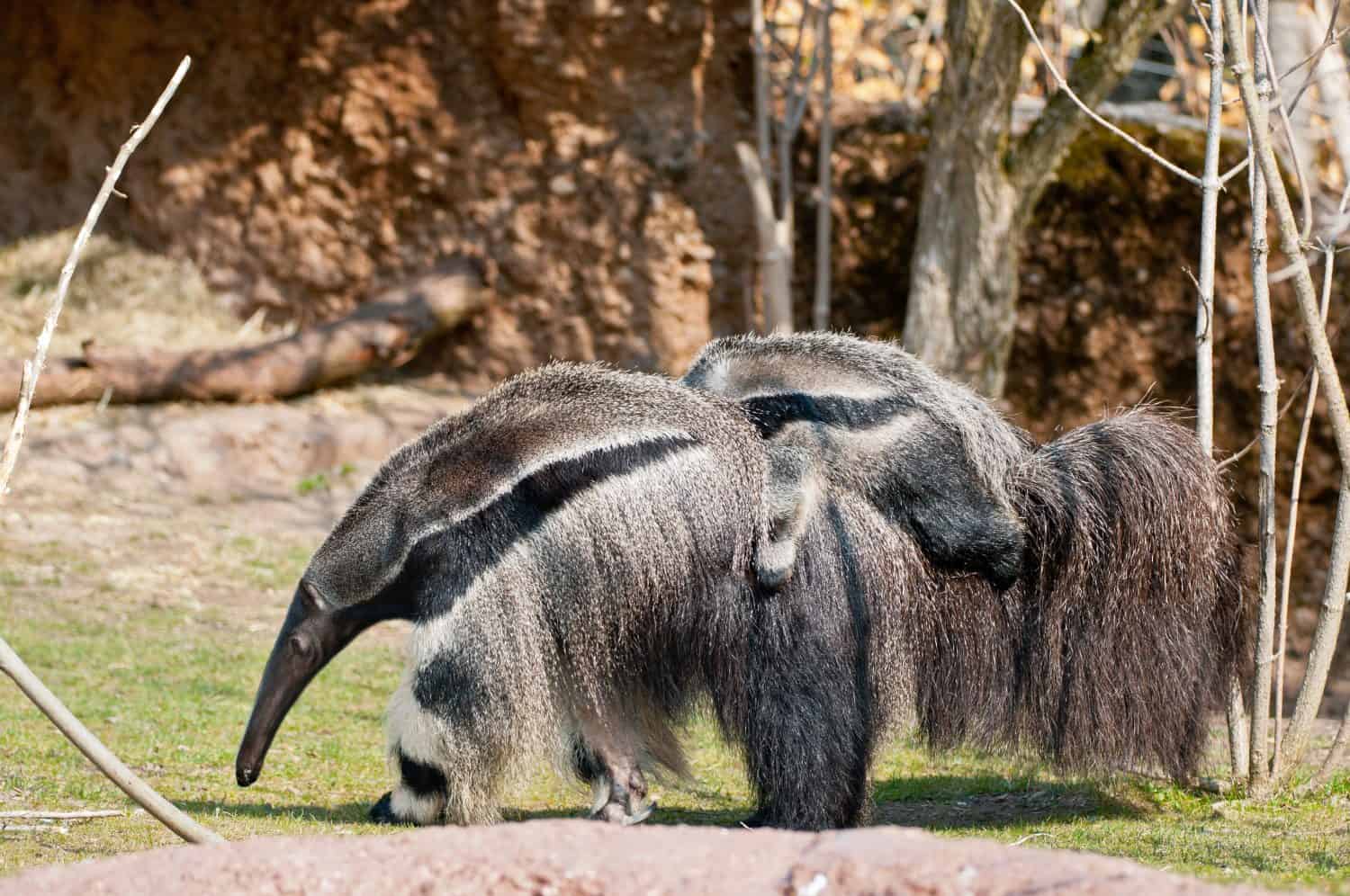
Despite generally being solitary animals, anteater mothers invest an enormous amount of time and energy into their offspring. Anteaters almost always have a single baby called a pup, with twins being extremely uncommon. In the first few weeks of life, the mother nurses, grooms, protects, and even carries her pup around. The pups often ride on their mother’s back, holding on by gripping her long fur with their claws. This level of effort is seen in both giant anteaters and tamanduas, with some small differences. For example, giant anteater pups typically stay with their mother for about two years, while tamanduas stay for about a year. Despite these differences, both species demonstrate the considerable effort that anteaters invest in caring for their young.