
Quick Take
- Surviving undocumented for 62 years is the defining achievement of the rediscovered Zaglossus attenboroughi species.
- The existence of only 5 modern species creates a critical vulnerability within the monotreme evolutionary line.
- Finding subfossil bones in archaeological sites reveals a counter-intuitive 30,000-year history of geographic decline.
- Systematic camera-trap placement in the Cyclops Mountains was mandatory to transform local rumors into scientific reality.
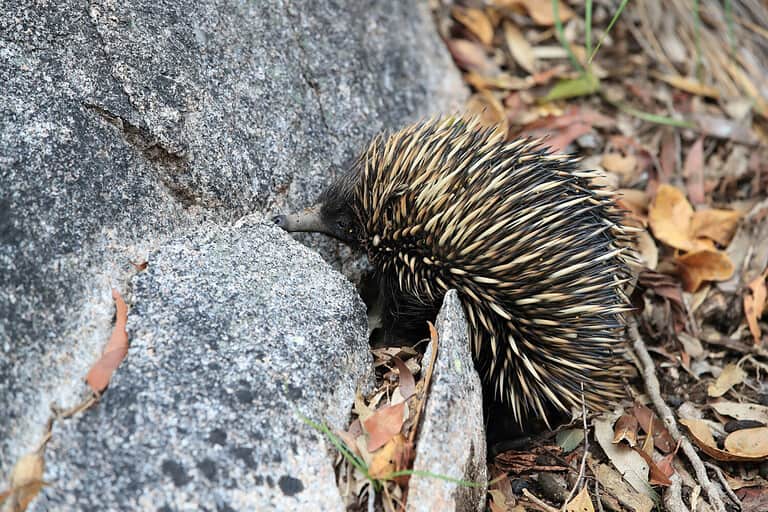
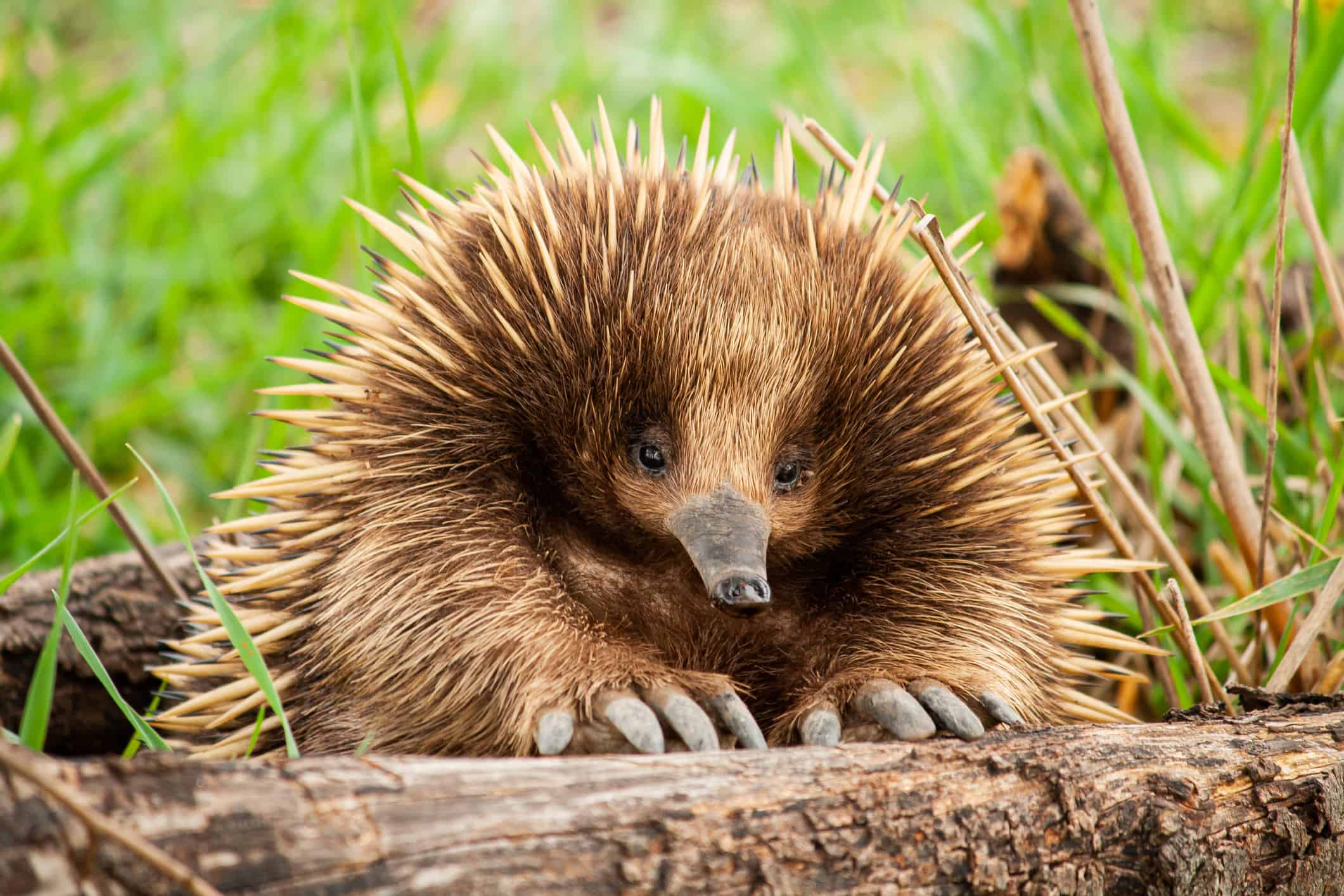
A heartwarming rediscovery has been made on the world’s largest tropical island. Attenborough’s long-beaked echidna (Zaglossus attenboroughi) has made an appearance despite not being recorded for 62 years! This highly elusive creature, named after the treasured broadcaster, biologist, natural historian, and writer, Sir David Attenborough, belongs to an exclusive club of fascinating animals called monotremes. Here’s what makes these creatures so special and why their very survival is under threat.
What Are Monotremes?
Monotremes belong to the Monotremata order and are a type of mammal. They have several typical mammalian characteristics. Their skin is covered in fur, their heart has four chambers, they have three middle ear bones, and they lactate (produce milk) to feed their young. However, unlike other mammals, they do not give birth to live young. Instead, they lay leathery eggs which generally hatch within 10 days of being laid. The eggs are small (less than half an inch in diameter) and between one and three are laid at a time. Monotremes do not have nipples like other mammals. Instead, their milk is produced by mammary glands and secreted onto their skin, where it is licked off by the young.
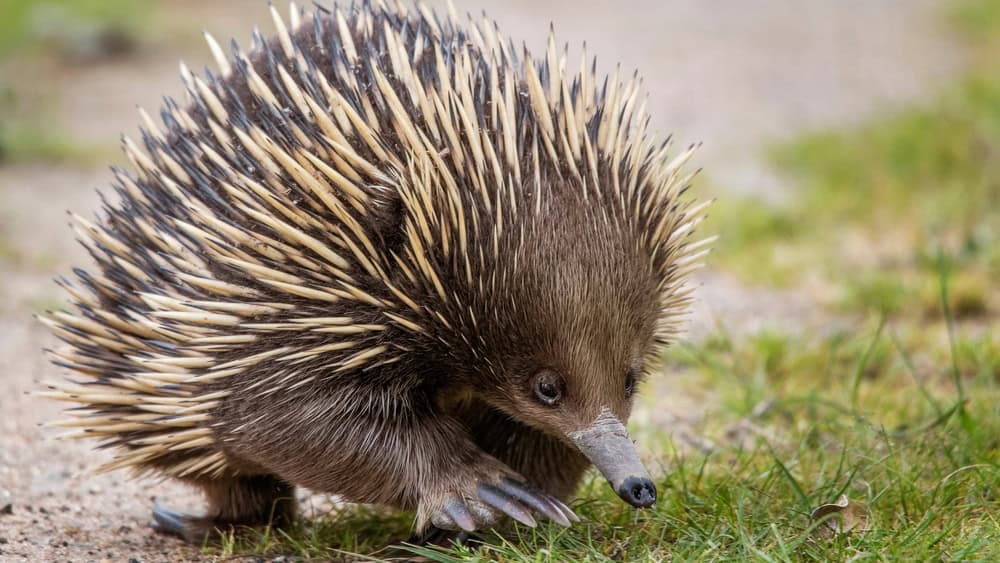
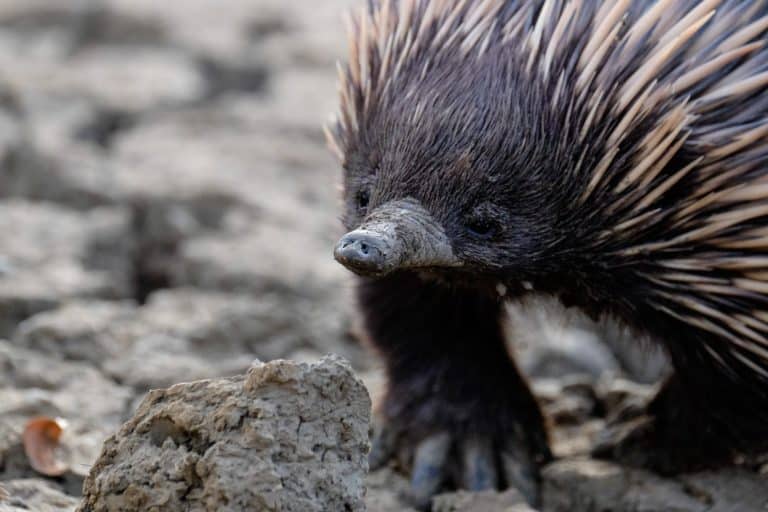
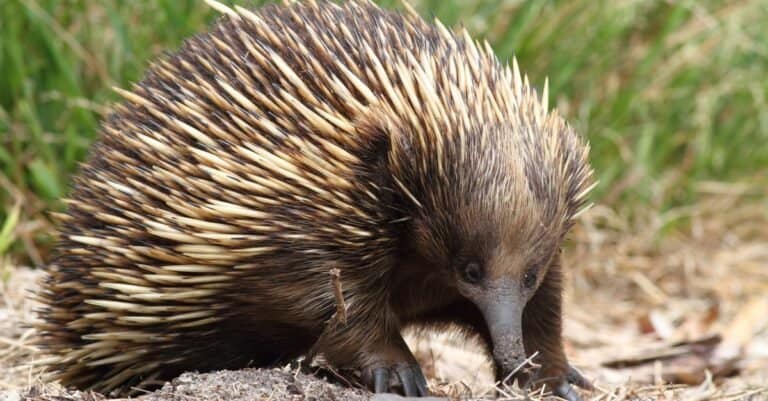
Echidnas have a beak-like rostrum.
©PurePixels125/Shutterstock.com
These unique creatures differ from their mammalian cousins in several other ways. Their metabolic rates are lower, as is their body temperature. Their stomachs have a different structure, and they do not have gastric glands.
Monotreme Evolution
The monotreme line was originally part of the therians (marsupials and placental mammals). Then, around 200 million years ago, sometime in the Mesozoic period, they diverged. Their skulls are bird-like with a long rostrum (the part of the skull that holds the teeth, palate, and nasal cavity), which resembles a beak and has a smooth external appearance. Adult monotremes do not have teeth.
Those that are alive today are limited to Australia and New Guinea. Sadly, the fossil record of monotremes is limited. However, during the Late Cretaceous and Paleocene epochs, they were also found in South America, which suggests a wider historic distribution.
How Many Monotreme Species Are There Today?
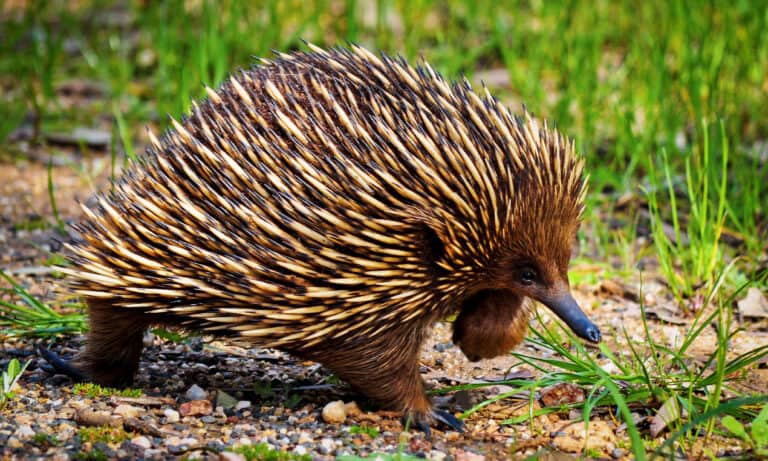
There are only five modern monotreme species: the platypus and four species of echidna. As they are all fairly elusive, we do not know that much about their daily habits. What most of them have in common, however, is that they occupy limited geographic ranges.
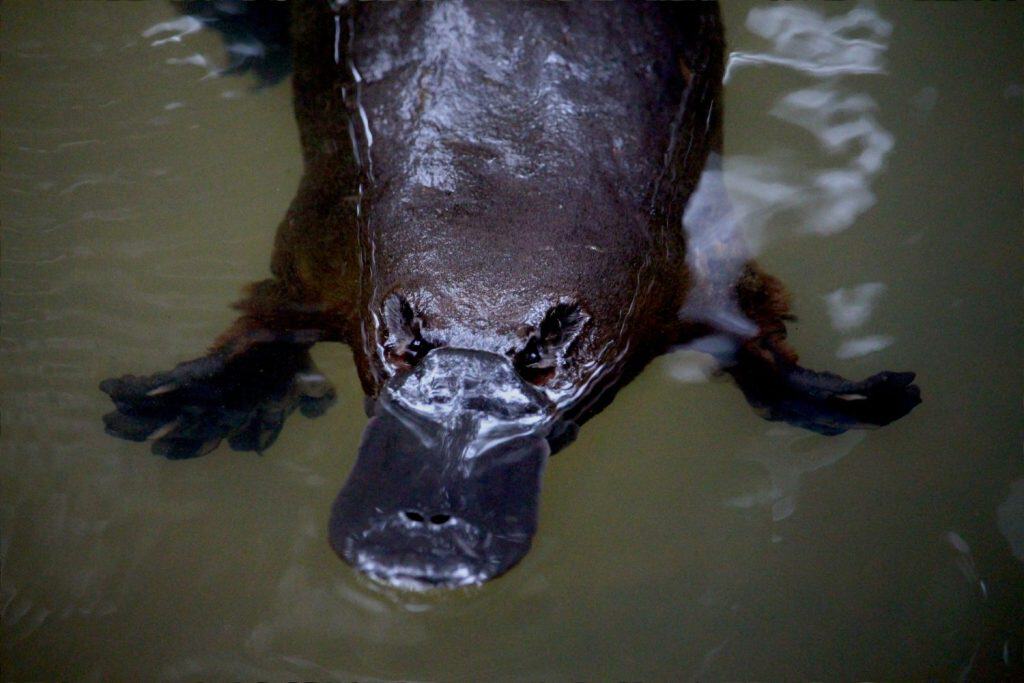
The platypus is a type of monotreme.
©bluesmoke/Shutterstock.com
The duck-billed platypus (Ornithorhynchus anatinus) inhabits rivers, lagoons, and streams in the wetter regions of eastern Australia and Tasmania. Eastern long-beaked echidnas (Zaglossus bartoni) are mainly limited to the cooler, mountain summits of New Guinea. Western long-beaked echidna (Zaglossus bruijinii) is primarily endemic to New Guinea and Indonesia. Short-beaked echidnas (Tachyglossus aculeatus) are the most widely distributed monotreme. They are found in southern and eastern New Guinea, mainland Australia, Kangaroo Island, and Tasmania. Finally, Sir David’s long-beaked echidna (Zaglossus attenboroughi) is restricted to the tops of the Cyclops Mountains near Jayapura in Papua, New Guinea.
Monotremes Are Under Threat
The Attenborough’s long-beaked echidna is a classic example of how animals living in minimal ranges are extremely vulnerable to extinction. The Cyclops Mountains are the only known location in which they have been recorded. The holotype specimen (the specimen used to formally identify the species) was collected there in 1961, but no further records of the species were made until recently. The species is listed as Critically Endangered by the IUCN.
Following concerns that this echidna was extinct, there were hopeful reports of ‘nose pokes’ that they may have made when foraging for food. Also, Indigenous communities reported echidna sightings, so it was likely that they were still alive as recently as 2020. To confirm their survival, scientists placed camera-traps in the Cyclops Mountains guided by Indigenous and local knowledge surveys.
Good News and Bad News
The good news is that plenty of photographs of Zaglossus species were obtained in the 2023 survey. However, it is very difficult to differentiate between the species as the only way in which they differ is in size. There is even an argument that Z. attenboroughi may not be a distinct species, but instead a small-bodied version of Z. bartoni. Nevertheless, given the known distribution of Z. attenboroughi, it is likely that the photographs are of this evasive animal and amount to a ‘rediscovery’ of a creature that was feared extinct.
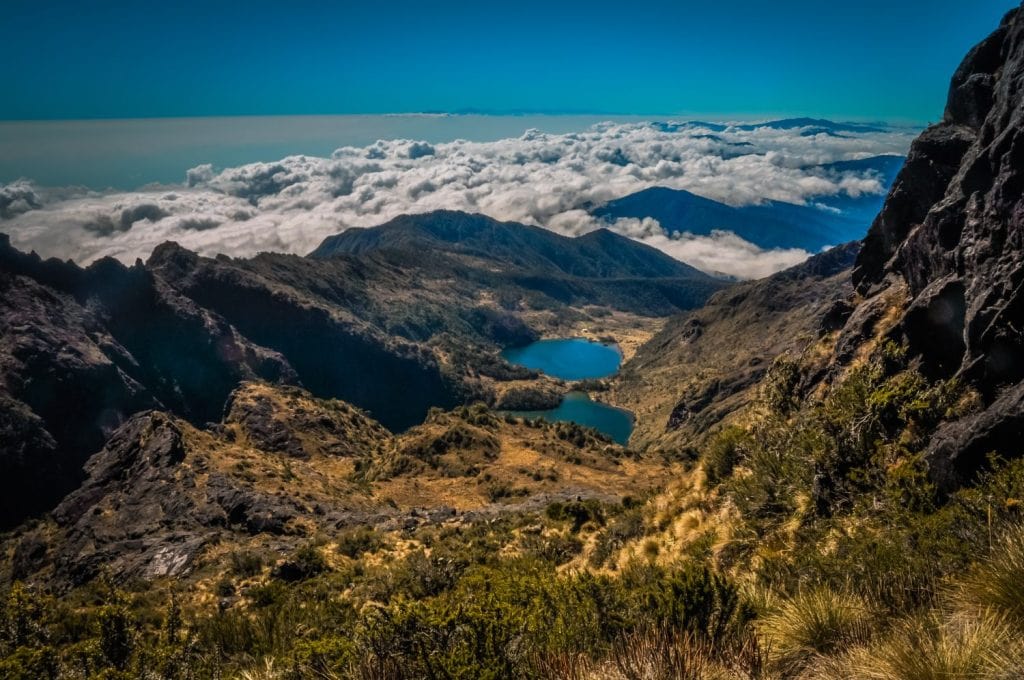
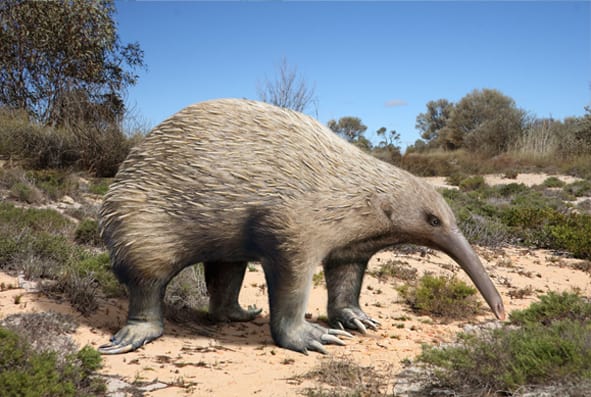
Monotremes occupy limited geographical ranges.
©Michal Knitl/Shutterstock.com
More worryingly, subfossil bones of a small Zaglossus consistent with Z. attenboroughi have been found in the Lachitu Cave archaeological site. The fragments date from 30,000 to 6,000 years BP. The fragments, dating from 30,000 to 6,000 years BP, suggest that Z. attenboroughi has already experienced a localized decline or extinction in the Oenake Mountains.
The Extinction Vortex Explained
Small populations are increasingly likely to decline toward extinction in a depressing phenomenon called the extinction vortex. In a small population, there is a general decline in fitness as harmful genes become more prevalent because they are not eliminated. At the same time, close relatives are more likely to breed with each other due to a lack of choice. Inbreeding means that genes for deformities are more likely to be expressed.
Smaller populations in limited geographic areas also undergo ‘demographic stochasticity.’ This is where they are disproportionately affected by random changes in birth and death rates. Furthermore, environmental stochasticity makes these populations highly vulnerable to droughts, floods, and temperature fluctuations. A single environmental catastrophe in their limited range could wipe them out completely.
All of these factors work together to create a feedback loop. The scientists who rediscovered Z. attenboroughi make it clear that we need to urgently discover its principal conservation threats so that they can be protected in the future.