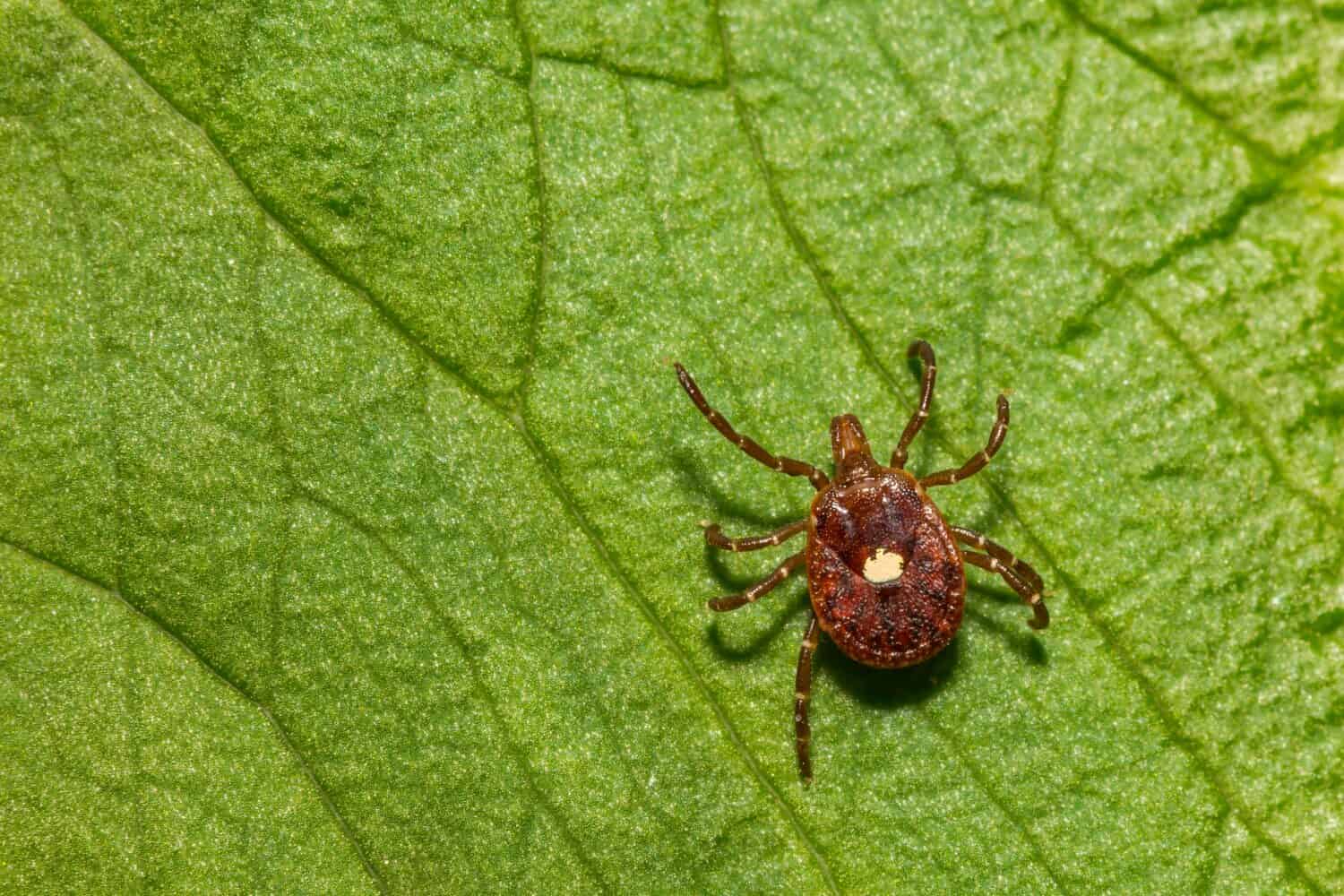

Quick Take
- Symptoms can strike hours after you eat, a delay that explains why so many people never connect their diagnosis to a tick bite they've long forgotten. Explore the delayed symptoms →
- Red meat might be the obvious target, but the list of foods and products that can trigger a reaction goes much further than most patients expect. See all trigger sources →
- A positive blood test doesn't always confirm the diagnosis. This ambiguity is why doctors are missing it. Understand the diagnostic challenges →
What once might have been your favorite summer cookout meal could quickly turn into a life-threatening allergy, thanks to the tick-borne condition called alpha-gal syndrome. (Yes, I’m talking about the beloved cheeseburger.)
The Lone Star tick is migrating northward and westward, carrying with it the dangerous risk of a tick-bite-induced allergy to mammalian meat. While alpha-gal syndrome was previously considered rare, it has become more prevalent, affecting hundreds of thousands of Americans. This condition essentially triggers an allergic reaction to a sugar molecule found in most mammalian meats and products.
In this article, we speak with a pathologist and clinical microbiologist about the molecular mechanics of the alpha-gal sugar molecule found in tick saliva, and why the immune system often produces an allergic response to it.
What Is Alpha-Gal Syndrome?
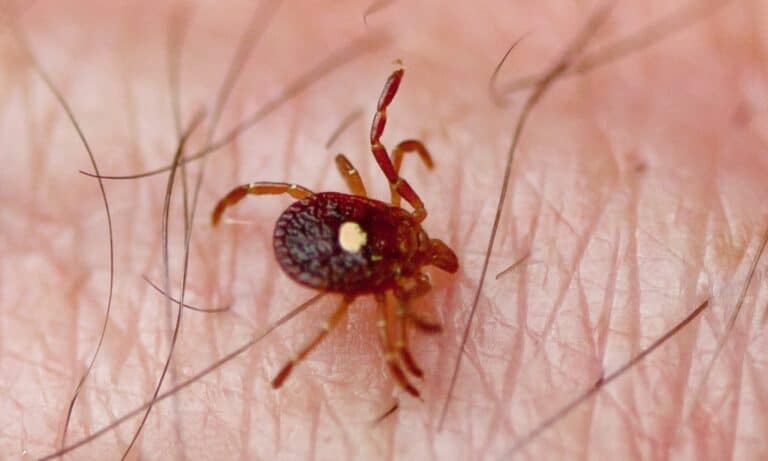
Alpha-gal syndrome is a serious allergy triggered by certain tick bites. Also called the “red meat allergy,” the condition sensitizes the immune system, causing it to overreact when later exposed to certain mammalian products. In the U.S., the Lone Star tick is the most common carrier of alpha-gal.
“Alpha-gal syndrome is a type of food allergy that can develop after a bite from a Lone Star tick,” says Bobbi S. Pritt, MD, MSc, DTMH, FCAP, a Pathologist and Clinical Microbiologist with specialty interests in parasitic and vector-borne infections. “Unlike most food allergies, which are triggered by proteins, alpha-gal syndrome is triggered by a sugar molecule called alpha-gal that is found in red meat and other products from mammals.”
What Causes Alpha-Gal Syndrome?
Alpha-gal syndrome is caused by tick bites, most commonly from the Lone Star tick. Some bites transfer alpha-gal, a sugar molecule found in many mammals, into the bloodstream. According to Pritt, this can sensitize the immune system to the sugar, triggering an allergic reaction whenever the person consumes alpha-gal (for example, when eating red meat, which contains this sugar).
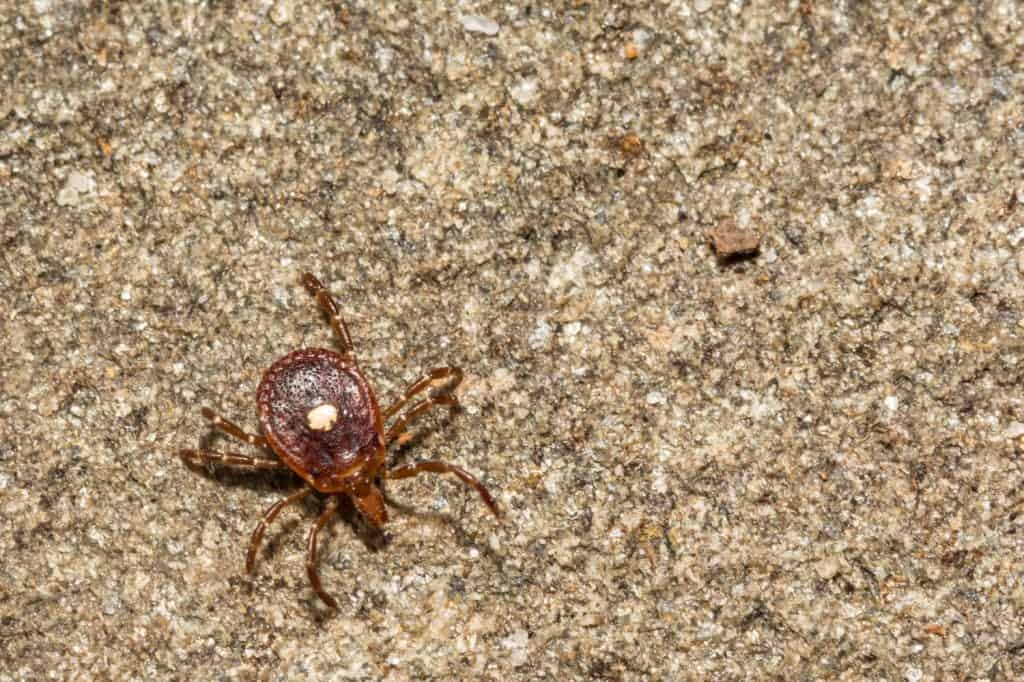
The Lone Star tick is the primary culprit behind Alpha-gal Syndrome in the U.S.
©Jay Ondreicka/Shutterstock.com
“Some people also react to other products derived from mammals, such as dairy, gelatin, or certain medications,” Pritt adds.
According to Pritt, alpha-gal syndrome is gaining more attention due to increased cases and expansion throughout the U.S. Additionally, more people—including healthcare professionals and the public—have become aware of this condition. Naturally, this has led to increased testing and diagnosis, which is crucial considering how harmful the condition can be.
Unlike most food allergies, which are triggered by proteins, alpha-gal syndrome is triggered by a sugar molecule called alpha-gal that is found in red meat and other products from mammals.
Bobbi S. Pritt, MD, MSc, DTMH, FCAP, a Pathologist and Clinical Microbiologist
Symptoms of Alpha-Gal Syndrome
Alpha-gal syndrome presents symptoms similar to those of other food allergies, such as hives, itching, difficulty breathing, swelling of the lips, tongue, or throat, and sometimes even life-threatening anaphylaxis. It can also cause gastrointestinal symptoms such as nausea, vomiting, abdominal pain, and diarrhea, as well as dizziness, fatigue, low blood pressure, joint pain, and mild cognitive dysfunction, according to a study published in the journal Open Forum Infectious Diseases.
The CDC notes that alpha-gal syndrome reactions differ depending on the individual. For example, some people might have more severe, life-threatening reactions, while others might experience only mild distress.
Pritt notes that alpha-gal syndrome can lead to delayed symptoms, often occurring several hours after eating red meat. As a result, many patients do not realize their symptoms are related to red meat consumption, making the syndrome difficult to diagnose.
How to Diagnose Alpha-Gal Syndrome
As mentioned above, alpha-gal syndrome often goes undiagnosed because symptoms can be delayed and vary greatly between individuals. According to the Cleveland Clinic, those with alpha-gal syndrome might not react to every product that contains the sugar. For example, some people react only mildly to certain red meats. On the other hand, others might experience anaphylaxis hours after consuming mammalian products.
The Open Forum Infectious Diseases study linked above also references the diversity of alpha-gal syndrome’s symptoms. As such, the study authors encouraged physicians to consider an AGS diagnosis in people experiencing “prolonged, nonspecific symptoms.” These might include GI distress, fatigue, joint pain, and even mild cognitive dysfunction.

In some cases, alpha-gal syndrome can show up on a skin prick test.
©Microgen/Shutterstock.com
“As symptoms may initially be attributed to an infectious cause, [infectious disease] physicians have a unique opportunity to ensure the timely diagnosis of AGS and must be attuned to its more nuanced and ‘atypical’ presentations,” the study authors wrote. “Given the potential for more severe manifestations such as anaphylaxis, awareness of dietary restrictions and referral for allergy evaluation are encouraged.”
According to the CDC, an alpha-gal diagnosis requires a detailed patient history, physical exam, and blood test checking for specific IgE antibodies. However, some people without the syndrome may still have a positive blood test. That’s why doctors should also consider symptoms, delayed allergic reactions, and a history of tick bites or outdoor exposure when diagnosing alpha-gal syndrome. In some cases, allergists can use skin prick tests to help diagnose alpha-gal syndrome as well.