
Quick Take
- If you’re allergic to cats, you can try a variety of treatment options to help decrease your symptoms or desensitize yourself altogether.
- There is no such thing as a truly hypoallergenic cat.
- Some cat allergy sufferers can still own cats without much of an issue.
If you’re allergic to cats, you know the reality of how quickly being in the same space with one can ignite your allergies. From a stuffy nose and itchy eyes to sneezing fits and irritated skin, the symptoms can be brutal.
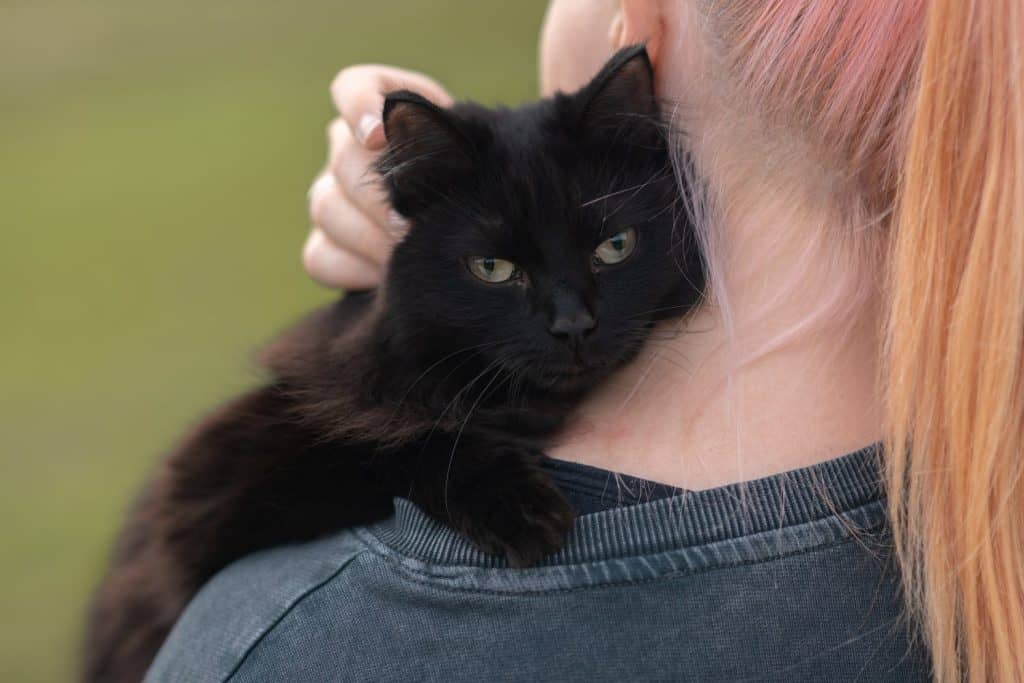
While I personally don’t suffer from a cat allergy (I’d be devastated if so), my boyfriend certainly does. The first time he met my cat, he got into a sneezing fit so severe that I could barely find time to mutter “bless you” between each one. Of course, my little black cat Poe isn’t a “hypoallergenic” kitty, which means he likely triggers more reactions than hypoallergenic breeds.
Many claim that hypoallergenic cat breeds are safe for cat allergy sufferers, but is that true? We spoke with a board-certified allergist and immunologist about the realities of cat allergies, including whether it’s possible to own a kitty while battling a cat allergy.
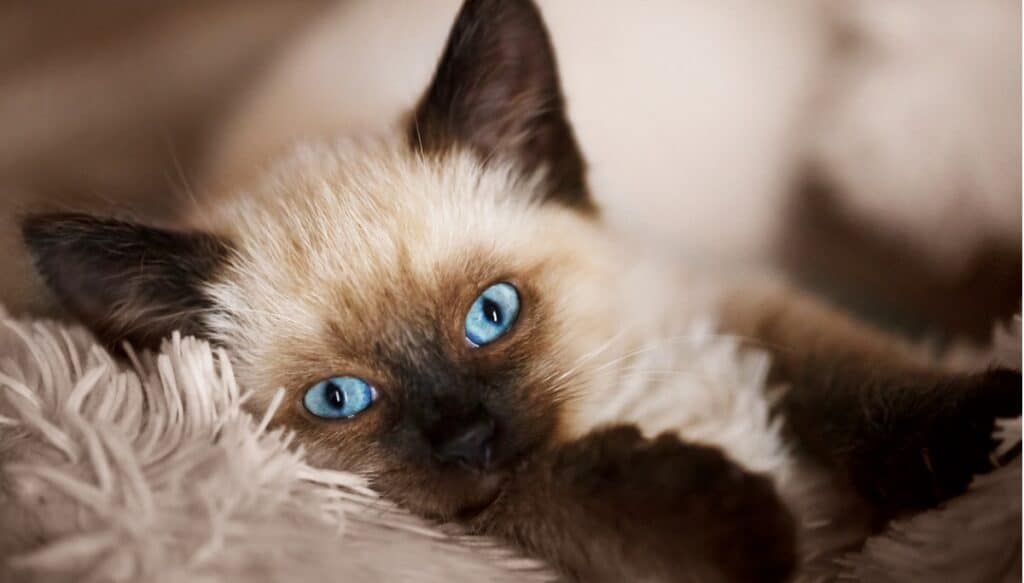
Balinese cats are considered hypoallergenic, but that doesn’t mean they’re completely safe for allergy sufferers.
©iStock.com/Oksana Osypenko
A hypoallergenic cat produces fewer allergens than other breeds. However, while they might be less likely to trigger allergy symptoms than other felines, hypoallergenic cats are not truly allergy-free.
“The short answer is there’s no such thing as a truly hypoallergenic cat,” says Kara Wada, a board-certified allergist, immunologist, and lifestyle & functional medicine physician. “Most people with cat allergies react to a protein called Fel d 1. It’s made in a cat’s saliva and skin glands, and it spreads easily in the home. What surprises many people is that even after a cat leaves the home, cat allergen can hang around in the environment for up to a year.”
Why, then, do we deem certain cats “hypoallergenic”—and what does that label really mean?
“Some cats naturally produce less Fel d 1. This can mean fewer symptoms for certain people, but there’s a lot of variability,” Wada explains. “One person may do surprisingly well with a particular cat, while another has symptoms right away.”

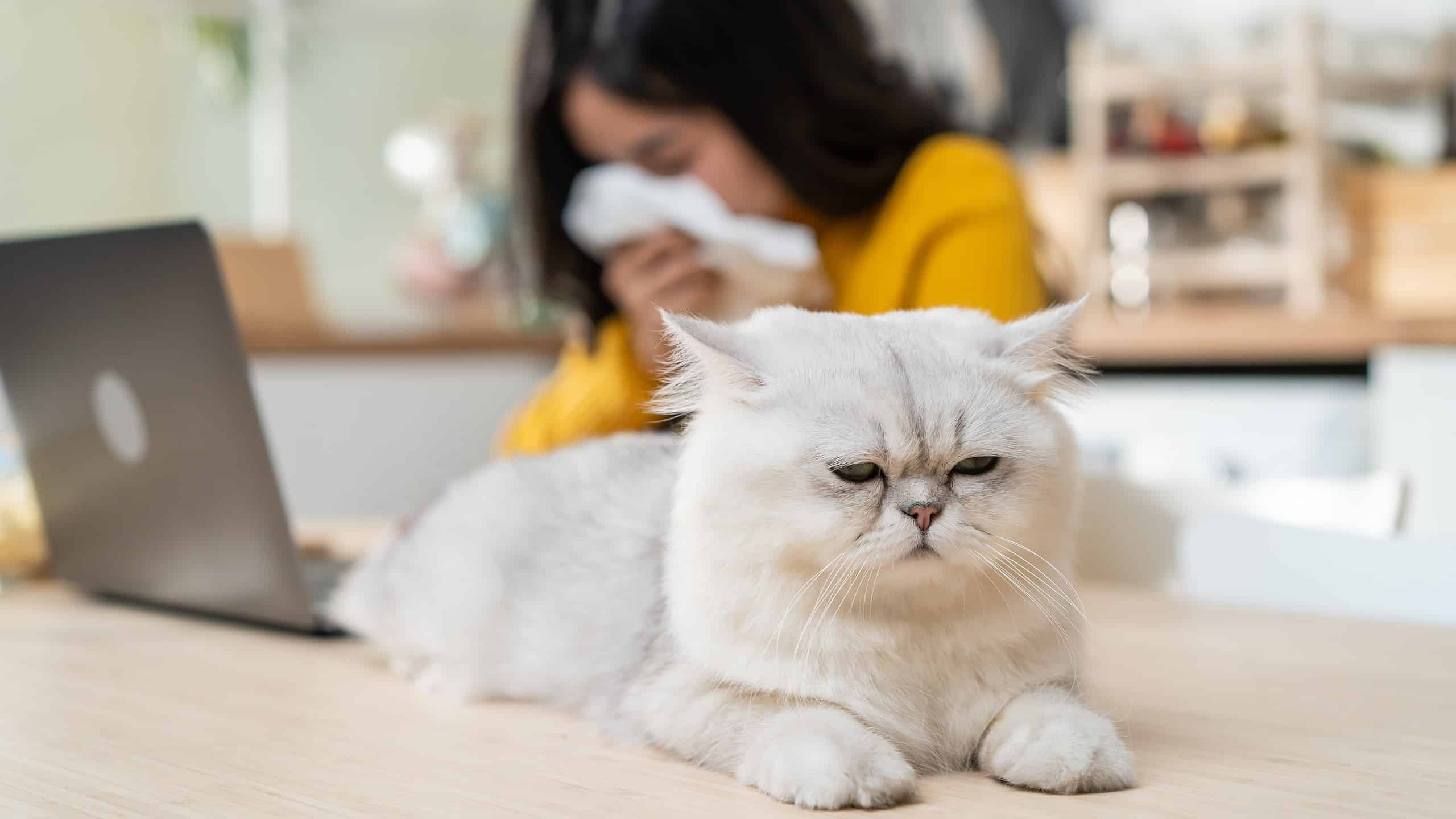
Cat allergies can cause an array of symptoms, from coughing and sneezing fits to itchy eyes and irritated skin.
©KomootP/Shutterstock.com
Believe it or not, some allergies aren’t permanent. In fact, many people even outgrow their allergies or seek therapies to help desensitize themselves.
“Both can happen, but they work in different ways,” says Wada. “Some people naturally become less reactive over time as their immune system changes with age or life stages. More predictably, allergies can be treated with immunotherapy, which helps retrain the immune system to stop overreacting to cat allergens.”
“Traditional allergy shots do this gradually over 3–5 years,” Wada continues. “Newer options, like intralymphatic immunotherapy (ILIT), take a more targeted approach. ILIT delivers tiny amounts of allergen directly into a lymph node using ultrasound guidance, typically in just three visits over about eight weeks. For the right person, this can lead to meaningful symptom improvement in a much shorter timeframe.”
While your options might be limited for now, researchers are studying more convenient and effective approaches. For example, according to Wada, experts are looking into methods that bind Fel d 1 and biologic therapies.
The short answer is there’s no such thing as a truly hypoallergenic cat.
Kara Wada, Board Certified Allergist, Immunologist, and Lifestyle & Functional Medicine Physician
Some cat allergy sufferers find relief through immunotherapy.
©Anton Pentegov/Shutterstock.com
If you have an allergy, you’ve likely been told to simply avoid the trigger. However, some cat lovers with allergies might still want to adopt a furry friend.
This raises the question: Is it possible to own a cat without constantly worrying if you’re allergic? According to Wada, “For some people, yes, with the right plan.”
“Success usually comes from a layered approach: reducing allergen exposure at home (HEPA air filters, regular cleaning, and keeping the cat out of the bedroom), using allergen-reducing cat foods or Fel d 1–1-neutralizing products, taking medications when needed, and considering immunotherapy,” she says.
Specifically, “allergen-reducing cat foods” can be game-changers.
“Certain cat foods are made with eggs from chickens that have been exposed to cats. These eggs contain antibodies that bind to Fel d 1 and reduce how much active allergen the cat sheds,” she explains. “This doesn’t ‘cure’ a cat allergy, but in some homes, it can make a noticeable difference when used consistently.”
Of course, the success of these methods depends on the severity of your allergy.
“For others, especially those with asthma or more severe reactions, cat ownership can still carry real risks if allergies aren’t well controlled,” Wada continues. “That’s why I always recommend a personalized conversation with a board-certified allergist or immunologist. Together, you can assess your level of risk, review available options, and decide whether living safely and comfortably with a cat is realistic for you.”
If you do decide to adopt a cat, you’ll want to go about it the right way. In other words, don’t rush the process—and don’t blindly trust the title “hypoallergenic.”
“I always recommend spending time with the actual cat before committing, rather than choosing a breed based on reputation alone,” Wada says.