
Quick Take
- Many people mistake tick bites for other harmless bug bites.
- Tick bites can progress to alarming rashes and flu-like symptoms.
- It’s important to seek medical care immediately upon experiencing symptoms.
Tick bites often go unnoticed at first, but they can carry serious health risks. These tiny parasites can carry diseases such as Lyme disease and Rocky Mountain spotted fever, as well as dangerous bacteria and viruses.
For example, in recent years, you might have heard of Alpha-gal Syndrome (AGS). Caused by a tick bite, this condition essentially makes you allergic to red meat and, in some cases, certain dairy products. Some people have even experienced anaphylaxis hours after consuming red meat that they once tolerated well.
Needless to say, ticks are small yet mighty parasites. If you suspect you have been bitten by a tick, seek care immediately. The sooner you receive treatment, the better your chances of avoiding serious consequences.
However, many people don’t notice tick bites until symptoms progress. In this article, we speak with doctors about how to identify a tick bite, what symptoms to monitor in the days and weeks afterward, and when medical care is necessary.
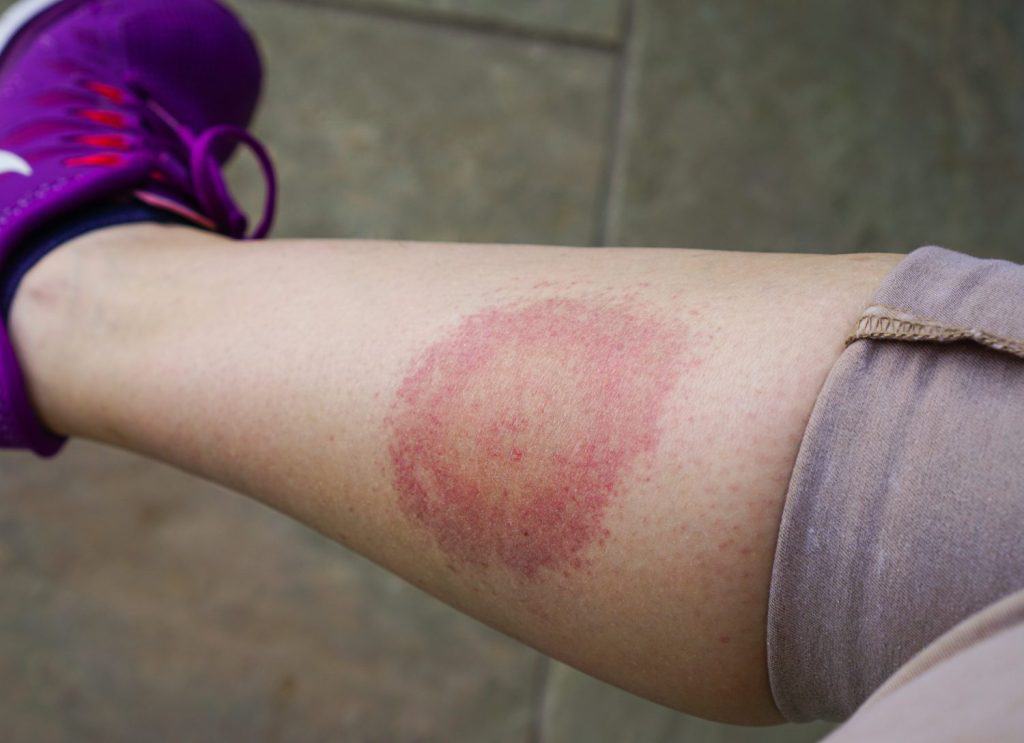
A bull’s-eye rash is a hallmark sign of Lyme disease.
©AnastasiaKopa/Shutterstock.com
If you often spend time in nature, such as in wooded or grassy areas, you’ll want to do a body check immediately after returning home. In fact, showering immediately can help reduce the risk of a tick latching onto your skin.
Then, in the days following, look out for signs of a tick bite. While it can be difficult to identify the small marks left by ticks, some bites may develop into more noticeable rashes.
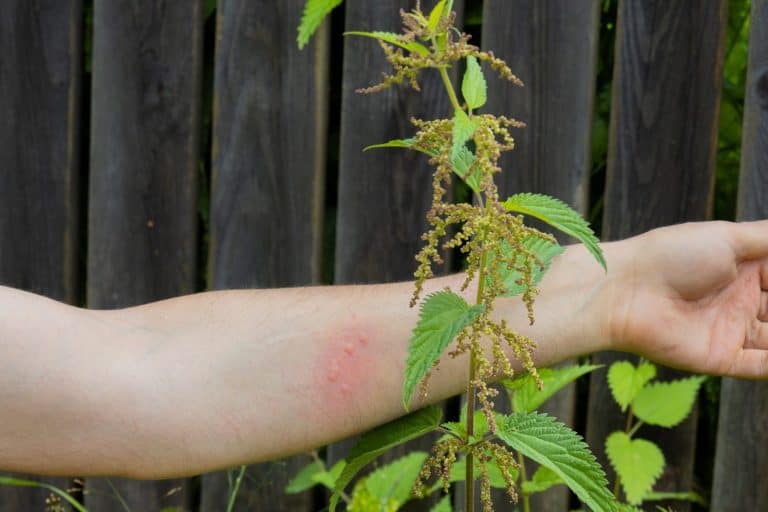
“Typically, you won’t notice a tick bite right away, as it will likely appear as a small, firm red bump that resembles an almost imperceptible bug bite,” says Blen Tesfu, a licensed physician and Medical Advisor at Welzo. “However, the majority of people do not feel much discomfort or itchiness from the bite initially. If the tick has been left on your body, which can occur frequently in the warmer weather months when ticks are more active, and in areas of the body that are difficult to see (scalp, groin, armpit, etc.), you might find a tick attached to your body.”
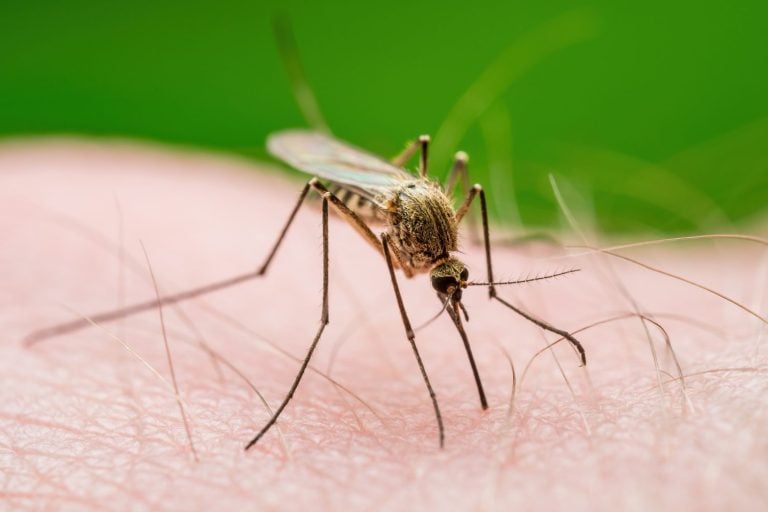
At first, many people confuse tick bites with mosquito bites. However, as the bite progresses, it may develop into a more distinctive and concerning rash.
“A gradually enlarging rash, possibly circular in nature, could be a sign that there was a tick bite, even though most people don’t develop a large enough rash to notice that there was a tick bite,” says Tesfu.
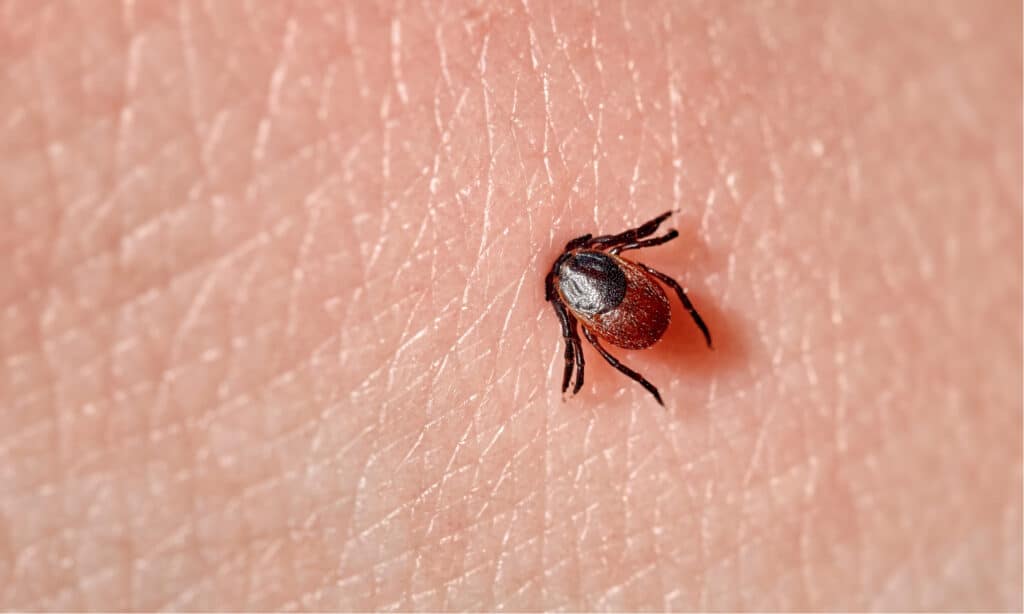
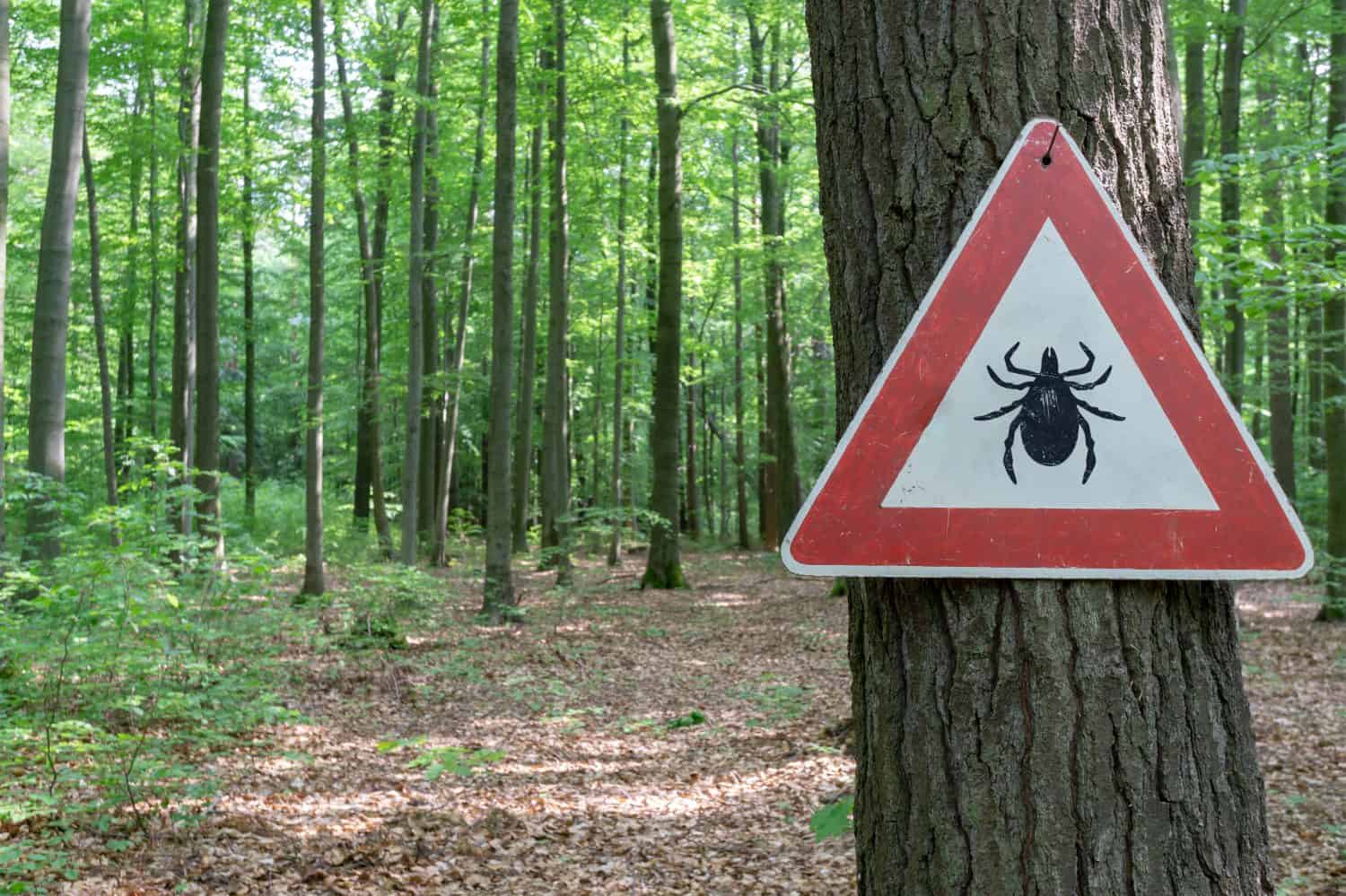
Sometimes, you can spot a tick attaching to your skin.
©Evgeniyqw/Shutterstock.com
If you’ve identified a tick bite, you’ll want to monitor your symptoms in the days and weeks following. Early intervention and treatment are critical to preventing serious risks.
First, you might notice some inflammation around the bite itself. Perhaps it’s itchy and painful, or maybe it’s progressed to a full-blown rash. If you notice a ‘bull’s-eye’ rash, this is a typical sign of Lyme disease and should be treated promptly.
Additionally, as days pass, you might develop symptoms affecting your whole body, which could indicate a more serious condition requiring medical attention.
“During the first days to weeks, be suspicious of flu-like symptoms: fever, chills, fatigue, headache, muscle or joint aches, and swollen lymph nodes,” says Dr. Geny Augustine, a Family Medicine Physician at Solace Health. “Rashes that grow, new neurologic symptoms (such as facial droop), and joint pain that migrates are especially big warning flags.”
If you experience any of these symptoms, see your doctor immediately for appropriate testing and treatment. Doctors typically prescribe antibiotics to prevent Lyme disease or other tick-borne illnesses. Even if it’s just a precautionary measure, it’s best to get ahead of any possible conditions.
Typically, you won’t notice a tick bite right away, as it will likely appear as a small, firm red bump that resembles an almost imperceptible bug bite.
Blen Tesfu, a licensed physician and Medical Advisor at Welzo
The sooner you get tested and treated for tick-borne illnesses, the better.
©luchschenF/Shutterstock.com
Tick-borne bacteria and viruses can progress quite rapidly. The longer you wait, the more severe—and even chronic—the symptoms can become.
“Seeking medical care early on also provides the best opportunity for healthcare providers to assess if they have the option to treat your condition or simply monitor it,” says Tesfu. “This may reduce the risk of developing future complications.”
For example, untreated Lyme disease can affect the heart, joints, and nervous system, sometimes even resulting in vision loss. In fact, according to Mayo Clinic, stage 3 of Lyme disease, also called late disseminated disease, can cause arthritis in large joints. Some people may even experience tissue and joint damage.
That being said, it’s crucial to seek medical care as soon as you suspect a tick bite or tick-borne illness.
“If you get a fever, increasing fatigue, or a spreading rash after the bite of an infected tick, or develop swelling in joints and numbness and weakness months afterward, seek care,” Augustine recommends. “You should also see a clinician if a tick was attached for more than 24–36 hours, the tick cannot be removed easily, or if you develop any symptoms of illness within a month of exposure.”
The takeaway: don’t delay seeing a doctor. When it comes to ticks, it’s always better to be safe than sorry, as these parasites can transmit serious diseases that may affect your quality of life for years or even permanently.