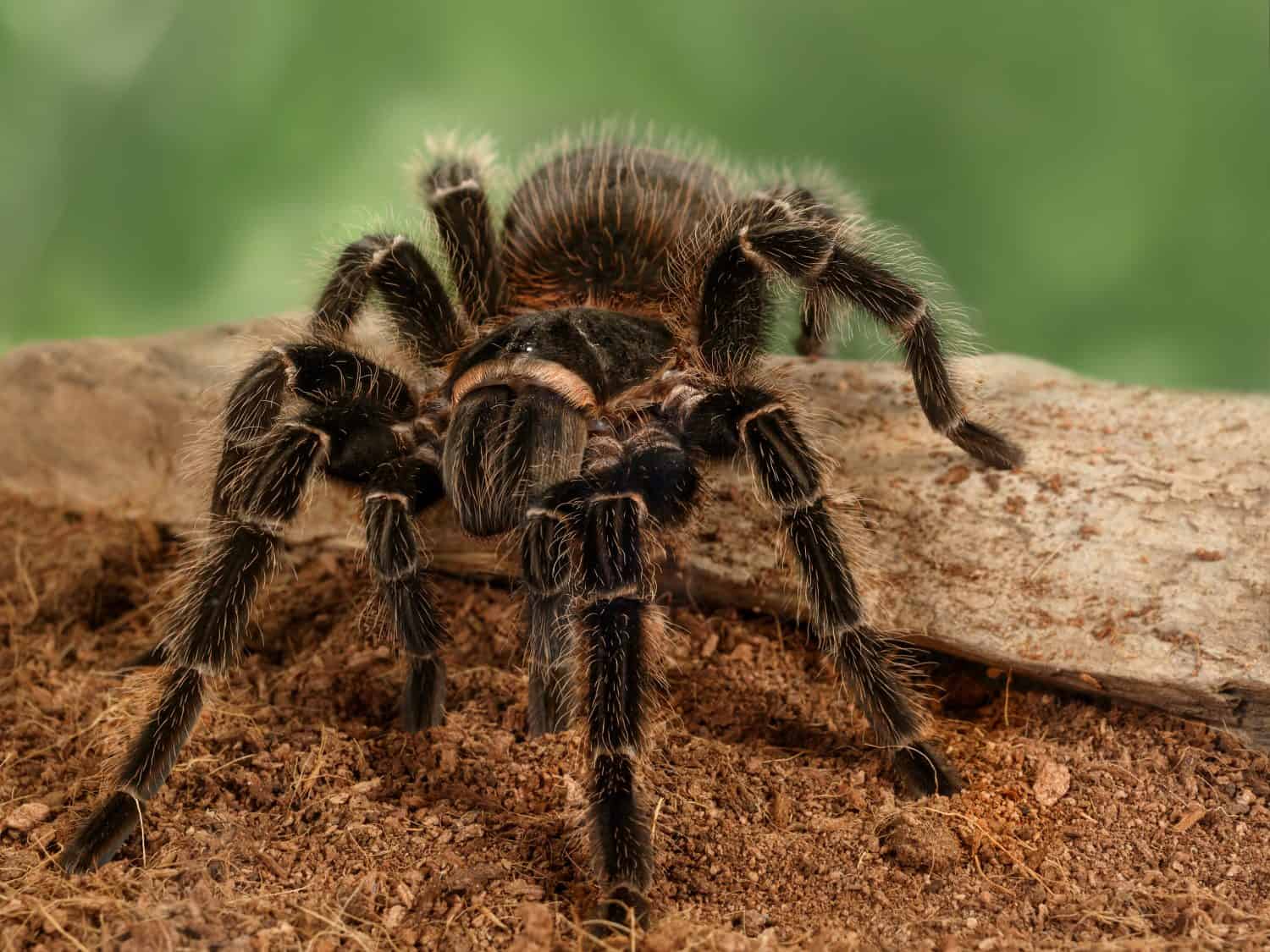

Tarantulas are massive, hairy spiders that thrive in warm climates. While they might look terrifying, they usually shy away from humans if possible. However, they can—and often do—bite when they feel threatened. Worried about whether you can die from a tarantula bite? Here’s everything you should know about these giant, venomous creatures and their threat to humans.
How Likely Are You to Die From a Tarantula Bite?
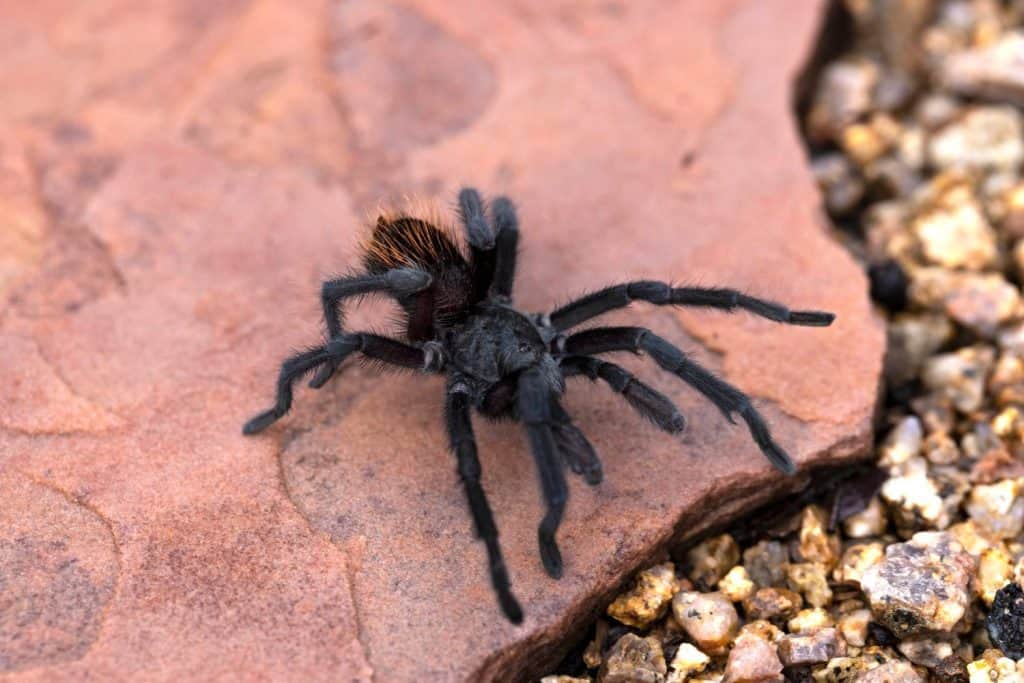
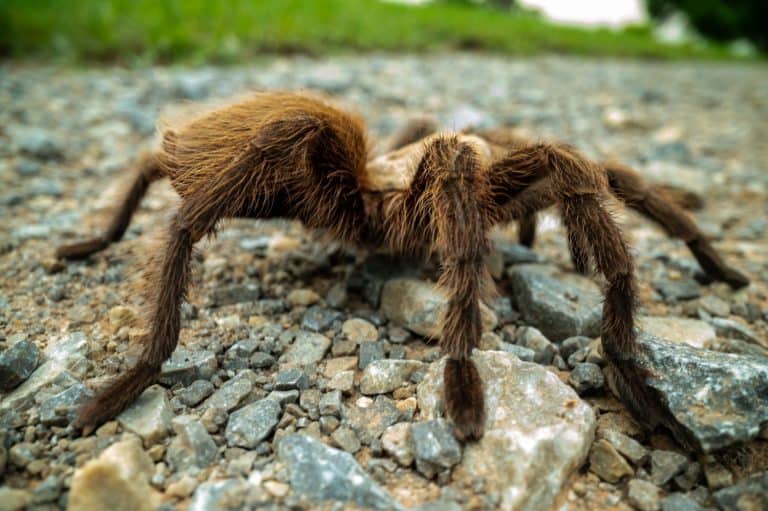
Tarantula bites usually don’t cause much harm to humans.
©Malisa Nicolau/Shutterstock.com
Unless you are allergic to tarantulas, you cannot die from a tarantula bite, as these large, hairy spiders don’t carry enough venom to fatally harm humans.
“From my understanding, a tarantula bite can feel similar to a bee sting,” says Ed Dolshun, VP of Business Development and Tech Director at Catchmaster. “It can sometimes develop mild swelling or irritation, but it is rarely going to be life-threatening unless you have a severe allergy to the bite.”
That being said, these critters can kill some animals.
“Tarantulas do indeed produce venom, but their venom is not deadly to humans,” says Dolshun. “It is actually designed to subdue small prey like insects and lizards.”
Preventing Tarantula Bites
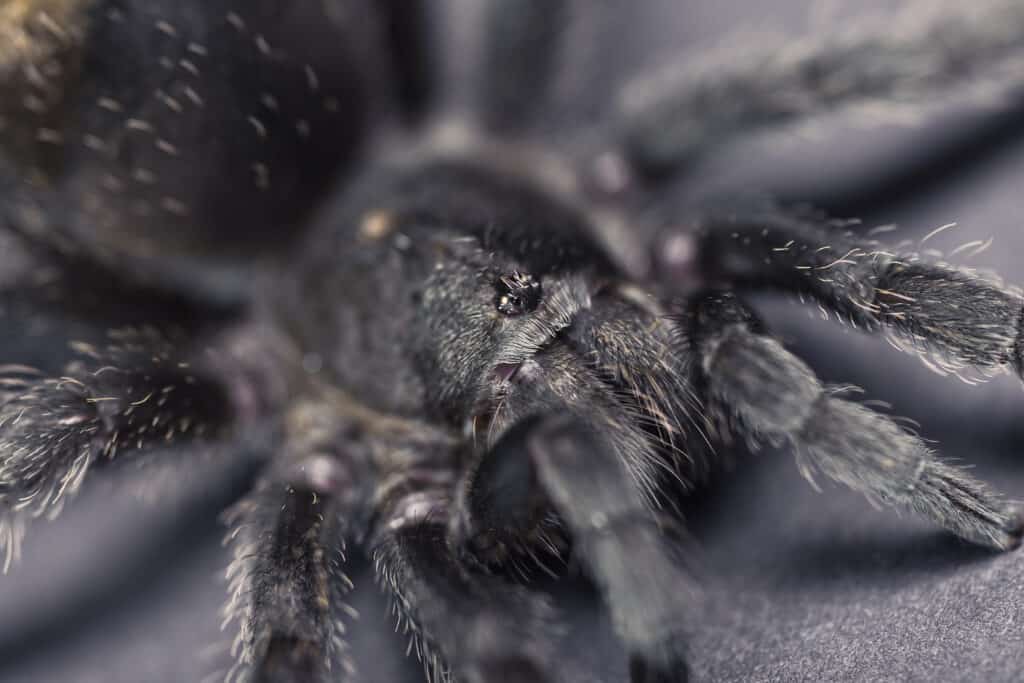
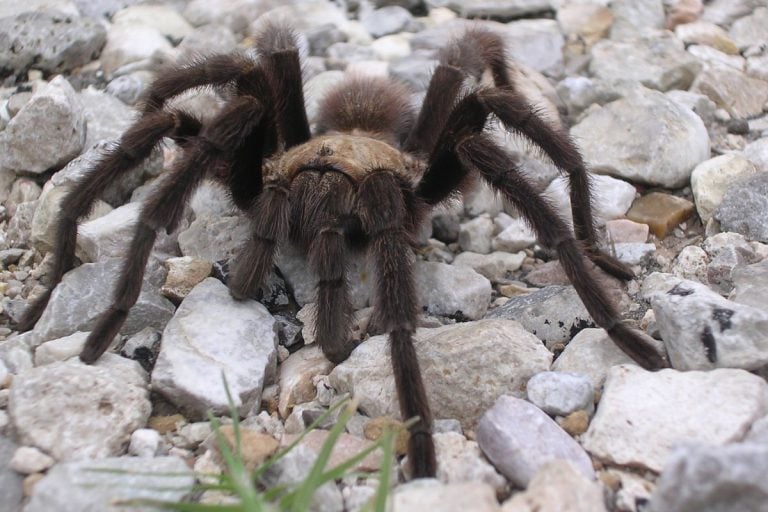
Some tarantula species, like the Brazilian black tarantulas, are less venomous than others.
©iStock.com/skydie
Yes, tarantulas are venomous. However, as stated above, these critters don’t contain enough venom to seriously harm humans or even large animals.
“Most people are unaware of this, as tarantulas can often be handled without fear; however, they are actually venomous,” says Jacob Cohn, COO & Associate Certified Entomologist at Arrow Termite & Pest Control. “However, their venom has relatively mild symptoms in humans.”
Still, that doesn’t mean you won’t want to take the proper precautions around tarantulas. For example, it helps to understand the signs that a spider might attack.
“Fortunately, tarantulas give you plenty of warning before they bite,” Cohn explains. “When they feel threatened, they adopt a defensive stance, lifting their front legs into the air. This should give you plenty of time to think twice.”
Risks of Tarantulas
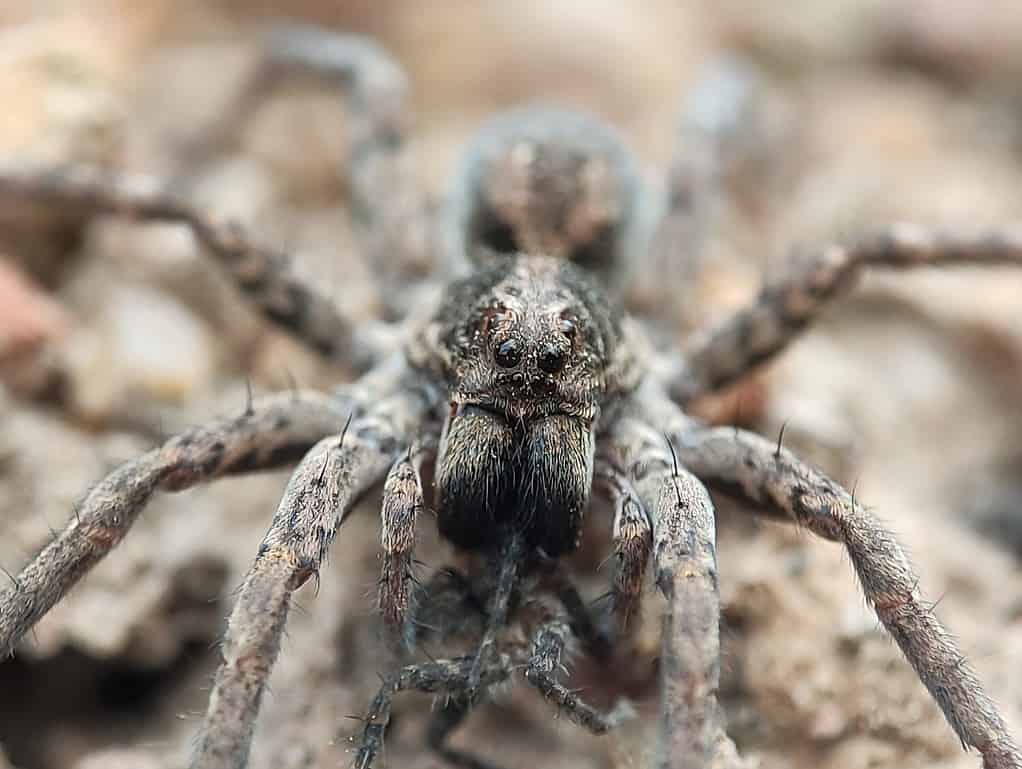
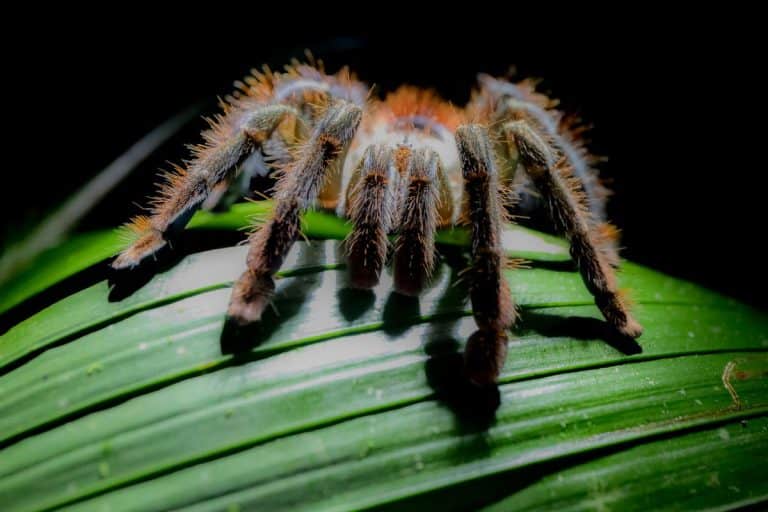
Tarantulas contain urticating hairs that can cause irritation, burning, and eye damage.
©Stockalan/Shutterstock.com
While tarantula bites won’t kill you, the spider does pose other risks. Here are a few to keep in mind.
Allergic Reaction
As mentioned earlier, some people are allergic to tarantulas and/or their venom. Just as someone might have a fatal allergic reaction to, say, peanut butter, others might have that reaction to a tarantula bite. However, this does not necessarily make the spider inherently dangerous.
Urticating Hairs
Although tarantula bites don’t typically cause much harm, these spiders can trigger other symptoms through different defense mechanisms. For example, their urticating hairs often cause itching and irritation.
“Tarantulas are shy and would rather retreat than bite,” says Dolshun. “Prior to the bite, they will sometimes flick urticating hairs from their abdomen first as a warning. These tiny barbed hairs can cause itching and even eye irritation.”
Oftentimes, the pain and itching can last for weeks at a time. Additionally, though rare, these tiny hairs can cause permanent blindness if they deeply penetrate your eyes. More commonly, they’ll cause redness and sensitivity to light.
Infection From Bite Wound
Rarely, a tarantula bite wound can become infected, often due to a secondary bacterial infection. However, recent research published in the Journal of Applied Microbiology found that some tarantulas have certain harmful bacteria in their venom, which can lead to a primary infection.
The study authors noted that they identified various bacteria in tarantula venom and excreta, including opportunistic pathogens with hemolytic activity such as Stenotrophomonas, Serratia, Bacillus, Acinetobacter, Microbacterium, and Morganella, which could contribute to primary infections in animals and humans.
Pain and Inflammation From a Bite
According to the National Capital Poison Center, common symptoms of a tarantula bite include pain, swelling, inflammation, and throbbing that can last for hours. Rarely, this might progress to fever, nausea, and vomiting, especially if an infection is present. However, the basic symptoms usually resolve on their own within about a week, especially with home treatment.
How to Treat a Tarantula Bite
Just because a tarantula bite won’t kill you doesn’t mean you shouldn’t treat your symptoms.
“If a tarantula has bitten you, wash the bite with soap and water,” Cohn advises. “If there’s pain or swelling, a cold compress can be used along with over-the-counter pain relievers like Advil. It’s also recommended to contact Poison Control, as well as your doctor, to check if your tetanus shots are up to date.”