
Quick Take
- A lone star tick bite can trigger a red meat allergy, well after most people have forgotten they were ever bitten. What to do after a bite →
- Unlike most ticks, lone star ticks don't wait for a host to wander by, and their hunting strategy is far more aggressive than most people expect. See their hunting behavior →
- Lone star ticks are nearly impossible to spot on your skin, and the reason why makes their size alarming. How small they really are →
- Alpha-gal syndrome has no cure, yet some people with it reach a state where they can reconsider their restrictions. Managing alpha-gal syndrome →
Given the number of diseases ticks can transmit, preventing bites is imperative. From Lyme disease to Rocky Mountain spotted fever, tick bites can make people very ill. One specific tick can even make people allergic to red meat. Learn how to protect yourself from lone star ticks.
Lone Star Ticks Cause Alpha-gal Syndrome
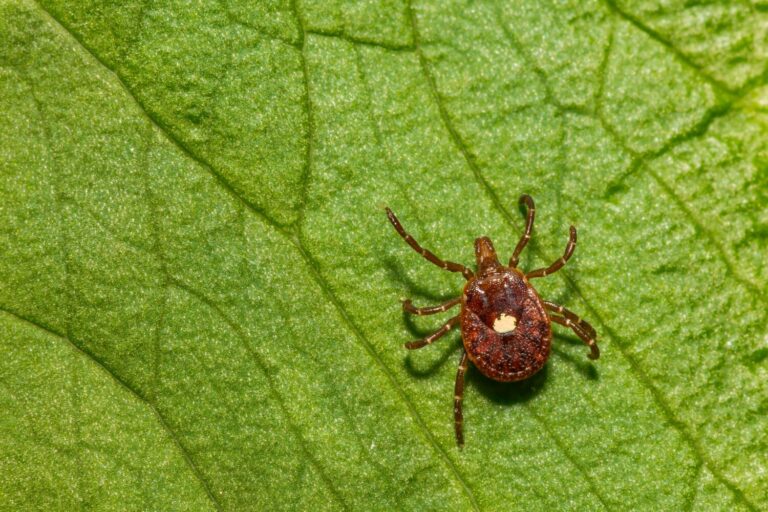
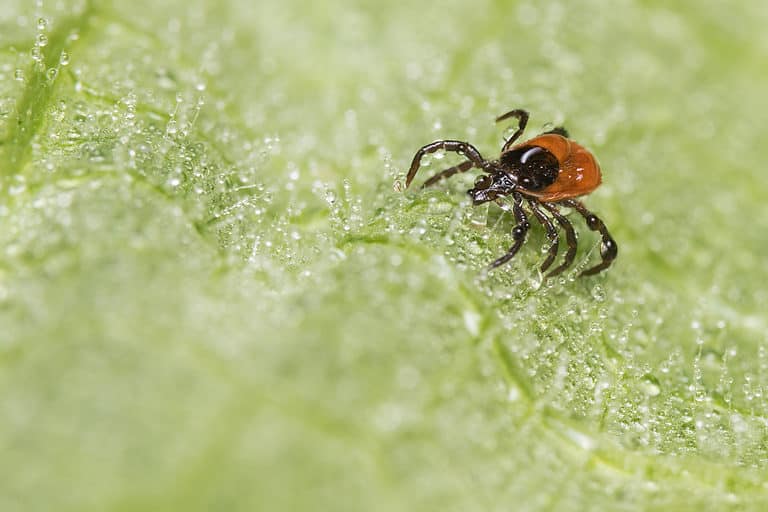
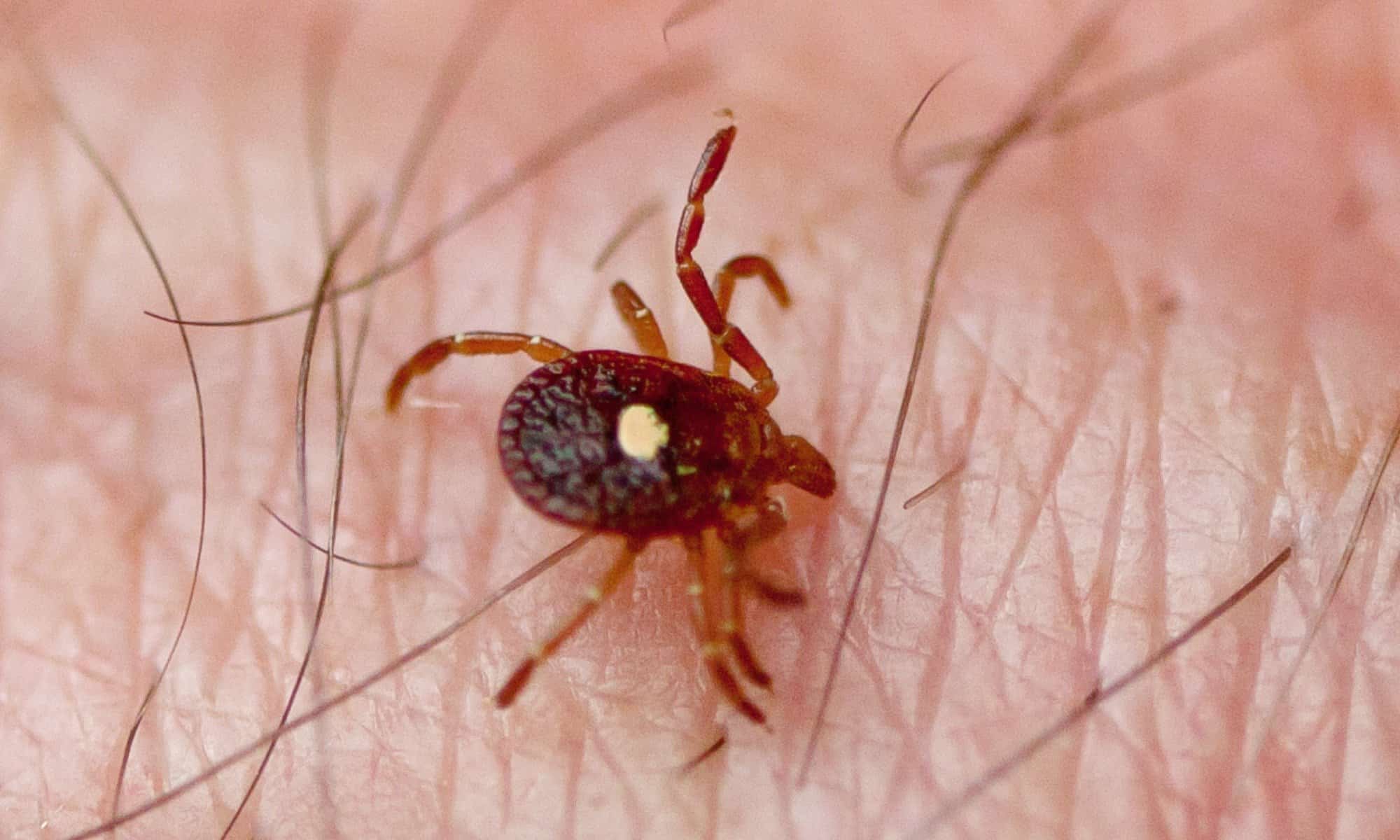
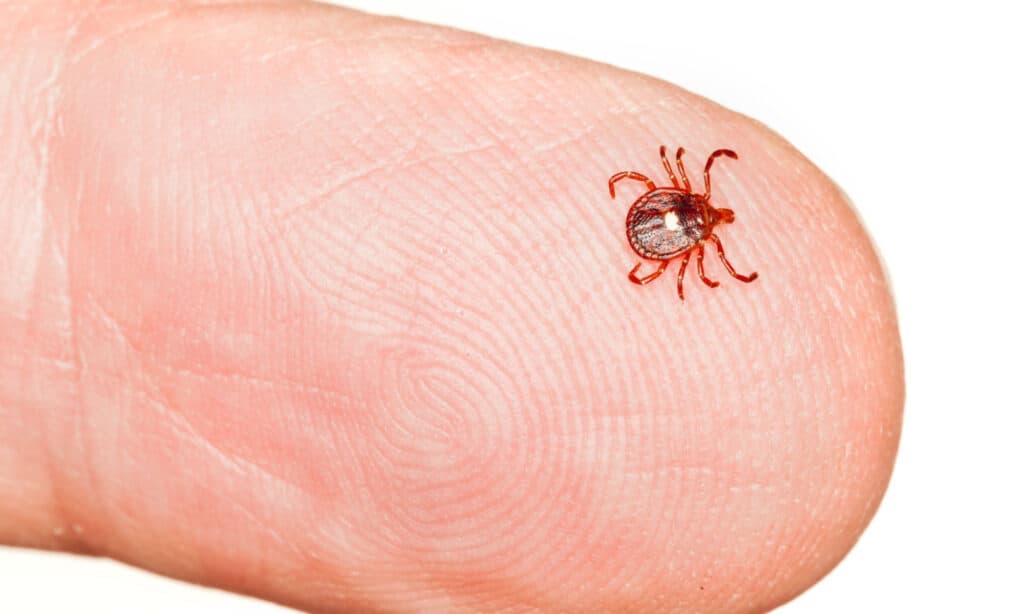
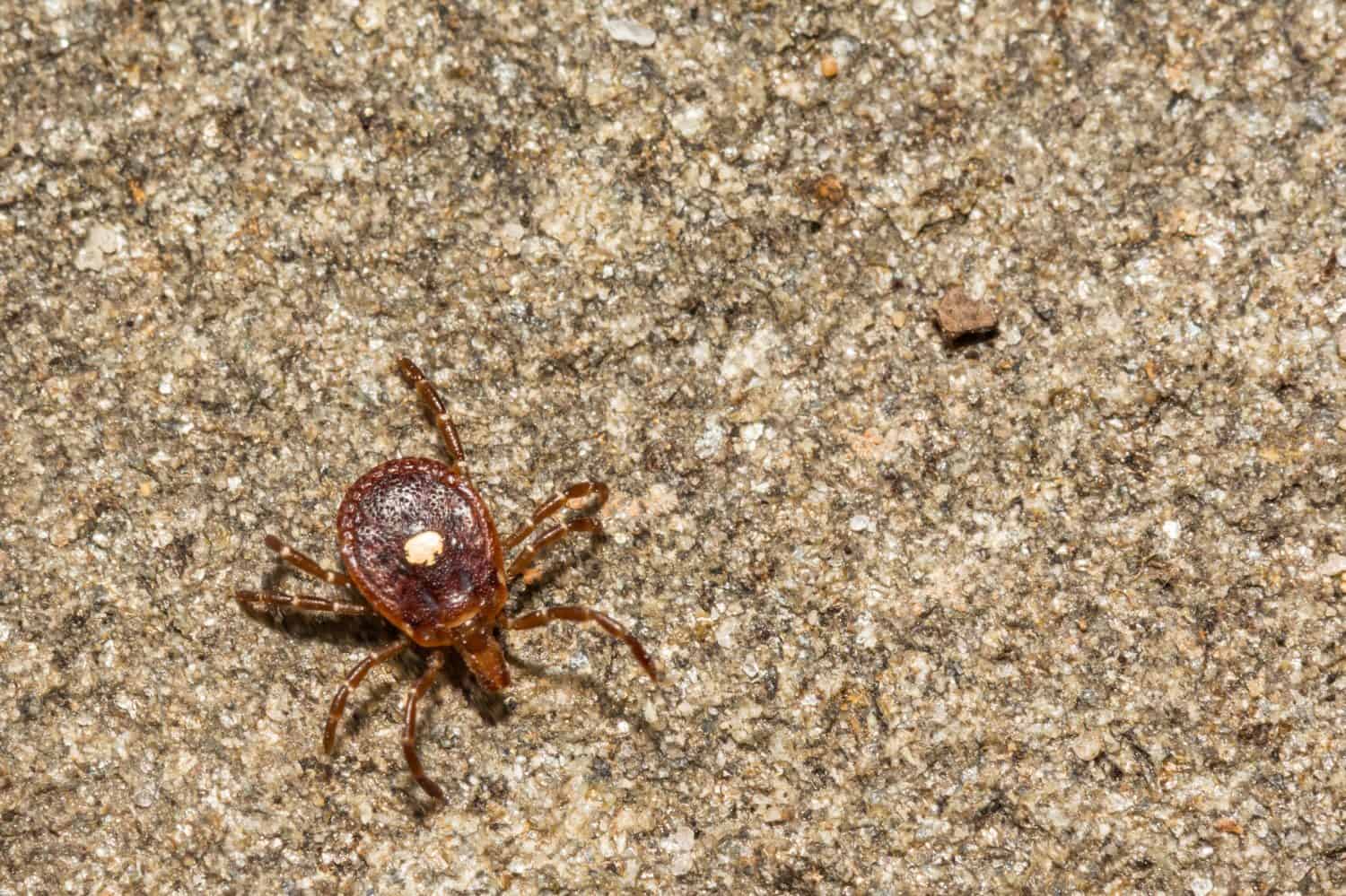
Lone star ticks are well known for the white spot or “star” on their red bodies. However, because only adult females carry the marking, it can be difficult to determine this specie. But identifying these particular ticks as soon as possible is necessary, given that they transmit alpha-gal syndrome.
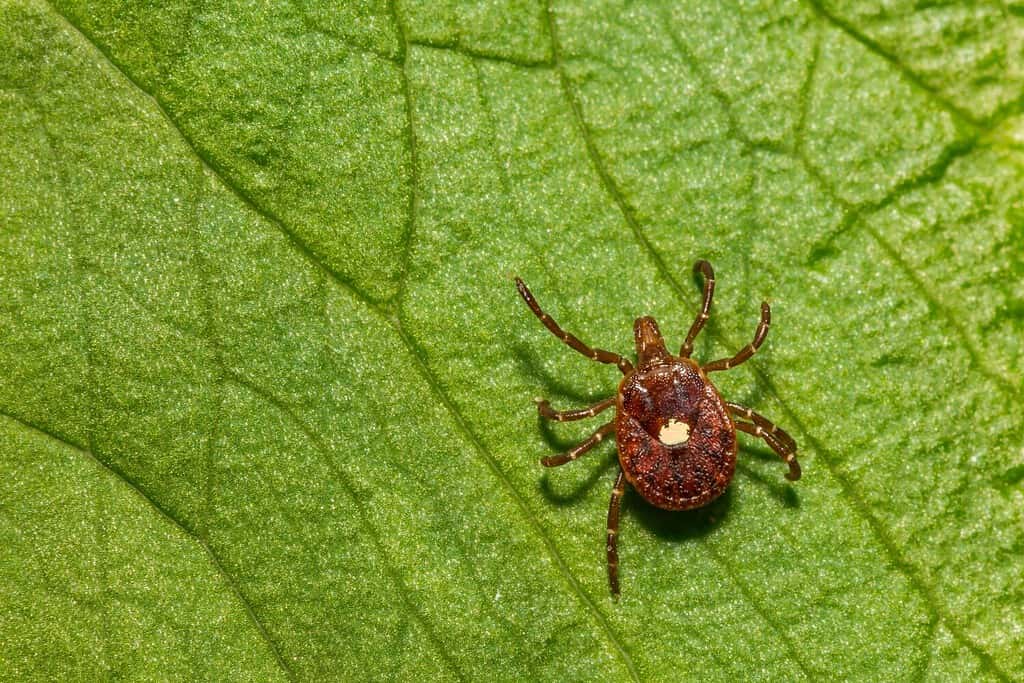
Lone star ticks transmit alpha-gal syndrome.
©Jay Ondreicka/Shutterstock.com
Alpha-gal syndrome is essentially a food allergy. Those who have never had issues eating red meat or animal products may find their body rejecting these foods after being bitten by a lone star tick. The symptoms range from slight swelling to anaphylaxis. Strangely enough, some people who test positive for alpha-gal show no symptoms at all.
Once infected by alpha-gal, there is no cure. The only way to control symptoms is to abstain from foods that trigger the reaction, which range from red meat, lamb, and pork, to dairy and gelatin.
Signs and Symptoms of Alpha-gal Syndrome
Those who have developed alpha-gal syndrome following a bite will not know until after they have consumed red meat or food products derived from animals.
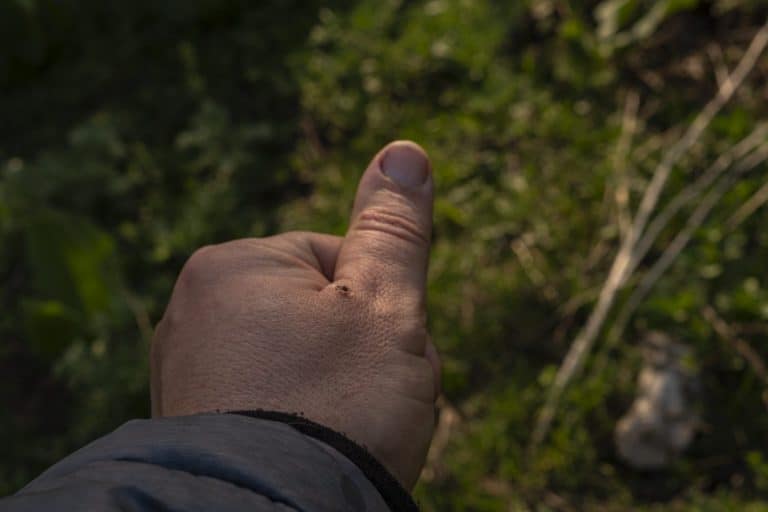
Hives, rash, swelling, and anaphylaxis are signs of alpha-gal syndrome.
©Steve Heap/Shutterstock.com
Signs and symptoms of alpha-gal syndrome include:
- Hives
- Rash
- Swelling of lips, face, or eyelids
- Throat swelling
- Nausea
- Vomiting
- Diarrhea
- Shortness of breath or wheezing
- Anaphalaxis
Unfortunately, because there is no cure for alpha-gal syndrome, the only way to mitigate symptoms is to avoid meat and meat products, and even dairy for some. However, remission is possible. Those who seemingly no longer have the allergy are still encouraged to keep antihistamines and even an EPI-PEN on hand, should symptoms return. If this happens, seek medical attention immediately.
Lone Star Ticks Are Hard to See
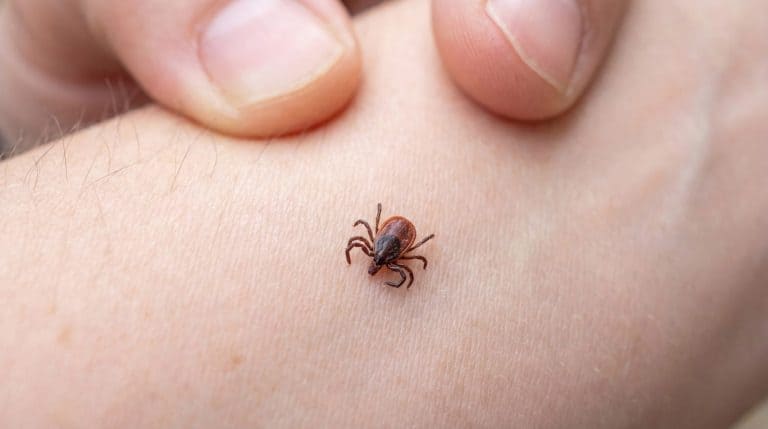
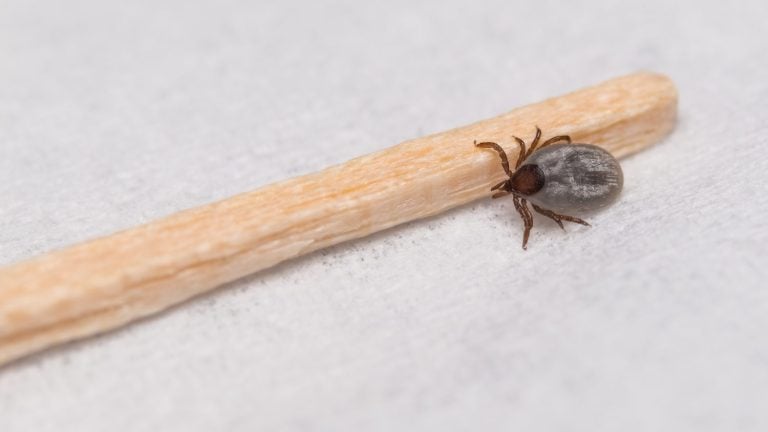
Lone star ticks are tiny. In fact, the larvae are so small that they are often referred to as “seed ticks.” Because it can be difficult to see them, many don’t know they are there until they attach.
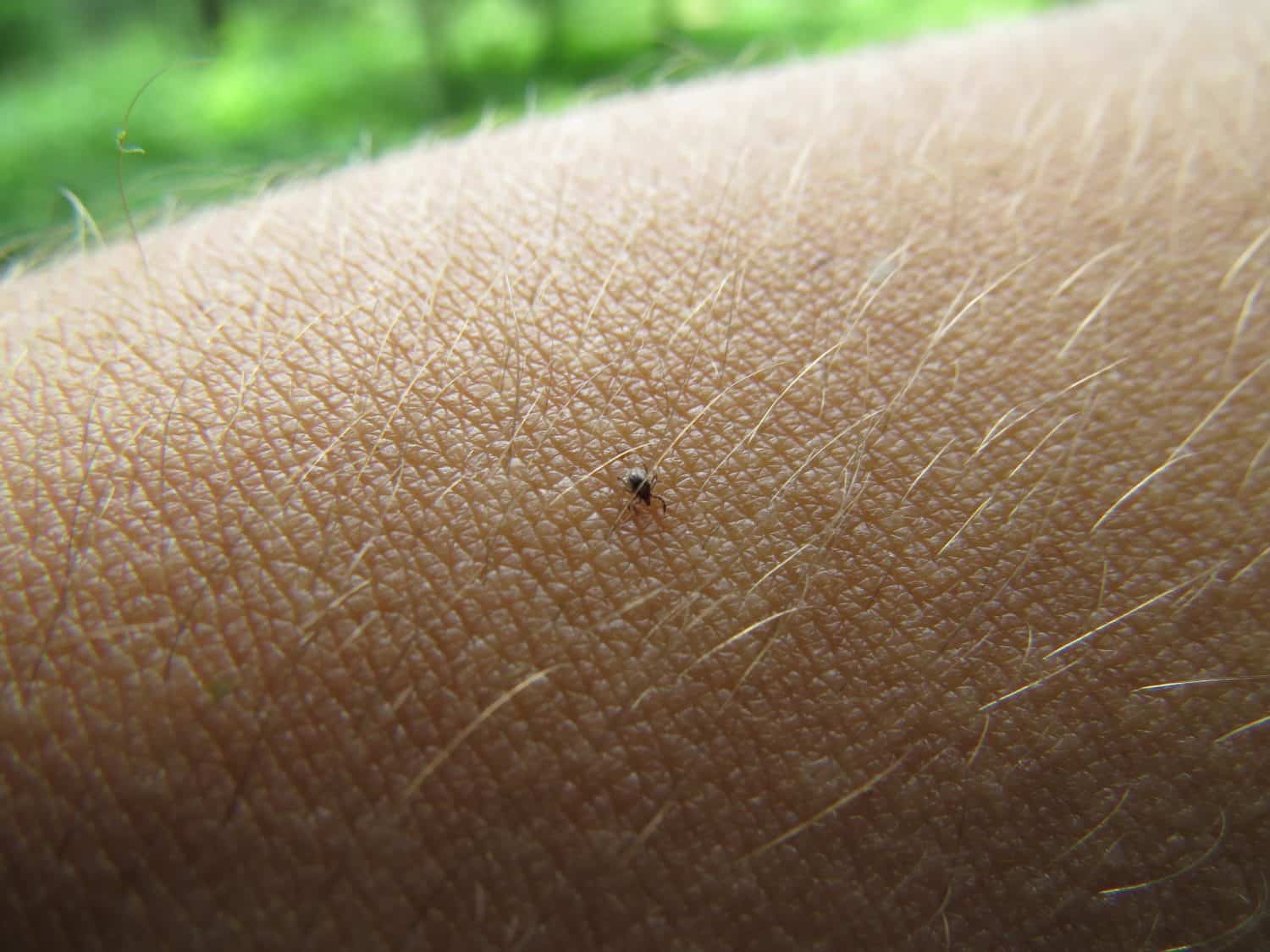
Lone star ticks are tiny and can be hard to see.
©Vitalii Kirdan/Shutterstock.com
By the time lone star ticks reach adulthood, unfed females are five millimeters long, and males are four millimeters. The size will change as they feed, with females reaching up to 10 millimeters. Males will be slightly smaller.
Lone star ticks move quickly after finding a host. On people, they can attach to shoes and crawl up pant legs. Many times, they will attach to the lower body. But it is not uncommon to find lone star ticks on the upper body as well, especially if a shirt is untucked.
Are Lone Star Ticks Aggressive?
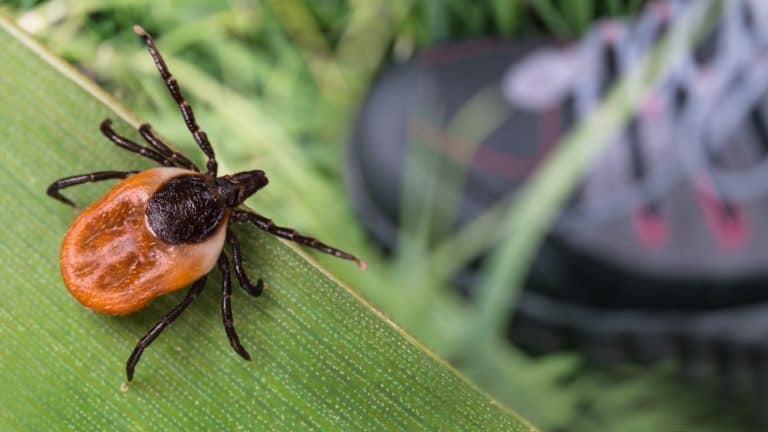
Unlike some ticks that wait patiently for a host to pass, lone star ticks are aggressive. They are constantly on the hunt to find a host. Once a human or animal is located, lone star ticks will move quickly to attach, traveling several feet in a short time to do so.
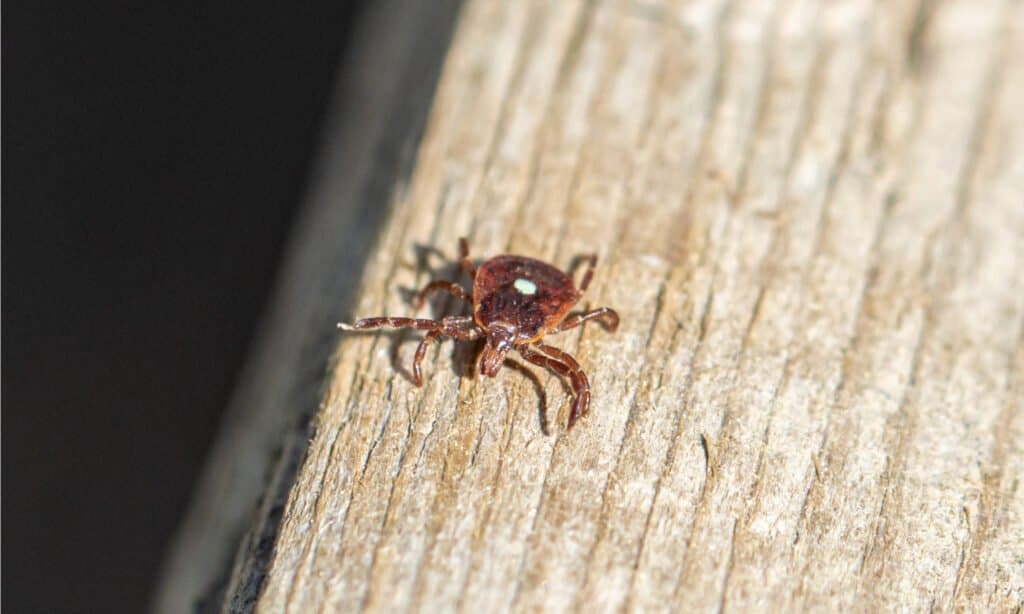
Lone star ticks are aggressive and will seek out hosts.
©Maria T Hoffman/Shutterstock.com
Lone star ticks use body odor and carbon dioxide to locate potential hosts. While a lone star tick can bite at any stage, the most aggressive are adult females and nymphs. Alpha-gal can only be transmitted through a bite.
Where Lone Star Ticks Are Found
Lone star ticks were initially distributed across the East Coast in woodlands or grassy areas. Their territory decreased for a time as forests were cleared to make way for agriculture, industry, and urbanization. But with conservation of white-tailed deer and climate change, once uninhabitable states are now habitable for the ticks, and their population has increased in recent years.
Lone star ticks are found in the Northeast, South, and Midwest.
©Jay Ondreicka/Shutterstock.com
The states where lone star ticks are most active include:
- Arkansas
- Delaware
- Illinois
- Indiana
- Kansas
- Kentucky
- Maryland,
- Missouri
- Mississippi
- North Carolina
- Oklahoma
- Tennessee
- Virginia
They can also less commonly be found in the Northeast.
How to Avoid Lone Star Ticks
Due to climate change, lone star ticks have moved into territories they historically avoided. Consequently, more people than ever are coming into contact with these ticks, raising the chance of alpha-gal infection.
The best way to combat lone star ticks is to avoid them. Follow these tips to lower your chances of contact:
- Wear long-sleeved shirts, long pants, and light clothing when out in nature
- Use insect repellent on both clothes and skin
- Stay on trails when hiking and away from tall grass or bushes, where lone star ticks congregate
- Keeping grass mowed and short and bushes trimmed
- Create a barrier around the house of wood chip or rocks to deter ticks from entering
- Use a pest management company if multiple ticks are spotted
- Inspect clothing and skin after time outdoors
- Routinely check pets who venture outdoors for ticks

Wearing long, light clothing and keeping vegetation mowed down are some ways to prevent being bitten by lone star ticks.
©Shooty Photography/Shutterstock.com
What Should You Do If Bitten by a Lone Star Tick?
Lone star ticks are so small that many people miss the first signs that one has embedded. However, after a period of time, the attachment site can begin to burn, itch, or even sting. This is generally when people realize they have been bitten by a lone star tick.
Remove the tick by following these steps:
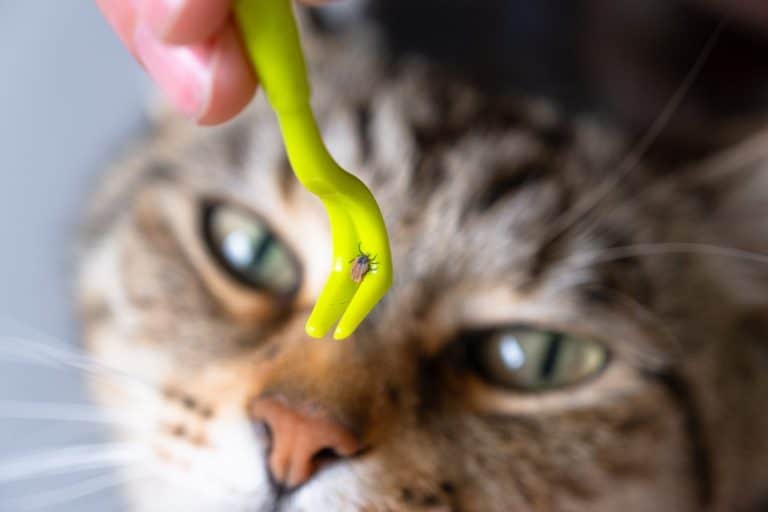
- Use fine-tipped tweezers to gently pull the tick away from the skin, making sure not to twist or squeeze in the process.
- Wash the site with soap and water, followed by rubbing alcohol to make sure it is thoroughly clean.
- Dispose of the tick by putting it in a plastic bag or container with rubbing alcohol.

When removing a tick with tweezers, be careful not to twist or squeeze the tick.
©Kandybka Alina/Shutterstock.com
For those uncertain if they have been bitten by a lone star tick, save the specimen in a sealed plastic bag or container with alcohol. Do not squeeze it, as doing so can release toxins from the tick that can cause infections.
The final step is to reach out to a healthcare professional. They can provide advice on which symptoms and signs to look for if infected with alpha-gal, and what can be done to mitigate symptoms if they appear.