
Quick Take
- Mosquito bites occur when female mosquitoes inject saliva containing proteins, triggering histamine release and an itchy red bump.
- Attraction comes from CO2 plumes, heat, and scents. Blood type is only a small factor, while dark clothing can raise bite risk.
- Skeeter syndrome can cause large, warm swelling after one or two bites. Other allergies or immune conditions influence the reaction.
Mosquito bites are a common seasonal annoyance shrouded in a surprising amount of mystery. People can react very differently to mosquito bites. One person may barely notice a faint pink bump that fades in a day or two, while another may experience significant swelling and welting, scratching nonstop until the area becomes hot, inflamed, and impossible to ignore—almost like an allergic reaction.
It often seems like there is always one ‘mosquito magnet’ in every group—on every camping trip or summertime hangout—who walks away covered in bites while everyone else escapes basically unscathed. What sets certain people apart when it comes to mosquito bites, and what makes these bites itch so much in the first place?
Today, we’ll address what mosquitoes actually inject into us when they bite, how our immune systems respond, and why certain people seem more attractive to these insects than others. We’ll also check out what genuinely helps soothe the itch after a bite, and what you should do if you think your bite is worse than average. Here’s the buzz on all things surrounding mosquito bites!
How a Mosquito Bite Works (and Why It Itches)
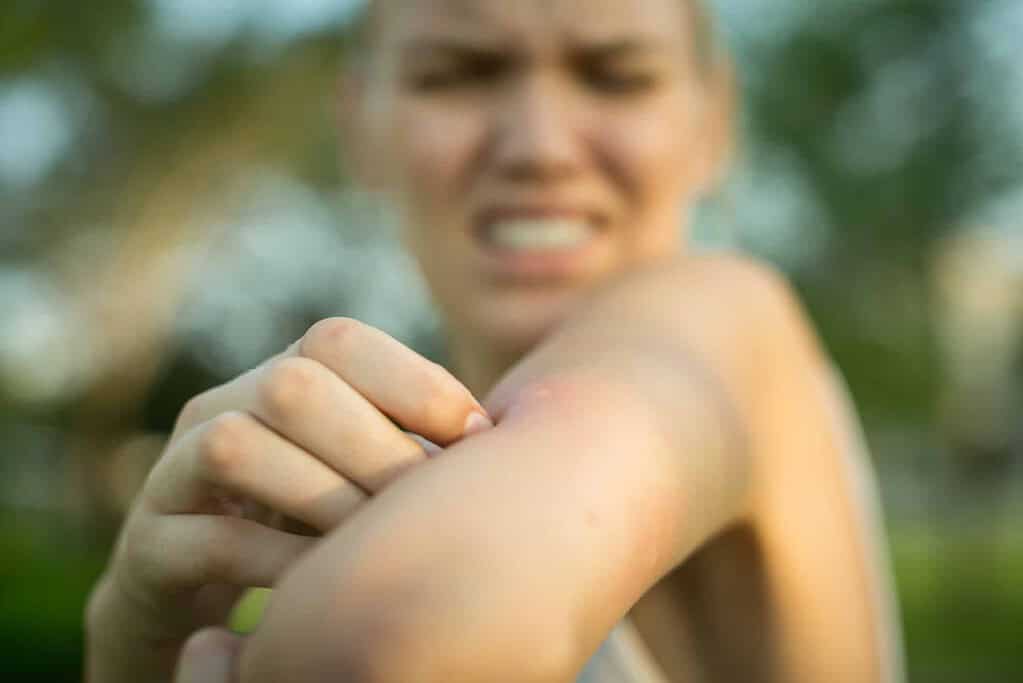
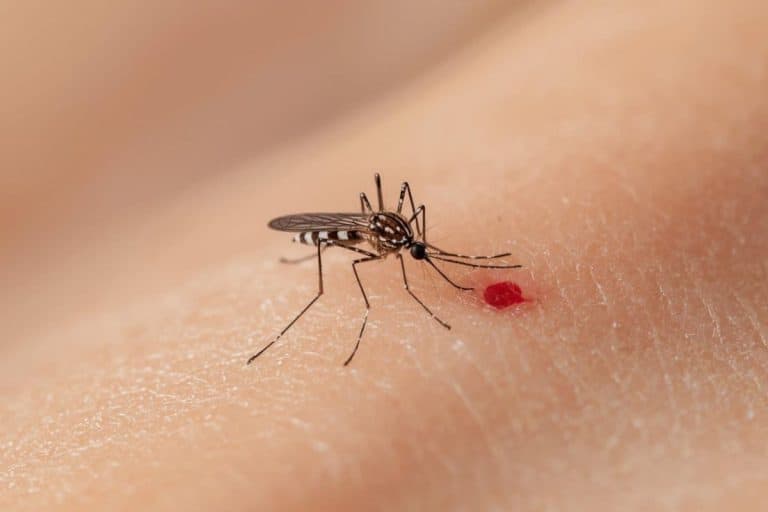
Mosquito saliva contains proteins that trigger immune responses in our skin.
©iStock.com/globalmoments
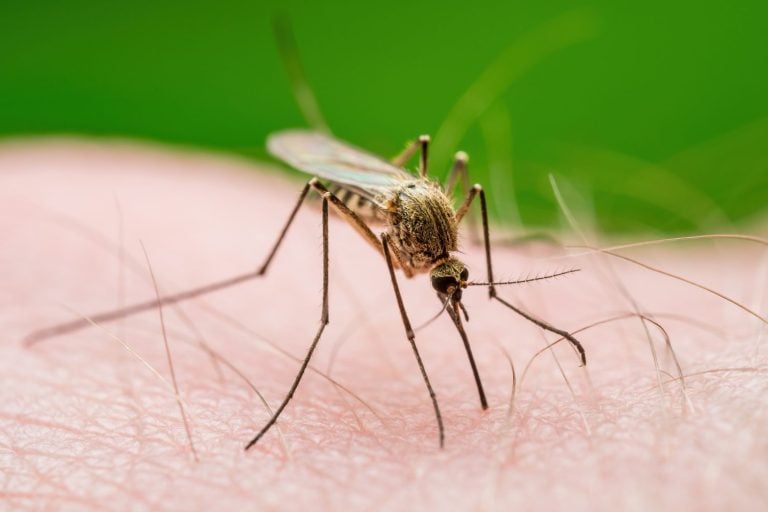
First things first: only female mosquitoes bite, as they need proteins from our blood to develop their eggs. When a mosquito lands, it uses a needle-like mouthpart to pierce the skin and locate any of our tiny blood vessels. As she feeds, she injects a unique saliva that contains proteins, including anticoagulants that keep blood from clotting and compounds that help her drink with ease.
Those salivary proteins are completely foreign to the human immune system. Cells in our skin recognize them as invaders, which triggers an immune response. Cells release histamine and other inflammatory molecules, which trigger a multitude of different responses, including dilating blood vessels, increasing local blood flow, and recruiting immune cells to the site of the bite.
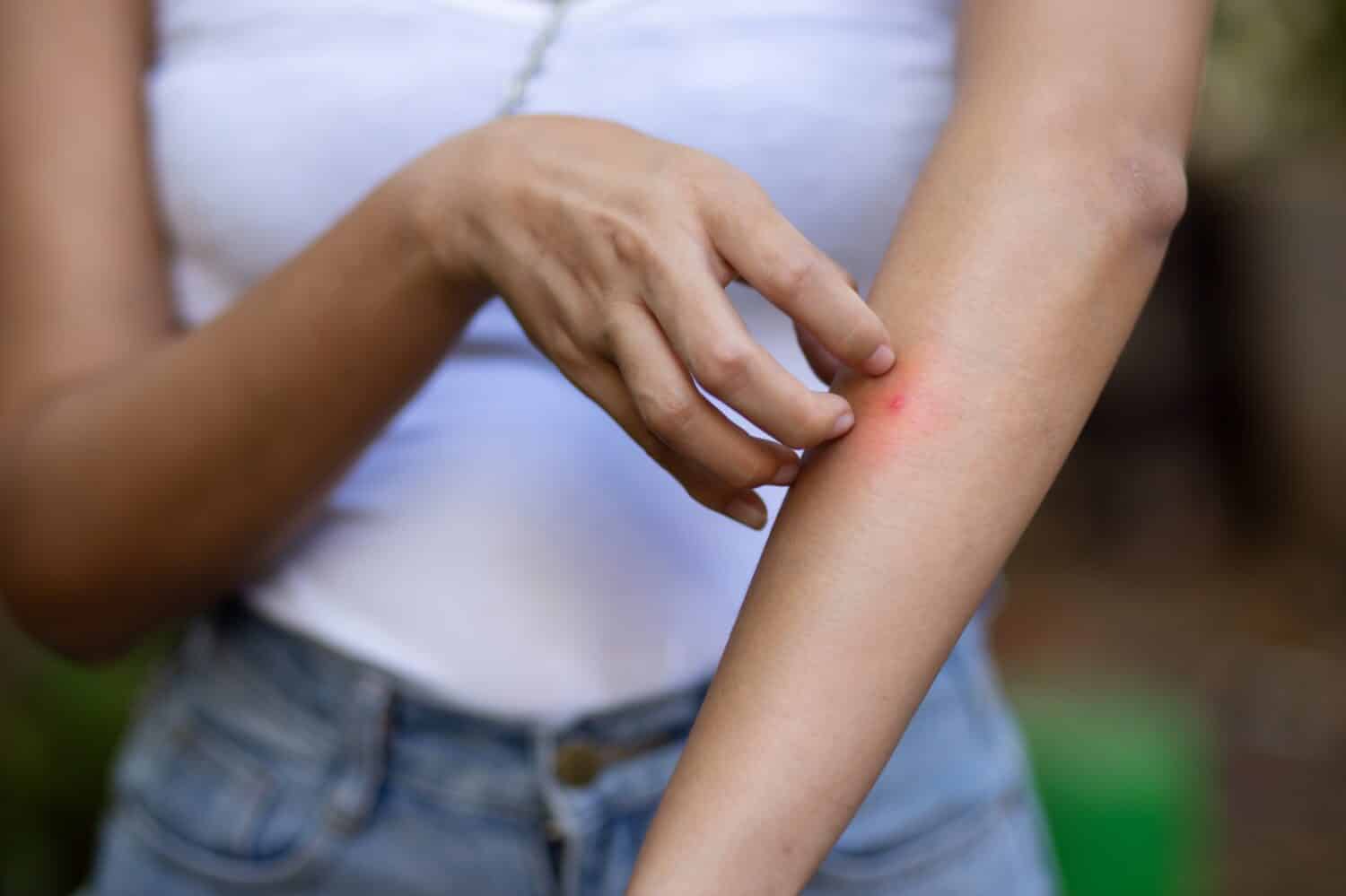
Histamine is the main chemical that produces the classic red, raised, intensely itchy bumps we hate to scratch, which is described in a bite overview from the Cleveland Clinic. This reaction evolves over hours, which is why immediately after the bite, there may be very little to see, and you may not know you’ve been bitten. Over the next several hours, though, a raised center with a red halo will become more obvious as your histamine levels rise.
Most bites itch for about three to four days, but swelling can last up to a week, depending on where you’ve been bitten. Plus, people who are bitten frequently may even shift through different patterns over time: minimal reaction at first exposure, then larger local reactions, and, in some cases, milder bumps again as the immune system partially adapts.
But what about the people who always seem to get bitten, no matter what they do?
Why Do Mosquitoes Prefer Certain People?
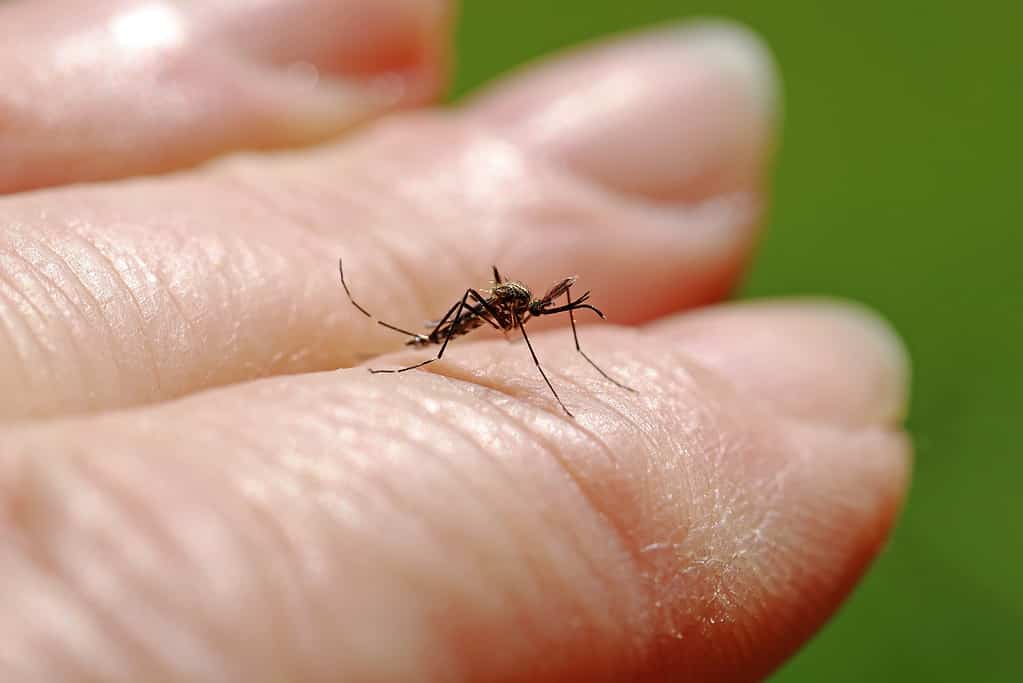
Mosquitos do actually have preferences when it comes to the humans that they bite.
©Astrid860/ via Getty Images
There is real science and actual evidence behind the feeling that mosquitoes always pick the same person to bite, the feeling that someone is always doomed to be bitten. Mosquitoes use a combination of cues to find hosts, and these cues vary from person to person.
Research on human attractiveness to mosquitoes exists and mentions several key factors as to why some people attract so many mosquitoes:
- Carbon dioxide levels: Mosquitoes can detect carbon dioxide from several meters away. Larger people, those who are more physically active, and pregnant individuals exhale more carbon dioxide, making them easier for mosquitoes to find.
- Body heat and moisture: Warm, slightly damp skin helps mosquitoes hone in once they are close enough to sense this heat and moisture.
- Skin odor and chemistry: Compounds such as lactic acid, ammonia, and fatty acids released in sweat, along with the specific mix of bacteria on the skin, create a type of scent signature that can make individuals more or less attractive to different mosquito species.
- Genetics and health: Genetics, pregnancy, and infections like malaria can alter the chemical signals released from our skin and breath, influencing mosquito preference in subtle ways.
Popular claims about blood type affecting your chances of being bitten actually contain a kernel of truth as well, but it’s part of a larger picture. Some lab studies with Aedes aegypti have found that mosquitoes fed more often on type O blood due to its high nutritional content in experiments, but other research has reported different or conflicting results. Regardless, blood type is just one small part of a much more complex puzzle.
Lifestyle can matter more than we think as well. Some studies suggest that drinking alcohol, particularly beer, may increase mosquito attraction, though recent research has found mixed results. Dark clothing can make individuals more visible to mosquitoes that use vision as a cue, according to field experiments performed by the American Mosquito Control Association.
While this answers the question of why mosquitoes seem to have a human preference when it’s mealtime, why do some people react far worse to the average bite?
Why Do Some People React More to Mosquito Bites Than Others?
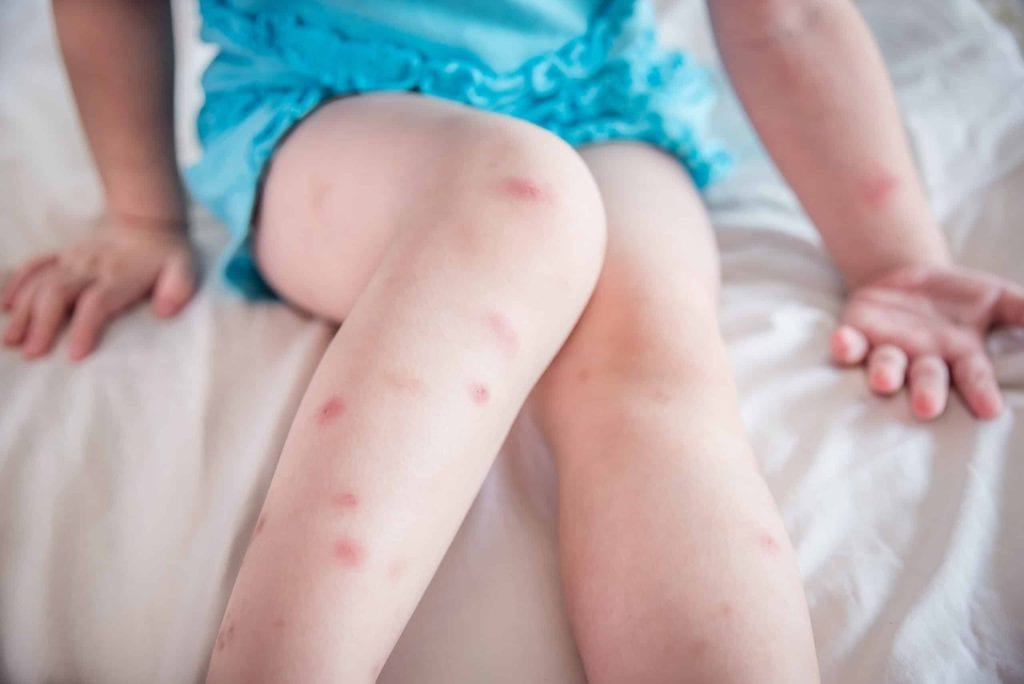
Certain people may suffer more from mosquito bites because of their individual immune system responses.
©all_about_people/Shutterstock.com
Even when two people receive the same number of mosquito bites, they may not look or feel equally affected. Why might this be? Differences in our immune responses help explain this, and the prevalence of what’s known as “skeeter syndrome” helps us understand the whys.
Some immune systems produce far more histamine and a much more vigorous inflammatory reaction to mosquito saliva, leading to bigger, redder, itchier welts. Children and individuals who are not bitten often may have especially dramatic local swelling. Others have relatively muted responses and barely notice their bites, possibly because they’ve been bitten many times before.
At the extreme end, ‘skeeter syndrome’ describes large, warm, and sometimes painful local reactions that can be mistaken for infections or severe allergic reactions. Case descriptions and patient information from the Cleveland Clinic describe swelling of an entire limb or facial area after just one or two bites, which is enough to make anyone avoid a camping trip.
Ultimately, your history of other allergies, underlying immune conditions, or certain medications can also influence how strongly you react to a bite. On the other hand, people who are repeatedly exposed may show smaller bumps over time as their immune systems adapt. While it isn’t fair, exposure can be one of the best ways to weaken the strength of future mosquito bites.
What Actually Helps Soothe a Mosquito Bite?
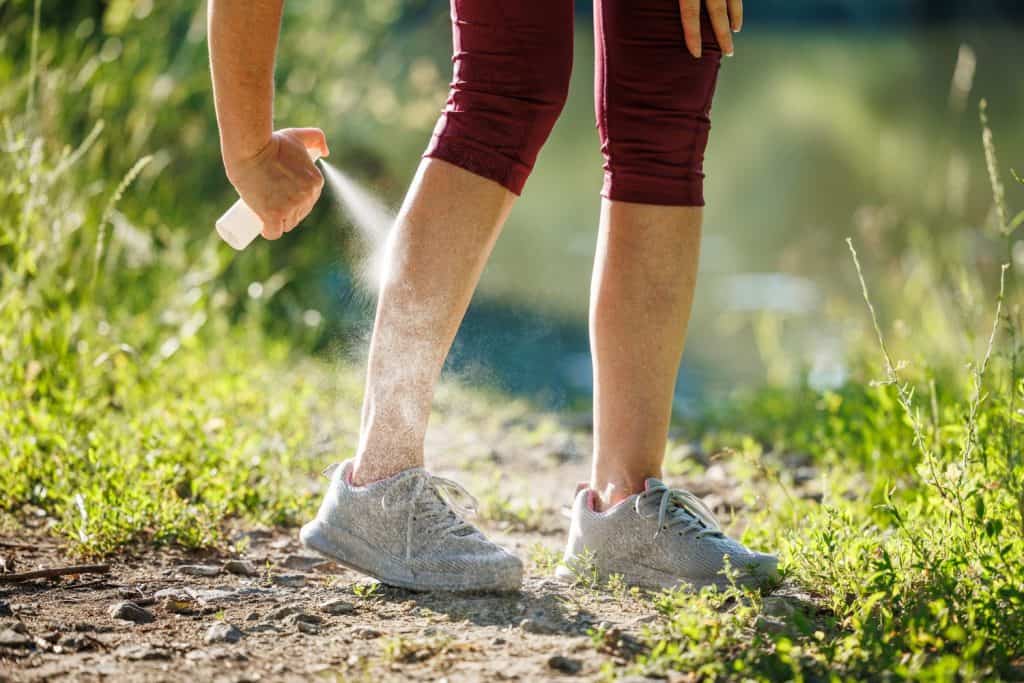
While prevention is best for mosquito bites, there are ways to soothe them after they occur.
©encierro/Shutterstock.com
Once a mosquito bite has happened, the goal is to calm the immune response and protect the skin. Public health agencies and physicians generally recommend a few simple, evidence-based steps, including:
- Clean the area: Wash the bite and surrounding skin with soap and water to reduce the risk of infection, especially if you’ve been scratching.
- Use a cold or hot compress: Applying a cold pack or cool, damp cloth for about 10 minutes at a time helps decrease swelling, redness, and itch by constricting blood vessels and numbing the area. Following up with a hot compress also helps with itching.
- Try topical treatments: Over-the-counter hydrocortisone cream, calamine lotion, or products containing local anesthetics can soothe itching and inflammation.
- Take an oral antihistamine if needed: Certain antihistamine medications can help with more widespread or intense itching by blocking histamine’s effects throughout the body.
While difficult to avoid, scratching is the one thing almost every expert warns against. Digging at bites breaks the skin barrier, drives bacteria deeper, and can turn a simple bite into a scar or sore, especially in children. There are some home remedies that can help, but over-the-counter topical treatments are your best bet.
When a Mosquito Bite Is More Than Just a Bite

There are rare cases when mosquito bites warrant a trip to the doctor.
©Ground Picture/Shutterstock.com
Most mosquito bites are harmless beyond the itch, but some situations warrant medical attention. It’s recommended that you see a doctor for a mosquito bite if:
- Large, hot, and very swollen local reactions are worsening over 24–48 hours, especially if accompanied by fever or otherwise feeling unwell.
- Signs of infection appear, such as spreading redness, pus, increasing pain, or warmth around the bite.
- Symptoms of allergy or anaphylaxis occur, which can include trouble breathing, swelling of the lips or tongue, hives over large areas of the body, dizziness, or vomiting.
- Post-travel illness develops after visiting an area with malaria, dengue, Zika, West Nile, or other mosquito-borne diseases. Keep an eye out for fever, severe headache, joint pain, rash, or unusual fatigue.
Can People Make Themselves Less of a Target to Mosquitoes?
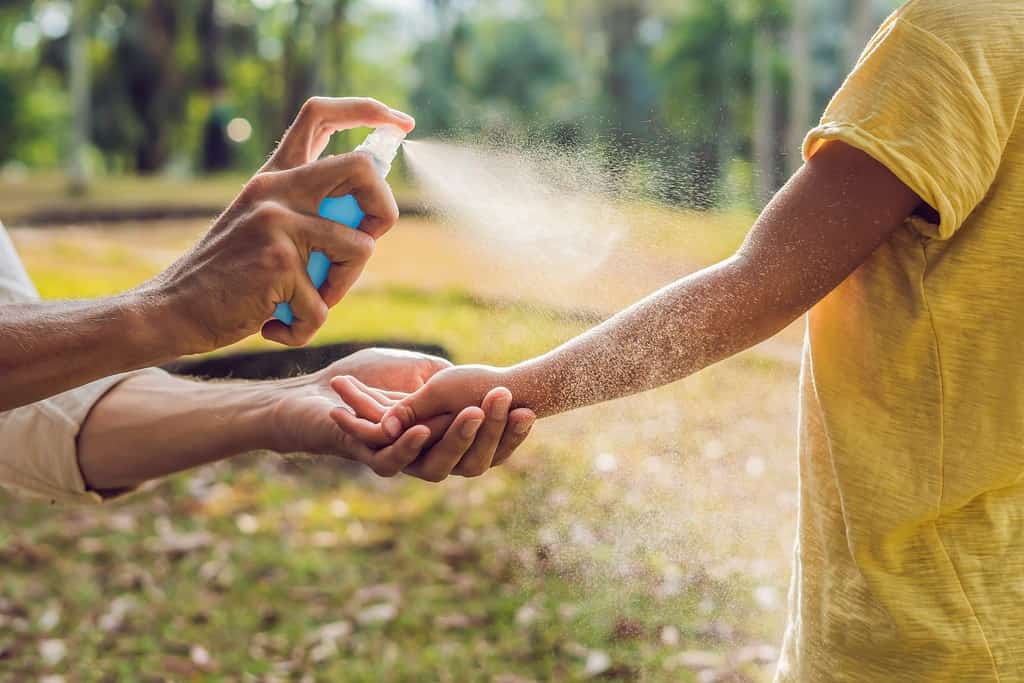
Using repellents is one of the best things you can do to combat mosquito bites.
©Elizaveta Galitckaia/Shutterstock.com
While no one can completely change their personal scent signature or CO₂ output, there are practical steps you can take to make mosquito bites less likely. Most experts recommend the following solutions:
- Effective repellents: Products containing DEET, picaridin, IR3535, or the oil of lemon eucalyptus applied as directed have the strongest evidence for reducing bites.
- Protective clothing: Long sleeves, long pants, and socks in loose, light-colored fabrics create a physical barrier and are less visually attractive to some species.
- Treated gear: Permethrin-treated clothing and gear can repel and kill mosquitoes on contact and is commonly recommended for high-risk areas or for those who are mosquito-sensitive and spend a great deal of time outside.
- Environmental control: Eliminating standing water where mosquitoes breed, maintaining screens on windows and doors, and even using fans outdoors all reduce mosquito presence and exposure.
While citronella candles and certain plants may offer mild, localized effects, they are generally much less reliable than repellents, barriers, and environmental measures. Still, if you prefer a more natural approach to mosquito prevention, they may be worth trying. Just note that your children may need something stronger to avoid severe reactions.
Mosquito Bites Aren’t Random, But They Always Itch
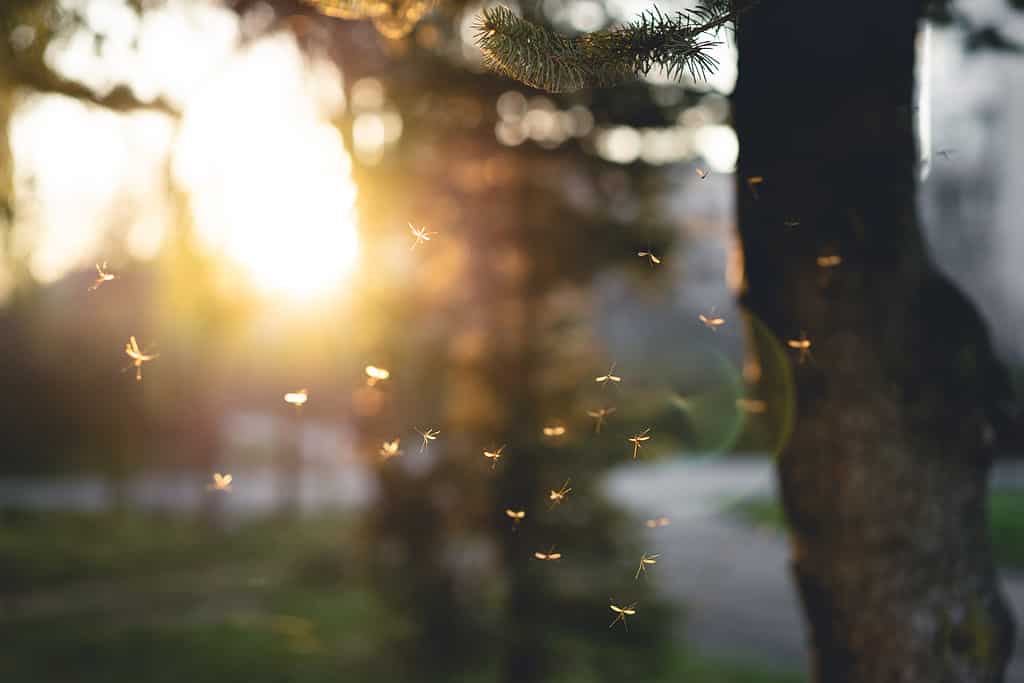
At the end of the day, some people will indeed attract more mosquitoes than others.
©Tsyb_Oleg/ via Getty Images
The primary reason that mosquito bites itch is because our immune system is reacting to mosquito saliva, not because the insects themselves are poisonous or targeting people out of malice. Some bodies simply emit more of the signals mosquitoes follow, and some immune systems react far more dramatically once the saliva is in the skin.
By understanding these fundamental mechanisms and relying on proven prevention and treatment methods, it’s possible to make mosquito season more tolerable—even for those who seem to attract mosquitoes the most. Just don’t forget your repellent on your next camping trip or outdoor dusk event!