
Quick Take
- Saving honeybees isn't enough, according to Europe's top pollinator researchers. Why honeybees aren't the focus →
- Europe's largest group of pollinators isn't bees, and most conservation efforts are completely ignoring them. Meet the overlooked pollinators →
- Farmers planting wildflower strips are doing something helpful, but scientists say they're missing a critical piece. What wildflower strips are missing →
- The pollinator crisis threatens far more than your grocery store. The supply chains you'd least expect are quietly on the line. See the broader risks →
A coalition of eight major European Union-funded pollinator projects recently sounded the alarm about pollinator decline across the continent. They believe that if Europe fails to stop the disturbing trend of pollinator loss, the region will face a crisis affecting not just food security but all vital societal functions.
Their findings, along with a roadmap titled “Towards Pollinator Stewardship in All Policies,” were just published in Butterfly-EU, part of the EU Open Research Repository.
Who Was Involved?
The groups that participated in the white paper include Butterfly, VALOR, PollinERA, WildPosh, AGRI4POL, ProPollSoil, RestPoll, and Safeguard. The groups all received funding from Horizon Europe, the European Union’s (EU) flagship research and innovation program.
The group was made up of 135 leading researchers with expertise in a variety of disciplines, including ecosystem ecology, pollinator ecology, ecological economics, social science, environmental history, environmental law, behavioral psychology, and political science.
The White Paper’s Findings
The group noted that Europe risks a real crisis affecting not just food but the overall economy if it doesn’t act immediately to reverse the trend of wild pollinator losses while also protecting and supporting managed bees and other pollinator populations.
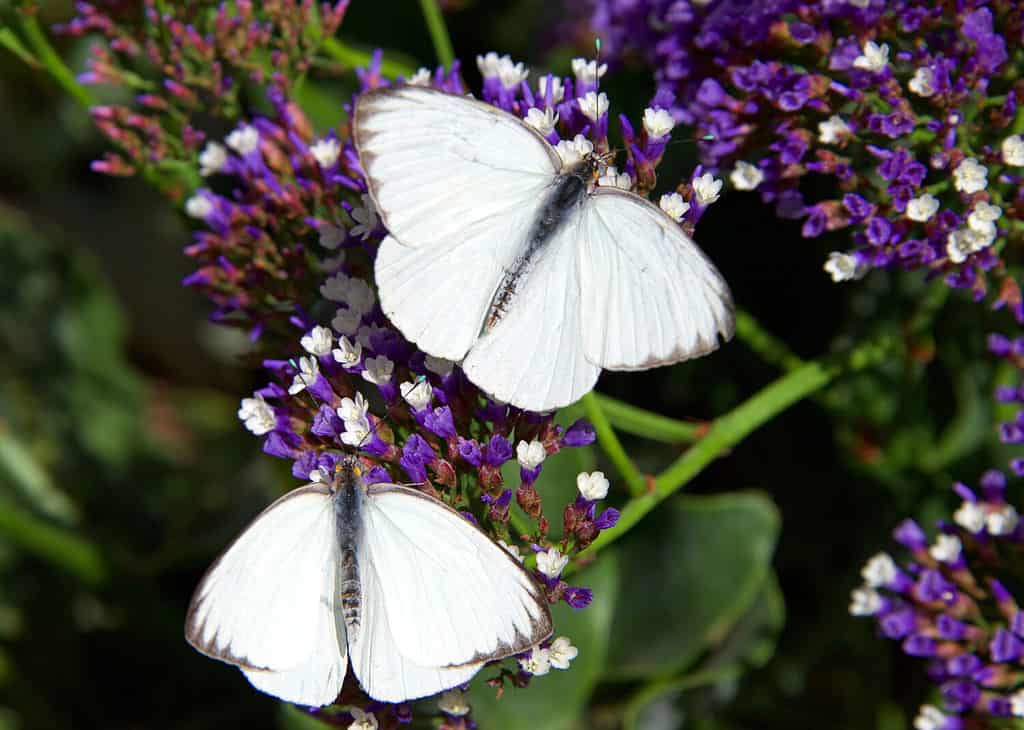
Wild pollinators, including moths and butterflies, are at the greatest risk.
©Sheila Fitzgerald/Shutterstock.com
The group called out the EU’s siloed approach to government and individualized policy decision-making as the major threat to pollinator restoration across the continent. The group warns that EU member nations must make “Pollinator Stewardship” a top priority across every industry and governing body, including agriculture, the environment, chemicals, research and innovation, trade, finance, planning, legislation, and education. That stewardship is required to ensure that policies and actions form a coordinated effort that transcends country borders.
The group identifies the dysfunctional relationship between humans and nature as the direct cause of the impending pollinator crisis. They believe that humans are exploiting nature for short-term financial gains, such as through unsustainable farming practices that jeopardize fragile ecosystems.
However, the issue goes beyond the food supply chain. The group points out that most European supply chains depend in some way on the pollination of flowering plants, affecting industries such as food supplements, biomass energy crops, textiles, cosmetics, medicinal plants, and tourism.
It Goes Beyond Honeybees
They note that most people lack “pollinator literacy,” which leads to behaviors that harm pollinators, whether intentional or not. While many people try to help save honeybees, they may not realize that their actions can still contribute to pollinator decline.
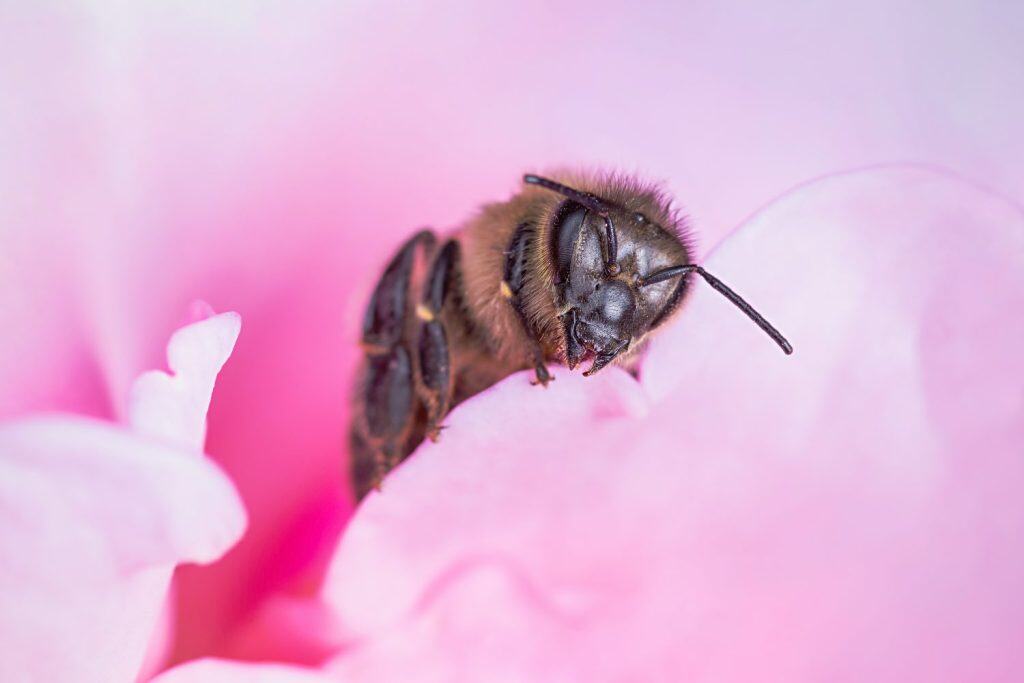
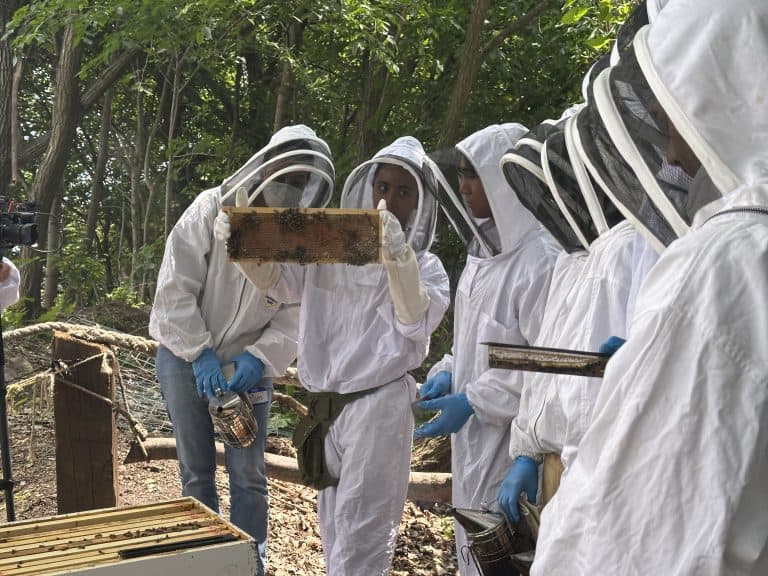
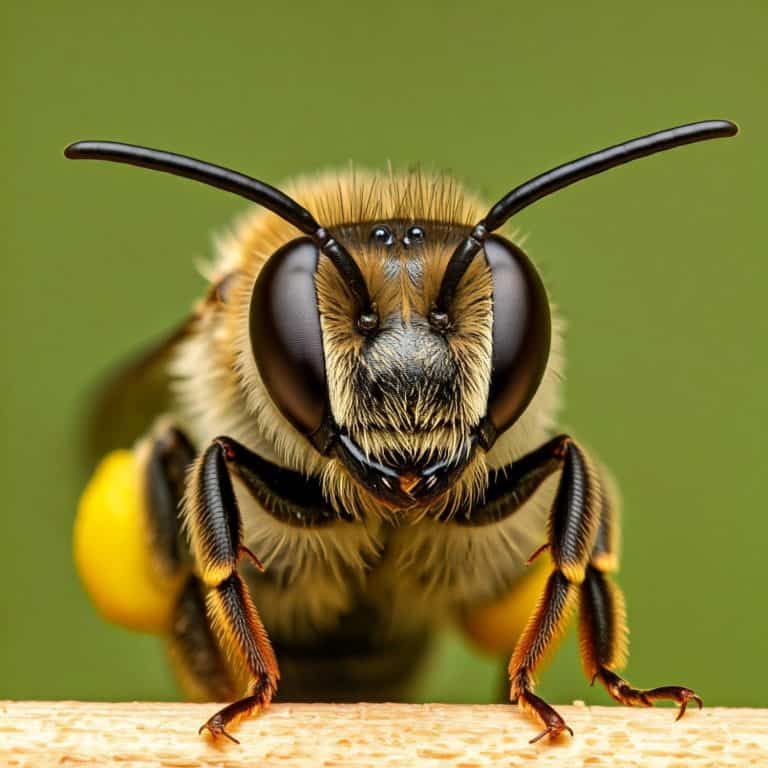
Honeybees are actually considered livestock in Europe, and their populations are managed.
©nechaevkon/Shutterstock.com
According to the white paper, focusing solely on honeybees is too narrow. In Europe, honeybees are considered livestock, are carefully managed, and are not experiencing the same decline as wild pollinators.
It is these underrepresented wild pollinators that are most in need of help.
Other Affected Pollinators
According to the group, moths and butterflies together represent the largest group by species diversity among pollinators in Europe, with around 10,000 moth species and approximately 480 butterfly species, compared to nearly 2,000 bee species.
“Many farmers plant wildflower strips along their fields, but almost no one knows that some moths are more effective pollinators than honeybees,” study lead author Jeroen van Der Sluijs, a professor at the University of Bergen, Norway, said in a news release announcing the white paper.
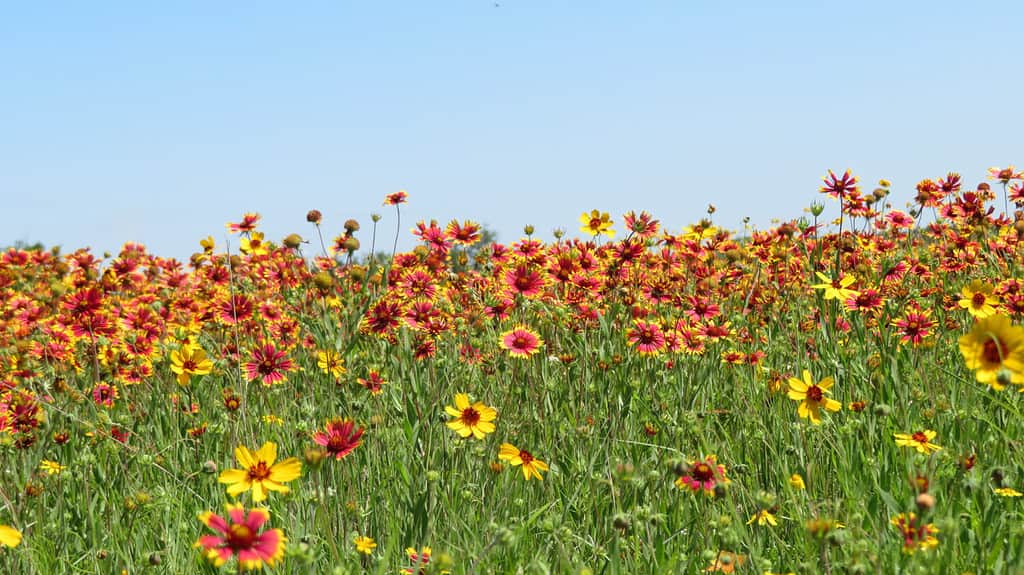
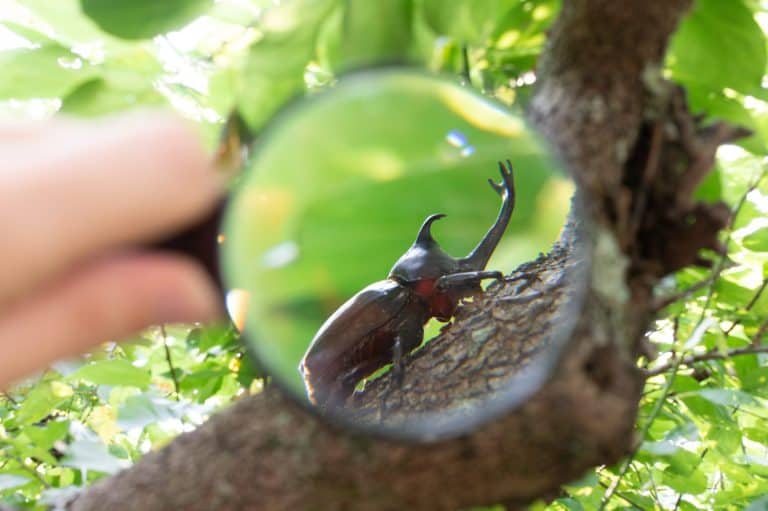
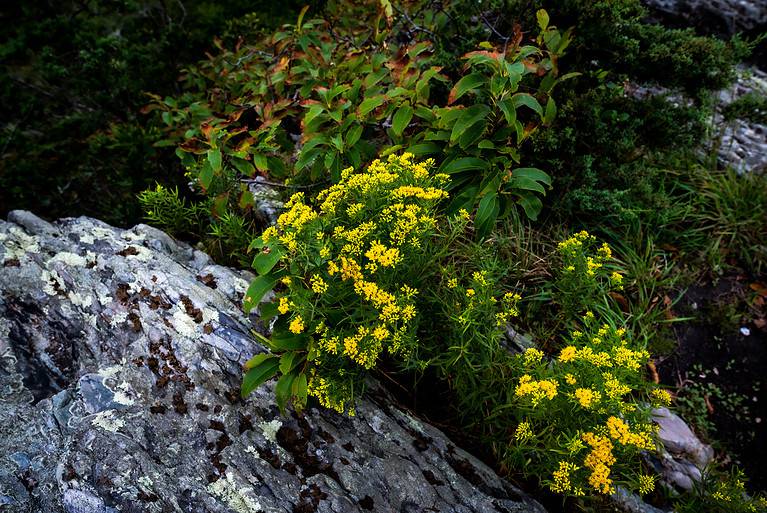
Wildflower strips planted next to farm fields are a good start, but don’t address the needs of juvenile pollinators.
©Donna Milner/Shutterstock.com
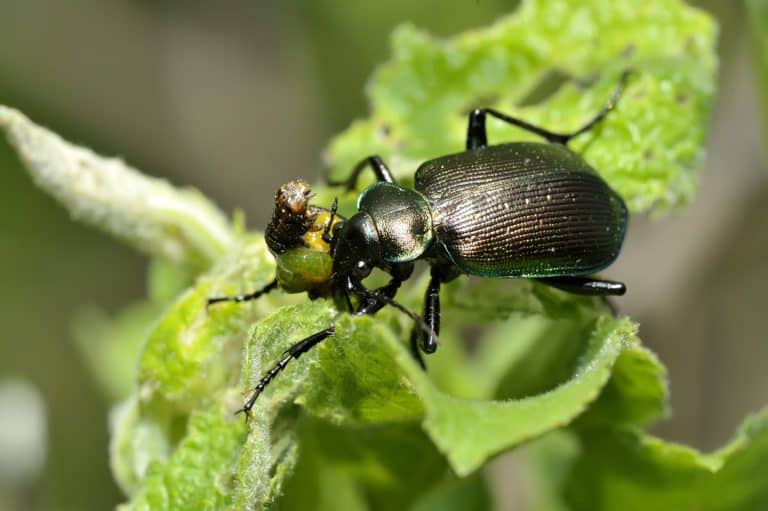
“These little creatures of the night, clothed in velvet and moonlit dust, need host plants for their larvae, not only flowers. Host plants for pollinating hoverflies, beetles and moths are missing in most seed-mixtures for flower strips.”
Why Flowers Alone Don’t Cut It
While planting wildflower strips is a good start, it does not fully address the issue. Most wildflower seed mixes are designed for adult pollinators seeking nectar and pollen, but they often exclude the host plants that moth larvae, beetle larvae, and other juvenile pollinators need to develop. Juvenile pollinators have different dietary requirements.
The group notes that supporting pollinators must also include efforts to provide non-floral resources.
What Should be Done Next?
The white paper was not just about the potential doom-and-gloom scenario of collapsing pollinator populations. The authors also included a detailed roadmap of 15 evidence-based actions that governments across the continent can implement to reverse pollinator decline.
The full roadmap is explained in the white paper, but key points include:
• Address the direct and indirect drivers of pollinator loss, not only the pressures.
• Implement and assess enhanced standards for pollinator literacy.
• Make pollinator stewardship clear, with measurable objectives.
• Establish monitoring frameworks to measure progress.
• Ensure non-floral resources are included in pollinator stewardship efforts.
• Integrate long-term habitat restoration into agri-environmental incentives.
• Diversify seed and cropping systems.
• Reduce dependency on pesticides, hazardous chemicals, and microplastics.