
Quick Take
- Whale watching feels harmless, but one overlooked consequence sends many whales fleeing their own habitats every year. See the hidden harms →
- There's a government-backed vetting system for ethical tour companies, but most whale watchers have never heard of it. Explore the NOAA program →
- One question you never think to ask your tour operator could be the difference between an ethical trip and a harmful one. Get the key questions →
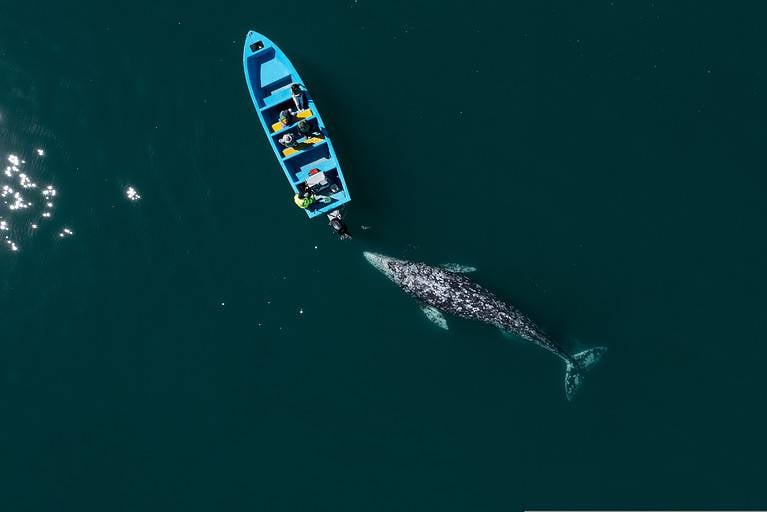
There are hundreds of whale-watching tours operating daily in the U.S. Worldwide, whale watching is a major industry with millions of participants and hundreds of operators across many countries. With that many people observing whales in their natural habitats, it begs one question: Is it ethical?
The growing popularity of these majestic animals has spurred a booming tourism industry. However, as with many wildlife-watching opportunities, excessive activity can have negative consequences. Boat noise, crowds, water disturbances, and increased traffic all have an effect on whale populations. While this does not mean that all whale watching is harmful, it does make finding an ethical tour company critical. Here’s what to look for and how to find one.
How Whale Watching Negatively Impacts Marine Ecosystems
One of the biggest threats to wildlife is underwater noise. This doesn’t only affect whales; it can also disrupt other nearby marine life. Engines are loud on the surface, but they also cause unnatural vibrations and sound distortions underwater. Marine life sensitive to these disturbances may experience disrupted cycles or perceive the noise as a threat, driving them from their habitats. It can also disrupt communication between whales and dolphins, both of which rely on echolocation and low frequencies.
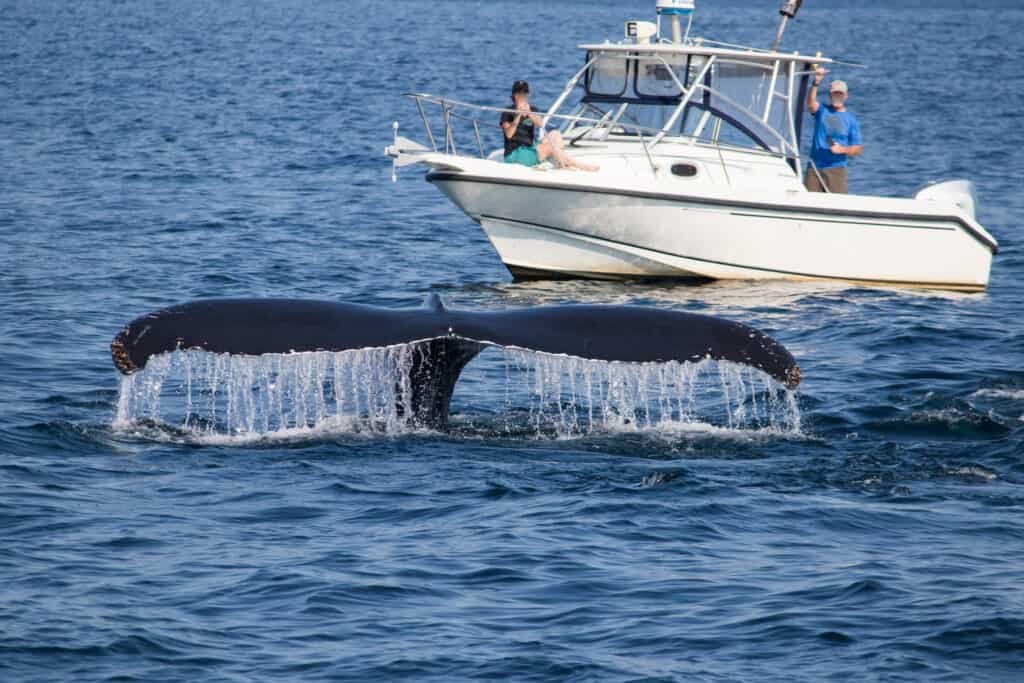
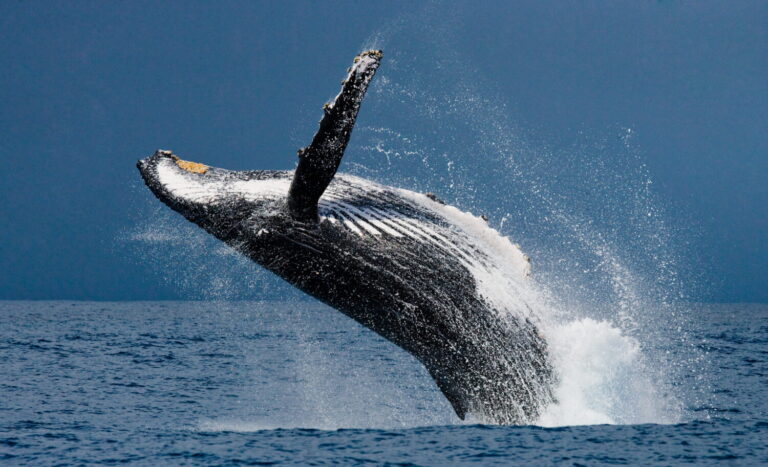
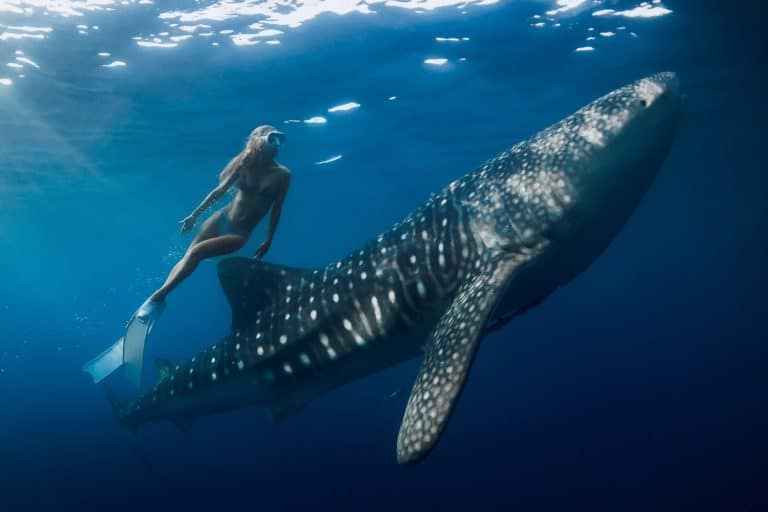
Some whale-watching tour companies get too close to whales, causing them unnecessary stress.
©Mircea Costina/Shutterstock.com
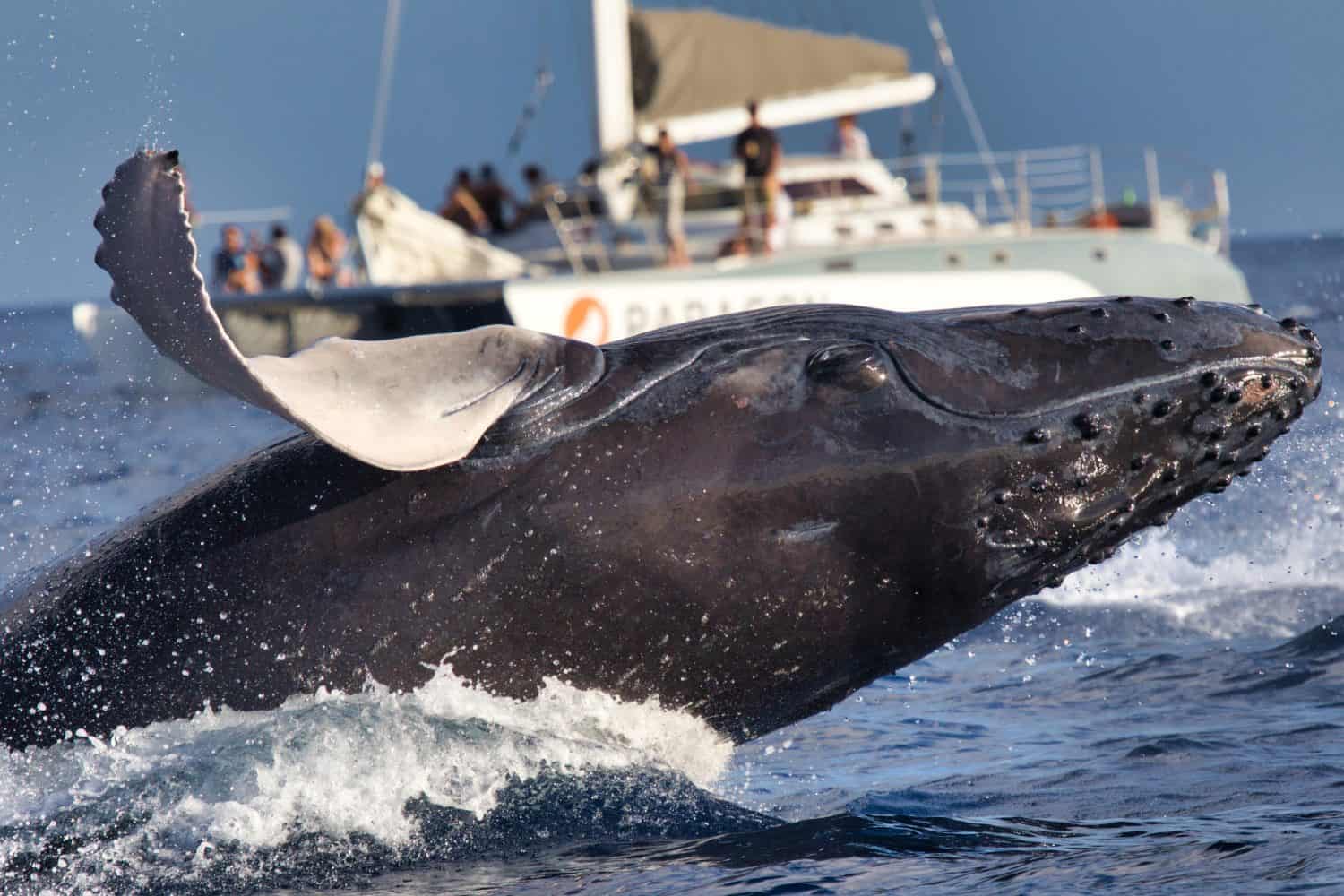
Leading a boat tour requires an experienced hand capable of judging distance. If a boat sails too close to whales, it can be dangerous for both the animals and the watchers. There are roughly 20,000 boat-whale collisions annually. And while this number is jarring, it does not include whales that die and sink (known as ‘whale falls’), which are often not counted among accidental fatalities. Whale watching can become dangerous if boats get too close to the animals they are observing.
Another significant threat to whales is tours that linger in the same area for extended periods. Some companies run multiple tours a day, giving whales little respite from human presence. Their days are filled with onlookers, boat traffic, and loud noises, not to mention pollution from the boats themselves. This high level of activity can eventually drive whales away as they seek quieter, less disturbed habitats. All of this is concerning, but you can still find ethical tours if you know what to ask.
Follow NOAA’s Lead
Whale SENSE is a voluntary educational program dedicated to U.S. whale-watching tour companies. It stands by a firm policy for safe, sustainable, and non-invasive whale watching, as declared by its acronym:
- S – Stick to the whale watching guidelines
- E – Educate passengers and crew
- N – Notify officials of whales in distress
- S – Set an example for other boaters
- E – Encourage ocean stewardship
The program is sponsored by the National Oceanic and Atmospheric Administration (NOAA) and Whale and Dolphin Conservation. The Stellwagen Bank National Marine Sanctuary, Audubon Society of Rhode Island, and the New Bedford Whaling Museum also sponsor Whale SENSE along the Atlantic Coast. Their principles have already helped many whale-watching companies adopt safer, more ethical practices.
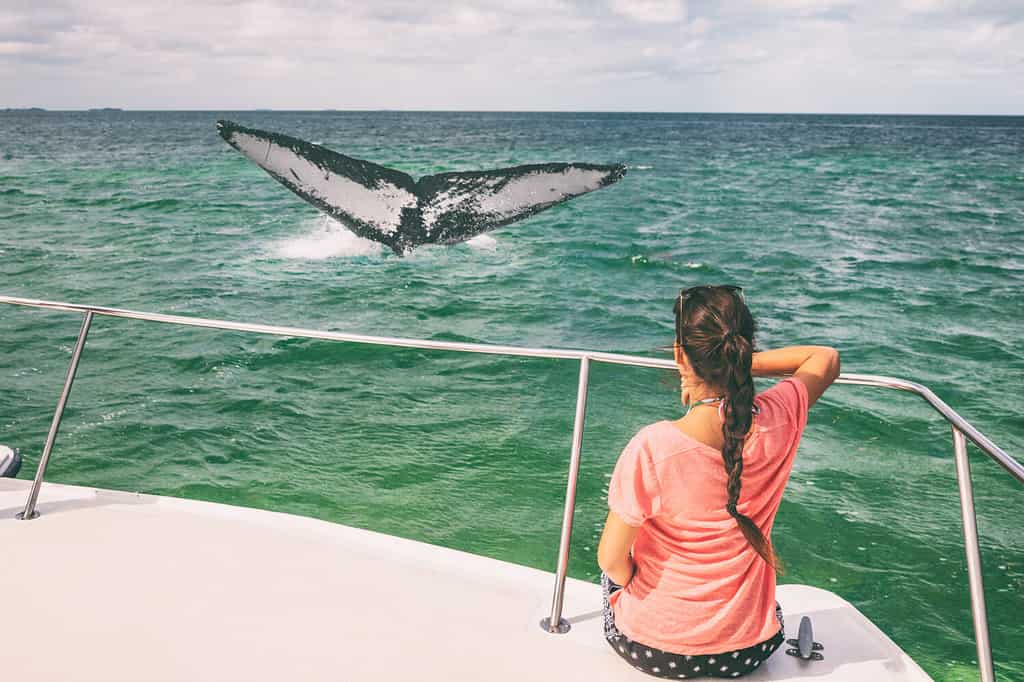
Any ethical whale-watching company should be able to answer questions based on NOAA’s guidelines.
©Maridav/Shutterstock.com
Whale SENSE also has a list of 52 ethically approved whale-watching tour companies. These are spread throughout Alaska, Maine, Massachusetts, New York, New Jersey, Delaware, and Virginia. However, if you decide on a tour with a company not listed with Whale SENSE, there are some questions to ask to determine if the tour is ethical.
Questions to Ask Your Whale Watching Tour Operator
According to NOAA’s guidelines, whale-watching tours should follow specific rules, including maintaining proper distances from whales and limiting the frequency of tours. Before purchasing a ticket, don’t be afraid to ask questions! Any ethical company with safe viewing methods will be able to answer these:
- How close do boats get to whales? NOAA says all whale watching should take place at least 100 yards from any whale or pod. In Washington State, boats must stay at least 200 yards away from killer whales. And when observing North Atlantic right whales, all boats throughout the U.S. must maintain a distance of 500 yards.
- How many tours operate in this location daily? If the number of daily tours seems high, it could indicate that the whales in the area are under significant stress.
- What is the protocol for a whale in distress? All whale-watching tour companies should have a direct line to their local marine organizations. In the event of an emergency, this information should be readily available.
- Do you have a certified naturalist or marine professional on board? While a naturalist’s primary role is to educate whale watchers, they can also monitor the whales’ overall well-being. Determining when a whale is stressed is crucial to maintaining an ethical tour.
- Do you adhere to local whale-watching policies? According to the International Whaling Commission, it’s perfectly fine to ask this question outright. Sometimes, being direct is the best way to get a truthful answer.
- What safety measures do you practice on board? Accidents happen, and a prepared tour company will have an action plan in place.
The IWC also recommends researching whale-watching tours to see whether they work with conservation groups. Some contribute data collected during tours to whale research, while others donate portions of their proceeds to conservation groups. These are great ways to support whale conservation while also witnessing firsthand the impact of your support.