Quick Take
- Horseshoe crabs carry something in their blood that modern medicine quietly depends on, yet most people have no idea it exists.
- For a creature that looks so simple, horseshoe crabs have a sensory system that would surprise most scientists, and even more so kids.
- Something about how horseshoe crabs have survived unchanged for hundreds of millions of years still puzzles researchers, and the answer lies in adaptations you wouldn't predict.
- This free five-day unit gives elementary students a way to investigate a species that quietly holds ecosystems and human health together.
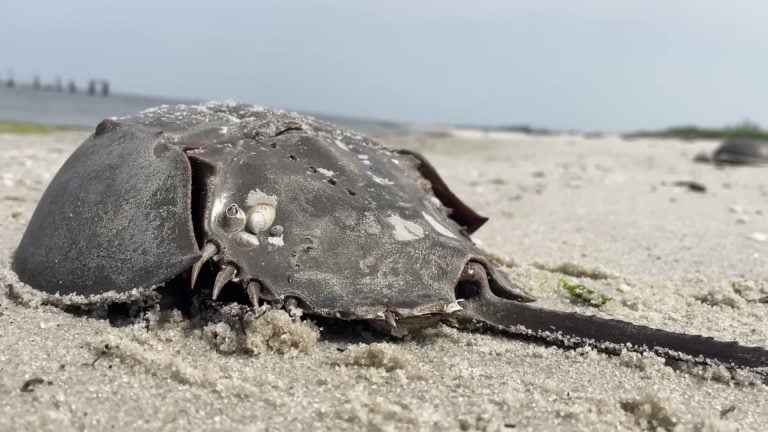
Horseshoe crabs, commonly known as “living fossils,” have inhabited coastal, shallow waters for hundreds of millions of years. They can frequently be found crawling along the muddy ocean floor searching for clams, worms and other small crustaceans. Over time, horseshoe crabs have developed unique adaptations that have contributed to their survival, including a hard, outer shell, gills to breathe underwater, a long tail for balance, almost a dozen eyes, strong legs, and even the ability to camouflage. They are a significant marine species, crucial for keeping our ecosystems healthy and balanced, and even provide humans with a special “blue blood” that is utilized by scientists to test vaccines and medicines for harmful bacteria.

©SandraG/Shutterstock.com
In our five-day unit, designed for elementary-aged students, children can investigate more about where horseshoe crabs live, their carnivorous diets, adaptations that aid in their survival, the importance of horseshoe crabs and how humans can work to protect them and their habitats.
Included in the unit plan are five days’ worth of comprehensive lesson plans, graphic organizers, educational video ideas, children’s book suggestions, comprehension questions, instructional resources, writing templates, and research activities.
We hope you enjoy learning more about the ancient horseshoe crab and how these fascinating creatures have survived for millions of years!

©