
Quick Take
- Features like round faces and large eyes trigger a biological “cute” response in children.
- Viral memes and social media trends transform obscure animals into relatable, global childhood icons.
- Slow, non-aggressive behaviors offer children a sense of safety, serenity, and emotional connection.
Every couple of years, a new collection of animals find their way into the mainstream. It used to be lions, tigers, and even monkeys. These days, however, a new triumvirate has taken the crown for animals most beloved by children: sloths, capybaras, and quokkas. Once relegated to the margins, these alternative animals have now gone mainstream. Lunchboxes, t-shirts, and viral videos are just a few examples of evidence for this monumental shift in child loyalty. There’s real science behind this phenomenon, too, and it has to do with how “cuteness” affects our perception.
Sure, there are more complicated aspects of this virality, involving the mechanics of modern digital culture and evolutionary biology, but cuteness reigns supreme. The popularity boost for animals like sloths and capybaras involves characteristics—behavioral and physical—that bypass adult deduction and hit right at the heart of a child’s need for connection and comfort. Let’s explore the reasons why capybaras, sloths, and quokkas reign supreme in the modern child’s imagination. The answers may surprise you.
Quantitative Cuteness
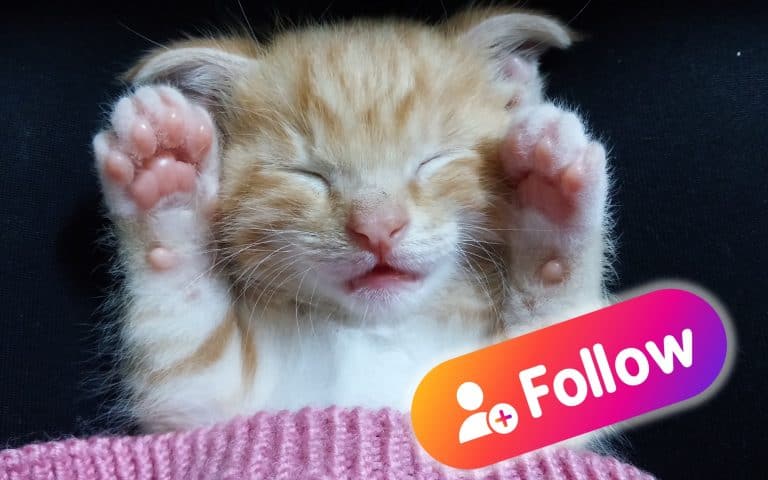
You’ve seen how moms react to babies of any species. Even the most stoic man can’t help but feel affection for adorable infants, no matter their shape or size. Children, too, exhibit this sense of affection when dealing with babies, and it has to do with instinct. To describe this phenomenon, ethologist Konrad Lorenz coined the term “Kindchenschema,” or ‘baby schema.” This decidedly German term refers to a set of physical features, including large heads, round faces, big eyes, and soft bodies, that trigger instinctual caretaking responses in human beings.
The idea is, at least on some primal level, the cuter the baby, the less you want to eat it. Look around the animal kingdom, and you will find countless examples of this infantile defense. Indeed, it’s pretty hard to find babies of any species that aren’t cute. What about our hallowed three: the quokka, the capybara, and the sloth?
Adorability Breakdown
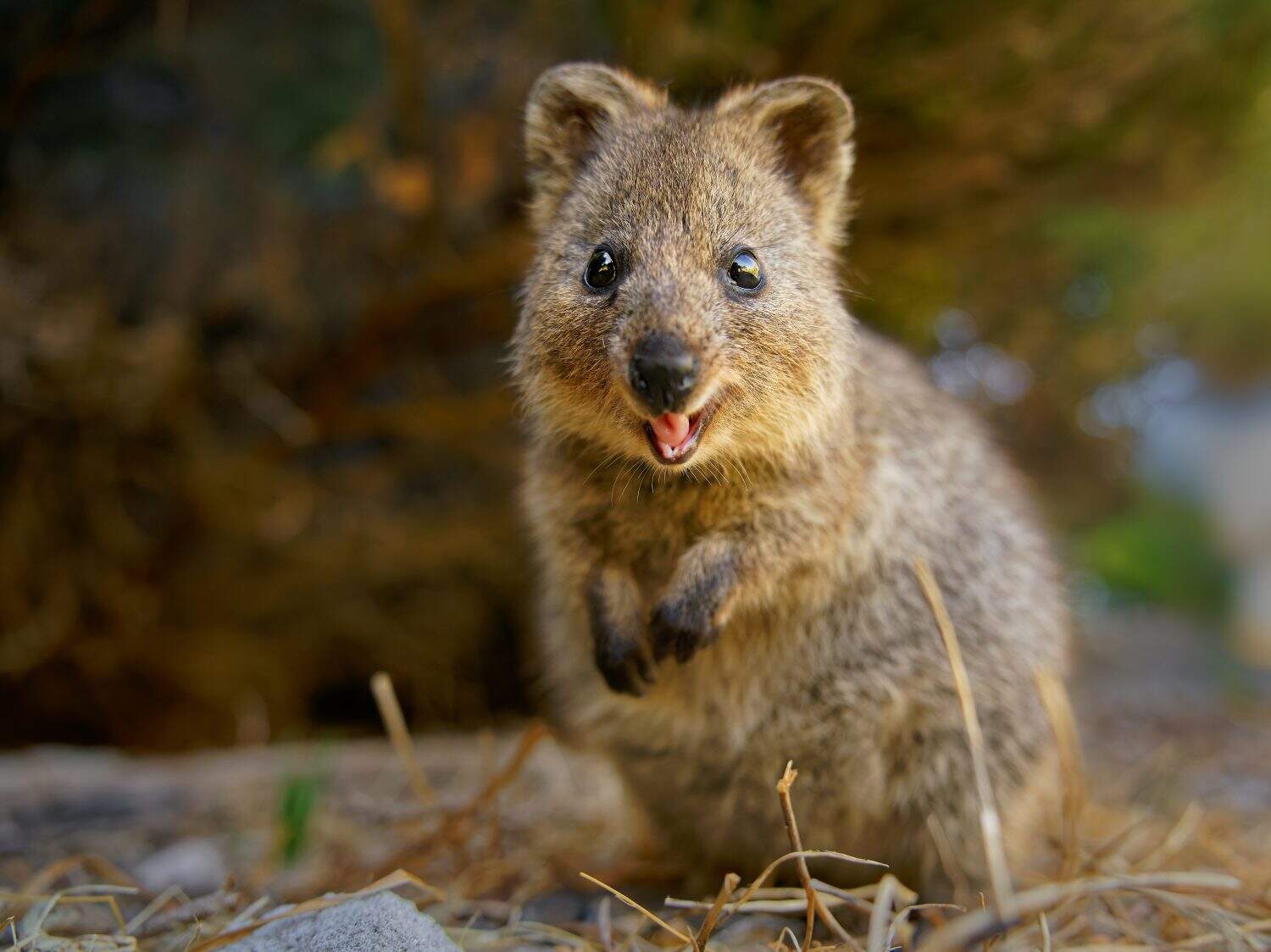
Kids love quokkas because they have some of the happiest faces of any animal; their mouths are evolutionarily adapted to pant and dispel heat.
©Martin Pelanek/Shutterstock.com
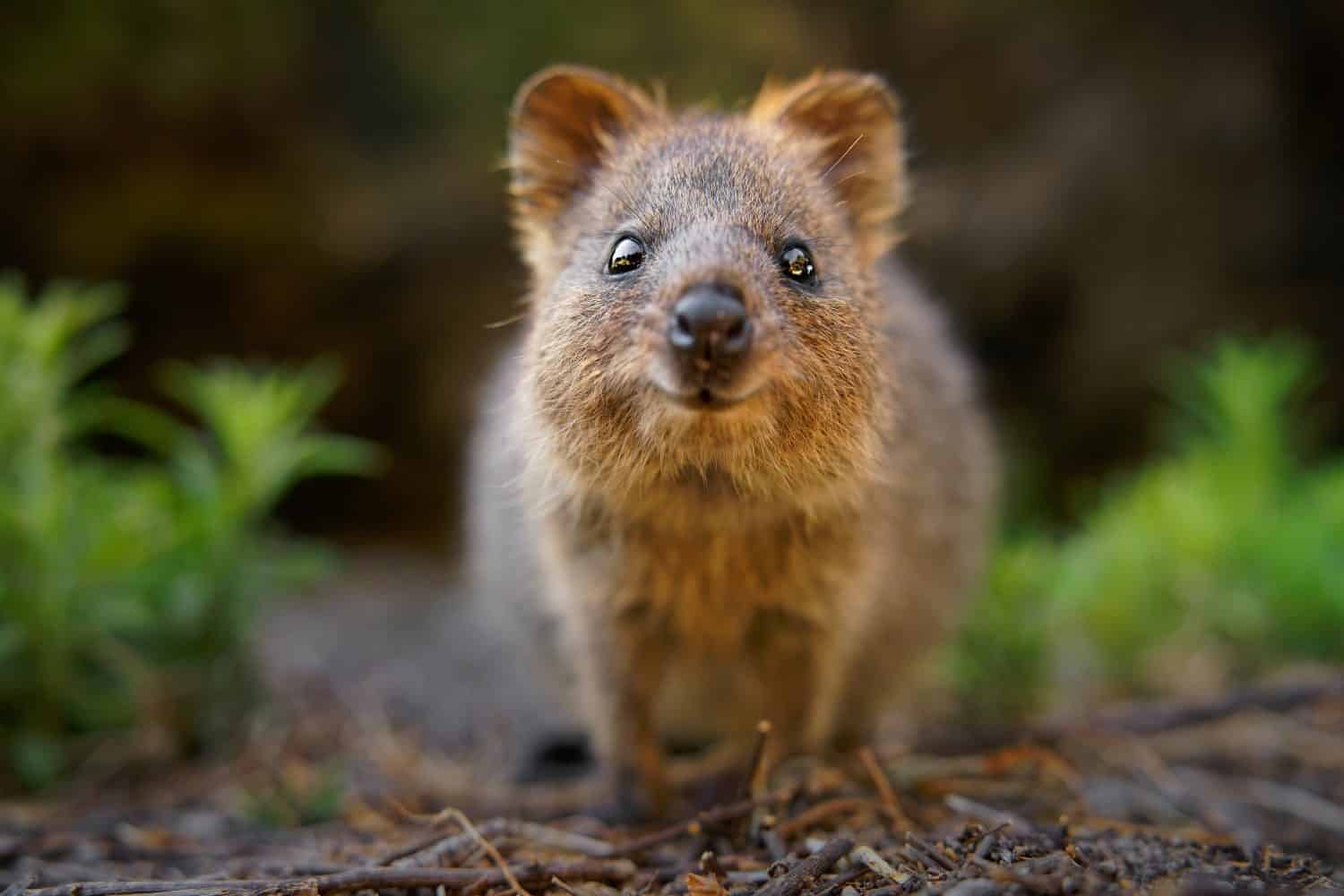
It’s hard to deny that the quokka is pretty cute. Just look at it, and you can see why it’s often called the world’s happiest animal. Quokkas have mouths structurally shaped into permanent grins. Despite their adorability, quokka mouths are evolutionarily adapted to help them pant and dispel heat. When children see their mouths, however, they interpret safety, comfort, and friendliness. Add a pair of bright black eyes, and you have a recipe for success.
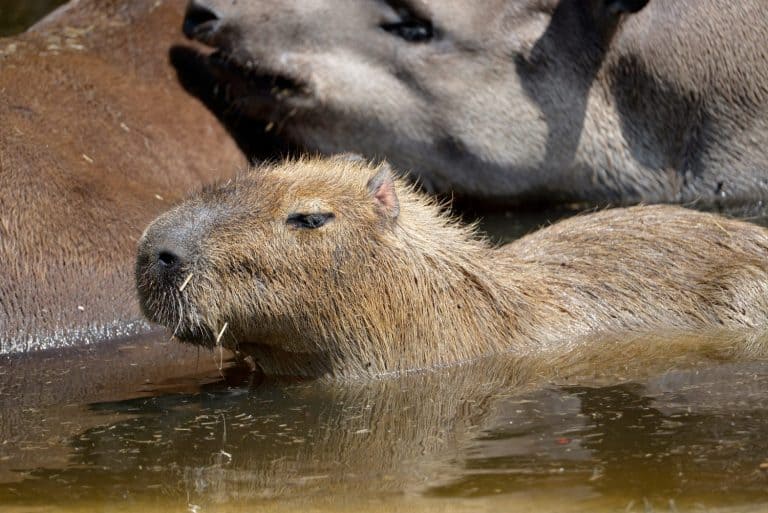
Capybaras are the world’s largest rodents, but it isn’t their size that draws children’s attention; the contemporary popularity of capybaras has to do with their shape and physical demeanor. These rodents have big, potato-shaped bodies, heavy-lidded eyes, and a permanent, teddy bear-like appearance. No wonder kids like them.
Last but not least is the sloth. The sloth is a pretty unassuming creature. Frankly, you would think these animals might be too “boring” for kids. However, children love sloths for several reasons. Their slow movements signal safety and accessibility. Plus, their facial markings are reminiscent of calm smiles, which no doubt appeals to children.
Meme Magic in the Animal Kingdom
While these animals are surely popular because of biological reasons, the advent of social media has made the ability to see obscure animals easier than ever. The capybara, for example, lived an unassuming existence in South America. That is, until a viral song and numerous videos of them living peacefully went viral in 2022. Since then, capybaras have become the go-to icon of animal friendship, serenity, and coolness.
A similar thing happened with quokkas. Selfies featuring quokkas and their award-winning smiles started going viral, creating a feedback loop of engagement and visibility. This lends itself to business in the form of merchandise like plushies, clothing, and even zoo attractions. Meme magic is real, and it is most powerful when boosting the visibility of previously underappreciated animals.
The Final Piece of the Puzzle
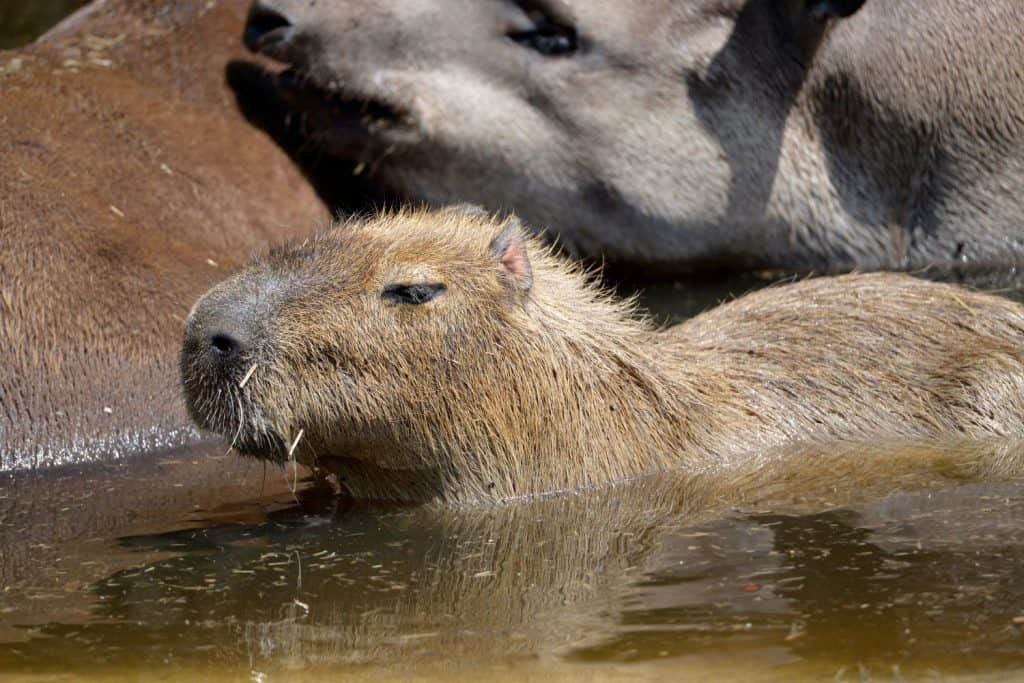
With their potato-shaped bodies and heavy-lidded eyes, capybaras are the personification of peaceful coolness.
©Christian Musat/Shutterstock.com
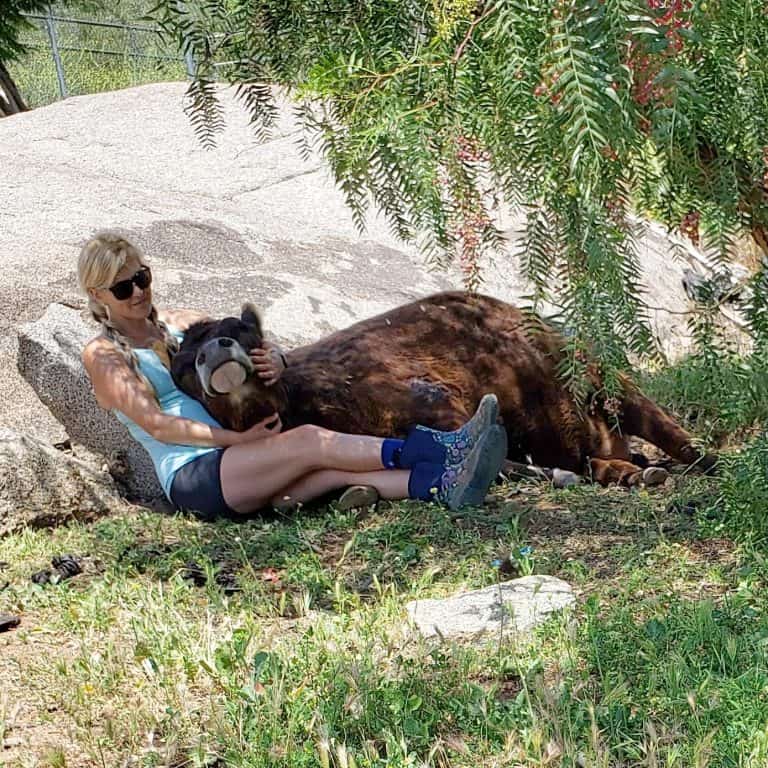
Meme-magic has its downsides: people mistake natural features for personified cuteness, or they objectify animals that are wild and require untouched habitats. Even so, everyone is cashing in on the cuteness of animals, zoos included. In the past, most zoo visitors would be limited to viewing cute animals like capybaras through glass. Nowadays, zoos are transitioning to close encounter or meet-and-greet experiences. It’s big business, but it also provides powerful education.
Children love these small, strange animals because they are like mirrors of their own development. Children want action, but they also love peace, and animals like sloths personify that in the natural world. Seeing an animal’s behavior up close in a zoo can spark a burgeoning sense of empathy better than any textbook or viral video.