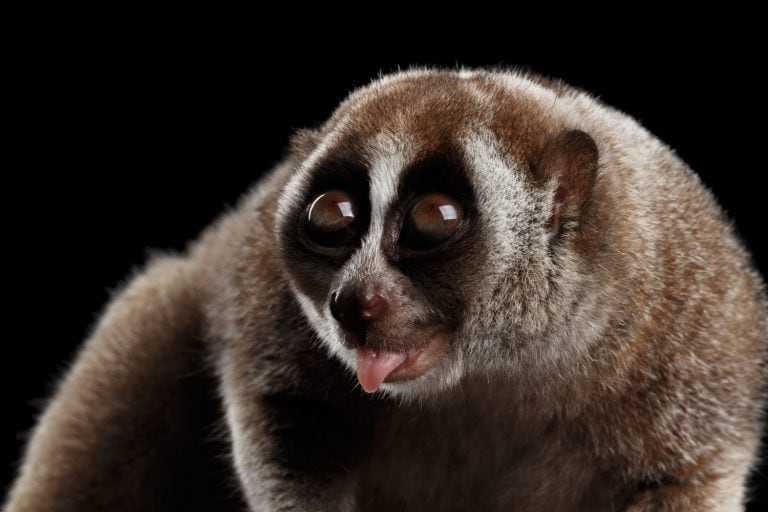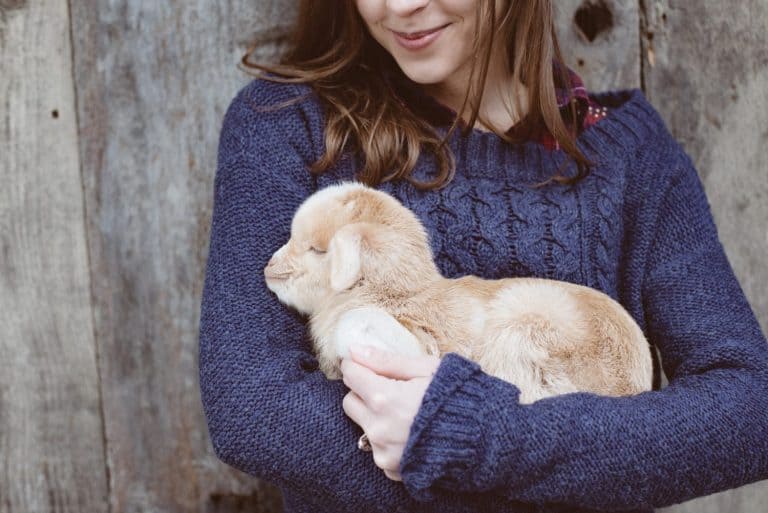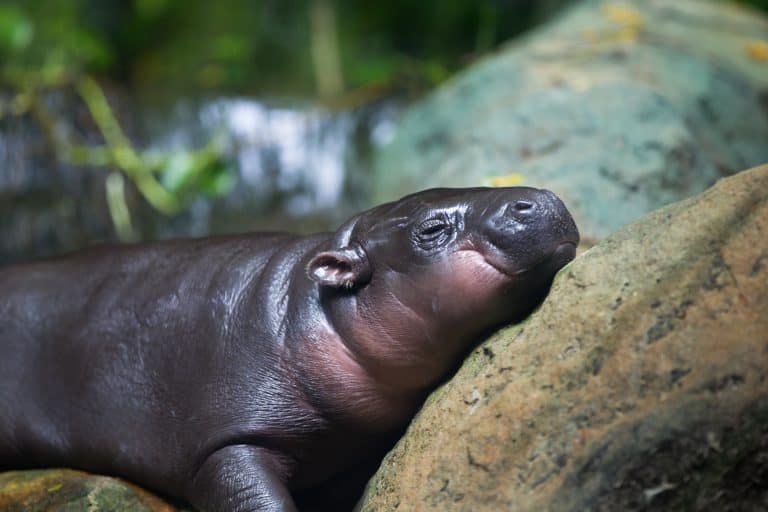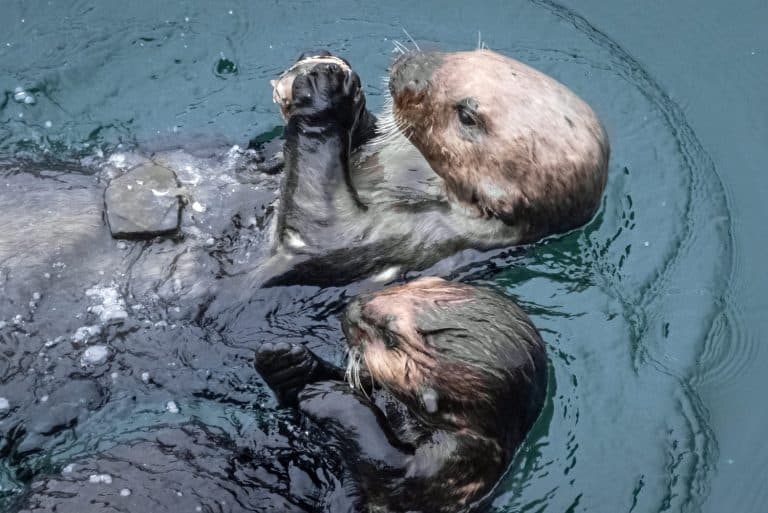

From small-footed hedgehogs to baby hippos, the internet is full of photogenic animals. The cutest ones go viral on social media, with followings larger than those of some human influencers. But have you ever wondered what makes an animal “cute” in the first place? It turns out there’s a science behind why we prefer seeing one animal over another on our feeds. Puppy dog eyes and furry faces are bound to elicit a reaction from viewers, but something else happens in our brains when we see certain animals.
The Baby Schema Response
Humans are genetically wired to respond in a certain way to babies. When you think about it, babies and the animals we describe as “cute” have many things in common. They have big, curious eyes, an adorably large head, chubby cheeks, small hands and feet, and tiny facial features. Animals with these characteristics appear baby-like:
- Dogs and puppies
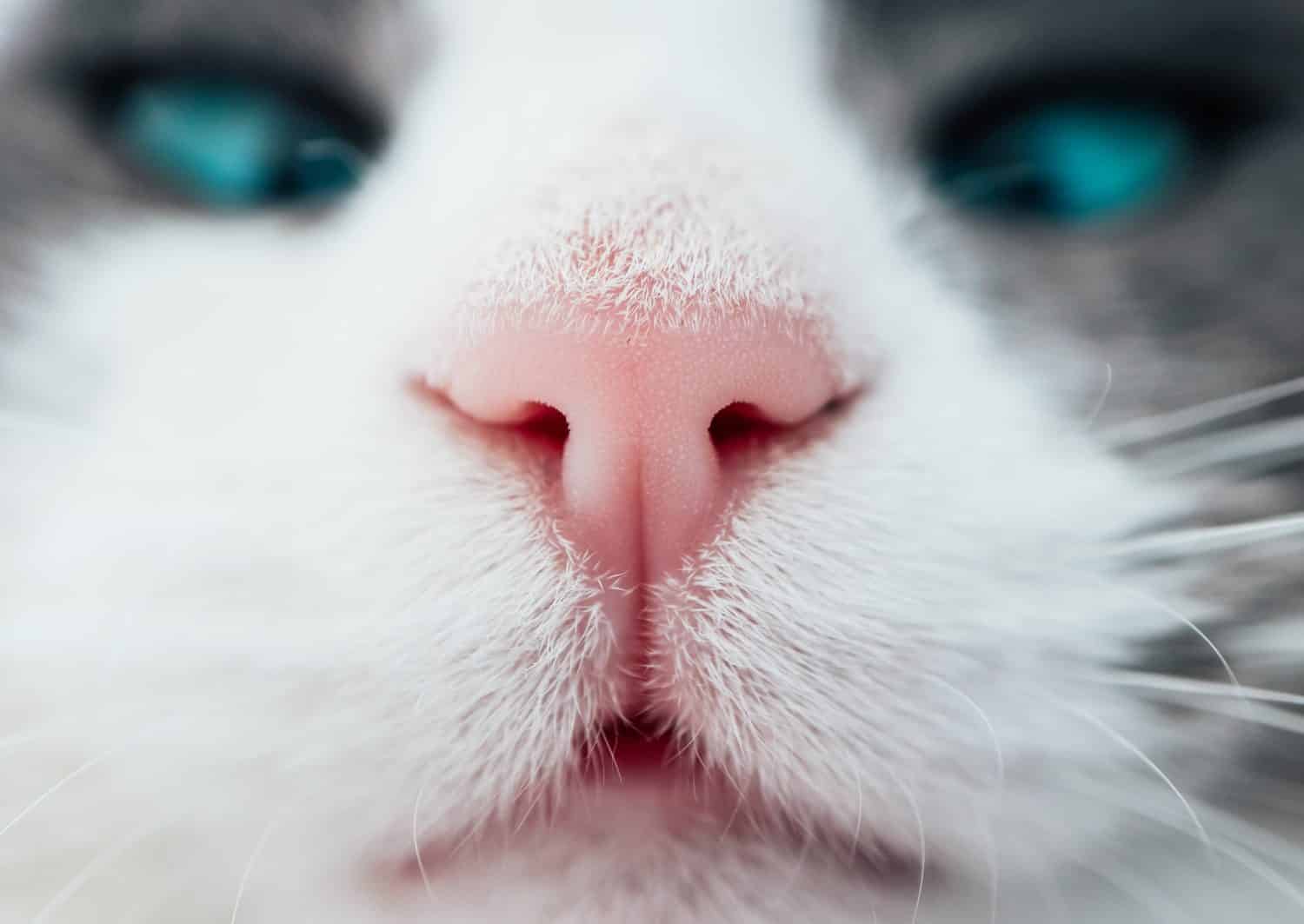
- Cats and kittens
- Pygmy and miniature species (i.e., horses, goats, cows, hippos)
- Quokkas
- Primates
- Baby elephants
- Rabbits
- Red pandas
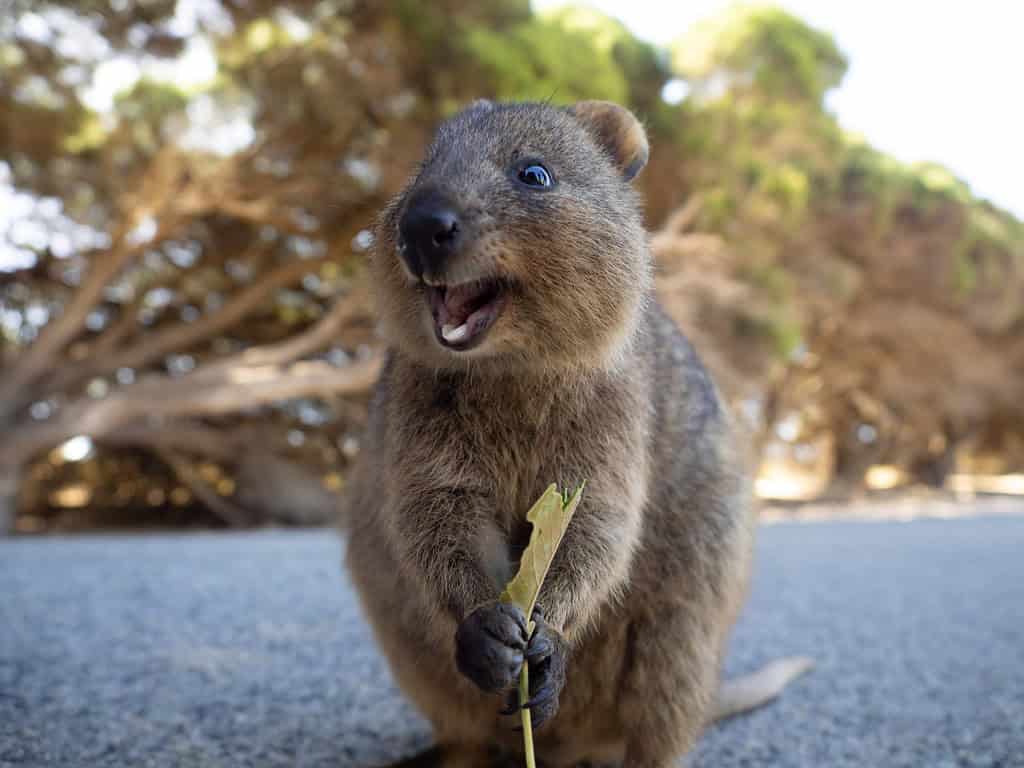
The quokka’s appearance makes it look like it’s always smiling.
©Chia Chuin Wong/Shutterstock.com
The list goes on and on, but the underlying theme is that these animals have one or more features of the baby schema. It’s even believed that baby animals embody this concept better than any others, due to their early-age clumsiness. Their lack of coordination is reminiscent of a human baby taking its first steps. A good example is watching a newborn foal and noticing how our brains react to its adorable yet shaky first steps. Animals that exhibit other child-like qualities, such as playfulness or natural curiosity—like dolphins—also fit the schema.
Animals With the “Cuteness Factor”
Genetically, animals with large foreheads, big eyes, small button noses, fluffy or smooth skin, round or miniature bodies, and friendly or curious demeanors have the “cuteness factor.” If an animal doesn’t have many of these characteristics but is small and appears playful or affectionate—such as a naked mole rat—it can also fit into this category. At least, that’s what our brains tell us. On social media, the animal accounts that go viral almost always fit into one of these two categories.
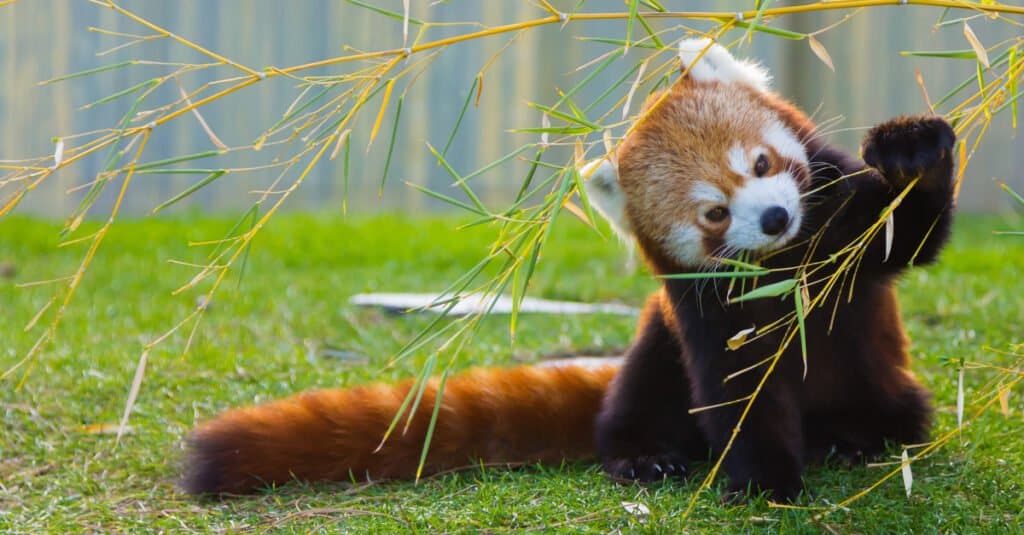
Red pandas are endangered and are slightly bigger than a domestic cat.
©Jose Angel Astor Rocha/Shutterstock.com
Juniper the Fox is one animal that embodies this “cuteness factor” perfectly. Foxes have large eyes, small mouths, and small noses, and their small, furry bodies trigger an adorableness alert in our brains. While wild foxes can be aggressive if they feel threatened, they are also clever and playful.
Tucker the golden retriever is another cute pet that now has 4.3 million followers. The adventures of him and his pup family rank among the top viral pet videos. His human-like qualities only make him more precious and relatable, increasing the adorable factor for everyone watching him. However, this is true of all dogs!
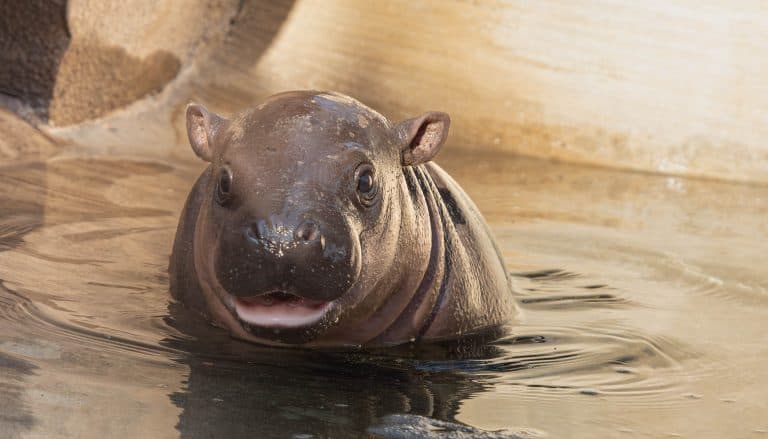
Another unbelievably adorable animal has taken up residence at Tanganyika Wildlife Park and is also quickly going viral. Mars, a newly born pygmy hippo, already has fans around the world. While he’s not fluffy and doesn’t have large eyes, his round little body, tiny ears, and miniature features are enough to trigger everyone’s baby schema response. Especially when he’s sharing his spa day tips!
In the animal world, even grumpy can be cute. ThatLittlePuff proves that a moody face can be just as adorable as a perpetually happy one with more than 32 million followers. Puff’s big blue eyes, button nose, and fluffy face and paws help boost his cuteness factor, and fans can’t get enough.