
Quick Take
- The 2026 Bug Barometer acts as a type of pest predictor, especially as pest activity accelerates across the United States due to abnormal weather conditions.
- Lingering snow cover acts as an insulation barrier that can increase pest survival rates, leading to more insects surviving until spring.
- Moisture control is also a huge aspect of pest mitigation, as many species are drawn to damp conditions or seek dry locations to avoid rain.
- Identifying and capturing wasp queens during the spring can help curb their spread, though many regions of the U.S. will see increased pest numbers either way.
Did you know that there’s a tool you can use to help you determine when bugs will arrive in your particular region? The National Pest Management Association’s Spring & Summer 2026 Bug Barometer said many parts of the U.S. should expect pest activity to start earlier than usual this year, with weather being the main culprit as to why. Many parts of the country dealt with strange winter weather conditions, with early onset warmth leading to a number of insect species invading areas before most people expect.
With above-normal temperatures across much of the U.S., many insects are not waiting for late spring this year. Is your state facing typical bug emergences, or are you dealing with an influx of pests long before their usual schedule? We’ll answer these questions and more today, using the National Pest Management Association’s Bug Barometer for help.
Here’s when springtime pests might be arriving in your region, along with reasons why, as well as how you can best prevent them from taking over. Here’s why bugs are showing up earlier than usual, as well as a region-by-region breakdown of what you can expect this year.
Why Are Bugs Showing Up Early This Year?
The National Pest Management Association’s spring forecast has bugs on the horizon ,explaining that even when parts of the country saw cold weather this winter, any snow cover can act like insulation and protect pests hiding in soil and sheltered spaces. Ultimately, more insects and pests survived this prior winter and are ready to emerge now that temperatures are rising.
Given that insects are cold-blooded, warmer temperatures speed up their feeding as well as their reproduction rates. Any winter conditions that were uneven in 2025, followed by immediate spring weather, brings pests out of dormancy and into the sunshine. Many locations across the country are currently dealing with these conditions.
Many insects are coming out earlier than expected this year, but it all depends on where you live.
©OlgaPS/Shutterstock.com
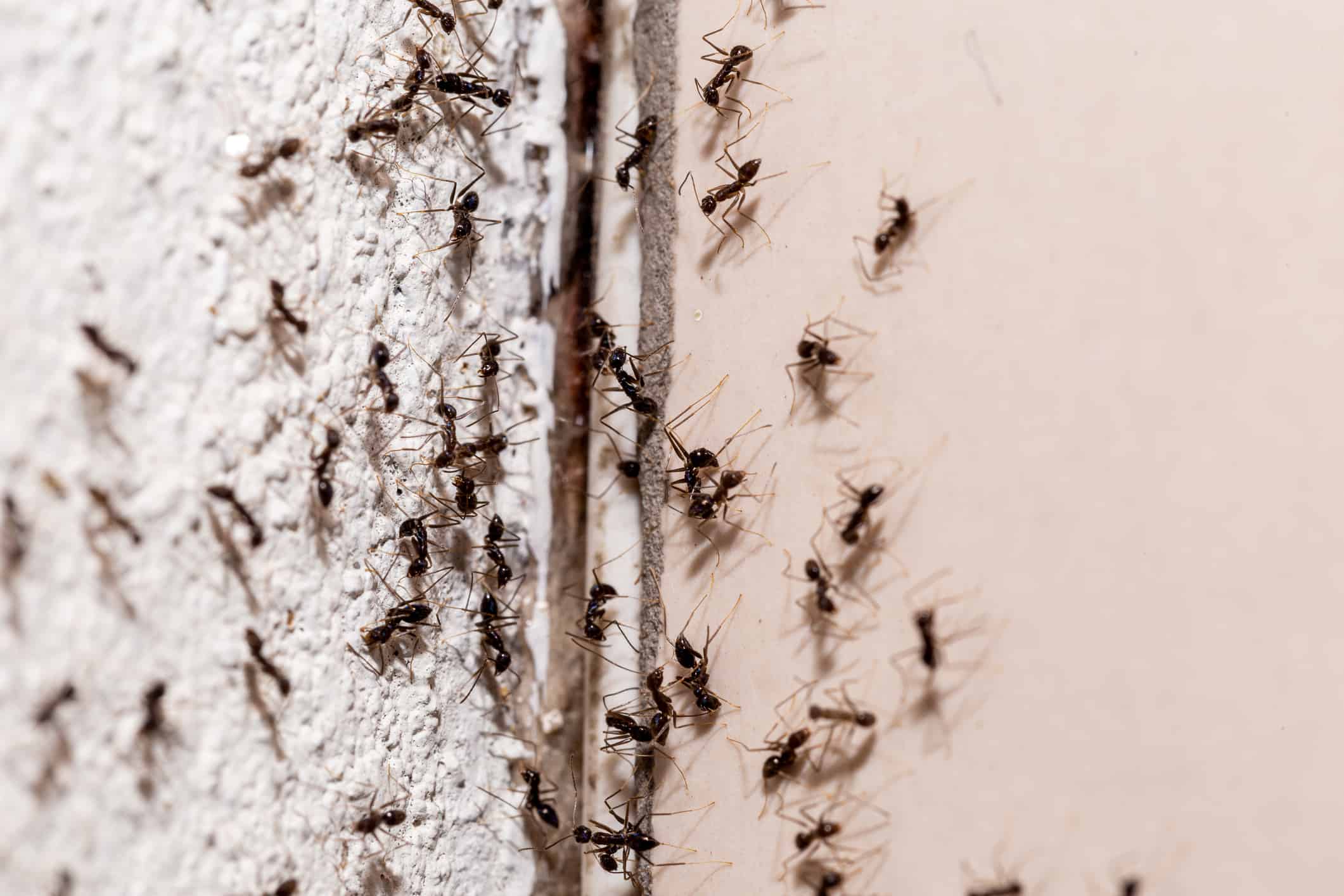
Moisture is also part of the equation, with rainy periods and wet ground creating far better breeding conditions for mosquitoes in particular, alongside termite activity. Many pests also stay active near foundations and landscaping when it’s damp, seeking some semblance of shelter. Plus, heavy rain also changes where pests go, forcing ants, cockroaches, spiders, and other unwelcome insects indoors once too much moisture accumulates outdoors.
It’s important to note that your region may be facing an influx of a certain type of insect, while another area may be dealing with a different enemy. For example, warmth following damp conditions may mean mosquitoes and ticks become noticeable sooner. Or perhaps yellowjackets in your region are building nests much earlier than normal because weather conditions never slowed them down enough in late winter.
What is your particular region dealing with, and how can you nest handle these pests? Let’s dive into the details now.
When Bugs Might Arrive In Your Region This Spring
The Bug Barometer is an incredibly useful tool for predicting insects based on your own region’s weather pattern. Here’s a regional look at where pest activity may increase first, as well as which bugs are most likely to benefit from these abnormal weather conditions.
Mid-Atlantic/New England
If you live anywhere from Virginia through Maine, the Bug Barometer noted that the insect season may begin early due to a milder start to winter, followed by a much drier spring. Expect any termite species, brown marmorated stink bugs, and Asian lady beetles to show up ahead of schedule, with ticks and stinging insects becoming more noticeable as temperatures continue to climb. Watch around your homes, siding, windows, yards, and wooded edges for signs of life, as they may begin much faster and in larger groups than you expect.
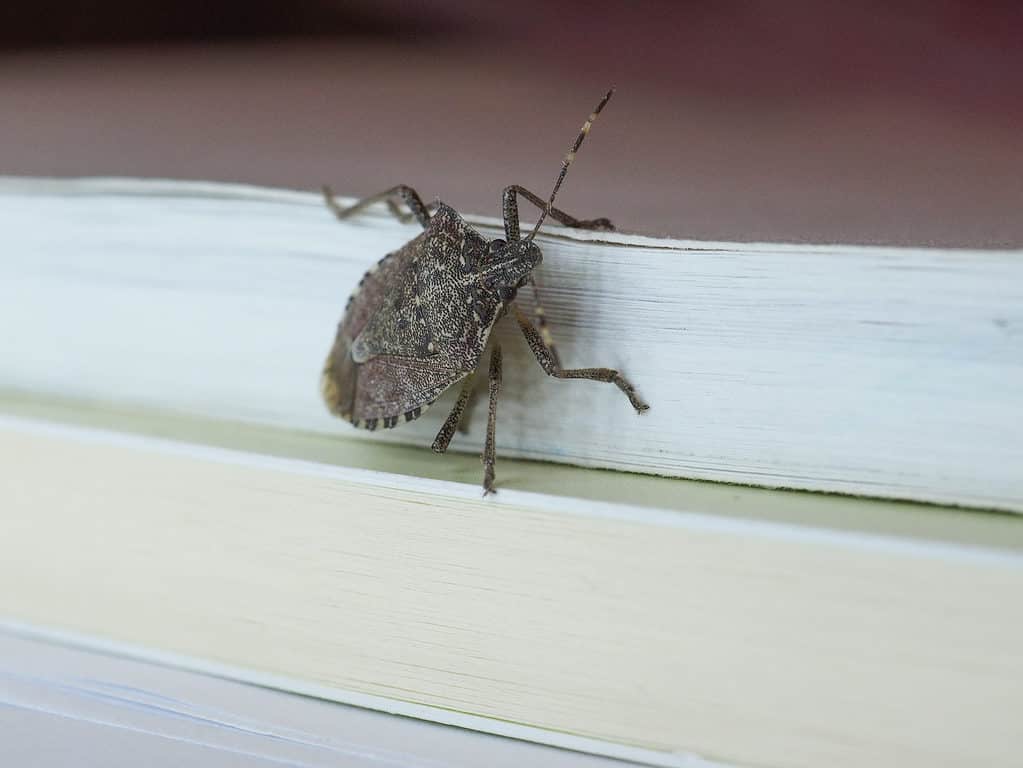
Stink bugs are just one potential pest that’s emerging early in certain regions, alongside wasps, ants, mosquitoes, ticks, and more.
©Claudio Divizia/Shutterstock.com
Southeast
The Southeast’s warm, wet spring may bring plenty of termites and mosquitoes, with flies and cockroaches happening faster as summer takes hold. Tropical storms in this region will likely bring plenty of standing water, leading to even more mosquitoes come summertime.
For people in Florida, Georgia, the Carolinas, and Alabama, your first signs of insect activity may involve mosquitoes or ants near structure foundations, but flies may also be a part of the equation. Get your traps set, especially if you’re hoping to enjoy afternoons on the patio bug-free.
Great Lakes, Ohio Valley, and Midwest
Across the Midwest and nearby states, the forecast points to rising spring temperatures, temperatures that likely have an influx of insects heading your way. PestWorld specifically noted flies and ticks as prevalent during summer, with ants and cockroaches moving indoors after any heavy rainfall. Time to set your traps, especially if you’ve dealt with ants already in the past!
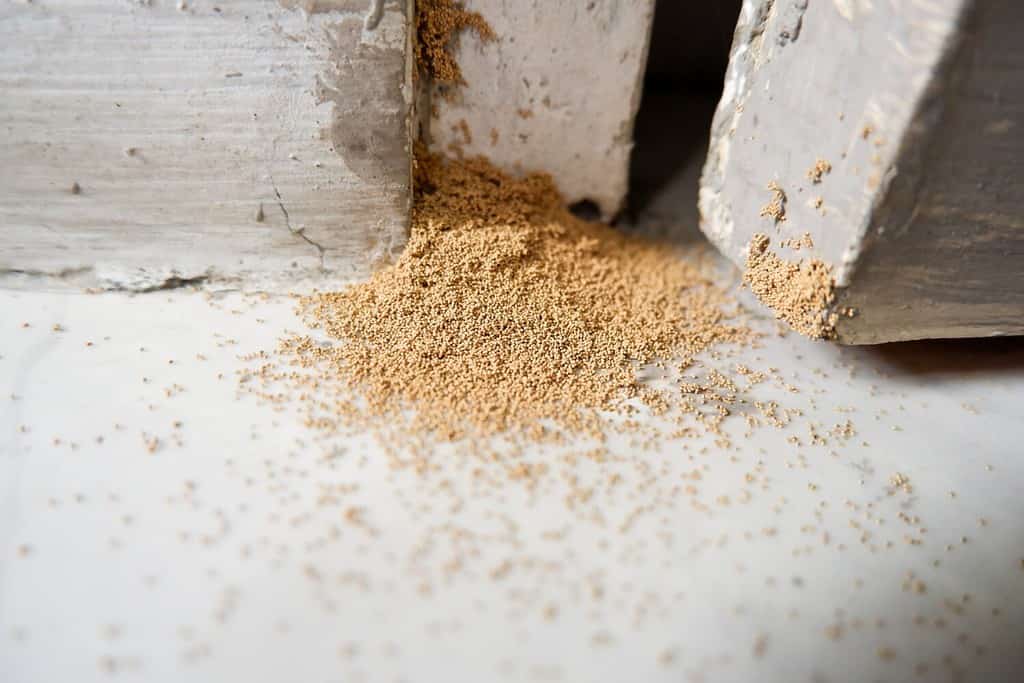
Keeping an eye out for termite droppings, like these, can help you understand whether or not you’re dealing with an early infestation.
©Raja Sopan Purba/Shutterstock.com
South Central
In Texas and much of the South-Central region, the mild, damp spring conditions happening now may bring ticks and mosquitoes out early, despite them dealing with a particularly cold winter. Any summer rains and tropical systems may intensify fly problems, with several other pests directly benefiting from the same moisture-heavy conditions. Termites are one of them, so ensure your home is protected.
North Central
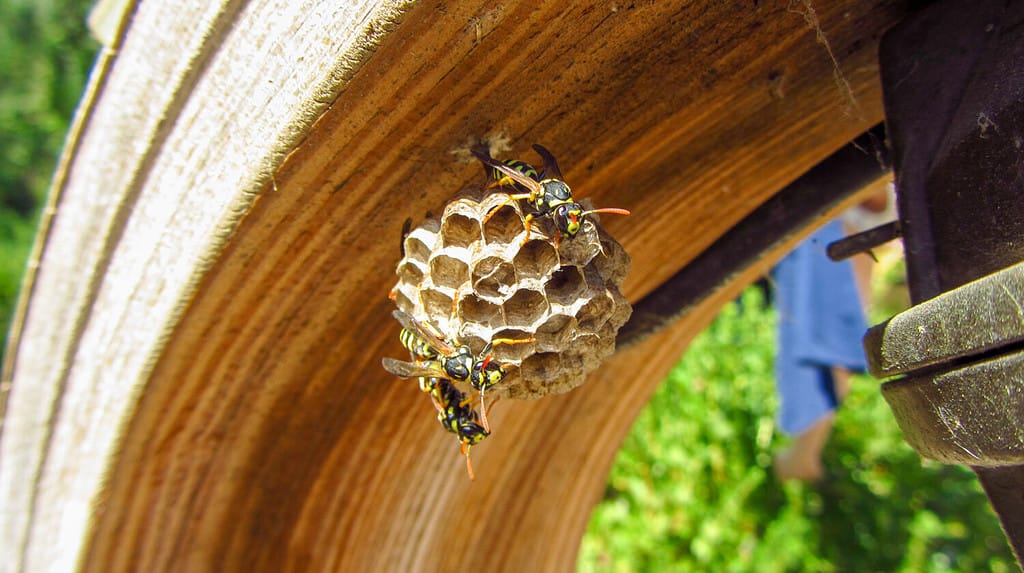
Tick season is likely to begin early in the northern, central part of the United States, with any subsequent rainfall increasing fly and cockroach populations. Yellowjackets and wasps will likely become more of an issue by midsummer, which is business as usual. However, catching any queens early will help mitigate their spread, so spring may be a good time to achieve this.
Southwest
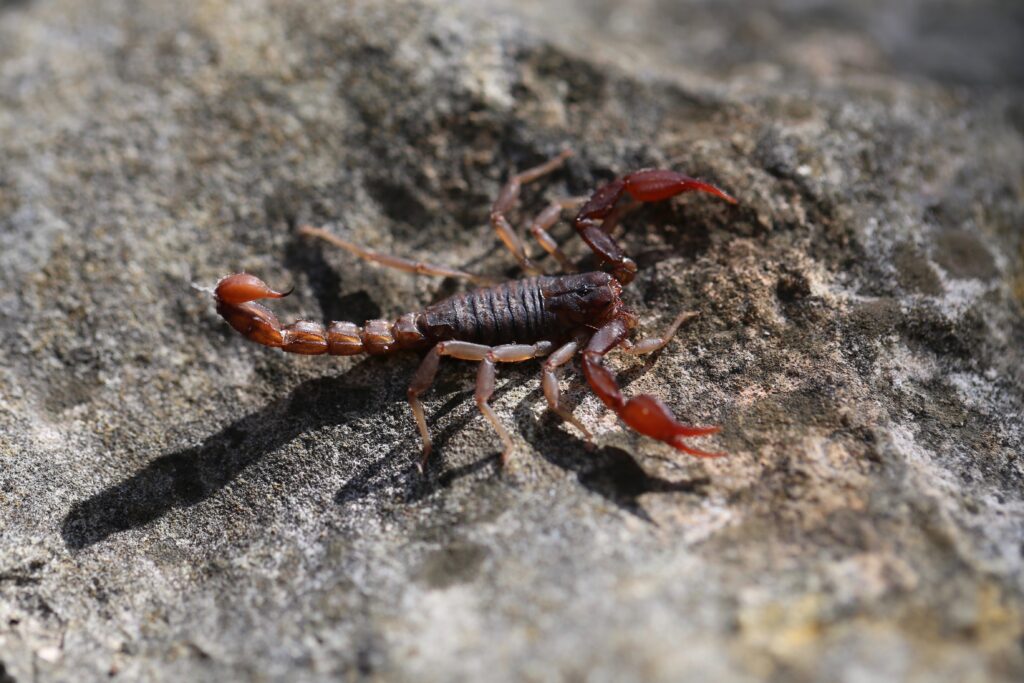
Scorpions are another pest that may emerge earlier than usual this year, bringing their dreaded populations to the Southwest region.
©Cathleen Wake Gorbatenko/Shutterstock.com
Warmer winter temperatures in the Southwest are already supporting cockroaches and flies, with their lifespans carrying them through spring and summer. Plus, forecasted monsoon rains may drive scorpions and spiders indoors as they search for shelter. You likely have some time before this happens, but it’s always better to be safe than sorry (especially when scorpions are involved)!
Northwest
In the Northwest, PestWorld predicted an influx of ants and even stinging insects earlier than usual, while cockroaches and rodents may move indoors looking for water. Summer is expected to bring more mosquitoes and flies in northern areas, with more wasps and ants farther south. Not all of these pests will swell at once, but their populations are expected to be particularly healthy this year.
What the Bug Barometer Actually Tells Us
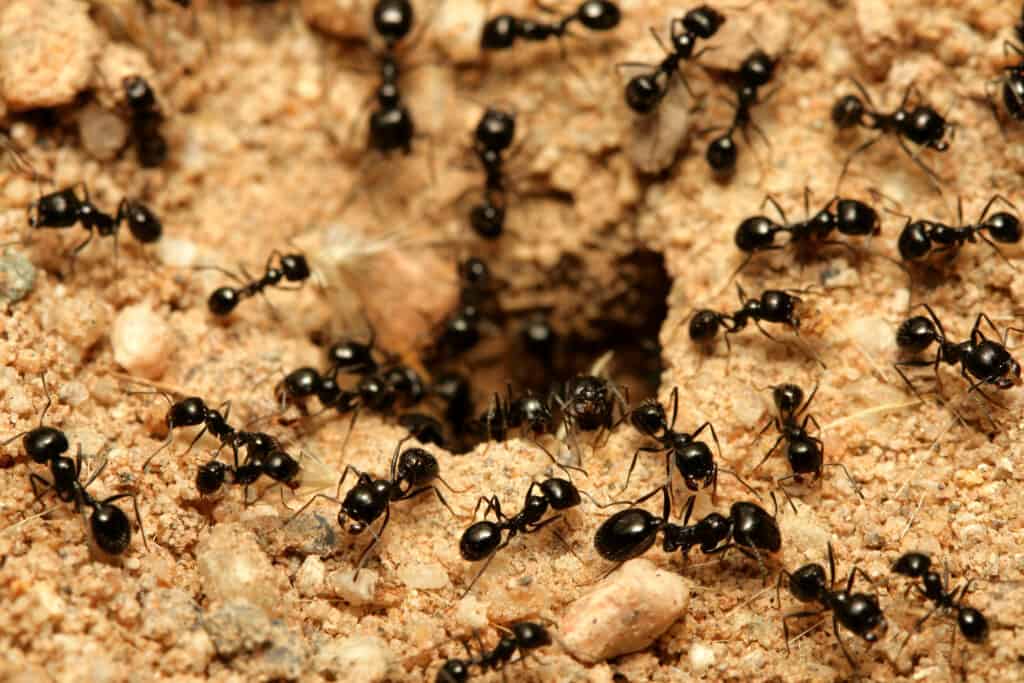
The Northwest may be dealing with ants much earlier than expected, according to the Bug Barometer.
©iStock.com/Cabezonication
While not technically a foolproof insect calendar, the Bug Barometer shows us which regions have an ideal weather setup that allows pests to breed more easily, or head indoors based on weather and other conditions. It gives homeowners and anyone watching their yard a way to visualize the science behind bugs before they begin in earnest. If spring temperatures keeps leaning warmer and warmer in your area, it could be worth taking a look at the Barometer for further insight.
How to Stay Ahead of Pest Seasons in Your Area
The most practical way to stay ahead of any early pest season is to understand what your home represents for these pests. Hiding spots and attractants should be removed first, with your yard and outdoor areas an ideal first target. Empty anything that holds standing water, including clogged gutters, plant saucers, buckets, tarps, old toys, and birdbaths containing old water, as mosquitoes will congregate in these places.
Your home’s structure should also be addressed, with any cracks around doors, utility lines, window frames, foundation seams, attic vents, and worn weather-stripping all becoming easy entry points once insect activity picks up. Keep your house sealed as much as possible, with insect deterrents and traps also posing as potential solutions.
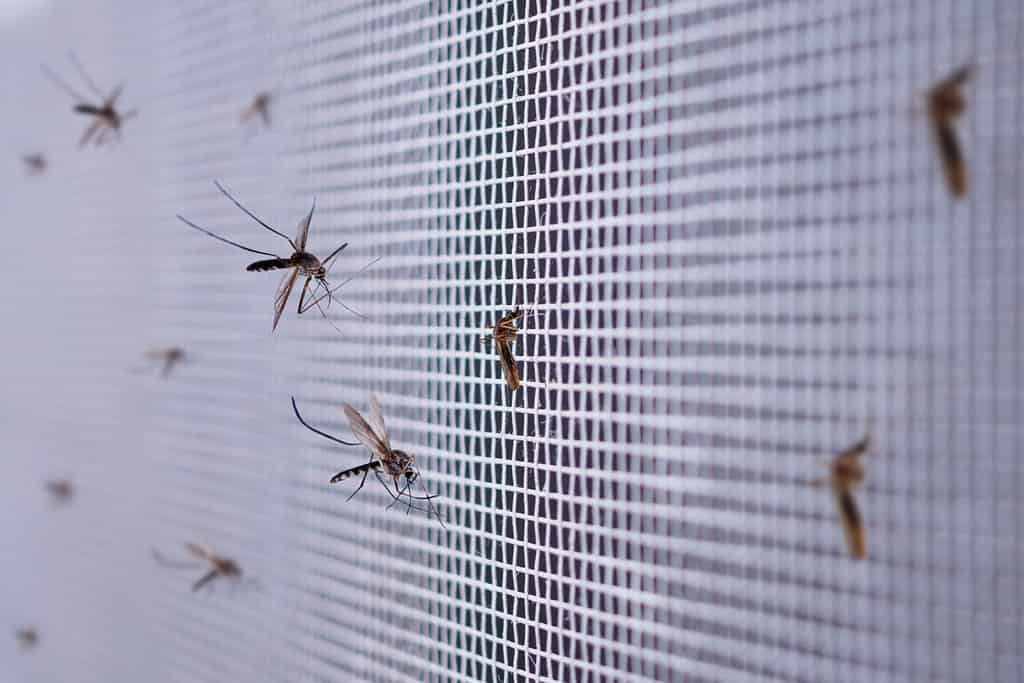
Ensure you’ve sealed any cracks or holes in your home to better prevent insects from entering, including windows and foundational joints.
©Kwangmoozaa/Shutterstock.com
Moisture control is actually one of the biggest preventative measures you can take as well. Fix any leaky spigots or pipes and ensure you have no damp crawl space conditions before the weather gets any hotter. If you have any woodpiles or dense vegetation sitting up against your house, relocate it so that pests have fewer sheltered areas right next to where you live. Storing firewood at least 20 feet from your home and keeping it elevated off the ground is a good place to begin, with any other overgrown landscaping in need of a trim.
Inside your house, always store food in sealed containers, wipe crumbs and grease from counters regularly, take your trash out in a timely fashion, and ensure your recycling or pet food don’t become a steady food source or attractant. If you have basements, attics, garages, or utility rooms that stay humid, improve ventilation right away, or consider running a dehumidifier.
One other tip most people don’t consider? Many insects are drawn toward exterior lights, so removing any unnecessary night lighting or switching to less attractive bulbs can reduce the number of pests gathering around your doors and windows. Keep shrubs and branches trimmed back from siding and rooflines as well, something that will help an early influx of insects feel much more manageable.
Be Prepared for Increased Insect Activity This Year
The Bug Barometer acts as a reminder that pest season follows weather, first and foremost. A winter that protected more pests than usual, immediately followed by warmth and excess moisture, can activate insects earlier than expected and also keep them active far longer. While annoying, it’s more manageable than most people think.
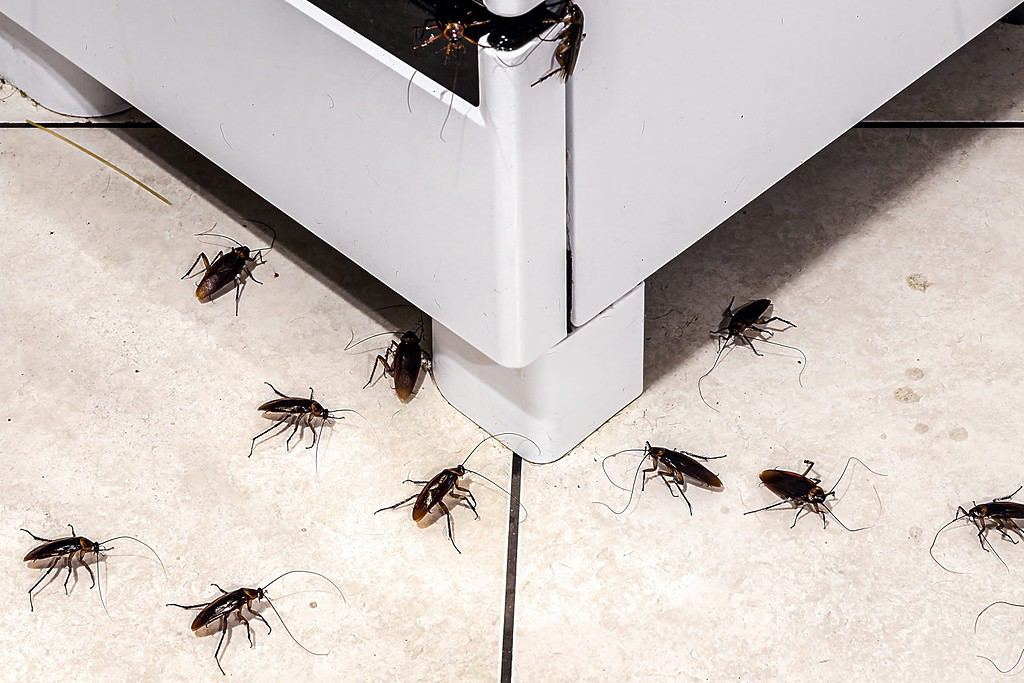
More bugs are coming this year, all thanks to abnormal and unpredictable weather conditions.
©RHJPhtotos/Shutterstock.com
Plus, every region in the United States is different, dealing with different pests at different times. Once you know what is driving any early insect activity where you live, you can better understand what pests may be coming, as well as what conditions are helping them along. Time to fix up your property before these first pest sightings turn into a much longer, more taxing spring and summer problem.