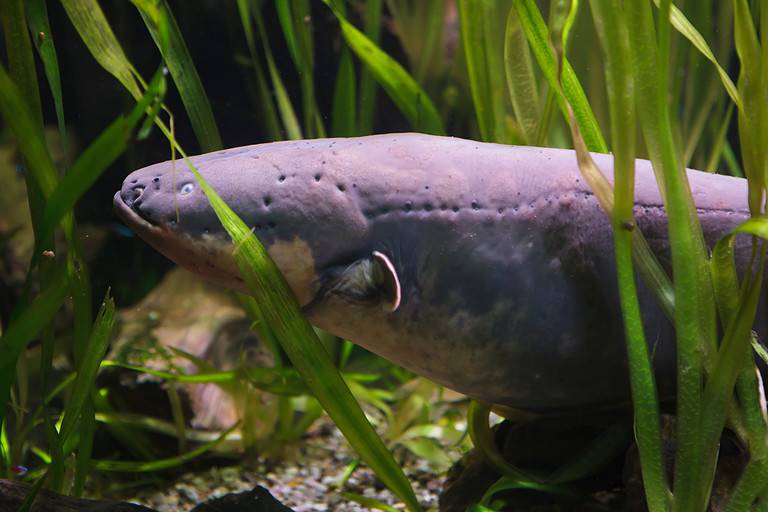
Viral animal videos are everywhere—bunnies bouncing on trampolines, raccoons pulling backflips, even fantastic beasts you’ll find in dreams and nightmares, not the zoo. They spread quickly because they’re cute, funny, and unbelievable—or sometimes so believable they fool millions. Before you hit “share” and send one to your friends and family, it’s worth asking: how do you know if the clip is genuine, or just convincing Artificial Intelligence make-believe?
What Is AI?
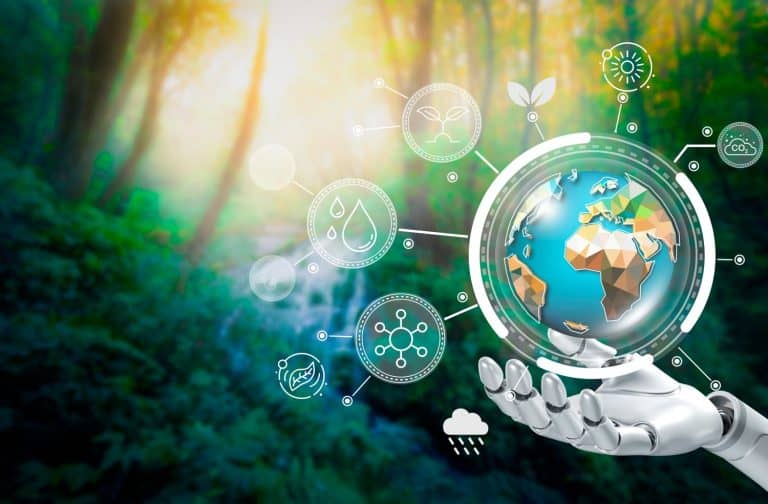
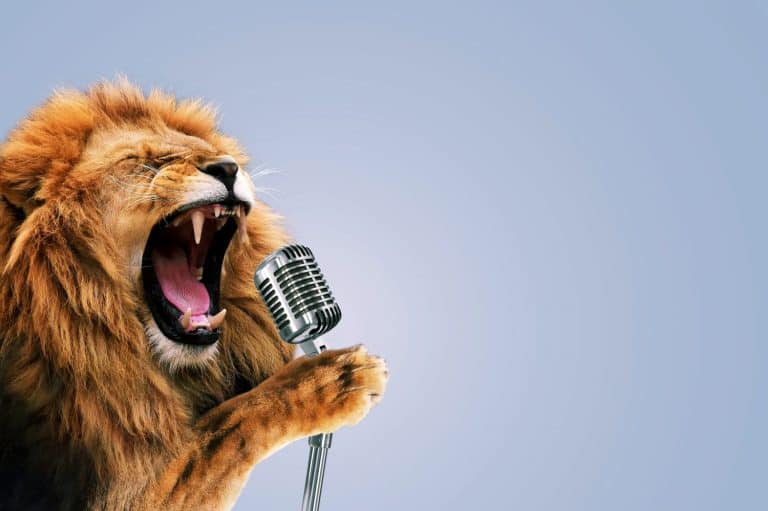
Artificial Intelligence produces human-like media products, lightning fast.
©PopTika/Shutterstock.com
AI, or artificial intelligence, is technology that enables computers to process information and perform tasks that typically require human intelligence, such as recognizing patterns, making predictions, or generating media. First imagined in the 1950s, it has accelerated dramatically over the past few years, driven by faster computers and massive data storage. Today, AI can write text, translate languages, recognize voices, operate advanced systems like self-driving cars or even weapons, and generate strikingly realistic images and videos.
These AI-made media products are often so convincing that they blur the line between reality and fantasy. That power opens huge opportunities—fueling scientific breakthroughs, streamlining industries, and putting creative tools once reserved for professionals into the hands of everyday people. But there are also risks. AI threatens to displace millions of jobs, flood the world with misinformation, and—many experts warn—could one day grow beyond its creators’ ability to control. The question is no longer if AI will reshape our world, but how quickly. And this change is happening on a timescale of weeks and months, not decades.
How Are AI Videos Made?

A graphic designer at work.
©Filmstax/iStock via Getty Images
Making AI animal videos is easier than most people think. Users start with apps or websites designed for AI video generation—popular choices include Runway, Pika Labs, and Kaiber. The process begins with a “prompt,” a short description of what should appear, such as “a kitten chasing butterflies in a sunny garden.” The AI then transforms those words into a video by generating images, adding movement, and sometimes sound.
Depending on the settings, the results may look highly realistic or more like an animation. Some platforms even allow users to upload a photo of an animal and animate it, making it appear to walk, jump, or talk. By adjusting prompts with extra details or specific styles, creators can guide the AI to match their vision. This is how everyday users—not just professionals—are producing animal clips for entertainment, marketing, and social media, often with only a few clicks.
Who Can Make These Videos?

AI is already advanced enough that a child can create rather sophisticated media products.
©fizkes/Shutterstock.com
Many AI video apps are designed so that anyone can use them without training. If you can type into a search bar, you can make a basic video. Most platforms guide users step by step: enter a prompt, pick a style, and let the AI generate the clip. That’s why everyday people on TikTok, Instagram, and YouTube are posting funny, cute, or artistic AI animal videos without needing editing skills. While expertise in design, filmmaking, or computer science can help refine results, recent advances in AI video generation allow even non-experts to produce hyper-realistic videos with minimal effort.
Whether amateur or professional, many creators don’t truly understand the subjects they’re portraying. They use AI mainly for clicks, likes, and ad revenue—often spreading misinformation with real-world consequences along the way.
Why Does It Matter?

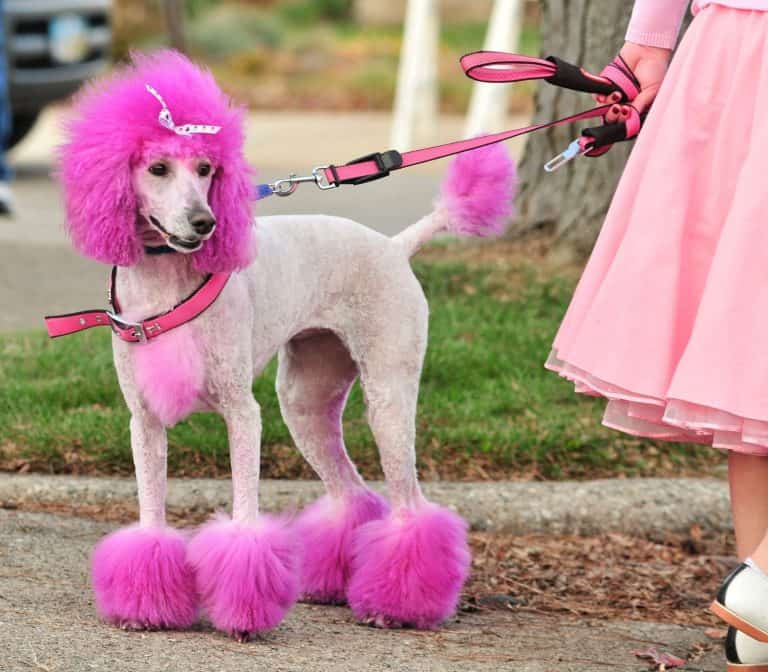
A malicious neighbor can use an AI to create a video of your harmless poodle looking rabidly aggressive.
©iStock.com/darak77
With today’s powerful AI tools, fake animal videos can look shockingly real, often spreading far before anyone questions them. Some creators admit they’re experimenting, but others present their clips as genuine—and the consequences can be serious. These videos can make animals appear either far tamer or far more dangerous than they really are.
That distortion matters. Clips that exaggerate predators as constant threats could fuel fear, sparking misguided wildlife management or unnecessary hunting campaigns. At the same time, overly sentimental videos might encourage people to let down their guard around wild animals—or even inspire restrictions on hunting or culling invasive species where those measures are actually necessary. Fake footage can also skew spending priorities, pulling resources toward imagined dangers instead of real conservation needs. In all these ways, AI-generated animal videos risk shaping policies and behaviors that harm both people and wildlife.
Signs of AI in Animal Video Clips

If an animal video seems too amazing to be true… it probably is.
©Tanya Dol/Shutterstock.com
In the hands of a skilled creator, AI can produce animal videos that look almost indistinguishable from reality. Less experienced users—or those working with older tools—still generate clips with glitches: sometimes glaring, sometimes subtle enough to require a careful eye. In the next section, we’ll point out common tells and share video examples so you can spot them yourself. But keep in mind, AI technology is improving at an incredible pace. Within just a year or two, many of these mistakes will likely become far less frequent—and far harder to detect.
1. Disappearing or Multiplying Animals
If animals in a video flicker, vanish, or magically multiply from one frame to the next, chances are the video was created using AI. These “phantom animal” glitches occur because AI often struggles to keep track of moving objects across frames, causing the scene to break down in odd ways. For example, in a viral trampoline bunny clip, animals literally pop in and out of existence. In the world of text-based AI, these kinds of mistakes are sometimes called “hallucinations”—when the system confidently produces something false. The same concept applies to video: the AI tries to fill in gaps but ends up fabricating things that were never there. Human videographers don’t capture creatures instantly appearing or disappearing—that only happens with special effects. So when you see it in footage that claims to be real, it’s a strong sign you’re looking at an AI render losing its grip on continuity.
2. Morphing and Melting
Does one dog’s head seem to melt into another’s? Do tails stretch like rubber bands? These warping, morphing effects are classic signs of AI. Often, features slide together or a body shifts strangely from one frame to the next. AI struggles most when animals overlap or move in front of each other. Instead of showing natural blocking—one body hiding part of another—it produces surreal fusions: limbs blending, bodies twisting, outlines dissolving. These distortions can be subtle, lasting only a few frames, or so dramatic that they make the entire scene feel dreamlike. Viewers may not always notice them on the first watch, but once pointed out, they’re impossible to miss. When a creature looks less like a real pet and more like something from a Salvador Dalí painting, you’re almost certainly looking at AI.
3. Mutated or Hybrid Animals
Watch for animals with mixed-up features—a goat with a leopard’s body, a cat sprouting wings, or a dog sporting ripped abs. These “mutant” creatures are a common giveaway of AI, since the technology easily blends traits from multiple animals. Some videos play this up for comedy or surreal shock value, but others slip subtle mutations into otherwise normal scenes, making them seem almost believable. In the real world, you won’t find those kinds of mashups. If the animal looks like it stepped out of a fantasy novel instead of a field or forest, chances are you’re looking at AI.
4. Unnatural Movements or Animations
AI-generated animals often move in ways that give them away—too smooth, too jerky, or with an odd robotic precision. Watch for gaits, hops, or gestures that don’t match real biology: limbs that bend too far, heads that swivel unnaturally, or body parts that flicker, duplicate, or vanish altogether. Real animals move with subtle irregularities—tiny shifts in weight, pauses, and variations that AI struggles to replicate. When a bunny hops like a spring-loaded toy or a dog appears to have a head at both ends, you’re not seeing nature—you’re seeing an algorithm’s imperfect attempt at realism.
5. Too Glossy or Perfect
Another giveaway is when everything in the video looks too polished. Real animal footage usually includes small imperfections—uneven lighting, awkward pauses in movement, or background distractions. AI clips, by contrast, often have a glossy, cinematic look, with animals that appear airbrushed and fur that glows unnaturally under perfect lighting. If every detail seems flawless, as though the animals are posing for a commercial, that’s a strong sign the video isn’t real. AI tends to smooth out the messiness of real life, creating scenes that look striking on the surface but drift into a kind of unreal perfection.
6. Impossible Animal Abilities
If animals are doing things you’ve only seen in cartoons—bears breakdancing, or a family of pets performing perfectly timed stunts—it’s a red flag. AI thrives on the fantastical, giving creatures abilities that ignore biology and gravity. Real animals can be agile, playful, and even funny, but they don’t move in flawless choreography or stage physics-defying tricks. When critters act too coordinated or perform feats never captured on real cameras, chances are you’re watching an AI daydream.
7. Uncharacteristic Animal Behavior
AI-generated clips often show animals behaving in overly human or sentimental ways—hugging like people, lining up for dances, or comforting each other with exaggerated gestures. Many also depict unrealistic interactions between animals and humans. In one video, for example, a gorilla casually approaches a toddler who has tumbled over a flimsy fence (one that could never contain a gorilla), gently picks up the child, and hands it back to the mother, who appears unconcerned.
While real animals can show affection, form unusual bonds, or occasionally trust a human, they don’t routinely act out heartwarming movie scenes. When every moment feels engineered to tug at emotions rather than reveal natural behavior, it’s a clear sign the footage was artificially crafted for clicks and shares.
Stay Curious and Critical

Now more than ever, we have to approach the internet with a skeptical mindset.
©Mix and Match Studio/Shutterstock.com
AI can make animal videos cuter, stranger, and more entertaining than anything we’ve seen before. Some are so surreal they feel unsettling, even nightmarish. Others lean into comedy or spectacle—like a dog riding a motorcycle or a raccoon sparring in a kung fu showdown with a grandma. The real danger, though, comes from AI creations that look completely real. These give anyone the power to spread false ideas about how animals behave.
AI doesn’t change the actual instincts of pets or wildlife, but it can shape how people think they behave. And that matters. If someone believes a predator is more vicious than it truly is, or thinks a wild animal is safe to approach, the results can be harmful. This isn’t just a debate about truth in media—it’s a question of public safety and animal welfare in the face of convincing misinformation. And it leaves us asking: What do you do when you cannot believe your eyes?