
The Barbados threadsnake may be tiny, but it has made big news in the scientific world. This elusive little creature, listed as the smallest snake in the world, had gone missing for 20 years but has made a come back delighting researchers. Now, experts want to learn more about the species and the habitats where it lives, so that it can be effectively protected.
This Is How Small a Snake Can Get
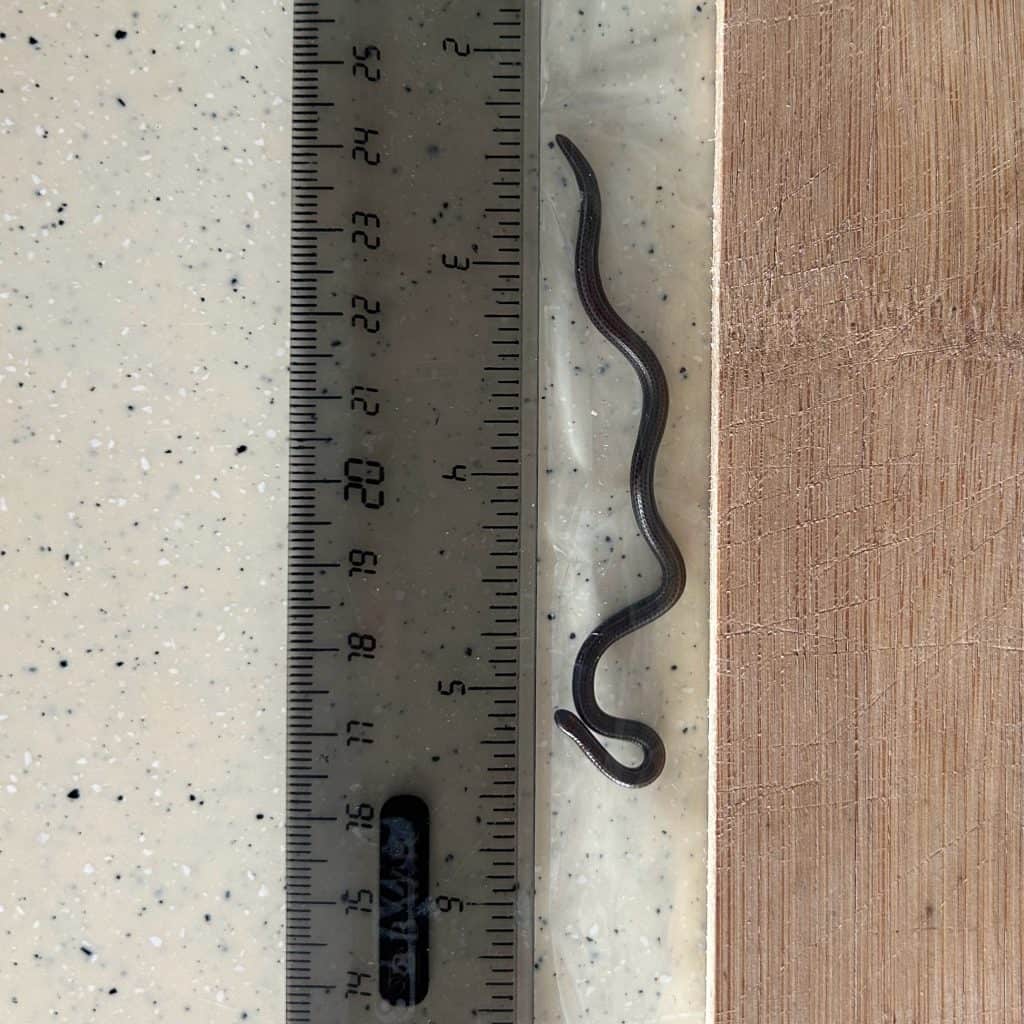
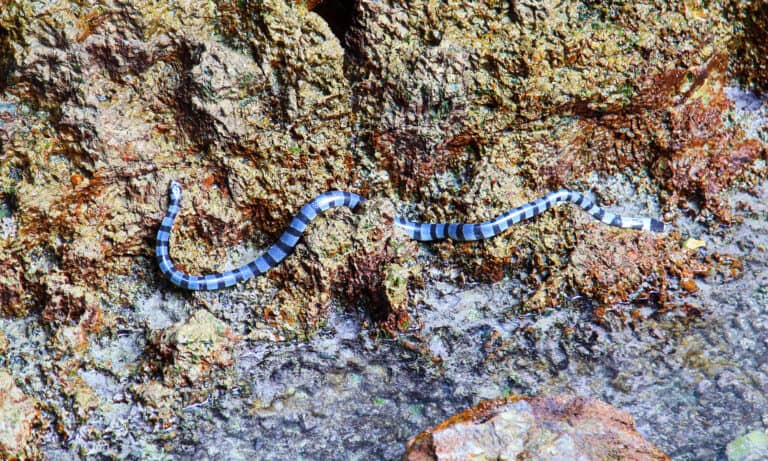
The smallest snakes in the world.
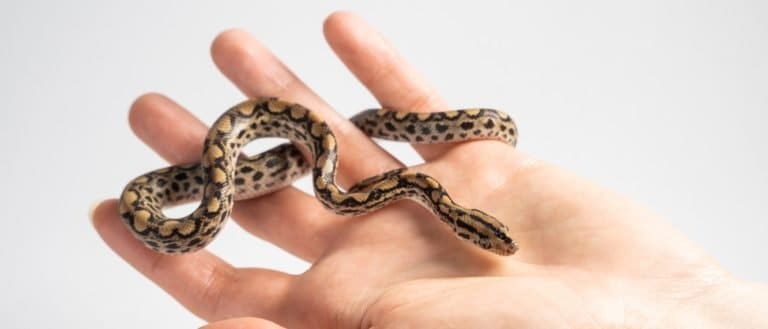
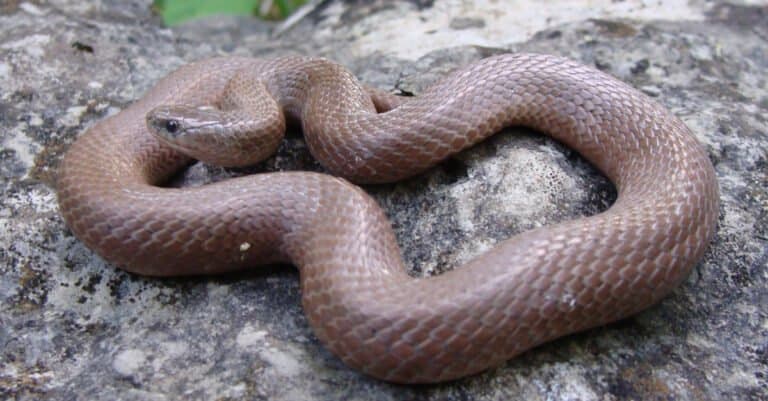
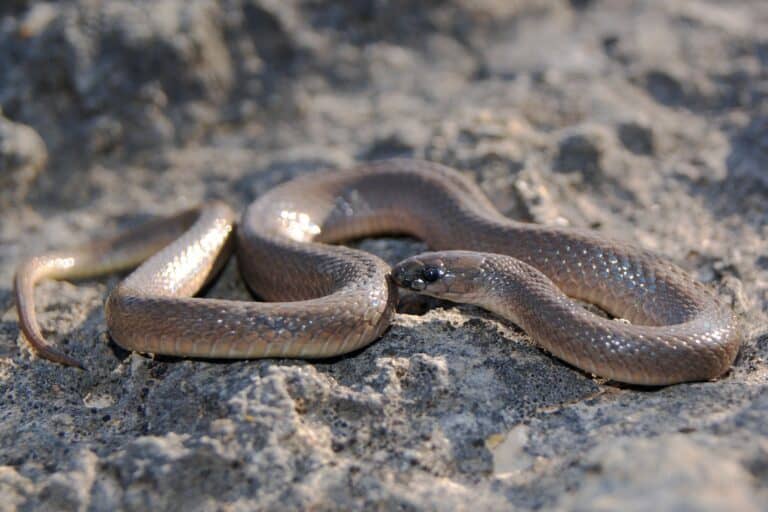
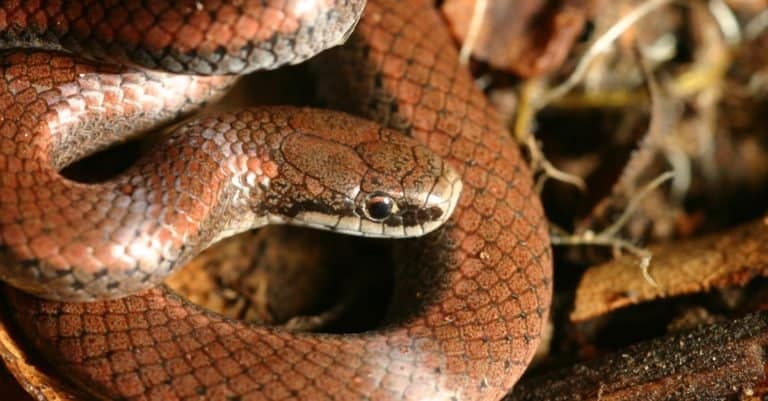
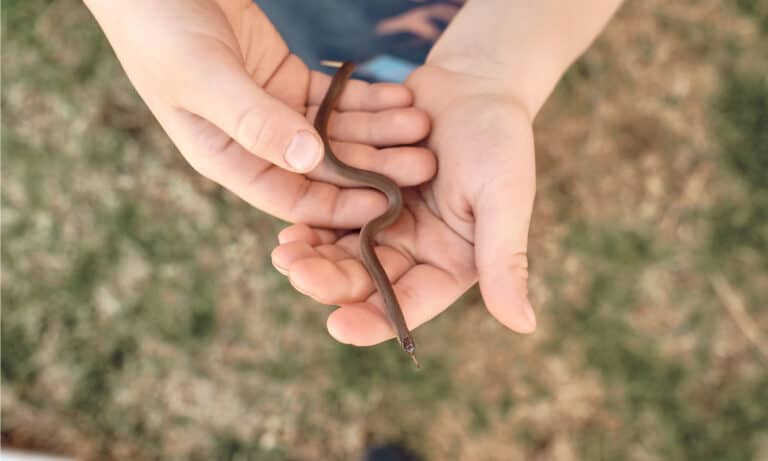
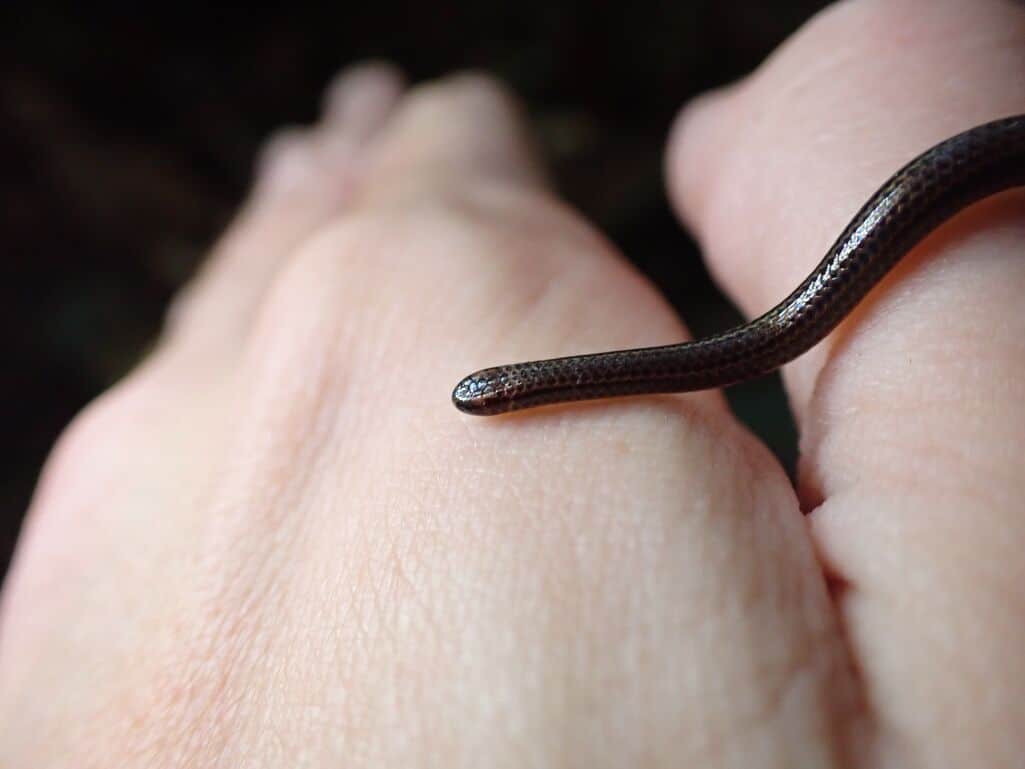
Barbados threadsnakes (Tetracheilostoma carlae) are as small as a snake can get. These tiny creatures measure just 3 or 4 inches long when they are fully grown and have the same diameter as an earthworm. At a quick glance, you might mistake them for earthworms. You could also be forgiven for mistaking it for a Brahminy blind snake (also called a flowerpot snake), which was inadvertently introduced to Barbados.
Snake Hunting in Barbados
In March 2025, ecological surveyors working with the Barbados Ministry of the Environment and National Beautification, together with Re:wild made an exciting discovery. Hiding under a rock in central Barbados, they found this tiny creature.
The work was part of the Conserving Barbados’ Endemic Reptiles (CBER) project. In a Re:wild press release, Justin Springer, Caribbean program officer for Re:wild, describes how it was found. He says, “I just had a feeling, but I couldn’t be sure because we turned over a lot of rocks before that and we saw nothing.” Under this particular rock, he found an earthworm and a tiny snake. Could it really be a Barbados threadsnake?
Microscopic Identification
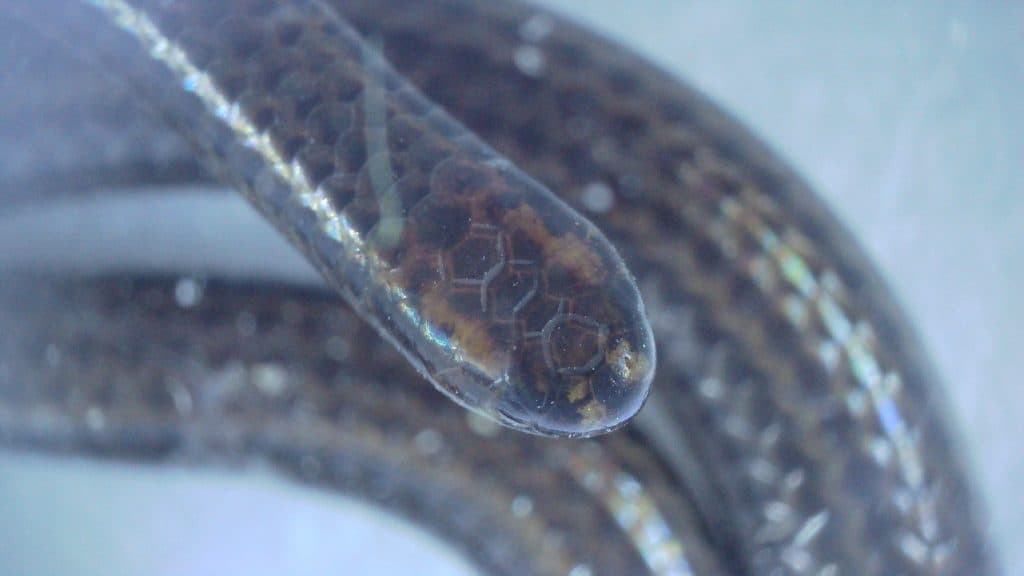
Barbados threadsnakes need microscopic identification.
Connor Blades, a project officer with the Ministry of Environment in Barbados, took the snake to the University of the West Indies, where it was examined under a microscope. The telltale distinguishing features were all there: pale orange dorsal lines running from its head to tail, eyes located on the side of its head, a rostral scale on its nose, and no gland lines on its head.
“The morphological differences between the threadsnake and blind snake are really difficult to tell by eye, particularly because it was the first threadsnake we had seen, so we weren’t familiar with the species yet,” says Blades.
The little snake was later returned to the forest.
No Longer Lost to Time
These threadsnakes are very rare and elusive. There have only been a handful of confirmed sightings since 1889. There were concerns that none of these snakes remained on the island and that they had been lost to science.
With this crucial discovery, the CBER researchers now have a better idea of where and when to hunt for more threadsnakes. The survey will continue so that they can understand the snake’s preferred habitats and range. There are concerns about the loss of forest habitat and the introduction of invasive species on the island, which has already led to several other native species being driven to extinction. These include the Barbados racer, Barbados skink, and the Barbados rice rat. Springer emphasizes, “The threadsnake’s rediscovery is also a call to all of us as Barbadians that forests in Barbados are very special and need protection.”