
Quick Take
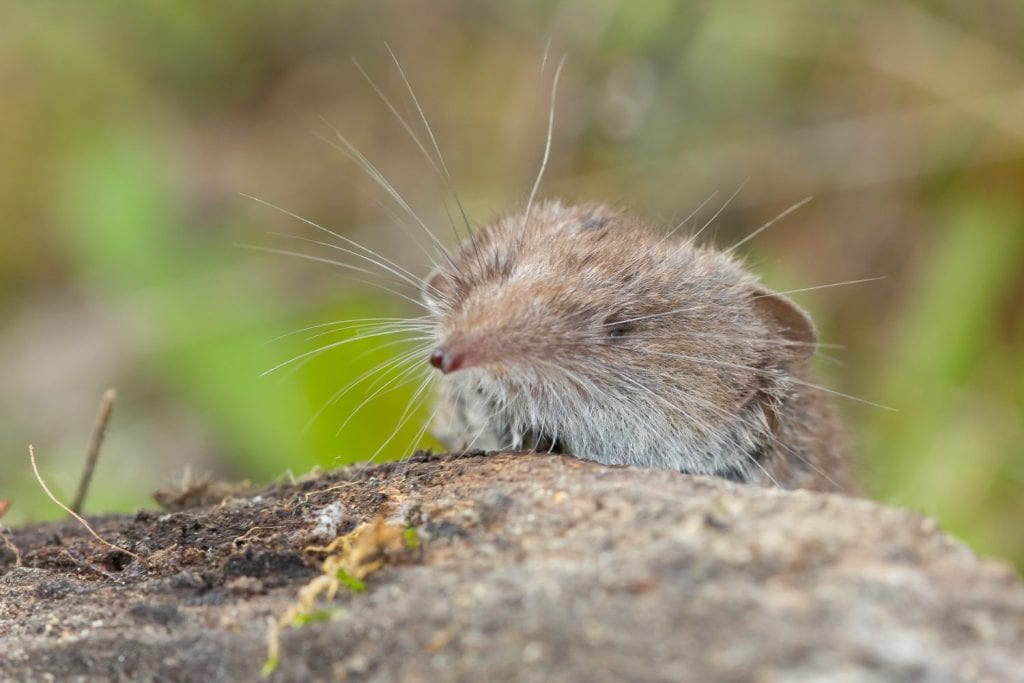
- One animal on this list has a biological stat so extreme it sounds more like a machine malfunction than a heartbeat. Meet the rapid-hearted shrew →
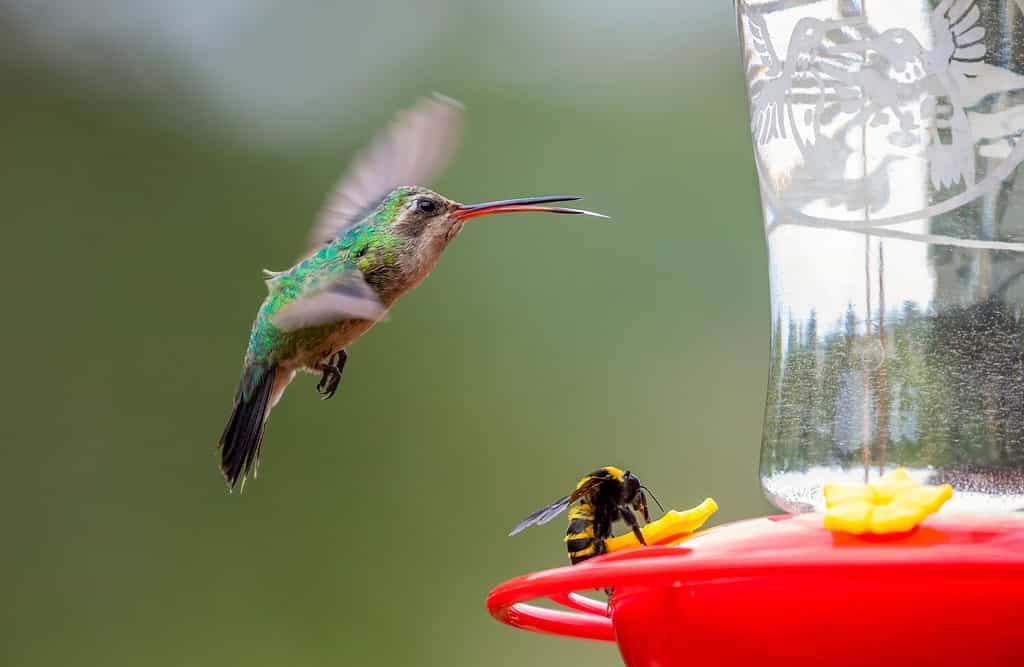
- The world's smallest bird seems like something else at first glance and its own name reflects the confusion. See the bee-like bird →
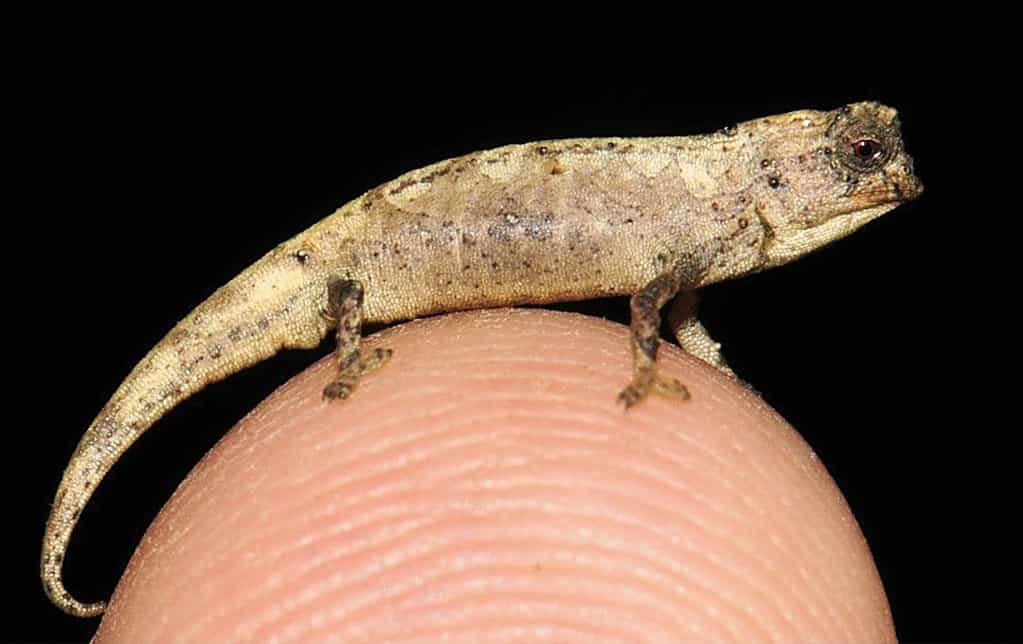
- One of these species hid from science so successfully that researchers only officially named it a few years ago. Discover the newly named chameleon →
- The world's smallest snake can't eat most prey, though the reason has nothing to do with weakness. Explore the threadsnake's diet →
When most people think of impressive animals, they usually imagine large mammals, like giant elephants, massive whales, or towering giraffes. But some of nature’s most fascinating creatures are impressive for the opposite reason: they are remarkably tiny. These animals show that evolution made some incredible creatures in miniature form, from microscopic insects to threadlike snakes to pocket-sized seahorses. Despite their unbelievably compact bodies, many of these species thrive in their environments, while remaining almost completely unnoticed.
New Guinea Amau frog
©Rittmeyer EN, Allison A, Gründler MC, Thompson DK, Austin CC / Creative Commons – Original / License
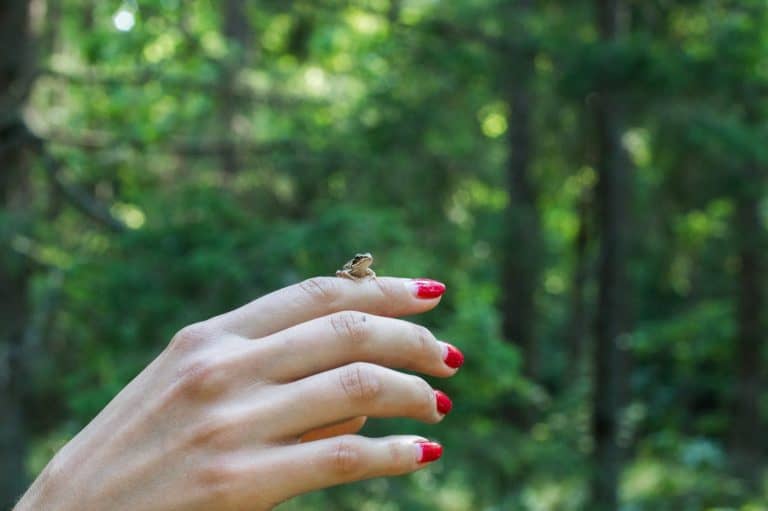
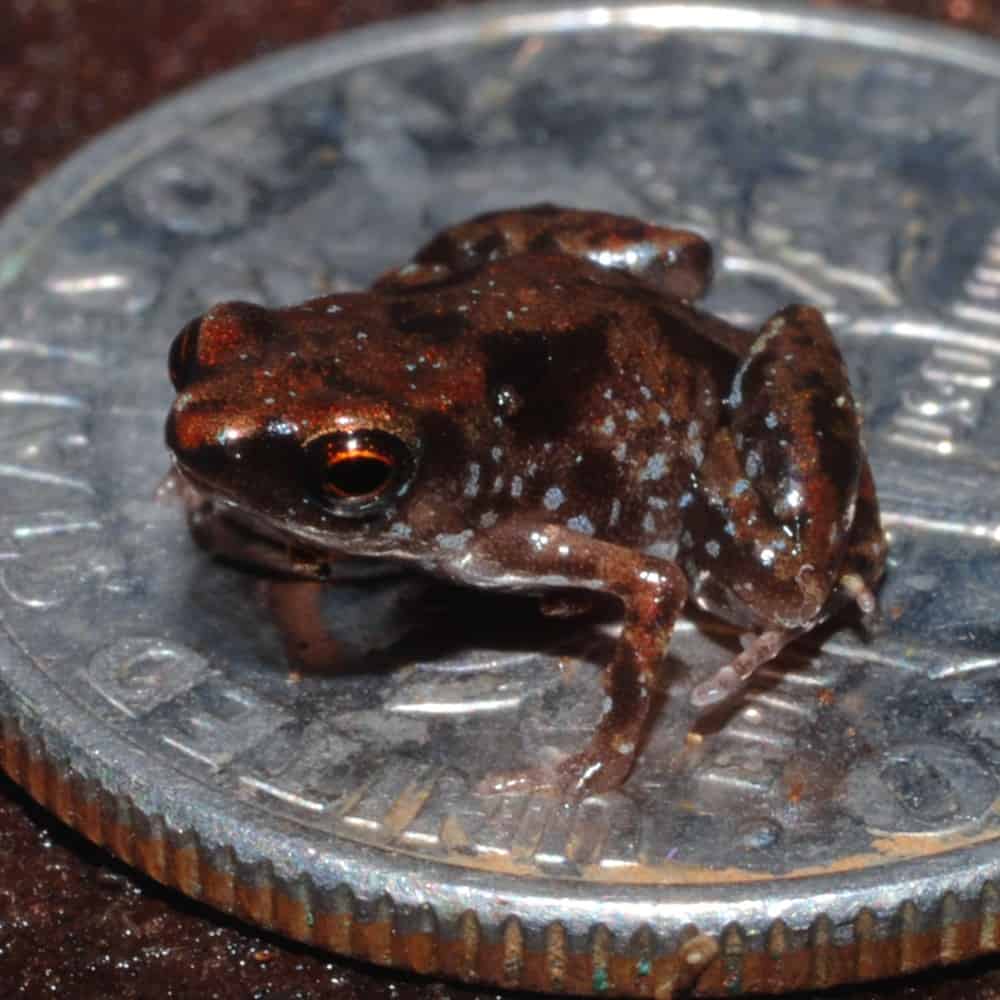
At only about 7.7 millimeters long, the New Guinea Amau frog (Paedophryne amauensis) is considered one of the smallest vertebrates known to science. This tiny frog lives in the leaf litter of Papua New Guinea’s forests, where it can easily disappear under moss and dirt. The pocket-sized amphibian is so good at hiding that scientists only officially described the species as recently as 2012. Despite its miniature size, the frog’s high-pitched calls are surprisingly loud.
Bee Hummingbird
©Danita Delimont/Shutterstock.com
The bee hummingbird (Mellisuga helenae) is the smallest bird on Earth and is native to Cuba. Fully grown adults measure only about 2 to 2.5 inches long and can weigh less than a penny. Like all hummingbirds, their wings beat incredibly fast, creating the familiar buzzing sound. Because of their tiny size and rapid movements, they often look more like chunky bees than birds, which inspired their name. These miniature pollinators play an important role in spreading pollen between flowers throughout their habitat.
Barbados Threadsnake
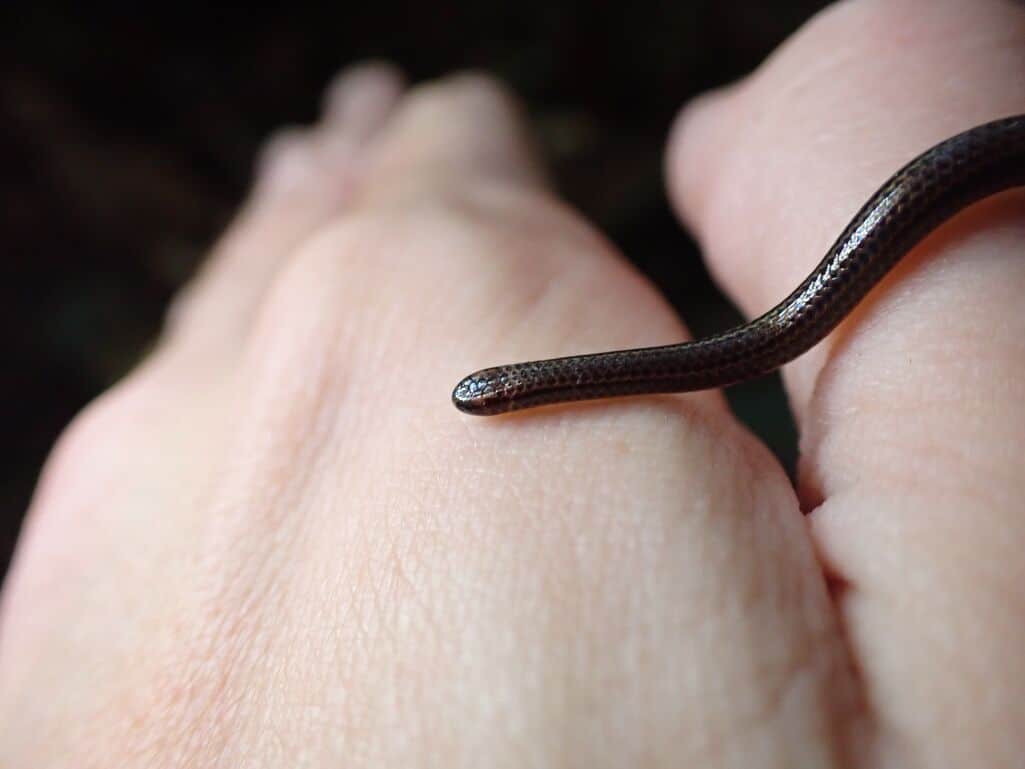
The Barbados threadsnake (Tetracheilostoma carlae) is the smallest known snake species in the world. Adults grow to only about 4 inches long. Aptly named, they are so thin they look more like earthworms than snakes. They spend much of their lives hidden underground hunting ant and termite larvae. Scientists believe they mainly feed on insect larvae because larger prey simply would not fit in their mouths. One of these snakes curled up in your hand could easily fit on top of a quarter.
Etruscan Shrew
©Wirestock Creators/Shutterstock.com
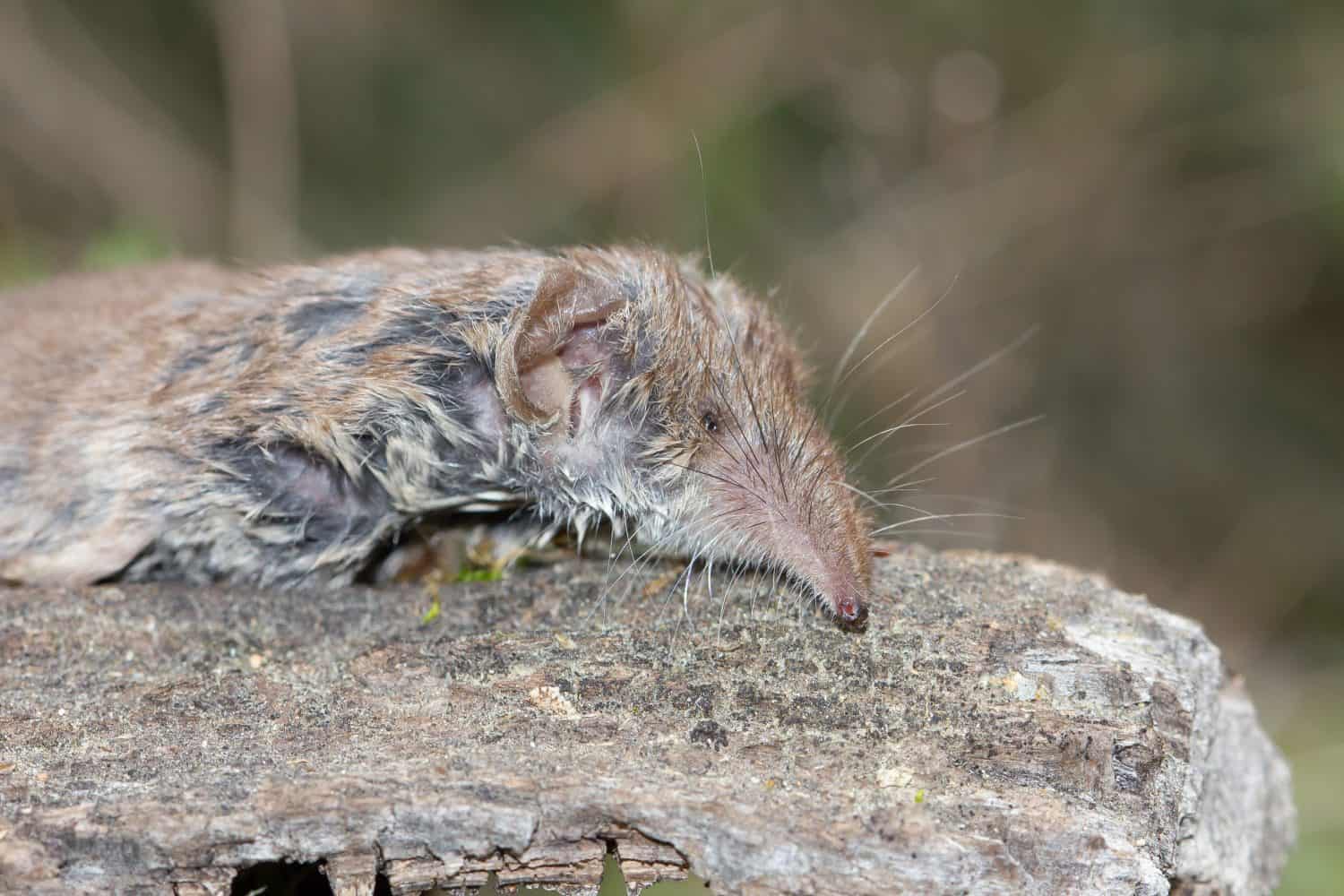
The Etruscan shrew (Suncus etruscus) is the smallest mammal on Earth by mass. These little guys weigh less than a few paper clips. Due to an incredibly fast metabolism, an Etruscan shrew must eat near constantly to survive. Its heart beats at more than 1,000 beats per minute! These tiny predators are surprisingly formidable, hunting insects aggressively and with astonishing speed.
Nano-Chameleon
©Frank Glaw, Jörn Köhler, Oliver Hawlitschek, Fanomezana M. Ratsoavina, Andolalao Rakotoarison, Mark D. Scherz & Miguel Vences, CC BY 4.0 <https://creativecommons.org/licenses/by/4.0>, via Wikimedia Commons – Original / License
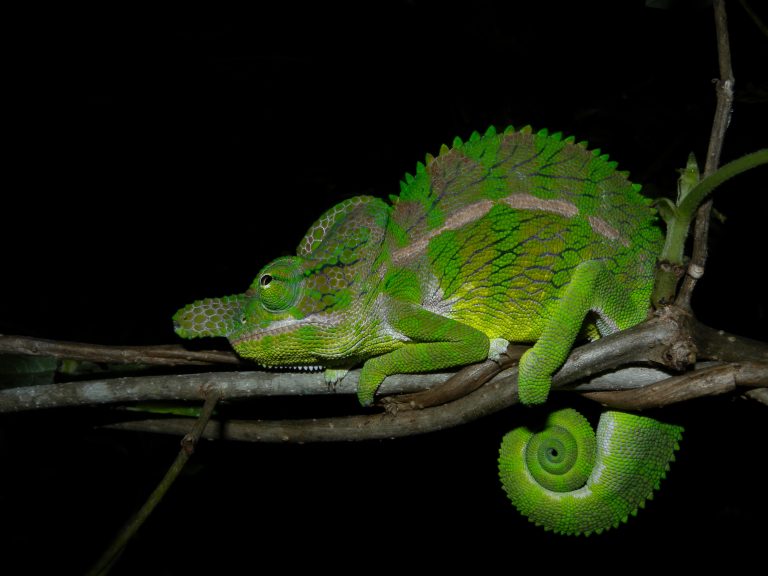
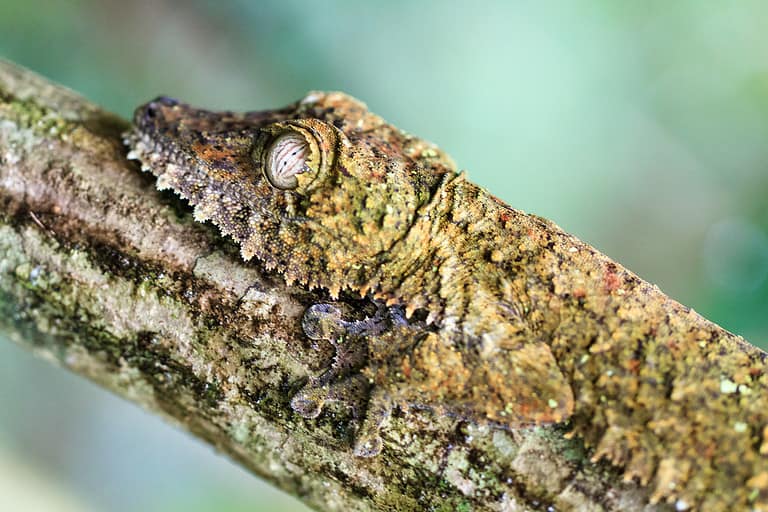
The nano-chameleon (Brookesia nana) is one of the smallest reptiles ever discovered and is likely the tiniest known chameleon species. Scientists only officially described this Madagascar native in 2021. Unlike the large colorful chameleons most people are familiar with, the nano-chameleon is a dull blotchy brown helping it better camouflage with its habitat of forest leaf litter. Males of this unbelievably miniature chameleon species are so small they can sit on the tip of a finger.
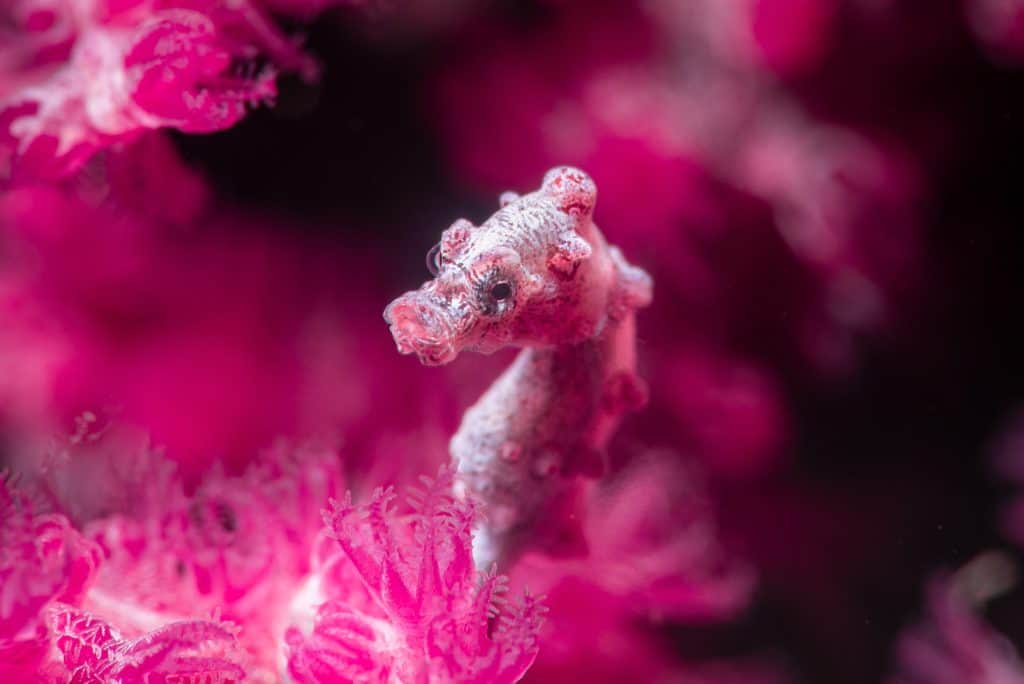
Pygmy Seahorse
©KaenS/Shutterstock.com
As the name suggests, pygmy seahorses (Hippocampus bargibanti) are some of the smallest fish in the ocean, with many species growing to less than an inch long. They are also wonderful at camouflage, mimicking the exact shades and textures of their reef environment. Blending almost perfectly into corals and sea fans, divers can stare directly at one without realizing it is there. These miniature seahorses still have all the whimsical characteristics of larger seahorses, including curled tails and unique upright swimming.
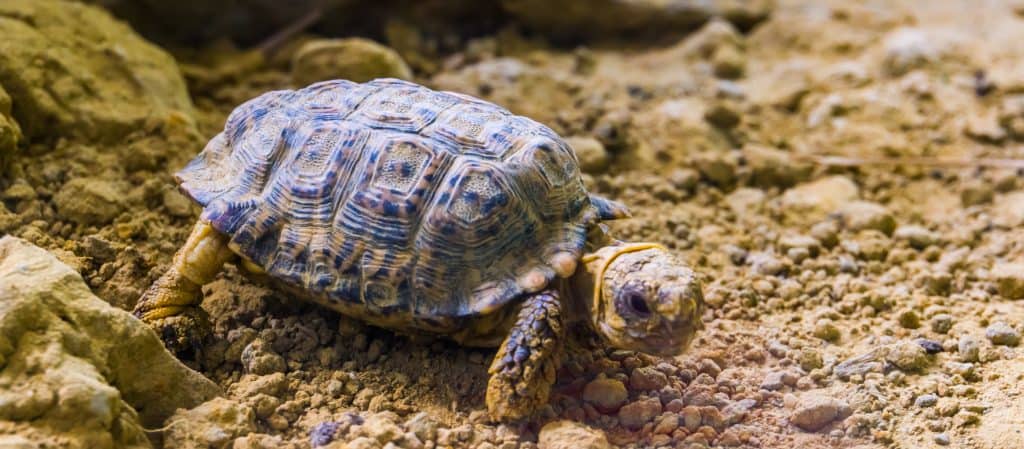
Speckled Padloper Tortoise
©Charlotte Bleijenberg/Shutterstock.com
The speckled padloper tortoise (Homopus signatus) is a South African reptile and the world’s smallest tortoise species, with some full-grown adults measuring 4 inches in length. Unlike their giant tortoise cousins that stand out for their bulk and size, these tiny reptiles easily hide under small rocks and shrubs. With beautifully patterned yellow and black shells, they seem like little works of art.
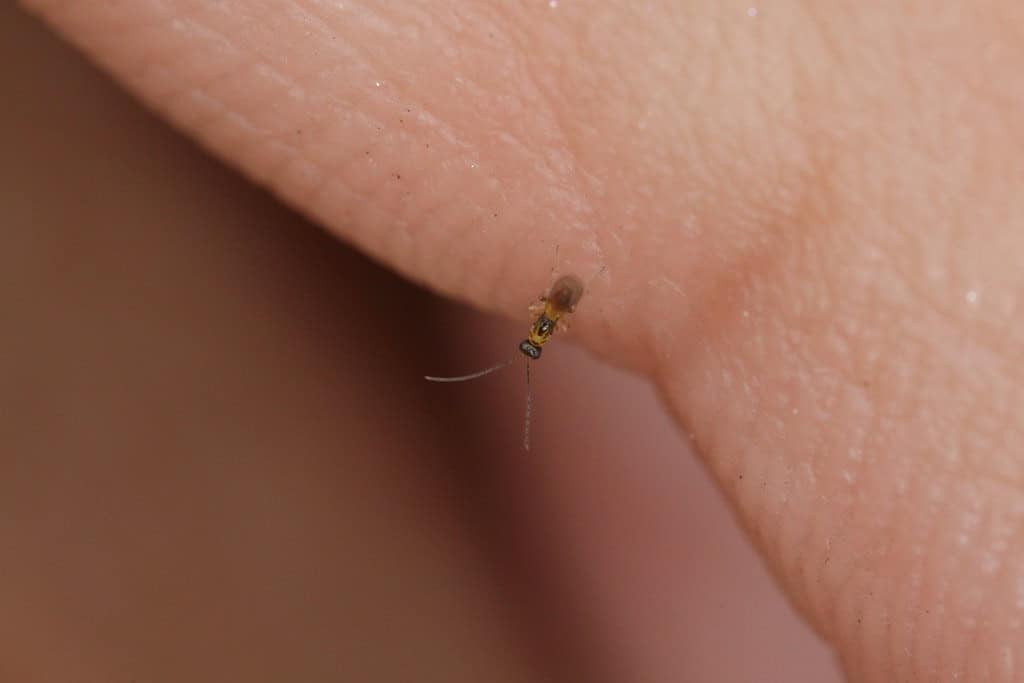
Fairyfly
©"tiny fairy wasp (♂) on my finger" by gbohne is licensed under BY-SA 2.0. – Original / License
Fairyflies are some of the smallest insects on Earth. Many species are so tiny they could casually stand on the head of a pin! Their fantastical name is due to both their diminutive size and their whimsical feather-like wings that help them stay airborne. These microscopic wasps are parasitoids, meaning they lay their eggs inside the eggs of other insects.
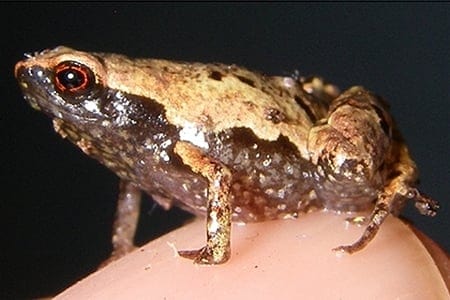
Mini Mum
©Mark D. Scherz , Carl R. Hutter, Andolalao Rakotoarison, Jana C. Riemann, Mark-Oliver Rödel, Serge H. Ndriantsoa, Julian Glos, Sam Hyde Roberts, Angelica Crottini, Miguel Vences, Frank Glaw / Creative Commons – Original / License
Mini mum is part of a group of tiny frogs from Madagascar, all of which have surprisingly punny scientific names, including Mini scule and Mini ature. Measuring about the size of a fingernail, these frogs are some of the smallest amphibians on the planet. Like the New Guinea Amau frog, these little jumpers live on the forest floor beneath natural debris where they can avoid predators. After scientists officially described the species in 2019, the fun names drew public attention. However, these frogs represent a serious scientific discovery regarding miniaturized evolution.