
Quick Take
- A lion at the same sanctuary died before anyone knew what killed it, and the diagnosis only came after it was too late. See the lion's case →
- Valley fever spreads in a way most people never suspect, and being at risk does not require any contact with an infected animal. How the fungus spreads →
- The environmental conditions that trigger Valley fever outbreaks are surprisingly predictable. Conditions that trigger outbreaks →
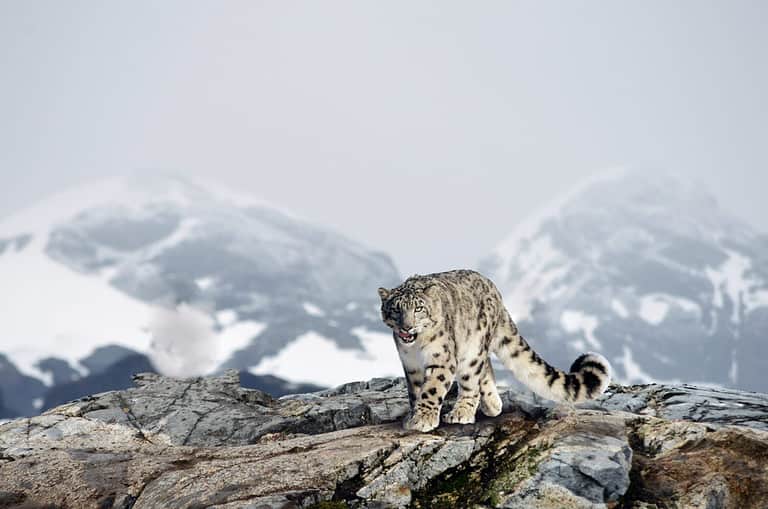
Two snow leopards at a big cat sanctuary in California have been diagnosed with Valley fever. They are being closely monitored, and staff members are very concerned because they previously lost a lion after an unexplained illness. A necropsy revealed that the lion had also contracted the disease. So, what exactly is Valley fever, and which animals can be affected by it?
What We Know About Valley Fever
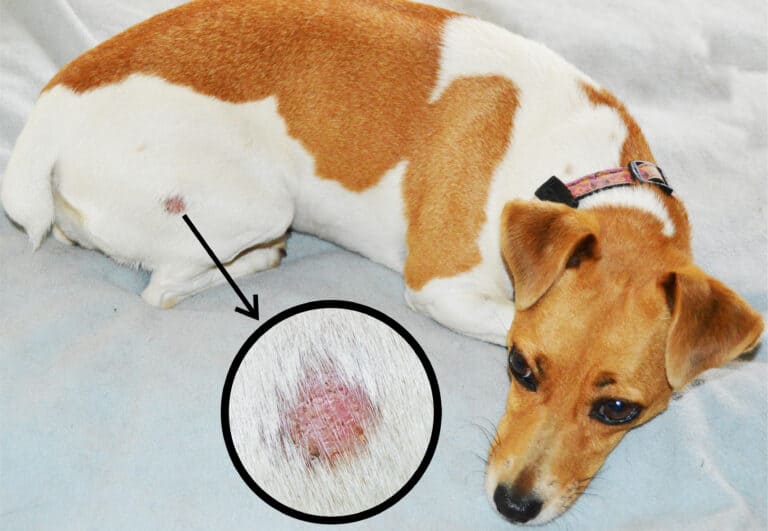
Valley fever, also called coccidioidomycosis, is a lung infection caused by breathing in spores from the fungus Coccidioides. The fungus is found in soil in some areas of the southwestern U.S. and south-central Washington state. It can affect both people and animals, including cats (big and small) and dogs.
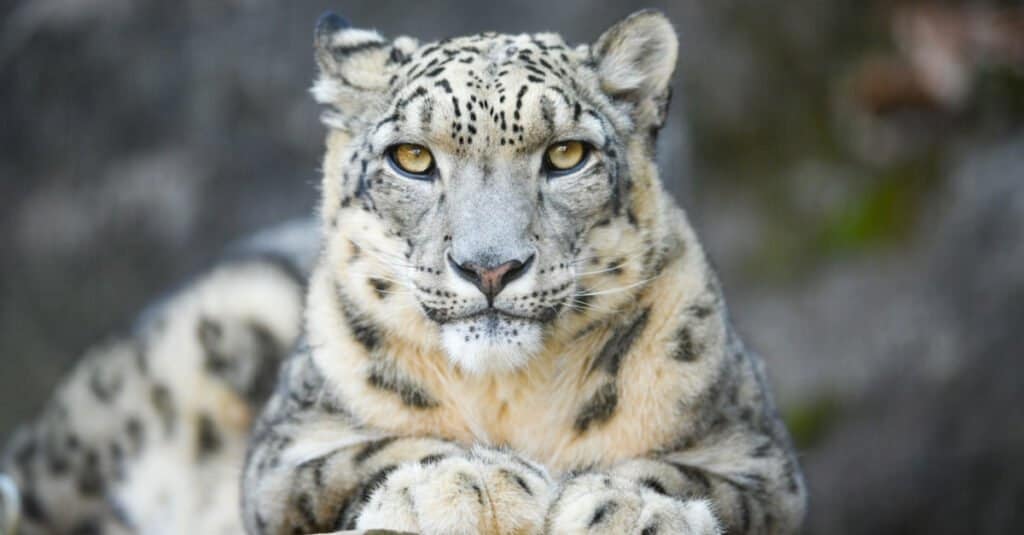
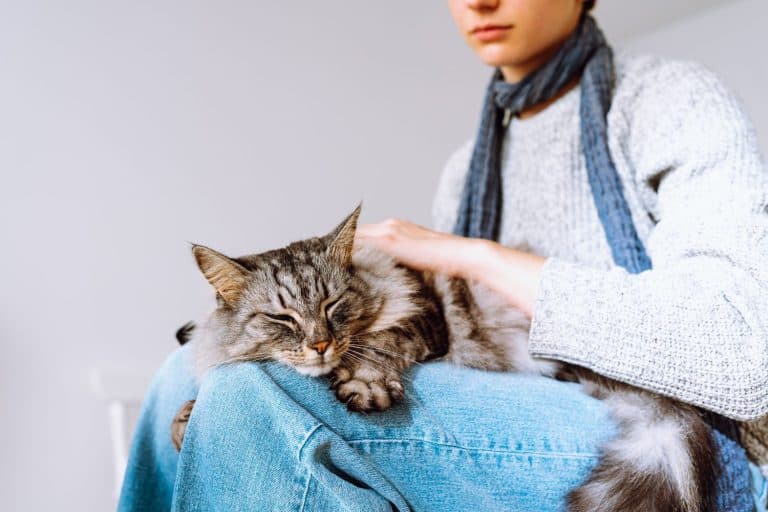
Animals and humans can contract Valley fever.
©Vladimir Turkenich/Shutterstock.com
Not everyone who breathes in the spores gets sick. However, those who do may experience symptoms such as fatigue, cough, shortness of breath, night sweats, and muscle aches. Symptoms typically begin between 1 and 3 weeks after a person has inhaled the fungal spores. These symptoms generally last for a few weeks to a few months, but in some cases, they can persist longer. More worryingly, 5 to 10 percent of people who contract Valley fever will develop serious or long-term lung problems. It can be treated with antifungal medicines.
People and animals are most likely to contract the disease during dry periods that follow rainy seasons, when fungal spores are more easily carried by dust.
Which Leopards Have Valley Fever in California?
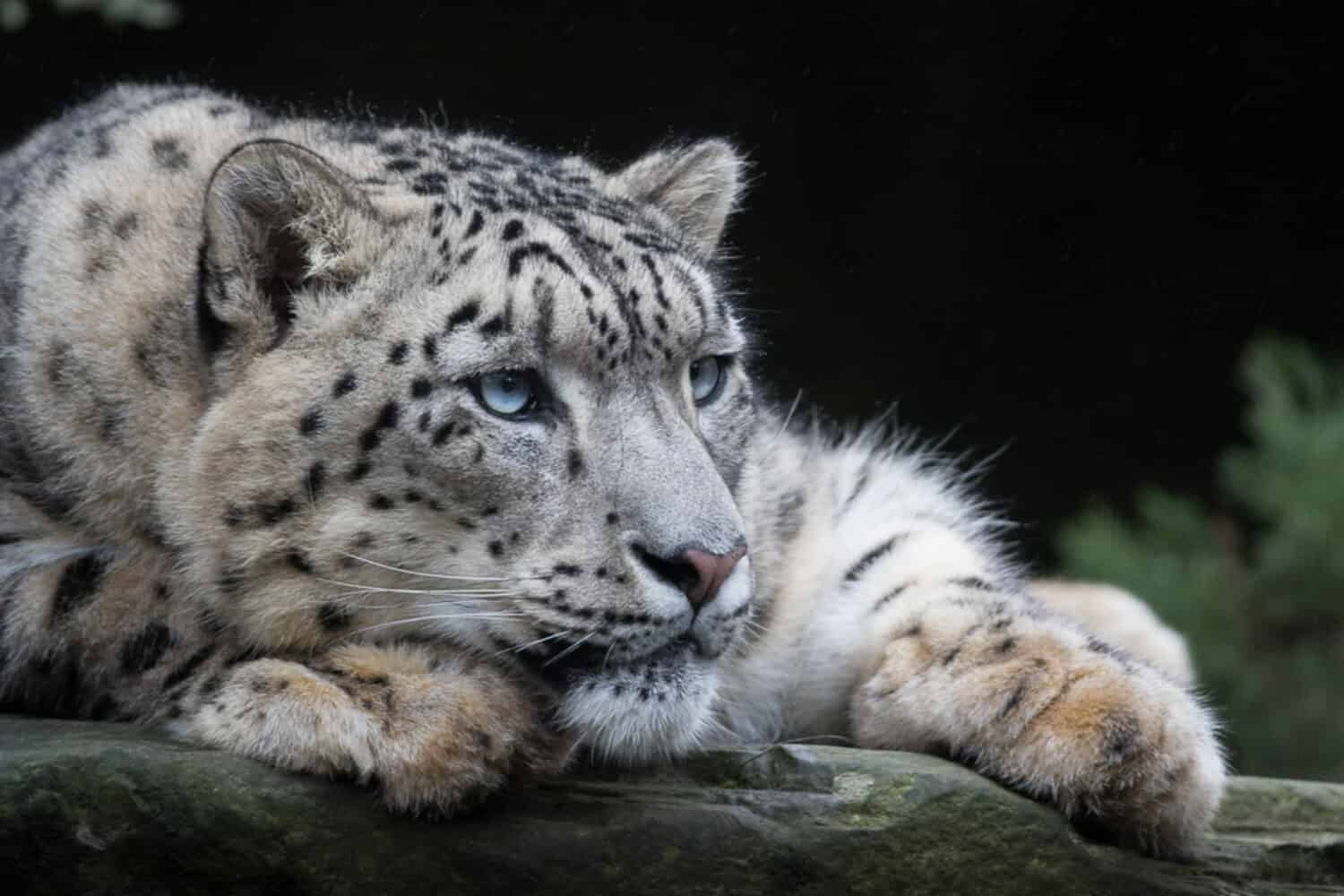
Two snow leopards at the Project Survival Cat Haven in Dunlap have been diagnosed with Valley fever. Staff at the nonprofit big cat sanctuary noticed that one of the leopards, called Jackson, was behaving strangely. Speaking in this news report, the sanctuary founder, Dale Anderson, said, “So we took him in and got him checked, and sure enough, he had Valley fever.”
Unfortunately, Jackson first contracted the disease four years ago and has been on medication ever since. According to the news report, an inspector at the sanctuary had also contracted the disease.
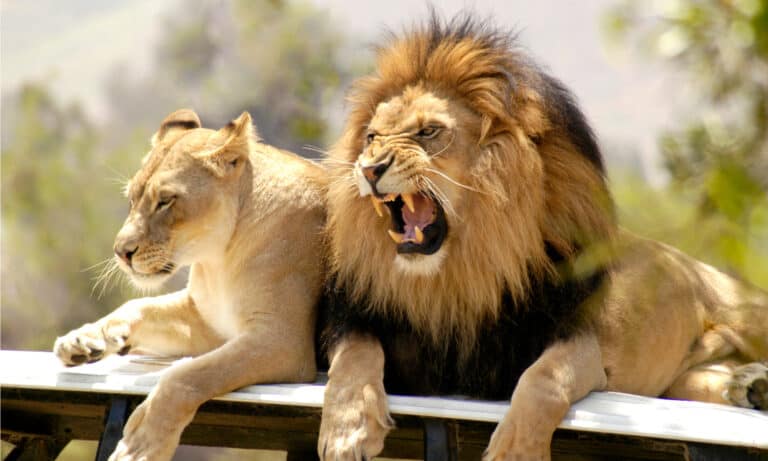
Previously, a lion resident died after contracting the illness, but the diagnosis was only made by necropsy after its death. The staff are now very vigilant and are monitoring other animals and people for signs of the disease.