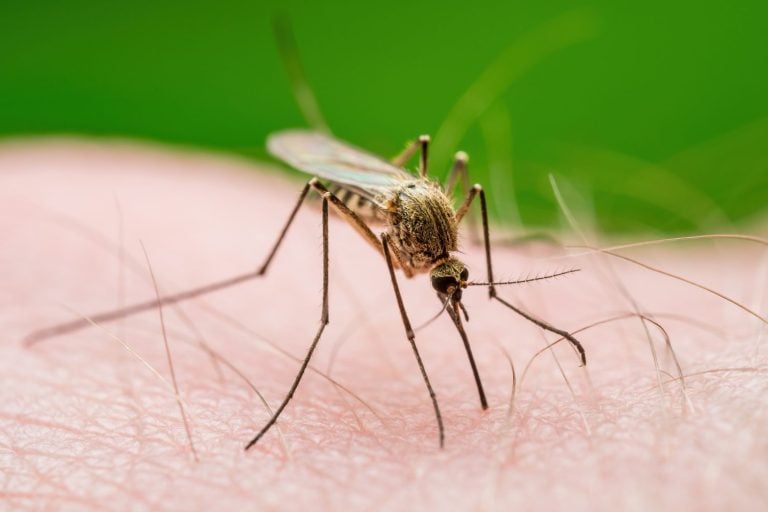

Dogs, cats, and other animals make wonderful companions and pets. Their presence can reduce stress, provide a sense of responsibility, and fill lives with joy. However, pets also carry pathogens that not only make them sick but can also make their owners ill. Due to these zoonotic diseases, staying on top of vet appointments and vaccines is essential, to ensure both the health of a beloved furry friend and their owners. Here are the 10 zoonotic diseases every pet owner should know about.
Zoonotic Diseases Pet Owners Need to Be Aware Of
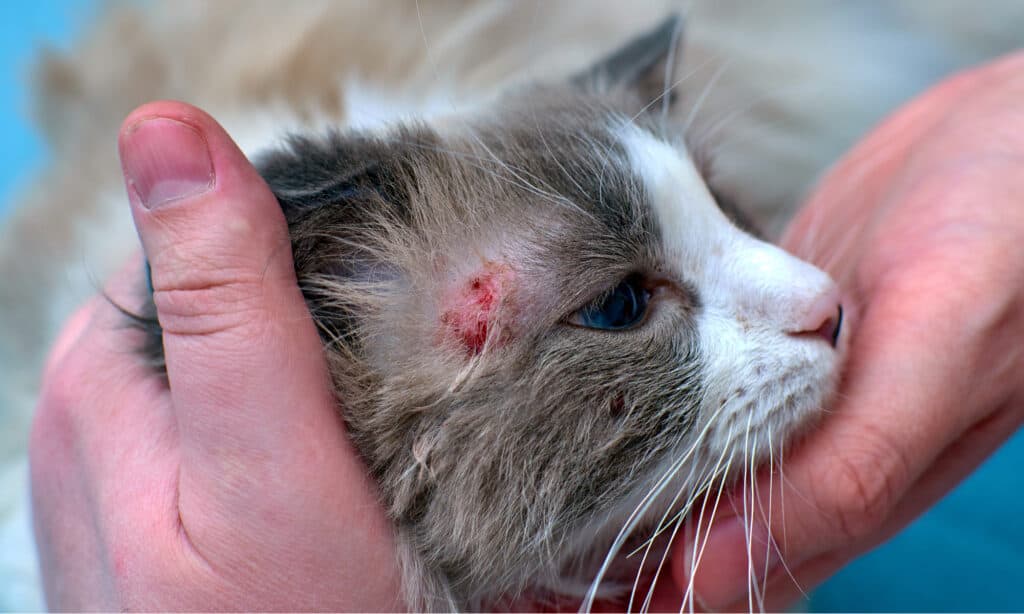
Ringworm is a zoonotic disease that is highly contagious.
©eremeevdv/Shutterstock.com
Zoonotic diseases are diseases that can be transmitted from animals to people. While pet owners are likely aware of a handful of these conditions, over a dozen zoonotic diseases should be on the radar.
“The zoonotic diseases most often considered major concerns include rabies, salmonella, campylobacter, leptospirosis, ringworm, toxoplasmosis, giardia, plague, and brucellosis,” Dr. Zap explains to A-Z Animals. “These show up on most public-health lists because they’re either common, severe, or both.”
What do these diseases look like for both pets and humans? An explanation of the diseases is as follows:
| Zoonotic Disease | How Disease Is Spread | Symptoms For Pets | Symptoms For Owners | Vaccine Available | Is The Disease Deadly? |
| Rabies Pets Rabies Humans | Bite from infected animal or saliva from infected animal getting into an open wound, eyes, nose or mouth. | 1. Behavioral changes like agitation, fear, and aggression 2. Seizures 3. Paralysis | 1. Fever 2. Headache 3. Nausea 4. Vomiting 5. Agitation 6. Anxiety 7. Confusion 8. Excessive salivation 9. Trouble swallowing 10. Hallucination 11. Insomnia 12. Paralysis | Yes, a vaccine is available for both people and pets. | Yes. If not treated before symptoms appear, rabies is nearly 100% fatal for both people and pets. |
| Salmonella Pets Salmonella Humans | Contact with saliva or feces of infected animal who consumed contaminated food, feces, or water. | 1. Diarrhea 2. Vomiting 3. Lethargy 4. Fever 5. Loss of appetite 6. Weight loss 7. Dehydration | 1. Diarrhea 2. Stomach cramps 3. Headache 4. Nausea 5. Vomiting 6. Loss of appetite | No. | Yes, if left untreated, dehydration and weight loss can lead to death. |
| Campylobacter Pets Campylobacter Humans | Pets come in contact with infected feces or contaminated water, and spread bacteria to humans via fecal matter either when cleaning up after the pet or particles on their fur. | 1. Diarrhea 2. Stomach pain 3. Vomiting 4. Fever 5. Black tar-like feces 6. Weight loss 7. Lethargy | 1. Diarrhea 2. Vomiting 3. Nausea 4. Stomach pain 5. Fever | No. | Yes, but rare. |
| Leptospirosis Pets Leptospirosis Humans | Animals contract disease through infected water sources. The disease is spread to humans via contact with infected animal’s urine. | 1. Poor appetite 2. Lethargy 3. More frequent urination 4. Dehydration 5. Diarrhea 6. Fever 7. Swelling of the eyes 8. Jaundiced skin | 1. Headache 2. Vomiting 3. Jaundiced skin 4. Red eyes 5. Abdominal pain 6. Diarrhea 7. Fever 8. Rash 9. Flu-like symptoms | Yes, for pets. Proven to be unsuccessful for humans. | Yes, if left untreated. |
| Ringworm Pets Ringworm Humans | Pets contract ringworm either through direct contact with an infected animal or via parks, grooming facilities, or the like where infected animals have been. Ringworm is then passed to people by touching their infected pet, or coming into contact with the fungi on surfaces where the pet has been. | 1. Hairloss in circular patterns 2. Dry hair that breaks easily 3. Inflamed skin 4. Scabby skin 5. Rough and brittle claws | 1. Itchy skin 2. Flat patches of skin with a raised border 3. Circular ring-like spots on the skin 4. Hair loss in affected area | No. | No. |
| Toxoplasmosis Cats Toxoplasmosis Humans | Cats eat infected rodents or birds. They then pass the parasite in their feces. When cleaning litter boxes or coming into contact with feces outdoors, humans can contract parasite by not washing hands well or eating food grown in infected soil. | 1. Vomiting 2. Diarrhea 3. Seizure 4. Fever 5. Lethargy 6. Jaundiced skin 7. Eye inflammation 8. Loss of coordination 9. Pneumonia 10. Enlarged lymph nodes | 1. Muscle pain 2. Fever 3. Headache 4. Confusion 5. Nausea 6. Seizure 7. Blurred vision 8. Eye redness 9. Tearing | No. | Can be deadly to cats if left untreated. Generally not with humans, but can be for babies if infected before they are born. |
| Giardia Pets Giardia Humans | If pets drink contaminated water, they can spread the parasite to people by saliva or via feces. | 1. Diarrhea 2. Vomiting 3. Weight loss 4. Lethargy 5. Lethargy 6. Stool with foul odor | 1. Diarrhea 2. Weight loss 3. Fever 4. Dehydration 5. Hives 6. Reactive arthritis 7. IBS 8. Stomach cramps 9. Foul smelling stool 10. Swollen eyes 11. Itchy skin | Yes, for pets. No for humans. | Rarely. |
| Plague Pets Plague Humans | Plague is caused via infected fleas biting pets or being consumed by pets. It can also be contracted by consuming infected rodents. Pets then pass plague via fleas they picked up, biting owners, or by coming in contact with feces. | 1. Vomiting 2. Diarrhea 3. Dehydration 4. Fever 5. Lethargy 6. Swollen lymph nodes | 1. Fever 2. Headache 3. Abdominal pain 4. Diarrhea 5. Nausea 6. Vomiting 7. Shock 8. Chest pain 9. Cough 10. Chills 11. Muscle aches 12. Trouble breathing 13. Skin turning black 14. Blood in sputum | No. | Yes, if left untreated in pets and humans. |
| Avian Influenza Pets Avian Influenza Humans | Pets consume infected birds. When the pet is infected, they can spread avian influenza through respiratory droplets. | 1. Fever 2. Fatigue 3. Reduced appetite 4. Inflamed eyes 5. Red eyes 6. Discharge from eyes 7. Difficulty breathing 8. Tremors 9. Seizures 10. Lack of coordination | 1. Eye redness 2. Fever 3. Cough 4. Sore throat 5. Runny nose 6. Stuffy nose 7. Body ache 8. Headache 9. Fatigue | No. | Yes, if left untreated. |
| Brucellosis Pets Brucellosis Humans | Pets become infected with the bacteria as an STD. People become infected when they come in contact with blood or animal bodily secretions. | 1. Dry skin and coat 2. Loss of appetite 3. Weight loss 4. Lameness 5. Lack of coordination 6. Swollen lymph nodes 7. Muscle weakness 8. Swollen or inflamed testicles in males 9. UTIs in females | 1. Fever 2. Fatigue 3. Joint pain 4. Night sweats 5. Headache 6. Loss of appetite | No. | Yes, in pets. No for humans. |
While these diseases are scary, it is possible to easily prevent some of them, mitigating the threat for pets and owners alike.
Some Zoonotic Diseases Are Easily Prevented

By vaccinating pets and practicing good hygiene, most zoonotic diseases can be stopped in their tracks.
©Kittima05/Shutterstock.com
When it comes to stopping the spread of zoonotic diseases, Dr. Zap says the process is fairly straightforward. Between vaccinations and proper hygiene, several of the diseases can be stopped in their tracks before they ever spread.
“Some of the most preventable zoonotic diseases are rabies, leptospirosis, ringworm, salmonella, campylobacter, toxoplasmosis, and giardia,” Dr. Zap tells A-Z Animals.
Dr. Zap, a veterinarian who practices out of Connecticut, continues, “Prevention is usually straightforward: routine vaccination, avoiding wildlife exposure, good sanitation, handwashing, proper food handling, rodent control, and appropriate management of litter boxes, raw diets, and shared water sources.”
It may seem like all the zoonotic diseases spread like wildfire if there are no proper precautions taken. But, just like all diseases, some of the zoonotic ones spread more easily than others.
Do All Zoonotic Diseases Spread Easily?

Some pathogens that dogs and cats contract are transferable to their owners.
©Lindsay Helms/Shutterstock.com
Those concerned for their beloved fur baby should know that not all of the zoonotic diseases are easily spread. According to Dr. Zap, some diseases are spread through casual contact. Others, however, need just the right conditions to spread from animal to human.
“A few zoonotic diseases spread much more easily than others,” Dr. Zap says. “Ringworm, salmonella, and campylobacter can be transmitted with fairly casual contact. Rabies doesn’t spread easily at all, but is far more dangerous.”
What is interesting, however, is that not all the pathogens that animals carry are zoonotic, as some are species-specific.
Are All Pathogens That Animals Carry Considered to Be Zoonotic?

Dogs and cats carry highly contagious pathogens within their species but notto humans.
©Oleg Opryshko/Shutterstock.com
Dogs and cats both carry and are exposed to pathogens that can prove to be very dangerous. Aside from zoonotic diseases, a whole host of pathogens, according to Dr. Zap, pose no threat to humans but require immediate care for pets if contracted.
“Not every pathogen carried by animals is zoonotic. Some infections are species-specific and pose no risk to people,” Dr. Zap explains to A-Z Animals. “Examples include canine parvovirus, feline leukemia virus, and many respiratory viruses of dogs and cats.”
Dr. Zap, who has over a decade of experience in the veterinary field, adds, “True zoonotic diseases, by definition, can infect humans, but they make up only a fraction of all diseases animals can carry.”
How Veterinarians Prevent the Spread of Zoonotic Diseases in a Clinical Setting
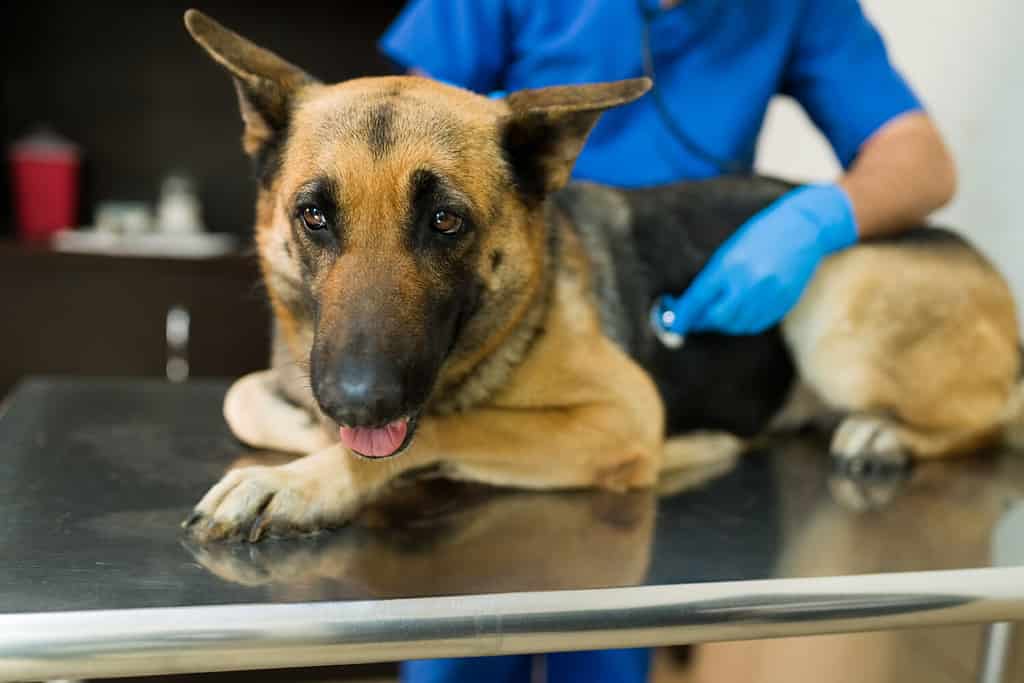
Pets that have a known or are suspected of having a zoonotic disease are kept isolated from other animals, and rooms are thoroughly disinfected to stop the spread.
©Beach Creatives/Shutterstock.com
Knowing that zoonotic diseases can be easily spread in some instances, some pet owners may have concerns about taking their furry friends into a veterinary setting. However, veterinarians like Dr. Zap ensure contamination does not occur at vet offices, through both strict cleaning protocols and isolation practices of sick animals.
“In veterinary clinics, animals suspected of carrying a zoonotic disease are isolated from other patients,” Dr. Zap states. “Staff use gloves, gowns, and other protective equipment as needed, and exam rooms are thoroughly disinfected afterward. Handwashing, proper handling of bodily fluids, and dedicated isolation areas or entrances are routine parts of infection control.”
While zoonotic diseases are common, pet owners do not need to be overly concerned about them, as long as they practice good hygiene, ensure pets have clean water and fresh food, avoid exposure to wild animals, and keep pets up to date on vaccinations. By practicing the same care and caution with pets that people would with themselves, the threat of zoonotic diseases is significantly reduced, allowing people and pets to live happy, healthy lives.