
Quick Take
- One bird on this list is such a paranoid thief that it plants fake hiding spots to fool its neighbors, and it moves its real stash whenever it suspects it is being watched. Meet the paranoid hoarder →
- Not every thief here steals food or shelter. One animal steals something far more valuable and nearly impossible to get back. See the stolen parenting →
- One species steals purely to win a mate, and what is stolen directly determines who gets to reproduce. Discover the mating thief →
- Several animals here steal even when they're fully capable of getting food on their own, and the reason behind this behavior is more calculated than it sounds. Explore the calculated stealing →
Animals steal for many reasons. Some take food to survive, while others swipe nesting materials, homes, or even shiny objects simply because they can. In some cases, theft is a beneficial survival strategy that saves time and energy or allows them to gain quick resources. From birds that steal directly from their neighbors’ nests to mammals that rob food caches, here are eight of nature’s most successful thieves.
1. Great Frigatebird
©Pascal Halder/Shutterstock.com
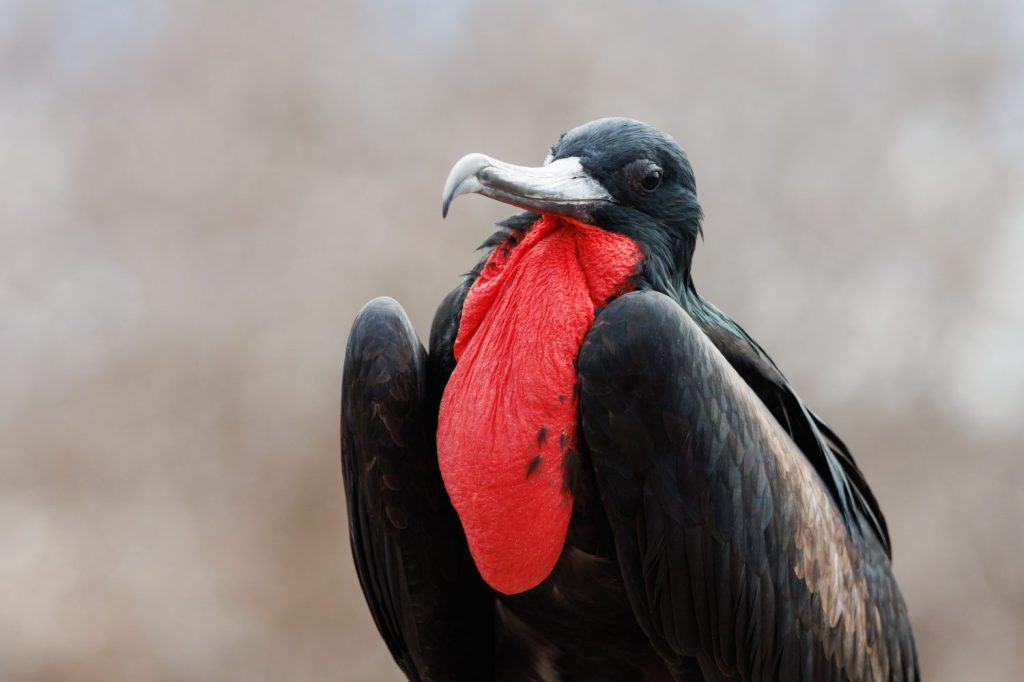
Great frigatebirds have been gifted the nickname “pirates of the sky” because they steal meals from other seabirds. Instead of diving into the ocean to catch fish for themselves, they chase boobies, terns, and tropicbirds through the air until the frightened victim drops its dinner. This thieving-for-food behavior is actually known as kleptoparasitism. Frigatebirds are agile in the air and can make sharp twists and dives for the express purpose of harassing other birds into dropping their catch. Once the fish is released, the frigatebird swoops down and catches it before it hits the water. Although they are capable of catching food on their own, they continue to resort to stealing.
2. Hermit Crab
©jbutcher/Shutterstock.com
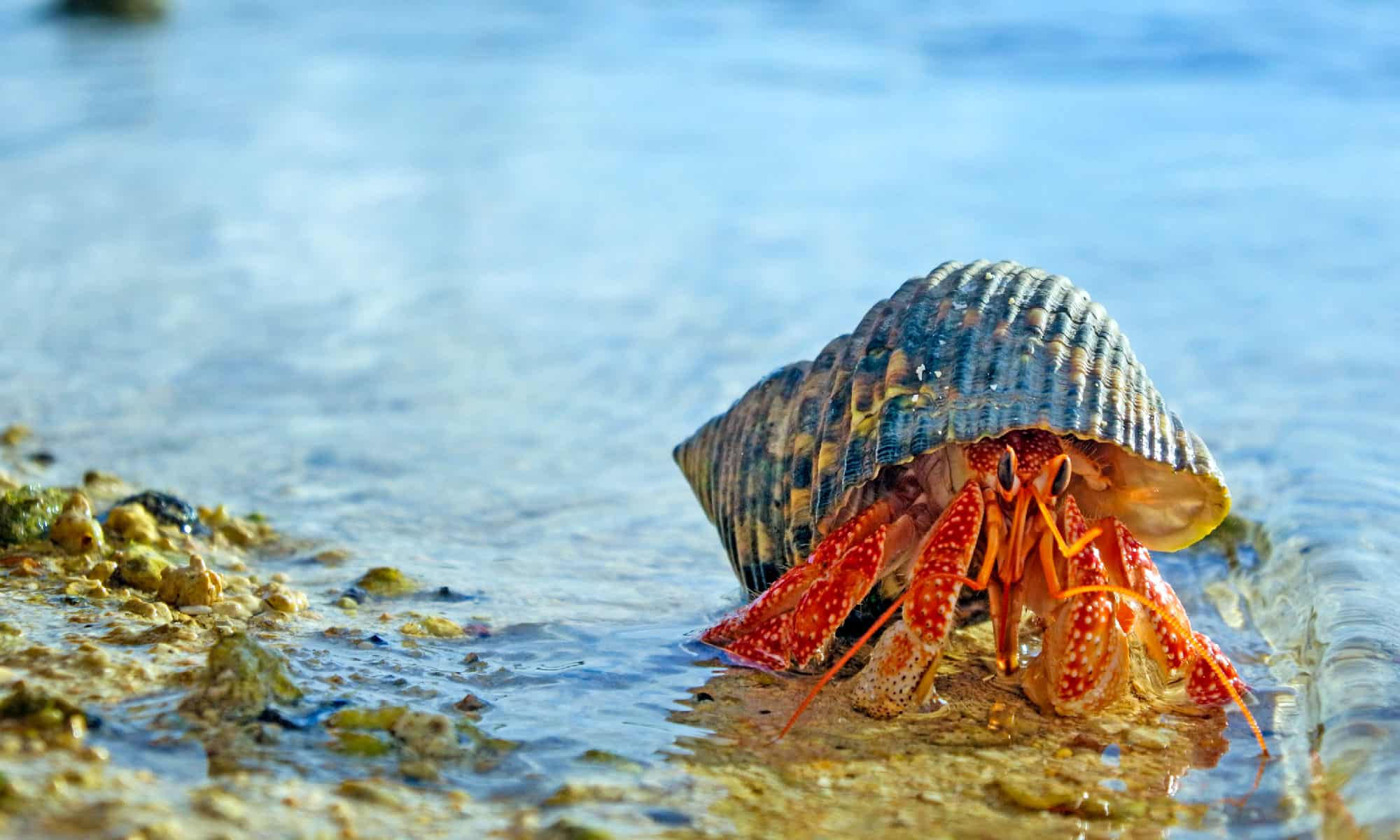
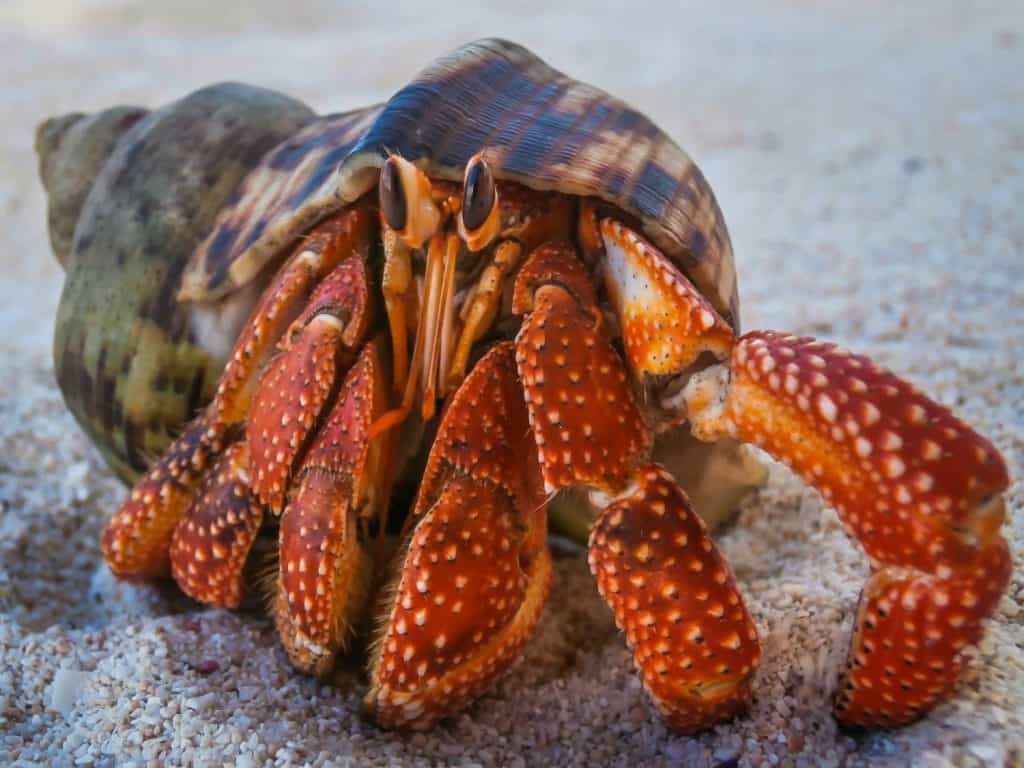
Most hermit crabs spend their lives searching for larger shells as they grow. Sometimes they even take one currently being used by another crab. In fact, if a shell is especially desirable, several crabs might surround its owner and wait for an opportunity to swipe it. In some cases, a larger hermit crab will physically pull a smaller crab from its shell. After the forced eviction, the bigger crab will immediately move in. Because hardy and appropriately sized shells can be tricky to find, competition for the tiny homes is intense. Just like a human home, a good shell offers protection from predators, harsh weather, and dehydration. No wonder shell theft is consistently occurring in the crab world.
3. Eurasian Jay
©Ryzhkov Sergey/Shutterstock.com
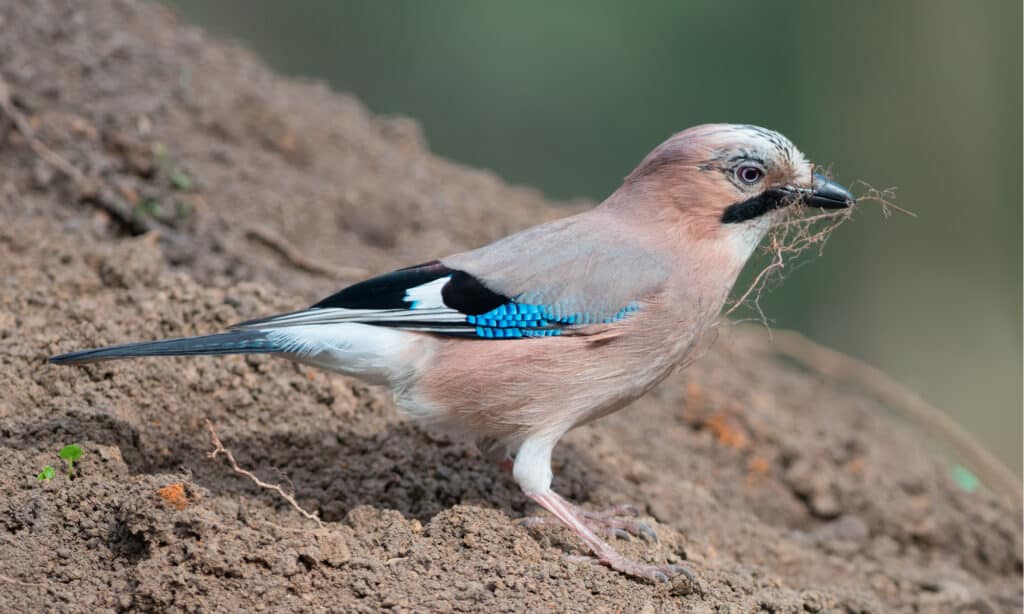
Eurasian jays spend the fall season hiding thousands of acorns for the winter, but they also pay attention to other jays, keeping a close eye on where their neighbors’ hide their nuts. If they witness another bird burying food, they often return later and dig up the morsel for themselves. To strategize against this thieving behavior, jays sometimes dig fake hiding places when they know another bird is watching, just to fool their stalker. Paranoid jays have even been known to move their food to a new location after the observer leaves. Their ongoing game of stealing from each other and outsmarting fellow birds has fascinated scientists for years.
4. Cuckoo Bee
©lego 19861111/Shutterstock.com
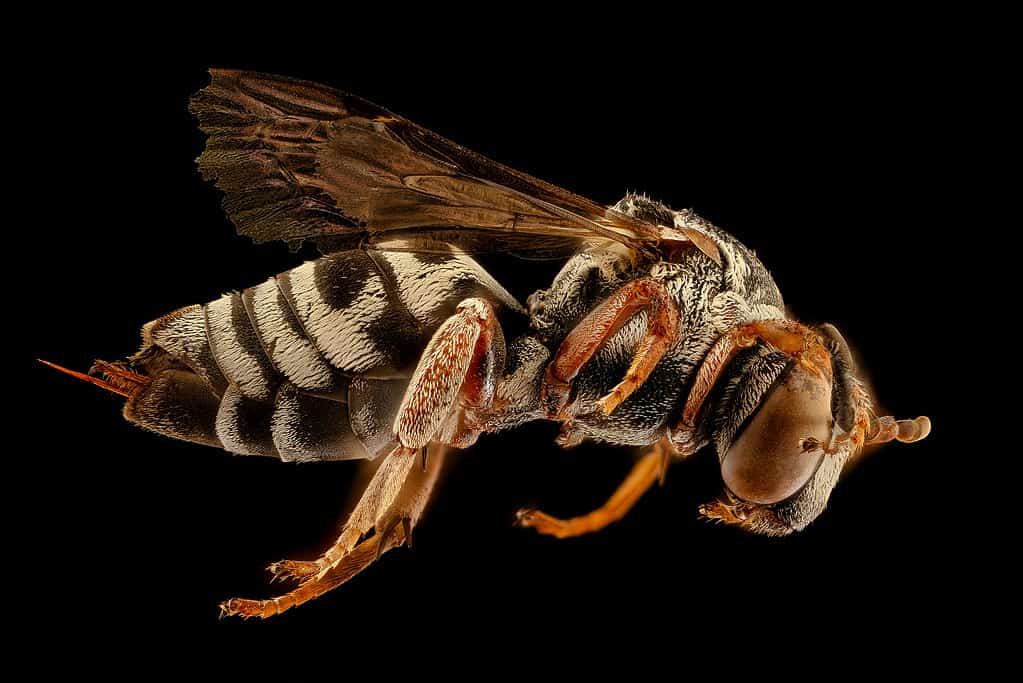
Unlike honeybees or bumblebees, cuckoo bees never build nests of their own. Instead, they sneak into the nests of other bee species and lay an egg inside. When the cuckoo bee larva hatches, it consumes the pollen and nectar that the nest owner collected for its own young. In many species, the cuckoo larva also kills the other developing offspring in the nest, hoarding all of the stored food for itself. Because they rely entirely on taking advantage of the work of other bees, cuckoo bees don’t even collect pollen.
5. Spotted Hyena
©Vladislav T. Jirousek/Shutterstock.com
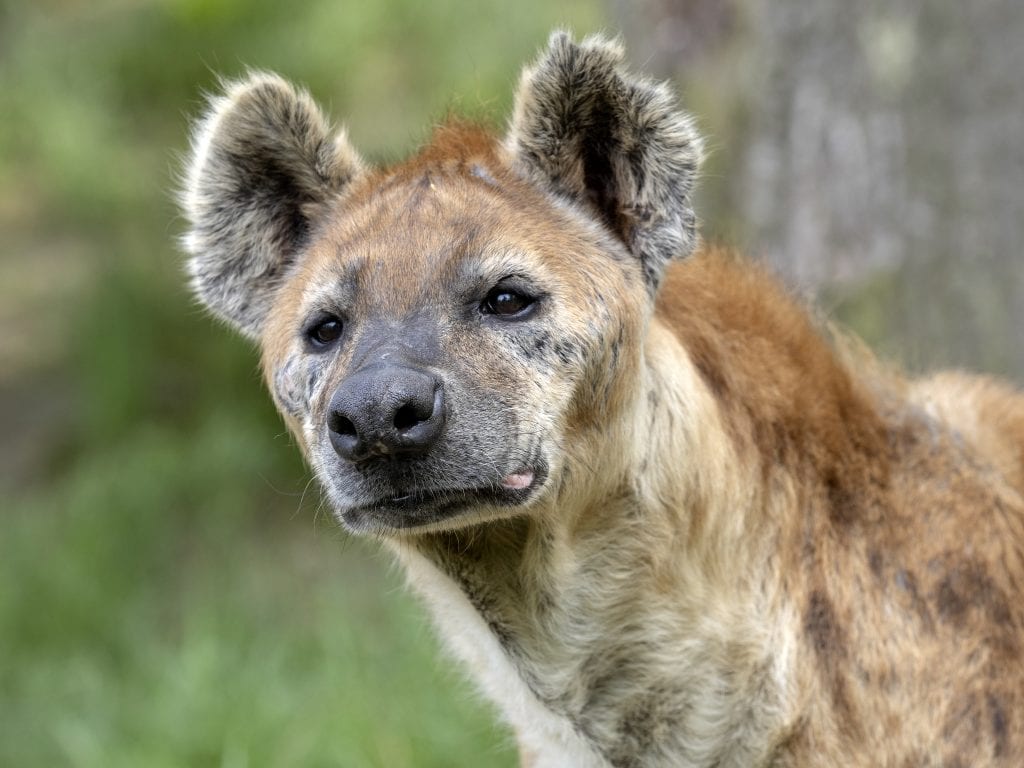
Although spotted hyenas are excellent hunters capable of taking large prey, they are famous for stealing meals from other predators. Lions, leopards, and African wild dogs have all lost hard-fought kills to a determined group of hyenas. In order to take what isn’t theirs, dozens of hyenas work together to surround a predator until the trapped animal is forced to relinquish its meal. And this stolen dinner doesn’t go to waste. Their powerful jaws mean they can consume almost every part of the body, bones included. But hyenas often get a taste of their own medicine, as lions also steal many kills from hyenas.
6. Satin Bowerbird
©Luke Shelley/Shutterstock.com
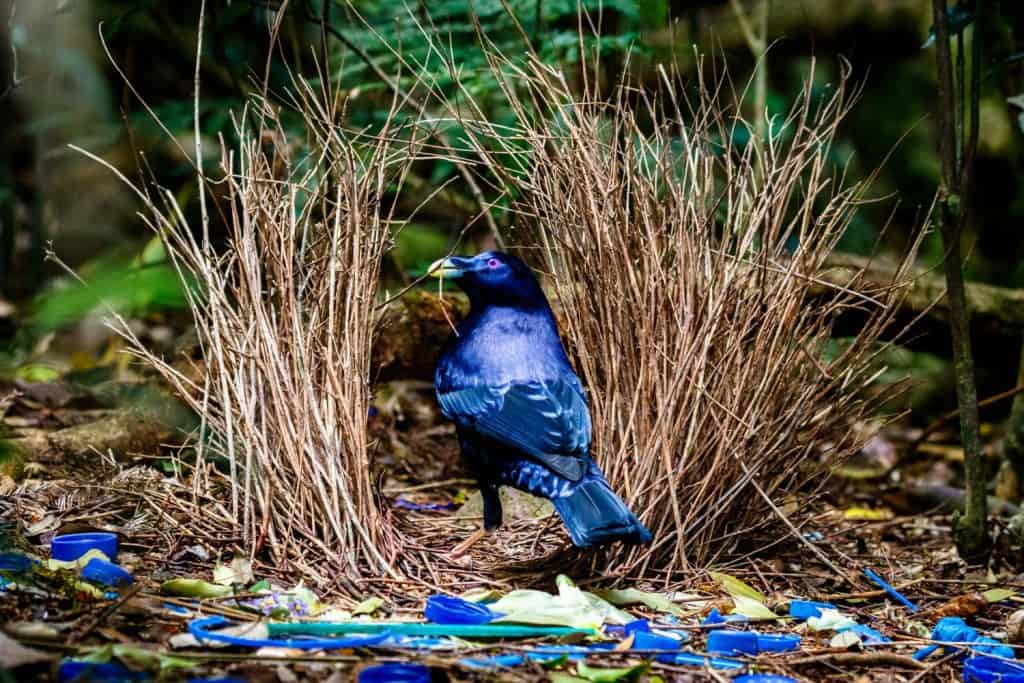
Male satin bowerbirds build display structures called bowers to impress females. They decorate them elaborately, with blue feathers, berries, flowers, bottle caps, and other colorful trash or materials they can find. The problem is that neighboring males are trying to build impressive structures too. And in an effort not to be outdone, they frequently steal worthwhile decorations. Some birds are so competitive that they destroy a rival’s bower before escaping with the best ornament, which they promptly position within their own display. Since females pick mates based on the artistic quality of the bower, every item, stolen or otherwise, can make a difference. The result is an almost comical cycle of decorating, stealing, redecorating, and defending.
7. Red Fox
©Jackie Connelly-Fornuff/Shutterstock.com
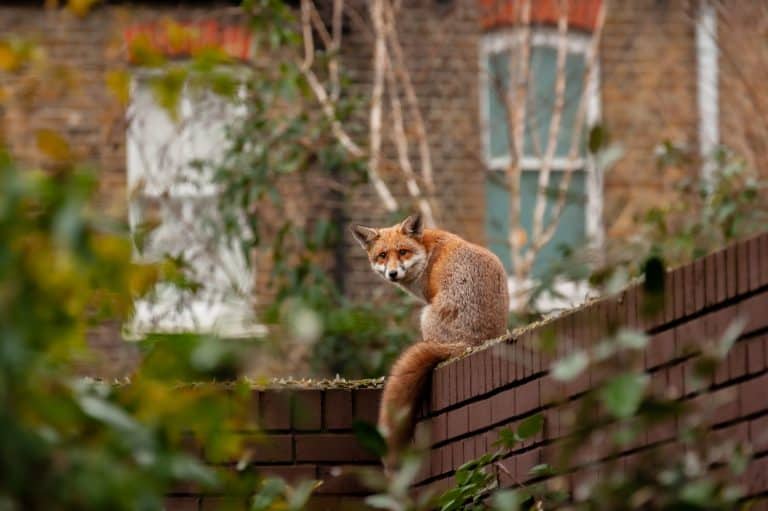
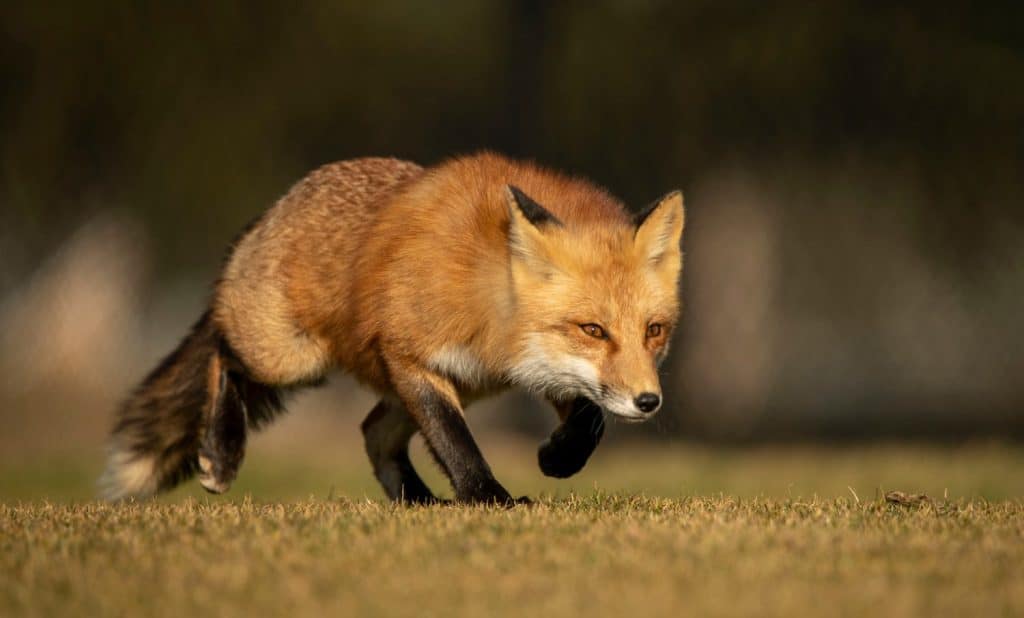
Red foxes are opportunistic thieves that steal food from other animals whenever they have the chance. They raid bird nests for eggs, dig up squirrels’ buried nuts, nab prey caught in traps, and even snatch meals from other predators if they are temporarily distracted. Foxes are called sly for good reason. Around farms and neighborhoods, these conniving creatures have been known to make off with pet food or recently collected eggs. Because they are highly adaptable and willing to consume almost anything, stealing is often the easiest way for them to find a decent meal.
8. Brown-Headed Cowbird
©Jeff W. Jarrett/Shutterstock.com
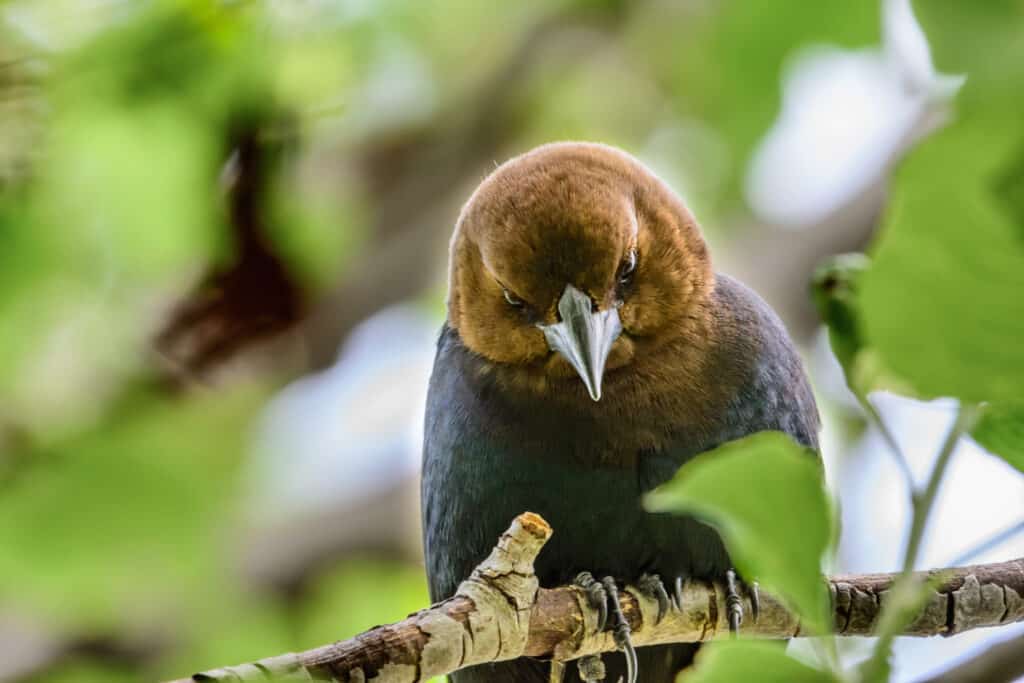
Brown-headed cowbirds never build nests or raise their own young. Instead, females secretly lay their eggs in the nests of more than 200 other bird species. Remarkably, most of the fooled birds never know the difference. These unsuspecting host parents incubate the egg and raise the chick as if it were their own. Additionally, because cowbird chicks hatch earlier and grow faster than the host’s chicks, they receive more food and more attention from mom and dad. Rather than stealing something tangible, cowbirds steal something even more valuable: the time, energy, and parenting skills of another bird.