
Quick Take
- A 17-year biological clock sounds unbreakable, which raises the question of what could possibly be powerful enough to throw it off by years. Explore what disrupts the clock →
- Cicadas survive predators by emerging in the billions at once. See the satiation strategy →
- Emerging years too early sounds like a death sentence, but under one specific scenario, stragglers may actually outlive their on-schedule broodmates. When early emergence helps →
Homeowners across the East Coast and Mid-Atlantic report an unexpected, deafening buzz from periodical cicadas that shouldn’t be here yet. These “stragglers” from Brood II and Brood XXII are emerging years ahead of their main cohorts because of fluctuating spring soil temperatures. Several factors, including climate change, are contributing to this early emergence.
In this article, we speak with a professional about the influx of cicada stragglers, why so many are emerging early, and how early emergence impacts their predator satiation strategy.
What Are Cicada Stragglers?
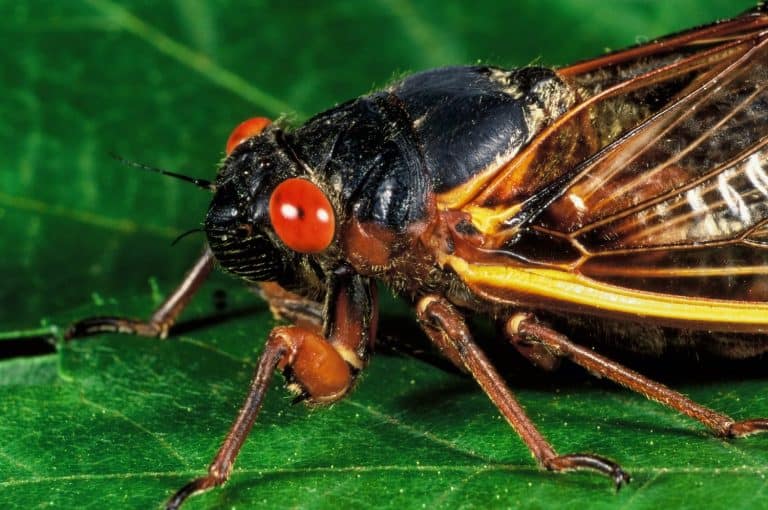
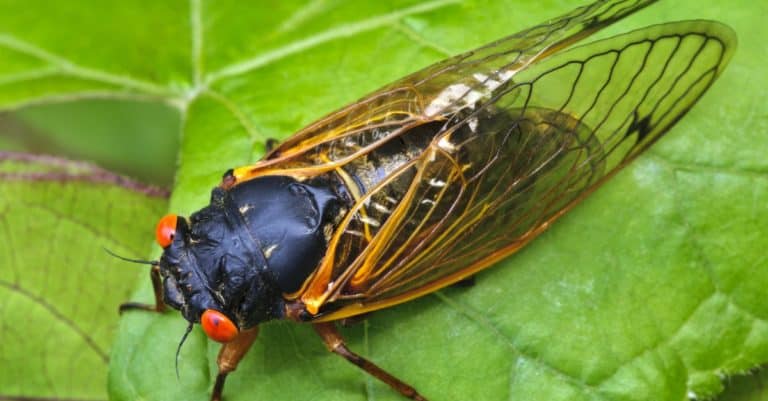
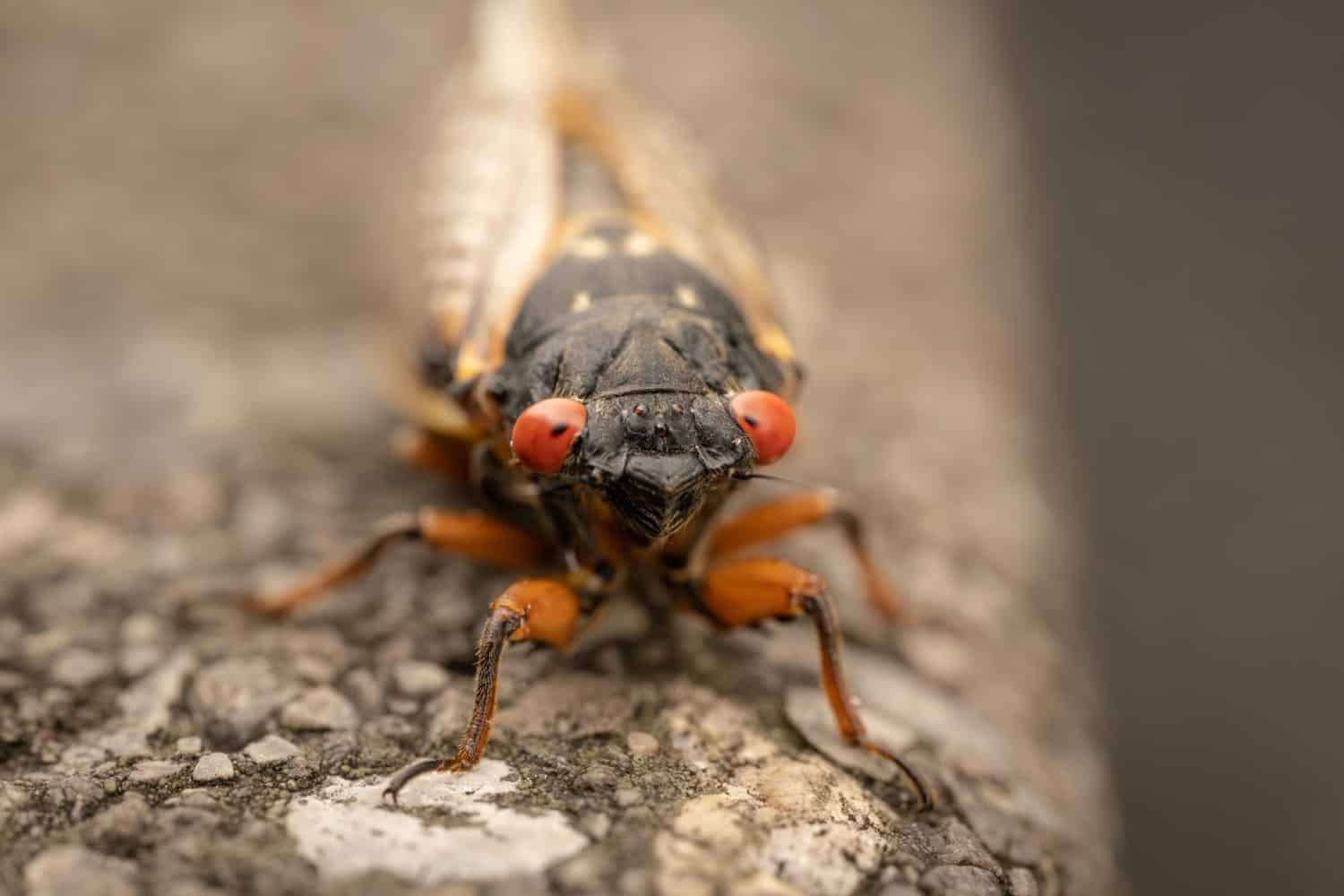
Cicada stragglers are periodical cicadas that emerge earlier or later than the majority of their brood. According to Bob Gilbert, MS, PHE, BCE, Board Certified Entomologist and Staff Entomologist at Blue Sky Pest Control, both early and late emergence are common in cicadas.
“Individuals emerging 1-4 years early or late are termed ‘stragglers’ and can occur for a number of reasons,” Gilbert explains.
Typically, cicadas run on a 13- or 17-year biological clock. However, early emergence, such as that occurring this year, results from environmental stress, changes in soil temperature, and other factors. (More on this below.)
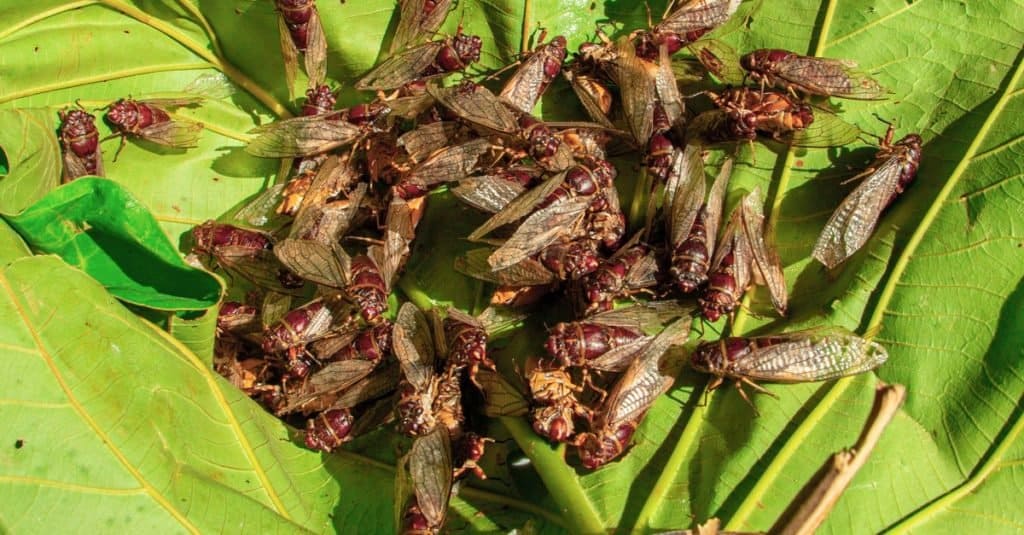
In the United States, cicada broods are identified by Roman numerals based on their life cycle and the years in which they hatch.
©iStock.com/Photour1904
Unfortunately, this can cause issues for the cicadas, as they often rely on synchronized emergence for survival. While most cicadas remain safely underground until their scheduled emergence, some appear too early (or too late). This puts them at a higher risk of being eaten by predators before they can reproduce.
With millions of cicadas still underground, stragglers typically emerge in small, highly localized groups.
Factors Driving Early Emergence
There are several reasons why stragglers might emerge earlier than their cohorts, including misinterpreted environmental cues and stress. When cicadas misinterpret environmental cues, they might emerge early or late, which can affect their chances of survival.
“Droughts, abnormal soil temperature changes, or canopy clearing can influence emergence as it is tied to root sap flow in the trees that cicadas feed on,” says Gilbert.
Even subtle environmental disruptions can alter cicadas’ emergence signals and timing, ultimately disrupting the synchronization of the brood. Experts have already documented straggler sightings this year, which is earlier than expected, with the next emergence occurring in 2027.
“Brood II is due in 2030, and any stragglers emerging now are only 4 years early,” says Gilbert. “Brood XXII is due to emerge in 2027, so again early emergents are within the 1-4 year range of only 1 year early.”

Cicadas typically remain underground for around 13 to 17 years.
©Hank Asia/Shutterstock.com
Many experts blame climate change for directly impacting cicada stragglers by fracturing the synchronized internal biological clocks that protect them.
“Stragglers are commonly responding to drought or other environmental signals,” Gilbert points out. “Climate change can cause reduced rain and thus drought. Other effects can be temperature fluctuations beyond normal ranges triggering emergence. Droughts cause changes in tree root sap flow, as can other environmental factors. Often these factors are exacerbated by persistent elevated temperatures caused by climate change.”
Droughts, abnormal soil temperature changes, or canopy clearing can influence emergence as it is tied to root sap flow in the trees that cicadas feed on.
Bob Gilbert, MS, PHE, BCE, Board Certified Entomologist and Staff Entomologist at Blue Sky Pest Control
How Stragglers Compromise the Predator Satiation Strategy
Now that we understand what’s driving early emergence, it’s time to acknowledge the consequences for these insects.
Cicadas engage in a survival strategy known as predator satiation. There’s a reason they emerge in the millions at the same time: to saturate their predators. Predators simply cannot consume them all at once. That being said, the more cicadas that emerge in the same season or year, the more are able to survive, mate, and reproduce.
Unfortunately, early risers face evolutionary oblivion without their millions of broodmates. When stragglers emerge locally and in small numbers, there’s a higher risk of being eaten by predators.
However, this does not necessarily mean all stragglers will perish. According to Gilbert, in some cases, early emergence can actually be a positive occurrence for the insects.
“Early emergers or ‘stragglers’ do lose the natural protection of the ‘swarm,’” he says. “However, it does allow the overall population to survive in drought situations, as early emergers may survive while regular emergers could suffer from extended drought conditions and possibly increased mortality.”
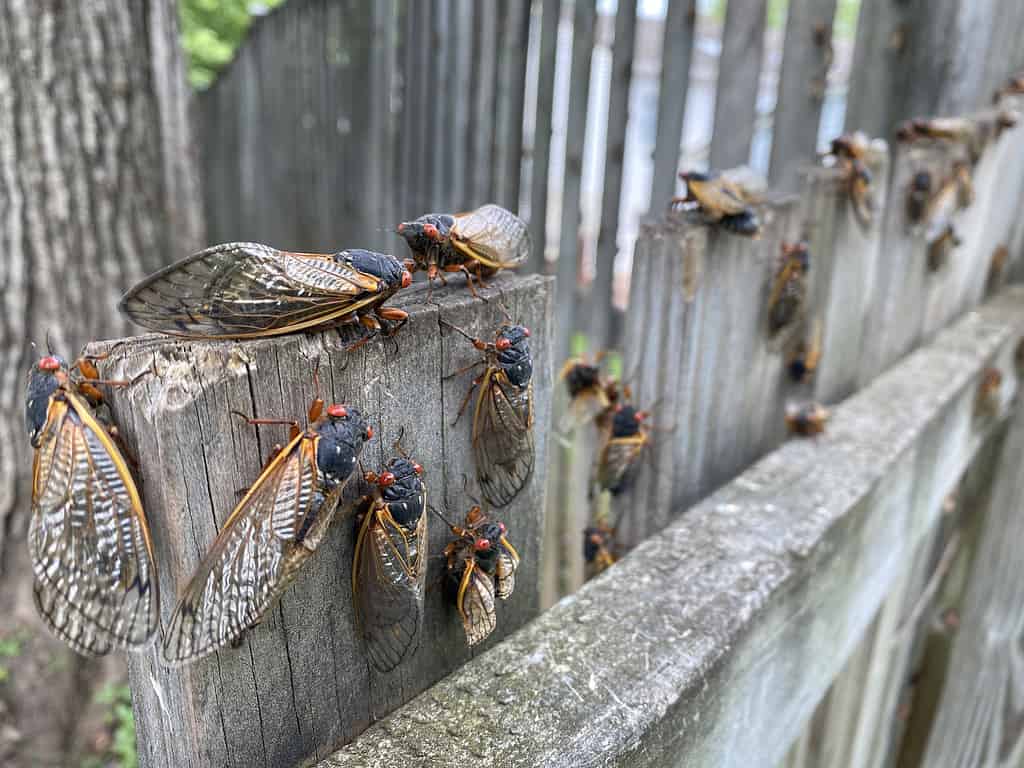
When it’s time, millions of cicadas emerge at once.
©Jeff Herge/iStock via Getty Images
“If a small fraction of the brood emerges three years early due to a drought, they may survive and reproduce while the rest of the brood may suffer severe losses due to plant health if the drought continues to worsen,” Gilbert continues. “If both populations survive and reproduce, this could start a new brood population with a different cycle from that of the original brood.”
Still, cicada stragglers serve as important ecological indicators, revealing potential issues such as rising temperatures, shifting precipitation patterns, and changing environmental rhythms.