
Quick Take
- The animal suffering the worst casualties from bird flu isn't a bird, and the reason why may surprise you. See seal mortality data →
- H5N1 has now reached Australian sub-Antarctic territory, and a single bird species is the likely culprit. Discover the transmission pathway →
- A genetic mutation quietly acquired by this virus strain has scientists more alarmed than the outbreak numbers alone justify. Understand the mutation risk →
- Why do these seal populations keep returning to infected sites, dooming future generations to the same fate? Explore why seals return →
Concerns about avian flu in commercial flocks of domestic birds are only part of a much larger and more devastating issue. While the economic costs are often emphasized, wildlife is paying with their lives. The H5N1 virus is devastating birds even in remote parts of the world, and now mammals are also perishing in huge numbers. We share a new study that discovered that the deadly virus has now reached Australian territory.
Disease Outbreaks in Birds
Severe non-bacterial outbreaks with high mortality rates in domestic birds have been recorded since the late 1800s. Historically, these outbreaks were known as ‘fowl plagues,’ but were not recognized as viral until the 1950s. Then, they were found to be a type of influenza virus.
What we now call ‘bird flu’ is causing outbreaks in poultry in many parts of the world. Avian influenza A(H5N1) is a subtype of the influenza virus. The goose/Guangdong-lineage of H5N1 avian influenza viruses first emerged in 1996 and have been causing outbreaks since. The virus can spread between poultry in commercial flocks, but it also spreads to wild birds, where it can have devastating consequences. And it is not just birds that are suffering.
The H5N1 Global Panzootic
The scientific name for the virus causing the current outbreaks of avian flu is highly pathogenic avian influenza (HPAI) strain H5N1 clade 2.3.4.4b. It has affected wild birds and mammals on every continent except Australia, being passed between wild birds, domestic birds, and mammals.
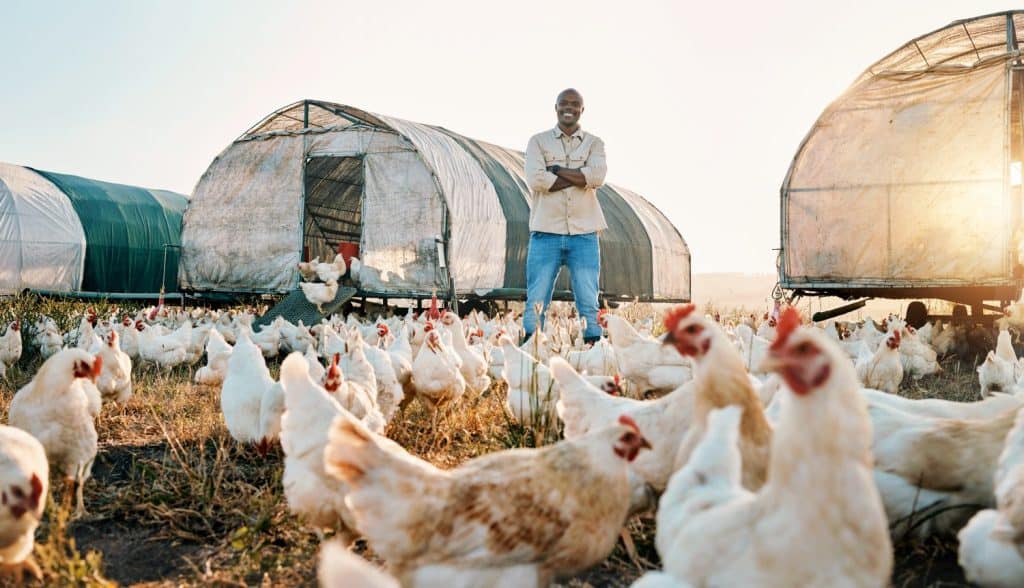
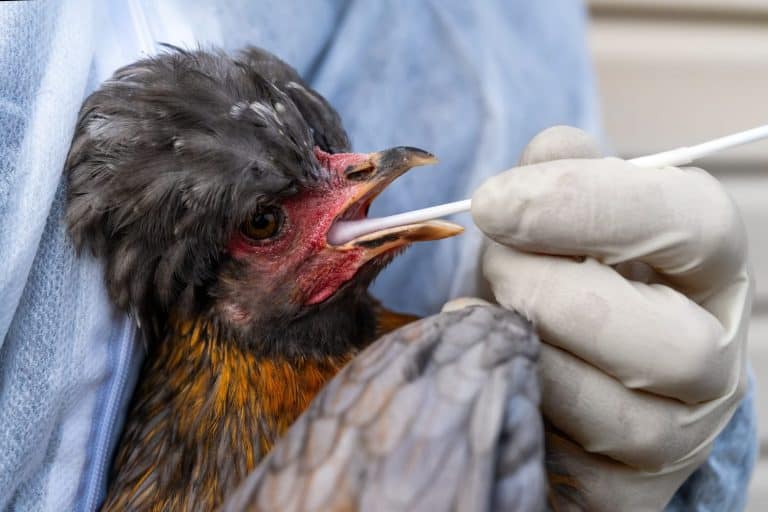
Poultry are not the only birds affected by bird flu.
©PeopleImages.com – Yuri A/Shutterstock.com
Then, in 2022, it spread along the South American coastline, causing widespread mortality in seabirds and, notably, in seals. The increasing mass deaths among seals were a new and very concerning development. In Spring 2023, it spread to the Falkland Islands and South Georgia Islands and then to the Antarctic Peninsula. By 2024, it was on Gough Island, Prince Edward’s Islands (on Marion Island), Crozet Islands (on Possession Island), and on the Kerguelen Islands.
The virus that has reached these Antarctic and sub-Antarctic islands is different from the strains circulating in Europe and North America. However, it is derived from a single virus introduced from North America. Even more concerning is that it has gained some genetic mutations associated with increased adaptation to mammals, raising concerns about the potential for mammal-to-mammal transmission. However, no cases had been reported in Australian territory until recently.
Why the Mammalian Spread of H5N1 Is So Worrying
The Antarctic and sub-Antarctic islands are known for their high-density aggregations of marine mammals and birds. There is a low species diversity and a high degree of endemism, which makes these populations very vulnerable to disease. To make matters worse, these are long-lived species with low reproductive rates, and many of them already have globally threatened and/or declining populations.
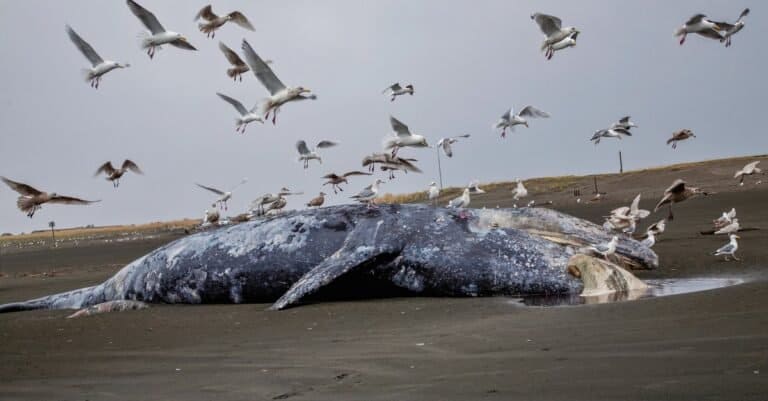
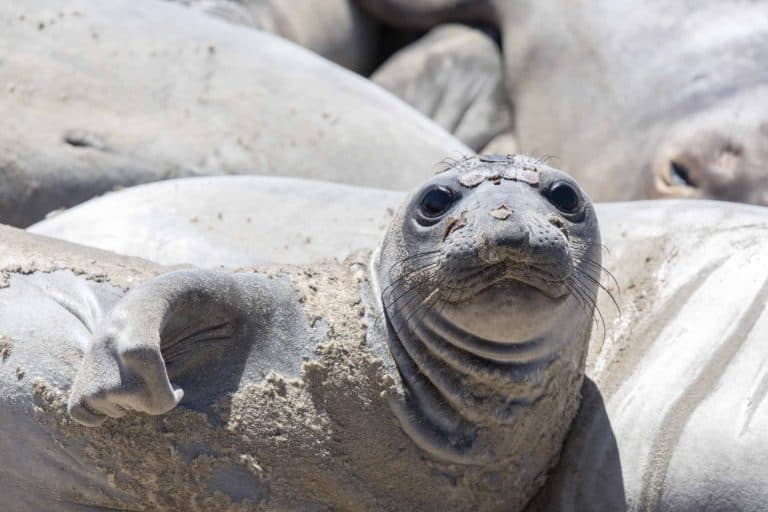
The most severe impact has been seen in southern elephant seals (Mirounga leonina). Some groups of these animals have suffered 96 percent pup mortality; more than 17,000 pups perished. The next year, only a third of the usual number returned to breed.
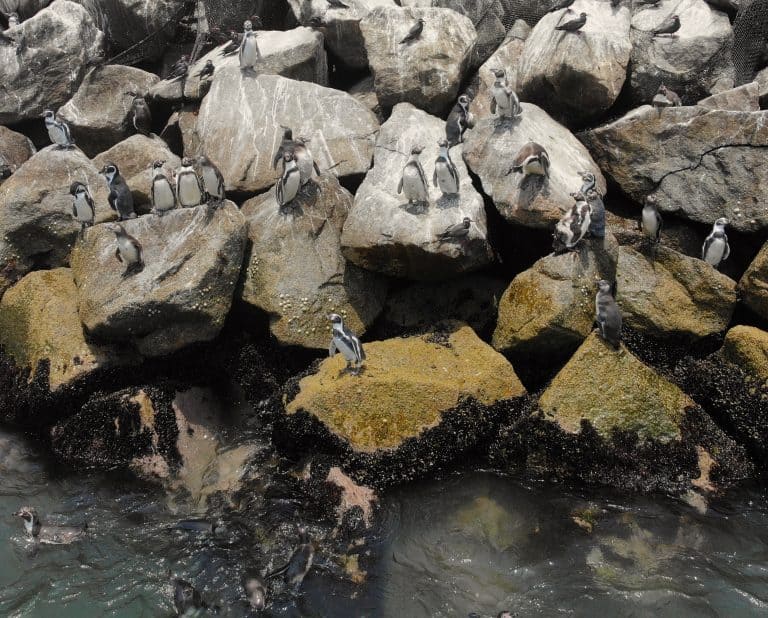
High mortality has also been recorded in brown and south polar skuas (Stercorarius antarcticus and S. maccormicki), snowy (Diomedea exulans) and black-browed albatross (Thalassarche melanophris), king (Aptenodytes patagonicus) and gentoo (Pygoscelis papua) penguins.
Detecting H5N1 on Australian Territory
In October 2025 and January 2026, a team of scientists conducted surveillance for HPAI on Heard Island and McDonald Islands. These are Australian territories located 4,000 kilometers southwest of Australia. Importantly, they are also home to over one million breeding seabirds and seals. The researchers used drone and ground surveys, along with collecting samples from multiple species. Carcass samples were then analyzed for the presence of the HPAI virus.
Finding H5N1 on Heard Island
This study found the panzootic H5N1 virus in samples from southern elephant seals, Antarctic fur seals, gentoo and king penguins, a brown skua, and a South Georgia diving petrel in Australian sub-Antarctic territories.
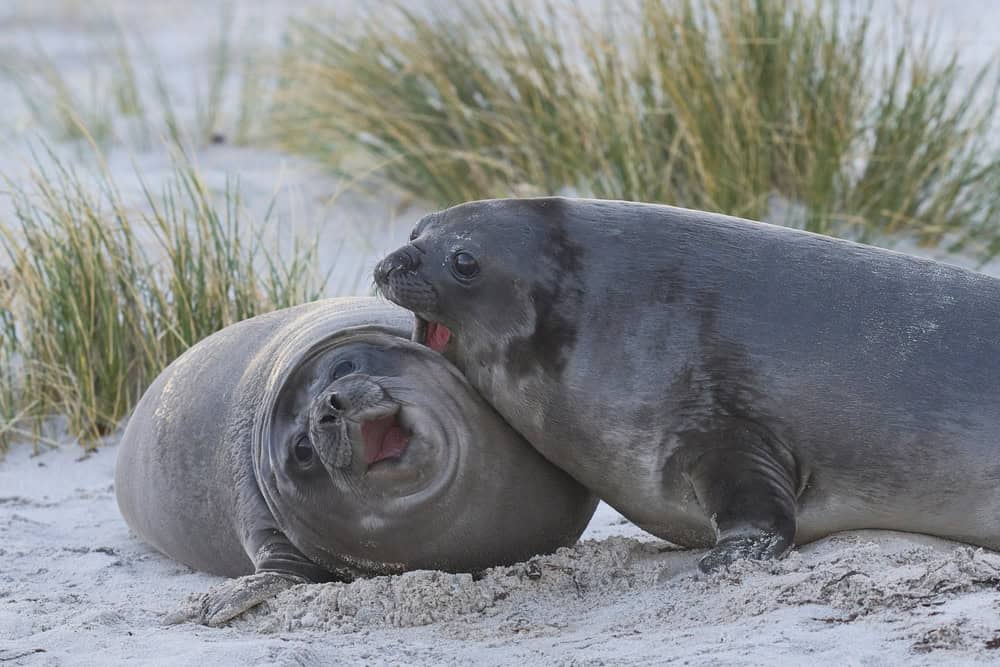
Elephant seals have suffered mass mortalities.
©Jeremy Richards/Shutterstock.com
The researchers also observed mass mortality in elephant seals and elevated mortality in king and gentoo penguins. So how did the virus get here?
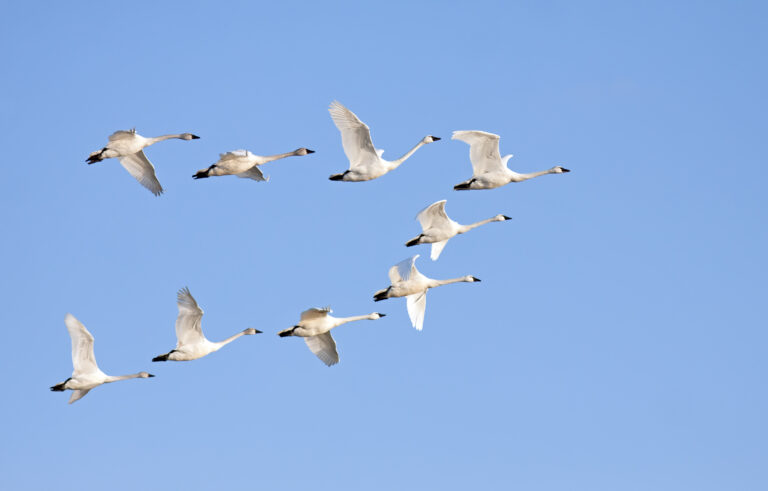
There is evidence that it traveled from the Crozet Islands, meaning that it has the ability to spread across vast ocean basins. The most likely long-distance spreader is a bird called the southern giant petrel. Sadly, this raises the probability that the virus will further spread to Macquarie Island, New Zealand, Australia, and East Antarctica.
Devastating Seal Colonies
The animal most devastated by this strain of bird flu is not even a bird! Mass mortality was only observed in elephant seals. This seal species has been disproportionately impacted by H5N1 compared to other Southern Ocean species. This may be because they congregate in large, dense colonies to breed and molt, creating ideal conditions for disease spread. Young pups are likely to have little or no prior immunity, making them especially vulnerable. Additionally, these seals continue to return to infected sites, which means future generations are also at risk. The future impact on seal populations in other locations is now a major conservation concern.