
Quick Take
- Climate change is devastating wildlife worldwide, yet for one Alberta animal, rising temperatures are unlocking a surprising competitive edge. See the competitive advantage →
- Scientists tracked beavers for nearly two decades and found a precise, almost mechanical link between temperature and behavior. The numbers are striking. See the temperature data →
- Beavers spend months sealed inside frozen ponds in near-total darkness, and the reason their lodges don't kill them defies what most people expect about winter survival. Explore the winter lodge science →
- Beavers engineering wetlands sounds like an environmental win, but it isn't always, and wildlife managers are already racing to get ahead of the fallout. See the management challenges →
Climate change has altered the way many animal species live today. Some have fared better than others and are even using warmer temperatures to their advantage.
This is the case for beavers living in southern Alberta. Beavers are getting to work sooner than ever before as rising temperatures encourage them to leave their winter lodges. While this does not seem to negatively impact the beavers, it could lead to increased conflict between beavers and humans—an issue wildlife managers will need to address proactively.
Beavers Are Emerging from Ice Homes Earlier Than Ever
Beavers have been a staple of aquatic habitats in southern Alberta for thousands of years. Every year, they habitually prepare for winter by building or securing their lodges and foraging for food to sustain them over the winter. After disappearing for months, beavers typically emerged around April 1 as temperatures steadily climbed.
According to a new study published in Global Change Biology, beavers are abandoning their winter lodges earlier than at any other time in history. Researchers state that this is directly related to climate change, which causes winters to be milder and shorter.
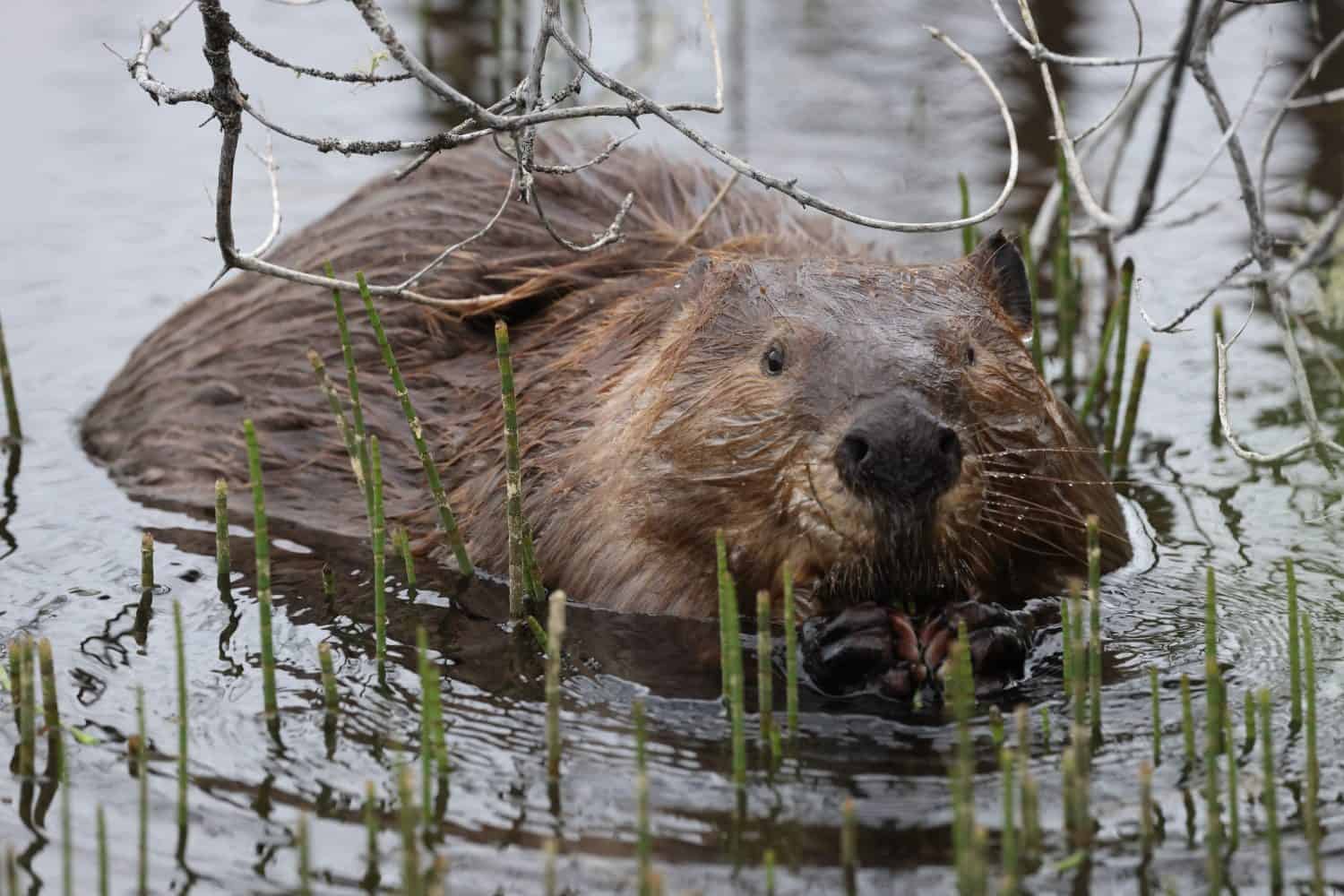
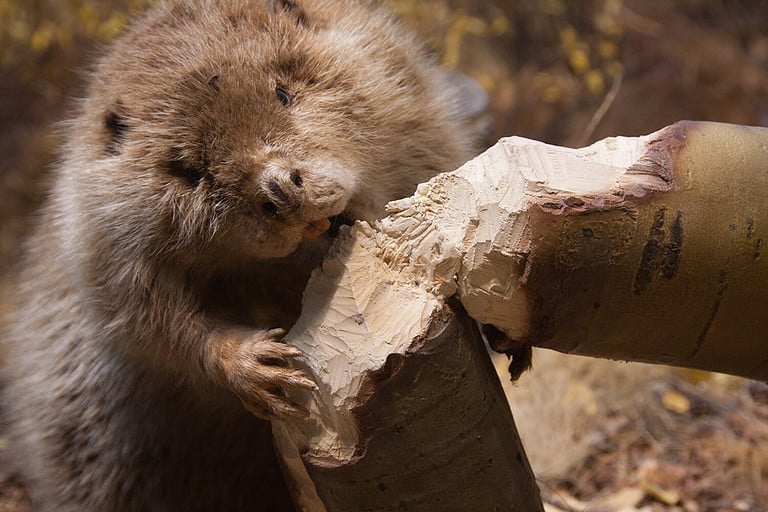
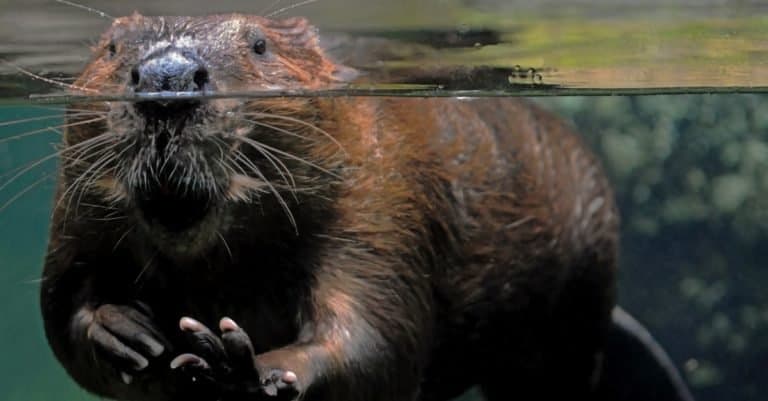
Beavers are emerging from their winter dens far earlier than ever before.
©Frank Fichtmueller/Shutterstock.com
To determine why beavers were leaving their lodges early, beavers living in Miquelon Lake Provincial Park were studied from 2008 to 2025. Researchers noted when the beavers first appeared after their winter retreat from the cold, and whether factors such as temperature, ice buildup, or rain influenced their emergence.
What researchers found was that for every 1 °C (1.8 °F) increase in temperature, beavers would leave their lodges six days earlier.
According to Glynnis Hood, an ecologist and co-author of the study associated with the University of Alberta, the weather patterns observed during the study indicate that beavers are not only emerging from their dens earlier but also entering them later.
“It’s indicating warmer summers and more droughts,” Hood stated in a news release, “which will result in earlier emergence dates and shorter periods living under the ice.”
What was observed for nearly two decades points to what is becoming the new normal for beavers, rather than an anomaly. Climate change has caused a global rise in temperatures, and this is one of the implications. Whether it will ultimately be a positive or negative for southern Alberta beavers remains to be seen.
Why Do Beavers Live Under the Ice During the Winter?
In southern Alberta, winters can be quite cold. Water sources can freeze over, and the air temperature can be downright frigid. To combat this and to ensure they have enough food for the winter, beavers turn to living under the ice as temperatures plummet.
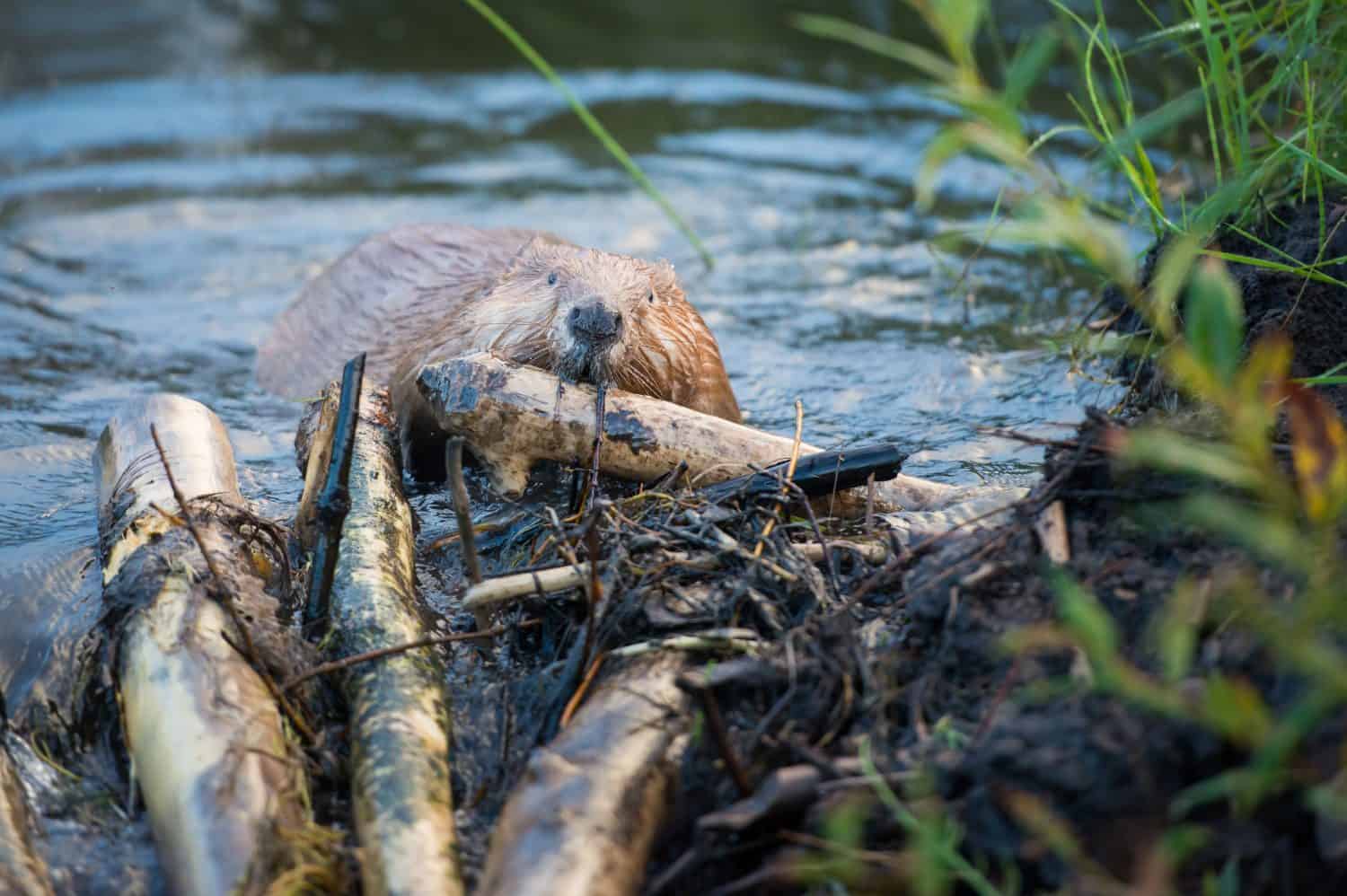
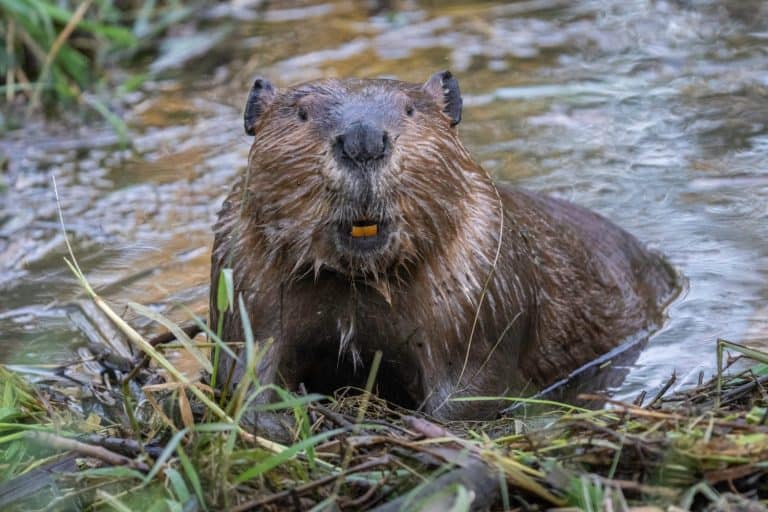
Beavers construct dens to protect against the winter cold.
©Ghost Bear/Shutterstock.com
Beavers build lodges just below the surface of ponds or wetlands. These structures are sealed off from the outside cold, except for a small air hole. As a result, beavers live in near darkness during the coldest part of the year. However, when the outside temperatures are between 19°F and -6°F, the lodge will remain significantly warmer at 32°F.
The lodge is warmer than the water that beavers must enter daily to access their food supply. While the surface of the water is frozen, the water below remains liquid. However, the water is frigid, with temperatures fluctuating between 32°F and 24°F. By sealing themselves off from the cold and living partially underwater during the winter, beavers are able to survive the harsh conditions. Without their lodge and thick layer of fat, winter would be unbearable for beavers, and many would likely not survive.
Warmer Temperatures Mean More Time for Beavers to Prepare
Beavers will begin to prepare for winter in October and November. The process is quite an undertaking, as beavers need to build and fortify structures not only to keep them warm but also to supply them with food when it becomes scarce.
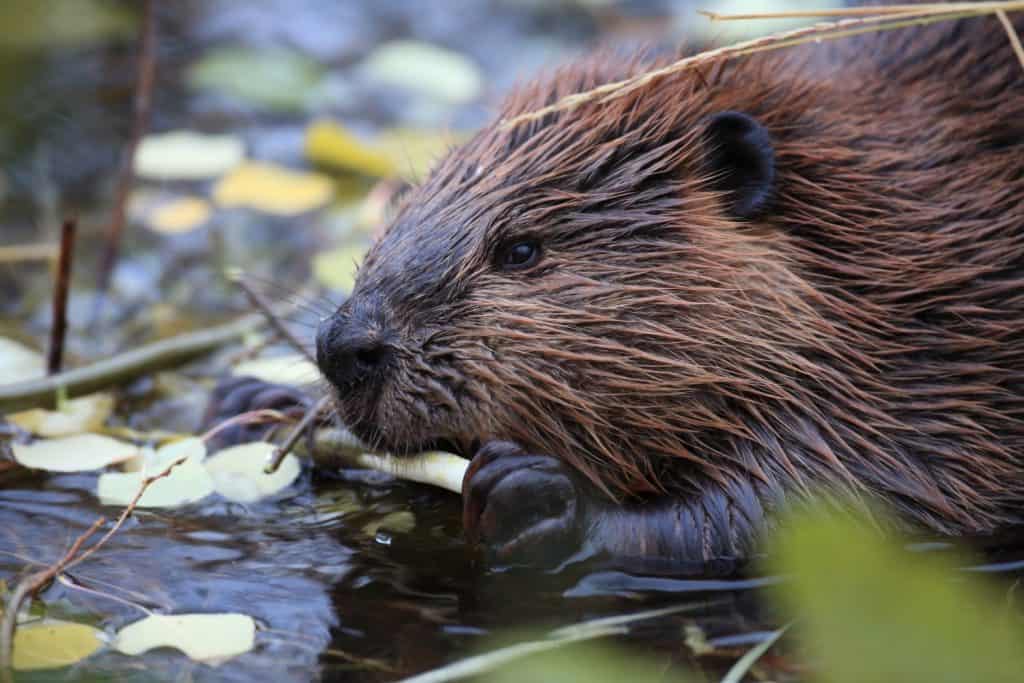
As the weather remains more temperate for longer, beavers have more time to prepare for winter.
©Frank Fichtmueller/Shutterstock.com
With temperatures warming, beavers are being given more time to forage and stock their food supply. The extra time is beneficial for beavers, who need to accumulate between 1,500 and 2,500 pounds of twigs, leaves, bark, and more for a colony of beavers to survive the winter.
Beavers also have more time to build up their fat reserves before winter. By creating a substantial layer of fat, beavers can retain body heat and avoid getting cold when diving daily to their underwater food storage. From the beavers’ perspective, a shorter winter season provides substantial benefits and few, if any, drawbacks.
More Human-Beaver Conflict is Anticipated Thanks to Climate Change
Beavers are a keystone species responsible for engineering the ecosystems in which they live. Most notably, they can turn ponds and streams into wetlands. This transformation is beneficial for the environment, as it creates biologically diverse habitats. These habitats create groundwater reserves, prevent erosion, and provide carbon storage, all while being nutrient-rich for the insects, mammals, birds, fish, and amphibians that call the wetlands home.
However, there are times when beaver activity is destructive. Dammed waterways can cause flooding of farmland, and downed trees can block culverts. This has led some in southern Alberta to take matters into their own hands and illegally remove beavers from their habitats.
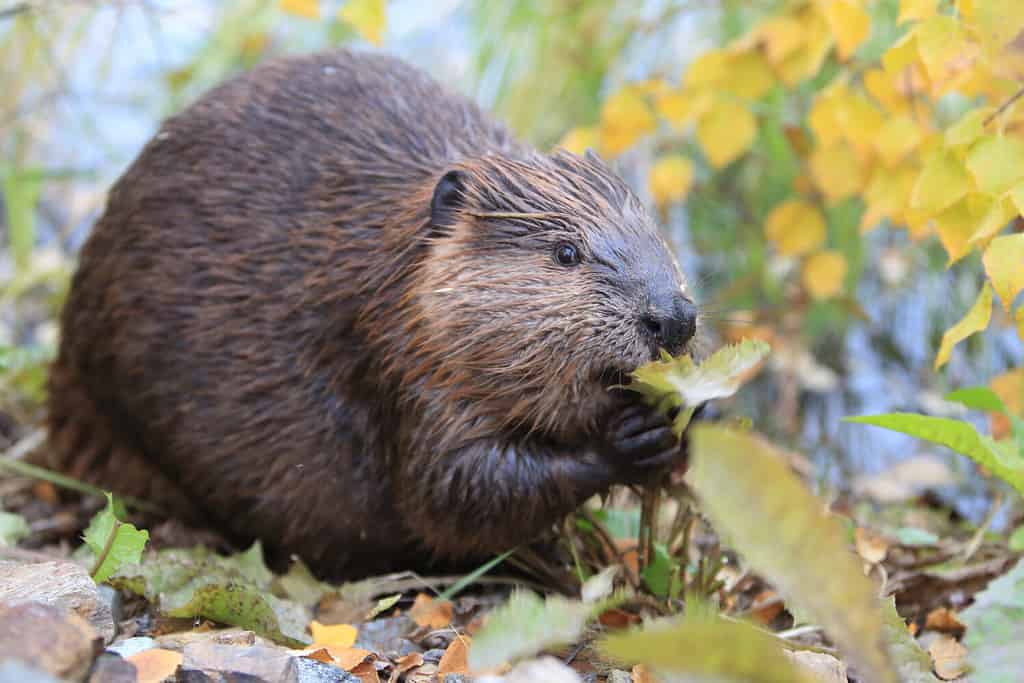
With beavers remaining active longer, there are concerns that more human-beaver conflict will result.
©Frank Fichtmueller/Shutterstock.com
To mitigate the human-beaver conflict, a pilot project was launched in 2025 to relocate beavers from areas where they were damaging infrastructure and property to waterways that needed assistance. Because beavers are staying active later into winter and emerging earlier in spring, programs like this may be necessary to prevent additional human-beaver conflicts.
Currently, beavers are acclimating to the warmer temperatures in southern Alberta. Where others have moved toward the Arctic in search of colder weather, these beavers have remained. This has not come without inconveniences to landowners, however. Therefore, to maintain harmony between people and beavers, the study suggests that wildlife managers will need to intervene. Without such action, the future for beavers in southern Alberta remains uncertain.