
Quick Take
- A swallowed cicada can still buzz inside its predator, but there is a specific biological reason that silence eventually wins. Why silence wins →
- Frogs have almost no teeth, and that's actually what makes them surprisingly dangerous to large prey. See how toothless frogs hunt →
- Even a cicada's armor-like mandibles and wings can't protect it once it's inside a frog. Here's why. Inside the frog's stomach →
- Cicadas emerging by the thousands aren't just loud. Their sheer numbers trigger a feeding strategy in frogs that makes individual hunting almost irrelevant. How mass emergence changes feeding →
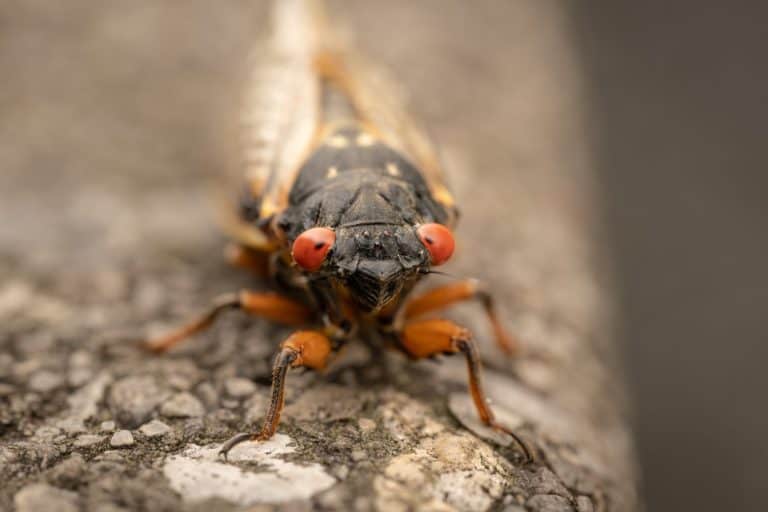
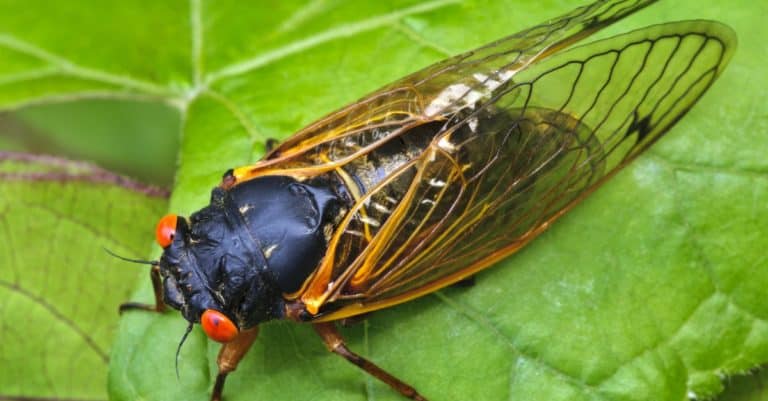
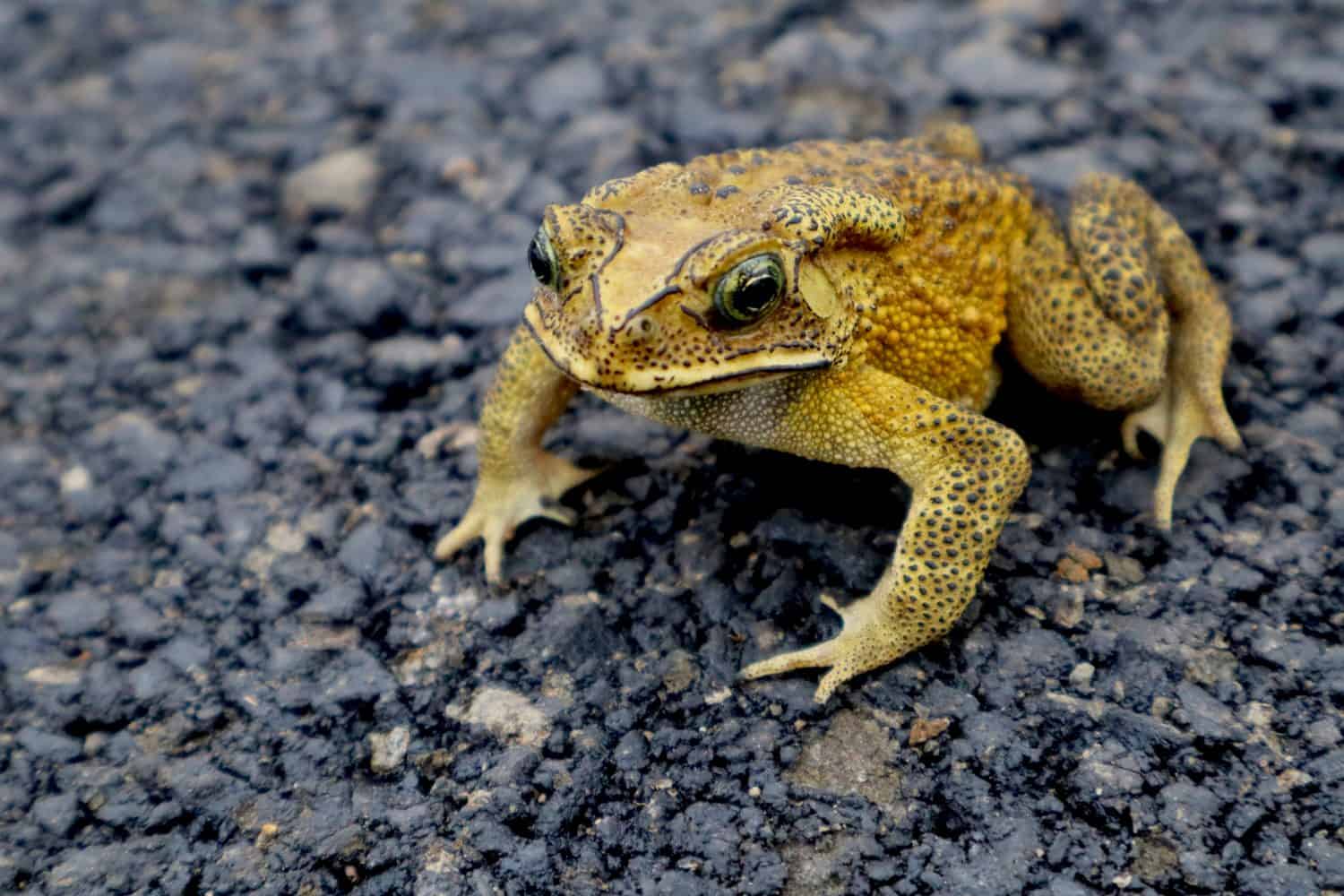
Cicadas are some of the noisiest bugs on the planet and are also some of the frogs’ favorite food. Because frogs eat cicadas alive, in a quiet enough place, you can sometimes hear the cicada buzzing from inside the frog’s stomach. This can be both freaky and fascinating at the same time. This Instagram post by @gechenlei027 shows his pet Asian common toad eating a live cicada and the noise it makes inside the toad’s stomach.
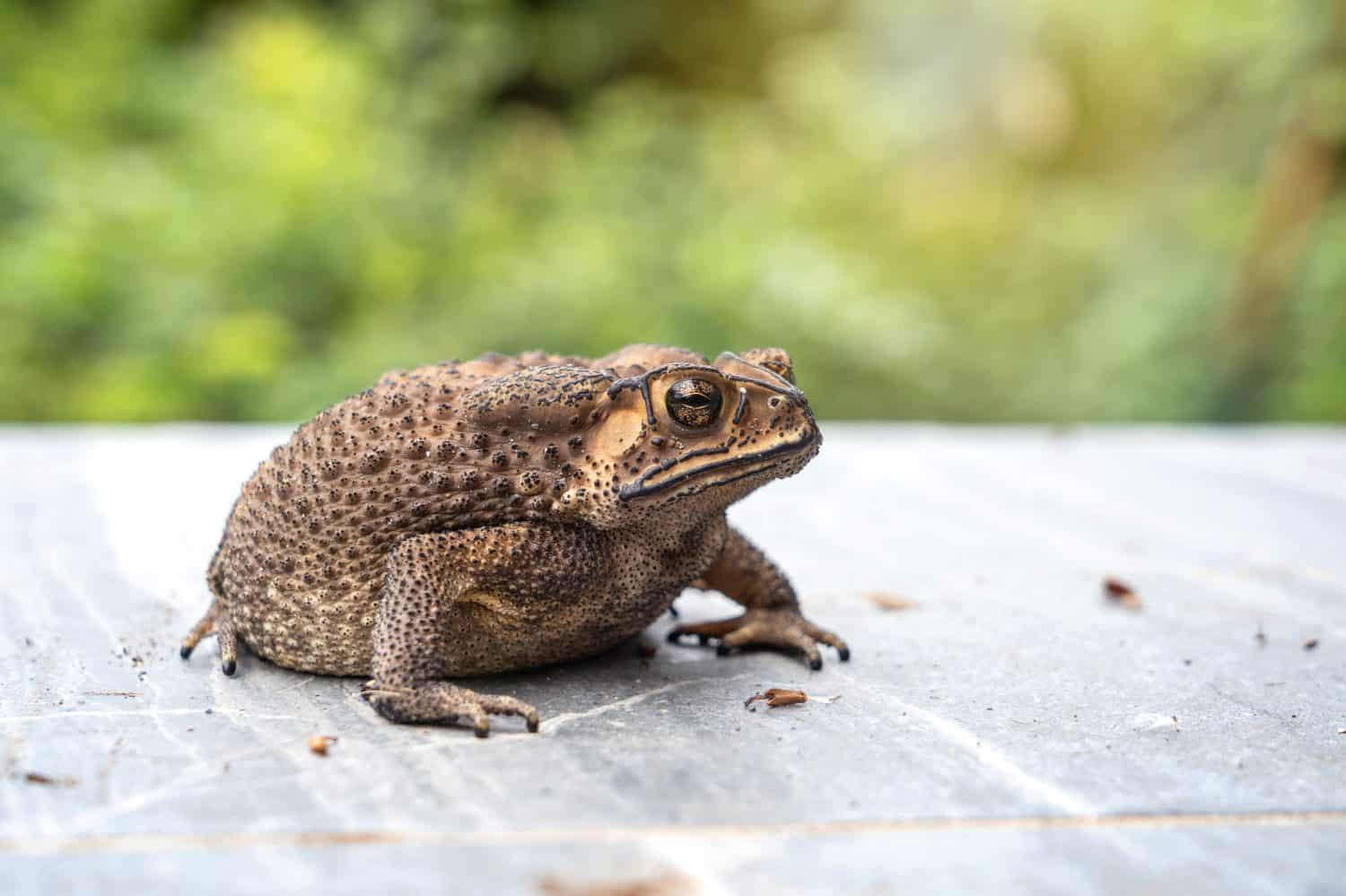
Image: Ton Ponchai, Shutterstock
©Ton Ponchai/Shutterstock.com
How Frogs Eat Their Food
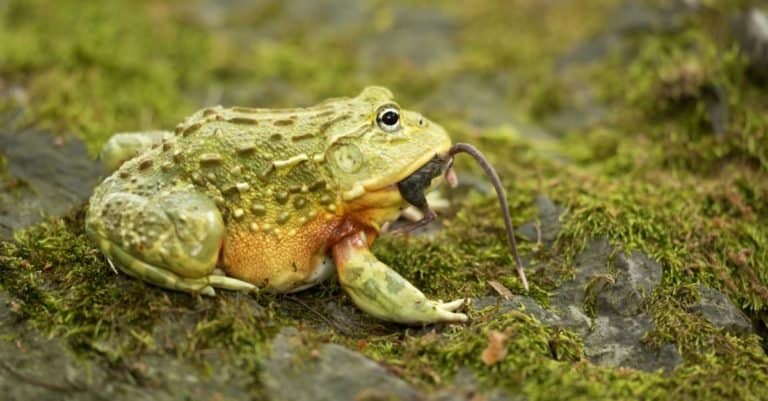
The video above is pretty freaky as the frog eats a live cicada that continues to buzz inside its stomach. The idea of having your food still moving inside you after you’ve already eaten it can sound almost scary. However, frogs are accustomed to this sensation. Frogs and toads have very few teeth, if any at all, meaning that their mouths are meant to hold instead of chew prey. When they eat, they grab their prey with their sticky tongues and quickly swallow it whole. So even large prey like cicadas can be eaten quickly if they cannot fly away in time. However, due to the lack of oxygen and the presence of stomach acid, the cicada will quickly become immobile, no matter how much it may buzz around. Even the cicada’s piercing mouthparts and strong wings are unable to damage the tough lining of the frog’s digestive tract.
Frogs are opportunistic predators that make the most of what they can get and eat practically anything they can fit in their mouths. This includes beetles, cockroaches, crickets, spiders, and even small mice if the frog is large enough. Cicadas, while not a daily food source, are an ideal meal for frogs when available. When cicadas emerge, they do so in the millions — up to 1.5 million per acre. This abundance of cicadas is the perfect opportunity for frogs to fill their stomachs. They also provide a relatively large, nutrient-rich meal compared with many smaller insects.