
Quick Take
- Summer is ideal for birdwatching in Colorado because migratory birds are active, visible, and vocal, making sightings more frequent and rewarding.
- Colorado offers exceptional summer birding because of its diverse habitats.
- Key locations like Rocky Mountain National Park, Barr Lake, and the eastern plains provide easy access to both common and rare birds during peak breeding season.
There are many reasons why people add birdwatching in Colorado to their bucket lists. As snow retreats from high elevations and wildflowers bloom across valleys and meadows, birds surge into view—breeding, feeding, and singing in one of the most ecologically diverse states in the U.S.
Colorado hosts more than 400 bird species, giving birders a remarkable range of habitats to explore in a single trip. What makes summer especially magical here is accessibility. Roads open into the high country, migratory species settle into breeding territories, and even casual nature lovers can encounter vivid, memorable birds without needing expert-level skills. Whether you’re hiking through mountain forests or strolling along a lakeside trail, Colorado offers some of the most rewarding warm-weather birding in North America. Here are a few places to check out during your next visit.
Rocky Mountain National Park
Few places capture the drama of birdwatching in Colorado like Rocky Mountain National Park. Rising from montane forests to windswept tundra, this iconic landscape offers one of the widest elevation gradients in the country, and with it, an extraordinary diversity of birds.
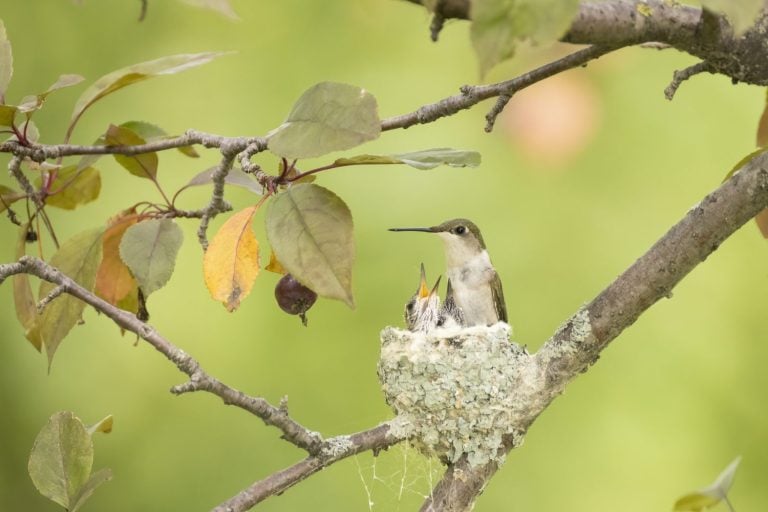
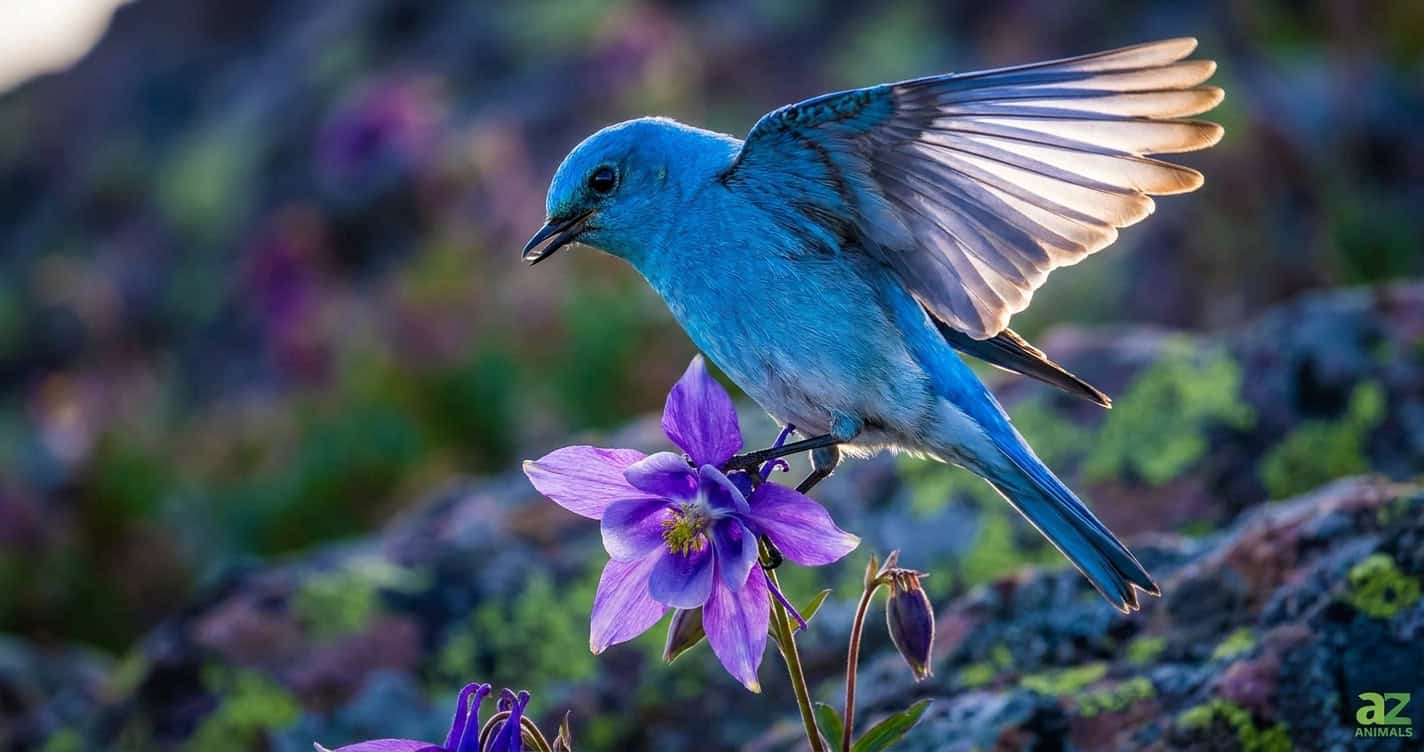
Summer is the prime season here. Snow lingers well into spring, but by June through September, trails open and birds become lively and active. Lower elevations around Moraine Park host species like the western tanager, mountain bluebird, and broad-tailed hummingbird.
What makes this park special isn’t just the species list, but also its setting. Watching a Clark’s nutcracker glide across a jagged skyline or hearing the song of a solitary warbler echo through a pine forest creates a sense of immersion that few birding destinations can match.
San Luis Valley
The San Luis Valley is one of the state’s most important birding regions. Its mix of wetlands, agricultural fields, and open landscapes creates an ideal habitat for large, visible birds. This makes it perfect for both beginners and experienced adventurers who enjoy birdwatching in Colorado.
Summer here is quieter than the famous spring crane migration, but it’s still rich with activity. Sandhill cranes often linger or pass through, and wetlands attract waterfowl, shorebirds, and wading birds. Nearby refuges and lakes provide excellent opportunities to spot cinnamon teal, American avocets, and various herons.
The appeal of the San Luis Valley lies in its vastness. The wide-open vistas make it easier to scan for birds, and the abundance of wetlands concentrates wildlife in predictable areas. It’s also a place where you can witness a range of bird behaviors, from feeding to nesting, in a way that feels intimate despite the expansive surroundings.
Barr Lake State Park
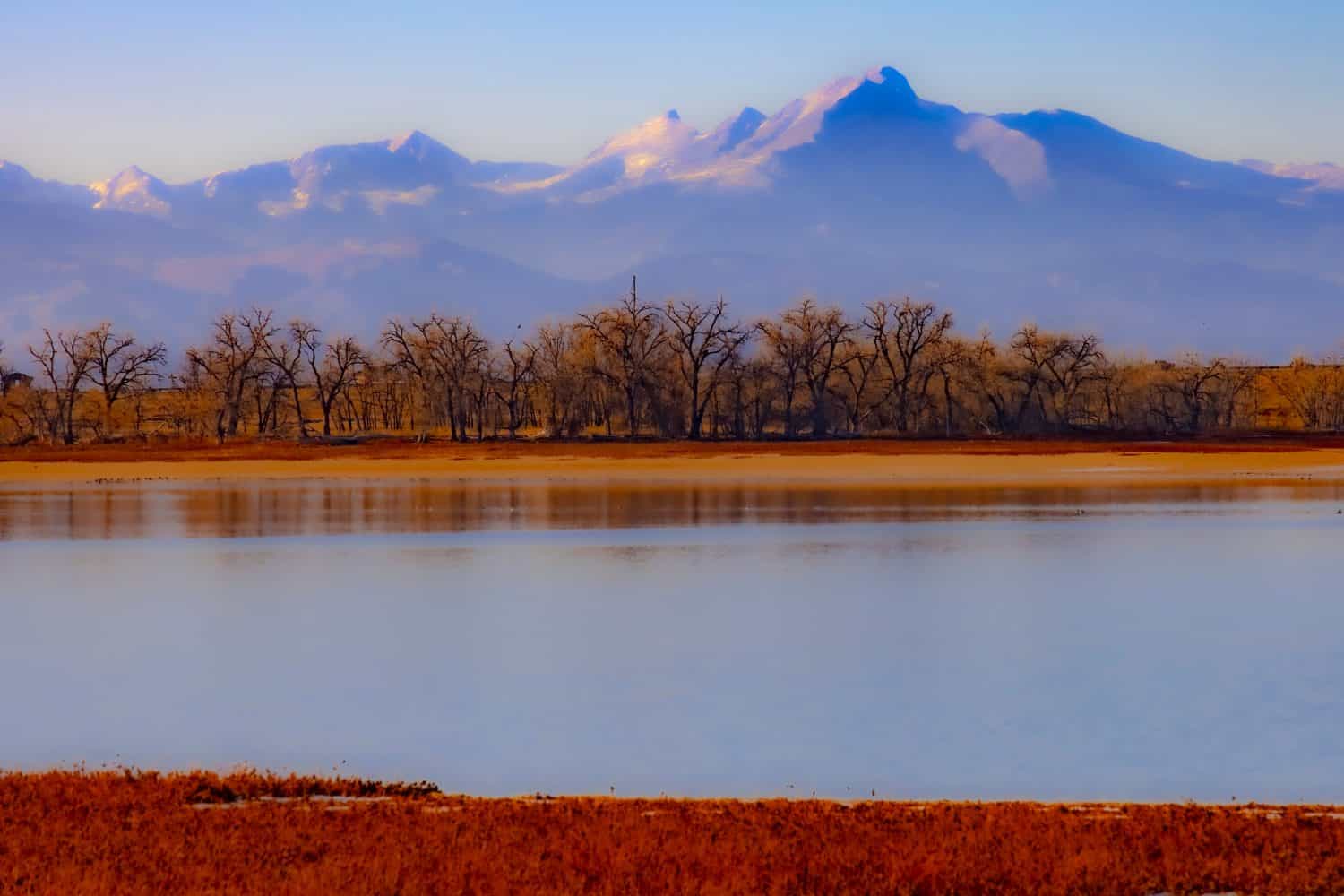
Barr Lake State Park offers various landscapes for your birdwatching adventures
©Danita Delimont/Shutterstock.com
Barr Lake State Park is widely regarded as one of the top places to go when birdwatching in Colorado. Its accessibility, combined with an impressive diversity of species, makes it an ideal destination.
The lake and surrounding marshes attract a wide range of birds, including bald eagles, ospreys, pelicans, herons, and songbirds. The flat trail looping around the lake allows for easy exploration, and strategically placed observation points let you spot birds without extensive hiking.
Summer is especially rewarding because nesting activity is in full swing. You might see young birds learning to fly, parents gathering food, or territorial displays along the shoreline. With hundreds of species recorded here over time, it’s a place where every visit feels different and where even a short walk can yield memorable sightings.
Rocky Mountain Arsenal National Wildlife Refuge
Another standout near Denver is the Rocky Mountain Arsenal National Wildlife Refuge. This surprising oasis sits within a metropolitan area but feels worlds away, offering grasslands, wetlands, and lakes that attract a wide variety of birds.
In summer, the refuge comes alive with breeding species. Burrowing owls nest in prairie dog colonies, while waterbirds and shorebirds gather around the lakes. Hawks and eagles frequently patrol the skies.
What makes this location unique is its accessibility. A wildlife drive loop allows visitors to observe birds from their vehicles, making it an excellent option for families or those with limited mobility.
Gunnison Basin
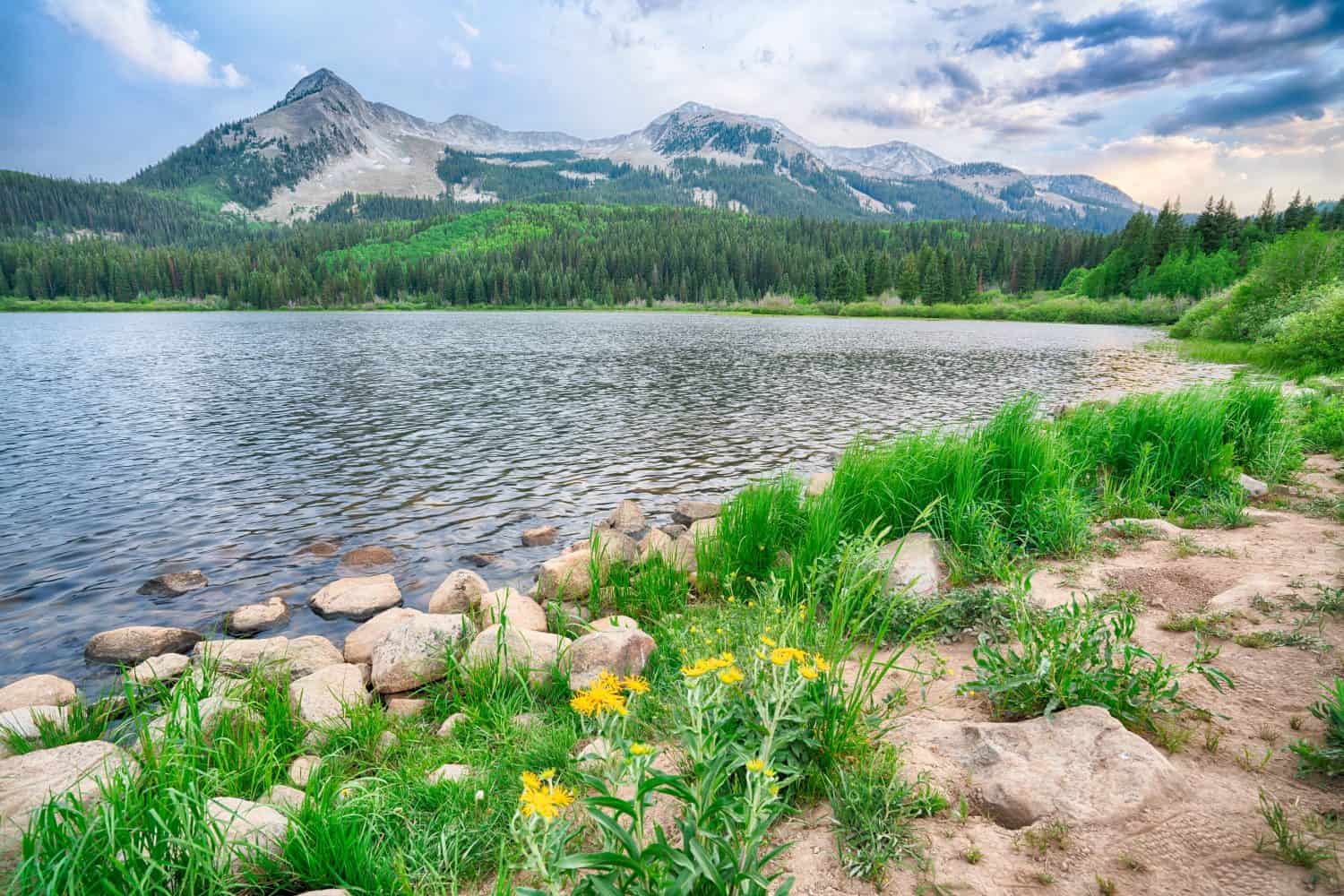
Visit the Gunnison Basin for a chance to spot the Gunnison sage-grouse.
©Paul Brady Photography/Shutterstock.com
For those seeking something more specialized, the Gunnison Basin offers a chance to encounter one of North America’s rarest birds: the Gunnison sage-grouse. This species is endemic to the region, making it a bucket-list sighting for many birders.
Summer birding here focuses on sagebrush habitats, where you can also find species like Brewer’s sparrow and sage thrasher. While the famous mating displays occur in spring, summer provides opportunities to observe these birds in a quieter, less crowded setting.
The Gunnison Basin stands out because of its uniqueness. Unlike forested or wetland areas, this landscape is defined by open sagebrush and subtle beauty. Birding here requires patience and a keen eye, but the reward is a deeper appreciation for Colorado’s ecological diversity.
Eastern Plains
Colorado’s eastern plains are among the most productive birding regions in the state. Areas like Two Buttes State Wildlife Area showcase the unique birdlife of grasslands and semi-arid environments.
Summer is prime time for species like the burrowing owl, greater roadrunner, and various sparrows and quail. Raptors, including ferruginous hawks and even golden eagles, can also be seen soaring above the open landscape.
What sets the eastern plains apart is visibility. With few obstructions, birds are often easier to spot, and the sense of space creates a different kind of birding experience—one that feels expansive and untamed.
Arkansas River Valley
Finally, you can’t go birdwatching in Colorado without visiting the Arkansas River Valley. Its cottonwood-lined banks and wetlands create an ideal habitat for a wide variety of birds. Summer brings an abundance of songbirds, including blue grosbeaks, eastern phoebes, and various woodpeckers. Raptors and kingfishers are also common, often seen hunting along the river’s edge.
What makes this area especially appealing is the contrast. The lush vegetation along the river attracts birds that might otherwise be scarce in the surrounding terrain, concentrating activity in easily accessible areas. It’s a perfect place for relaxed birding walks where nearly every turn reveals something new.
Why Colorado Is a Top Summer Birding Destination
Colorado’s strength as a summer birding destination comes down to one key factor: diversity. Within a single state, you can explore alpine tundra, dense forests, wetlands, rivers, and grasslands. This range of habitats supports an extraordinary variety of species, from tiny hummingbirds to towering cranes.
Summer also aligns with peak bird activity. Many species are breeding, feeding young, and vocalizing, making them easier to locate and observe. The season’s accessibility—open roads, mild weather, and abundant daylight—means birders can explore more places with less effort.
For casual nature lovers, Colorado offers unforgettable moments: a flash of gold from a western tanager, the hovering brilliance of a hummingbird, or the silhouette of a hawk against a mountain skyline. For dedicated birders, it provides depth and challenge, with rare species, varied habitats, and endless opportunities to refine skills.
In the end, birdwatching in Colorado during summer isn’t just about checking species off a list. It’s about experiencing landscapes alive with movement and sound, where every trail, lake, and open sky holds the promise of discovery.