
Quick Take
- One state on this list is famous for snakes, though copperheads only live in a tiny sliver of it that most residents never think about.
- The activity most likely to put you face-to-face with a copperhead is not hiking. It's something millions of people do in their own backyard.
- Copperhead bites are rarely fatal, but that fact gives people a dangerously false sense of what a bite actually does to you.
- Several states on this list will catch you completely off guard, because copperhead country isn't where most Americans think it is.
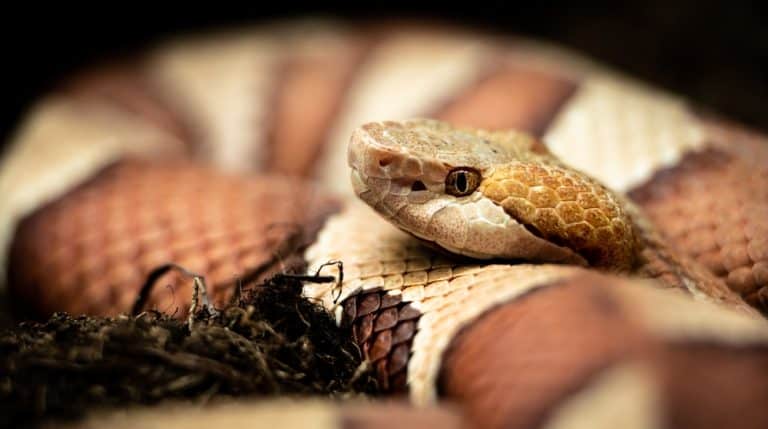
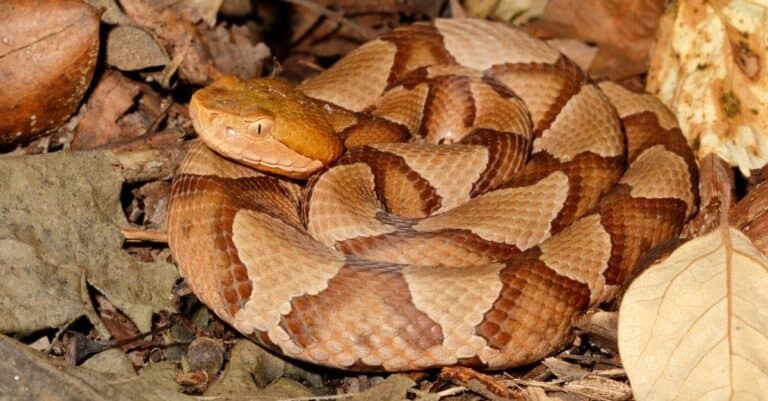
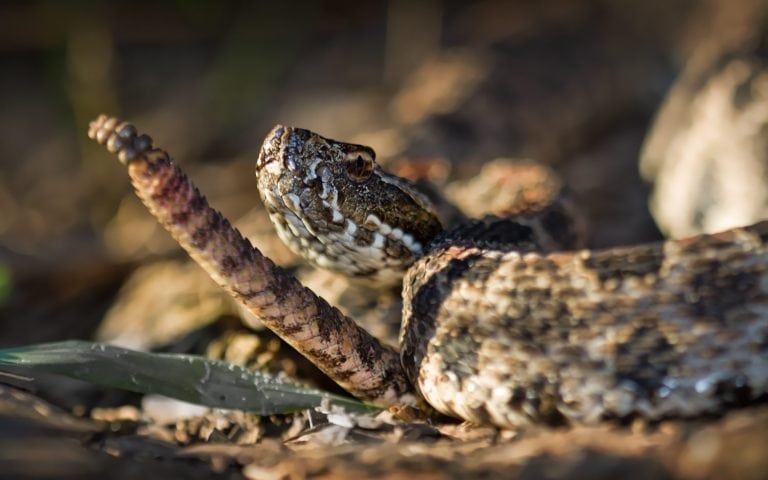
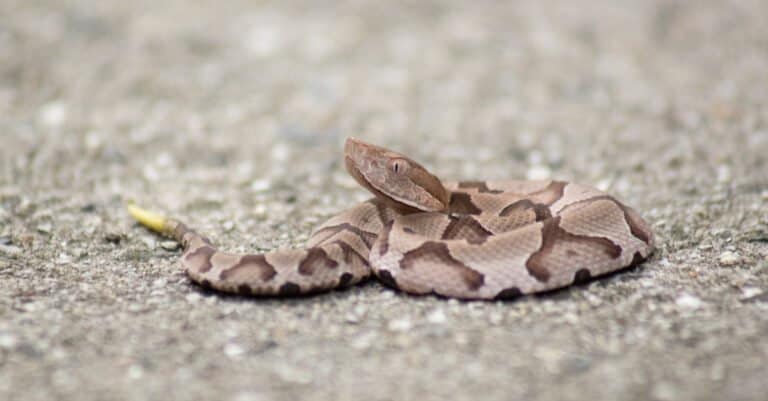
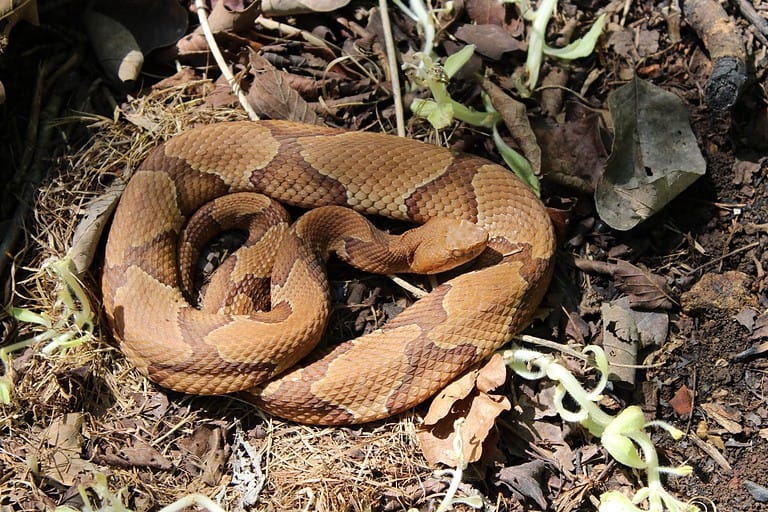
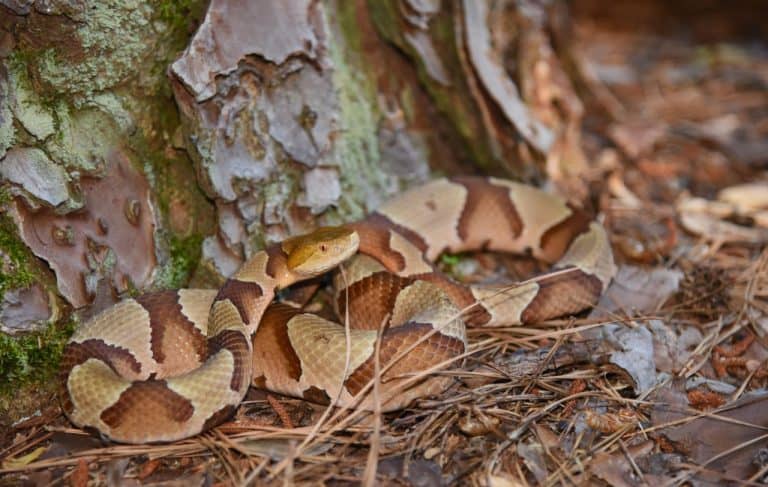
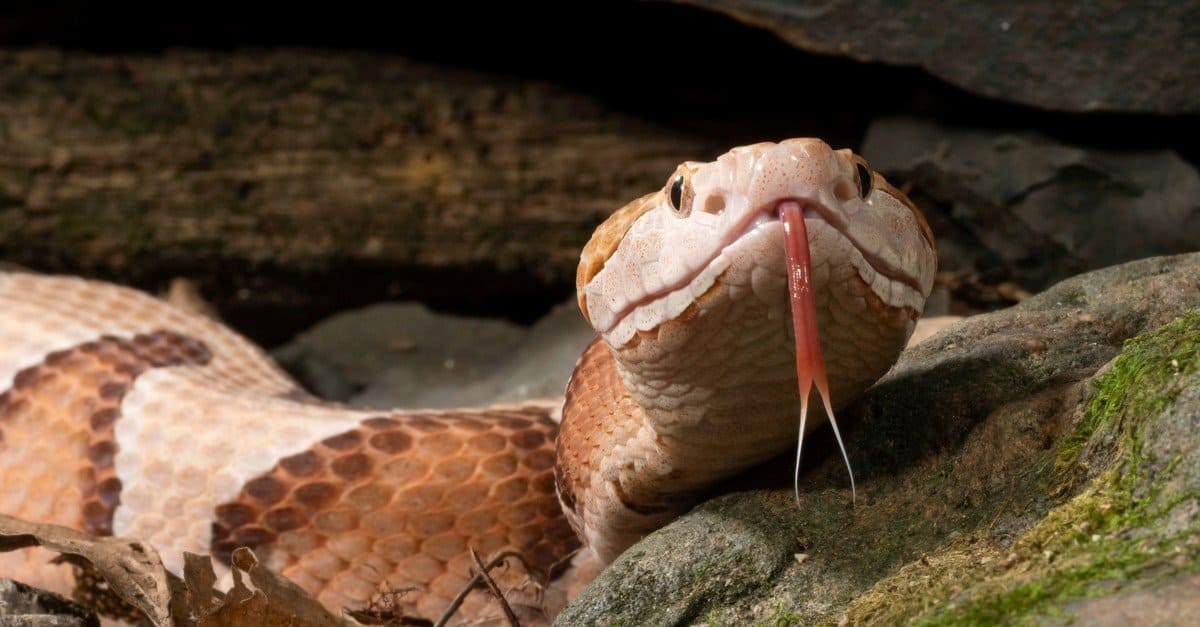
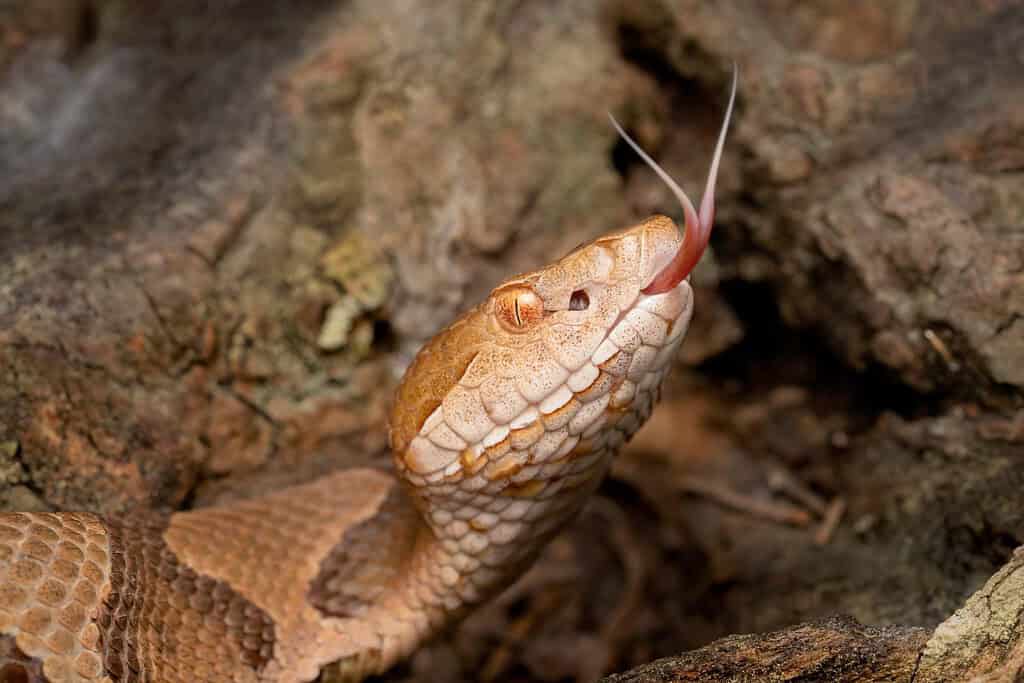
The eastern United States is prime copperhead territory, and in some areas these venomous snakes are far more common than many people realize. The eastern copperhead is a well-camouflaged pit viper with a copper-colored head and hourglass markings that help it disappear into leaves, forest floors, rocky slopes, brush, and even suburban backyards. That camouflage is one reason encounters can feel so startling. A snake may be lying only a few inches away from a trail, woodpile, garden edge, or porch step before anyone notices it.
Copperheads are ambush predators that feed on rodents, birds, frogs, insects, and other small animals, but they are also responsible for many venomous snakebite incidents in the United States. Their bites are rarely fatal, but they can be painful, medically significant, and dangerous enough that every bite should be taken seriously. The states below are organized alphabetically and preserve the original slideshow order, images, and headings while expanding each section into a cleaner article format.
The Dangers of Copperheads
Copperheads are one of the venomous snakes people in the eastern and central United States are most likely to encounter, partly because they are so good at disappearing into ordinary outdoor spaces. They favor wooded areas, rocky hillsides, brushy edges, tall grass, and places near streams or other water sources. Because their copper-and-tan pattern blends so well with dead leaves and forest floor debris, people often do not notice them until they are very close. Their venom can cause intense pain, swelling, bruising, and tissue damage, and any bite should be treated as a medical emergency even though deaths are rare. Children, pets, older adults, and people with allergies or underlying health concerns can be at greater risk from complications. Most bites happen when someone accidentally steps near one, reaches into a hidden area, or tries to move the snake instead of backing away. The safest response is simple: do not touch, corner, or try to kill the snake. Step back slowly, give it room, and call a professional if it is in a high-traffic area.
Alabama
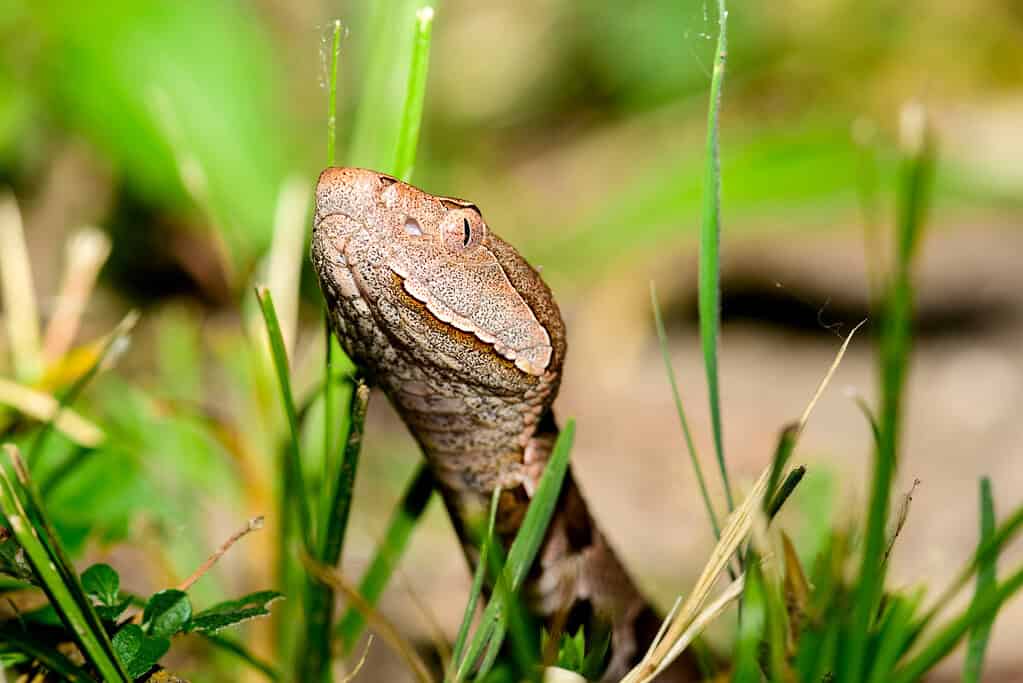
Alabama sits within the broader copperhead range, which means residents in the right areas should know how easily these snakes can blend into the landscape. In Alabama, copperheads are associated with throughout Alabama, from wooded neighborhoods and river corridors to rural fields, rocky slopes, and forest edges. The original source notes that the copperhead is the most abundant venomous snake in Alabama, and that matches the way many residents think about the species. What makes them especially unnerving is not that they chase people, but that they usually stay still and rely on camouflage until a person, dog, or child gets too close. Warm weather and long active seasons make encounters more likely, especially when people are cleaning yards, walking dogs, or spending time near leaf litter and brush piles. That means the biggest risk often comes from ordinary activities like hiking, gardening, moving firewood, stepping off a trail, or reaching into leaves and brush without looking first. If you live in or visit copperhead habitat in Alabama, wear sturdy shoes outside, use a flashlight at night, keep pets from nosing through piles of leaves, and never try to handle a snake you cannot identify.
Arkansas
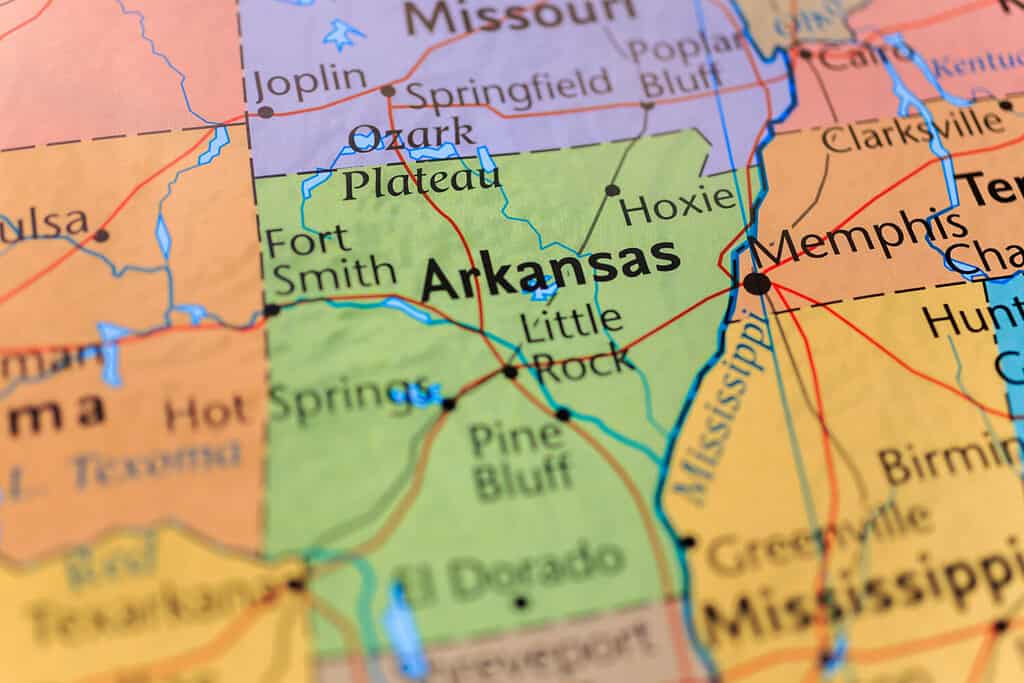
Arkansas sits within the broader copperhead range, which means residents in the right areas should know how easily these snakes can blend into the landscape. In Arkansas, copperheads are associated with across much of Arkansas, including forested hills, river bottoms, rocky areas, and brushy rural land. The state’s mix of Ozark and Ouachita habitat gives copperheads plenty of cover, prey, and shaded places to ambush small animals. What makes them especially unnerving is not that they chase people, but that they usually stay still and rely on camouflage until a person, dog, or child gets too close. Even in areas where people see them often, the snakes can be easy to miss because they rely on camouflage rather than speed. That means the biggest risk often comes from ordinary activities like hiking, gardening, moving firewood, stepping off a trail, or reaching into leaves and brush without looking first. If you live in or visit copperhead habitat in Arkansas, wear sturdy shoes outside, use a flashlight at night, keep pets from nosing through piles of leaves, and never try to handle a snake you cannot identify.
Connecticut
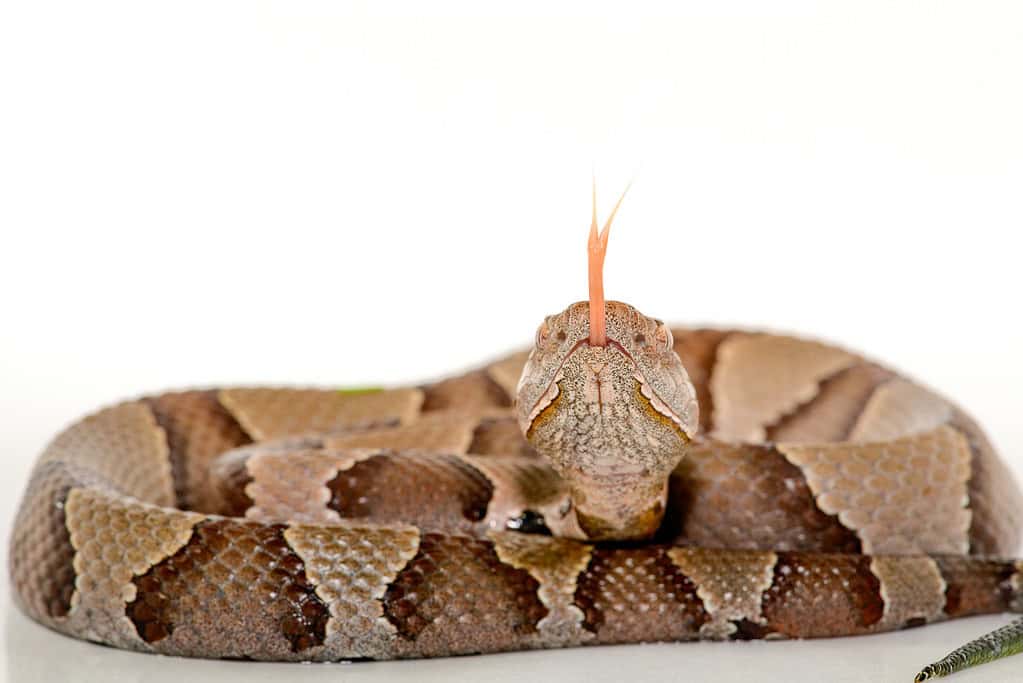
Connecticut is not always the first state people think of when they picture copperhead country, but the species does occur there in the right habitat. In Connecticut, copperheads are associated with scattered parts of Connecticut, especially wooded, rocky, and hilly habitat where the species can find cover and prey. The eastern copperhead is one of only two venomous snakes found in the state, which makes any confirmed encounter stand out to residents. What makes them especially unnerving is not that they chase people, but that they usually stay still and rely on camouflage until a person, dog, or child gets too close. Their populations are not spread evenly across every yard or town, but suitable rocky forest habitat can support them in places where people hike or live near woods. That means the biggest risk often comes from ordinary activities like hiking, gardening, moving firewood, stepping off a trail, or reaching into leaves and brush without looking first. If you live in or visit copperhead habitat in Connecticut, wear sturdy shoes outside, use a flashlight at night, keep pets from nosing through piles of leaves, and never try to handle a snake you cannot identify.
Delaware

Delaware sits within the broader copperhead range, which means residents in the right areas should know how easily these snakes can blend into the landscape. In Delaware, copperheads are associated with Delaware, with the strongest concentration traditionally associated with areas near Wilmington and northern wooded habitat. The source notes that copperheads are most abundant near Wilmington, though reports have occurred elsewhere in the state. What makes them especially unnerving is not that they chase people, but that they usually stay still and rely on camouflage until a person, dog, or child gets too close. Because Delaware is small, even a limited range can still put these snakes near suburban edges, parks, trails, and wooded backyards. That means the biggest risk often comes from ordinary activities like hiking, gardening, moving firewood, stepping off a trail, or reaching into leaves and brush without looking first. If you live in or visit copperhead habitat in Delaware, wear sturdy shoes outside, use a flashlight at night, keep pets from nosing through piles of leaves, and never try to handle a snake you cannot identify.
Florida
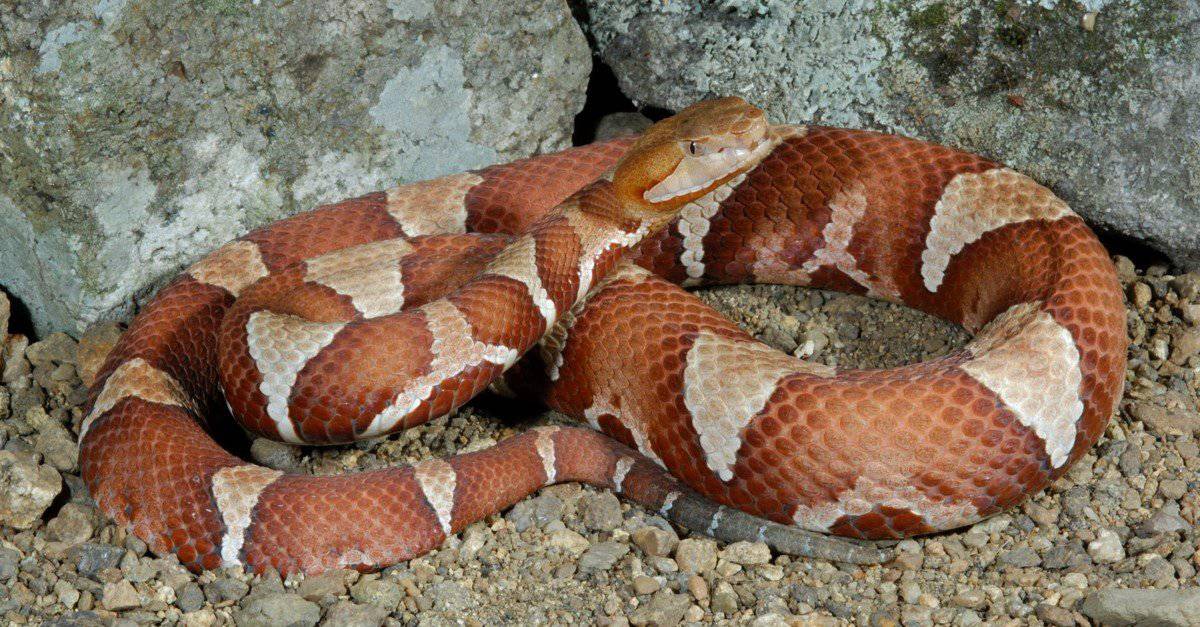
Florida is a good reminder that a state can be famous for snakes without having copperheads everywhere. In Florida, copperheads are associated with only the Florida Panhandle, not the peninsula that many people picture when they think of the state. That limited range is important because Florida has many other venomous snakes, but copperheads are not one of the species most residents in central and southern Florida are likely to encounter. What makes them especially unnerving is not that they chase people, but that they usually stay still and rely on camouflage until a person, dog, or child gets too close. In the Panhandle, they favor wooded ravines, damp lowlands, and mixed forest areas that connect with the broader southeastern copperhead range. That means the biggest risk often comes from ordinary activities like hiking, gardening, moving firewood, stepping off a trail, or reaching into leaves and brush without looking first. If you live in or visit copperhead habitat in Florida, wear sturdy shoes outside, use a flashlight at night, keep pets from nosing through piles of leaves, and never try to handle a snake you cannot identify.
Georgia
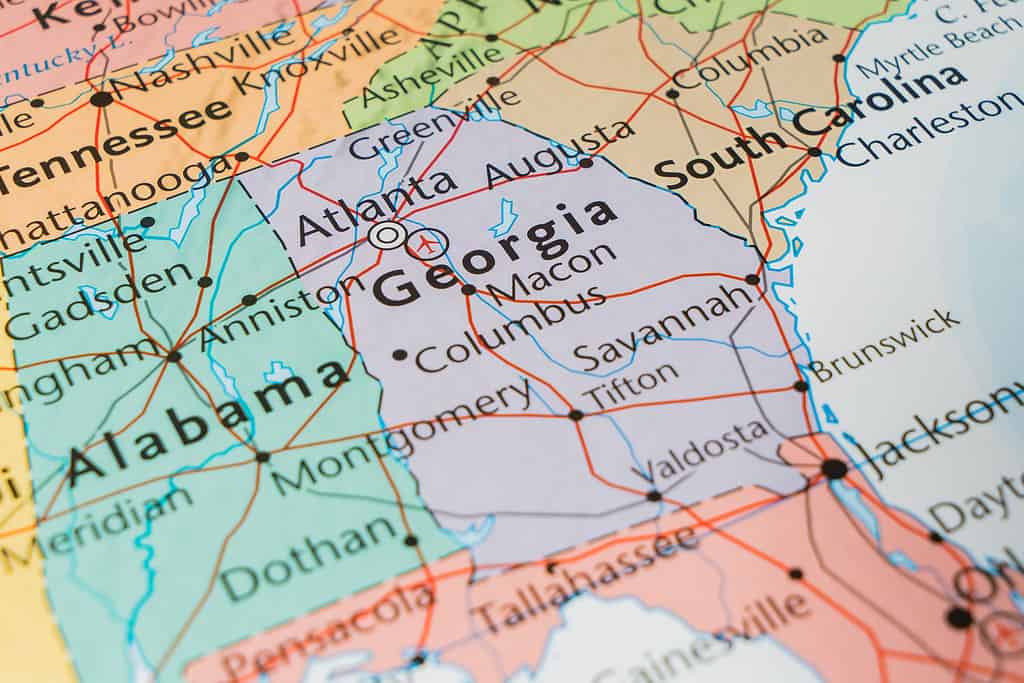
Georgia sits within the broader copperhead range, which means residents in the right areas should know how easily these snakes can blend into the landscape. In Georgia, copperheads are associated with most of Georgia, except parts of the far southeast near the Florida border where they are much less common or absent. Georgia offers the kind of wooded, humid, prey-rich habitat copperheads use well, especially in the northern and central parts of the state. What makes them especially unnerving is not that they chase people, but that they usually stay still and rely on camouflage until a person, dog, or child gets too close. They may turn up near trails, woodpiles, rocky slopes, creek edges, and leafy suburban lots, which is why people should watch where they step during warm months. That means the biggest risk often comes from ordinary activities like hiking, gardening, moving firewood, stepping off a trail, or reaching into leaves and brush without looking first. If you live in or visit copperhead habitat in Georgia, wear sturdy shoes outside, use a flashlight at night, keep pets from nosing through piles of leaves, and never try to handle a snake you cannot identify.
Illinois
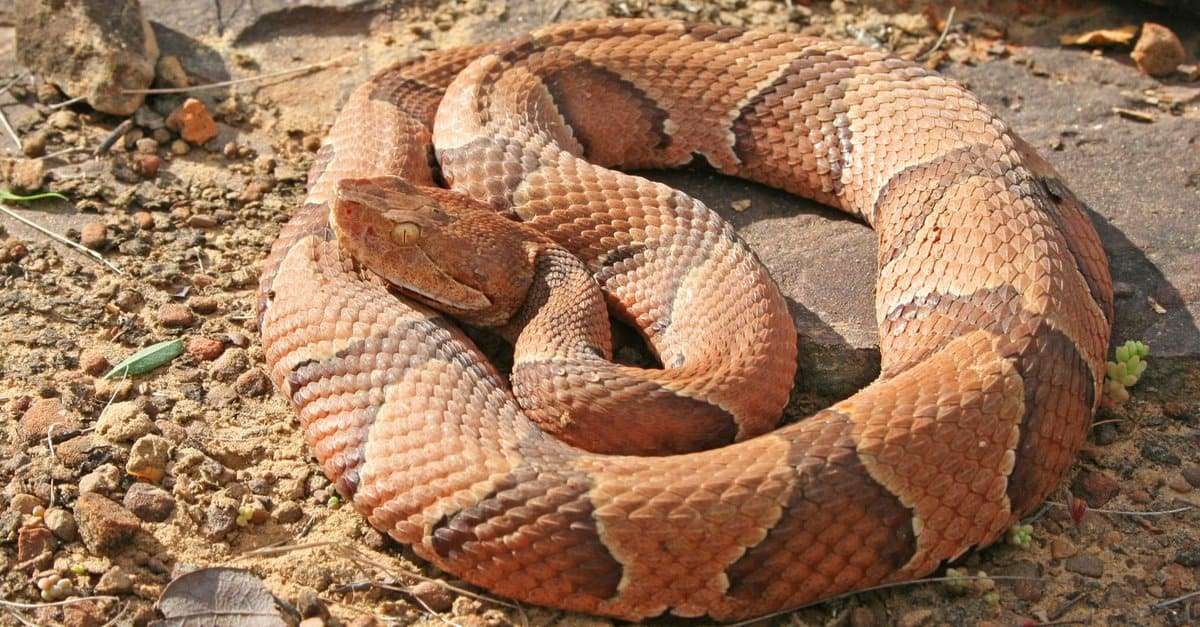
Illinois is not always the first state people think of when they picture copperhead country, but the species does occur there in the right habitat. In Illinois, copperheads are associated with southern Illinois, especially wooded and rocky areas that fit the copperhead’s preferred habitat. The species is not a statewide snake in the way it is in parts of the South, but it can be locally important where conditions are right. What makes them especially unnerving is not that they chase people, but that they usually stay still and rely on camouflage until a person, dog, or child gets too close. Hikers and homeowners in the southern counties are more likely to run into copperheads around bluffs, forests, brush, and creek bottoms. That means the biggest risk often comes from ordinary activities like hiking, gardening, moving firewood, stepping off a trail, or reaching into leaves and brush without looking first. If you live in or visit copperhead habitat in Illinois, wear sturdy shoes outside, use a flashlight at night, keep pets from nosing through piles of leaves, and never try to handle a snake you cannot identify.
Indiana
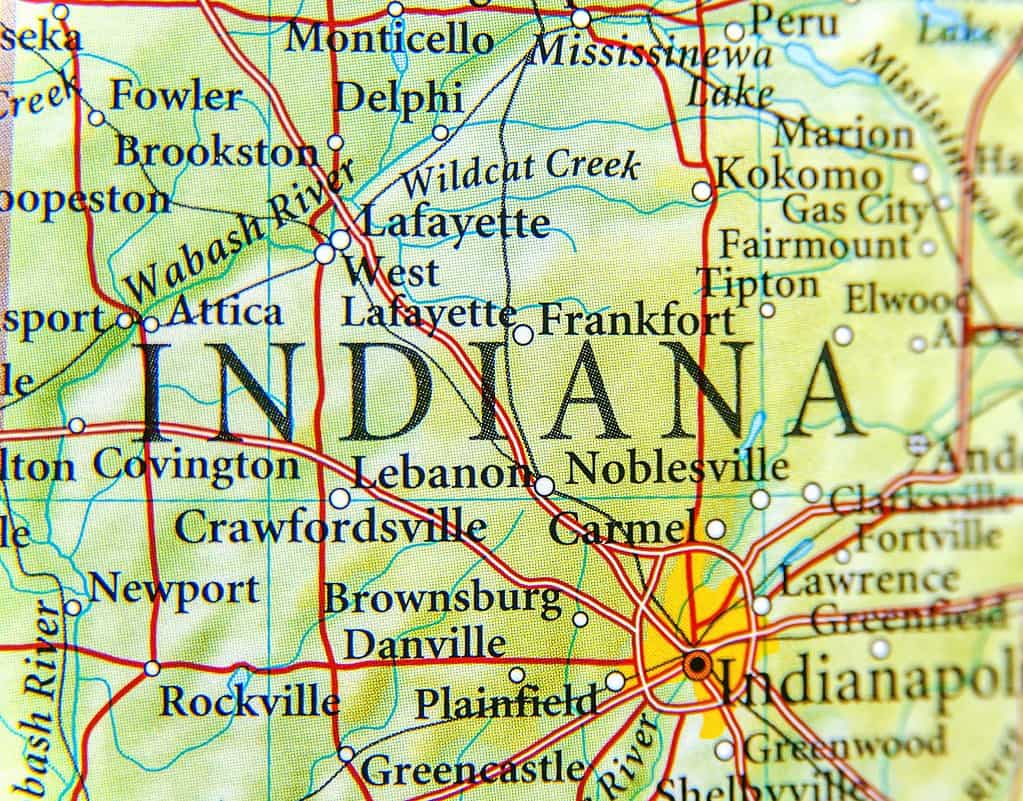
Indiana is not always the first state people think of when they picture copperhead country, but the species does occur there in the right habitat. In Indiana, copperheads are associated with southern Indiana, where hills, forests, rocky terrain, and river corridors create suitable habitat. Copperheads are not evenly distributed across the entire state, so northern Indiana residents are less likely to encounter them than people in the south. What makes them especially unnerving is not that they chase people, but that they usually stay still and rely on camouflage until a person, dog, or child gets too close. In the right counties, however, the snake can be a serious outdoor caution because it blends so well into leaves, roots, and shaded ground. That means the biggest risk often comes from ordinary activities like hiking, gardening, moving firewood, stepping off a trail, or reaching into leaves and brush without looking first. If you live in or visit copperhead habitat in Indiana, wear sturdy shoes outside, use a flashlight at night, keep pets from nosing through piles of leaves, and never try to handle a snake you cannot identify.
Iowa
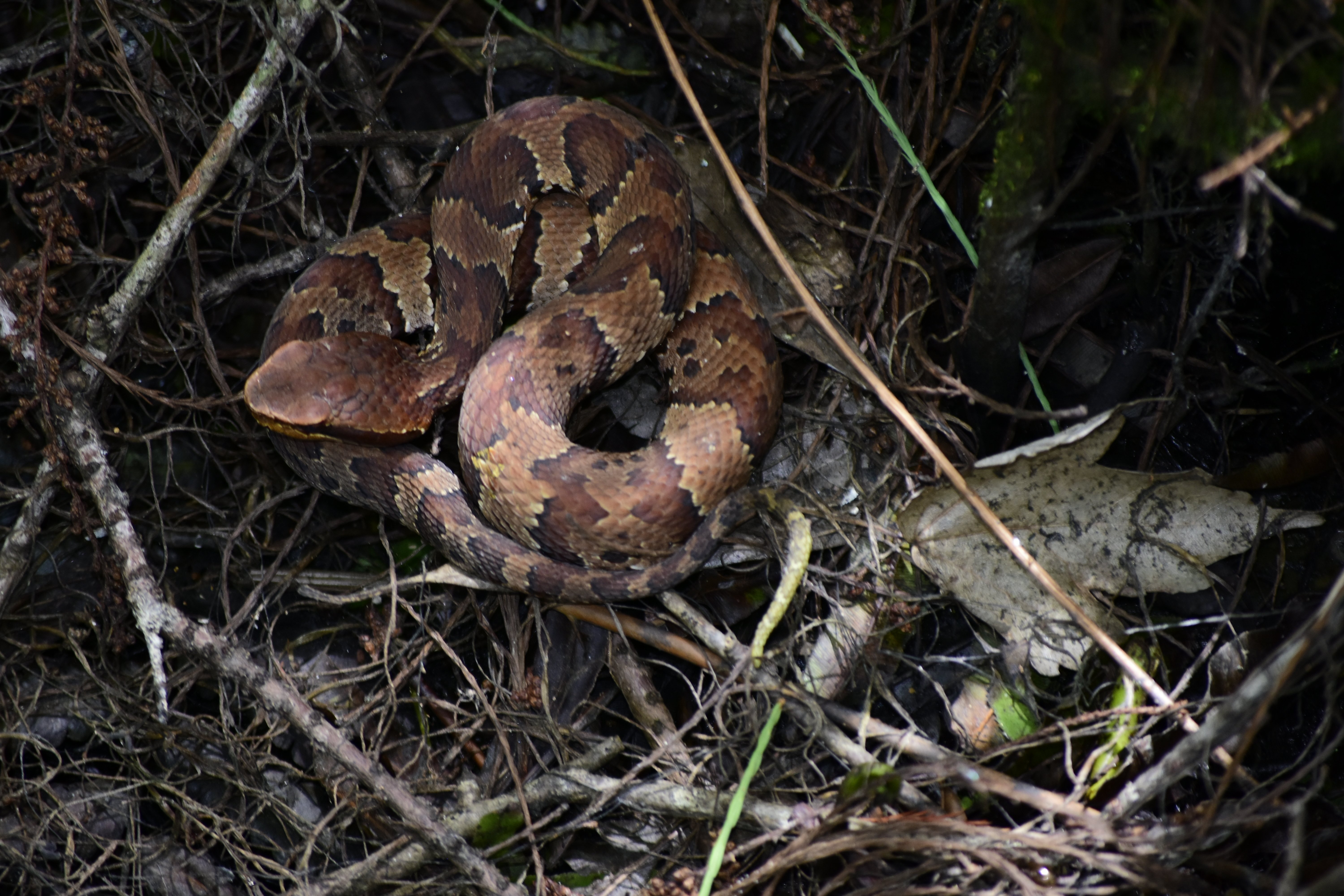
Iowa is not always the first state people think of when they picture copperhead country, but the species does occur there in the right habitat. In Iowa, copperheads are associated with southern parts of Iowa, mainly in localized areas with rocky, wooded, or brushy habitat. Copperheads are not a snake most Iowa residents see every day, but they are part of the state’s southern wildlife picture. What makes them especially unnerving is not that they chase people, but that they usually stay still and rely on camouflage until a person, dog, or child gets too close. They are most likely to be associated with bluffs, wooded slopes, and areas connected to river systems where cover and small prey are available. That means the biggest risk often comes from ordinary activities like hiking, gardening, moving firewood, stepping off a trail, or reaching into leaves and brush without looking first. If you live in or visit copperhead habitat in Iowa, wear sturdy shoes outside, use a flashlight at night, keep pets from nosing through piles of leaves, and never try to handle a snake you cannot identify.
Kansas
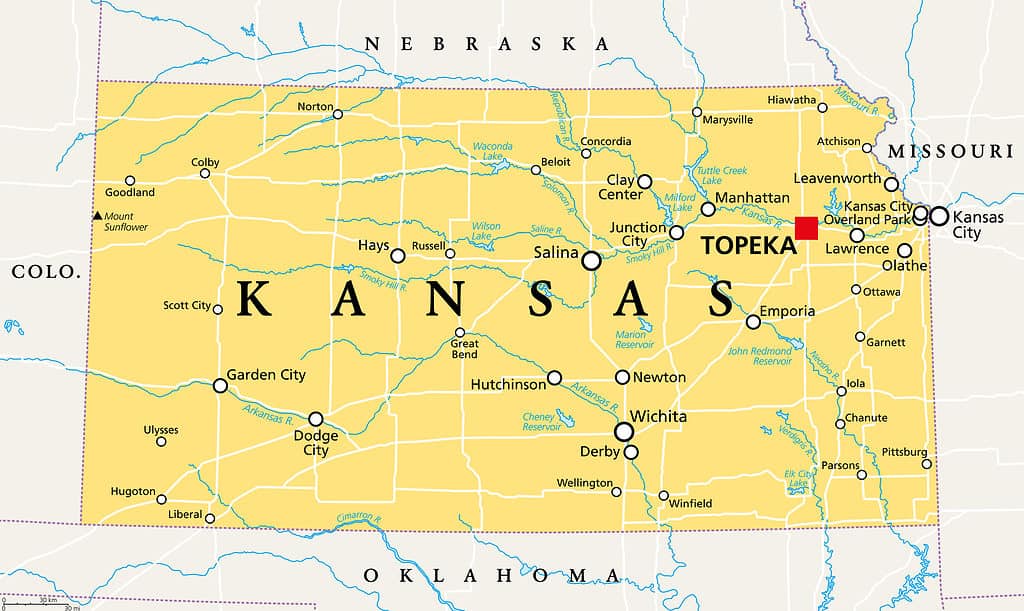
Kansas sits within the broader copperhead range, which means residents in the right areas should know how easily these snakes can blend into the landscape. In Kansas, copperheads are associated with much of Kansas, especially the eastern and central portions where wooded stream corridors and rocky habitats give copperheads cover. Although Kansas is often imagined as open prairie, copperheads use areas with shelter, moisture, and prey rather than completely exposed grassland. What makes them especially unnerving is not that they chase people, but that they usually stay still and rely on camouflage until a person, dog, or child gets too close. People are most likely to encounter them around brush, woodpiles, creek banks, and rocky cover, especially during warm evenings or after rain. That means the biggest risk often comes from ordinary activities like hiking, gardening, moving firewood, stepping off a trail, or reaching into leaves and brush without looking first. If you live in or visit copperhead habitat in Kansas, wear sturdy shoes outside, use a flashlight at night, keep pets from nosing through piles of leaves, and never try to handle a snake you cannot identify.
Kentucky
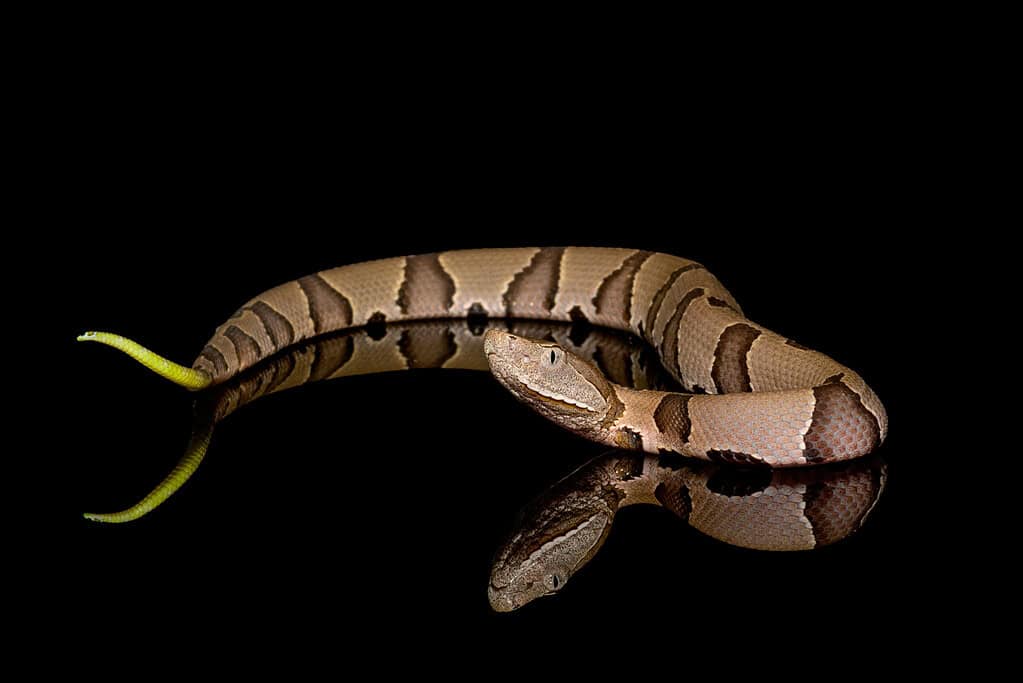
Kentucky sits within the broader copperhead range, which means residents in the right areas should know how easily these snakes can blend into the landscape. In Kentucky, copperheads are associated with throughout Kentucky, where forests, hollows, rocky hillsides, and rural edges provide strong habitat. Kentucky sits in a broad part of the copperhead’s range, so the species can be found in many regions of the state. What makes them especially unnerving is not that they chase people, but that they usually stay still and rely on camouflage until a person, dog, or child gets too close. Because the landscape includes so many wooded and rocky areas, copperheads can show up near hiking trails, farms, cabins, and suburban yards that border natural cover. That means the biggest risk often comes from ordinary activities like hiking, gardening, moving firewood, stepping off a trail, or reaching into leaves and brush without looking first. If you live in or visit copperhead habitat in Kentucky, wear sturdy shoes outside, use a flashlight at night, keep pets from nosing through piles of leaves, and never try to handle a snake you cannot identify.
Louisiana
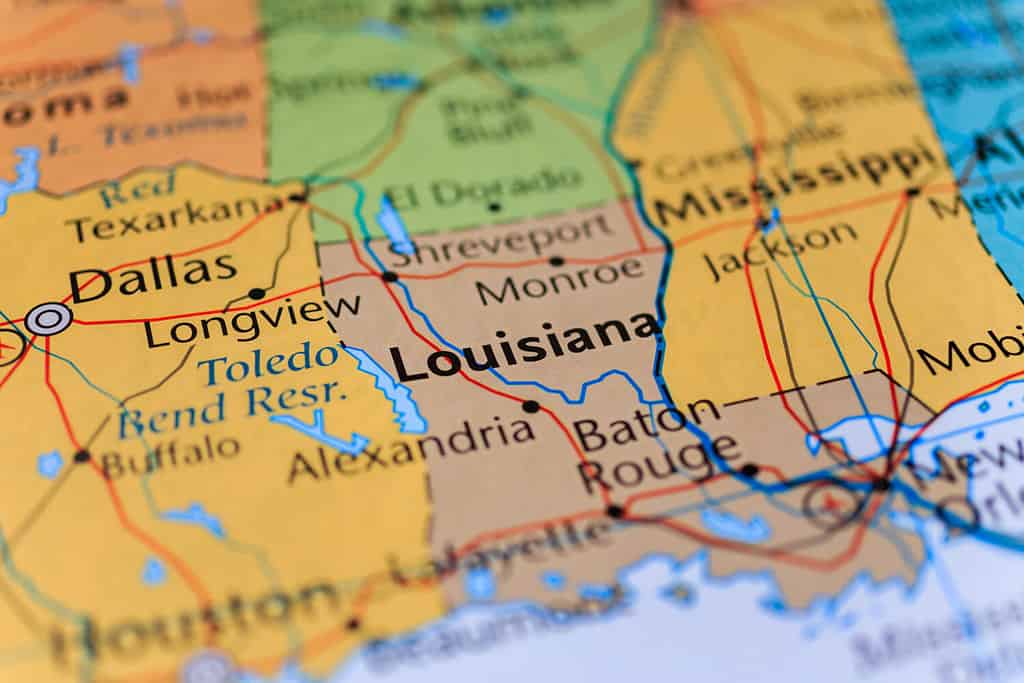
Louisiana sits within the broader copperhead range, which means residents in the right areas should know how easily these snakes can blend into the landscape. In Louisiana, copperheads are associated with forested areas and swamps of Louisiana, especially places with shade, moisture, leaf litter, and small-animal prey. The state has plenty of snake habitat, but copperheads are most associated with wooded or swampy cover rather than open, heavily developed areas. What makes them especially unnerving is not that they chase people, but that they usually stay still and rely on camouflage until a person, dog, or child gets too close. Their camouflage can make them very difficult to see on wet leaves, pine needles, and muddy edges, which is one reason people should be careful when walking through thick cover. That means the biggest risk often comes from ordinary activities like hiking, gardening, moving firewood, stepping off a trail, or reaching into leaves and brush without looking first. If you live in or visit copperhead habitat in Louisiana, wear sturdy shoes outside, use a flashlight at night, keep pets from nosing through piles of leaves, and never try to handle a snake you cannot identify.
Maryland
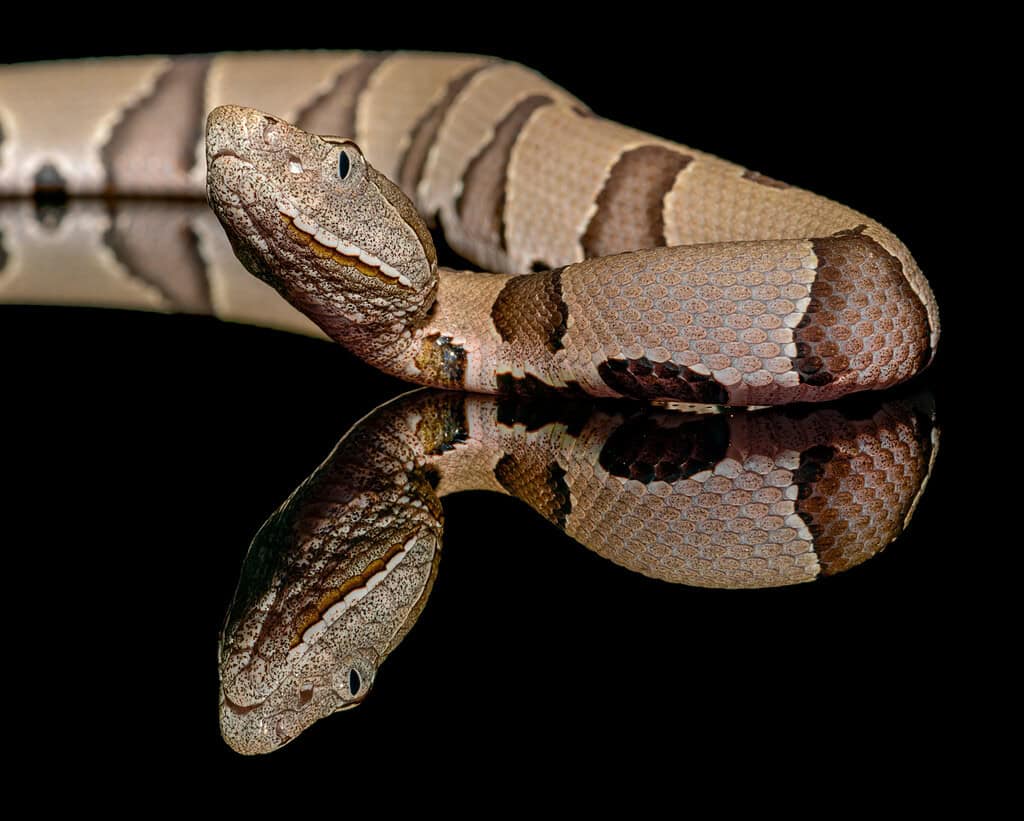
Maryland sits within the broader copperhead range, which means residents in the right areas should know how easily these snakes can blend into the landscape. In Maryland, copperheads are associated with primarily western and central Maryland, especially rocky, wooded, and hilly areas. Copperheads are not equally common in every part of the state, but they can be a real concern where suitable habitat overlaps with trails, parks, and homes near woods. What makes them especially unnerving is not that they chase people, but that they usually stay still and rely on camouflage until a person, dog, or child gets too close. They are often associated with forest edges, stone walls, rocky slopes, and leaf litter, all places where their pattern helps them disappear. That means the biggest risk often comes from ordinary activities like hiking, gardening, moving firewood, stepping off a trail, or reaching into leaves and brush without looking first. If you live in or visit copperhead habitat in Maryland, wear sturdy shoes outside, use a flashlight at night, keep pets from nosing through piles of leaves, and never try to handle a snake you cannot identify.
Massachusetts
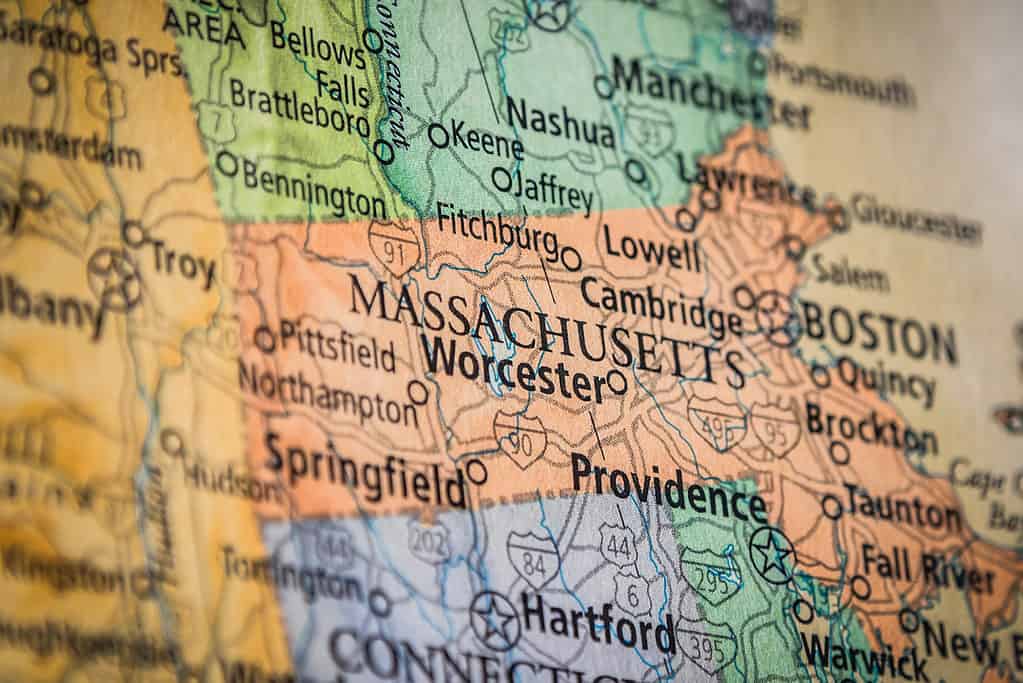
Massachusetts is not always the first state people think of when they picture copperhead country, but the species does occur there in the right habitat. In Massachusetts, copperheads are associated with limited parts of Massachusetts, including areas associated with the Connecticut River Valley and isolated eastern populations. Copperheads are much more restricted here than in many southern states, but they still exist in pockets of suitable habitat. What makes them especially unnerving is not that they chase people, but that they usually stay still and rely on camouflage until a person, dog, or child gets too close. Because the populations are localized, most residents will never see one, but hikers in known habitat should still stay alert around rocky ledges, dry hillsides, and leaf-covered paths. That means the biggest risk often comes from ordinary activities like hiking, gardening, moving firewood, stepping off a trail, or reaching into leaves and brush without looking first. If you live in or visit copperhead habitat in Massachusetts, wear sturdy shoes outside, use a flashlight at night, keep pets from nosing through piles of leaves, and never try to handle a snake you cannot identify.
Mississippi
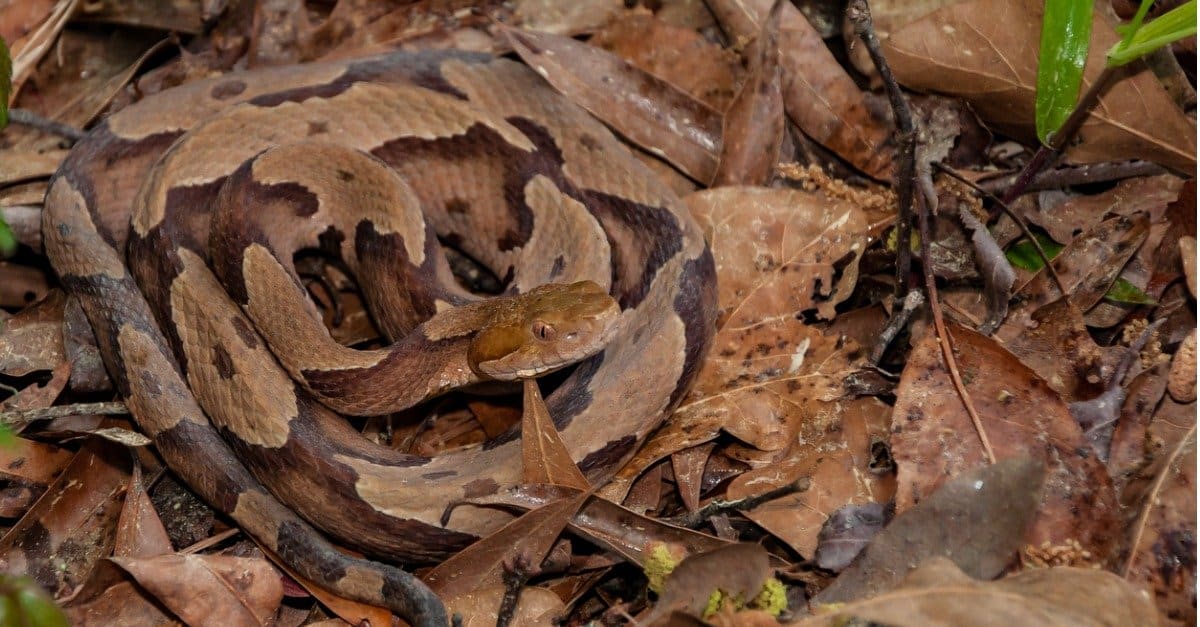
Mississippi sits within the broader copperhead range, which means residents in the right areas should know how easily these snakes can blend into the landscape. In Mississippi, copperheads are associated with most of Mississippi, except for the immediate coastal region where they are less commonly found. The state’s warm climate, forests, bottomlands, and rural cover provide excellent conditions for copperheads. What makes them especially unnerving is not that they chase people, but that they usually stay still and rely on camouflage until a person, dog, or child gets too close. They can be encountered in wooded yards, near creeks, around old logs, and along brushy edges, especially when people are outside during the warmer parts of the year. That means the biggest risk often comes from ordinary activities like hiking, gardening, moving firewood, stepping off a trail, or reaching into leaves and brush without looking first. If you live in or visit copperhead habitat in Mississippi, wear sturdy shoes outside, use a flashlight at night, keep pets from nosing through piles of leaves, and never try to handle a snake you cannot identify.
Missouri
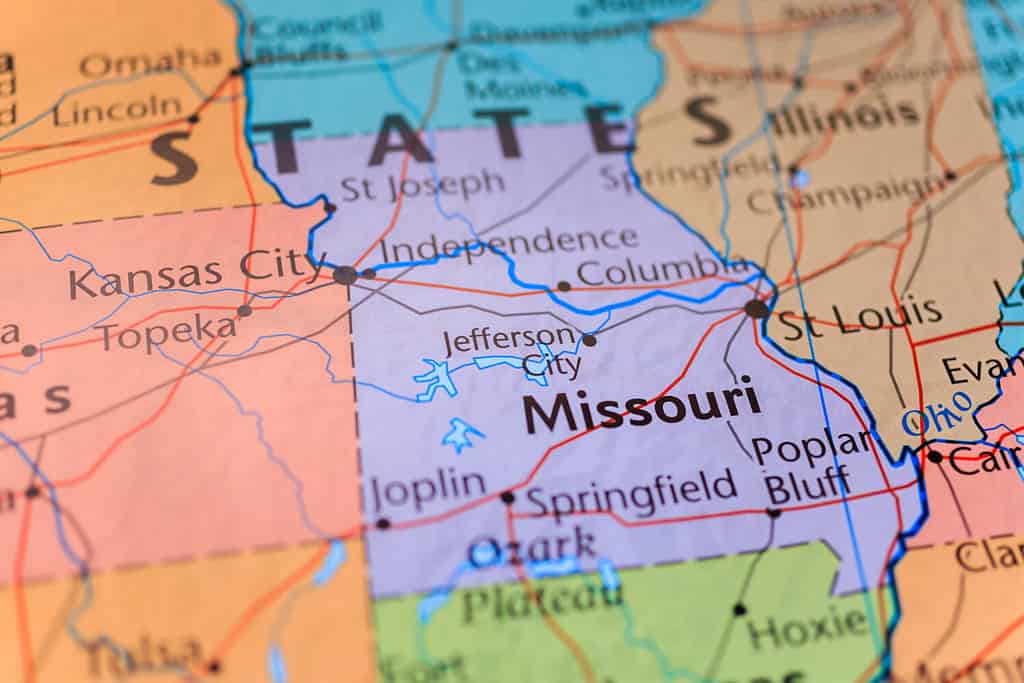
Missouri sits within the broader copperhead range, which means residents in the right areas should know how easily these snakes can blend into the landscape. In Missouri, copperheads are associated with throughout Missouri, including wooded hills, rocky outcrops, river valleys, and brushy areas. Missouri has a strong mix of forest, farmland edges, and rocky Ozark habitat, all of which can support copperheads. What makes them especially unnerving is not that they chase people, but that they usually stay still and rely on camouflage until a person, dog, or child gets too close. They are one of the venomous snakes residents are most likely to hear about, and their camouflage makes them easy to overlook in leaves or along shaded trails. That means the biggest risk often comes from ordinary activities like hiking, gardening, moving firewood, stepping off a trail, or reaching into leaves and brush without looking first. If you live in or visit copperhead habitat in Missouri, wear sturdy shoes outside, use a flashlight at night, keep pets from nosing through piles of leaves, and never try to handle a snake you cannot identify.
Nebraska

Nebraska is not always the first state people think of when they picture copperhead country, but the species does occur there in the right habitat. In Nebraska, copperheads are associated with southeastern Nebraska, especially around Gage and Richardson counties and sometimes along the Missouri River corridor. Copperheads have a limited range in Nebraska compared with states farther south and east, but they do occur where the habitat fits. What makes them especially unnerving is not that they chase people, but that they usually stay still and rely on camouflage until a person, dog, or child gets too close. The places most likely to support them are wooded slopes, river bluffs, and brushy cover near the Missouri River rather than open prairie. That means the biggest risk often comes from ordinary activities like hiking, gardening, moving firewood, stepping off a trail, or reaching into leaves and brush without looking first. If you live in or visit copperhead habitat in Nebraska, wear sturdy shoes outside, use a flashlight at night, keep pets from nosing through piles of leaves, and never try to handle a snake you cannot identify.
New Jersey
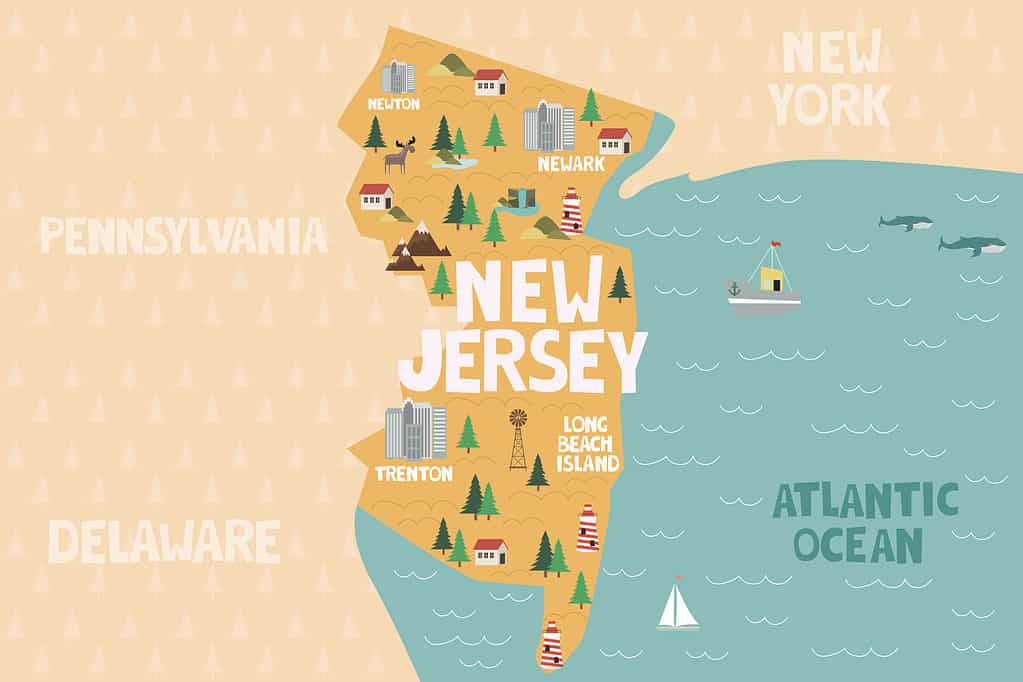
New Jersey is not always the first state people think of when they picture copperhead country, but the species does occur there in the right habitat. In New Jersey, copperheads are associated with northern New Jersey, especially rocky, wooded, and hilly habitat rather than the entire state. Copperheads are one of the state’s venomous snakes, but their distribution is limited enough that many residents may never encounter one. What makes them especially unnerving is not that they chase people, but that they usually stay still and rely on camouflage until a person, dog, or child gets too close. Where they do occur, they can live near trails, boulder fields, forest edges, and suburban areas close to suitable habitat. That means the biggest risk often comes from ordinary activities like hiking, gardening, moving firewood, stepping off a trail, or reaching into leaves and brush without looking first. If you live in or visit copperhead habitat in New Jersey, wear sturdy shoes outside, use a flashlight at night, keep pets from nosing through piles of leaves, and never try to handle a snake you cannot identify.
New York
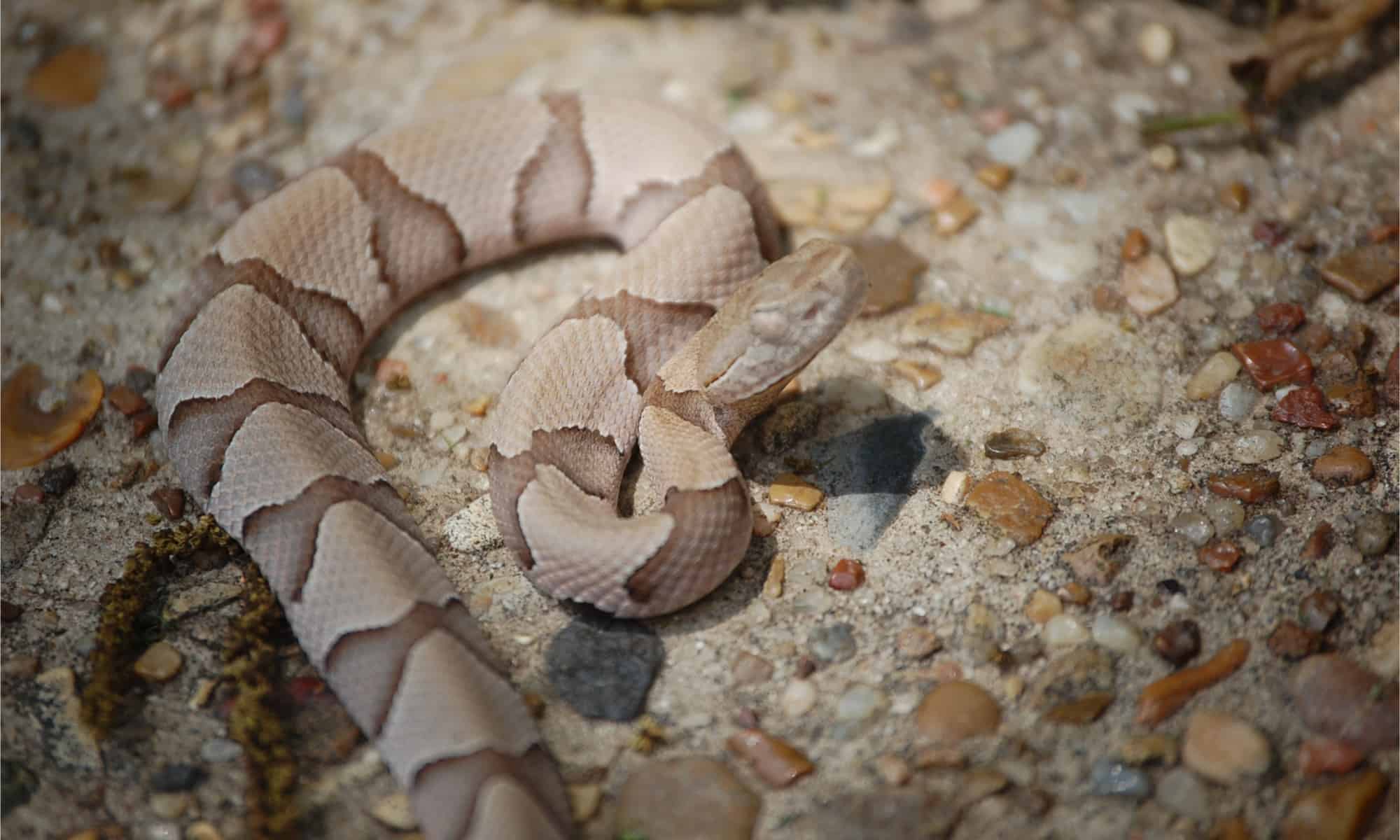
New York is not always the first state people think of when they picture copperhead country, but the species does occur there in the right habitat. In New York, copperheads are associated with parts of southeastern New York, especially the Catskills, Hudson Valley, and rocky areas where suitable habitat remains. Copperheads are not spread across all of New York, but localized populations exist in warmer, rocky, forested parts of the state. What makes them especially unnerving is not that they chase people, but that they usually stay still and rely on camouflage until a person, dog, or child gets too close. Their presence matters for hikers and homeowners in those regions because they may shelter near ledges, stone walls, woodpiles, and leaf-covered ground. That means the biggest risk often comes from ordinary activities like hiking, gardening, moving firewood, stepping off a trail, or reaching into leaves and brush without looking first. If you live in or visit copperhead habitat in New York, wear sturdy shoes outside, use a flashlight at night, keep pets from nosing through piles of leaves, and never try to handle a snake you cannot identify.
North Carolina
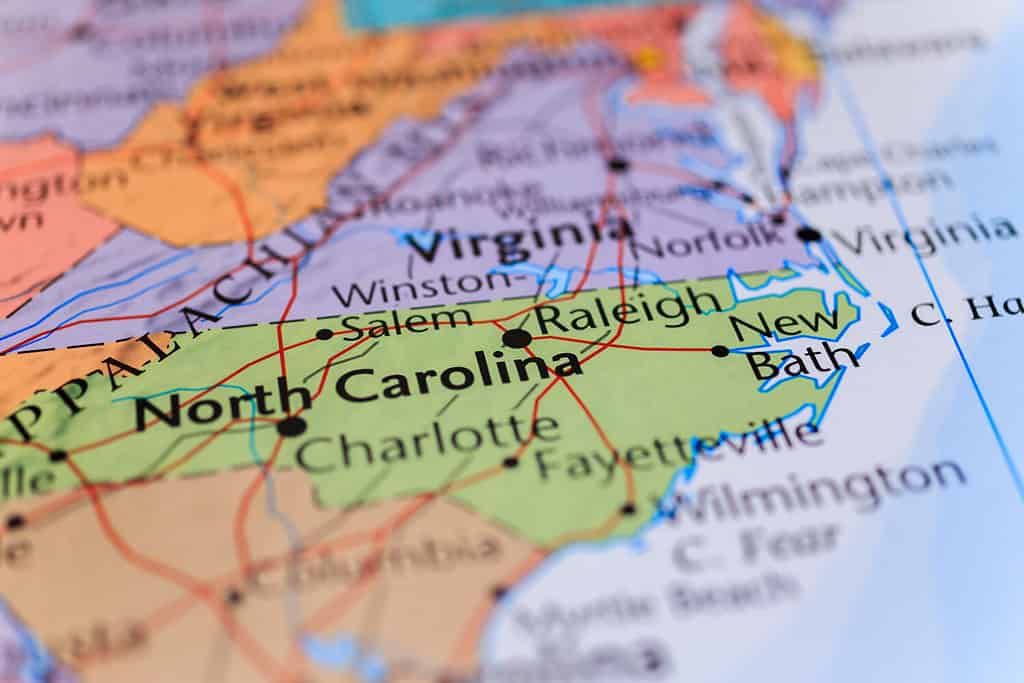
North Carolina sits within the broader copperhead range, which means residents in the right areas should know how easily these snakes can blend into the landscape. In North Carolina, copperheads are associated with throughout North Carolina, from the mountains and Piedmont to many areas of the coastal plain. North Carolina is one of the states where copperheads are especially familiar to residents because the species uses so many common habitats. What makes them especially unnerving is not that they chase people, but that they usually stay still and rely on camouflage until a person, dog, or child gets too close. They can turn up near homes, trails, gardens, wooded lots, and suburban edges, particularly when warm weather brings both people and snakes outside. That means the biggest risk often comes from ordinary activities like hiking, gardening, moving firewood, stepping off a trail, or reaching into leaves and brush without looking first. If you live in or visit copperhead habitat in North Carolina, wear sturdy shoes outside, use a flashlight at night, keep pets from nosing through piles of leaves, and never try to handle a snake you cannot identify.
Ohio
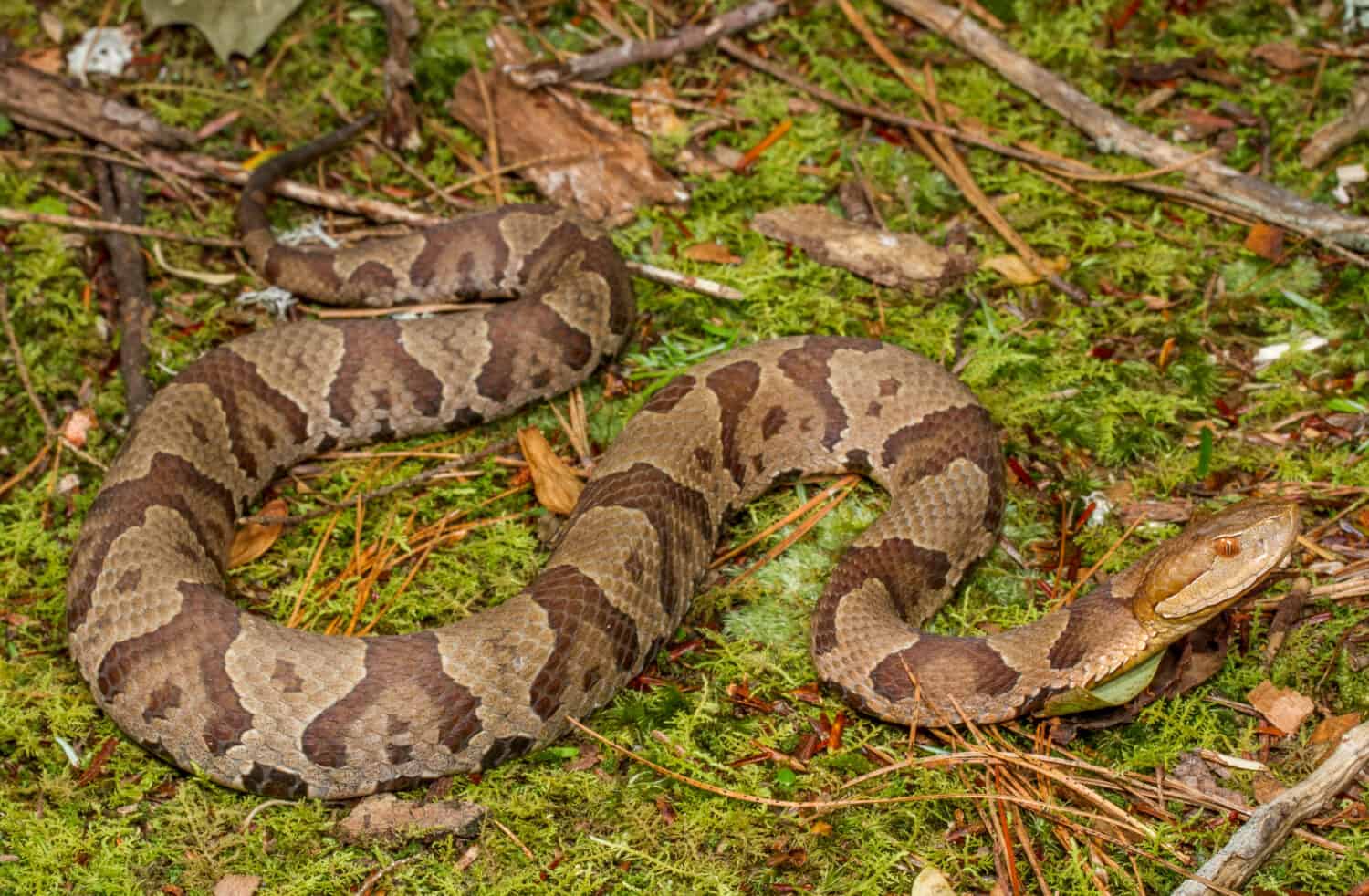
Ohio is not always the first state people think of when they picture copperhead country, but the species does occur there in the right habitat. In Ohio, copperheads are associated with southeastern Ohio, where wooded hills, rocky slopes, and forested ravines provide the right habitat. Copperheads are not common across the entire state, but southeastern Ohio is part of their natural range. What makes them especially unnerving is not that they chase people, but that they usually stay still and rely on camouflage until a person, dog, or child gets too close. People spending time around rock piles, wooded trails, cabins, and leaf-covered ground in that region should watch carefully and avoid placing hands where they cannot see. That means the biggest risk often comes from ordinary activities like hiking, gardening, moving firewood, stepping off a trail, or reaching into leaves and brush without looking first. If you live in or visit copperhead habitat in Ohio, wear sturdy shoes outside, use a flashlight at night, keep pets from nosing through piles of leaves, and never try to handle a snake you cannot identify.
Oklahoma
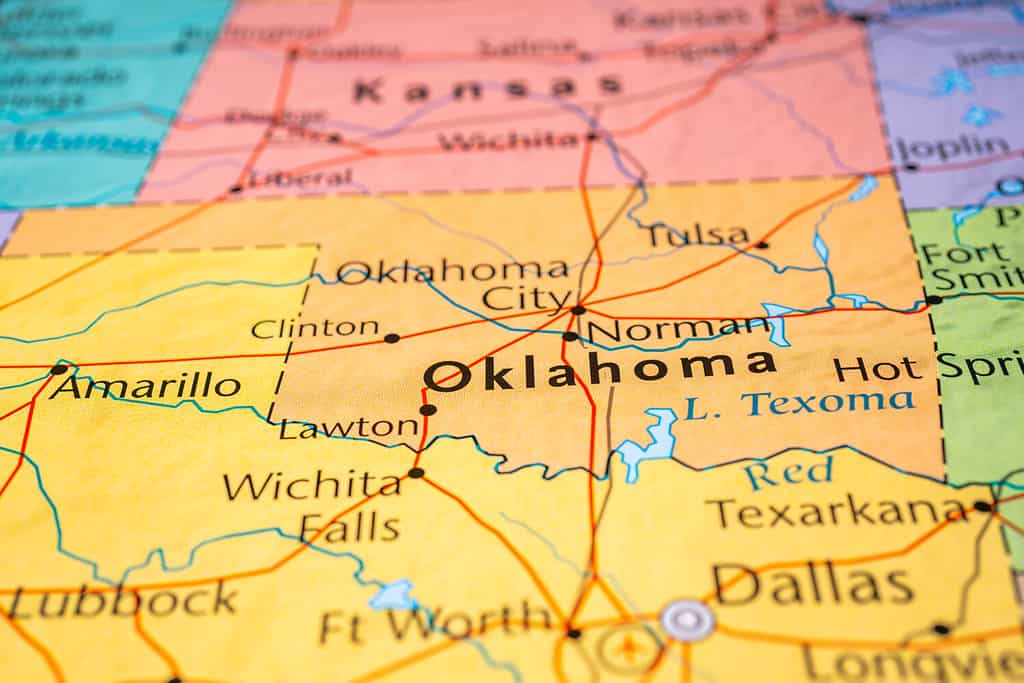
Oklahoma sits within the broader copperhead range, which means residents in the right areas should know how easily these snakes can blend into the landscape. In Oklahoma, copperheads are associated with central and eastern Oklahoma, especially wooded, rocky, and brushy places with enough cover and prey. Oklahoma has several venomous snake species, and copperheads are part of that mix in the eastern half of the state. What makes them especially unnerving is not that they chase people, but that they usually stay still and rely on camouflage until a person, dog, or child gets too close. They are most likely to be found near creeks, forest edges, rocky hillsides, and rural properties where rodents and small animals are common. That means the biggest risk often comes from ordinary activities like hiking, gardening, moving firewood, stepping off a trail, or reaching into leaves and brush without looking first. If you live in or visit copperhead habitat in Oklahoma, wear sturdy shoes outside, use a flashlight at night, keep pets from nosing through piles of leaves, and never try to handle a snake you cannot identify.
Pennsylvania
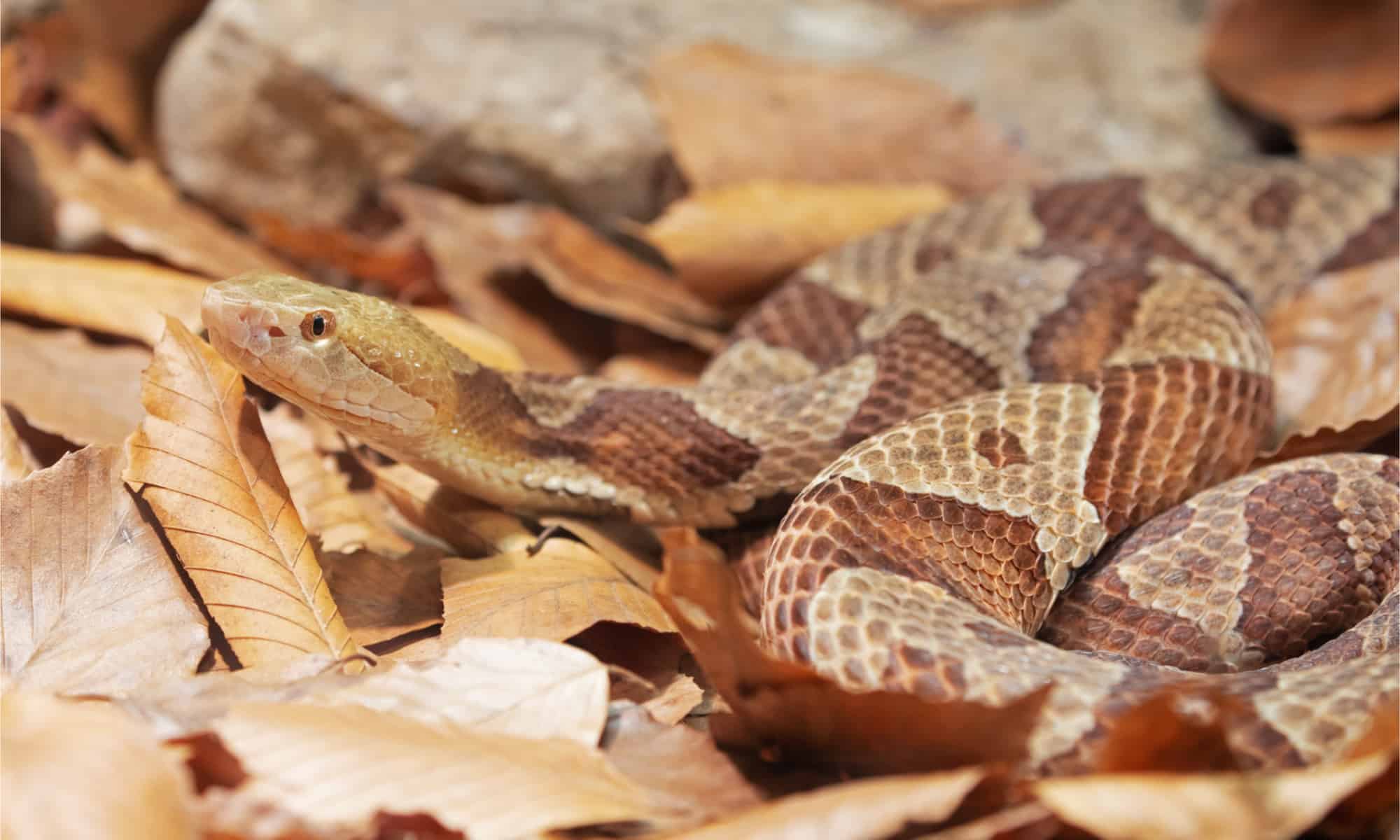
Pennsylvania sits within the broader copperhead range, which means residents in the right areas should know how easily these snakes can blend into the landscape. In Pennsylvania, copperheads are associated with much of Pennsylvania, especially wooded, rocky, and hilly habitat, though they are less common or absent from some northern and northwestern areas. The original slide appears to have a typo, so this section is corrected to refer to Pennsylvania, not North Carolina. What makes them especially unnerving is not that they chase people, but that they usually stay still and rely on camouflage until a person, dog, or child gets too close. Copperheads can be a concern around trails, stone walls, brush piles, cabins, and leafy yards, particularly in warmer months when they are active. That means the biggest risk often comes from ordinary activities like hiking, gardening, moving firewood, stepping off a trail, or reaching into leaves and brush without looking first. If you live in or visit copperhead habitat in Pennsylvania, wear sturdy shoes outside, use a flashlight at night, keep pets from nosing through piles of leaves, and never try to handle a snake you cannot identify.
South Carolina

South Carolina sits within the broader copperhead range, which means residents in the right areas should know how easily these snakes can blend into the landscape. In South Carolina, copperheads are associated with throughout South Carolina, where warm weather, forests, wetlands edges, and suburban green spaces create suitable habitat. The species is common enough that residents in many parts of the state know to be careful when walking through leaves or clearing brush. What makes them especially unnerving is not that they chase people, but that they usually stay still and rely on camouflage until a person, dog, or child gets too close. Copperheads may be found in wooded neighborhoods, near creeks, around piles of debris, and along trails where their pattern blends into the ground. That means the biggest risk often comes from ordinary activities like hiking, gardening, moving firewood, stepping off a trail, or reaching into leaves and brush without looking first. If you live in or visit copperhead habitat in South Carolina, wear sturdy shoes outside, use a flashlight at night, keep pets from nosing through piles of leaves, and never try to handle a snake you cannot identify.
Tennessee
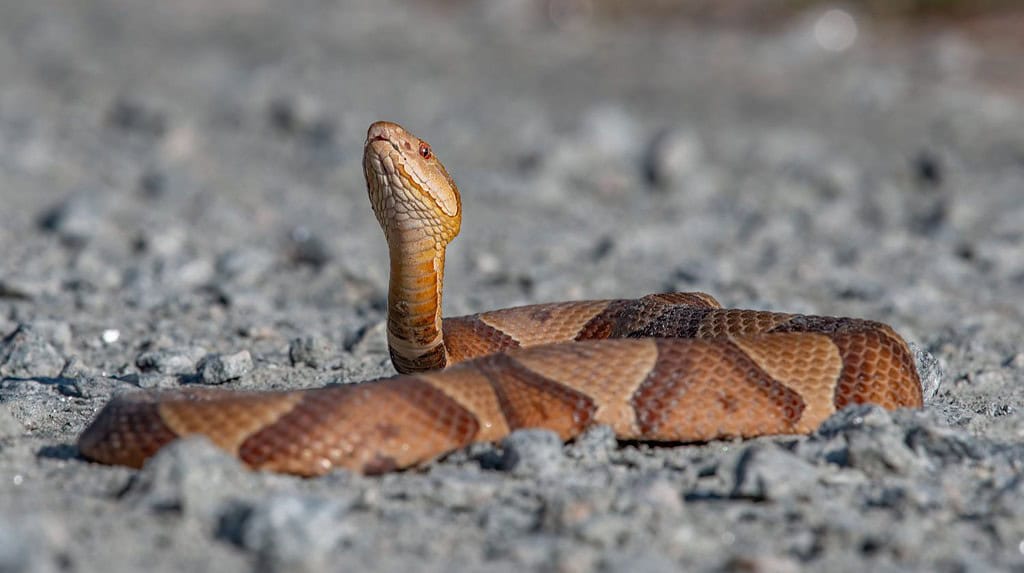
Tennessee sits within the broader copperhead range, which means residents in the right areas should know how easily these snakes can blend into the landscape. In Tennessee, copperheads are associated with throughout Tennessee, from wooded hills and hollows to rocky slopes, creek edges, and rural properties. Tennessee has a lot of classic copperhead habitat, which helps explain why the species is familiar across the state. What makes them especially unnerving is not that they chase people, but that they usually stay still and rely on camouflage until a person, dog, or child gets too close. They are often encountered when people hike, garden, clean up woodpiles, or walk near leaf litter, especially during warm months and around dusk. That means the biggest risk often comes from ordinary activities like hiking, gardening, moving firewood, stepping off a trail, or reaching into leaves and brush without looking first. If you live in or visit copperhead habitat in Tennessee, wear sturdy shoes outside, use a flashlight at night, keep pets from nosing through piles of leaves, and never try to handle a snake you cannot identify.
Texas
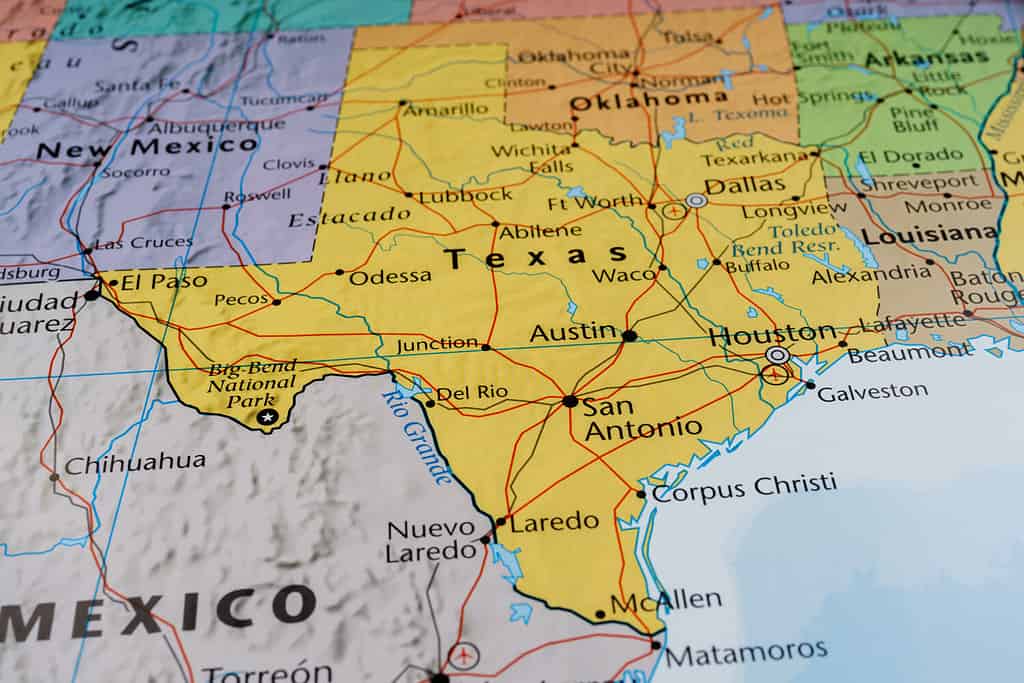
Texas sits within the broader copperhead range, which means residents in the right areas should know how easily these snakes can blend into the landscape. In Texas, copperheads are associated with eastern Texas and other suitable parts of the state where woods, brush, creek bottoms, and humid cover are present. Texas is large and varied, so copperheads are not equally likely in every region, with the eastern portion being the more typical area for encounters. What makes them especially unnerving is not that they chase people, but that they usually stay still and rely on camouflage until a person, dog, or child gets too close. Where they occur, people may find them near wooded yards, brush piles, lowland forests, and shaded areas that hold rodents, frogs, and other prey. That means the biggest risk often comes from ordinary activities like hiking, gardening, moving firewood, stepping off a trail, or reaching into leaves and brush without looking first. If you live in or visit copperhead habitat in Texas, wear sturdy shoes outside, use a flashlight at night, keep pets from nosing through piles of leaves, and never try to handle a snake you cannot identify.
Virginia
Virginia sits within the broader copperhead range, which means residents in the right areas should know how easily these snakes can blend into the landscape. In Virginia, copperheads are associated with throughout Virginia, including mountains, Piedmont forests, river corridors, and suburban edges near natural cover. Virginia sits squarely in the copperhead’s eastern range, and the species is one of the venomous snakes residents most often hear about. What makes them especially unnerving is not that they chase people, but that they usually stay still and rely on camouflage until a person, dog, or child gets too close. Because copperheads can adapt to wooded neighborhoods and parks, people may encounter them while hiking, doing yardwork, or walking pets near leaf litter and brush. That means the biggest risk often comes from ordinary activities like hiking, gardening, moving firewood, stepping off a trail, or reaching into leaves and brush without looking first. If you live in or visit copperhead habitat in Virginia, wear sturdy shoes outside, use a flashlight at night, keep pets from nosing through piles of leaves, and never try to handle a snake you cannot identify.
West Virginia
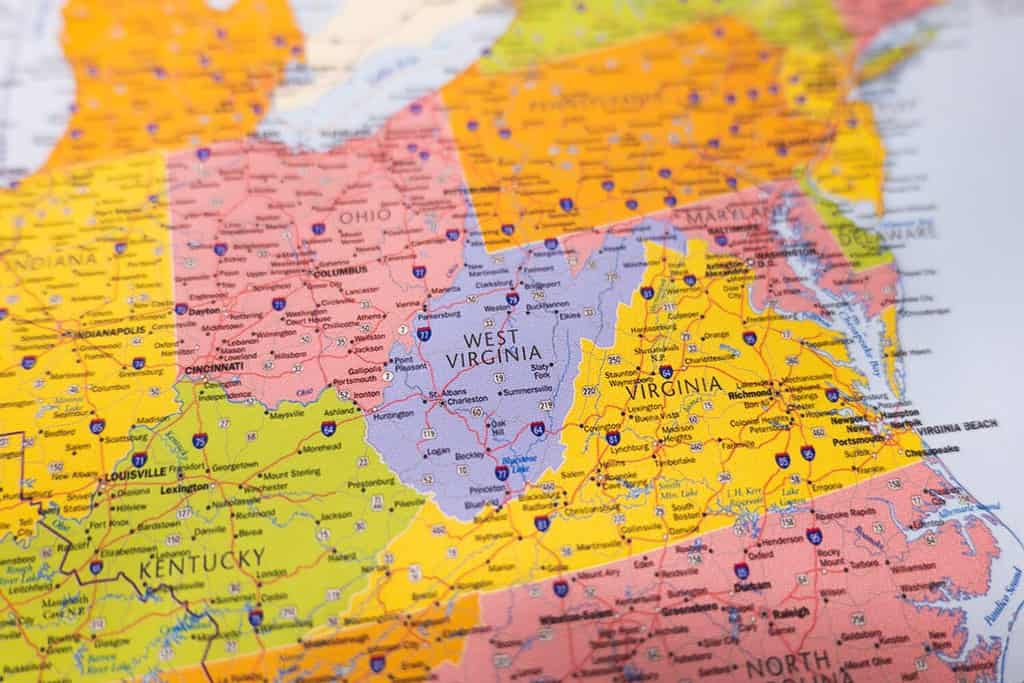
West Virginia sits within the broader copperhead range, which means residents in the right areas should know how easily these snakes can blend into the landscape. In West Virginia, copperheads are associated with throughout West Virginia, where forests, rocky terrain, ridges, hollows, and rural edges provide excellent cover. The state’s landscape is well-suited to copperheads, especially in areas with rock, wood, leaves, and nearby prey. What makes them especially unnerving is not that they chase people, but that they usually stay still and rely on camouflage until a person, dog, or child gets too close. Residents and hikers should be especially careful around shaded trails, old logs, woodpiles, and stone-covered ground because these snakes can be nearly invisible until they move. That means the biggest risk often comes from ordinary activities like hiking, gardening, moving firewood, stepping off a trail, or reaching into leaves and brush without looking first. If you live in or visit copperhead habitat in West Virginia, wear sturdy shoes outside, use a flashlight at night, keep pets from nosing through piles of leaves, and never try to handle a snake you cannot identify.