
Quick Take
- Every recent Colorado attack shared one common trigger, and most hikers don't realize they're carrying it with them. The trigger most hikers carry →
- Moose attacks spike at two very specific times of year, and right now may be one of those times. Seasonal attack patterns explained →
- If a moose charges you, conventional animal-attack wisdom is exactly the wrong move. What to do during a charge →
When you see stories about animal attacks in the headlines, they usually involve the usual suspects: dogs, bears, sharks, and even coyotes. Moose, however, are generally considered to be mild-mannered creatures. They are large and imposing, and certainly capable of causing destruction, but are typically too shy to confront humans. However, make no mistake—moose can be incredibly dangerous. One hiker in Colorado learned that the hard way recently, after a moose attacked them and their dog deep in the woods of Teller County.
Statistically speaking, people are injured by moose more than bears, at least in the state of Alaska. According to the Alaska Department of Fish and Game, between five and 10 people are injured by moose there annually. Moose injure people in other states, too. Many moose-related injuries occur in car accidents. However, they will become confrontational, aggressive, and even violent if they feel threatened. Moose attacks are also highly seasonal, with spikes in incidents typically occurring in late spring and early summer, when cows are nursing newborn calves, and in the fall, when bull moose enter the rut. Let’s learn more about this recent attack in Colorado, why the summer brings more incidents, and what to do if you find yourself face-to-face with a moose.
Teller County Attack
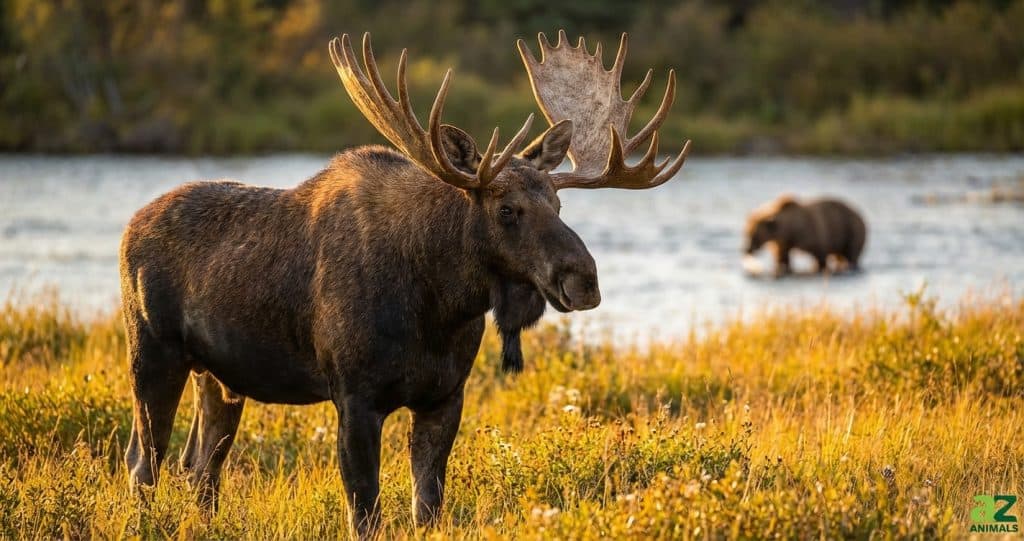
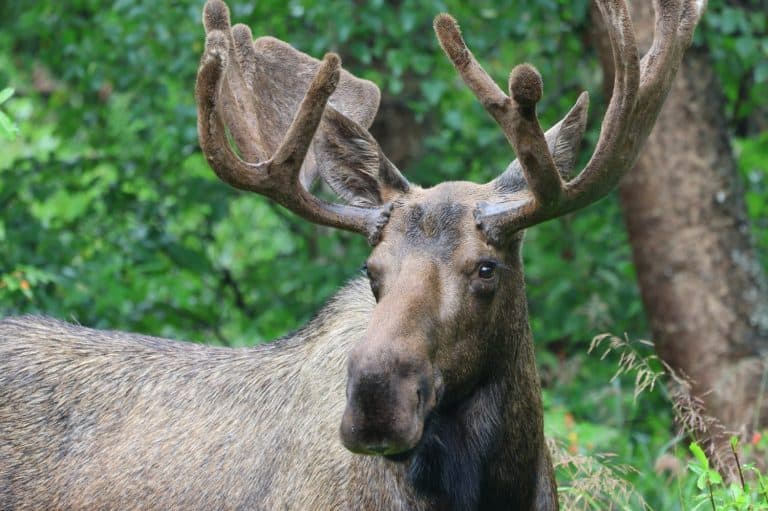
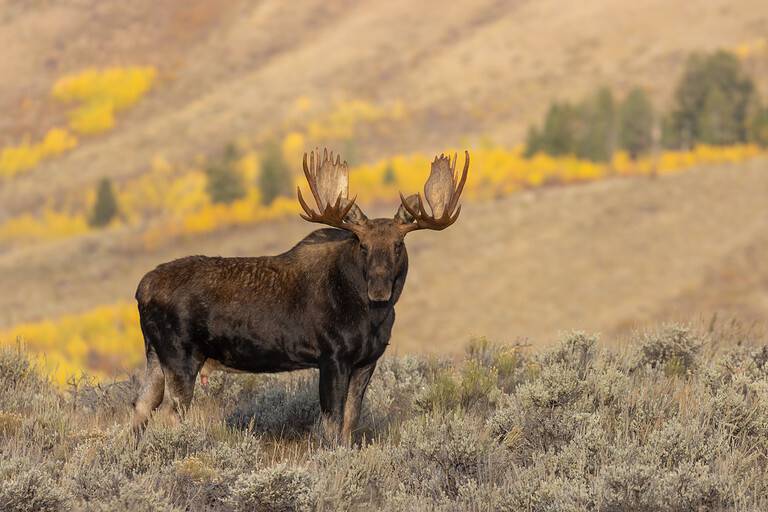
A moose attacked a hiker and their dogs on June 22 in Teller County, Colorado.
©A-Z Animals
As reported by several local and national media outlets, a moose attacked a hiker and their dogs on a trail in Teller County, Colorado, earlier this month. It happened early in the evening on Monday, June 22, on the Lovell Gulch Trail near Woodland Park. When a report of the attack came in at 6:45 p.m., emergency personnel rushed to the scene.
Colorado Parks and Wildlife officers and Teller County Search and Rescue evaluated the victim and released them at the scene. One of the hiker’s dogs, however, remained unaccounted for. About two hours later, at 8:27 p.m., emergency personnel located the missing dog. All of the hikers’ dogs, in fact, were found walking near the trailhead with no visible injuries.
Officials ultimately declined to pursue the moose responsible for the attack. Now, warning signs are posted along the trail to alert visitors about aggressive moose and the dangers of approaching them.
Earlier Attacks
The hiker involved in the most recent attack was very lucky, considering that a moose attacked several other people in late May and early June 2025, resulting in serious injuries.
The first attack occurred on May 30, 2025, along Fourmile Creek Road in Fairplay, Colorado. A moose charged two women walking four dogs off their leashes, trampling them multiple times in the process. The two women escaped by climbing on a nearby roof. Eventually, a neighbor scared off the moose with a fire extinguisher. Despite the trampling, both women declined medical attention.
A day later, a moose attacked a woman outside her home in Grand Lake while she was returning from a walk with her unleashed dog. A cow moose knocked her off her feet and tried to trample her as she climbed under a storage shed. The woman’s boyfriend reportedly shot and killed the moose. After a brief investigation, Colorado Parks and Wildlife officials determined that the shooting was in self-defense.
The next day, a woman walking with two off-leash dogs was seriously injured by a cow moose at River Creek Park in Steamboat Springs. A paddleboarder rushed to her rescue but was kicked by the moose in the process. He sustained only minor injuries. The woman had to be airlifted to Front Range Medical Center for treatment.
Why Moose Attack
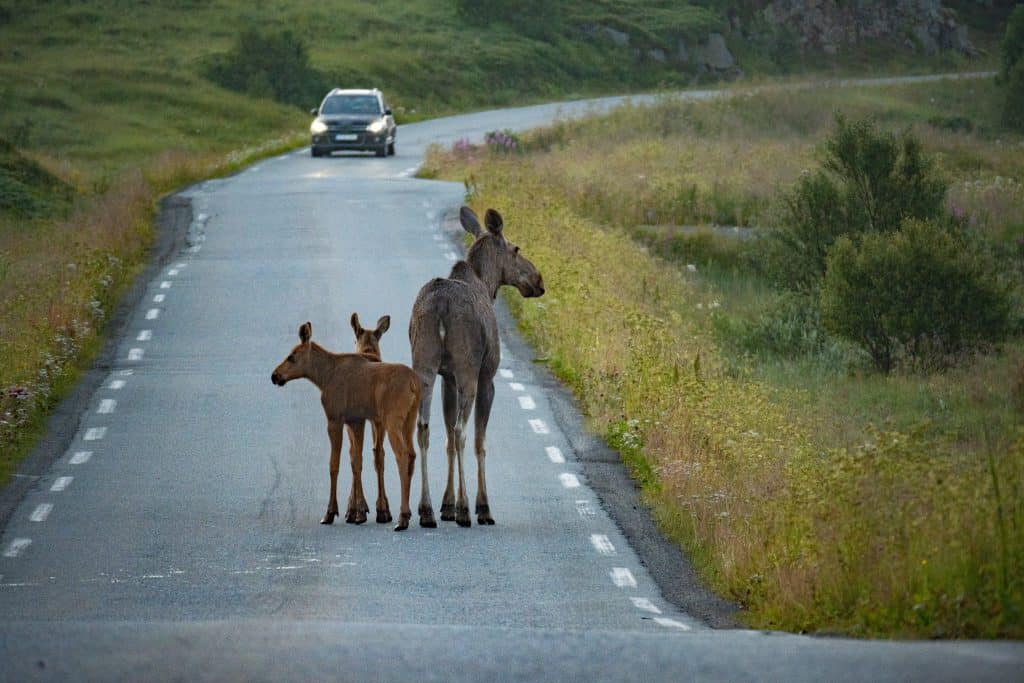
Most injuries from moose incidents occur during car accidents and collisions.
©Pablo Joanidopoulos/Shutterstock.com
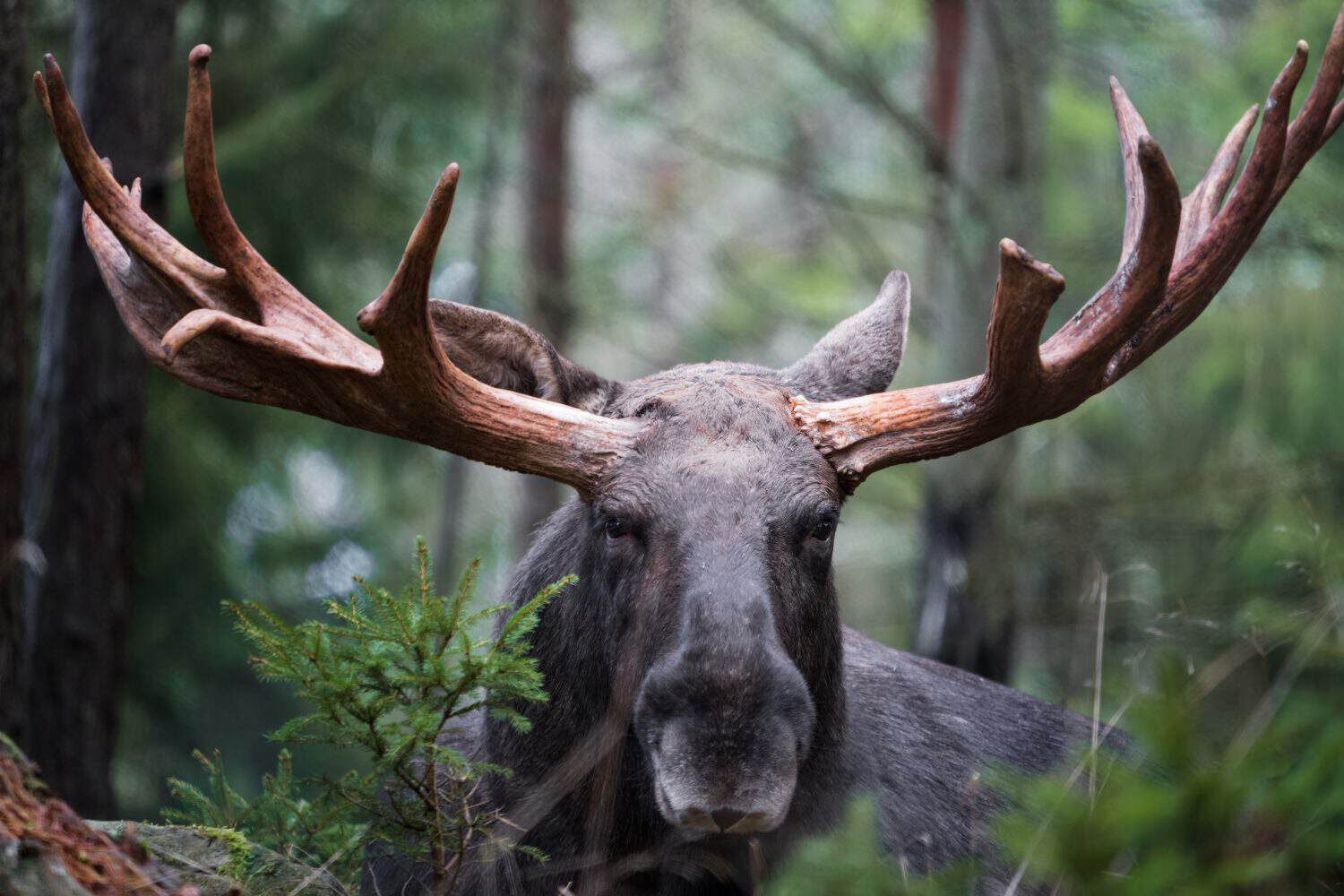
Most injuries caused by moose happen in car accidents and collisions. On-the-ground attacks, however, are usually the result of seasonal temperament changes or the presence of dogs. During the late spring and early summer, cows are busy with newborn calves. This makes them extra protective and, therefore, more aggressive if threatened. Spikes in attacks also occur between late September and November, when bull moose enter the “rut” season. This makes them unusually territorial and aggressive.
However, the common theme shared between these four recent attacks in Colorado is the presence of dogs. Moose see dogs as natural predators, similar to wolves. This perception can cause them to attack or confront people out of fear. These incidents are even more likely to occur when dogs are off-leash, as was the case in several of these recent Colorado attacks.
Moose Attack Safety Tips
When it comes to safety during moose encounters, it’s important to first understand the warning signs. If you come across a moose, move far out of its way. An aggressive moose will raise its hump hairs, pin its ears, and start licking its lips. If a moose starts approaching you, back away quickly and seek cover.
If a moose blocks your path, don’t make any sudden or aggressive movements. Always try to keep a solid barrier, such as a tree, between you and the moose, so it has an escape route. Usually, moose will move away if given enough time.
In the rare instance that a moose charges, run as fast as you can. They won’t chase you as far as other predators, and humans can maneuver more quickly around obstacles. If a moose manages to knock you down, curl your body into a tight ball and cover your head. Stay completely still until the moose loses interest and leaves. Despite the recent string of attacks in Colorado, moose attacks are incredibly rare and statistically unlikely to be fatal.