
Humans have the biggest bottom in the animal kingdom, according to our buttocks-to-body ratio. A study several years ago conducted by the Institute of Human Anatomy found that the human gluteal fold and cleft attach to the skeleton in a way that puts it in constant motion with our bipedal movements. The more movement a muscle gets, the larger it can grow. Despite humans coming in at the top spot, several animals in the world still have impressively large backsides. Keep reading to discover six animals with big butt-related records, including some of the largest sizes, most striking colors, interesting uses, and the biggest anus.
Hippopotamus
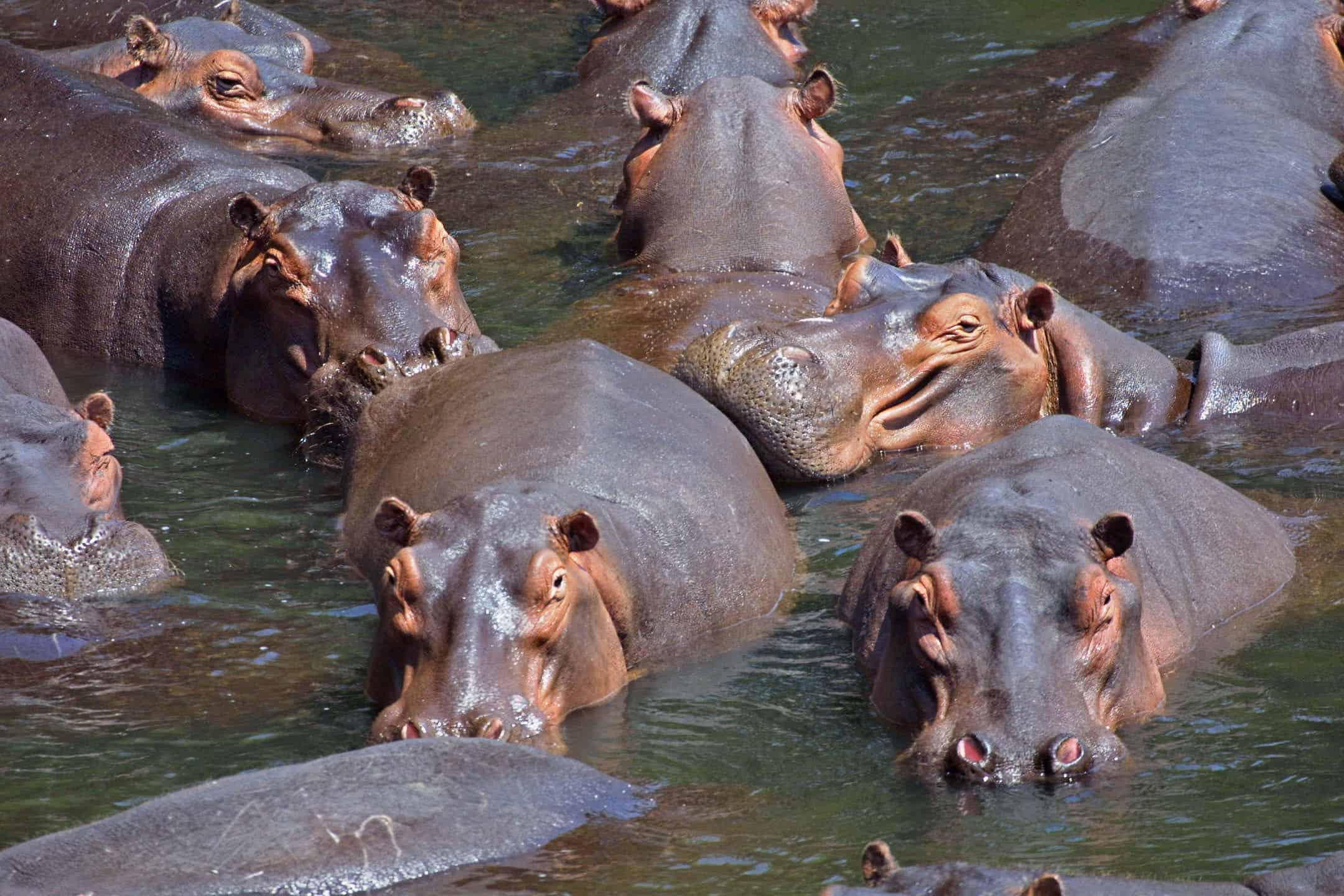
Hippos have anal leeches as well as one of the biggest butts in the animal kingdom.
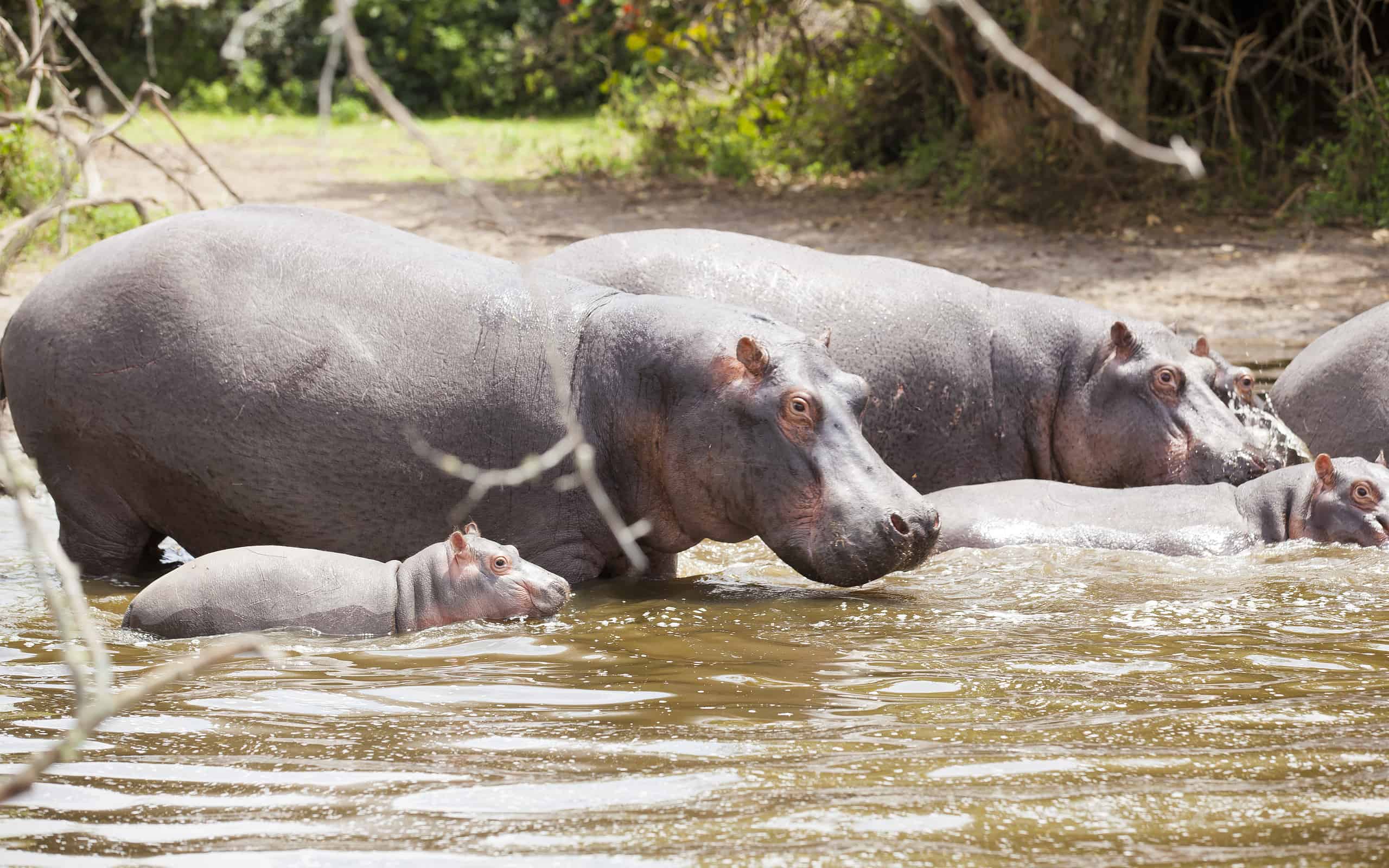
Many butts of the animal kingdom outpace the size of a human’s; one such example is the hippopotamus (Hippopotamus amphibius). Hippos are massive mammals, typically measuring between 10.8 and 16.5 feet in length. Adult males can weigh up to 9,900 pounds, though the average is closer to 3,300–3,500 pounds, while females average around 2,900–3,000 pounds.
The hippopotamus’s backside spans approximately five feet. This substantial caboose allows them to steer through rivers and also signals stay out of my territory to rivals. While the hippo has a massive rear end, it also has an interesting rear end addition: Placobdelloides jaegerskioeldi, an elusive species of leech known to live in the rectum of hippos.
Baboon
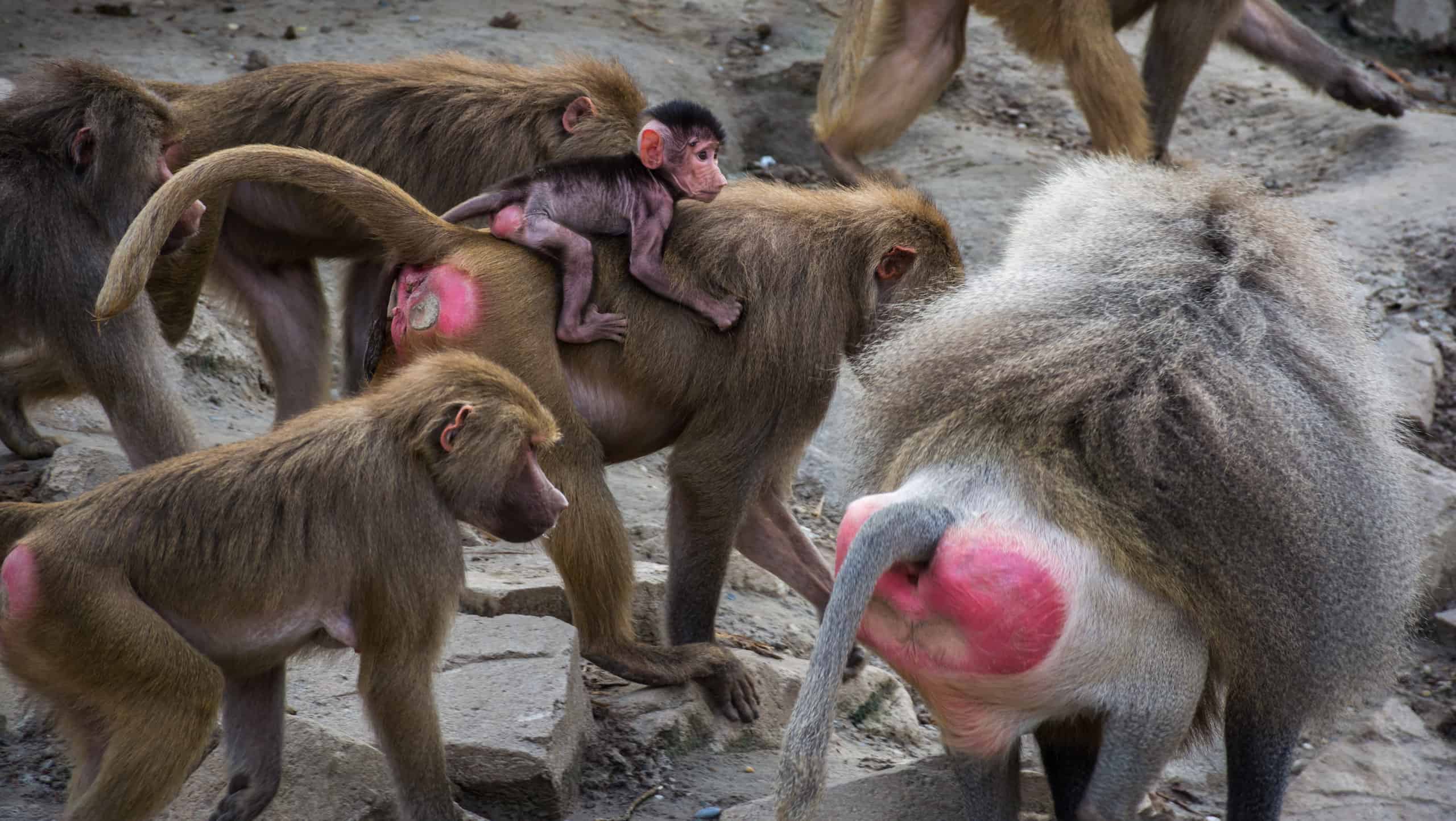
Baboon butts are big, public social cues.
©Nik Bruining/Shutterstock.com
The red-rumped papio genus includes several species with large butts, especially during mating season. For baboons, the buttocks of females swell and turn red to communicate their ovulation windows. Recent research, however, found that the long-held belief of a bigger butt, better mother in baboons seems to be false. The size of a female baboon’s derriere did not correlate with how long babies live past infancy. It also did not attract more mates; the only marked difference the researchers found was that males preferred females who had experienced more ovulation cycles since their last pregnancy.
Giraffe
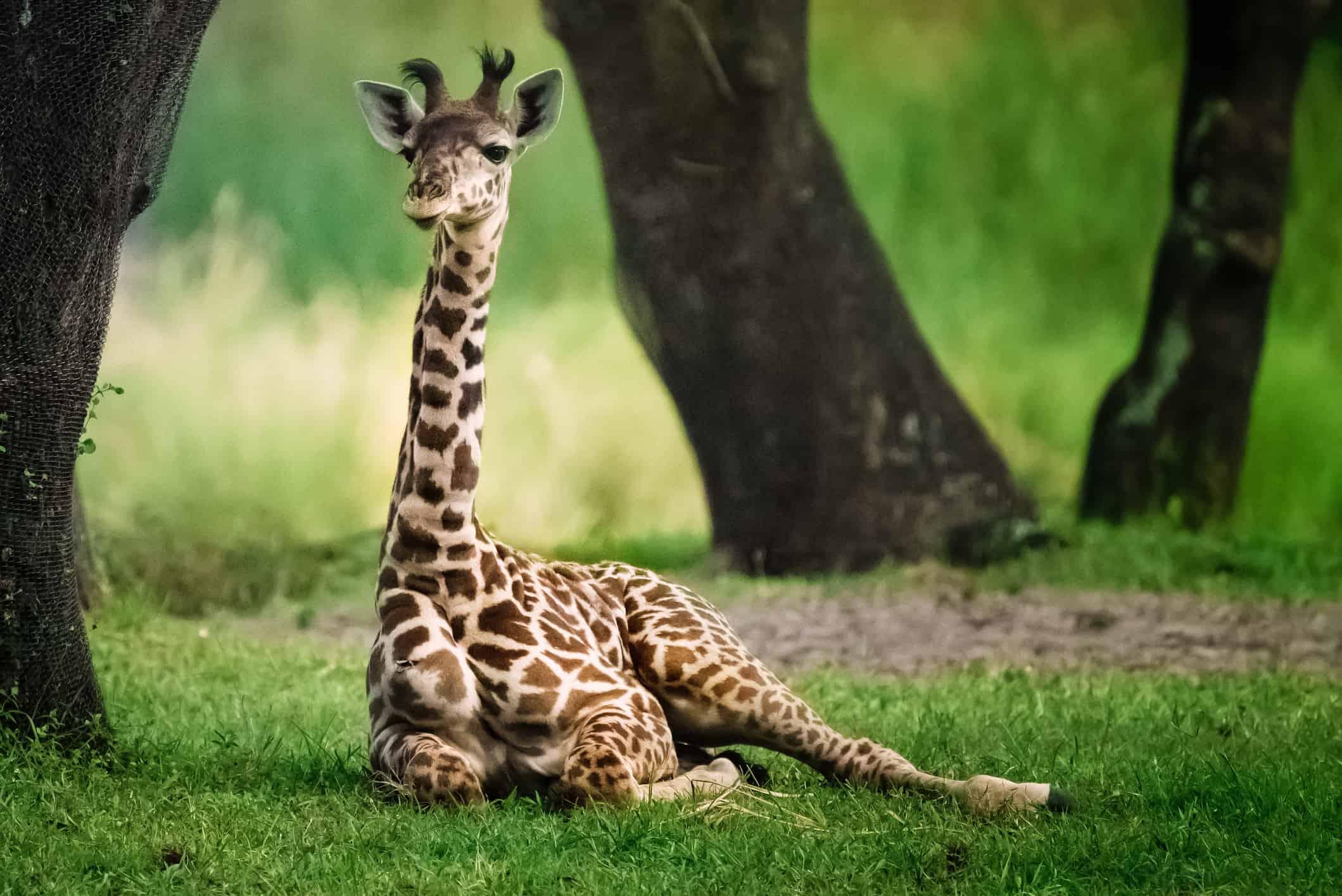
Giraffes will use their butts as pillows.
©iStock.com/Jonathan Ross
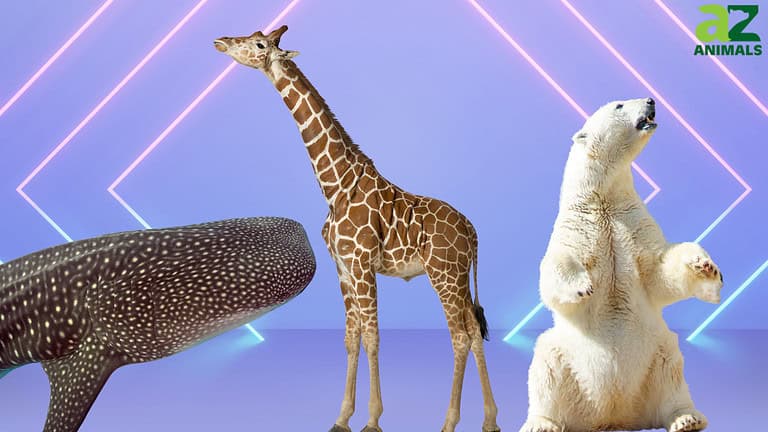
Giraffes (Giraffa) do not sleep much, but when they do, they use their big butts as a pillow on which they rest their heads. Their entire body contorts into a circle-like lump, and they may get only 3 to 5 hours of sleep in a full 24 hours.
Giraffes also engage in a different meaning of the word butt: they butt heads to fight. Males will fight each other, entering into a wrestling match used to assert dominance within their cohort. The butting and clubbing of necks also help young males develop their neck muscles and learn to joust and win future disputes.
Rhinoceros
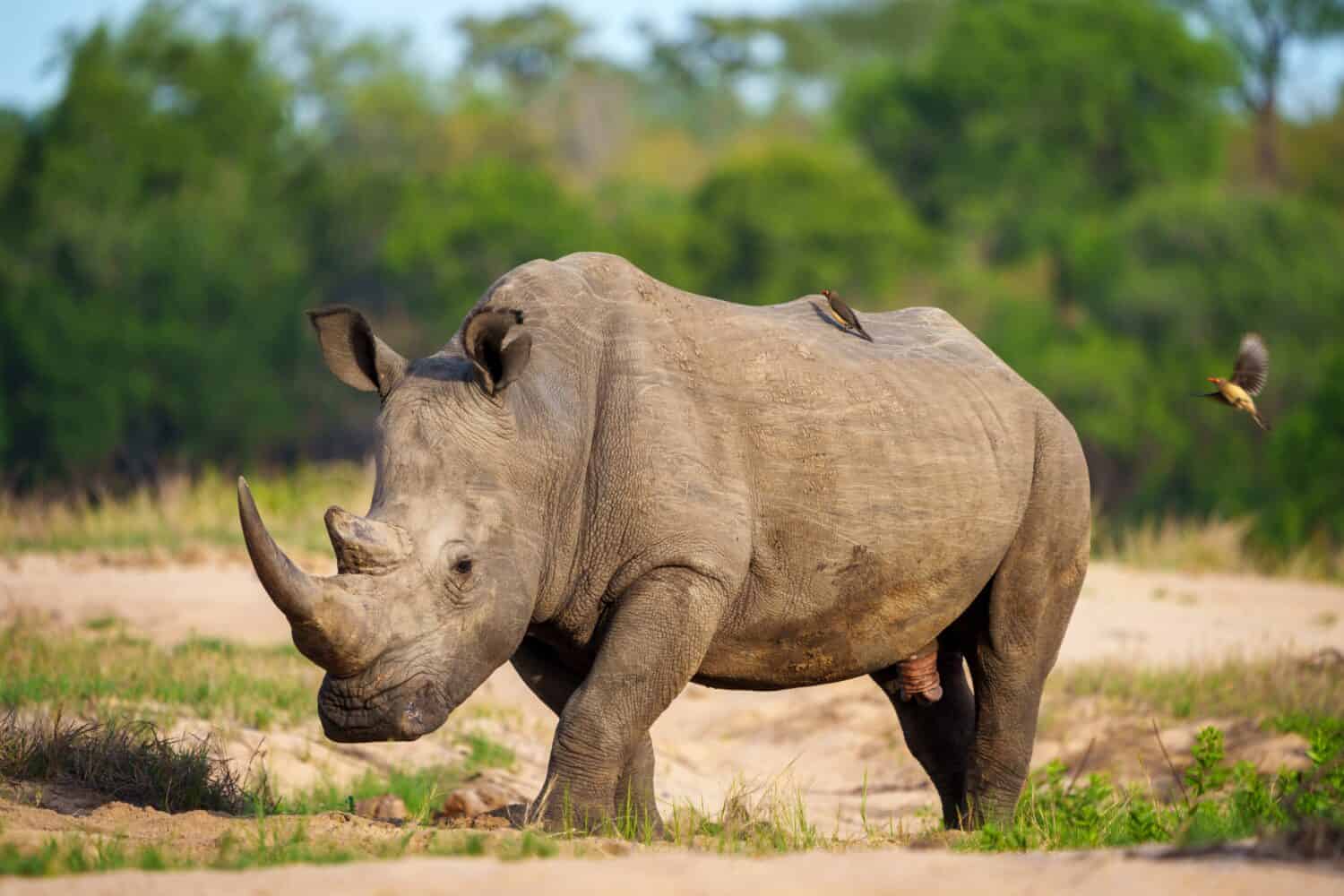
The butt of a rhino rivals the hippopotamus.
©Roger de la Harpe/Shutterstock.com
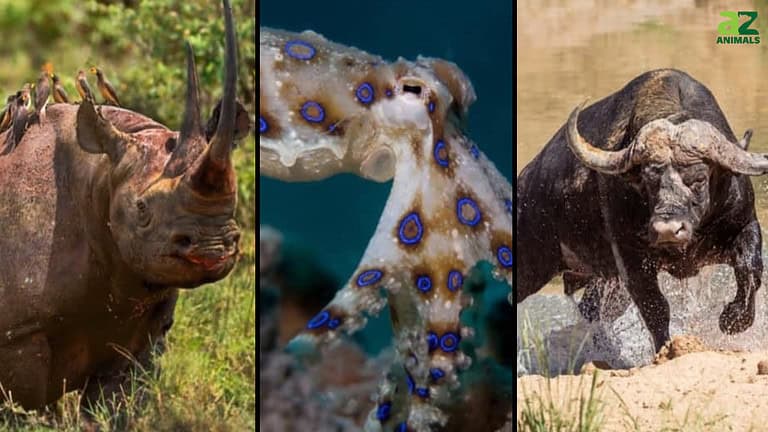
Smaller than a hippo but still a massive land animal, the rhinoceros (Rhinocerotidae) has a large, thick-hided rear end that produces an interesting bowel movement. Adult white rhinos (Ceratotherium simum) produce up to 50 lbs of dung a day. Depending on its age and gender, the feces will have a different smell. Furthermore, females who can reproduce have a different dung smell than non-reproductive females. These big-butt, dung-heavy animals socialize at communal dung deposits known as middens, which serve as neighborhood hangout spots where rhinos can meet and interact with other members of their group, called crashes.
Okapi
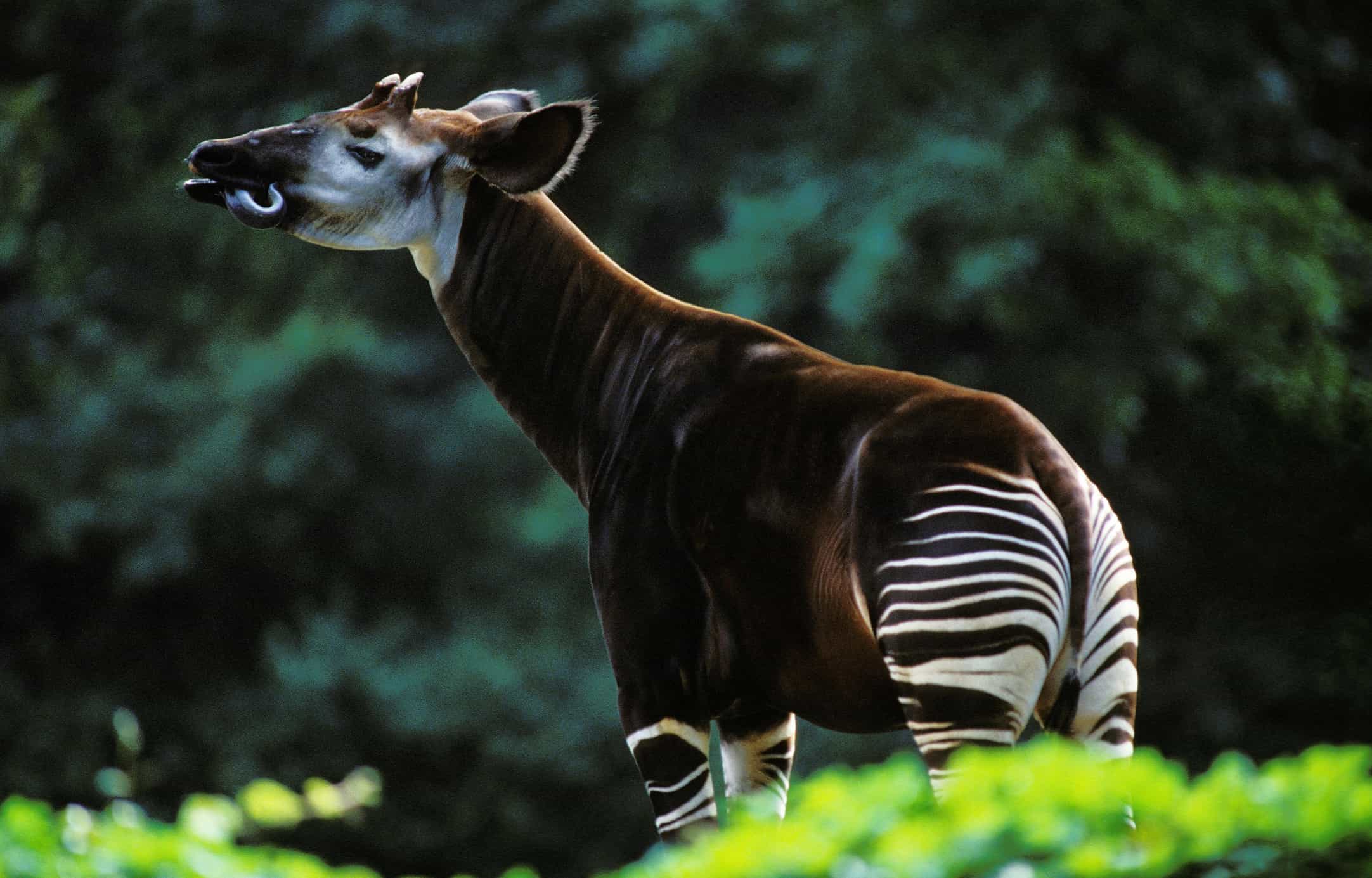
Okapi have unique backsides.
©slowmotiongli/ via Getty Images
The giraffe’s endangered cousin, the okapi (Okapia johnstoni), also called the forest giraffe, has one of the most unique rear ends in the animal kingdom. Despite having a solid-colored coat over its abdomen, neck, and head, the butt and legs of an okapi look like they were taken straight from a zebra. The endangered and elusive okapi resides in the deep forests of the Democratic Republic of the Congo and has well-developed hearing, which alerts it to humans or predators several yards away.
Blue Whale
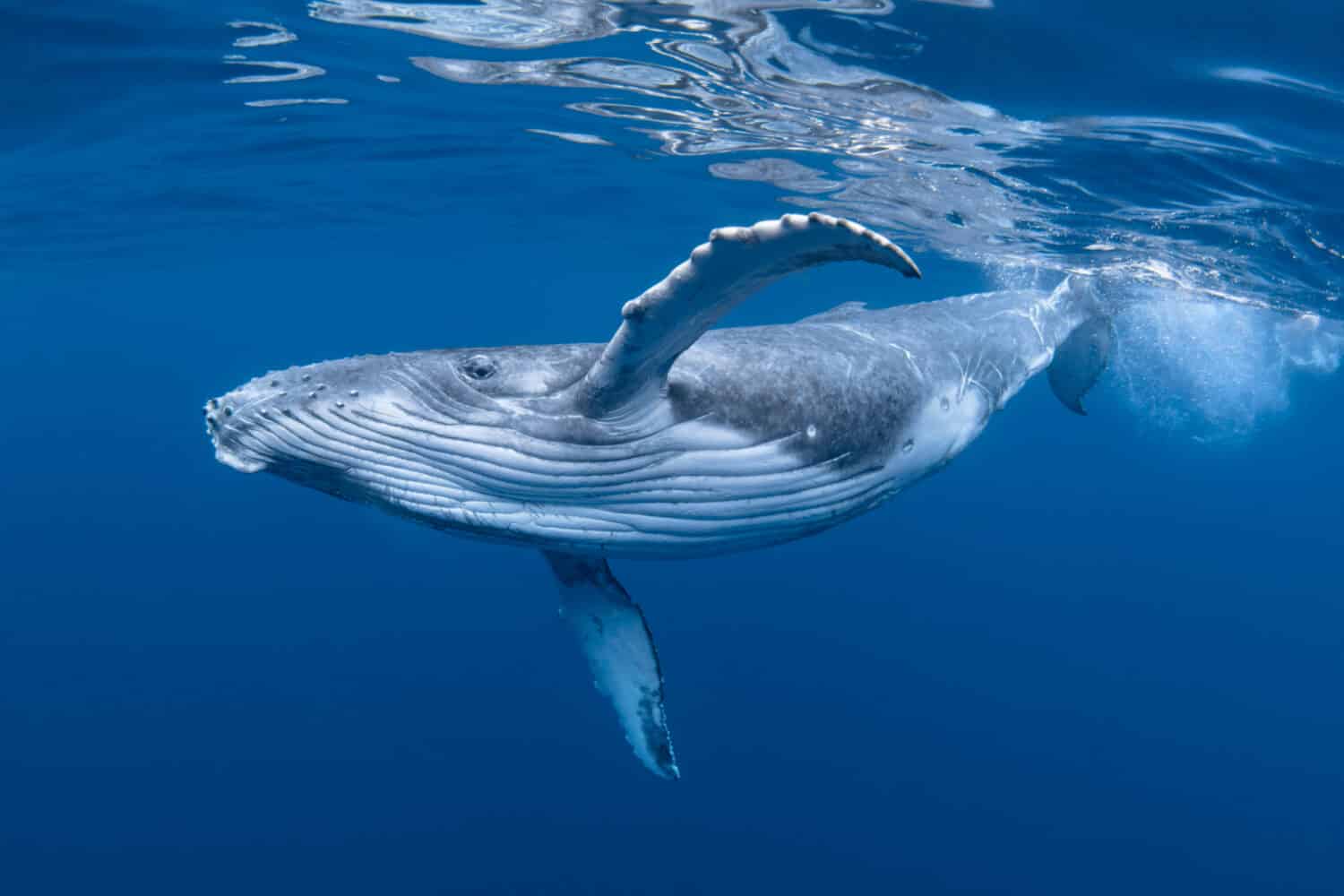
Marine mammals like whales do not have conventional butts.
©Craig Lambert Photography/Shutterstock.com
Whales do not have gluteal muscles. As such, they do not have a butt whose size scientists can accurately determine. Still, the blue whale (Balaenoptera musculus) stands above the rest for a certain butt-related size record. Not only does the blue whale rank as the largest animal on earth, but it also has the largest anus of any creature in the world. It can dilate to approximately 4 to 6 inches in diameter, making way for some truly massive bowel movements.