
Quick Take
- The spittlebug's foam isn't deliberately crafted for protection. It's an accidental byproduct of how the bug eats. See how the foam forms →
- Those bubbles do far more than hide the bug from predators, and some of the reasons have nothing to do with other animals. Discover the foam's functions →
- At a specific point in its life, the spittlebug permanently loses its foam-making ability. It never gets it back. Explore the nymph lifecycle →
- You've probably walked past dozens of these bugs without knowing it. Luckily, there's a simple trick to spotting them in your own backyard. Find them in your yard →
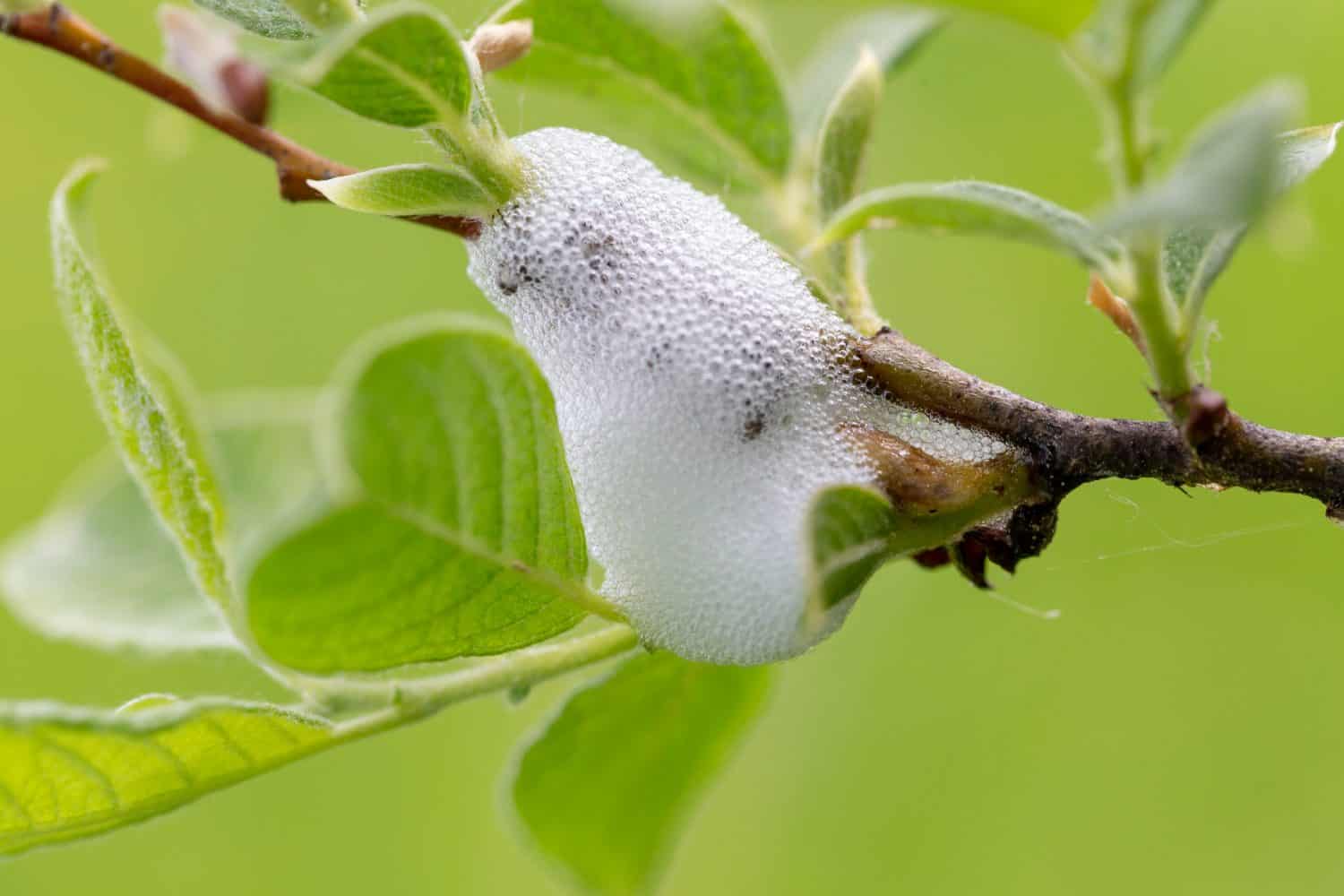
We’ve all seen our fair share of strange traits and adaptations, whether in nature or online, but this might be the weirdest. The spittlebug nymph has the ability to create a sud-like foam in which the bug lives. You might be wondering what benefit this brings to the bug, and there are plenty of important reasons. This Instagram post by @unlocknature.tours shows one of these nymphs creating the frothy foam around its body.
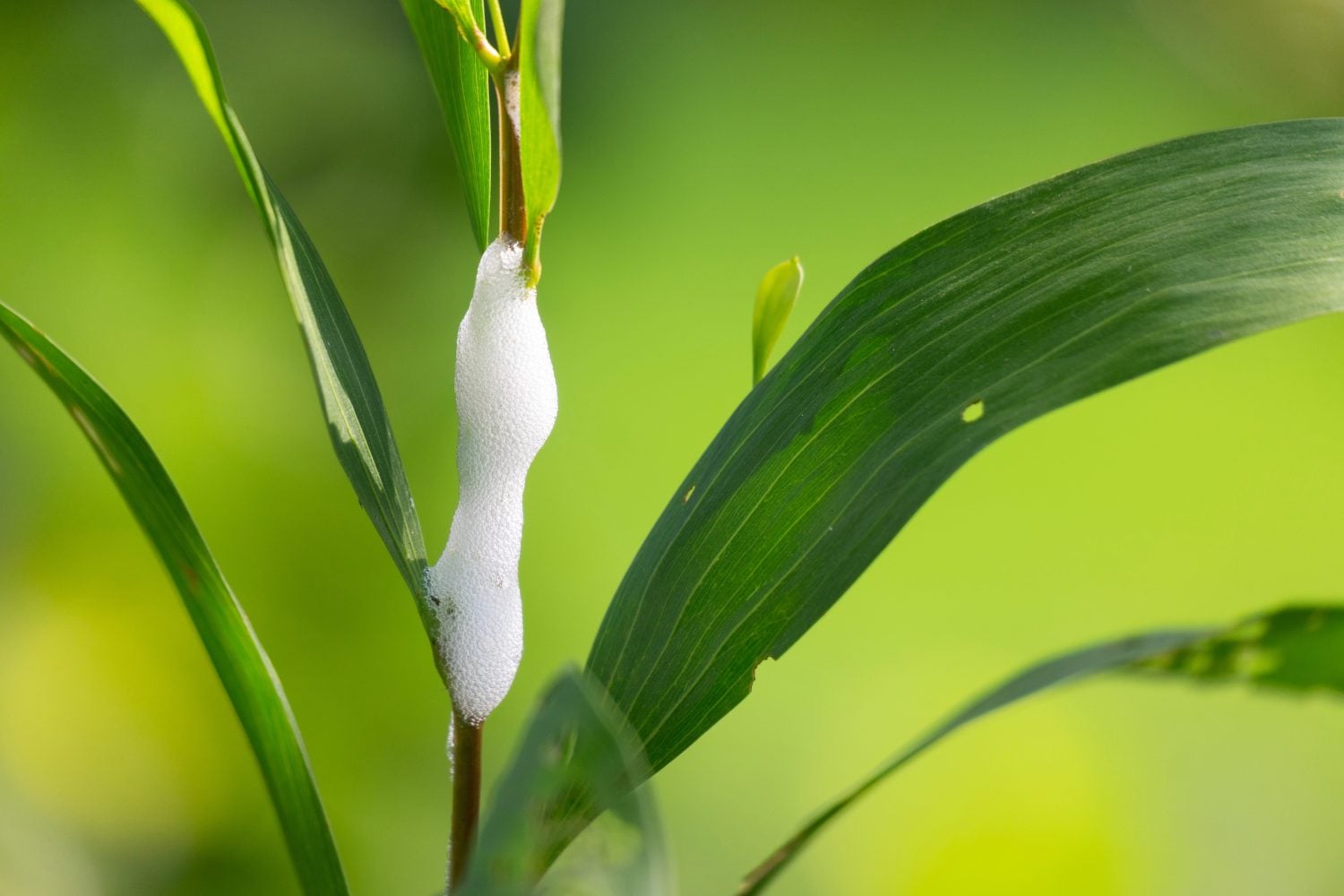
The spittlebug nymph uses the foam it creates as protection from predators by acting as camouflage.
©Mojahid Mottakin/Shutterstock.com
About the Spittlebug Nymph
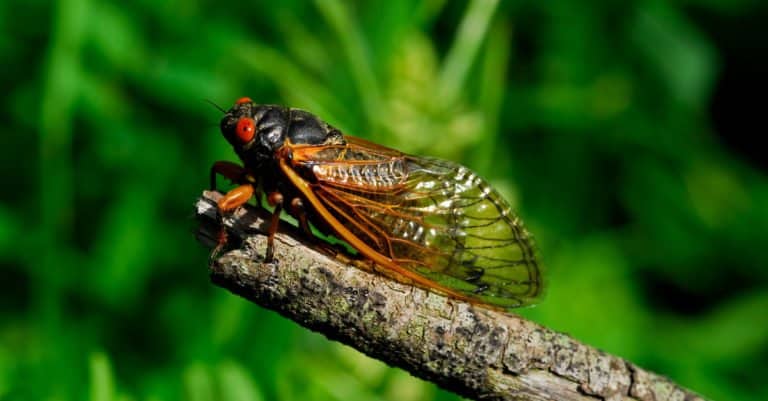
The spittlebug nymph is the juvenile stage of an insect group known as froghoppers. Froghoppers are related to cicadas and leafhoppers. Spittlebugs can be found on every continent except for Antarctica. They inhabit gardens, forests, grasslands, and other lush environments full of grass, trees, bushes, and other plants. To see them in the United States, look out for their foaming blobs on stems of plants in the spring and early summer. As the bugs mature in the summer, it’s best to look for them before it gets too hot. If you do see these suds, you can gently move the bubbles away to see the small insect inside. Spittlebug nymphs are completely harmless to humans and are extremely interesting to interact with in person.
The foamy suds that surround the spittlebug nymph are a unique adaptation that this bug uses to its advantage. Using a needle-like mouth, they feed on the xylem, a sap inside plant tissues. Since the sap contains few nutrients, the excess water has to leave the bug’s body somehow. The nymph excretes it by pumping air into the liquid, which creates the bubbles as it leaves the body. This process creates the soapy suds seen in the video.
The bubbles serve a few purposes. One is camouflage. The suds make it difficult for predators like birds and spiders to see the bug inside, making the foam a perfect hiding place. A few other reasons are related to the early summer heat. The bubbles help to keep the bugs cool, prevent their bodies from dehydrating, and protecting from the sun. After a few weeks in this bubble phase, the nymph molts into an adult froghopper, which no longer produces suds.