
Quick Take
- Albatrosses are expert ocean hunters, yet they keep eating plastic. The real reason has nothing to do with poor eyesight. See how they're fooled →
- One of the more dangerous plastics in the ocean isn't shopping bags or bottles. It's something far smaller that most people never worry about. Discover the real threat →
- A single albatross death carries far heavier consequences for the species than it would for almost any other bird on Earth. Understand the population risk →
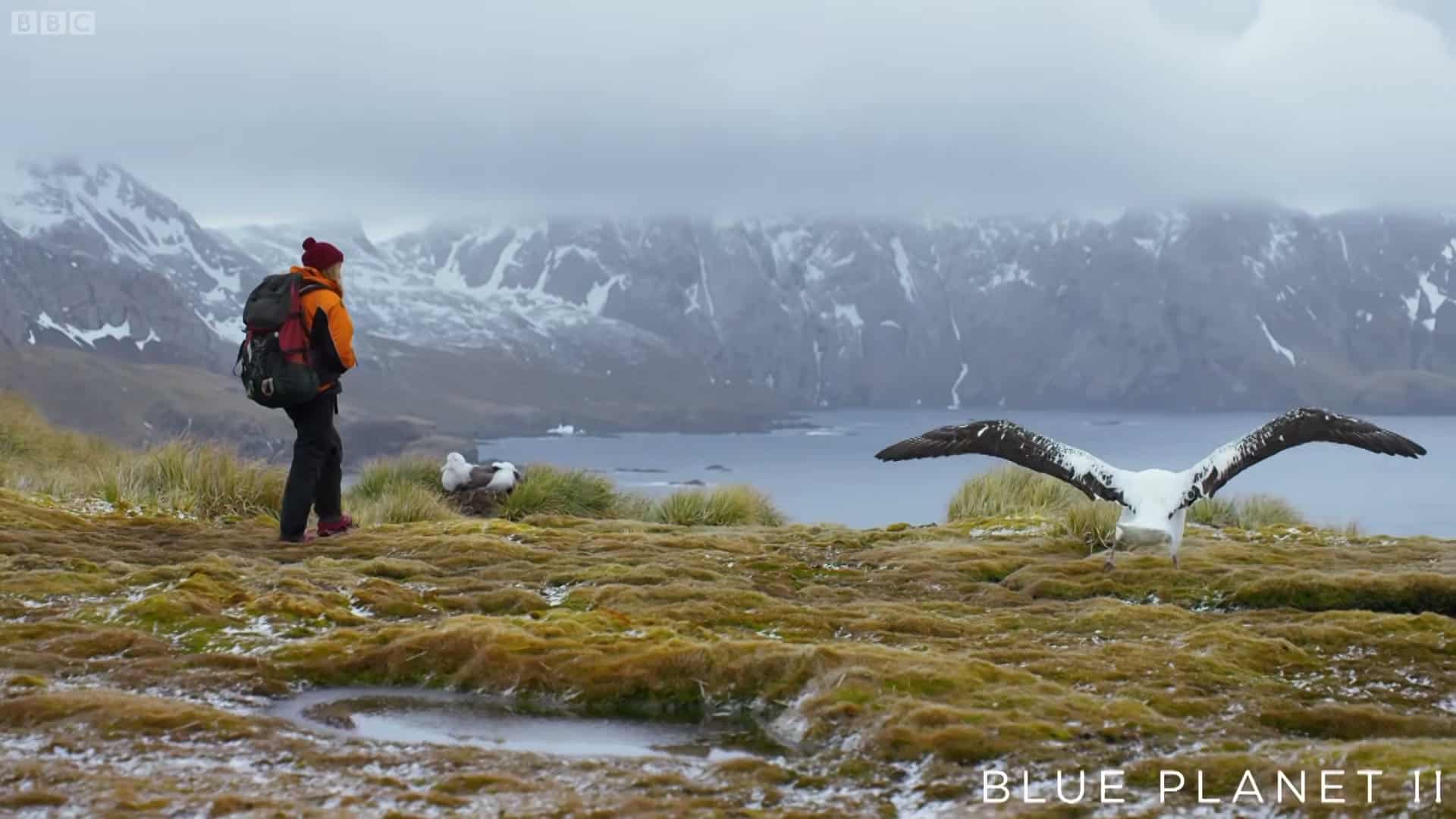
In this short, heartbreaking clip from Blue Planet II, we meet a researcher who’s kneeling beside an albatross chick, sorting through a small pile of regurgitated food waste. Mixed in with the natural squid beaks and fish bones are plastic bags and what looks like rice packaging. Later in the clip, the researcher is sitting beside an albatross carcass, and she explains that she’s found a single plastic toothpick that had punctured the chick’s stomach and was likely what killed it.
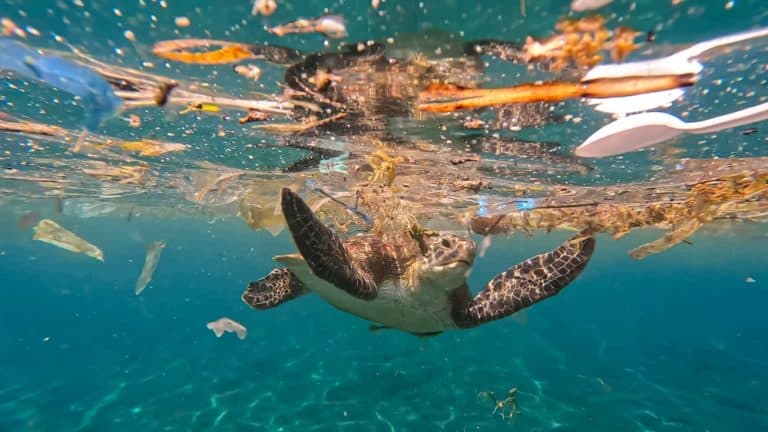
The scene captures a massive, global crisis playing out across the world’s albatross colonies. When floating plastic gets swept up alongside squid and fish, it ends up in these birds‘ stomachs, and once there, it can block digestion, cause fatal internal injuries, or simply take up valuable space that should be filled with nutritious food.
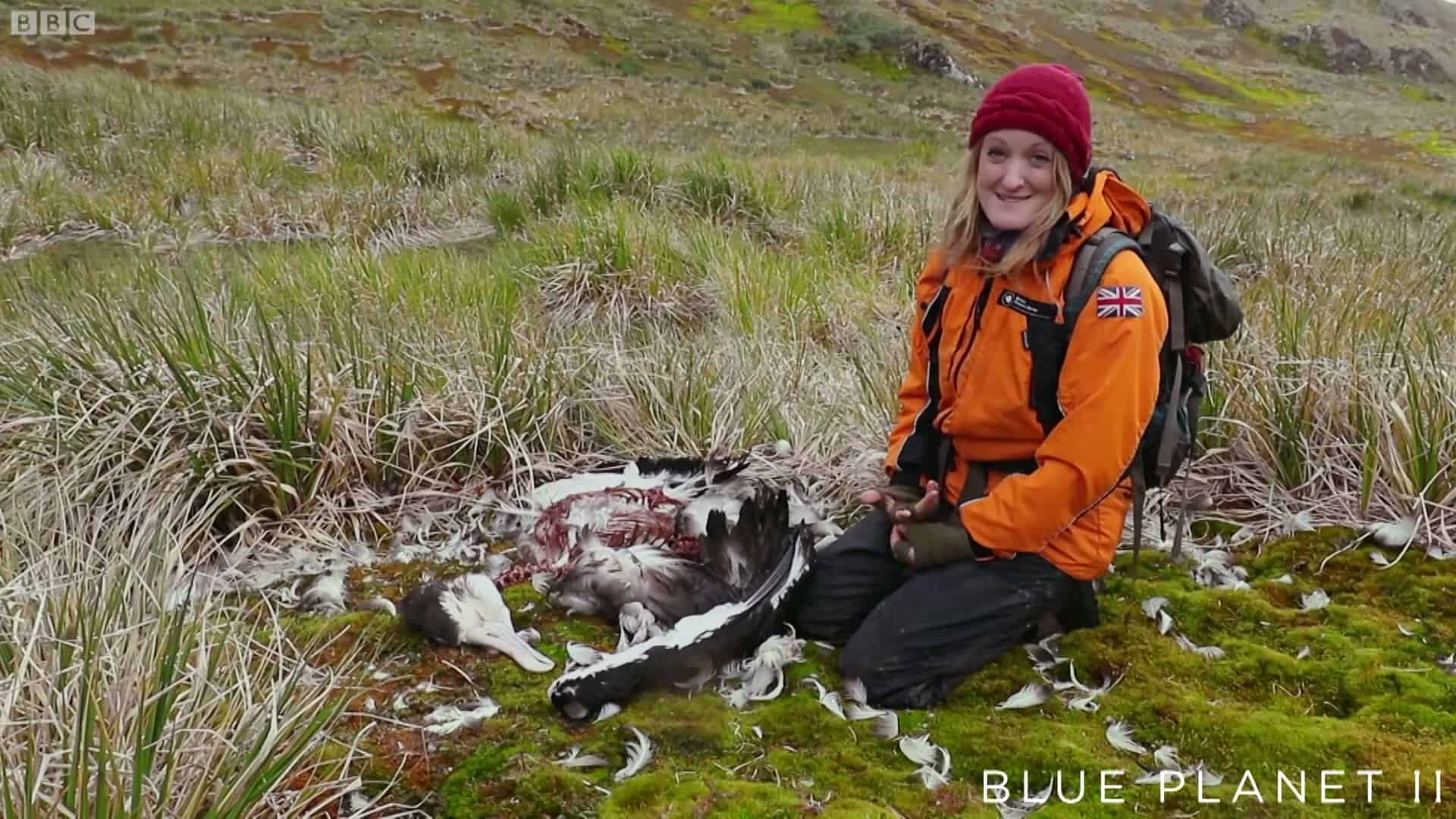
A single plastic toothpick killed this albatross by puncturing its stomach.
Tricked by a Chemical Trap
Why do these incredibly skilled ocean hunters keep making such a fatal mistake? It turns out the plastic is playing a cruel trick on their senses. A groundbreaking study published in the journal Science Advances found that when plastic debris floats at sea, it quickly accumulates a coating of algae. This algae releases a chemical called dimethyl sulfide (DMS), and DMS is the exact same scent cue that many seabirds use to locate krill and fish in the vast ocean. Because tube-nosed birds like albatrosses rely heavily on their sense of smell to hunt in the dark or over open water, they follow the scent straight to the plastic, fully believing they’ve found a jackpot of food.
The Ocean Overload
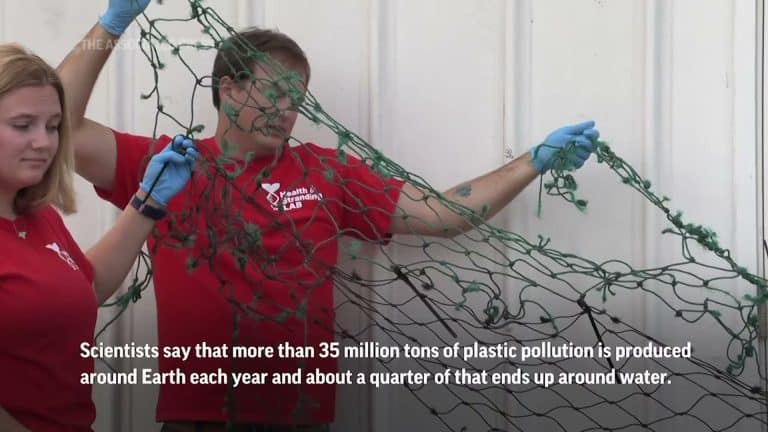
The sheer scale of the problem is staggering. A landmark study estimated that between 4.8 million and 12.7 million metric tons of plastic enter the ocean from land every single year. Once this trash washes out to sea, ocean currents swirl it into giant spinning vortexes (subtropical gyres) that overlap directly with the primary hunting grounds of the albatross.
The Toll on the Next Generation
The consequences for individual chicks vary. Some lucky chicks, like the first one featured in the clip, manage to cough up the plastic in a compressed pellet called a “bolus,” a natural process albatrosses use to clear out indigestible squid beaks.
Others aren’t so lucky and keep the plastic inside them. Research on close relatives of the albatross shows that birds carrying heavy plastic loads in their stomachs are in drastically worse physical shape, suffering from stunted wing growth and elevated blood markers indicating poor overall health.
The Myth of the “Large Item”
A common misconception is that the primary danger comes from large, obvious pieces of trash like shopping bags or intact bottles. But the Blue Planet II segment highlights the exact opposite: a single tiny toothpick was enough to kill a chick. Small, sharp fragments can easily tear through the gut wall, and microplastics smaller than a few millimeters are now being detected in seabird tissues and chick pellets worldwide. Furthermore, scientists note that the plastic fragments we find around nests are a vast underestimate of the true crisis, as most regurgitated trash is never found.
A Slow-Motion Threat
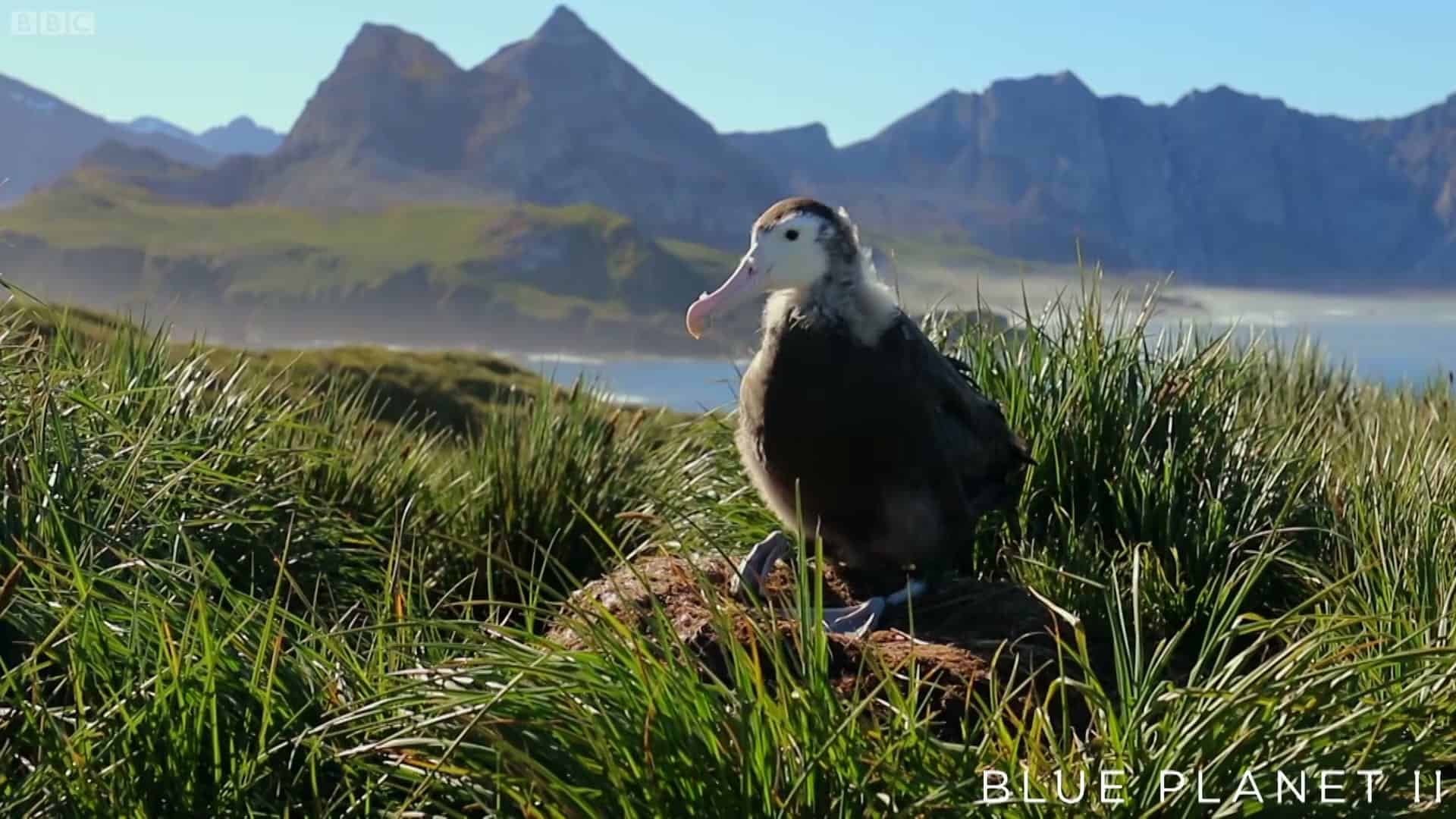
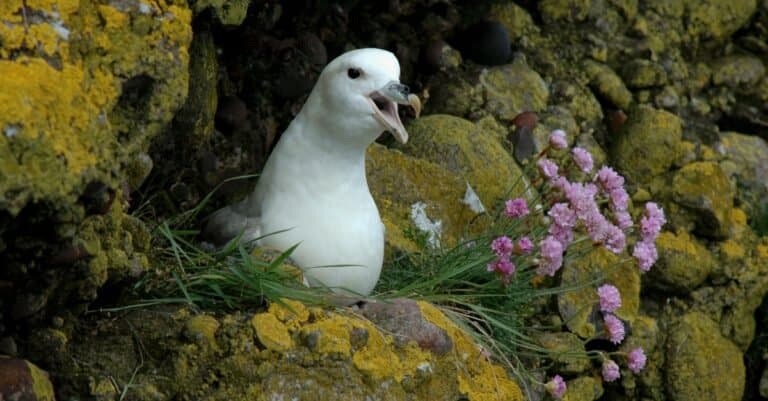
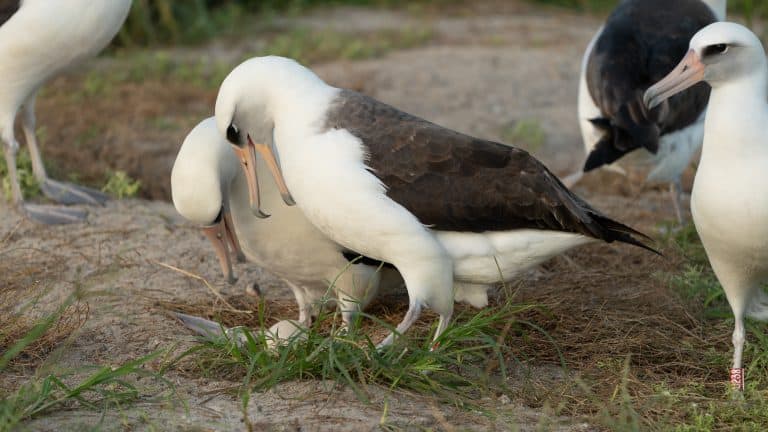
Albatrosses lay just a single egg every one to two years, making them a slow-breeding creature.
Albatrosses are among the longest-lived and slowest-breeding birds on the planet. Most species lay just a single egg every one or two years, and it can take up to nine or ten months for a chick to grow its feathers and learn to fly. Because they reproduce so slowly, their populations cannot easily bounce back from senseless deaths.
Of the 22 recognized albatross species, the International Union for Conservation of Nature (IUCN) lists the vast majority as threatened or near threatened. While commercial fishing net accidents (bycatch) and invasive predators on islands remain their top immediate dangers, plastic ingestion has become a relentless, growing weight on their survival.
Ultimately, those two minutes of television show a closed loop of human impact. Plastic made and thrown away on land drifts into the ocean, picks up a scent that mimics food, gets eaten by foraging parents, and is delivered directly to the next generation in the nest. The squid beaks found in the chick’s pellet show nature working exactly as it evolved to; the bag, the packaging, and the toothpick show what we have added to it.