
Quick Take
- Vermont’s growing black bear population now spans forests, rural areas, and even the edges of towns.
- Bears thrive due to adaptable diets, strong habitats, and increasing access to human-related food sources.
- Understanding seasonal behavior and reducing attractants are key to avoiding conflicts with bears.
Vermont may be known for maple syrup and fall foliage, but it is increasingly recognized for something wilder: a growing black bear population. These animals are no longer confined to remote forests. They now appear on hiking trails, along farm edges, and near small towns. Understanding where they live, why they thrive in certain regions, and how to share space safely helps residents and visitors reduce conflict.
Vermont’s Only Bear Species
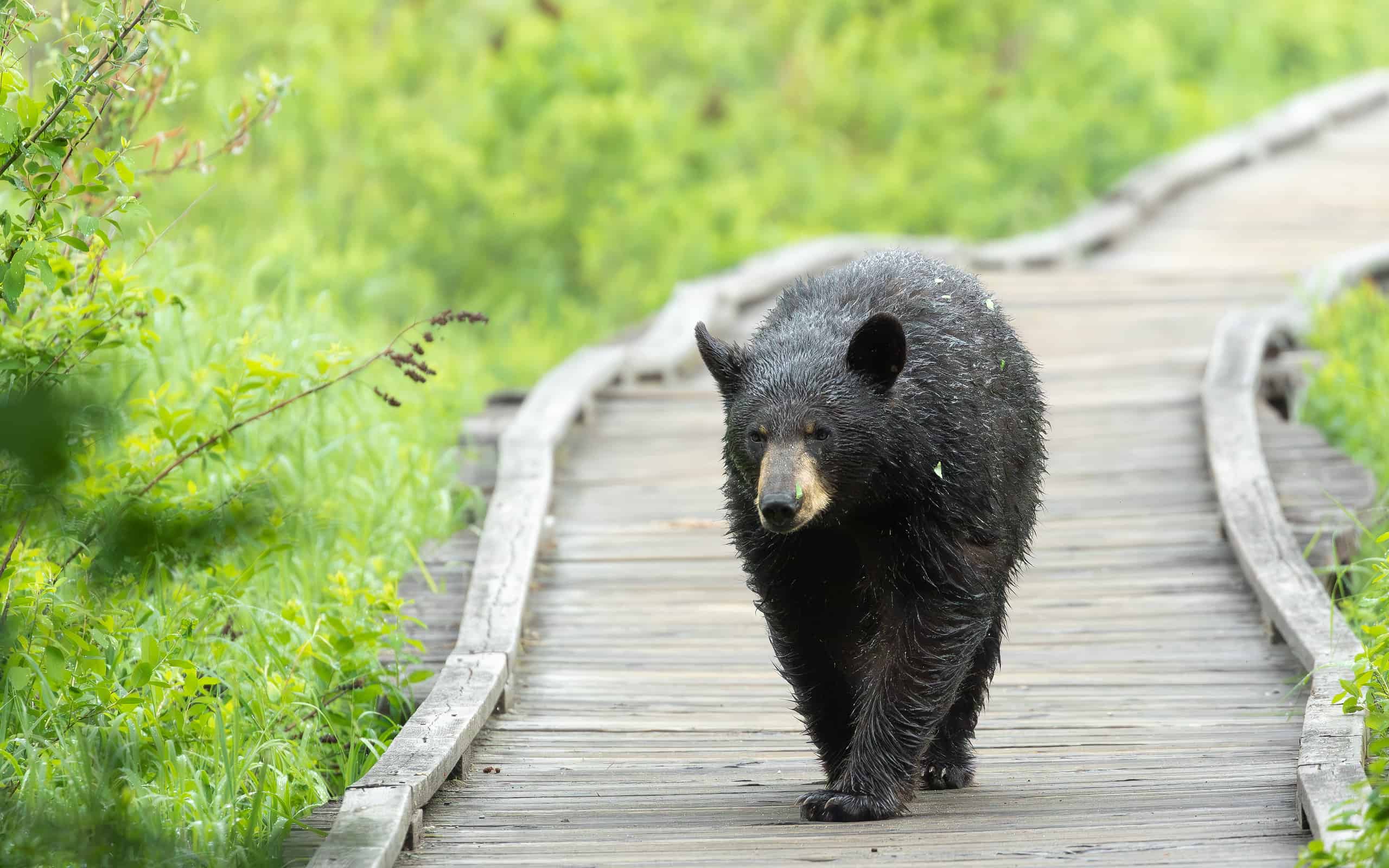
Vermont has only one species of bear, the American black bear, Ursus americanus. Current estimates place the population between about 6,800 and 8,000 animals, with numbers consistently above long-term management targets in recent years. Most adults weigh between 100 and 300 pounds, though larger males can exceed that range.
Black bears succeed in Vermont because they are highly adaptable. Their diet includes berries, nuts, insects, and carrion, but they will also take advantage of birdseed, garbage, and livestock when available. Because of this flexibility, they occupy a wide range of habitats, from dense forests to the edges of towns. Wildlife officials emphasize that most residents now live within active bear range, even if they rarely see bears.
The Green Mountains
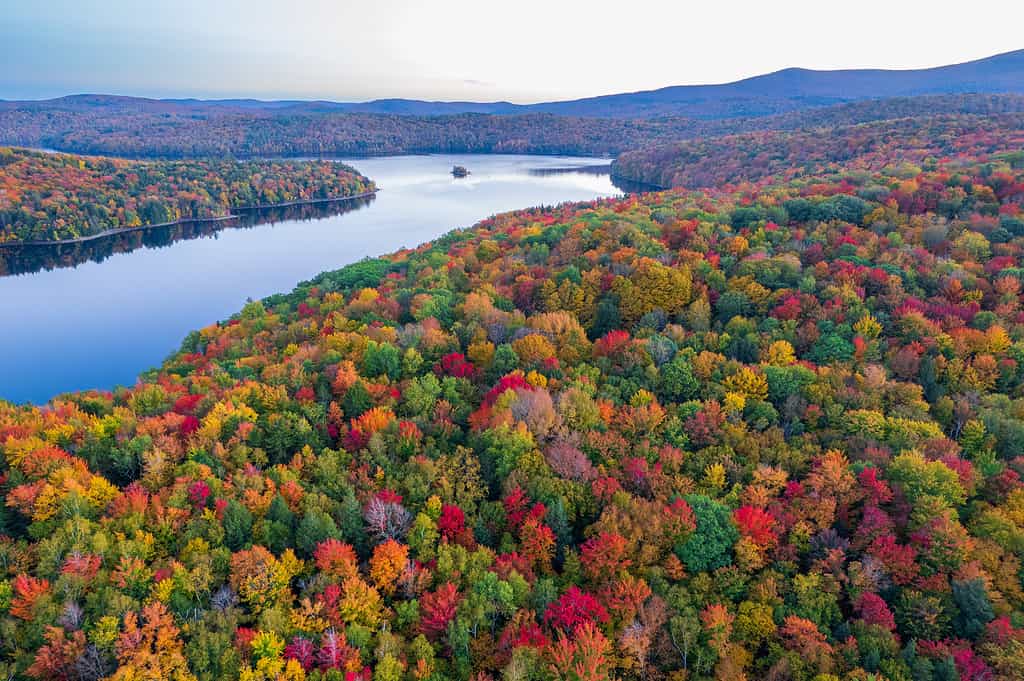
The Green Mountains of Vermont are an excellent hideout for bears.
©C Louis Creations/iStock via Getty Images
Running north to south through the state, the Green Mountains form the core of Vermont’s bear habitat. These mountains contain large, connected forest blocks made up of maple, beech, and birch, along with wetlands and rocky ridges. This landscape provides both food and cover, allowing the animals to move widely without frequent contact with people.
Public lands such as the Green Mountain National Forest and trails like the Long Trail pass through this habitat. Hikers often travel through the same areas that bears use to forage and move between feeding sites. Early morning and evening are the most common times for sightings, especially in areas with abundant berry growth or nut-producing trees.
The Northeast Kingdom
In the northeastern corner of Vermont, the Northeast Kingdom offers another stronghold for black bears. This region has fewer roads and towns, with large stretches of forest, lakes, and hills. Because of the region’s low human density, bears here can maintain large home ranges and find secluded den sites.
Outdoor recreation brings people into this habitat, increasing the chances of encountering wildlife. Trails, parks, and backcountry routes often pass through areas where bears feed and travel. Even when bears are hidden from view, signs such as tracks and disturbed logs are common.
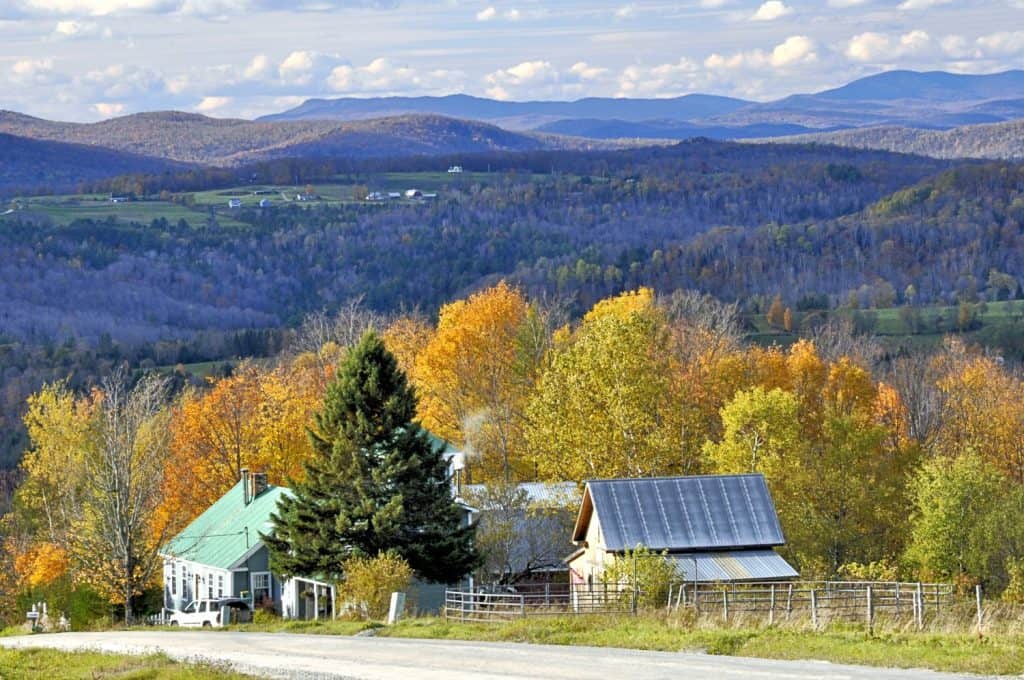
The Northeast Kingdom is a rural part of Vermont where bears find everything they need to thrive.
©Jerry Gantar/Shutterstock.com
Central Vermont Corridors
Central Vermont consists of a mix of forested ridges, river valleys, and developed areas. Bears use these landscapes as corridors, moving between feeding areas and den sites. Trails and roads often intersect these routes, creating overlap between human activity and bear movement. In this region, natural food availability can shift quickly. When berries or nuts are scarce, the animals may turn to orchards, livestock, or unsecured garbage. For this reason, people need to manage attractants responsibly. Reducing attractants helps prevent bears from becoming comfortable near homes.
Champlain Valley Expansion
The Champlain Valley is more open and developed, yet sightings have increased here in recent years. Bears often move into this region from nearby forested hills, following river corridors and wooded edges. Even small patches of cover can provide enough protection for nighttime movement.
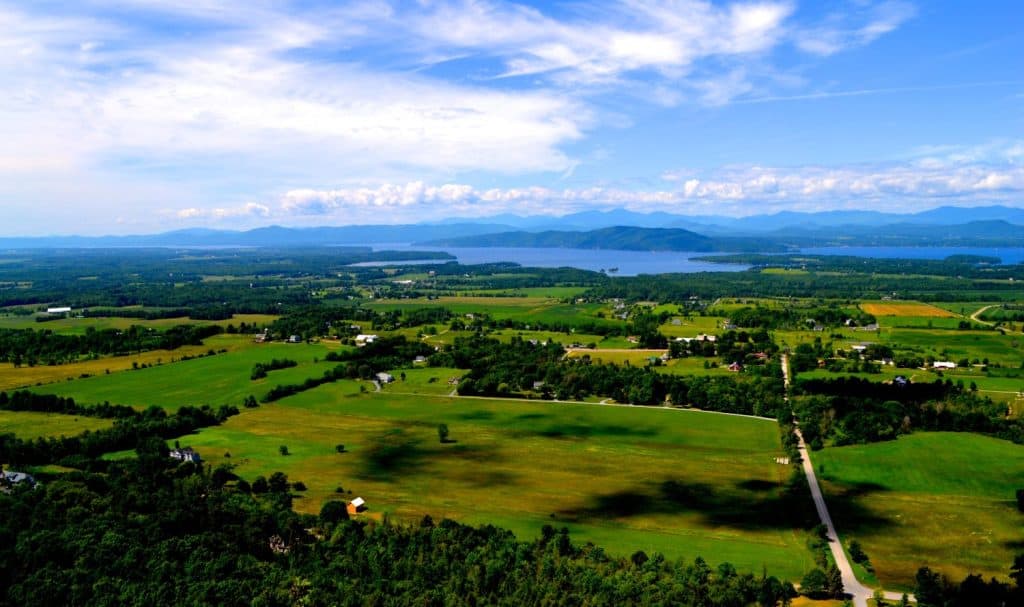
In the Champlain Valley, bear habitat is more fragmented.
©Monika Salvan/Shutterstock.com
Because this area includes farms and suburban neighborhoods, human food sources play a larger role. Garbage, compost, and bird feeders can attract bears, especially when natural foods are limited. Residents who manage these attractants reduce the chances of bears making repeated visits.
Areas With Fewer Bears
Some parts of Vermont see fewer bears due to limited habitat. The Lake Champlain Islands, for example, lack large forest blocks, making them less suitable for permanent bear populations. Dense downtown areas also tend to have fewer bears because of heavy traffic and limited cover.
However, even these areas are not completely free of bears. Individual bears may pass through using rivers, wooded strips, or other corridors. Understanding that bears can appear almost anywhere in the state helps explain why wildlife agencies promote consistent precautions.
Seasonal Movement Patterns
Black bear behavior changes throughout the year in Vermont, shaping when and where encounters occur.
Spring
In spring, bears emerge from dens as snow recedes, often between March and April, depending on elevation. They move widely at first, feeding on early green plants such as skunk cabbage, grasses, and emerging shoots in wetlands and along streams. They also eat insects, carrion from winter die-offs, and any easy calories they can find, which is why they sometimes appear in lower elevations and near homes. This is one of the times when bears are most likely to investigate bird feeders, garbage, and compost.
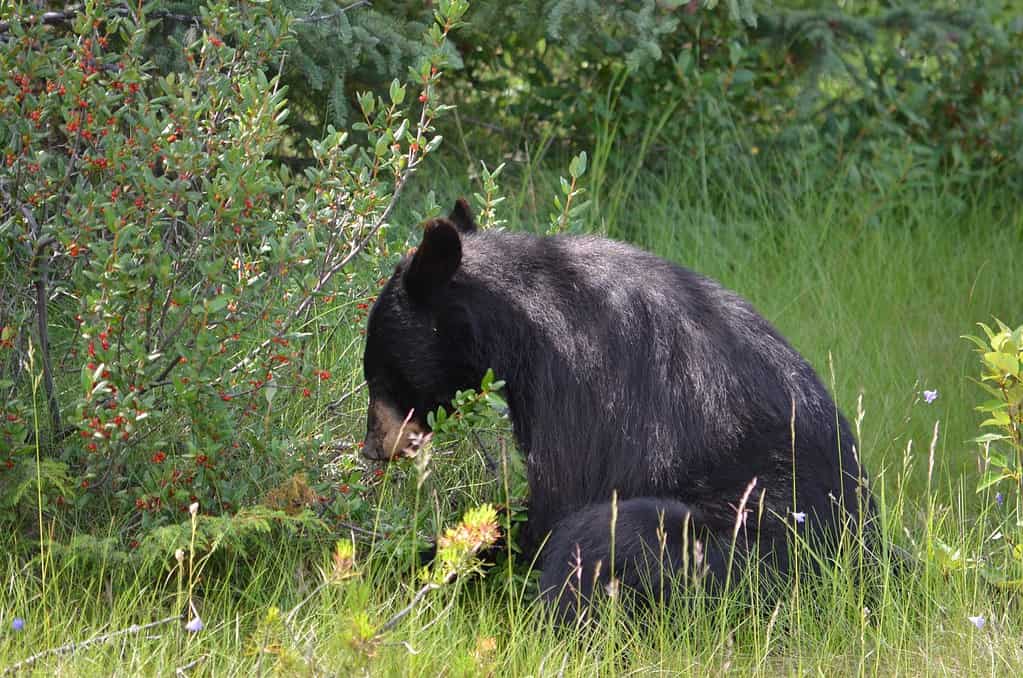
Black bears like feasting on berries as one of their primary food sources.
©Bob Hilscher/Shutterstock.com
Summer
During summer, Vermont’s forests provide a steady supply of soft mast. Bears focus heavily on berries such as raspberries, blackberries, blueberries, chokecherries, and pin cherries, which grow in forest openings, old logging cuts, and along roadsides and power lines. Because these foods can be abundant in specific patches, bears tend to settle into smaller home ranges, returning repeatedly to productive feeding areas. They are most active during cooler hours in the evening and overnight, often resting in thick cover during the heat of the day.
Fall
Fall is the most critical feeding season, as bears prepare for winter by building fat reserves. In Vermont, this means shifting to hard mast, especially acorns from red oak and white oak, along with beechnuts from American beech trees, which are particularly important food sources in the Northeast. When mast crops are strong, bears concentrate in hardwood forests and may be less visible. In poor mast years, they travel longer distances and are more likely to appear in orchards, cornfields, and residential areas searching for alternatives. This increased movement often leads to a noticeable rise in sightings.
Winter
In winter, black bears in Vermont enter a period of dormancy that can last from late November through March. They den in hollow trees, brush piles, or rock crevices, often choosing locations on steep, forested slopes or in remote areas. During this time, they do not eat, drink, or leave the den for long periods, relying entirely on stored fat. While they can awaken if disturbed, most remain inactive until warming temperatures and increased food availability trigger the start of the next seasonal cycle.
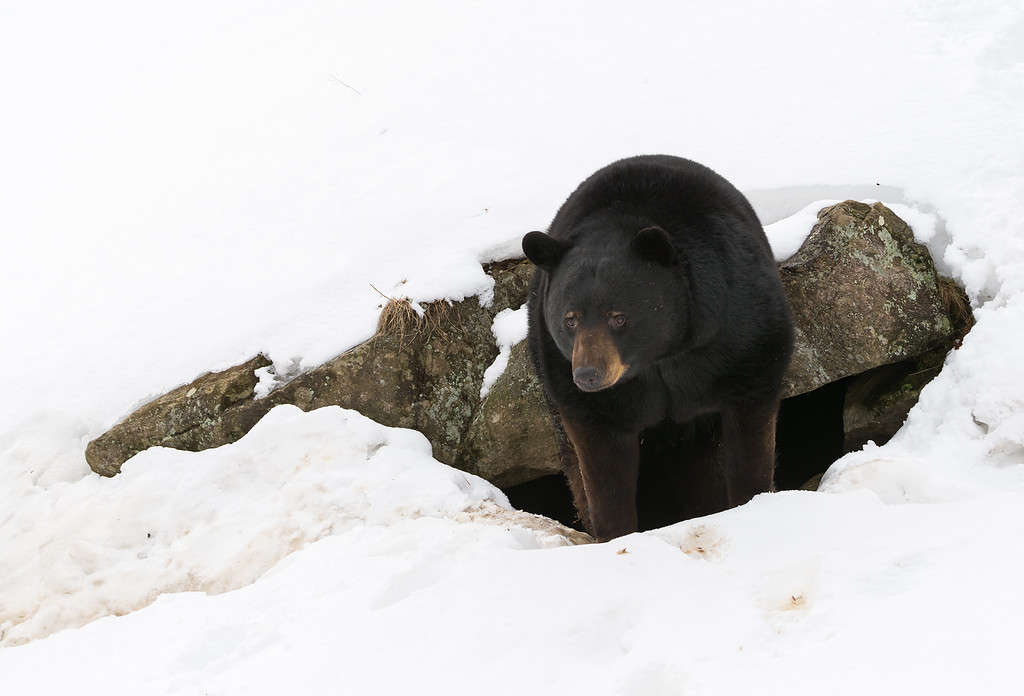
Bears do not fully hibernate, so it is dangerous to disturb them in the winter.
©Suzan Johnson/iStock via Getty Images
Why Bear Numbers Are Increasing
Several factors explain the rise in Vermont’s bear population. Reforestation has expanded available habitat, while regulated hunting has allowed populations to recover and stabilize. Wildlife managers monitor bear numbers and adjust regulations to maintain balance.
At the same time, human development has spread into areas that were formerly bear habitat. Homes, farms, and seasonal properties introduce new food sources. This overlap increases the likelihood of encounters.
Living With Bears
Reducing attractants is the most effective way to prevent conflicts. Residents are encouraged to secure garbage, remove bird feeders during active months, and keep pet food indoors. Electric fencing can protect livestock and other vulnerable resources. When communities follow these practices, bears are less likely to associate humans with food. This helps maintain natural behavior and reduces the need for wildlife intervention.
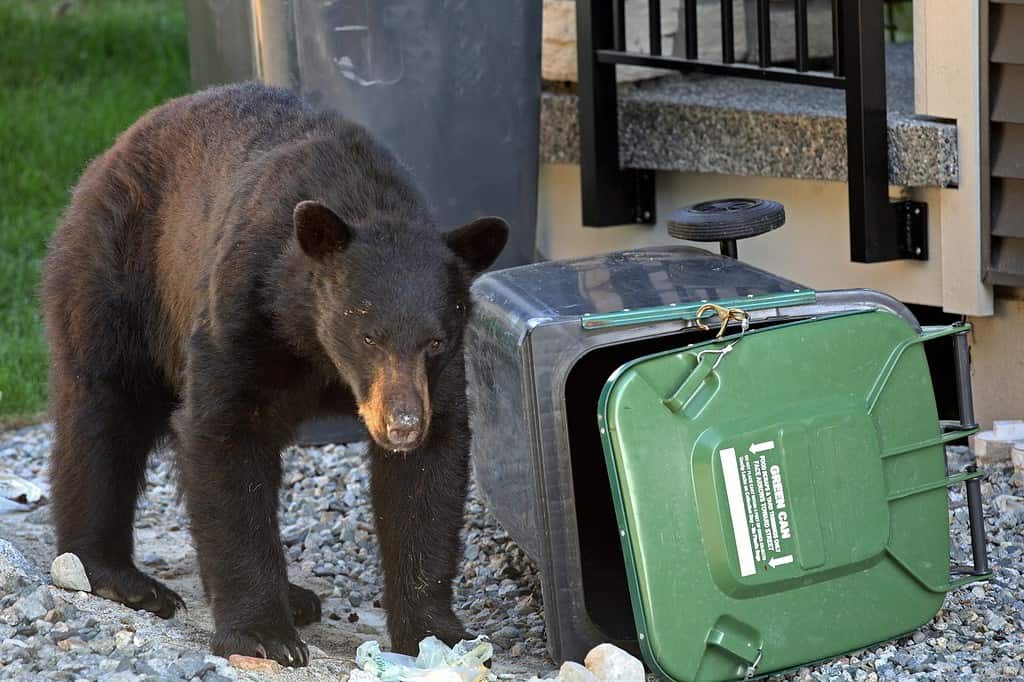
Unsecured trash cans are the top attractant of bears to human communities.
©Tom Middleton/Shutterstock.com
Hiking and Camping in Bear Habitat
Outdoor recreation in Vermont often takes place in bear habitat. Proper food storage is essential, including the use of bear-resistant containers or hanging systems. Cooking and eating away from sleeping areas reduces the chance of attracting bears. Hikers should make noise, travel in groups when possible, and keep dogs under control.
If you do encounter a bear, maintaining distance and backing away slowly helps avoid escalation. Turning and running may cause the bear to perceive you as prey and trigger its chase instinct. Experts recommend raising your arms to make yourself look bigger to the animal so it will be intimidated and back down. If a black bear does attack, experts recommend fighting back by striking at its nose and eyes. Though Vermont does not have brown bears, if you travel to an area where they are present and are attacked, the recommended advice is to play dead. Remember: with black bears (smaller bears), fight back; with brown bears (larger bears), play dead.
A Wild Balance
Black bears are now a permanent presence across much of Vermont, from remote mountains to the edges of town. Their success depends on both natural habitat and human behavior. With awareness and simple precautions, people can continue to enjoy Vermont’s landscapes while allowing bears to thrive.