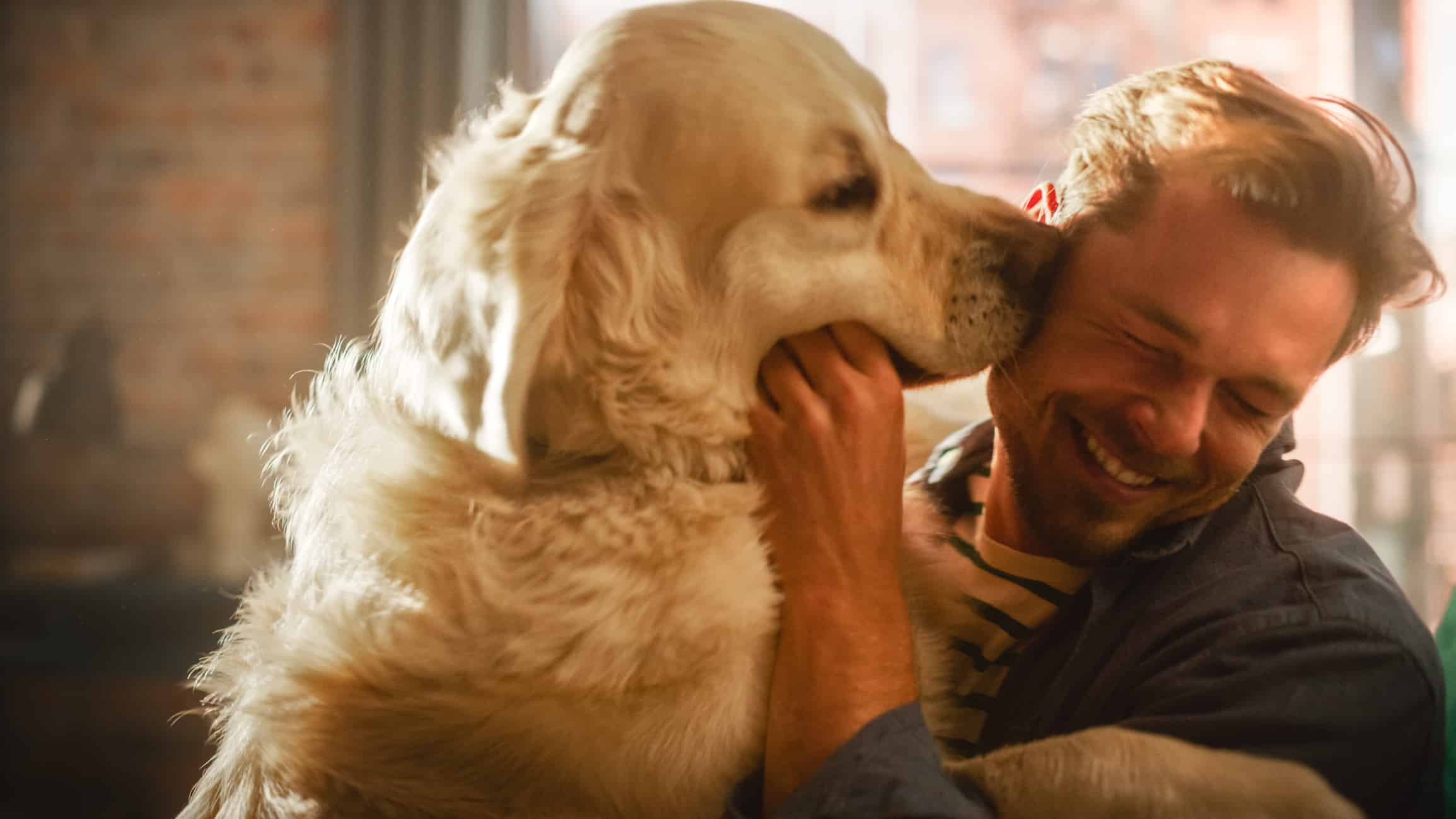


Quick Take
- Dogs greet humans in different ways, from energetic full-body wiggles to calm, quiet approaches.
- These greeting styles reflect excitement, comfort, personality, and sometimes levels of attachment or insecurity.
- Body language, including posture and tail movement, provides important clues to a dog’s emotional state.
- Owners can shape greeting behavior over time through consistent responses, training, and positive reinforcement.
Springing paws, wiggling backsides, and happy snorts at the door might be your favorite part of coming home. For your dog, that greeting is much more than a quick hello. It is their way of saying how safe they feel with you, how excited they are to reconnect, and what kind of relationship you share. By paying attention to how your dog greets you—whether they explode with joy or lean in quietly—you can start to decode their “love language” and see your bond in a whole new light.
The Full‑Body Wiggle Welcome
Some dogs greet their people like a furry slinky that cannot stop moving. Their tail whips back and forth so hard that their hips, shoulders, and even their face join in. The whole effect is a full‑body wiggle that practically screams, “You’re home!”
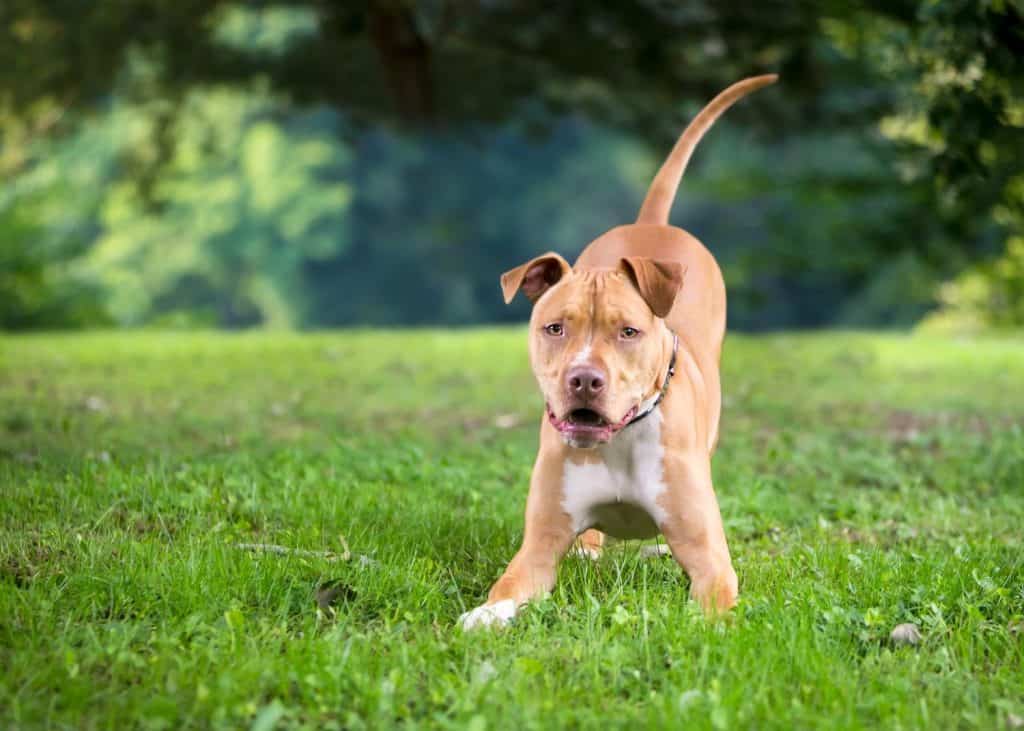
A dog that wags not just its tail but its whole butt… now that’s a dog that’s glad to see you.
©Mary Swift/Shutterstock.com
Behavior experts note that this loose, sweeping wag, especially when the dog’s body is relaxed and wiggly, often signals high excitement and positive emotion. Many dogs with this greeting style feel deeply attached. They use big movements to release the energy that builds up while you are gone. You might see them bounce from paw to paw, twist into a U‑shape, or even briefly run away and then zoom back again as if they cannot decide between cuddling and celebrating. As long as their body stays soft and their face looks happy, this dramatic greeting usually reflects a secure, joyful bond rather than anxiety.
The Toy-at-the-Door Dog
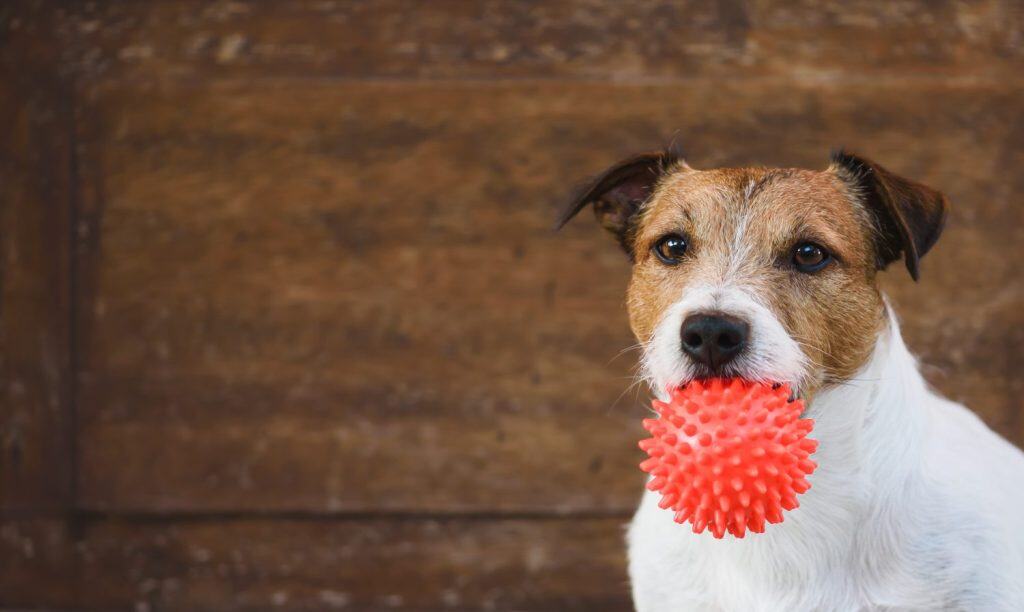
When a dog brings you a toy, that means it wants to play.
©alexei_tm/Shutterstock.com
Other dogs greet you by trotting up proudly with a favorite toy or random object in their mouths. They might wiggle in place, whine softly, or parade around while glancing back to be sure you are watching. Veterinarians and trainers suggest that bringing toys to the door often shows high excitement and an invitation to play. Carrying something can also help energetic dogs stay calmer. That’s good for you because it keeps their mouths busy instead of jumping or nipping when you walk in. When your dog presents you with their favorite squeaky or tug rope, it usually means they see you as a fun, important member of their inner circle—and they want you involved in their joy.
The Leaning, Quiet Greeter
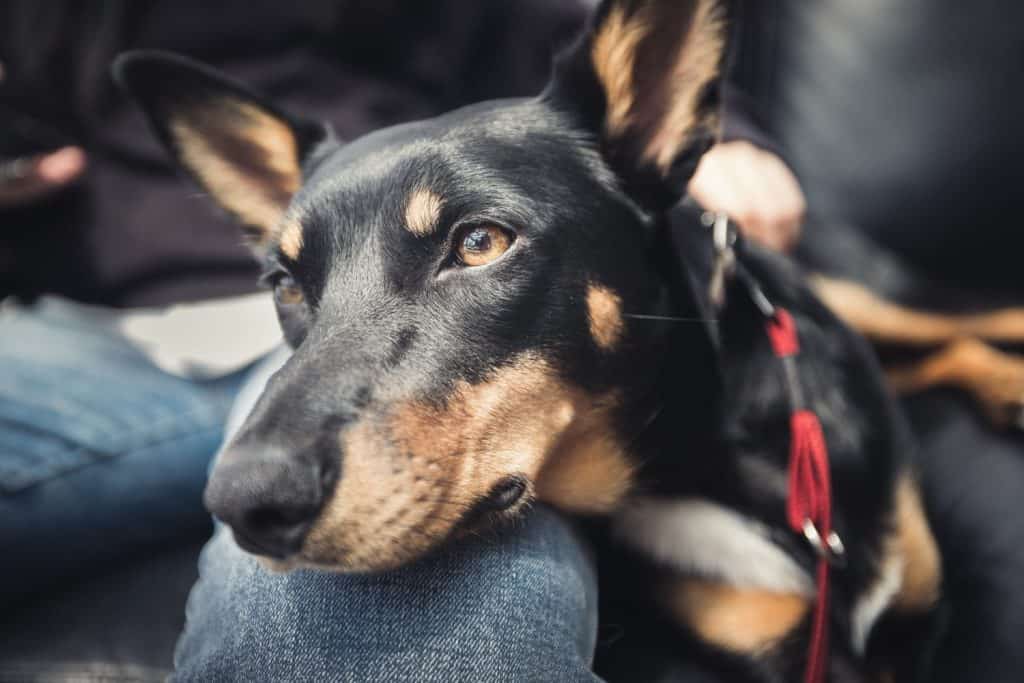
Some dogs regulate themselves emotionally by leaning on their owners.
©Wirestock Creators/Shutterstock.com
Not every dog throws a welcome‑home party at the door. Some slip up quietly, press their body against your legs, and simply stay there, breathing you in. This leaning behavior is widely described by trainers and veterinarians as a sign of comfort, security, and affection, especially when the rest of the dog’s body is relaxed.
Dogs that lean often treat their person like a living weighted blanket. Physical contact is a way to feel calm and safe. In attachment research, dogs with secure bonds tend to seek gentle proximity and are easily comforted when their person returns. A dog that silently leans, sighs, and perhaps offers a small tail wag may not look as excited as a jumper, but their greeting can reflect deep trust. They believe that being pressed against you is the best and safest place in the room.
The Polite, Quiet Tail Wag
Some dogs wait near the doorway or in the hallway and greet you with a small, controlled tail wag instead of an all‑out celebration. Their tail may sweep in a gentle arc, and their body may stay fairly still. Studies on tail wagging show that dogs use different wag speeds and directions to express emotion. Loose, neutral‑height wags are often linked to friendly interest.
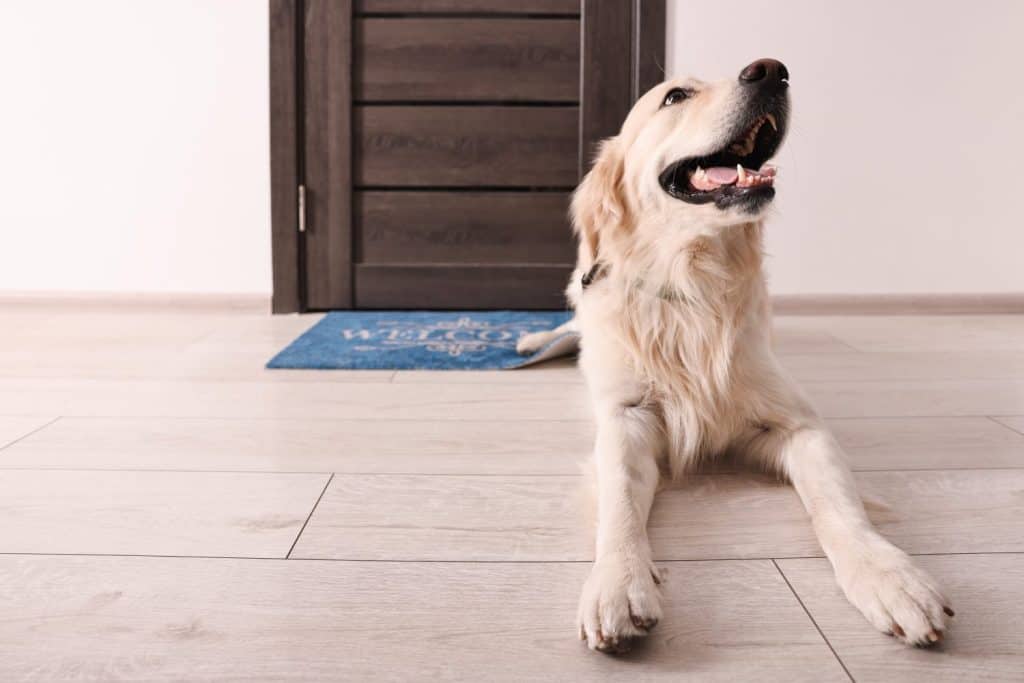
Some dogs offer you a happy, but quiet and controlled “hello” when you come home.
©New Africa/Shutterstock.com
A quiet greeting like this can belong to thoughtful or slightly reserved dogs. Animals of this personality prefer to observe for a moment before diving into cuddles. In attachment tests, securely attached dogs often show clear happiness at reunion, but do not necessarily explode with energy every time. Instead, they may simply walk over, make eye contact, and relax once their person is near. If your dog’s hello is soft and steady, it may be saying, “I’m glad you’re here, and I feel safe now,” even if it does not come with fireworks.
The Over-the-Top Jumper
Then there are the dogs who greet you by launching themselves like a furry rocket. They bounce, paw at your chest, and may lick your face as if trying to climb into your skin with you. While jumping can be annoying or unsafe, especially with large dogs, it usually starts as an overflow of excitement and affection rather than defiance.
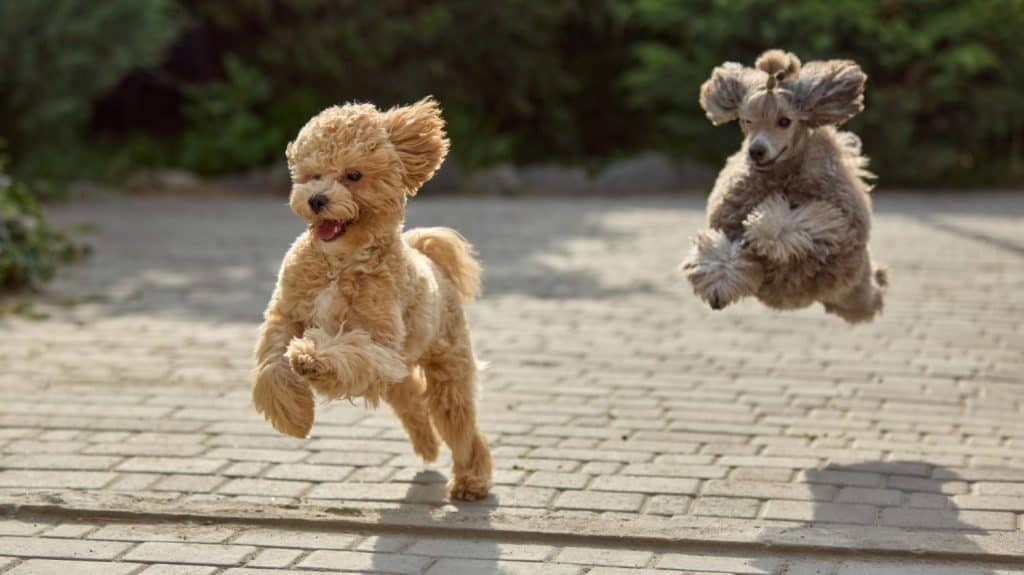
Some dogs seem to defy gravity in their exuberance to greet their owners.
©Master1305/Shutterstock.com
Researchers studying dog–human attachment note that some dogs show “ambivalent” or “clingy” patterns. These dogs cling tightly to their person and have trouble calming down after separation. A dog that constantly jumps or whines at reunion may feel very attached but also a bit insecure. It worries when you leave and explodes with relief when you come back. With training, you can help them greet you with four paws on the floor. You can do this by rewarding sitting, holding toys, or calm eye contact, while still honoring the big feelings behind the behavior.
The Greeter Who Hardly Greets

If your dog stays on its comfy bed and just thumps its tail at you once when you walk in the door, don’t be offended. It’s probably just tired. We can relate, right?
©NayaDadara/Shutterstock.com
A few dogs barely react when their people get home. They may glance up from a bed or toy, give a small wag, and then go back to what they were doing. This quiet style does not always mean a weak bond. Some independent or older dogs simply do not express emotion with big movements. This is especially true if they are tired, arthritic, or used to their person coming and going throughout the day.
Attachment studies show that even securely bonded dogs sometimes show modest behavior at reunion. Nevertheless, they still prefer their caregiver over strangers and seek them out when stressed. To understand what your laid‑back dog’s greeting means, it helps to look at the whole picture. Do they follow you from room to room, relax more when you are nearby, or check in with you in new places? If so, their calm hello may simply reflect a stable, confident temperament.
How Your Greeting Style Shapes Theirs
Your dog’s greeting is not just about their personality; it is also about how you respond. In experiments watching reunions, dogs greeted people more enthusiastically when the humans used warm tones of voice, eye contact, and friendly touch. Dogs that felt secure often explored more and showed less stress when their person was present. They treat their person as a “secure base” to return to when unsure. If you always kneel down, squeal, and hug your dog the second you walk in, you may be teaching them that wild excitement is part of the ritual. If you quietly reward calmer greetings with petting, play, or treats, many dogs will learn to shift their style over time. Either way, each reunion is a small conversation that shapes how your dog feels about separations and your connection.
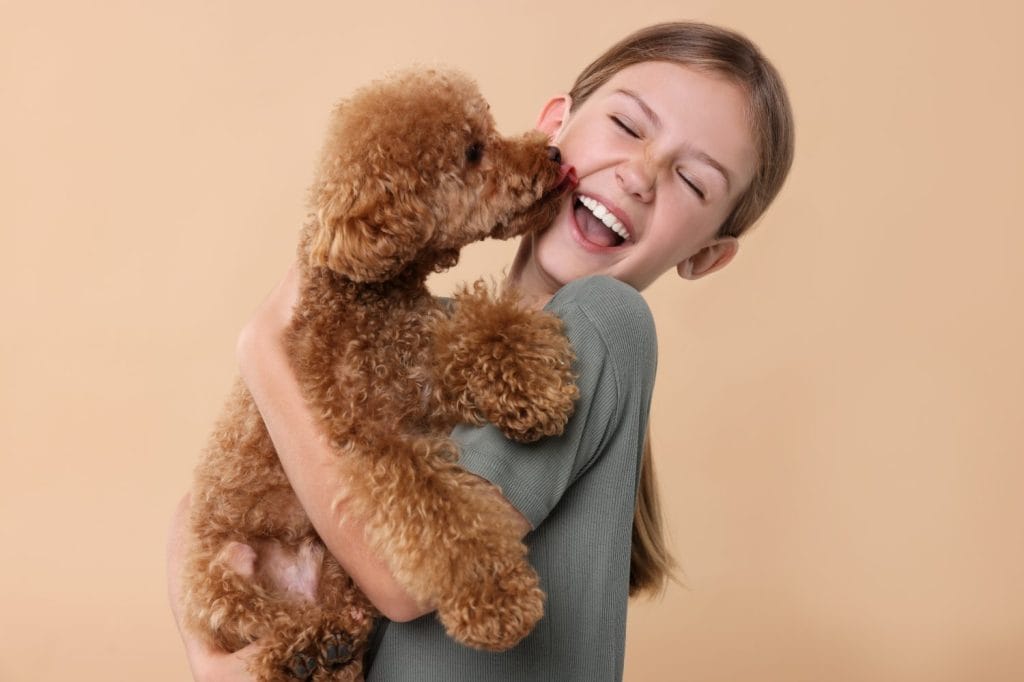
If you are loud and excited when you see your dog, it may match your energy.
©New Africa/Shutterstock.com
Reading the Whole Dog, Not Just the Tail
No matter which greeting style your dog uses, context matters. A fast, stiff tail wag with a tense body and wide eyes can signal stress or uncertainty. This is true even if they are wagging their tail. A dog that presses into you but also trembles or hides may be seeking comfort from fear rather than simply showing affection. To decode your dog’s true message, pay attention to their ears, eyes, mouth, body posture, and breathing, along with their greeting routine. When their whole body loosens, their eyes soften, and they settle more quickly once you interact, you are likely seeing a dog who feels safe and securely bonded. Learning to “read” these signals turns every hello into a chance to understand your dog better and respond in ways that build trust.
Turning Greetings into Everyday Bonding
Your dog’s greeting style is not set in stone; it is a living habit you shape together. You can turn hellos into small training sessions by rewarding the behaviors you like—such as sitting, bringing a toy, or leaning calmly. At the same time, you can gently redirect jumping or frantic barking. Over time, many dogs learn that calm, joyful greetings earn more of what they want most: your attention, touch, and play. Regular positive routines, from short walks to cuddle time, also support secure attachment, so your dog feels confident even when you are away. Whether your welcome committee is a wiggly rocket, a quiet leaner, or a polite tail wagger, noticing and responding to their unique hello lets you say “I love you, too” in a language they truly understand.