
Quick Take
- Eye boogers are a mucoid discharge that helps clear irritants and debris. Most are harmless.
- Green or yellow discharge signals infection and requires veterinary care. White discharge indicates dry eye and also requires veterinary attention.
- Rust colored discharge often stems from irritants or allergies. For prone breeds with prominent eyes, regular gentle cleaning helps prevent buildup.
Eye discharge in dogs can be goopy or crusty, and dogs are prone to developing it in various forms. More commonly known as “eye boogers,” the discharge from dogs’ eyes can present in a variety of colors. But why do dogs get “eye boogers,” and what is normal versus what is not? A-Z Animals spoke with a seasoned veterinarian to break down all there is to know about eye discharge.
Dog owners have all done it. They see an eye booger in their dog’s eye or eyes and remove the dry or gelatinous blob to keep the eyes clear. Sometimes the discharge is brown or rust-colored. It can also be clear. In some dogs, there may even be green or yellow eye boogers, leaving pet parents wondering what this discharge is that they are wiping from their dog’s eyes.
Eye boogers can form in the corners of the eyes or even be seen floating on the eye itself. According to Cameron Broach, DVM, eye discharge results from the eyes clearing themselves. The eye’s tearing system flushes out debris, which forms eye boogers that owners eventually wipe from their dogs’ eyes.
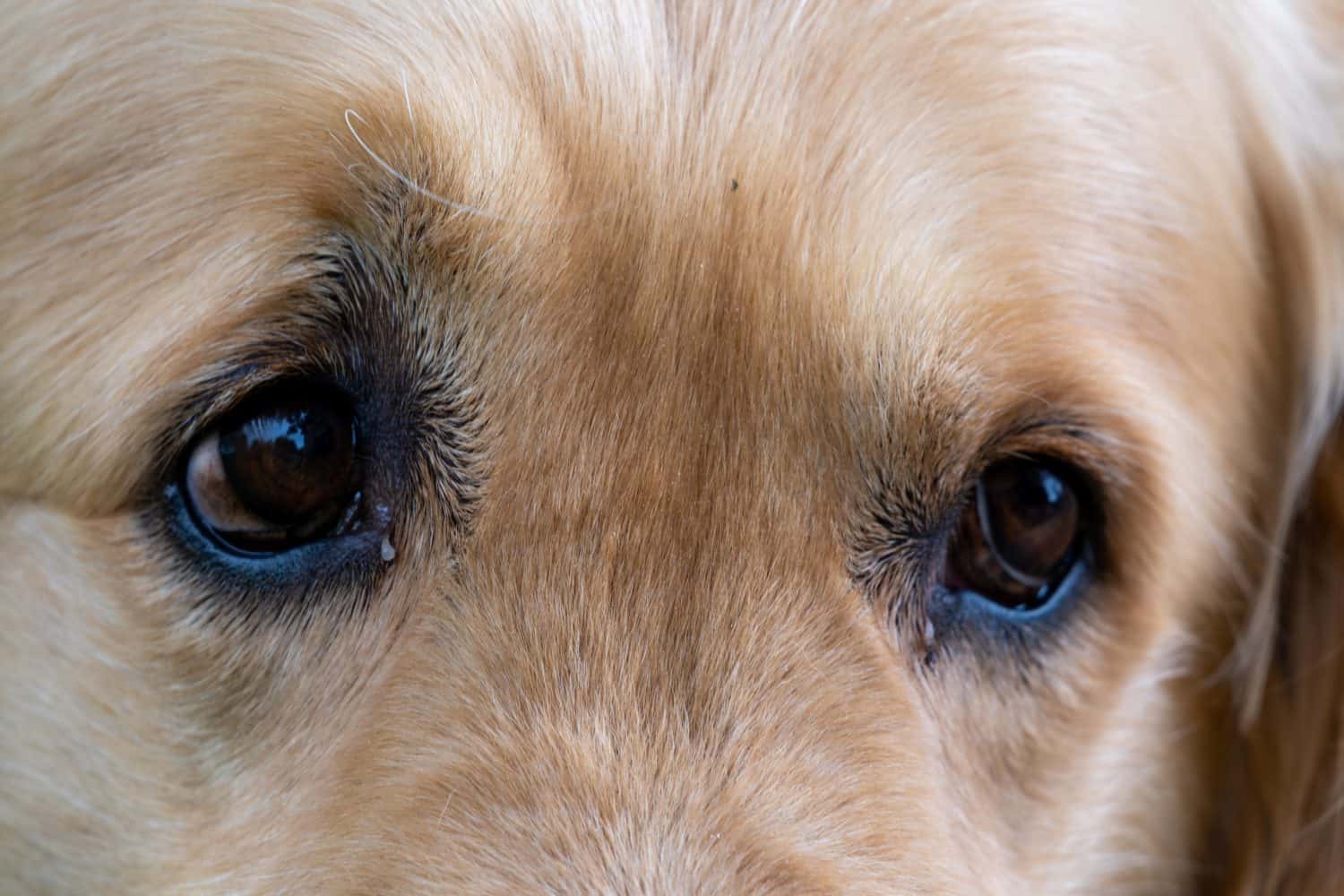
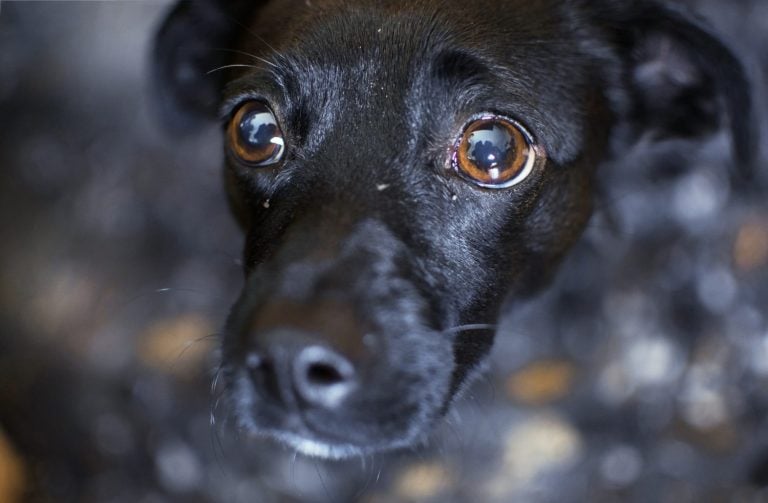
Eye boogers are a healthy way for the eyes to clear themselves of irritants.
©Scatto61/Shutterstock.com
“Eye boogers are just mucoid discharge from the eyes,” Dr. Broach explains to A-Z Animals. “This is usually caused by irritants and dust getting into the eyes, but occasionally it is due to allergies, infections, or a lack of tear production. Most of the time, they are harmless.”
While most of these eye boogers are typically nothing to worry about, there are times when the color of discharge can be worrisome. This raises the question: what is considered a normal eye booger, and what is abnormal?
Not all eye boogers are created equally. While some are entirely normal and part of the eye clearing itself, others indicate health problems or eye infections that require veterinary care.
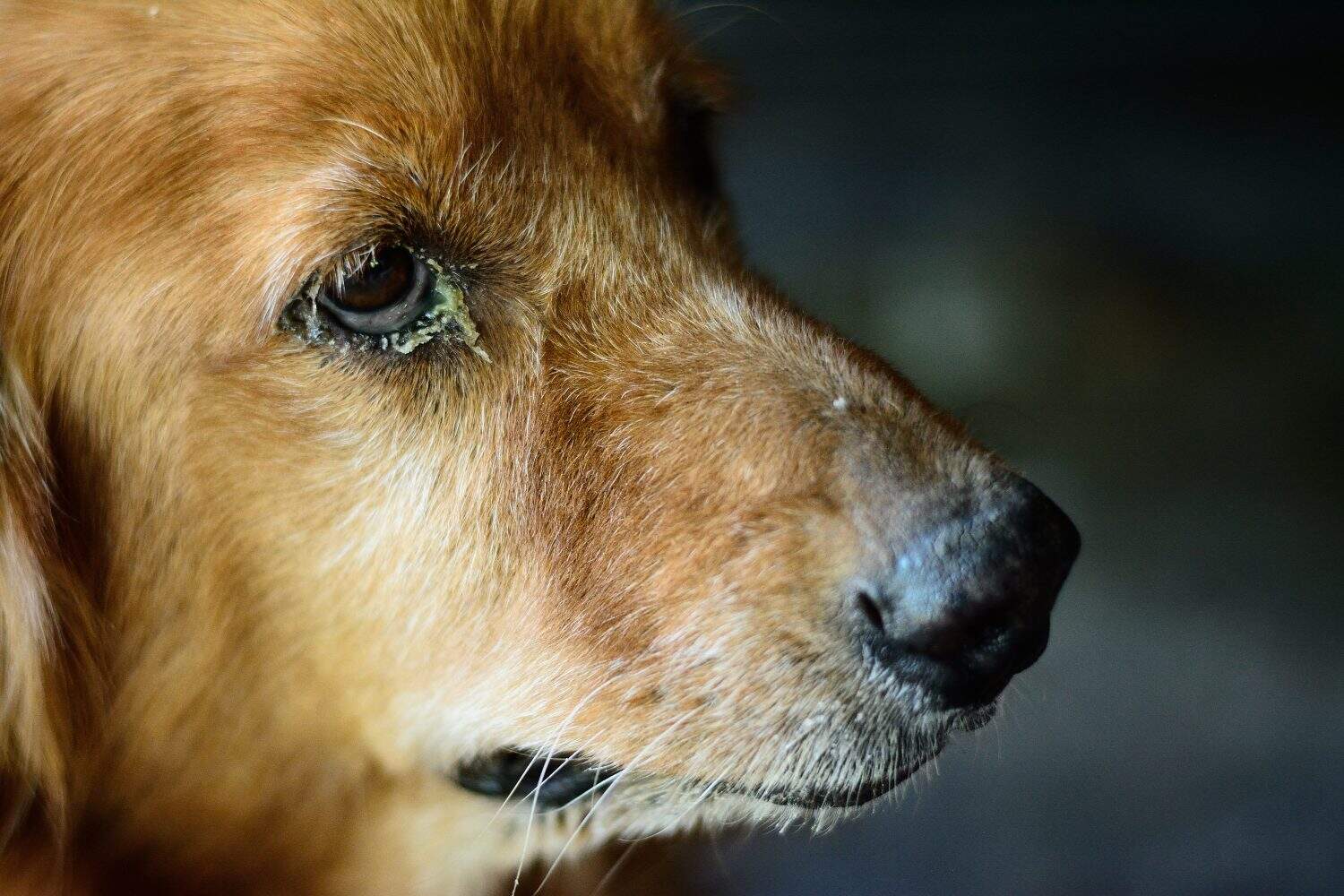
Dogs with eye boogers such as these are likely dealing with an infection.
©munalin/Shutterstock.com
Dr. Broach, who has been practicing veterinary medicine for 25 years, describes the different types of eye discharge and whether they warrant a visit to the vet:
| Appearance | Likely Cause | Should You Go to the Vet? |
| Green Or Yellow | Infection | Yes. |
| White | Dry eye | Yes. |
| Rust Colored | Allergies or irritants | As long as no other issues are present, no. |
| Clear but excessive | Allergies, irritants, foreign body | If the eye is red and/or painful to the touch, yes. If tearing with no other symptoms, no. |
| Crust | Normal discharge mixed with dust, dead cells, etc. | No. |
A trip to the vet may also be warranted if there are sudden changes in discharge that seemingly have no explanation.
“If you notice any changes in the color or consistency of the discharge, or if your dog seems uncomfortable,” Dr. Broach states, “it’s a good idea to have your dog checked by a vet.”
The majority of dogs will experience eye crust or excessive eye watering at some point in their lives. However, not all dogs are as prone to eye boogers as others. Instead, according to Dr. Broach, dogs whose eyes are more exposed or have a specific “facial structure” are more likely to have eye discharge than others.
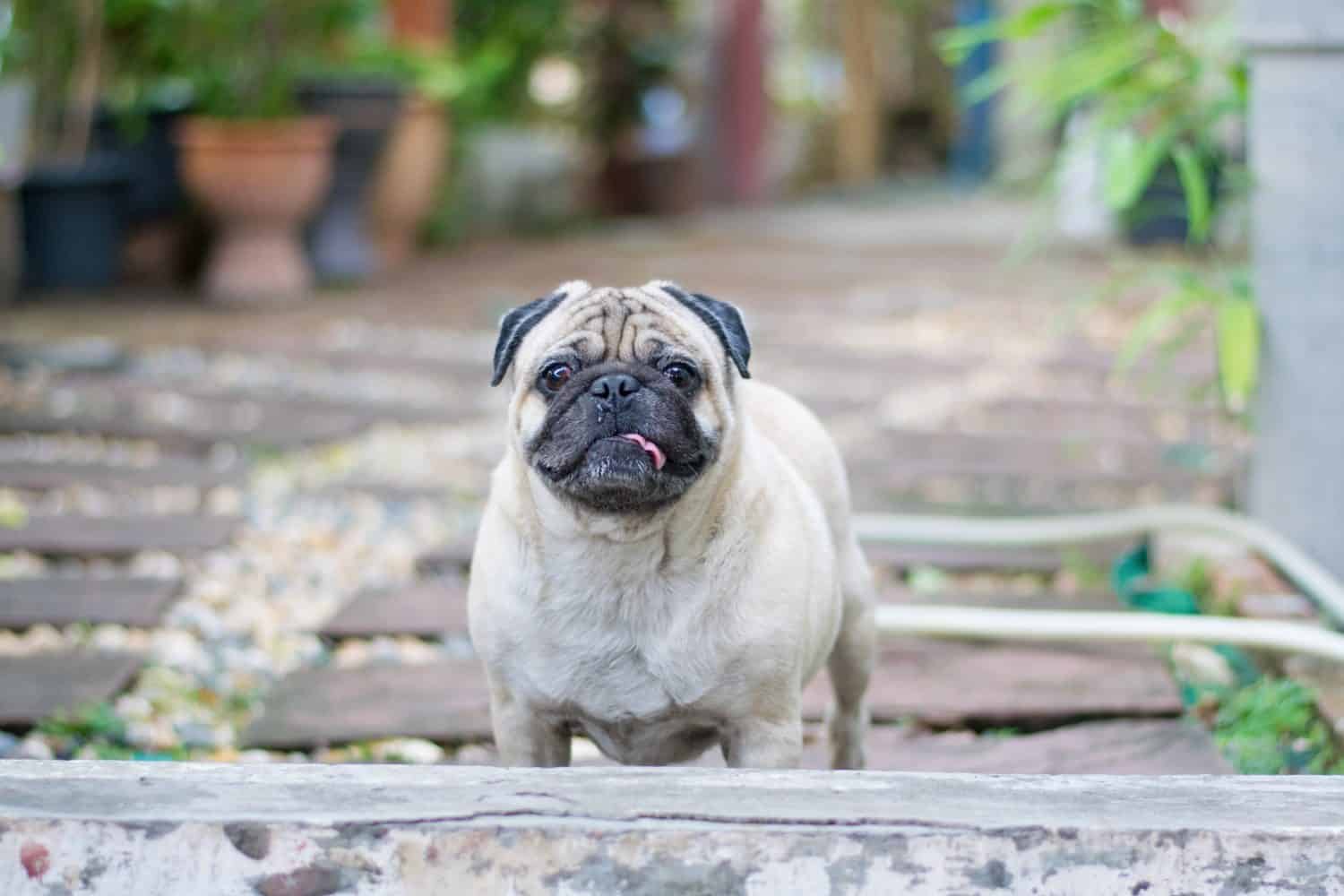
With their more “prominent eyes,” pugs tend to get more eye boogers than other breeds of dog.
©RawPap_Pix/Shutterstock.com
“Certain breeds are more prone to getting eye boogers due to their facial structure,” Dr. Broach explains to A-Z Animals. “Breeds with prominent eyes or flat faces often experience more discharge. This is because their eye shape can lead to more exposure to irritants and less effective tear drainage.”
Those breeds that Dr. Broach mentions include:
- Pugs
- Bulldogs
- Shih Tzus
Owners of these breeds should clean their dogs’ faces regularly to keep their eyes free of eye booger build-up, even if it does not indicate a health issue.
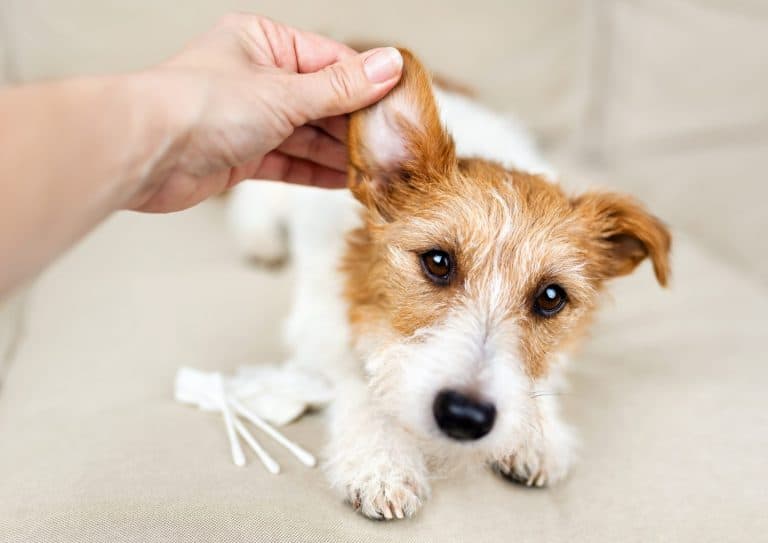
Treatment for eye boogers depends on whether the discharge is normal or requires veterinary attention. In both cases, it is important to be gentle when cleaning the eyes to avoid causing further irritation.
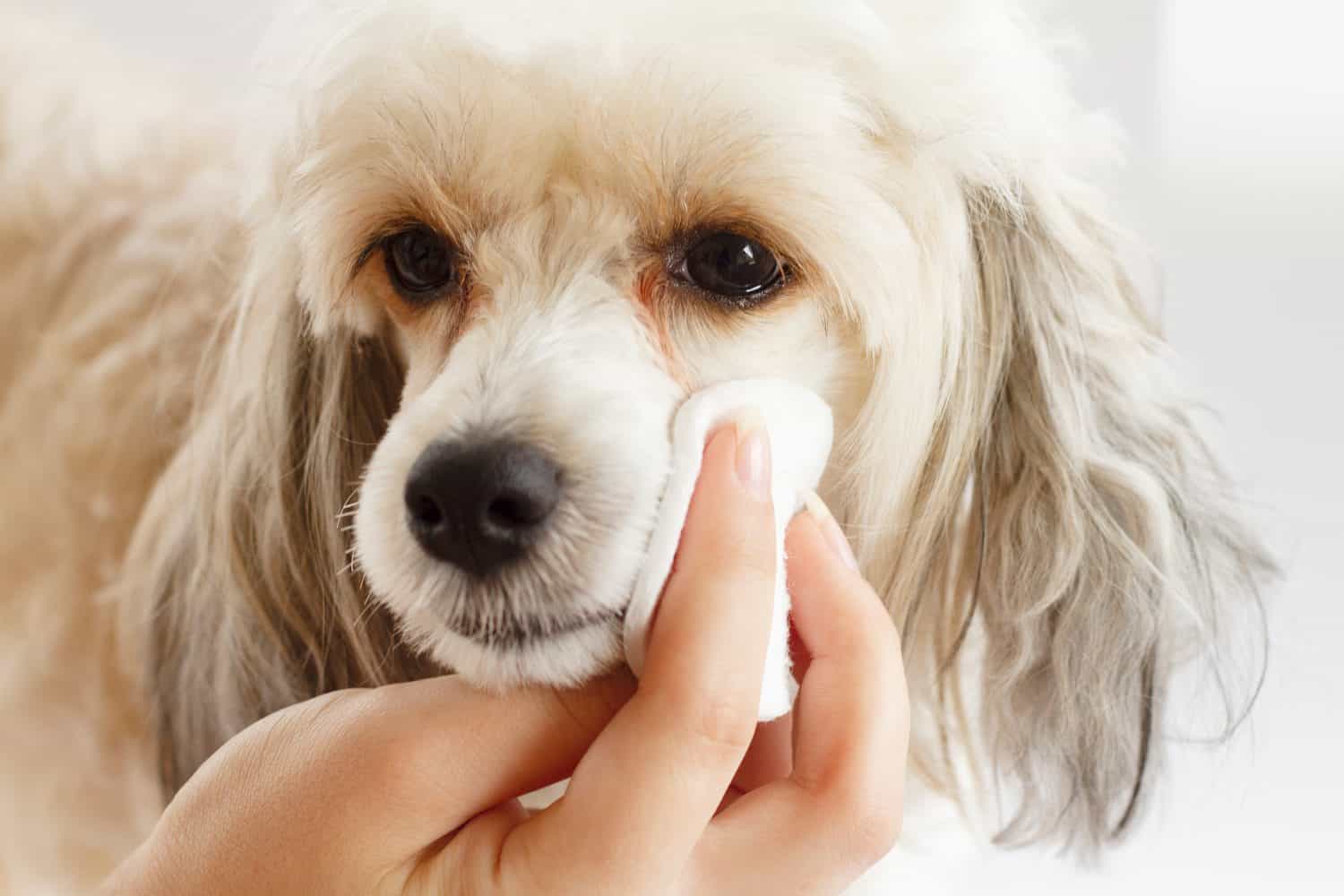
“For breeds that are more prone to eye boogers, regular cleaning with a damp cloth can help keep the area around the eyes clean,” Dr. Broach says. “It’s important to be gentle to avoid irritation.”
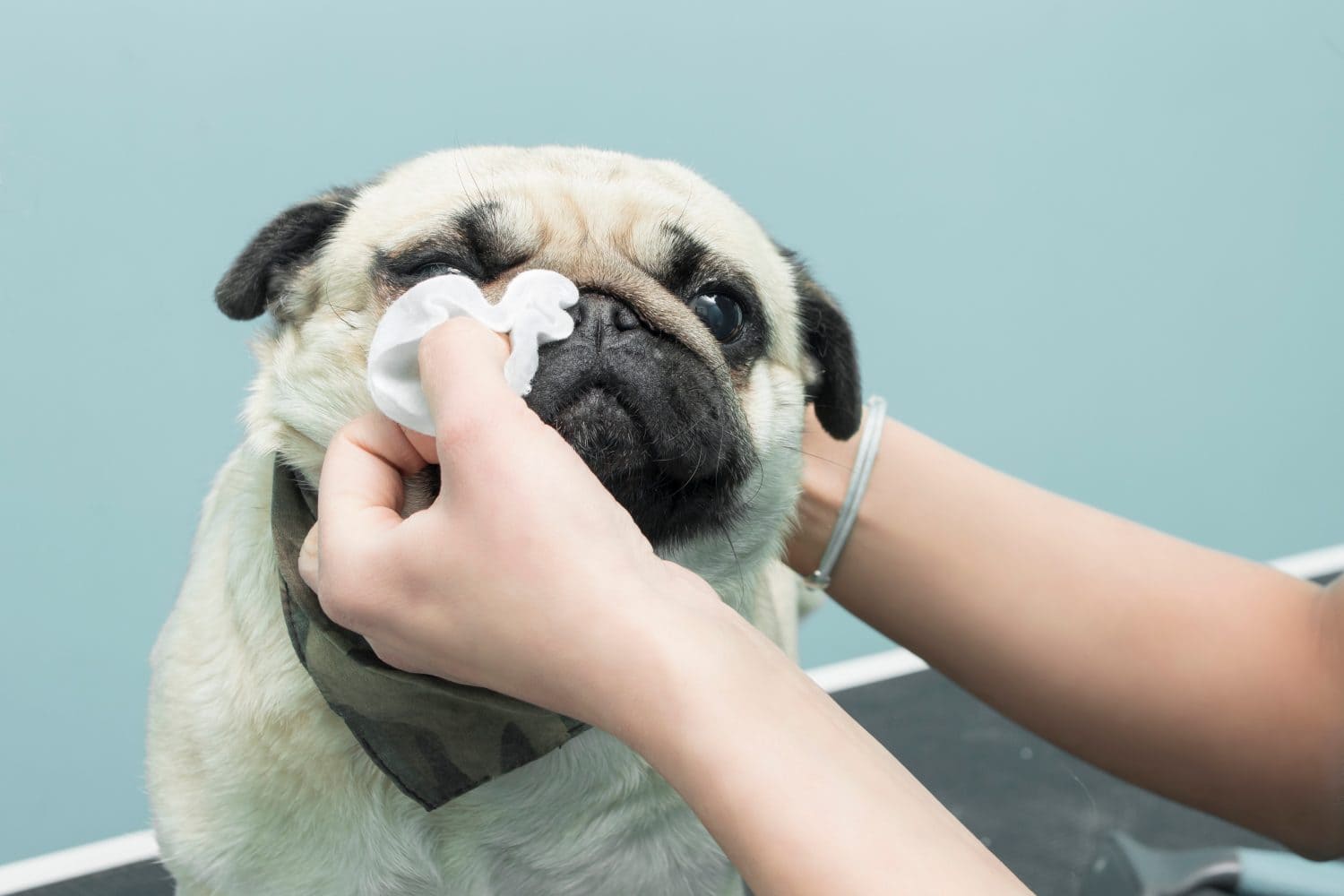
The key to cleaning a dog’s eyes is to be gentle so that the eye does not become irritated or damaged.
©Tomasz Majchrowicz/Shutterstock.com
If you notice any changes in the color or consistency of the discharge, or if your dog seems uncomfortable, it’s a good idea to have your dog checked by a vet.
Dr. Cameron Broach, DVM
Dr. Broach, who practices in South Carolina, continues, “In some cases, if there’s excessive discharge or signs of irritation, your vet might recommend specific eye drops or ointments.”
Dr. Broach is quick to point out that before starting any treatment, “It’s best to consult a veterinarian to ensure it’s appropriate for your dog’s specific needs.”
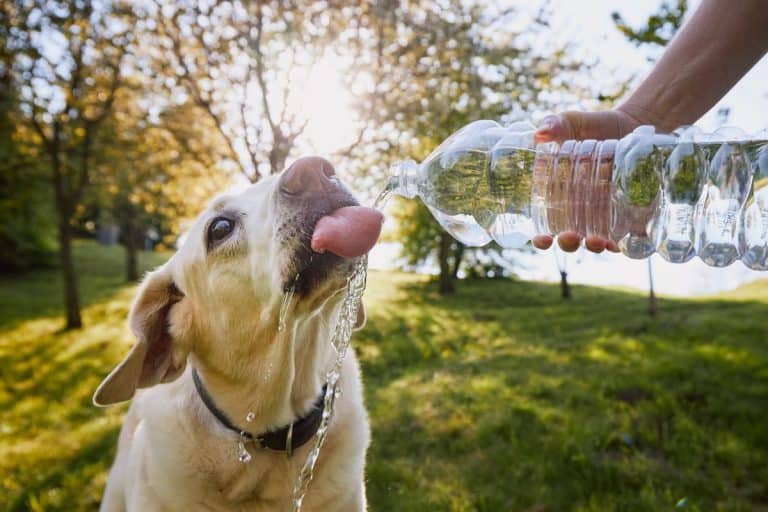
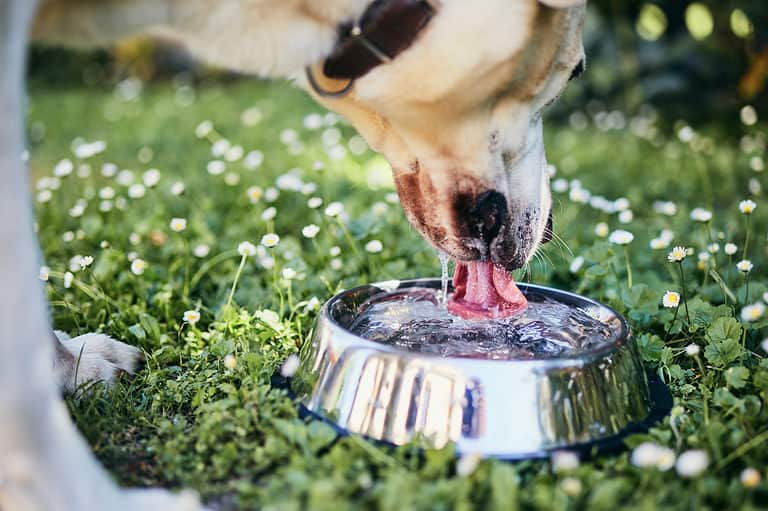
For decades, companies have been selling products that claim they can remove staining caused by the rust-colored eye discharge. However, according to Dr. Broach, there is no correlation between the water the dogs drink and their eye discharge turning brown or rust in color.
“The rust-colored discharge is often due to porphyrins, which are naturally occurring molecules in tears and saliva,” Dr. Broach explains. “While some people believe that the minerals in tap water can affect the color of a dog’s tears or discharge, there’s limited scientific evidence to support this claim.”
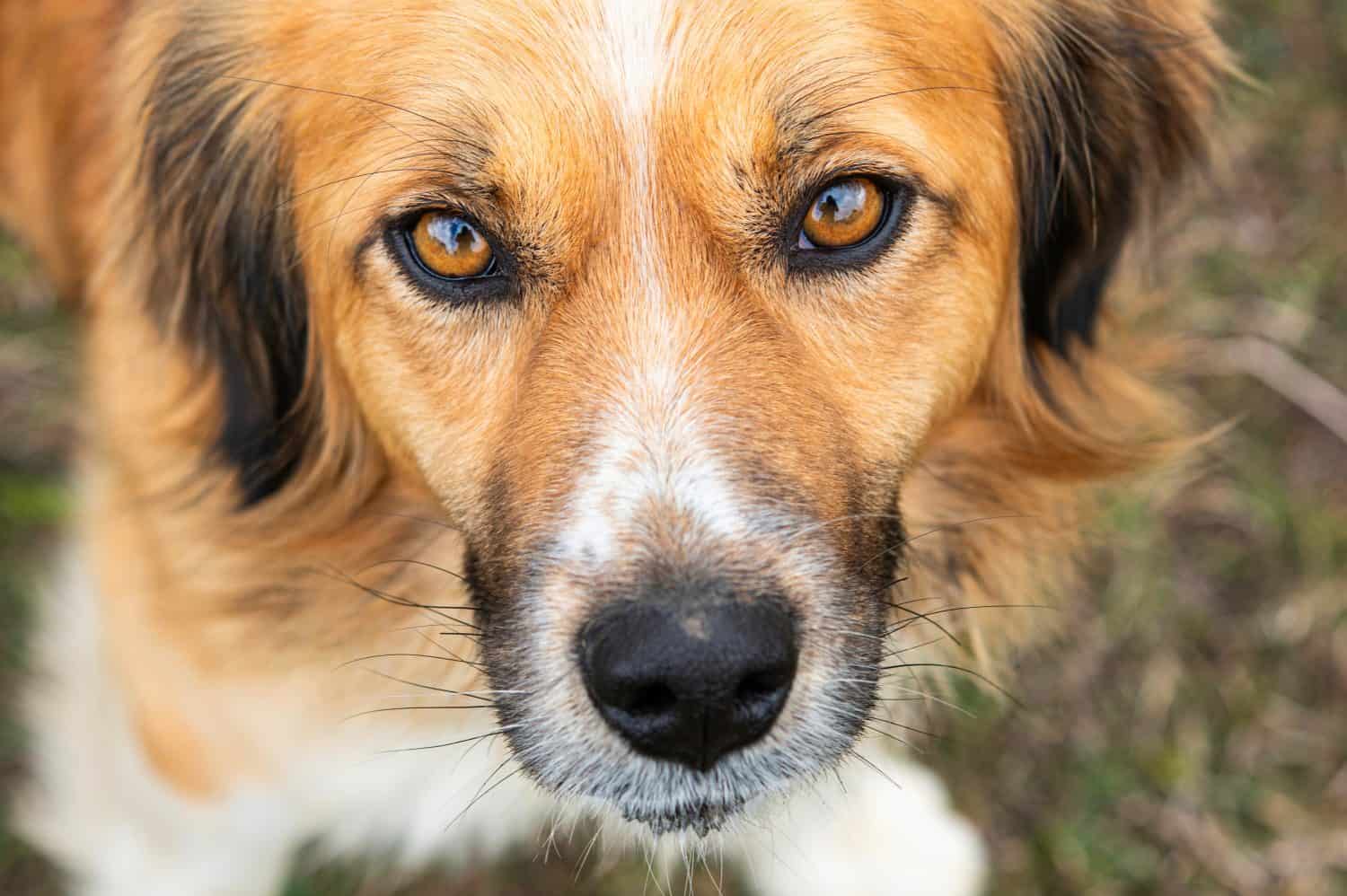
Rust-colored discharge is not caused by a dog’s drinking water.
©Marina.Martinez/Shutterstock.com
Dr. Broach states that if there is concern over the quality of the water a dog is drinking, “using filtered or distilled water for your dog might help, but it’s not guaranteed to change the color of the discharge.”
Eye discharge, or eye boogers, is not uncommon in dogs. While excessive or discolored eye discharge can indicate health problems, occasional watery eyes are usually just the body’s way of clearing debris, similar to humans. However, if eye watering becomes excessive or turns odd colors, a trip to the vet is recommended to check a dog’s ocular health and find remedies for those who are unwell.