
Quick Take
- The everyday routines you put your dog through may be doing more lasting damage than you'd ever suspect. See the common triggers →
- The link between a dog's anxiety and its lifespan is something most vets aren't talking about yet. Explore the lifespan link →
- Calming an anxious dog may require something far simpler than training, and most owners already have access to it. Discover calming strategies →
Mental health is a concept we often associate only with human beings. Despite treating our furry best friends like family, we don’t always treat them the same way. In a world where self-care is the ultimate way to honor your mind and body, our dogs are often left out of the conversation. And now, new evidence shows that dogs also struggle with similar feelings of fear and anxiety as humans.
A recent study based on data from the Dog Aging Project shows just how detrimental this is. Not only could our dogs be suffering silently, but their mental health might also be a direct link to their lifespan. The only way to help them is to address the issue at its source. What our dogs fear may also be taking its toll in ways we don’t realize.
Stop Normalizing Anxiety From Common Triggers
This study stands out from others because of its dataset. Rather than relying on clinical trials, results were determined with real-life test subjects. The Dog Aging Project currently has more than 53,800 dogs enrolled in their “pack.” All of the data used in the study is based on each individual dog’s anxiety triggers. Their goal is to gain a better understanding of how genes, lifestyle, and a dog’s environment affect its quality of life.

Whining, yipping, and shaking can be signs that your dog is anxious or afraid.
©Aleksey Boyko/Shutterstock.com
With more than 23,000 veterinary records and nearly a 50/50 split between mixed and purebred dogs, they’re well on their way. However, the most recent study using the Dog Aging Project’s data is drawing the attention of dog owners. Its goal is to stop normalizing the anxiety triggers that every owner has seen in their four-legged best friend.
Fear May Be Cutting a Dog’s Life Short
We’ve all witnessed our dogs having anxiety over something. While thunder sends some shaking in their kennels, others fear strangers and bark at unfamiliar faces. What many don’t realize is that when these reactions are repeated, they may negatively affect our dogs’ mental health. When dogs carry this stress every day, it eventually becomes more than just a fear trigger.
Study data show that more than 84% of all dogs showed at least mild signs of anxiety, mostly due to common events. These included grooming, nail trimming, and even bathing. It’s crucial to remember that this data comes from dog owners rather than a clinical setting. The ancestors of these dogs would not have had to deal with grooming appointments and nail clippers like our dogs do today. Evidence shows that this anxiety is rooted in a fear of the unknown, which leads to the stress reactions observed in the Dog Aging Project’s data.
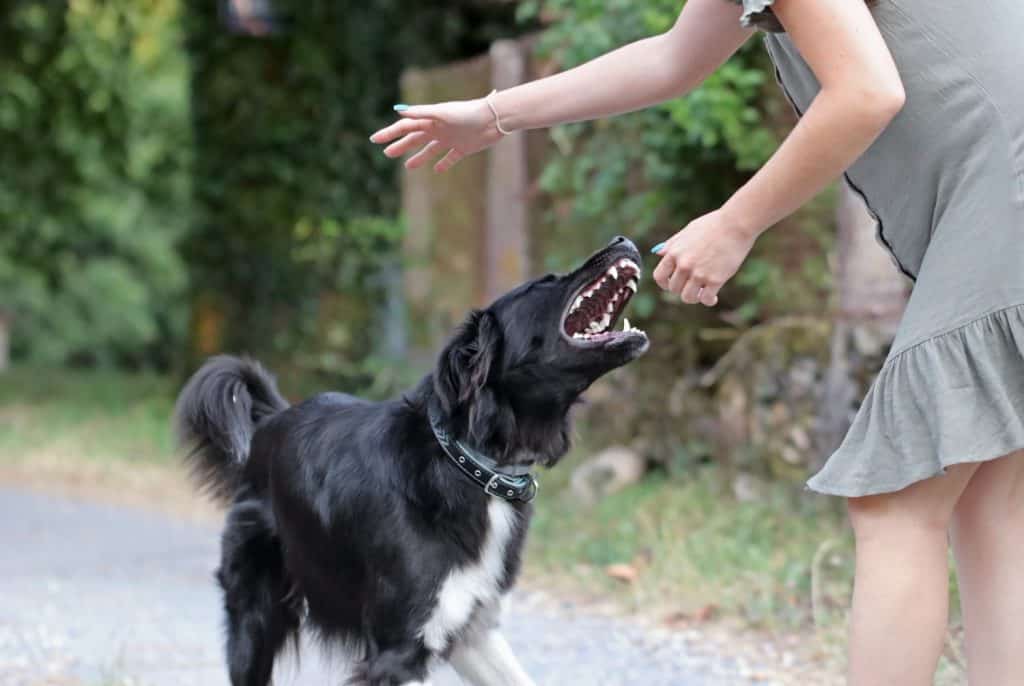
Dogs show fear and anxiety in different ways, and aggression can be a natural reaction to both.
©Fercast/Shutterstock.com
These events seem normal to us, but are completely foreign to our dogs. Because these experiences are so uncomfortable, many dogs never become accustomed to them. According to the study, short-term stress — such as the occasional nail trimming — is generally manageable. However, routine visits flooded with anxiety and fear can cause lasting damage. Just as in humans, long-term anxiety can begin to affect a dog’s immune system and mental health.
A Mental Health Crisis In Dogs
The results of the study using the Dog Aging Project’s data are clear. With 91% of all dogs reaching at least a level 2 on the anxiety scale, mental health can no longer be ignored. The full breakdown of triggers revealed that:
- 22.3% reacted to unfamiliar people
- 47.4% reacted to other unfamiliar dogs
- 25.5% reacted to unfamiliar places, objects, or noises
- 33% reacted to grooming
These dogs share one thing in common: their anxiety stems from everyday situations. While we can’t necessarily stop our dogs from seeing new people, dogs, groomers, or places, we can take steps to manage their stress levels. Many veterinarians believe one of the best weapons against long-term anxiety is being proactive. The more time we take to prepare our dogs, the less likely they are to be caught off-guard.

“Whale eyes” are when the whites of a dog’s eye show, and can indicate fear or stress.
©Bogdan Sonjachnyj/Shutterstock.com
This might be positive reinforcement, such as using a peanut butter lick mat during baths. It could even look like in-home grooming services rather than taking your pup somewhere new. Dogs also thrive on enrichment, so toys, games, and puzzles that keep their minds engaged are excellent options for managing stress. Weighted blankets, creating a safe space (such as a kennel), white noise, and pheromone diffusers can help. Depending on your dog’s anxiety triggers, there are ways to help them navigate the world without depleting their mental health.