
Quick Take
- Unlike other mammals, elephants cannot breathe through their mouths, so a blocked trunk quickly becomes a life-or-death emergency.
- Getting medication into a wild elephant requires a completely different approach than treating one in captivity, and the contrast is far more dramatic than you'd expect.
- Vets can detect tuberculosis in elephants using a technique that involves the trunk itself, and the method works nothing like a standard diagnostic test.
- One herpesvirus kills young elephants so fast that by the time visible symptoms appear, survival may already be unlikely.
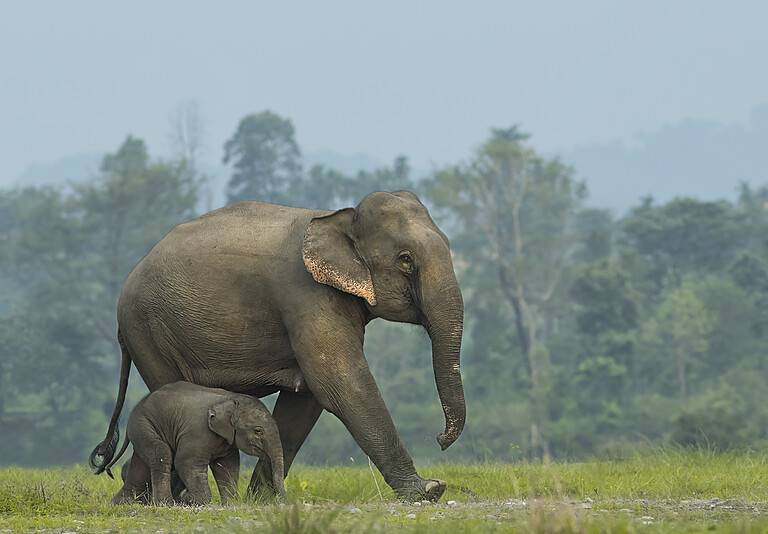
Elephants may look powerful, yet they can be taken out by many of the same health challenges as other mammals. They can develop respiratory issues, infections, and chronic conditions that require careful monitoring. Their size and anatomy add extra complexity, especially when illness affects breathing. The trunk plays a central role in daily life for both breathing and as their primary appendage for sensing and interacting with their environment, so any disruption can quickly become serious. Care teams must watch for small changes that might signal larger problems.
Do Elephants Sneeze?
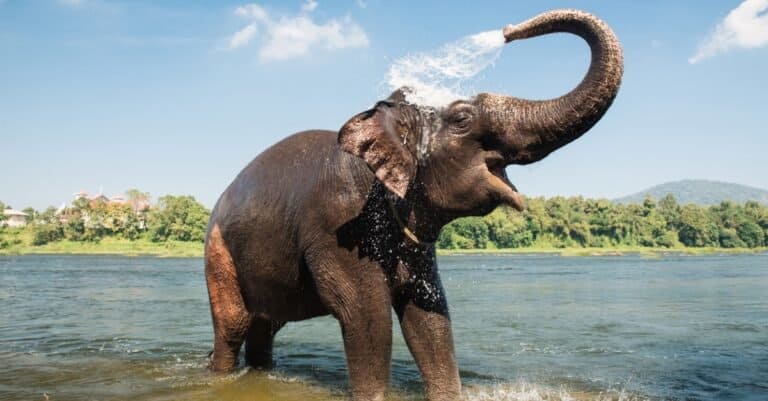
Elephants do sneeze, and the result is hard to miss. A sneeze sends a forceful burst of air through the trunk, clearing out irritants like dust, pollen, and debris. In dry or dusty environments, this is especially important for maintaining open airways.
Occasional sneezing is normal and even beneficial. It shows the body is doing its job by clearing the airway. Concern arises when sneezing becomes frequent or appears alongside other symptoms. Thick discharge, unusual odor, or behavioral changes may point to infection or inflammation. A single sneeze may seem dramatic, but it is the pattern of sneezing over time that provides real diagnostic value.
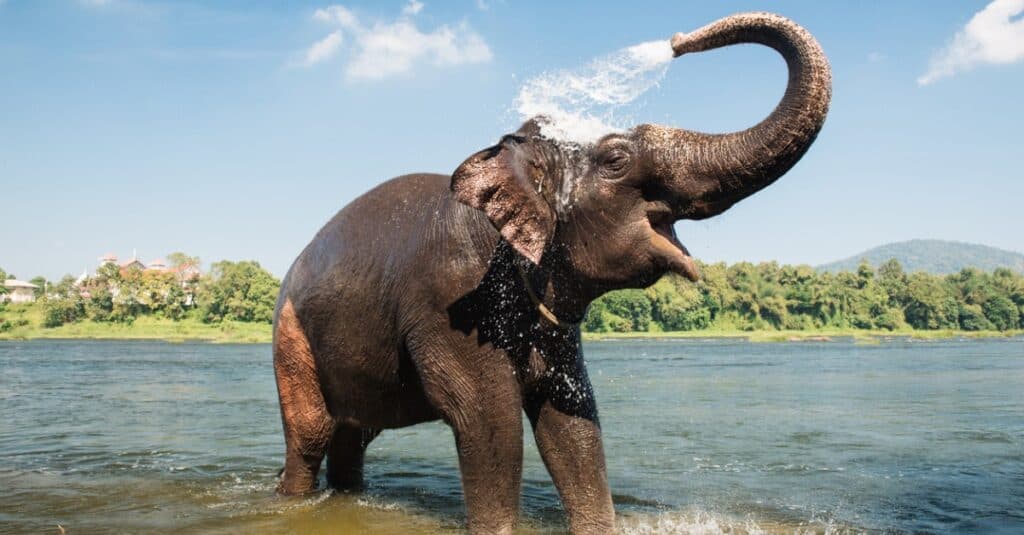
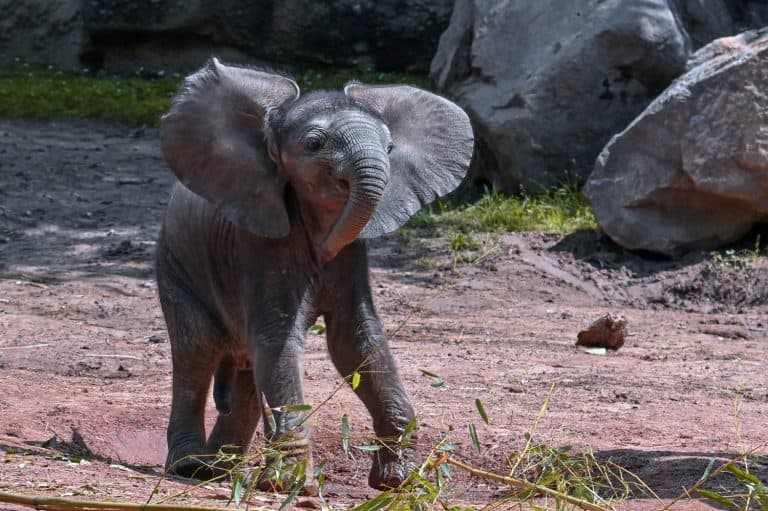
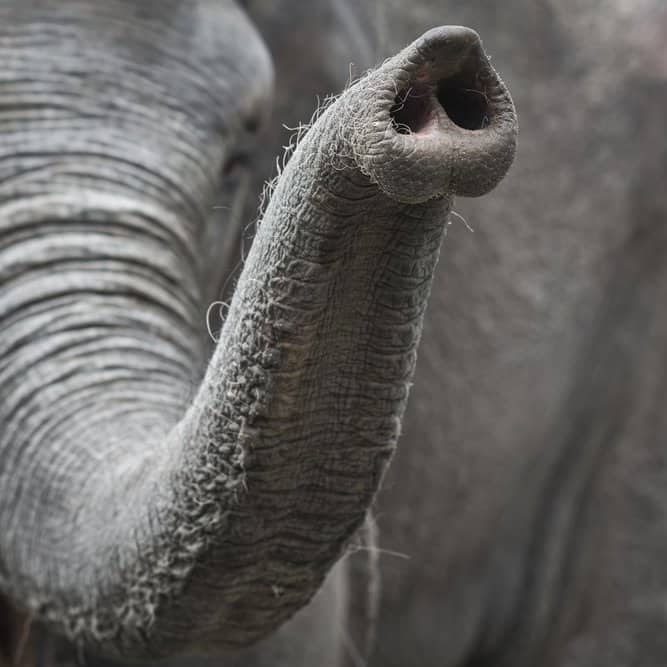
An elephant’s trunk is important for respiration and serves as its most useful appendage.
©Dmytro Gilitukha/Shutterstock.com
How the Trunk Affects Breathing
An elephant’s trunk is a fusion of the nose and upper lip, containing tens of thousands of muscles. It ends in nostrils that draw in air, scents, and dust from the environment. Elephants are obligate nasal breathers, meaning they primarily breathe through their trunks (nostrils) and cannot breathe effectively through their mouths due to their unique anatomy.
Air constantly moves through the trunk, bringing particles that may irritate its lining. When the trunk becomes inflamed or blocked, airflow is reduced. Older elephants or those with existing conditions are more vulnerable. Because the trunk handles breathing, feeding, and sensing, any disruption affects several systems at once.
What Causes Respiratory Problems in Elephants?
A runny or blocked trunk can result from several causes. Allergies, infections, and environmental irritants all play a role. Swelling inside the nasal passages may narrow airflow and create breathing difficulty. Infections caused by bacteria or viruses can worsen inflammation and produce noticeable discharge.
Some respiratory problems develop into serious conditions that threaten an elephant’s life. Narrowed airways can force an elephant to rely on mouth breathing, which is less efficient for them. Over time, this may lead to poor oxygen exchange and increased carbon dioxide levels, affecting energy, organ function, and overall health.
Our Elephant Expert
To better understand how veterinarians handle the challenges of elephant illnesses and injuries, we interviewed Dr. Iddi Lipende, a veterinarian and wildlife researcher affiliated with the Tanzania Wildlife Research Institute and a wildlife consultant at Altezza Travel. Lipende’s work focuses on animal health, disease, and conservation in East Africa. He has contributed to research on wildlife disease dynamics and ecosystem health and has collaborated with organizations such as the Jane Goodall Institute.
Equipment and Restraint Methods

Veterinary hospitals, like this one in Thailand, are set up with specialized facilities for restraining and positioning elephants during treatment.
©Take Photo/Shutterstock.com
“The primary challenge with working with elephants, as one can imagine, is their size and anatomy,” says Dr. Lipende. In managed care settings like zoos and sanctuaries, elephants are trained to cooperate, reducing the need for sedation. However, “to treat wild elephants, we commonly rely on chemical restraint,” he explains. “Although riskier, there is no capacity to train the animals to cooperate.”
In captivity, specialized facilities use restraint chutes and barriers to aid in positioning and protection, Lipende told us. In the field, however, once the elephant is sedated, basic tools like ropes or elements of the natural terrain are used to help position the animal as needed to perform treatment.
How Veterinarians Diagnose Respiratory Illness
Veterinarians use several specialized tools to assess elephant health. One key method is the trunk wash, which helps detect respiratory infections such as tuberculosis. A sterile fluid is introduced into the trunk and then expelled for analysis. Imaging tools also play a role. Ultrasound can examine internal organs, while endoscopy allows direct viewing of the nasal passages. On captive animals, many procedures are performed while the elephant remains awake, relying on training to keep the animal calm.
The primary challenge with working with elephants, as one can imagine, is their size and anatomy.
Dr. Iddi Lipende, veterinarian and wildlife researcher
How Medication Is Given
Given the danger of working with wild elephants, Lipende says it is standard practice to immobilize them from a distance using a tranquilizer dart. However, “occasionally, an elephant might be trapped or otherwise immobilized, so hand injection is possible, but this is more of an exception.”
Options are more flexible in captivity. Using positive reinforcement, elephants can be trained to cooperate in their own treatment, which can include voluntary oral dosing, topical applications, and even direct injections.
Other Common Health Problems
“Here in Tanzania, we mostly treat wild elephants, so the treatments are reserved for the most acute cases,” says Lipende. “Most commonly, it’s physical injuries from snares or fights between elephants. Sometimes these are foot infections, but treating these in wild populations is logistically difficult and often limited to severe cases due to associated risks.”
The typical health problems of captive animals look somewhat different, he says. “In captivity, the treatments vary a lot, but most commonly, it’s addressing musculoskeletal problems due to captivity conditions or sometimes body weight. Occasionally, it might be infections that arise due to close confinement and poor hygiene.”
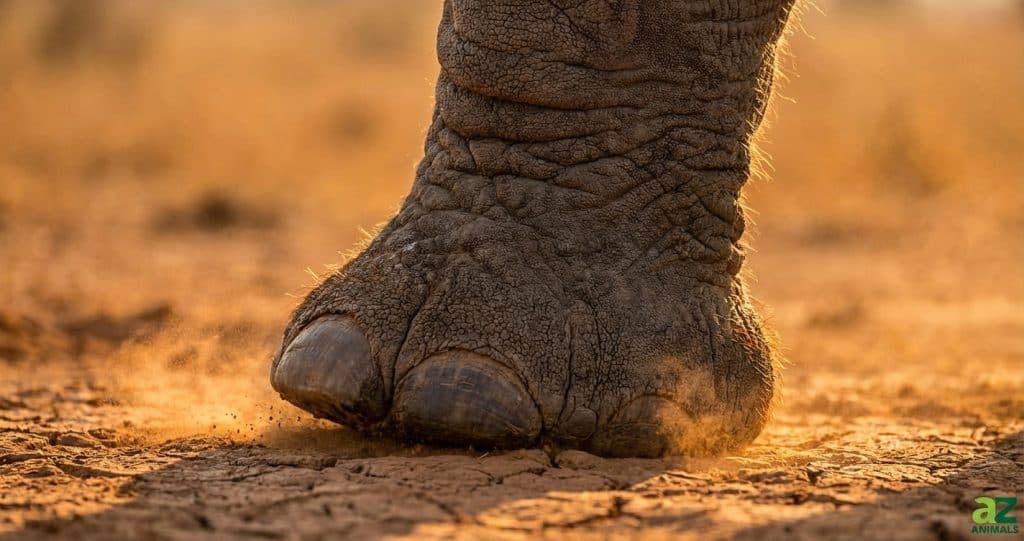
Due to their immense weight, elephants sometimes suffer from problems with their feet.
©A-Z Animals
Beyond respiratory illness, elephants commonly face foot problems, digestive issues, and dental wear. Their immense weight and constant movement make even small injuries a serious concern if left untreated.
Disease Risks: Tuberculosis and EEHV
Tuberculosis is a serious disease that affects elephants in managed care. It spreads through the air and can remain hidden for long periods. Regular testing, including trunk washes and blood tests, is essential for early detection.
Elephant endotheliotropic herpesvirus, or EEHV, poses a major threat to young elephants. It can cause rapid illness, leading to internal bleeding and organ failure. Early signs include swelling, fatigue, and changes in tongue color. Rapid treatment is critical for survival.
Why Elephant Healthcare Requires Teamwork
Caring for elephants requires coordination between veterinarians, caregivers, and researchers. Communication ensures that small changes are noticed and addressed quickly. Advances in diagnostics and treatment continue to improve outcomes. These efforts support not only individual animals but also conservation goals, helping elephants live longer, healthier lives while maintaining their role in the ecosystem.