
Quick Take
- The adult looks like a completely different animal, and its palette might surprise you.
- One biological necessity drives this slow wardrobe change, and it isn't as simple as it sounds.
- This spider shuns the forest floor, and the reason shapes how it lives and hunts.
- Forget the classic image of a spider waiting in a web. This one does things differently.
Most people probably wouldn’t describe a tarantula as beautiful. But the Martinique pinktoe might change a few minds, especially when you see its almost electric-blue coloring.
Native to the Caribbean island of Martinique, this remarkable spider undergoes a dramatic makeover as it grows. In this A-Z Animals original video, we get an up-close look at the tarantula’s incredible colors, from its bright-blue juvenile stage to its striking adult appearance.
This bright-blue tarantula gets a whole new look as it grows
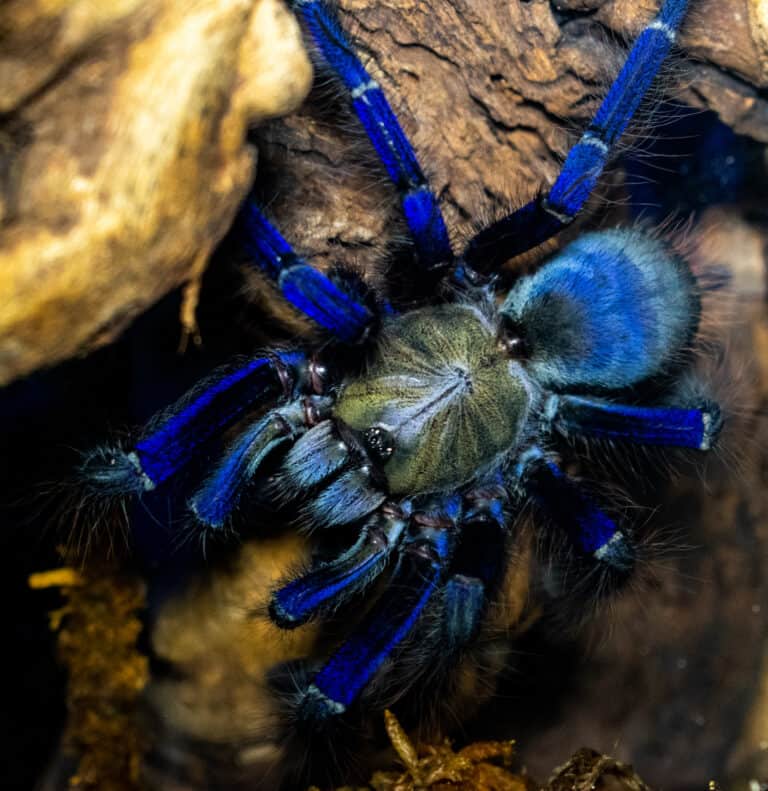
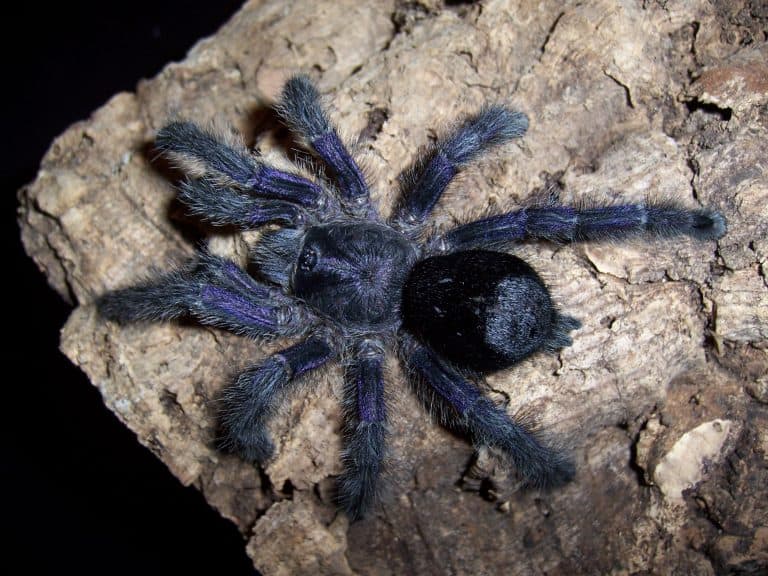
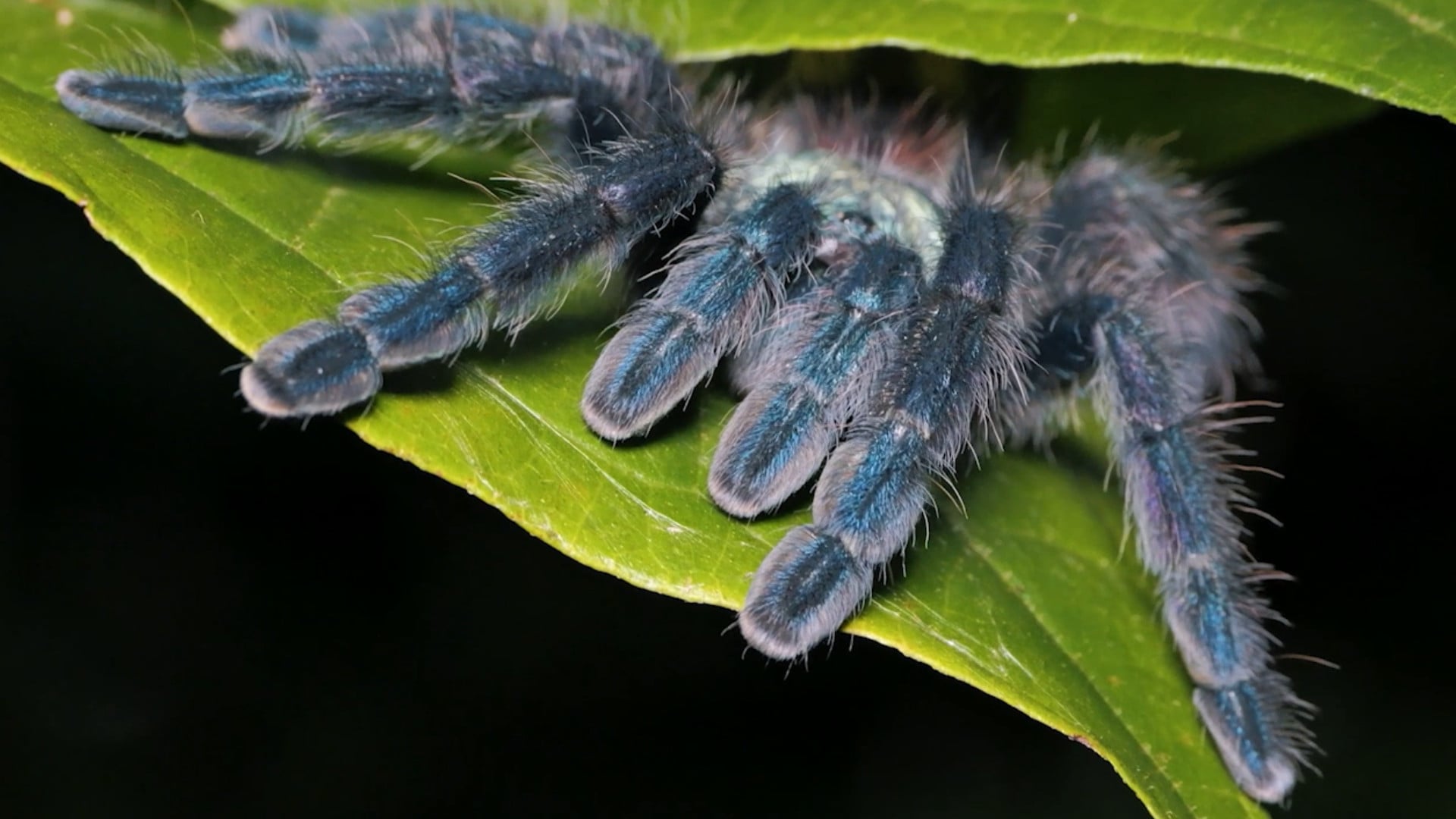
If you spotted a young Martinique pinktoe tarantula sitting on a green leaf, you might think someone had taken a paintbrush to it.
The spider’s vivid blue legs and fuzzy body look almost too colorful to be real. But that brilliant blue is completely natural.
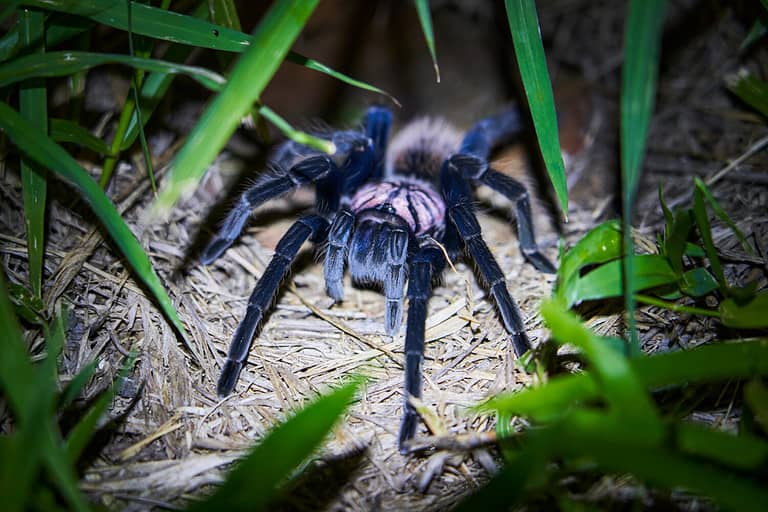
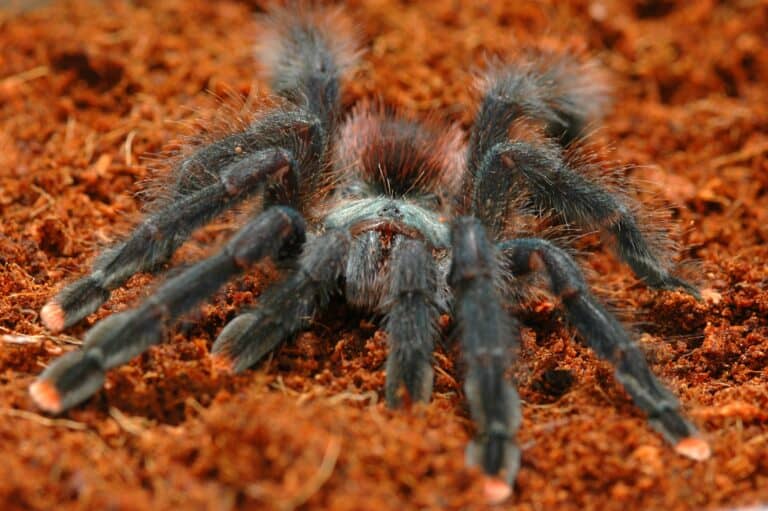
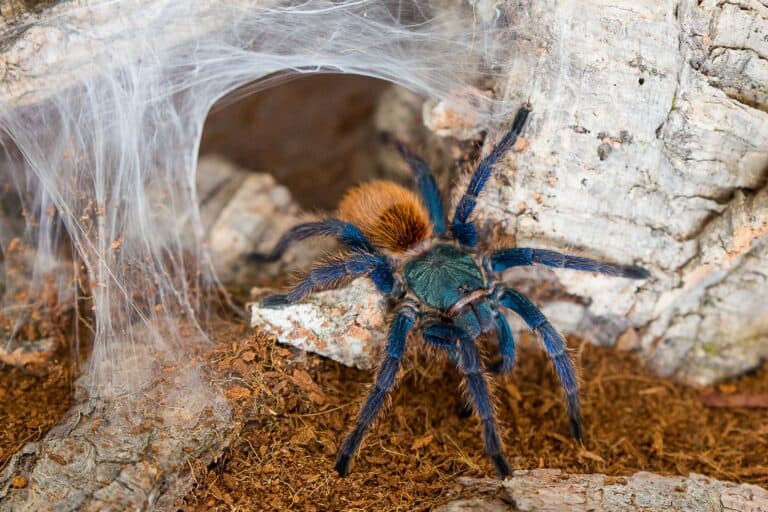
As the video shows, mature Martinique pinktoes look remarkably different. The bright-blue coloring gradually gives way to a combination of metallic greens, purples, reddish-orange hairs, and pinkish feet.
It’s quite the wardrobe change for an animal that doesn’t even wear clothes.
The transformation doesn’t happen overnight, either. Like other tarantulas, this species must shed its rigid outer skeleton as it grows. With successive molts, its coloring gradually shifts toward the adult pattern.
Martinique pinktoe colors by life stage
-
Juvenile
- bright blue
vivid blue legs and fuzzy body
-
Adult
- green
- purple
- pink
metallic greens, purples, reddish-orange hairs, and pinkish feet
Why Martinique pinktoe tarantulas spend so much time in trees
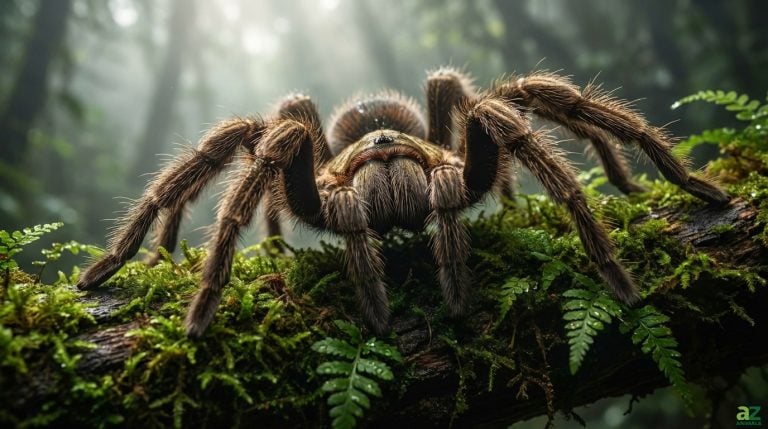
The Martinique pinktoe (Caribena versicolor), also called the Antilles pinktoe, is an arboreal tarantula. That means it spends much of its life in trees rather than wandering across the forest floor.
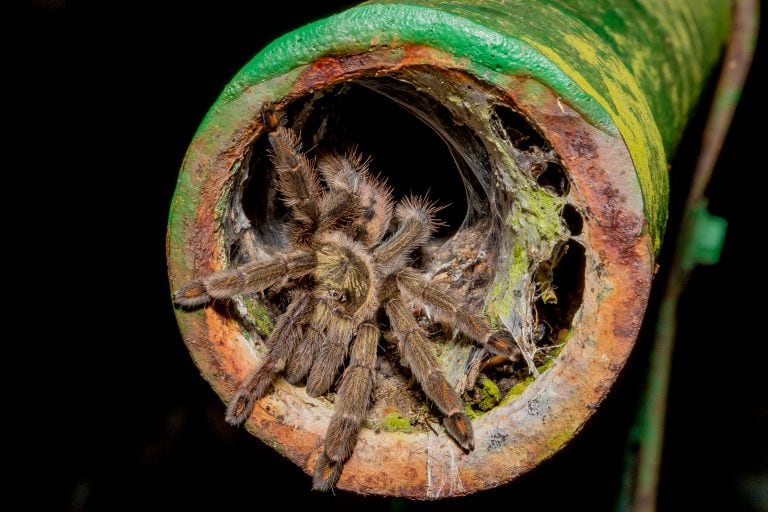
Its natural habitat includes the tropical forests of Martinique, where it shelters among branches, tree cavities, and dense vegetation.
These spiders use silk to create retreats that provide protection and a convenient place to rest. Unlike the classic image of a spider waiting in the center of an elaborate circular web, a pinktoe tarantula typically hunts insects from its surroundings.
And while its impressive size and hairy legs might make some people nervous, the Martinique pinktoe’s colorful appearance is one of its most distinctive features.
From electric blue to a surprisingly colorful adult, this is one tarantula that looks almost like a completely different animal by the time it grows up.