Quick Take
- One scientist's casual lip-touch led to a discovery that rewrote what biologists thought they knew.
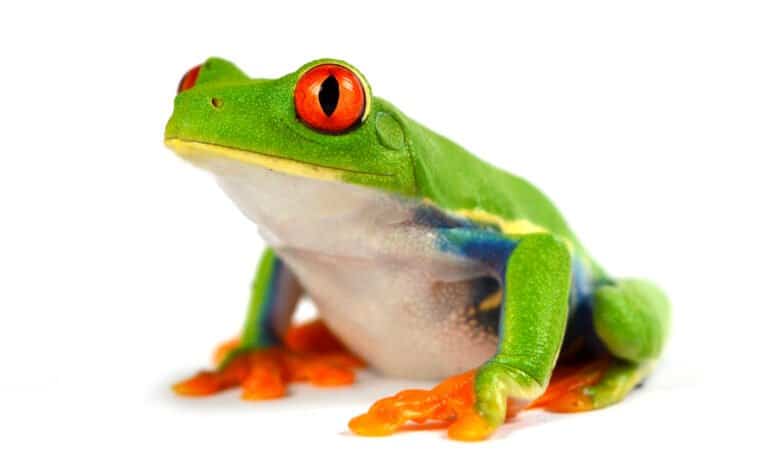
- A frog's signature weapon showed up in a bird on another continent. Coincidence?
- These birds don't make their poison. So where does it come from?
- Locals had a word for this numbing sensation long before science did.
Hooded pitohuis are striking-looking birds. They inhabit forests across New Guinea, where observers may catch a glimpse of their reddish-brown and jet-black plumage. Both males and females have the bright coloring, and that serves as a warning: these birds should not be touched! Their feathers are coated with a potent toxin, making them one of the few poisonous birds on the planet. Here we recount the fascinating story of how their dangerous nature was discovered and why they are poisonous.
How Was the Bird’s Poison Discovered?
The pitohui’s poisonous nature was discovered by ornithologist Jack Dumbacher in 1989. He was working in New Guinea when he caught one of the birds in his net. After handling the bird, he inadvertently touched his lips, and they went numb!

Pitohuis likely use toxins as a defense.
©iStock.com/feathercollector
This incident triggered a chemical investigation into what substance was on the bird’s feathers and how it got there. A few years later, the findings were published. They revealed that three species in the genus Pitohui contain a toxic substance called steroidal alkaloid homobatrachotoxin. The toxin occurred at varying levels across species but was always highest in the skin and feathers. Prior to this discovery, experts believed that this toxin was only found in neotropical poison-dart frogs of the genus Phyllobates. This research also concluded that the birds evolved to use the toxins as a chemical defense. Also, the birds evolved it independently of frogs.
Poisonous Pitohuis
There are six species of pitohuis, but they are not all equally toxic. The hooded pitohui (Pitohui dichrous) and the variable pitohui (Pitohui kirhocephalus) are the most toxic. Black (Melanorectes nigrescens) and crested pitohui (Ornorectes cristatus) have traces of toxicity, and the rusty (Pseudorectes ferrugineus) and white-bellied pitohui (Pitohui icnertus) are not toxic at all!
How toxic is each pitohui?
-
not toxic at all
- Rusty pitohui
- White-bellied pitohui
-
traces of toxicity
- Black pitohui
- Crested pitohui
-
most toxic
- Hooded pitohui
- Variable pitohui
The toxins are concentrated in the breast and belly feathers, where they may be transferred to the nest and the eggs. This could put egg-eating predators off too! It’s also been proposed that the toxins promote defense against ectoparasites.
Batrachotoxins Explained
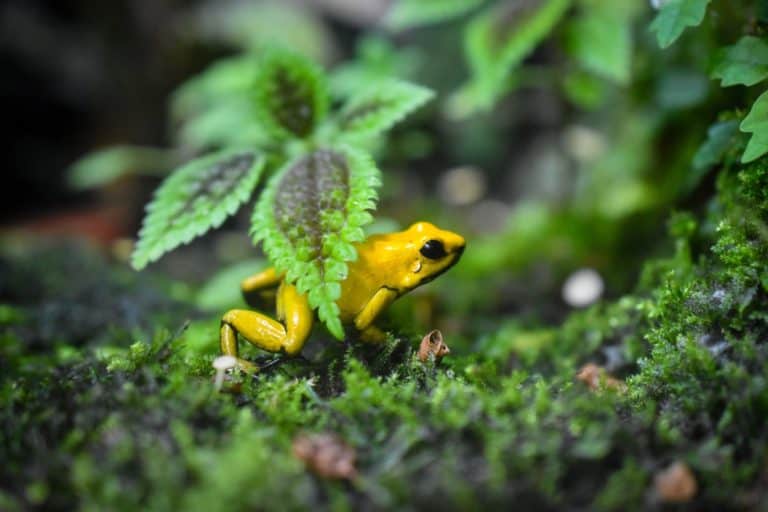
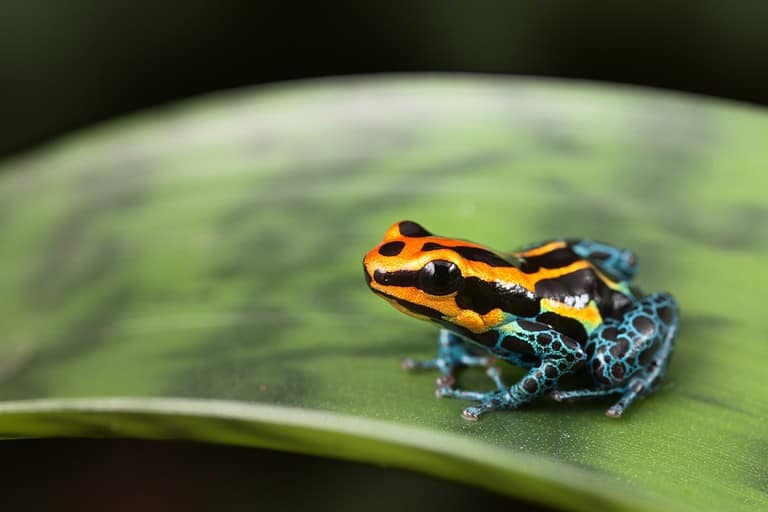
Batrachotoxins are a type of potent neurotoxic steroid alkaloid. They have both neuro- and cardiotoxic properties, so they act against both nerves and the heart. The first place that these toxins were discovered was the skin of the Dendrobatidae family of frogs – the poison-dart frogs. The true poison dart frogs from Colombia (Phyllubetes terribilis) have high levels of the toxin, but other species have lower concentrations.
At a chemical level, the toxins target nerve and muscle membranes. Here, they cause persistent activation of the sodium channels, which stop the cells from working correctly. Laboratory studies have shown that batrachotoxins are some of the most potent alkaloids known. In rodent studies, they have caused muscle contractions, convulsions, salivation, and dyspnea. At high enough doses, they have proved fatal to rodents. There is no antidote, but some chemicals can reverse the effects the toxins have on cells.
That said, the toxic effect experienced after contact with birds is not as severe as that experienced after contact with frogs. This may be because birds carry lower levels of the toxin. In humans, bird contact has caused numbness, burning, nausea, and a bitter taste if you get it in your mouth. Even though the toxins are non-volatile, they are often found in dander and feather fragments. These can become airborne and enter the lungs. Researchers working with the birds have reported upper respiratory irritation with sneezing, numbness, and burning inside the mouth. The native people of New Guinea avoid them as a food source; the birds have a reputation for having a bitter odor and sour taste.
How Did Pitohuis Become Poisonous?
So, how do these birds gain their toxins? The fact that some pitohuis species are more toxic than others supports the theory that they gain it somehow from their environment. Melrid beetles (Choresine spp.) are the most likely source and are certainly part of the pitohuis diet. When researchers examined the stomach contents of pitohuis birds, they found melrid beetles. Studies have shown that these beetles contain high levels of batrachotoxins.
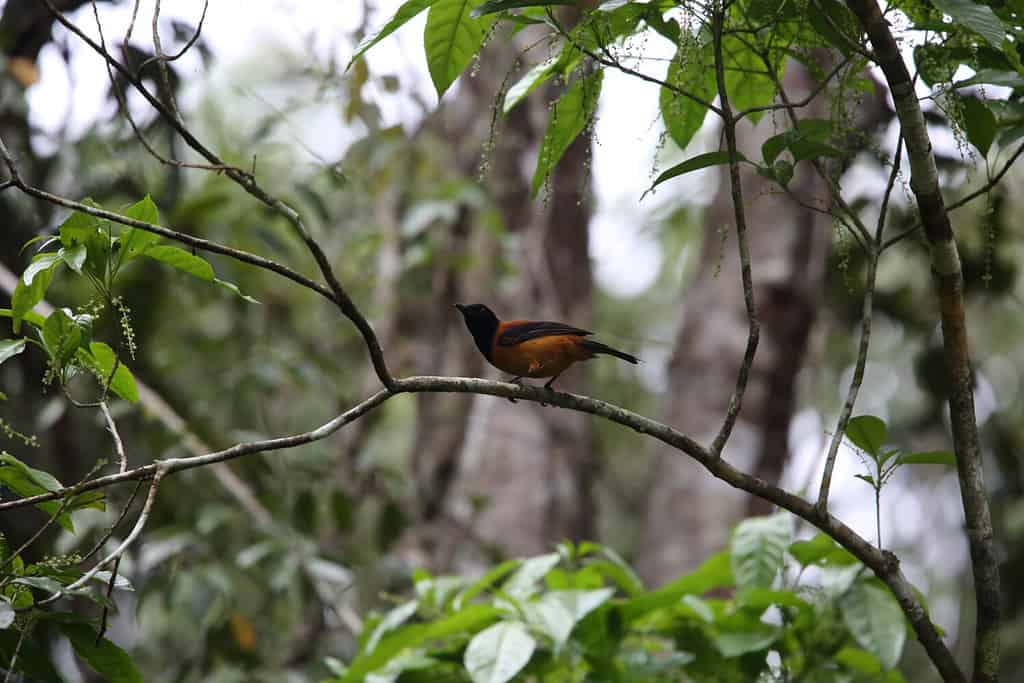
Pitohuis birds likely get their toxins from beetles.
©feathercollector/Shutterstock.com
Local knowledge supports the theory. Villagers from Herowana (Crater Mountain Wildlife Management Area, Eastern Highlands Province) call the beetles “nanisani”. It’s a term that describes the unusual tingling and numbing sensation to the lips and face caused by contact with either the beetles or the bird feathers. The feeling experienced by Jack Dumbacher in 1989 came as no surprise to these communities!
Staying Safe Around Pitohuis
If you ever encounter a pitohui, the best advice is to enjoy it from a distance. This is not a bird that you should attempt to handle. Wildlife professionals and researchers only handle them when wearing protective equipment.
If you start to experience any symptoms after accidentally coming into contact with a pitohui, seek medical attention right away.