
Quick Take
- Sea urchin stings alone cannot kill a person without venom allergies.
- The flower urchin is the most venomous sea urchin species.
- Remove spines and pedicellariae, soak the wound, and seek medical care if symptoms worsen, with emergency care for severe symptoms.
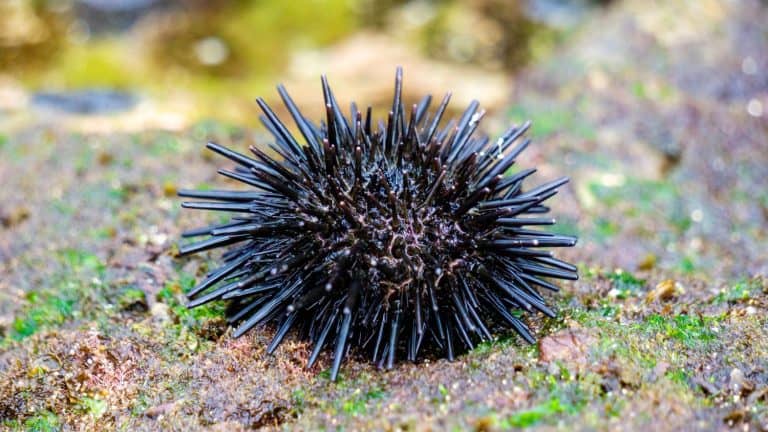
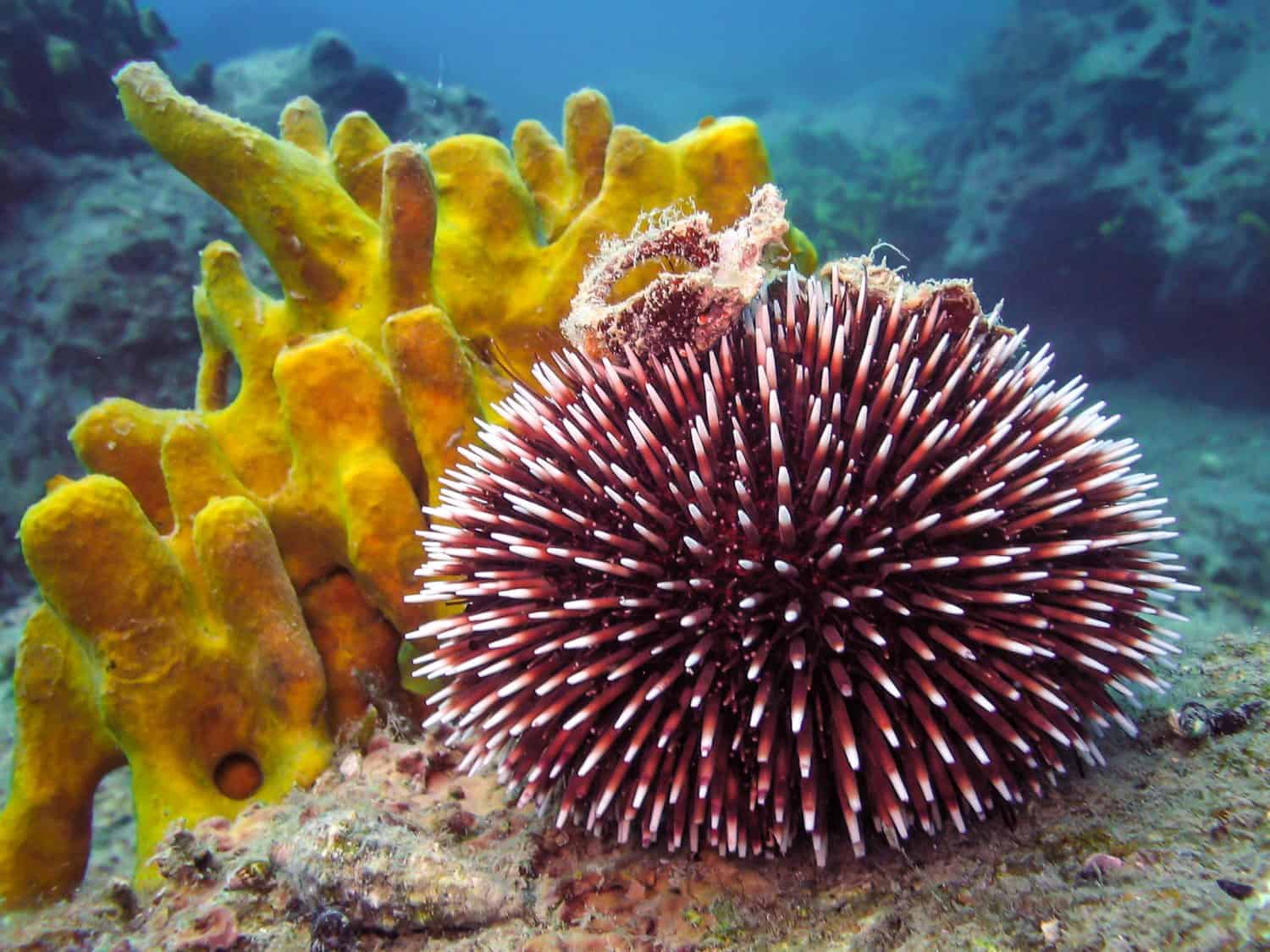
With their pointy spines, sea urchins are not warm and fuzzy marine animals that people want to snuggle up to. While they are an essential part of the ocean’s ecosystem, they can puncture a person’s skin if they come into contact with them, resulting in immediate pain. While most sea urchins are not venomous, some are, with one species being particularly dangerous. This raises the important question: Can a sea urchin sting kill you, given the many species living in oceans worldwide?
A Sea Urchin Sting Alone Cannot Kill You
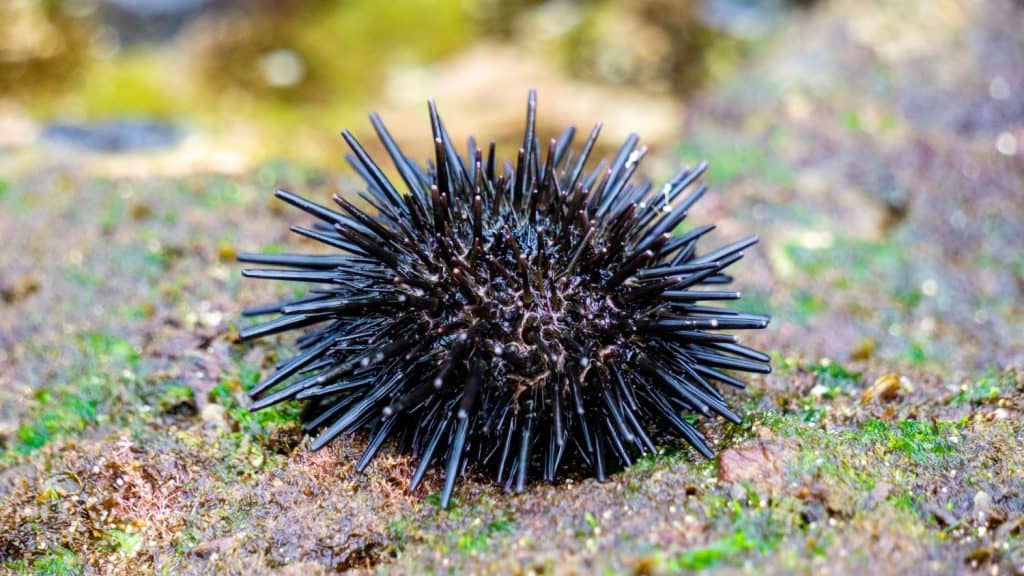
Sea urchin puncture wounds are painful, but the venom from a sea urchin alone is not enough to kill someone who does not have a history of allergies to venom.
©Mang Kelin/Shutterstock.com
With their prickly spines and barb-like appendages called pedicellariae, sea urchins are not a marine animal that people willingly come in contact with. Instead, the majority of negative interactions with these invertebrates result from accidental encounters that lead to sea urchin stings.
People typically get stung by a sea urchin by stepping on it or touching it without proper protection. The spines and pedicellariae contain varying levels of venom, ranging from types that do not affect people to those that can cause life-threatening symptoms. The majority of sea urchins do not pose a threat, other than causing temporary pain at the puncture site. However, if contact is made with a more venomous sea urchin or if there is an allergic reaction to the venom, the chances of having serious health issues related to the sea urchin sting increase.
The bottom line is that, by itself, sea urchin venom is not enough to kill a person who is not allergic. However, deaths have occurred when people were stung by the most venomous urchins and drowned as a result of paralysis or severe symptoms while in the water, or when they had a severe allergic reaction to the venom.
Signs You’ve Been Stung By a Sea Urchin
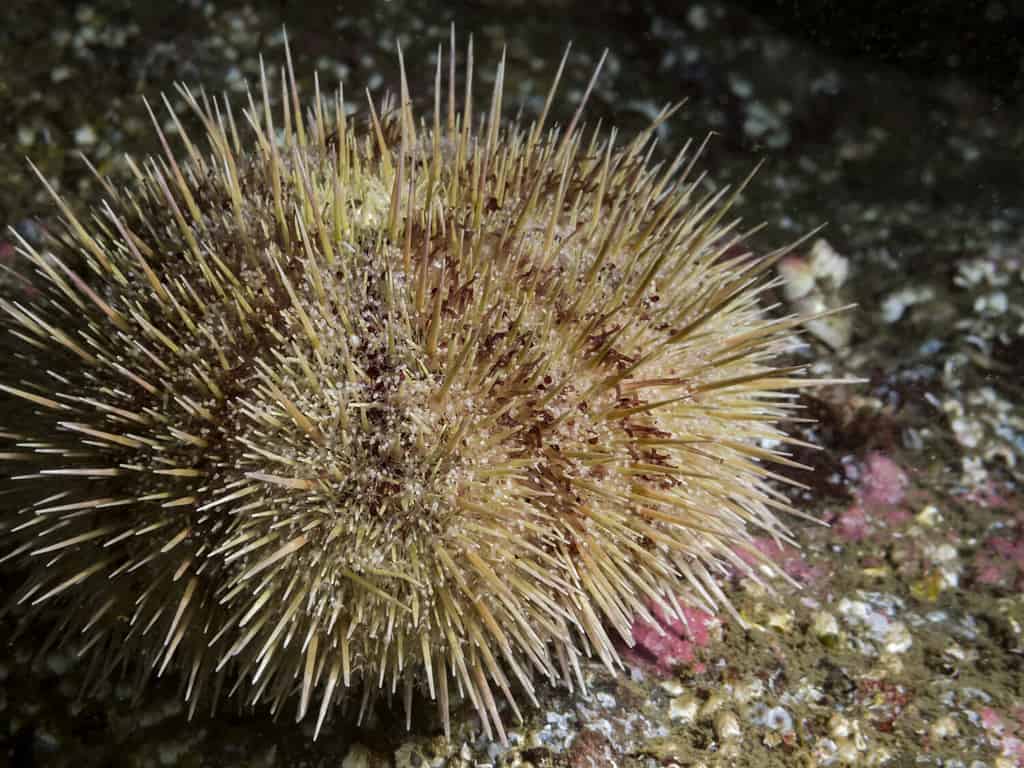
There are a variety of symptoms associated with being stung by a sea urchin that are unlike those of other stinging marine animals.
©NatureDiver/Shutterstock.com
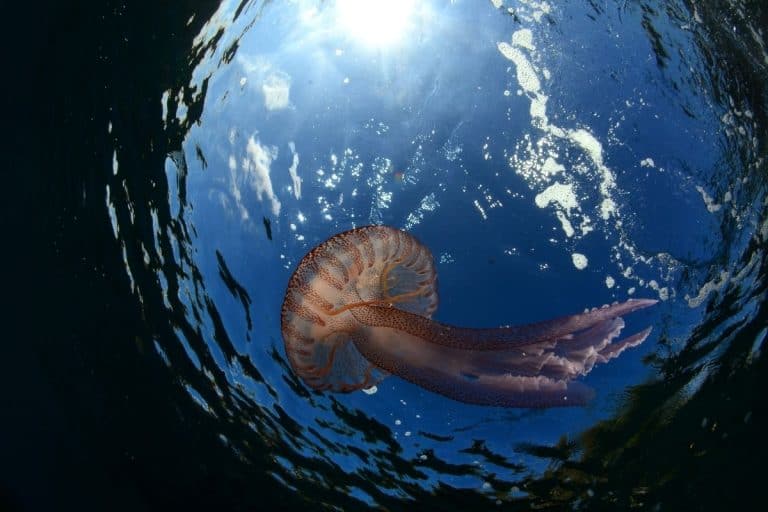
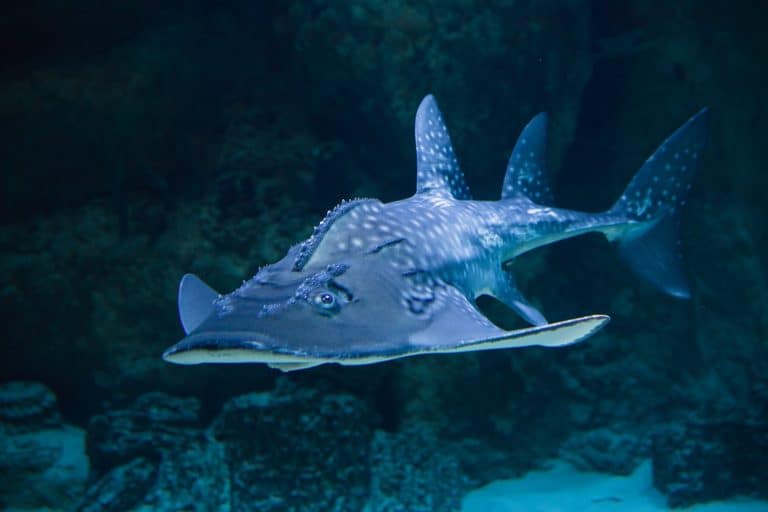
The ocean is filled with creatures that can sting. From jellyfish to stingrays, octopus, and stonefish, it can be hard to determine just what animal caused a sting. However, sea urchin stings are usually easy to identify because they often result in multiple puncture wounds at once. Some of the most common signs that a sea urchin caused the sting include:
- Puncture wounds on the skin that may or may not still have spines broken off in them
- Sudden onset of pain that feels akin to receiving a shot for an injection
- Redness and swelling shortly after the puncture wounds occur
- Signs of infection can occur hours to days after the punctures, including increased swelling, pain, and fever
If any of these symptoms are present and the person was in an area known for sea urchins, it is likely that a sea urchin sting is the cause. While the pain from a sea urchin sting may take time to subside, in many cases, the remedy is something that can be done at home.
What to Do If You‘re Stung By a Sea Urchin
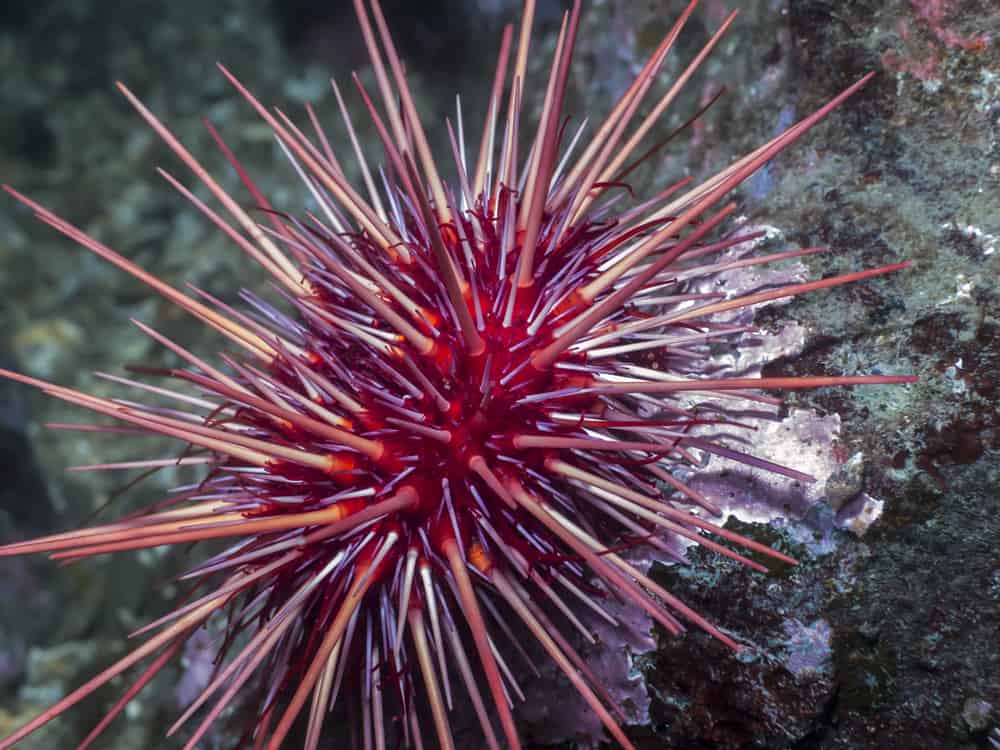
Those stung by a sea urchin should immediately remove any spines or pedicellariae in the puncture wounds, soak the wounds, and monitor for any ill effects if the species is venomous.
© NatureDiver/Shutterstock.com
If stung by a sea urchin, the spot will be painful. There may even be spines or pedicellariae that have broken off in the affected area. Therefore, the first step is to remove any spines or pedicellariae to prevent further venom from entering the body.
Once the spines have been removed, some at-home remedies can help mitigate pain and swelling caused by contact with the sea urchin spines:
- Wash the area with soap and water
- Soak the affected area for at least 30 minutes
- Take ibuprofen or acetaminophen regularly until pain subsides
If the site does not improve after a few days or symptoms worsen, seek medical attention to ensure an infection is not developing. However, if severe symptoms develop before this time, emergency care should be sought. Symptoms of this nature include:
- Muscle weakness
- Extreme fatigue
- Paralysis
- Body aches
- Spiked fever
- Increased pain
- Increased swelling
These symptoms require immediate medical attention to prevent a potentially life-threatening condition.
Some Sea Urchins Are More Venomous Than Others
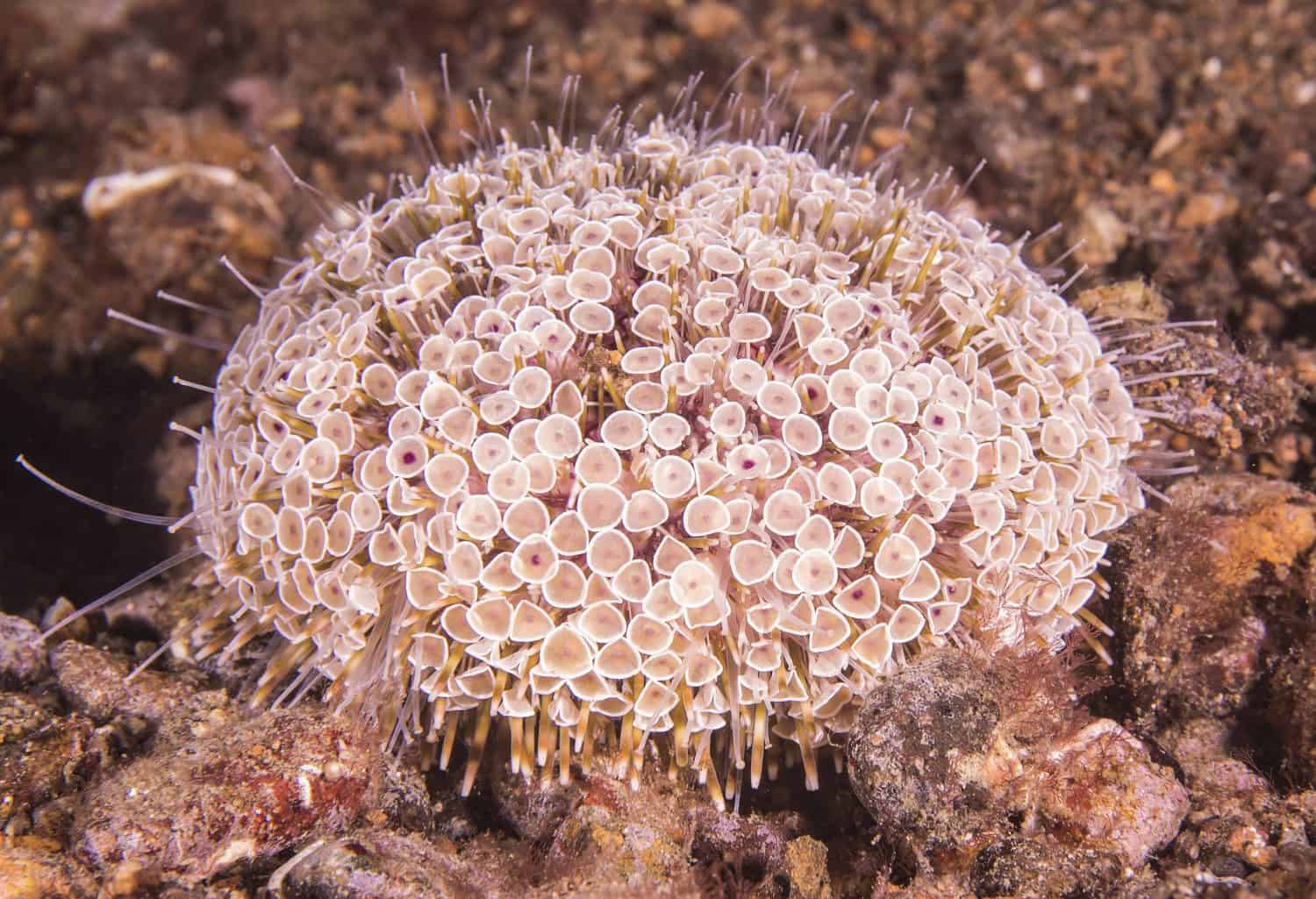
Flower urchins are among the most beautiful, but most venomous of all sea urchins.
©unterwegs/Shutterstock.com
When it comes to sea urchins, some are more venomous than others. However, there is a distinction between sea urchins that are more venomous and those that are more poisonous. The latter are those that have toxins that do not degrade, regardless of whether the sea urchin is cooked. These sea urchins, such as the globe urchin and the collector urchin, should not be consumed, as they can cause nausea, vomiting, and diarrhea.
That being said, one species stands out as the most venomous: the flower urchin. Unlike other sea urchins that can cause some short-lasting discomfort, flower urchins contain a neurotoxin in their spines and pedicellariae that can cause much more severe symptoms in people if stepped on. Some of those symptoms include:
- Nausea
- Vomiting
- Feeling of pins and needles in the appendage that has the puncture site(s)
- Muscular paralysis
- Respiratory distress
These particular urchins live in the warmer, shallow waters of the Indian and Pacific Oceans and tend to make their home on or near coral reefs.
Reports have circulated of divers who have come into contact with the flower urchin drowning after being affected by the neurotoxin. Fortunately, despite the highly toxic nature of the flower urchin, contact with them is far rarer than with other urchins. However, the speed at which the neurotoxin can affect the body makes a strong case for observing rather than touching marine species when diving below the waves.
Where Are Sea Urchins Found?
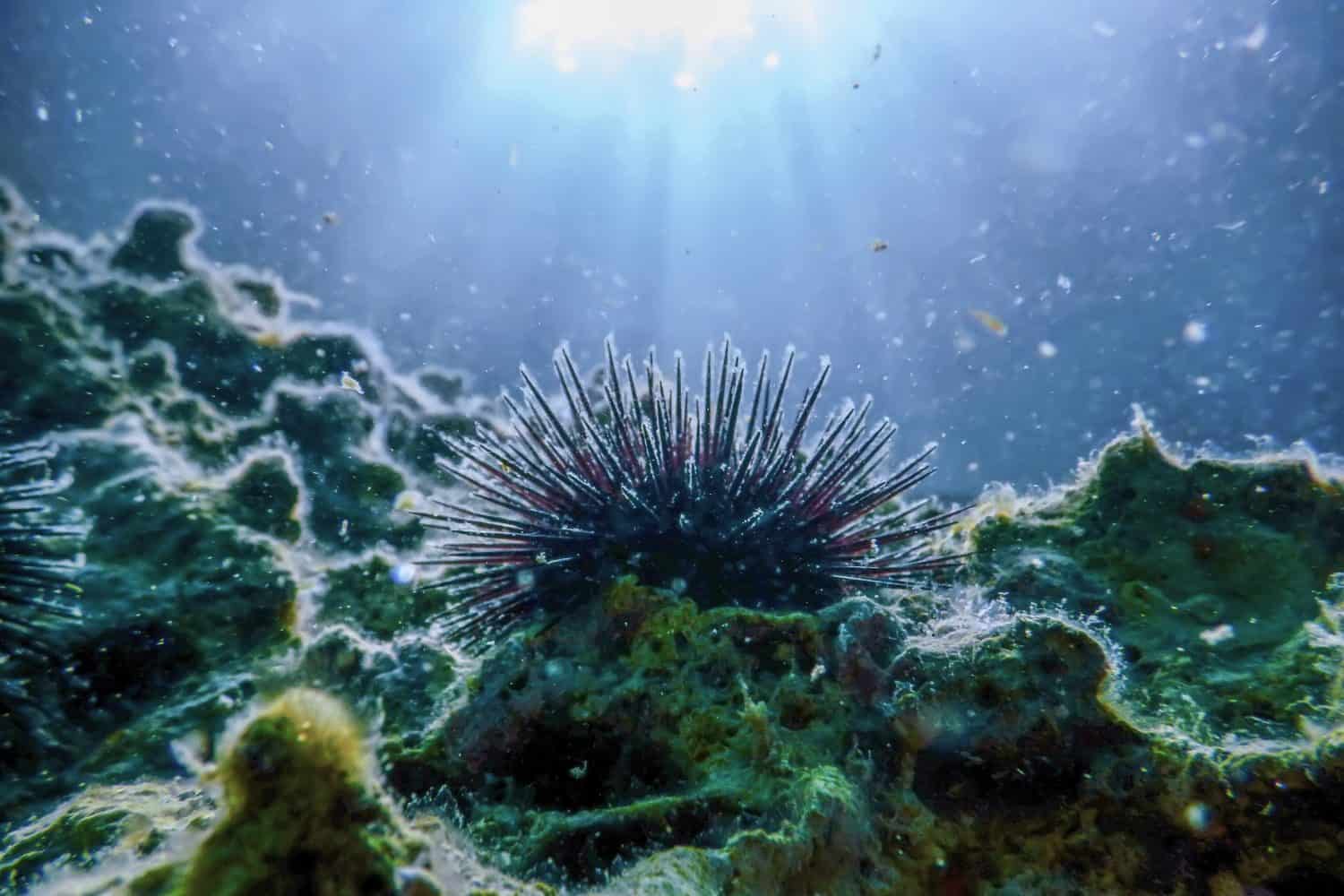
Sea urchins are found in every ocean around the world, both in the deepest trenches and close to sunlight.
©Allexxandar/Shutterstock.com
For those who want to avoid sea urchins, it’s important to know that they are found in every ocean on the planet. While the species may vary by region, sea urchins can live in a wide range of environments. In total, there are over 950 different species of sea urchin. From the coldest waters in the polar regions to warm, tropical climates, sea urchins can be found in abundance. Some species have found ways to thrive in the deepest ocean trenches, while others prefer shallower waters, basking in sunlight. Therefore, it is impossible to completely avoid sea urchins. The best approach is to be aware of where they live to reduce the risk of accidental encounters and stings.
What Do Sea Urchins Eat?
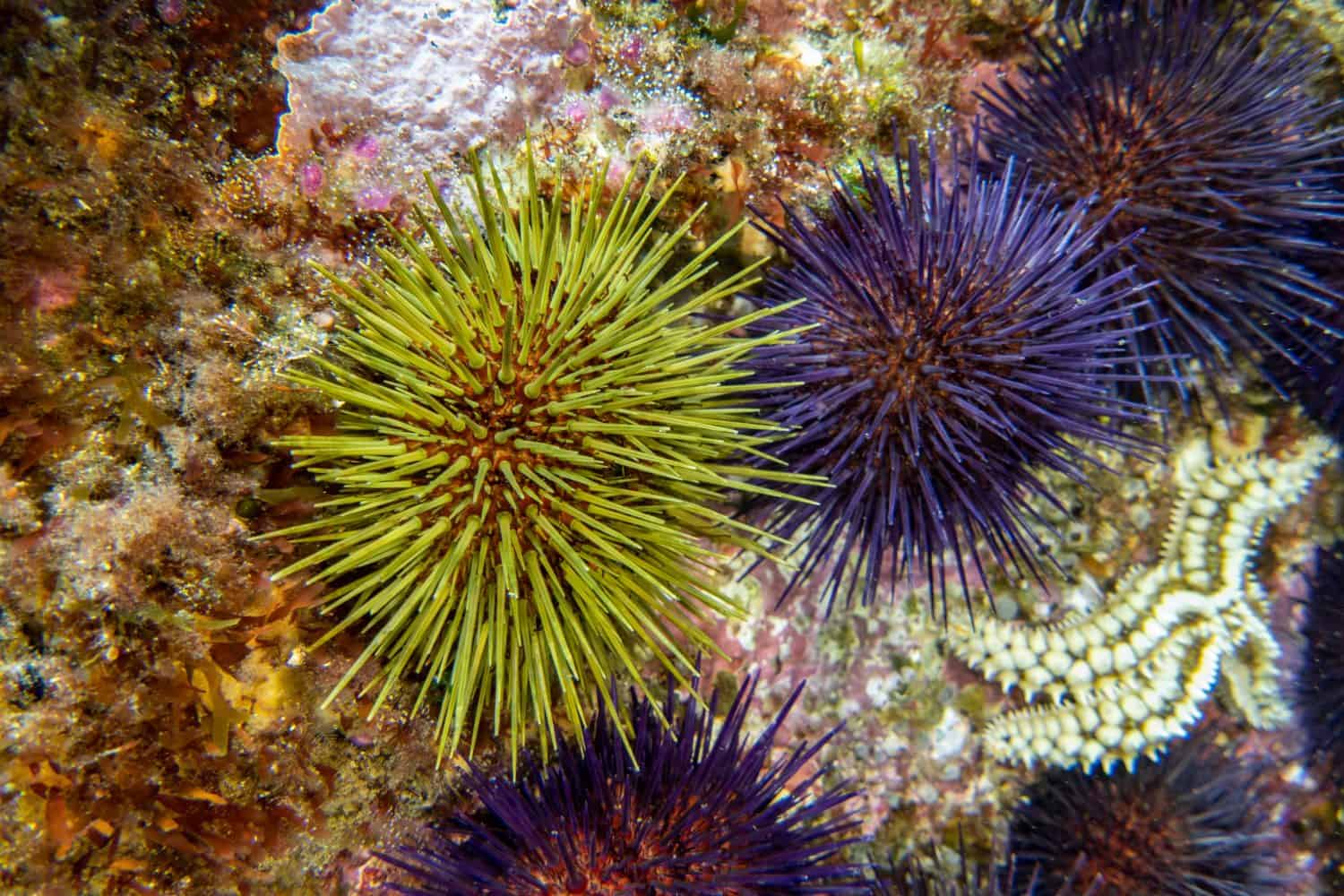
Sea urchins, like these two, enjoy eating algae as well as various other types of sea life.
©Manuel E. Garci/Shutterstock.com
Sea urchins are opportunistic feeders. This means that if small animals present themselves as easy prey, sea urchins will not hesitate to attack. Some of the most common things sea urchins eat include:
- Algae
- Sponge
- Kelp
- Plankton
- Barnacles
- Mussles
- Feather stars
- Jellyfish
Sea urchins have even been known to consume dead fish. While most of a sea urchin’s diet is plant-based, they are truly omnivorous. However, because kelp is one of the favorite meals, kelp forests have begun to suffer. As a result, kelp deserts have started forming in the ocean, particularly in the Pacific Ocean off the coast of Sonoma and Mendocino Counties.
As kelp deserts form, the entire ecosystem that is supported by kelp forests begins to collapse. This has led to interventions aimed at curbing sea urchin populations in areas where they are overabundant. Some of the tactics used to date include:
- Commercial harvesting
- Kelp reforestation
- Promotion of sustainable consumption of sea urchin
One of the most significant factors in reversing the decline of kelp forests is the reintroduction of natural predators of sea urchins. But how do these animals eat sea urchins without being affected by their spines? They have developed ways to avoid the spines and reach the edible parts inside.
Sea Urchin Spines Do Not Affect Predators
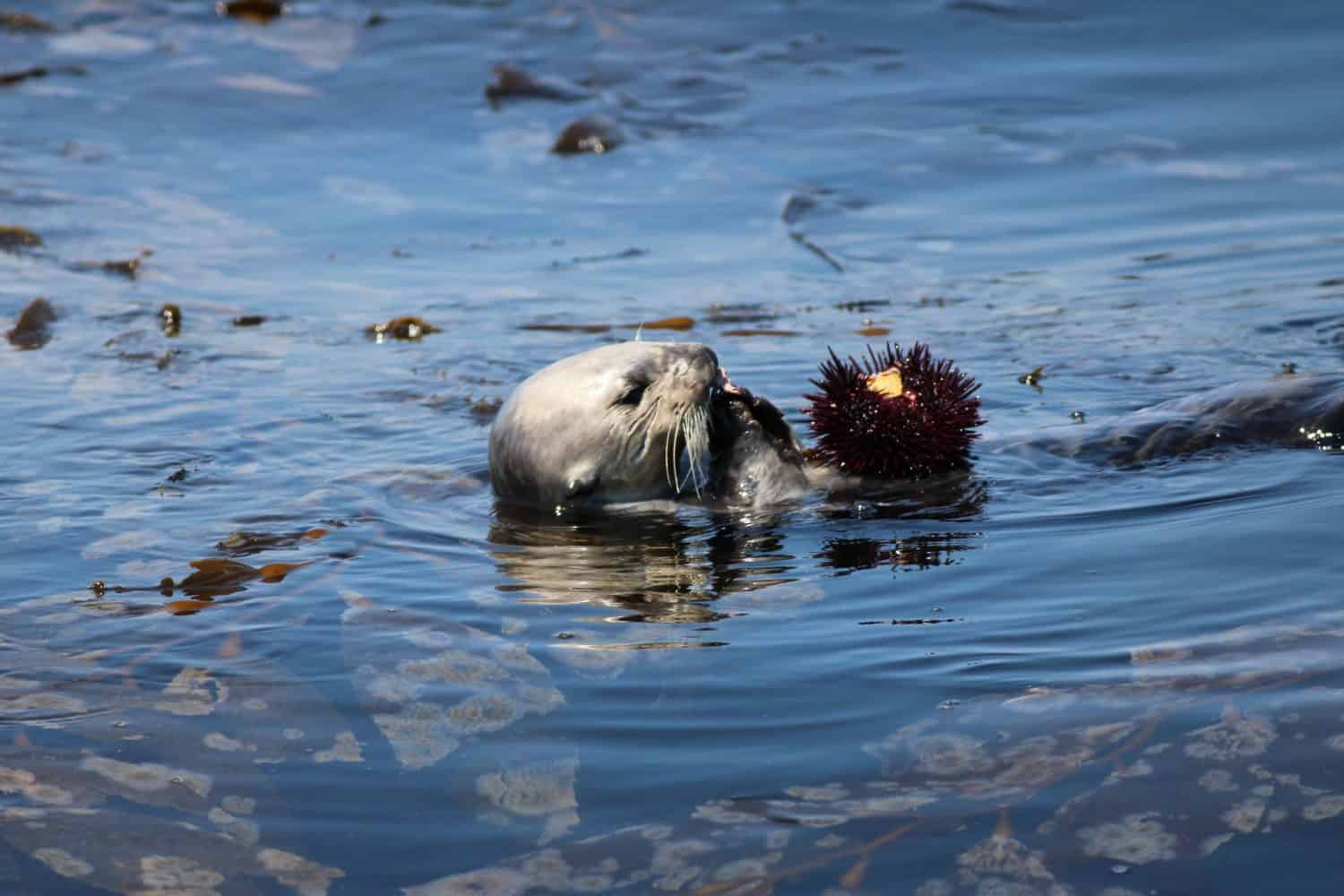
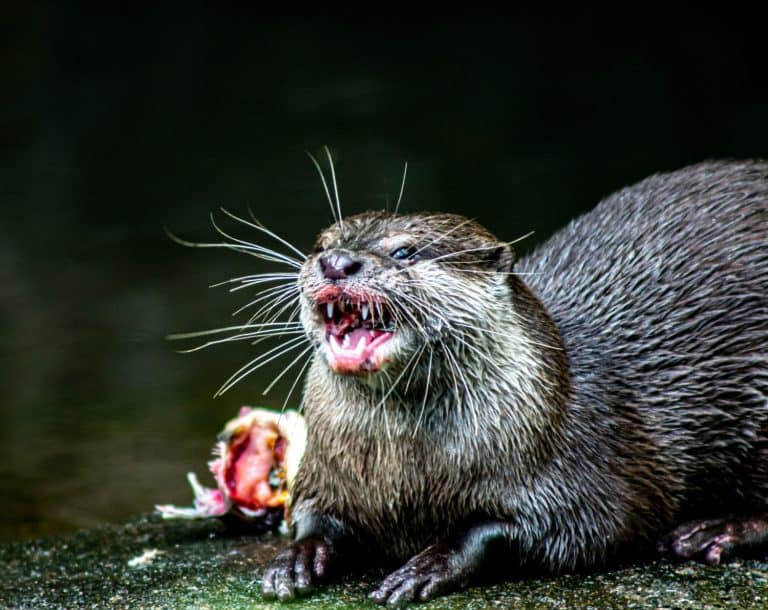
Sea urchin predators, like the sea otter, are unaffected by the spines and barbs of the sharp creature.
©Geoff G. Wildlife Photos/Shutterstock.com
It’s not that the spines don’t affect sea urchin predators. Instead, these predators have developed methods to avoid the spines and consume the soft parts of the urchins. The animals that feed on sea urchins include:
- Sea otters
- Triggerfish
- Wolf eel
- Crab
- Lobster
- Sunflower sea star
- California sheephead
- Gulls
- Emperor angelfish
- Loggerhead sea turtle
- Leather star
- Garibaldi fish
- Octopus
- Harlequin shrimp
All of these animals have developed ways to crack open sea urchins’ spines and shells. Crabs and lobsters will do so with their strong claws. Birds will do it with their beaks. Starfish will use their tube feet to pry open the sea urchin shell. Sea otters, for example, use rocks as tools to crack open sea urchin shells and access the edible parts inside.
While sea urchins can be formidable foes with their prickly spines, they still fall prey to a variety of animals. This shows that sea urchins are vulnerable. To avoid being stung, be aware of your surroundings in the ocean and wear protective footwear in areas where sea urchins are common. This will significantly reduce the chances of being stung and experiencing severe discomfort or, in rare cases, a life-threatening reaction to the venom.