
Quick Take
- Bumphead sunfish, scientific name Mola alexandrini, are the heaviest bony fish in the world.
- Sunfish alternate between the cold, deep waters and the surface, where they warm themselves in thesun’s rays.
- These fish typically weight between 545 and 2,205 pounds.
- Sunfish is closely related to the Pufferfish despite their size difference.
The bumphead sunfish (Mola alexandrini) is one of the strangest and most impressive giants in the ocean. With a flattened, disk-like body and a distinctive bulge on its head and chin, this massive fish almost looks like something straight out of fiction. This unique animal holds the title as the heaviest bony fish alive. Found in temperate and tropical seas around the world, bumphead sunfish alternate between deep offshore waters and the surface of the sea, where they’re often seen basking in the sun (hence, their name).
Despite their enormous size and awkward appearance, bumphead sunfish are gentle giants of the open waters, feeding on gelatinous prey like jellyfish and salps. Their unusual body shape, slow movements, and mysterious habits make them one of the least understood large fish species on Earth. Here’s everything you need to know about the remarkable bumphead sunfish, from massive specimens to bizarre biology.
Meet the Bumphead Sunfish: The Biggest Bony Fish in the World
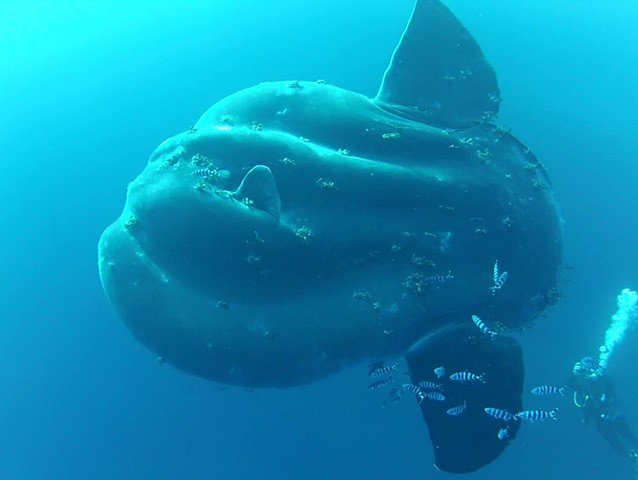
According to the Australian Museum, the heaviest living bony fish in the world is the Bumphead sunfish (Mola alexandrine). Some other bony fish can be longer, but sunfish are the mass champions. Bumphead sunfish go by many names. They are known as southern sunfish, short sunfish, Ramsay’s sunfish, and even Southern Ocean sunfish. They are found in tropical and temperate oceans worldwide but are far less common in colder northern waters.
Size of the Bumphead Sunfish
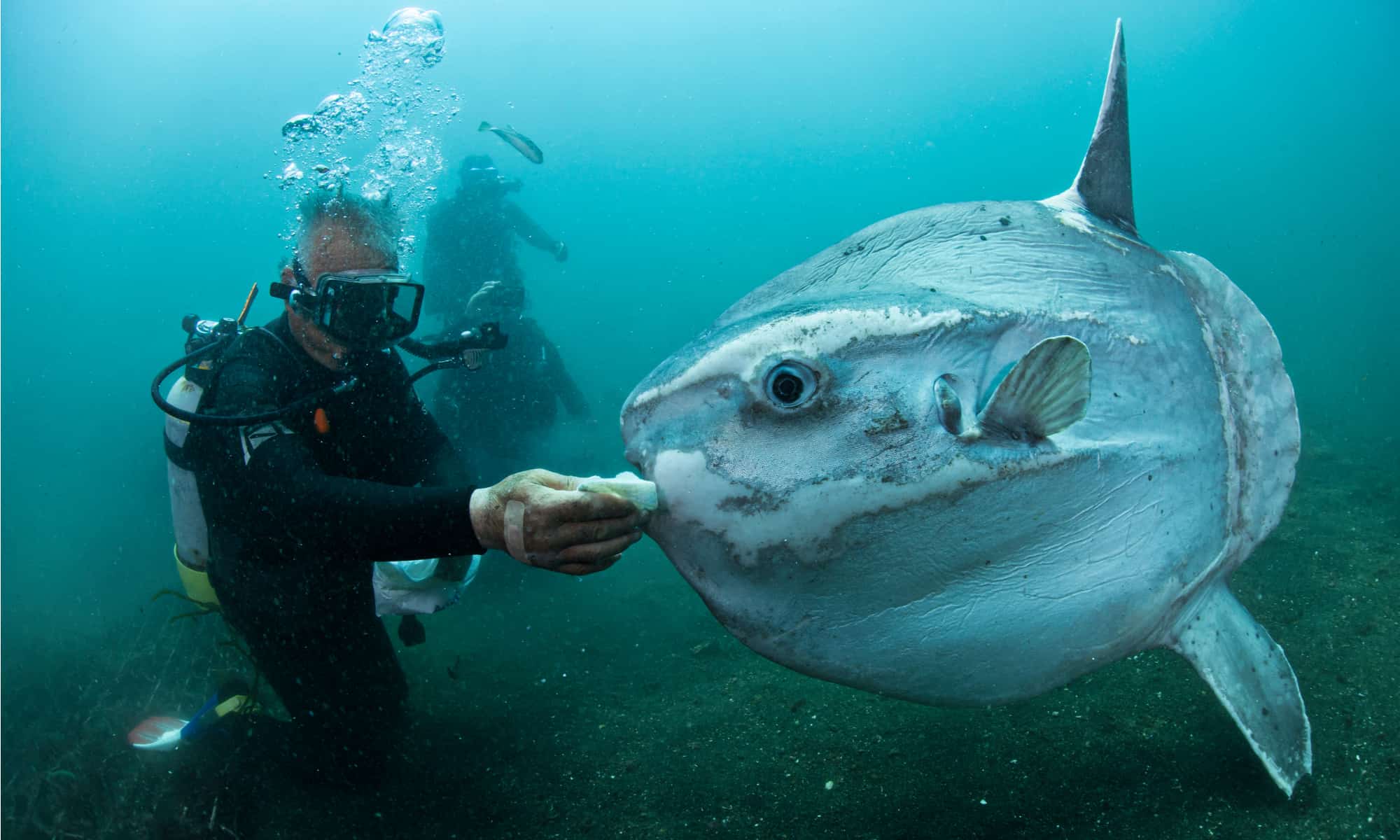
©Martin Voeller/Shutterstock.com
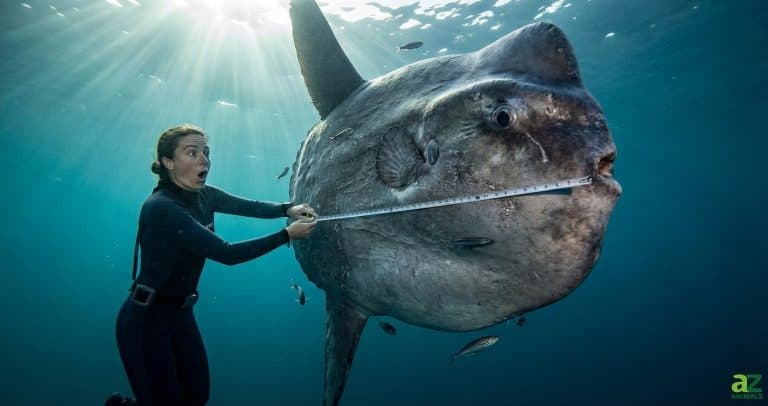
The Bumphead sunfish pulled out of the Atlantic was 10.6 feet long and 6,050 pounds heavy. While sunfishes are the heaviest bony fish in the world, the Bumphead is the largest.
Why Are They Called Sunfish?

©Jan_uw/Shutterstock.com
Sunfish didn’t get their names accidentally. They are sunbathers that depend on the sun’s warm rays to regulate their body temperature. They especially need to do this after they hunt, and the reason is nothing short of intriguing.
Sunfish Diet

©LanKS/Shutterstock.com
One of the most reoccurring items on the Bumphead sunfish’s menu is the jellyfish. While jellyfishes have low nutritional value, there are lots of them, which reduces the chances of a sunfish dying of starvation due to food scarcity.
Bumphead sunfish also eat small fish, algae,plankton, and even mollusks. They may also eat crustaceans, salps, and hydrozoans. These fish are active predators and spend a lot of their time in deep waters hunting for food. Sunfish have been spotted up to 200 meters deep into the water. However, these deep waters are often extremely chilly, especially at night, when the sun no longer shines.
Hunting Habits of Sunfish
©Rui Manuel Teles Gomes/Shutterstock.com
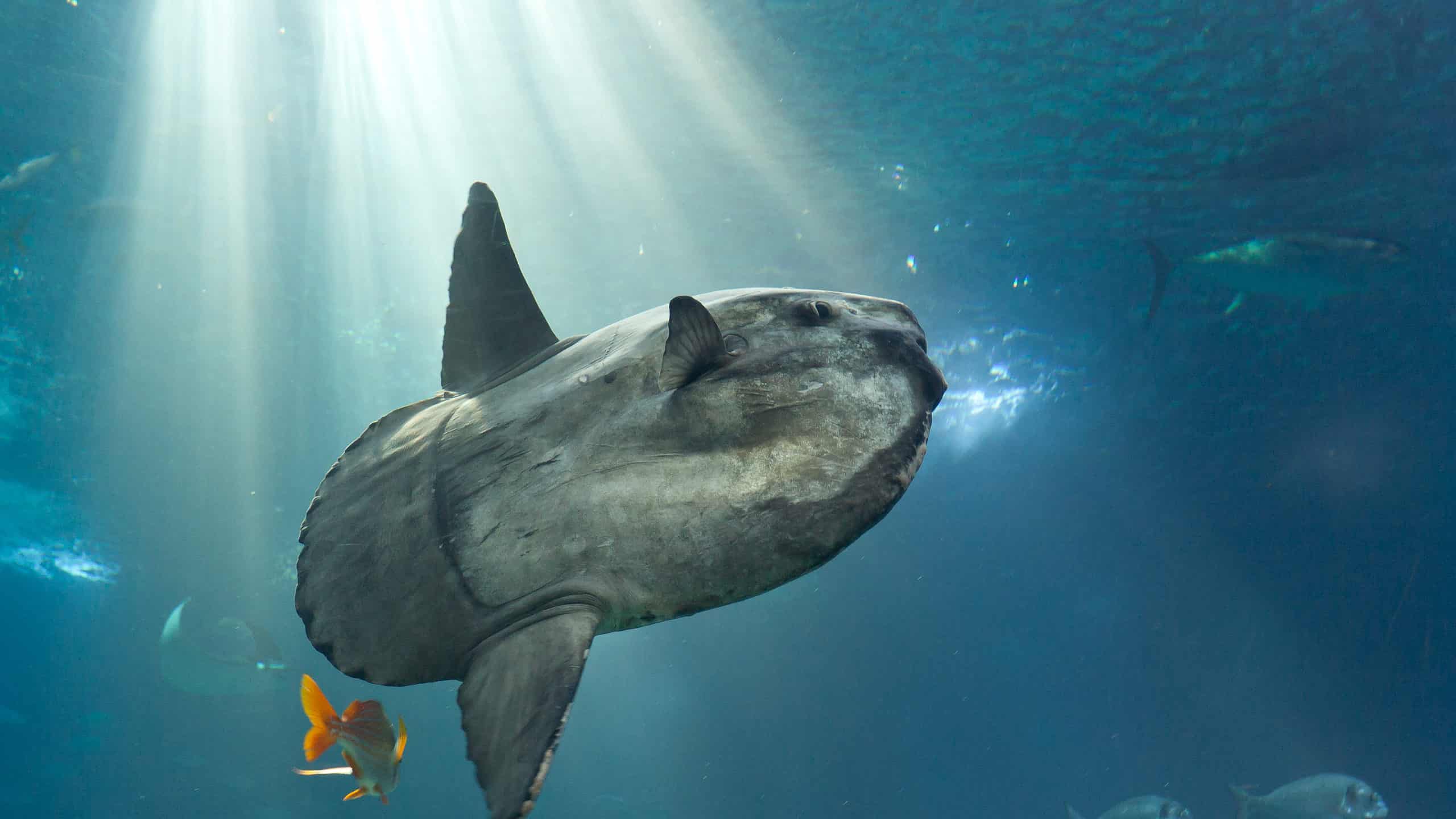
Sunfish make vertical migrations and feed both day and night. They surface more in daytime for warming but are not strictly daytime hunters. At night, these fish rest and wait for the sun or scavenge the warmer parts of their habitats for food.
Distinctive Features of Bumphead Sunfish
©Anna K Mueller/Shutterstock.com
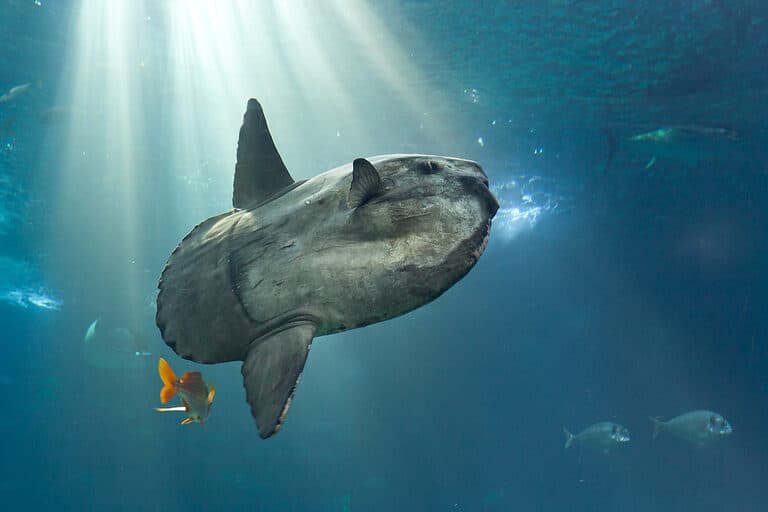
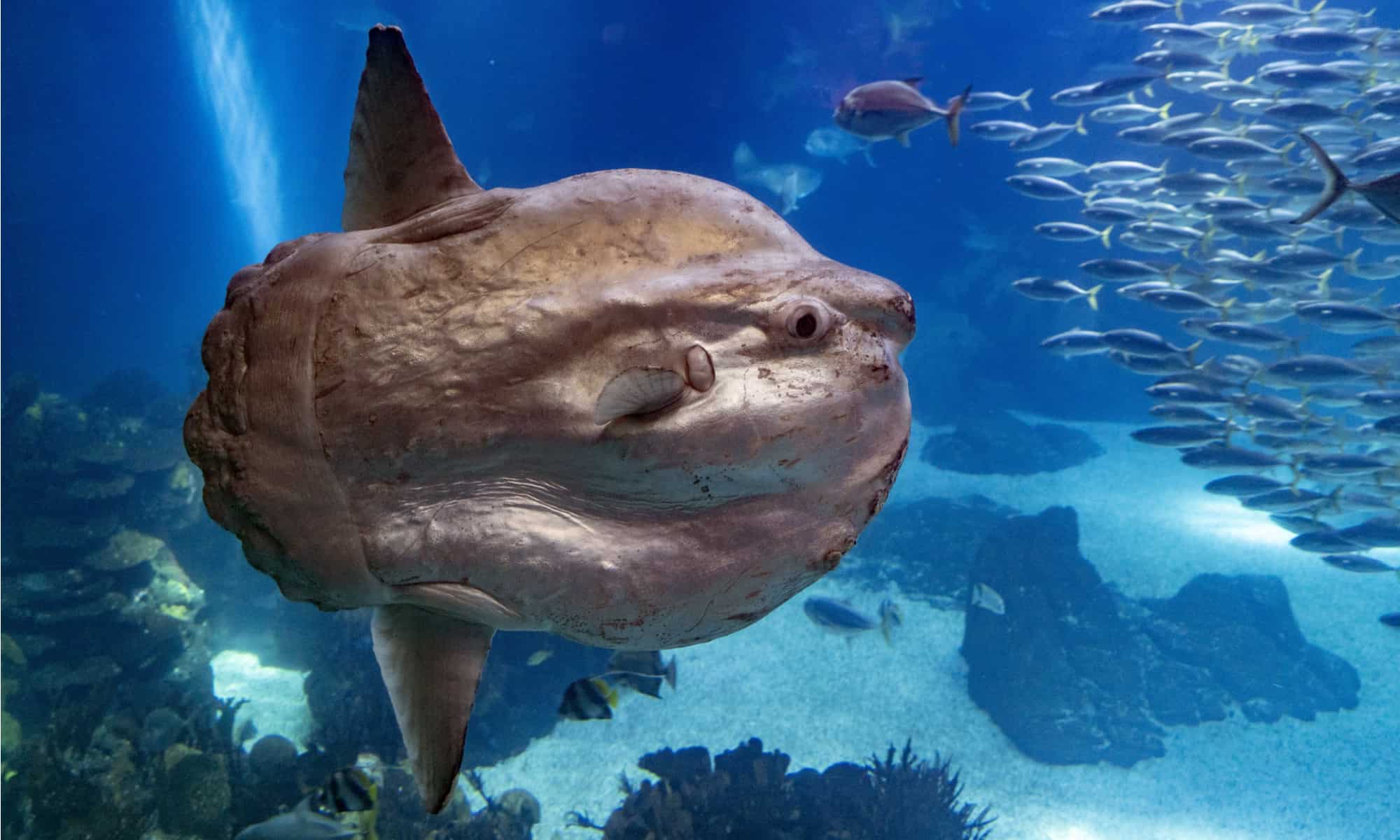
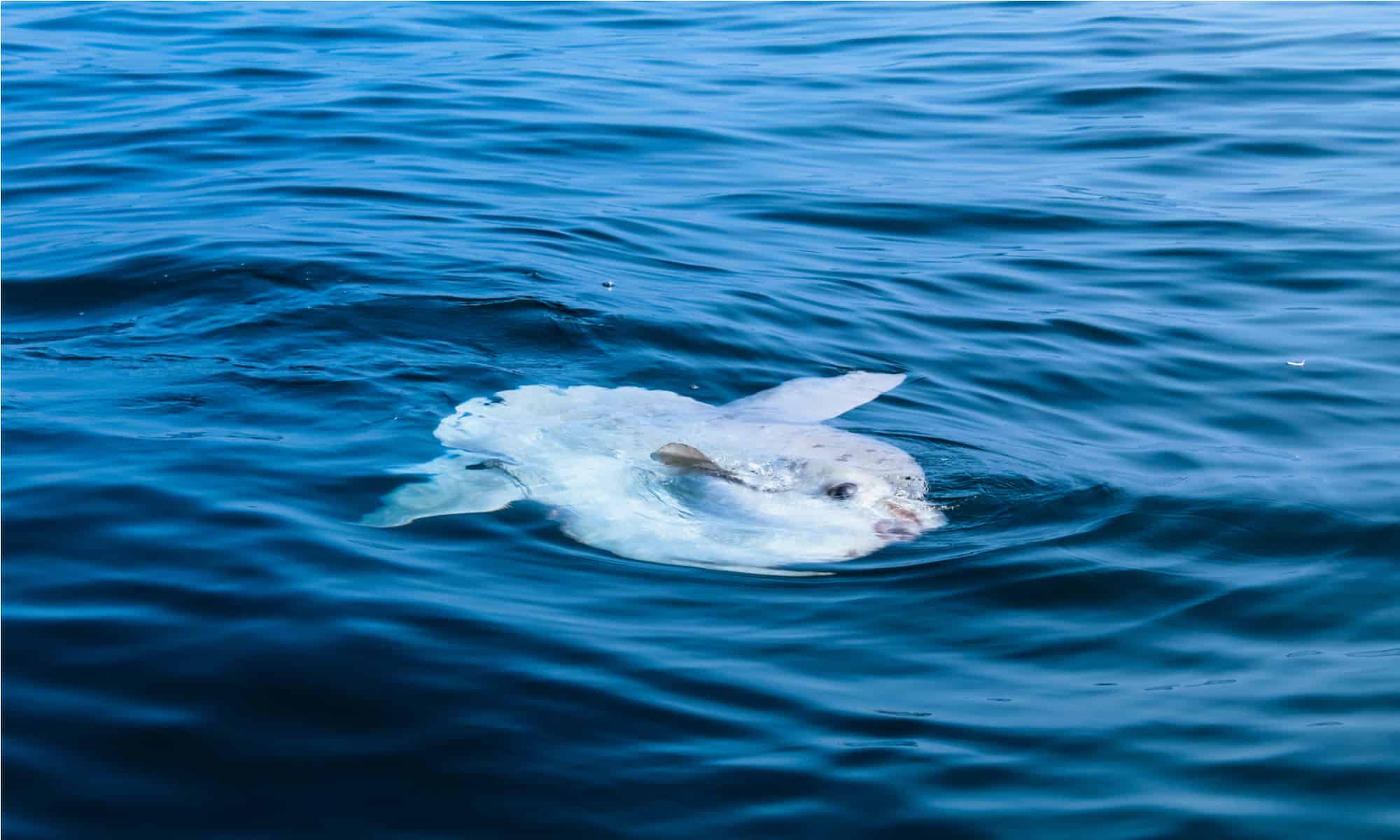
Bumphead sunfish look quite similar to other species of sunfish, such as the ocean sunfish, hoodwinker sunfish, and slender sunfish. However, some distinguishable features of the Bumphead sunfish set it apart from its relatives. First, they have an odd head with a bump and also have a bump on their chins, which gave rise to their name. Other distinguishing features they have are small, rough denticle-like scales.
Sunfish Confusion with Pufferfish
©J.T. Lewis/Shutterstock.com
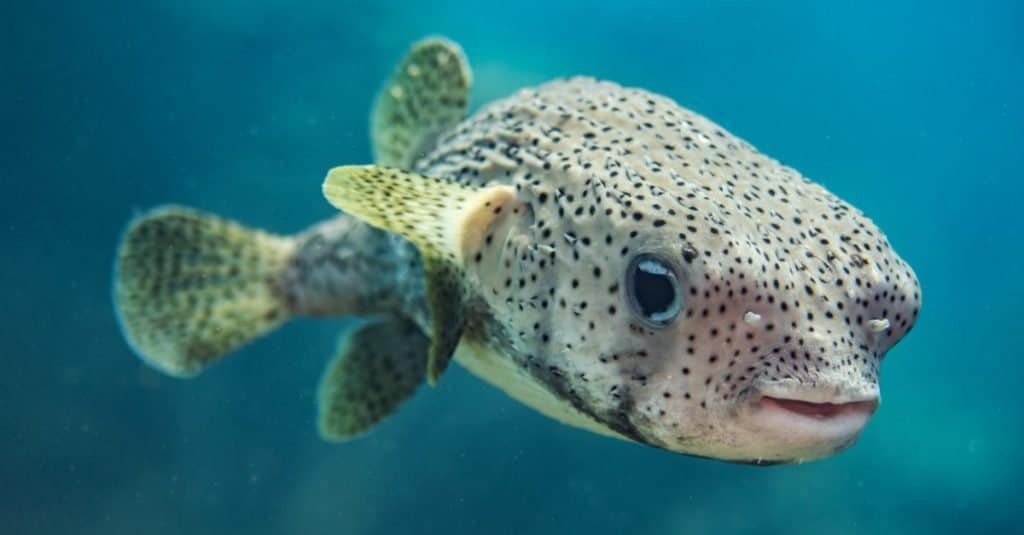
Bumpheads also look a lot like pufferfish, which are one of the most poisonous fish in the world. For this reason, the two species are often confused with each other, and some wrongly deem the sunfish poisonous. However, Bumphead sunfish are not poisonous or dangerous to humans. Despite this, they may still pose a threat because of their size.
Sunfish Incidents with Ships

©Henry Barnes Snr / Australian Museum / public domain - Original / License
According to the Australian Museum, bumpheads can become a threat to humans by colliding with ships. In 1998, the staff of the museum examined a sunfish that had been stuck on a cement carrier. After the fish was removed, it got stuck again on yet another ship and managed to slow the ship’s speed from 14 to 11 knots. Authorities state that it weighed about 3,000 pounds, which is largely below the maximum weight the species can attain.
Typical Size of Sunfish
©LUNAMARINA/iStock via Getty Images
Sunfish are normally big. The average length of the body is 5 feet 11 inches. If you measure from fin to fin, the average length is 8 feet 2 inches. They typically weigh between 545 and 2,205 pounds.
Sunfish Lifespan
©Andrea Izzotti/Shutterstock.com
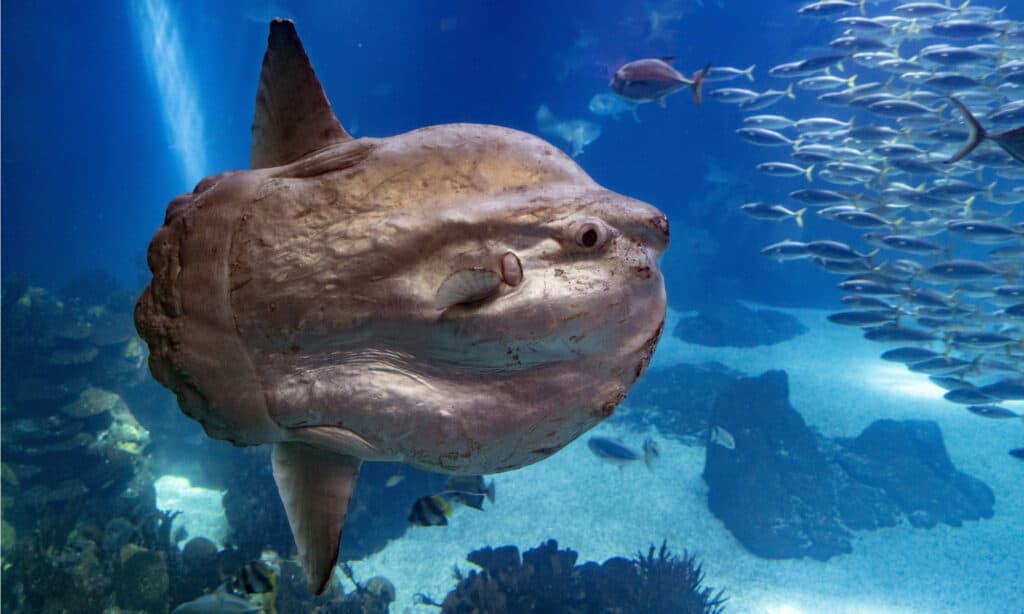
In captivity, an ocean sunfish lives for around ten years. Estimates suggest 20–30 years in the wild, though exact data is limited. We do know a lot about their growth rate, however. They increase in weight from 50 pounds to nearly 900 pounds in only 15 months (this refers to captive juveniles under ideal feeding conditions and shouldn’t be generalized to wild fish).
Sunfish Physical Features

©wildestanimal/Shutterstock.com
Ocean sunfish or Mola mola have small mouths and large eyes on their massive heads.
Animals in the Azores Archipelago
©izanbar/iStock via Getty Images
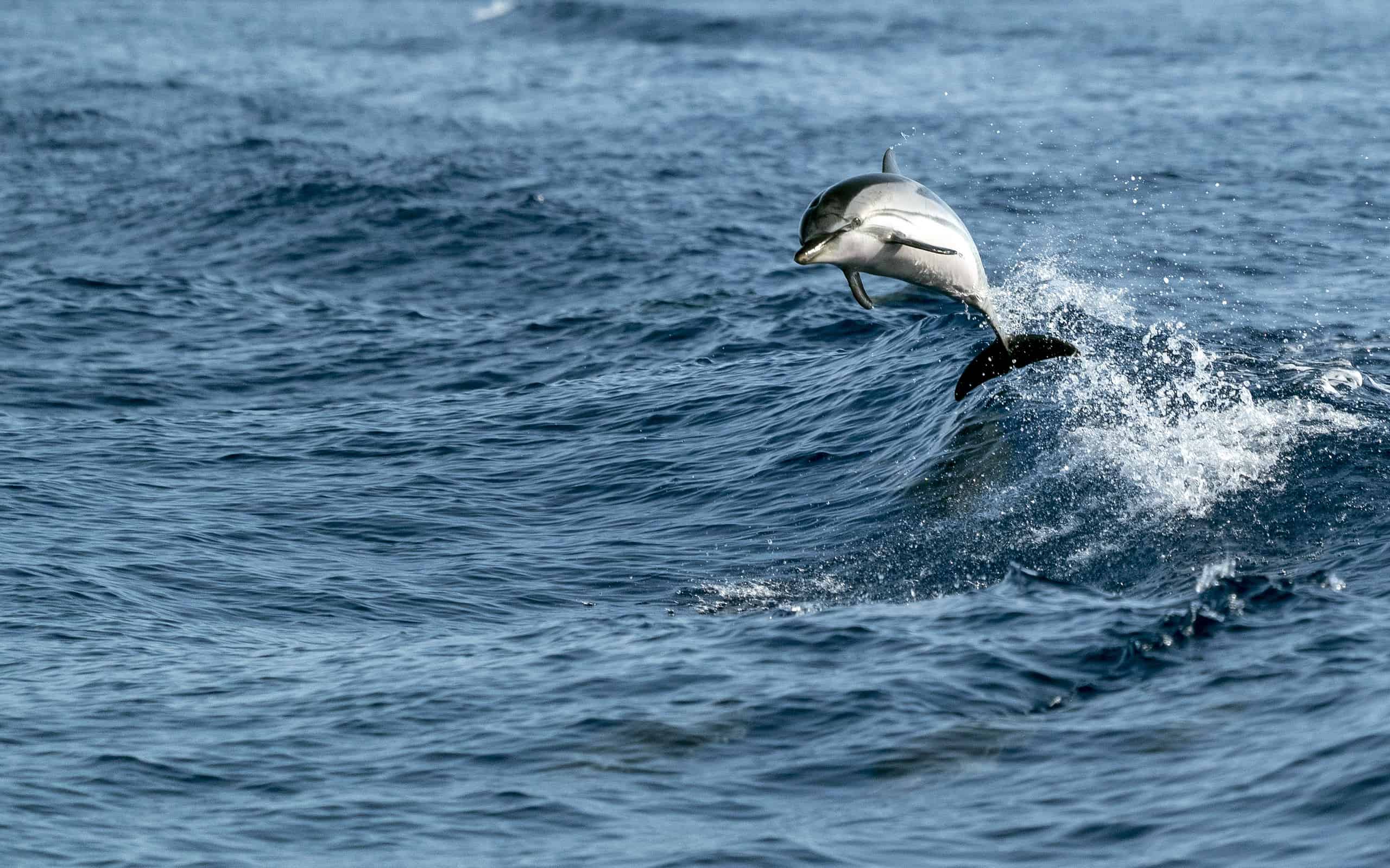
The Azores is a remote area in Europe. It is home to many marine mammals, like whales and dolphins. There are several species of whales in the Azores, including pilot, sperm, and false killer whales. You may also see hammerhead sharks, flying fish, swordfish, or blue marlins.
History of Leedsichthys problematicus
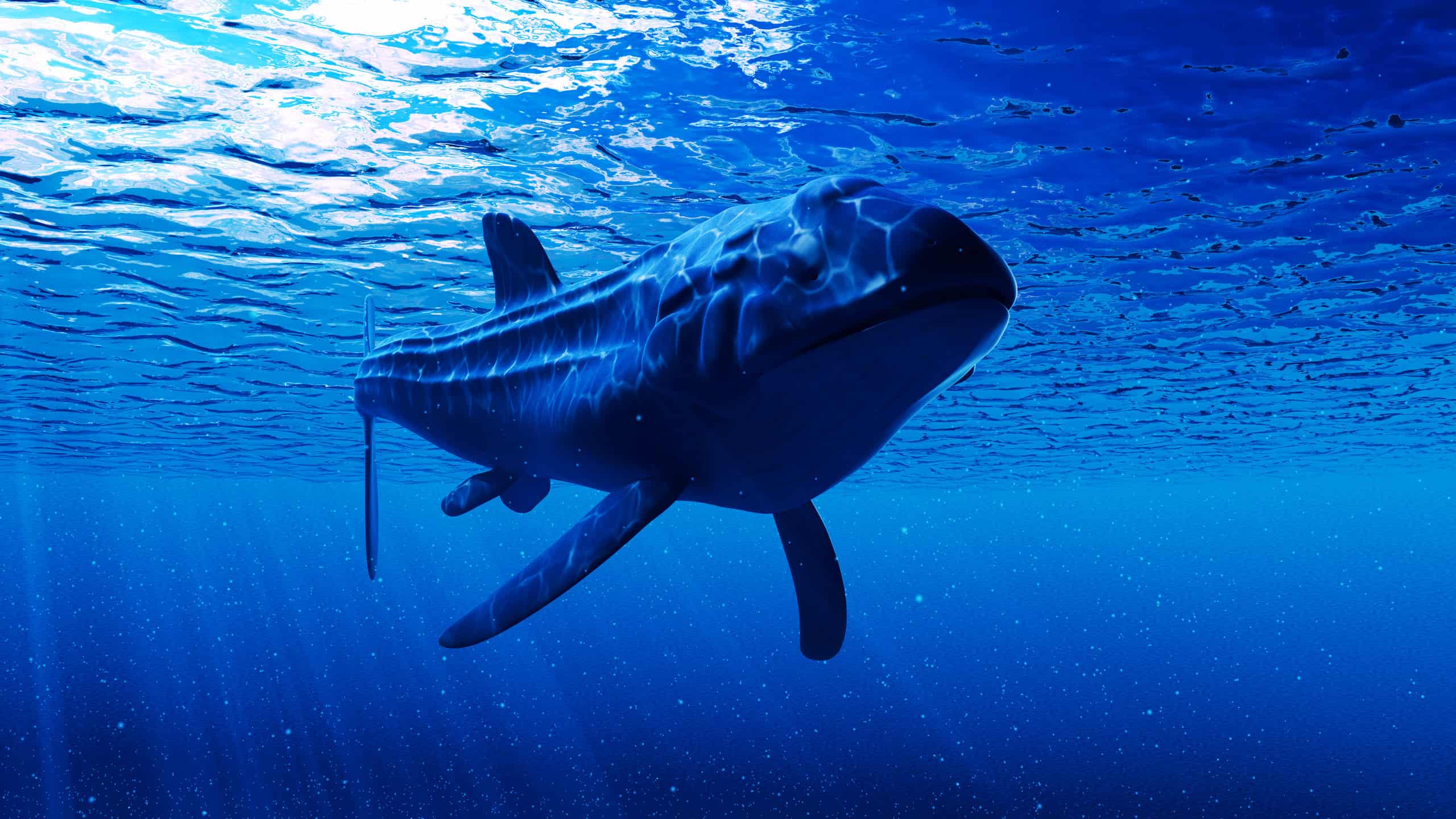
©SciePro/Shutterstock.com
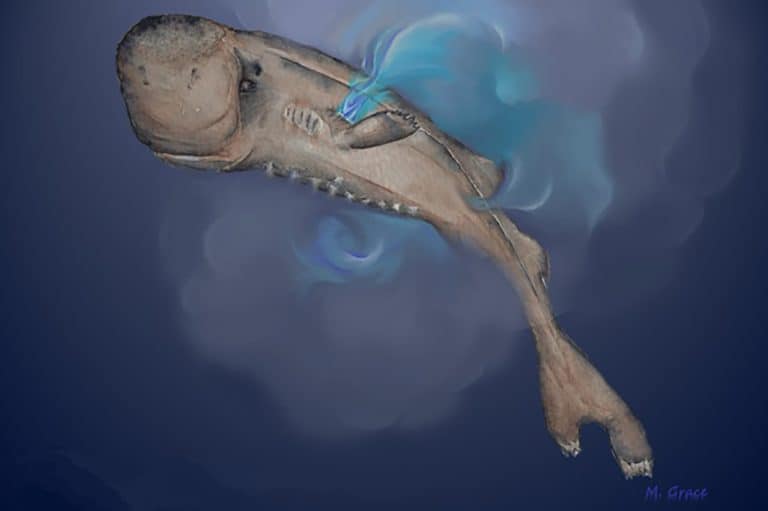
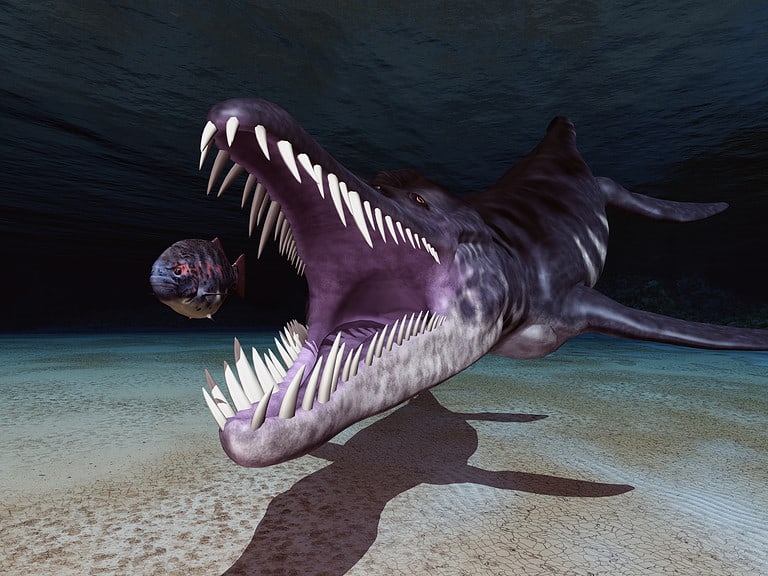
Several living animals had relatives that experienced gigantism during the Age of Dinosaurs. Fishes have been around for quite a long time and have evolved, reaching different sizes and having different adaptations. According to reports, the oldest fish in the world lived about 500 million years ago. However, the largest bony fish did not come to be until 165 million years ago, during the later parts of the Jurassic Period.
Size of Leedsichthys problematicus
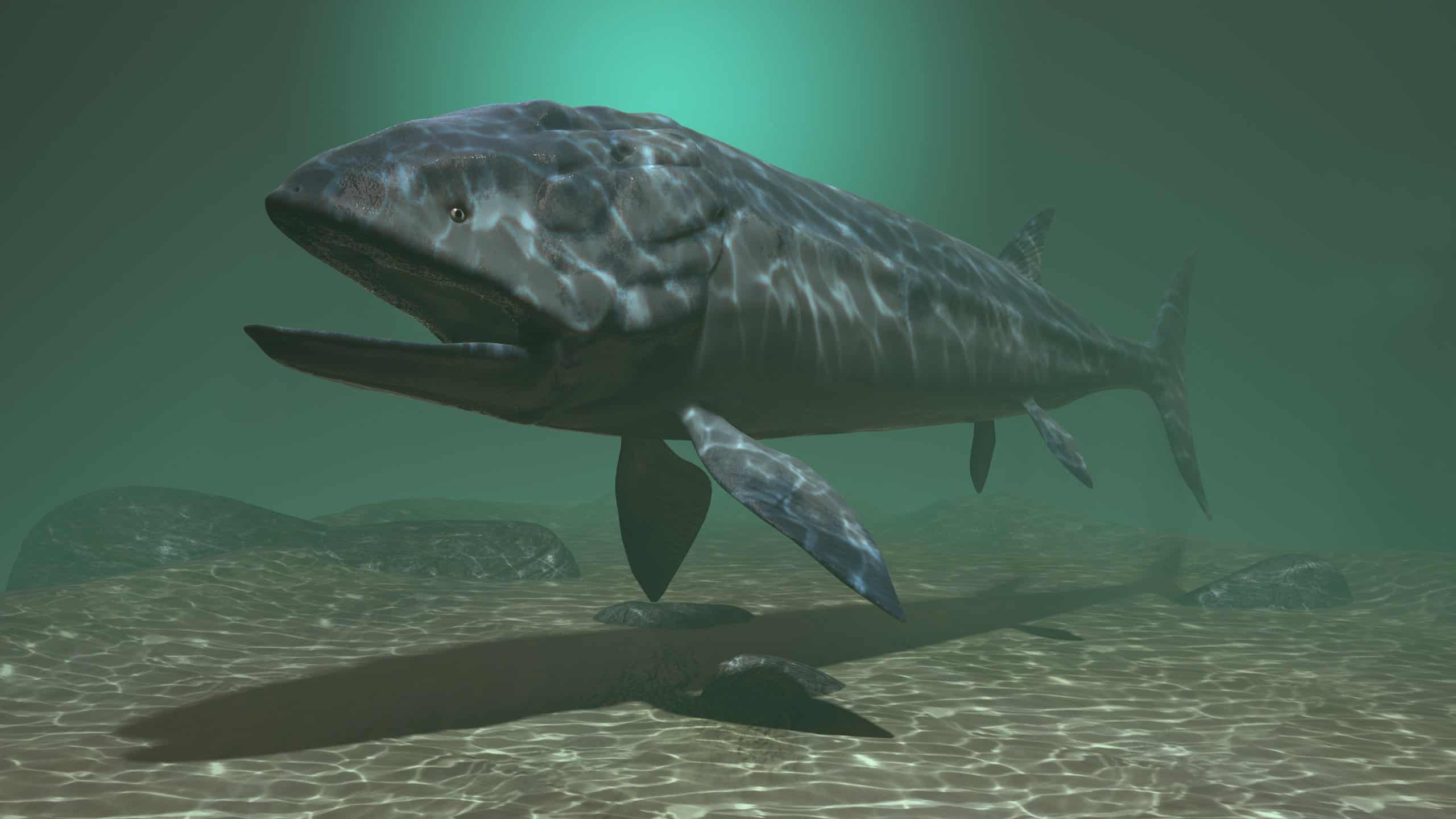
©Esteban De Armas/Shutterstock.com
The largest bony fish ever is the Leedsichthys problematicus. The giant fish measured between 30-50 feet at maturity. Leedsichthys problematicus, like the whale and the basking shark, was a filter feeder, docile sea monster.
Misconceptions About the Largest Fish
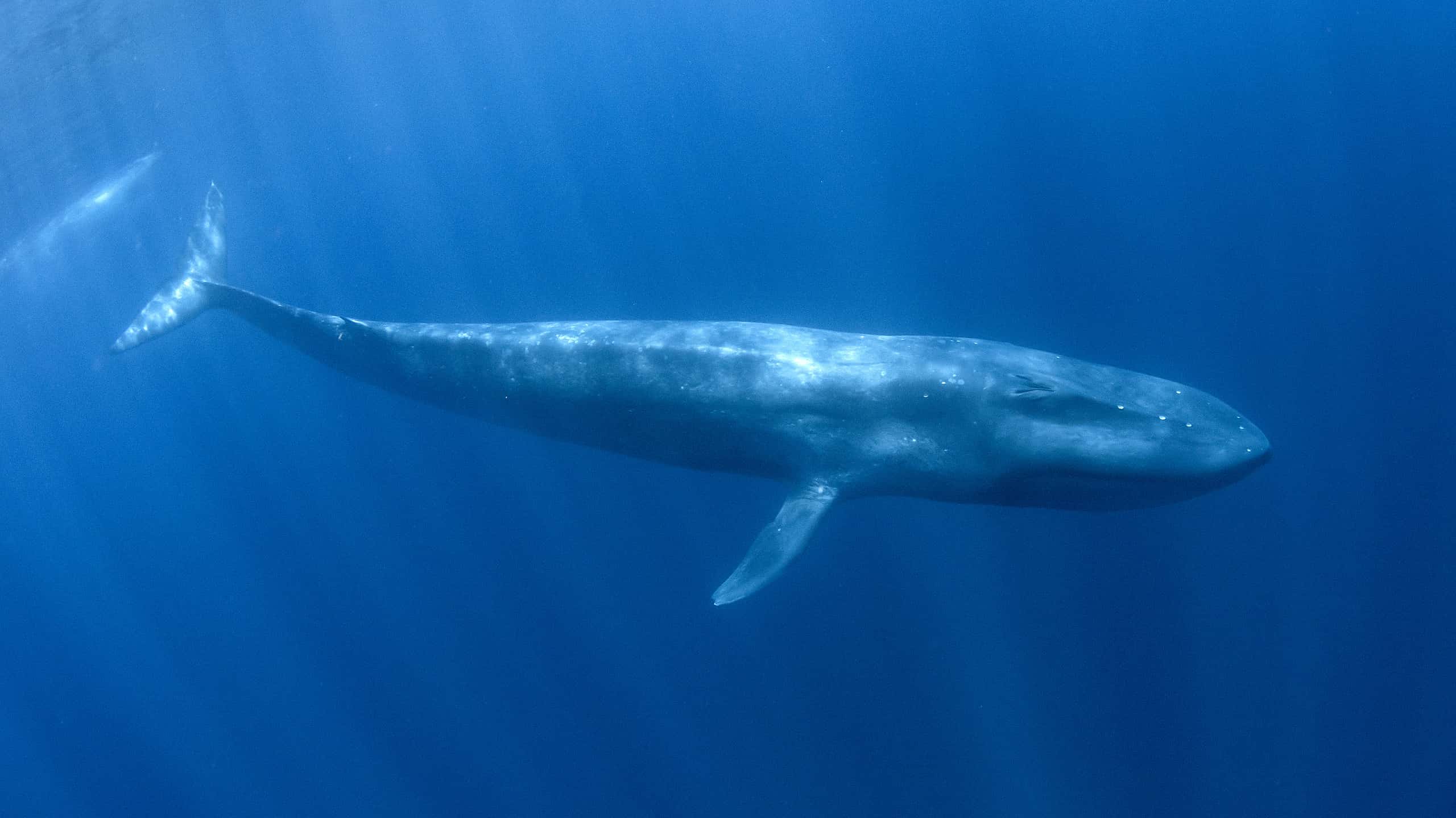
©Rich Carey/Shutterstock.com
When arguments about the largest fish in the world are made, many assume the title belongs to whales. However, the blue whale is not a fish but a whale, and as you might know, whales are mammals. Thus, the blue whale holds the title of the largest surviving animal worldwide.
Whale Shark Characteristics
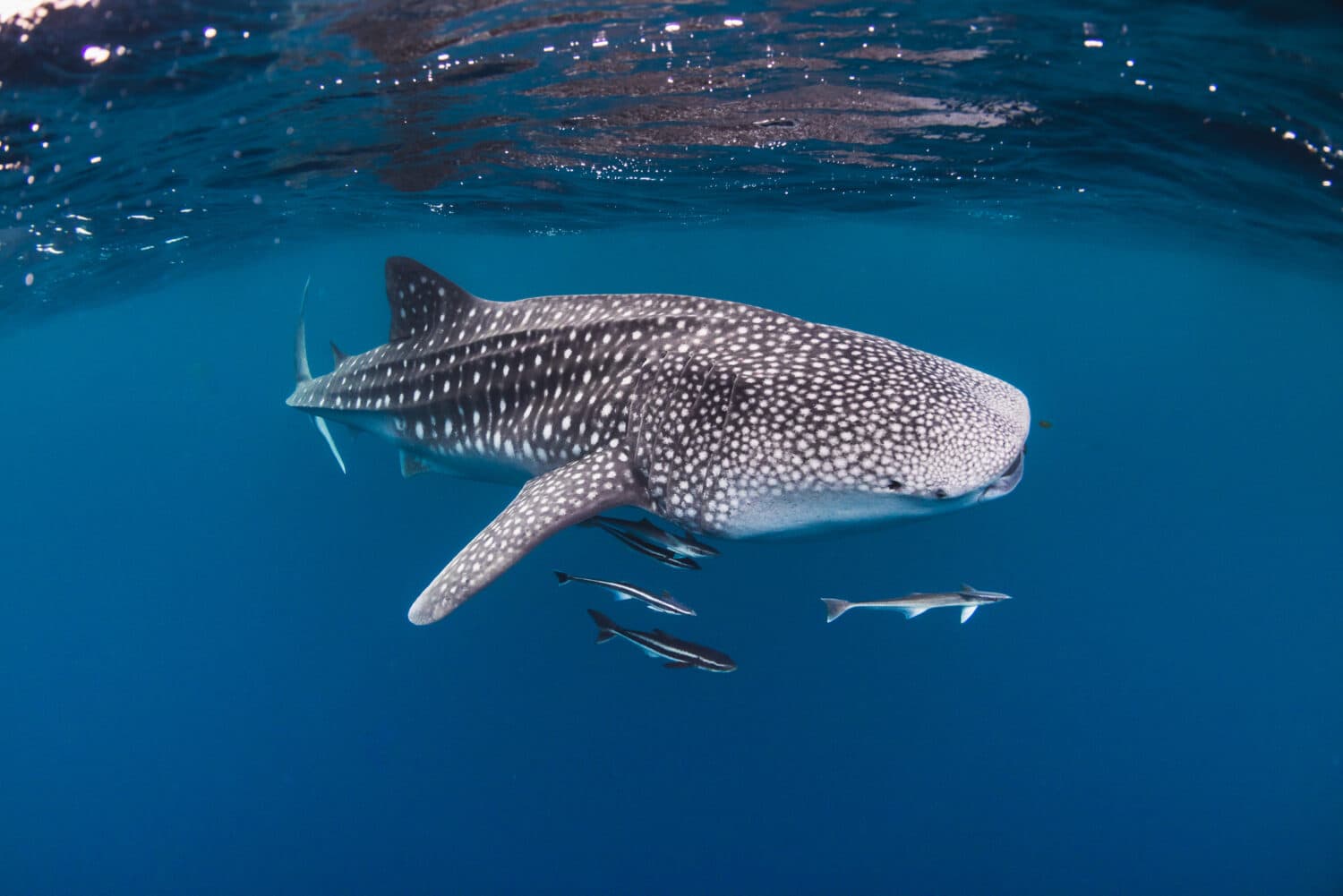
©Aaronejbull87/Shutterstock.com
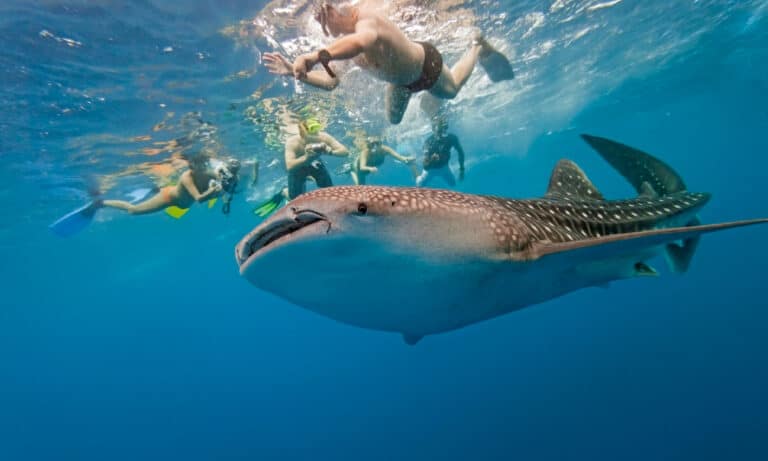
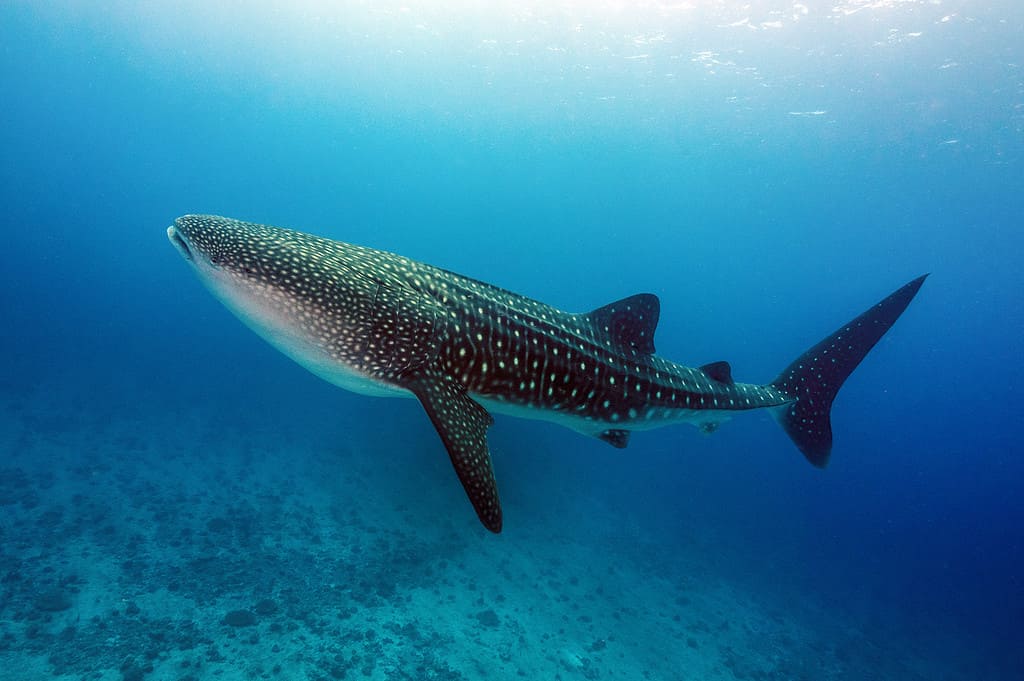
The title doesn’t belong to the sunfish, either. While it is large, it still pales in comparison to the largest fish in the world, the whale shark. And no, the whale shark isn’t a whale. Sharks don’t have any bones in their bodies but have cartilage instead. Since the whale shark has cartilage and no bone, it is classified as a shark. This fish can grow as long as 33 feet and weigh as much as 41,887 pounds!
How Do Whale Sharks Normally Behave?
©Jan Finsterbusch/Shutterstock.com
They tend to be non-aggressive and often allow themselves to be approached by divers who can gently interact with them without any problems. They sometimes swim up to boats and may even bump into the crafts, but this behavior appears to be done out of curiosity and is not intended to harm. They coexist well with other sea life unless they feel threatened.
These sharks are usually solitary, living by themselves except for at certain times of the year when they have been observed gathering in groups, called schools, for feeding, such as their annual migration to the coast of Australia.