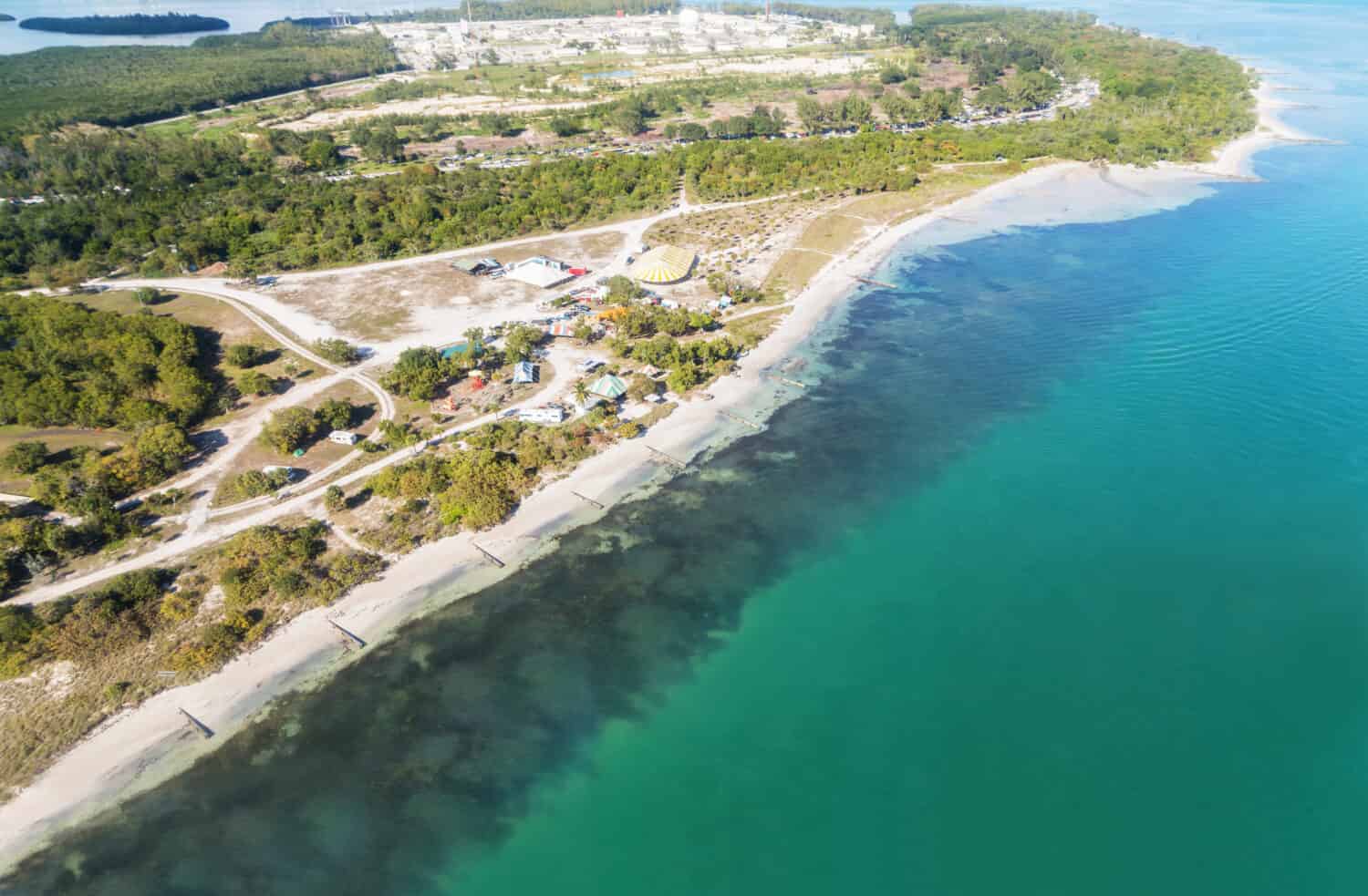

Few national parks are as enchanting to ocean lovers as Biscayne. This is a bucket-list destination, offering a vast and diverse range of marine life. Its native animal species live both above and below the water, making this a unique place to explore. With more than 600 species of fish, seabirds, and marine animals, there’s no shortage of wildlife to observe during a visit. The park protects native species, making it a haven for marine life that is rare or threatened elsewhere in the country.
What Makes Biscayne National Park So Unique
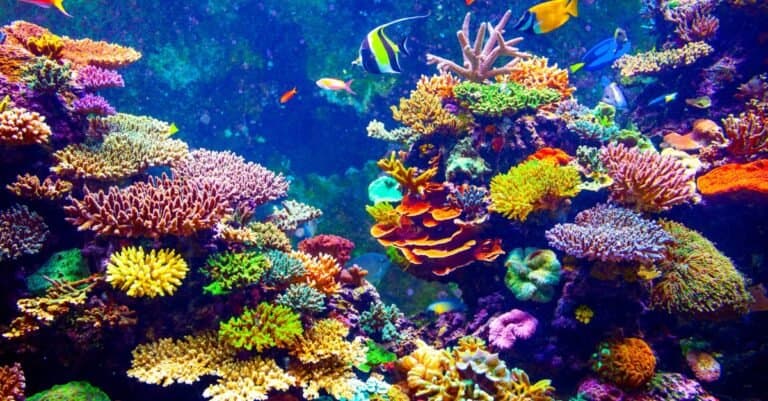
Biscayne National Park typically sees upwards of 500,000 to 700,000 visitors annually. However, this number changes often since 95% of the park is underwater. This number usually excludes visitors who arrive at the park by boat, kayak, or canoe. Despite this, it hasn’t stopped Biscayne National Park from being one of the most popular places to visit outside Miami and the Florida Keys. It’s also home to part of the Florida Reef Tract, the third-largest barrier reef system in the world. This makes it a destination for experienced snorkelers and scuba divers.
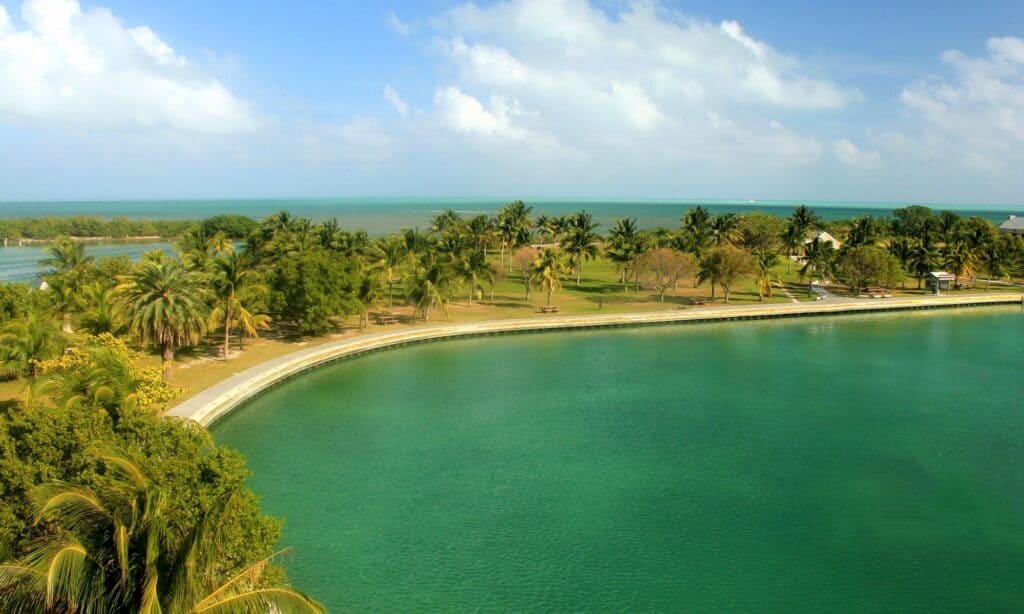
Biscayne National Park includes a remote area of the Florida Keys.
©iStock.com/stockphoto52
What sets this national park apart from others in the U.S. is its unique combination of land and water environments. Because so much of the park is underwater, visitors almost always need a boat or water gear to explore it. The part of the park situated on dry land consists of thick mangroves, which also make hiking through it a challenge. Therefore, the park has become a haven for anyone who loves the water and its local inhabitants. Although Biscayne National Park is close to Everglades National Park, the two are very different. This contrast makes Biscayne a unique and valuable part of Florida’s protected parklands. Visitors to the park can hike one of two mainland trails (Black Point Jetty and Spite Highway), paddle a canoe, kayak, or paddleboard along its extensive water trails, go birding, or observe wildlife while snorkeling.
Fish in Biscayne National Park
There’s no telling which native fish species visitors will see on any given day at Biscayne National Park. As it stands, there are currently more than 600 species that inhabit the park’s waters. The protection afforded by both mangrove forests and the park’s coral reef has created a sanctuary for a diverse range of marine life. Among these species, here are some of the most common and unique fish that visitors may encounter.
Sharks
It’s not surprising that 14 different sharks have been spotted in the waters of Biscayne National Park. Some are more elusive, while others are frequently encountered by snorkelers near the coral reef. These include:
- Atlantic sharpnose shark (Rhizoprionodon terraenovae)
- Blacknose shark (Carcharhinus acronotus)
- Blacktip shark (Carcharhinus limbatus)
- Bonnethead (Sphyrna tiburo)
- Bull shark (Carcharhinus leucas)
- Lemon shark (Negaprion brevirostris)
- Silky shark (Carcharhinus falciformis)
- Spinner shark (Carcharhinus brevipinna)
- Great hammerhead (Sphyrna mokarran)
- Great white shark (Carcharodon carcharias)
- Nurse shark (Ginglymostoma cirratum)
- Scalloped hammerhead (Sphyrna lewini)
- Tiger shark (Galeocerdo cuvier)
- Whale shark (Rhincodon typus)
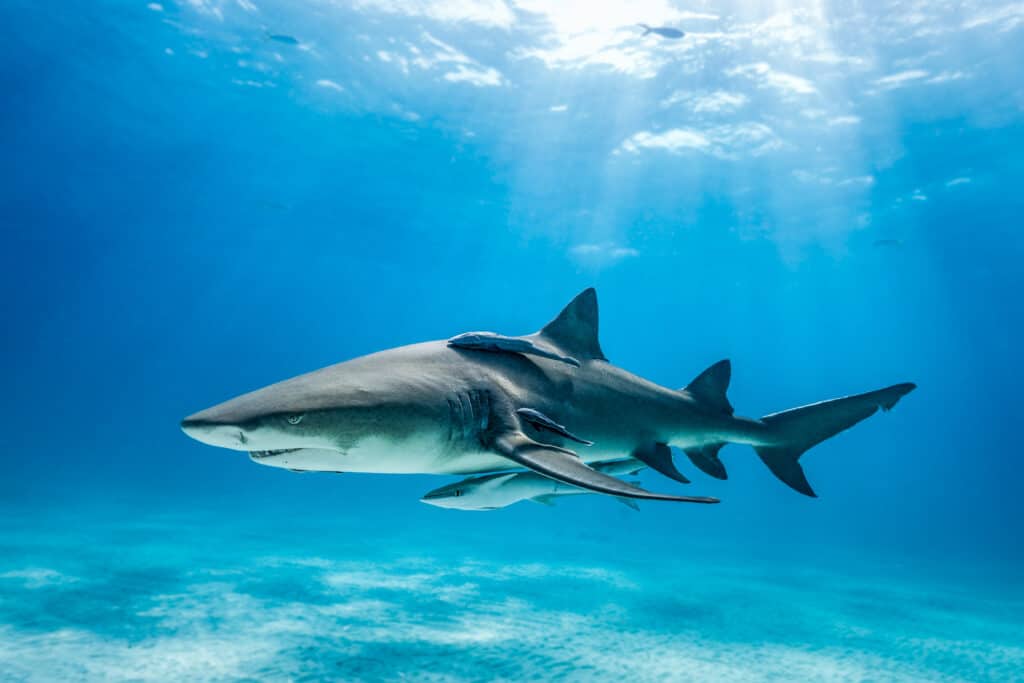
Female lemon sharks aren’t ready to breed for 12-16 years.
©iStock.com/Michael Geyer
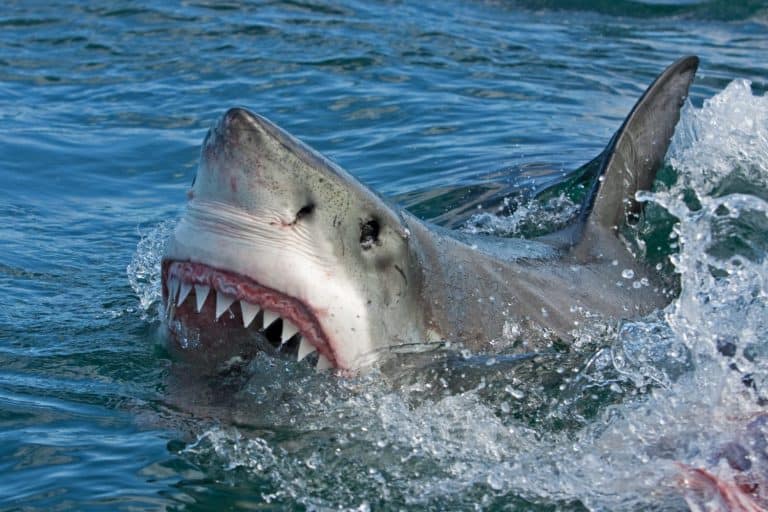
Of these sharks, the bull shark and blacktip are most commonly seen by visitors. They frequent shallow waters and are often found near the park’s coral reef. Bull sharks also visit Biscayne Bay, along with lemon sharks and hammerheads. Depending on the season, shark sightings may be more frequent in the bay, which is often used as a nursery.
Lionfish
The lionfish was previously native only to the Indian and Pacific oceans. Following the pandemic, sightings of this fish increased, and it is now established in Biscayne National Park. Their presence is invasive, and the National Park Service is hoping to reduce their population. An established population in Biscayne waters would threaten other native fish in the park.
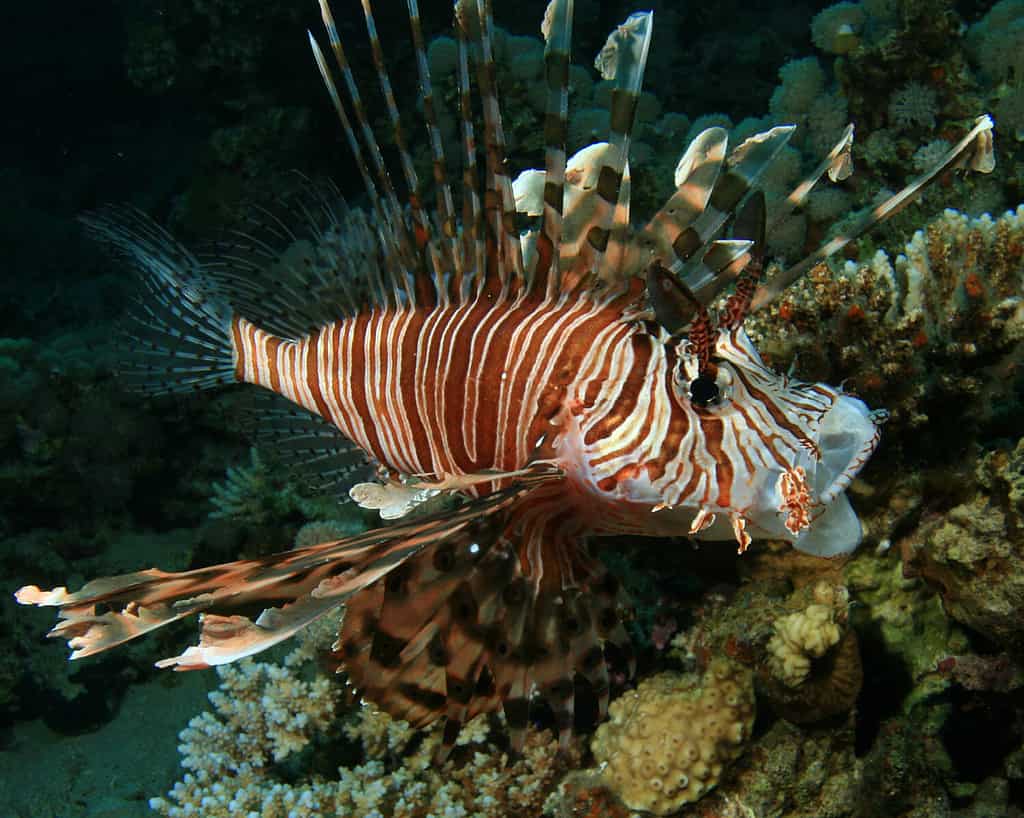
The red lionfish is an invasive species in Florida.
©Greens and Blues/Shutterstock.com
While lionfish sightings are exciting, visitors should also exercise extreme caution around these fish. The spines running down the length of the fish’s body are venomous. They can cause severe reactions in sensitive individuals and a nasty sting to those who aren’t. In the case of the lionfish, the saying “look, but don’t touch” serves as a warning.
Angelfishes
The best way to see Biscayne National Park’s stunning angelfish is by snorkeling. They’re typically found among seagrass beds and swimming around the coral reef. These colorful fish are hard to miss, and the park is home to several species, including the queen (Holacanthus ciliaris) and French angelfish (Pomacanthus paru). Both are vibrantly-colored and among the park’s favorite species.
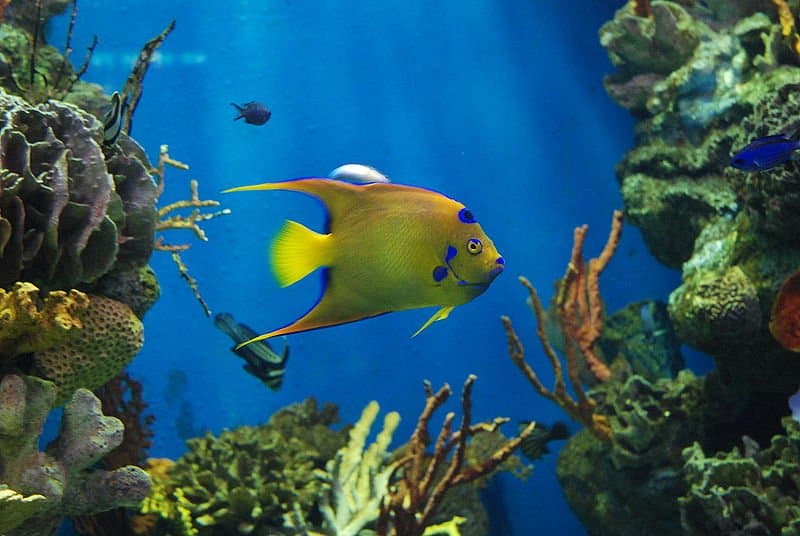
Queen angelfish (Holacanthus ciliaris, also called Blue angelfish)
©Paul Hermans, CC BY-SA 3.0, via Wikimedia Commons – Original / License
Queen angelfish are identifiable by their bold blue and yellow coloration, which sets them apart from other species. French angelfish sport black and gold stripes, making them another iconic sight in the waters of Biscayne. The coral reef serves as their home, so this is typically the best place to search for them.
Eels
Biscayne National Park has a thriving eel population, which includes more than 15 species. Among these are the famed morays, along with the common American eel (Anguilla rostrata) and shrimp eel (Ophichthus gomesii).
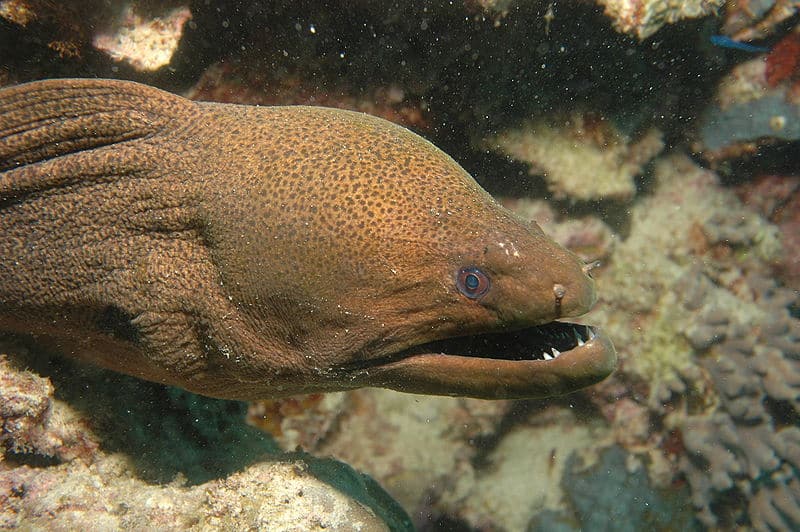
Moray eels protect their skin with toxic mucus.
©Leonard Low / Creative Commons – Original
While frequent visitors to the reefs of Biscayne, eels are highly elusive marine animals. Snorkelers are not likely to encounter many, if any at all. One of the most elusive of these is the viper moray (Enchelycore nigricans), which is quick to shoot into nearby crevices when it senses an unfamiliar visitor.
Barracudas
Several barracudas live in Biscayne National Park, including:
- Great Barracuda (Sphyraena barracuda)
- Guachanche barracuda (Sphyraena guachancho)
- Northern Sennet (Sphyraena borealis)
- Southern Sennet (Sphyraena picudilla)
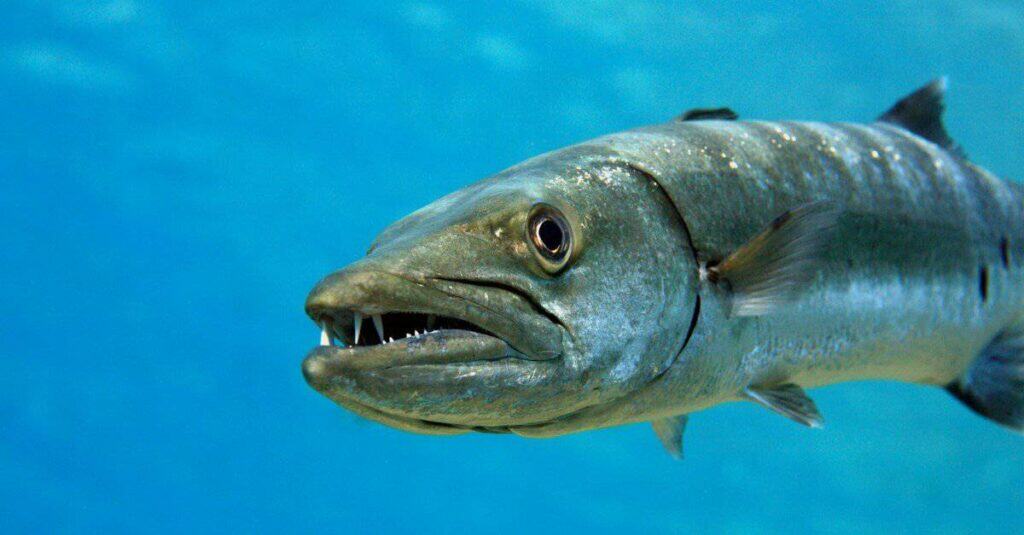
Barracuda swimming in the ocean. Barracudas are adept hunters with few predators because of their speed and size.
©aquapix/Shutterstock.com
Barracudas serve a crucial role in Biscayne’s ecosystem, providing balance while preying on other, smaller fish. They are distributed throughout the park’s waterways and can be found in a variety of habitats, from mangrove forests to coral reefs. While wildlife watchers may not prioritize observing barracudas, they are popular among anglers who visit the park to fish. Barracudas are known for putting up a fight when caught, which is half the fun of the sport.
Catfishes
The Biscayne National Park service lists several recognized catfish appearing in its waters:
- Gafftopsail Catfish (Bagre marinus)
- Hardhead Catfish (Ariopsis felis)
- Orinoco Sailfin Catfish (Pterygoplichthys multiradiatus)
- Walking Catfish, Clarias Catfish (Clarias batrachus)
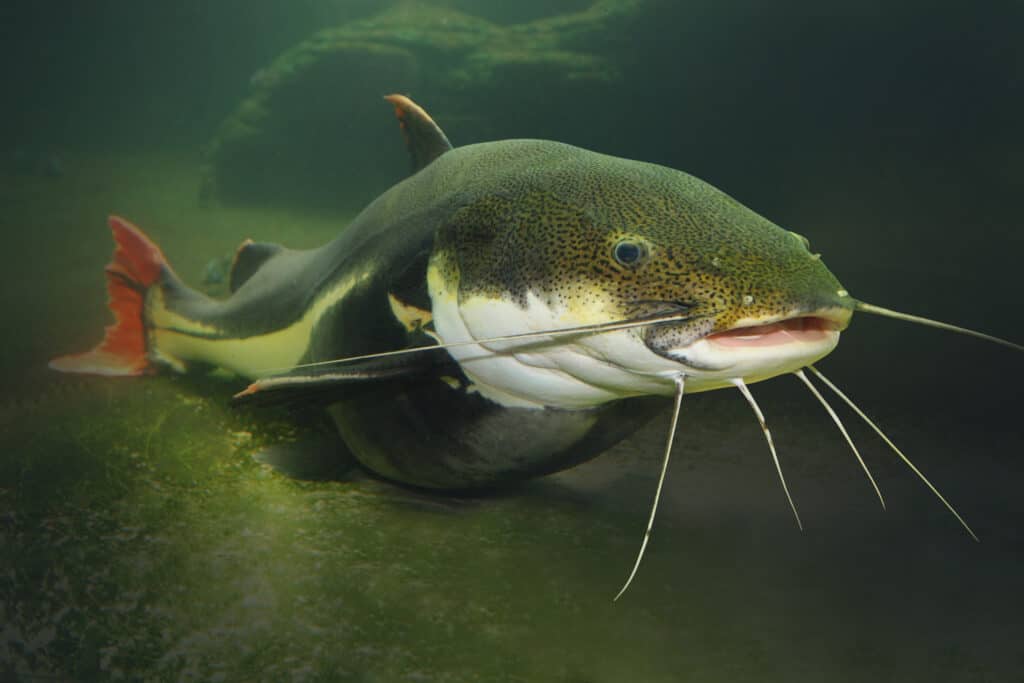
The largest catfish ever caught was 646 pounds! It was a Mekong giant catfish.
©Kletr/Shutterstock.com
Catfish are bottom-dwelling fish, so they are usually encountered first by snorkelers and fishermen. They also inhabit the waters surrounding the coral reef, which provide excellent conditions for feeding and scavenging.
Ocean Sunfish
The ocean sunfish is known for its enormous size, which is quite hard to miss in Biscayne’s waters. While not a frequent visitor, it has been seen in the national park. Also known as the Mola mola fish, sunfish are gentle giants.
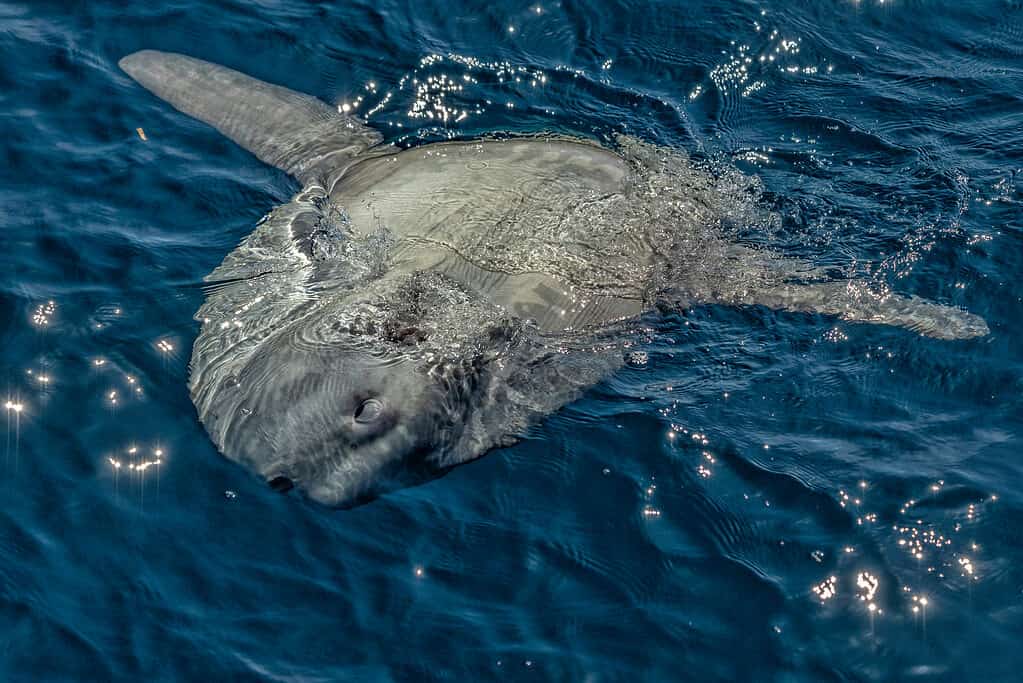
Sunfish on the sea surface while eating jellyfish.
©Andrea Izzotti/Shutterstock.com
They are not particularly attracted to the coral reefs or mangrove trees in Biscayne National Park, but they do appreciate its warm waters. Sunfish often “sunbathe” in hotter temperatures after emerging from deeper depths, where the water is far colder.
Butterflyfishes
Four colorful butterflyfishes grace the waters of Biscayne National Park. These are more reef-dwelling fish that prefer nooks and crannies to open water. They include:
- Banded Butterflyfish (Chaetodon striatus)
- Foureye Butterflyfish (Chaetodon capistratus)
- Reef Butterflyfish (Chaetodon sedentarius)
- Spotfin Butterflyfish (Chaetodon ocellatus)
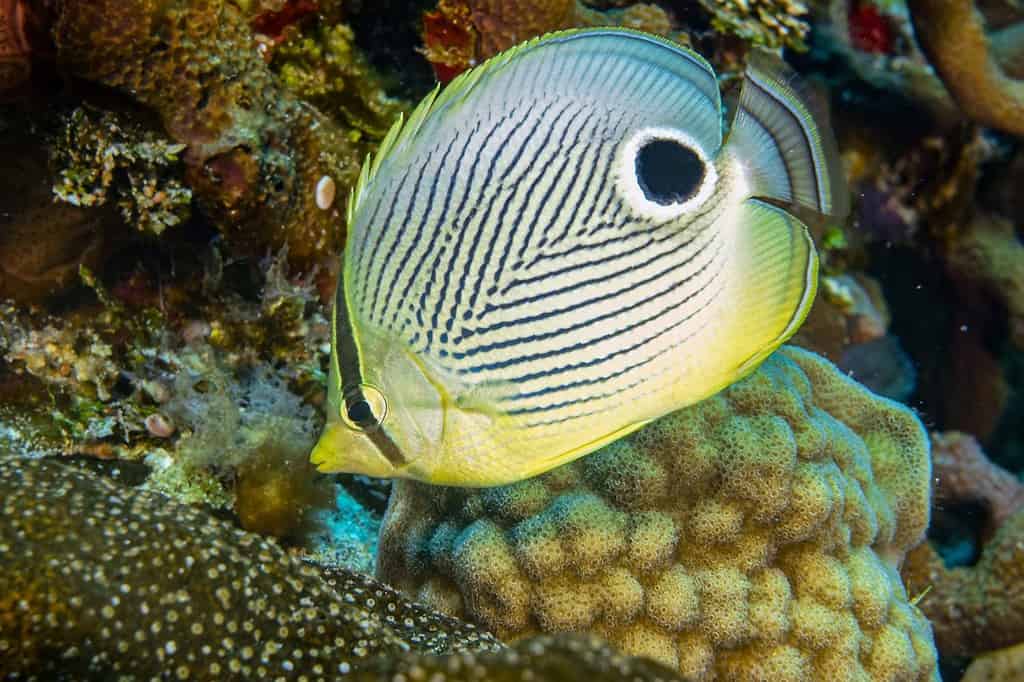
Foureye butterflyfish (Chaetodon capistratus) in the Caribbean.
©jwscuba/Shutterstock.com
Their coloring ranges from bright blue to bold yellow, with some showing off silver or black scales. Their oblong shape is easily recognizable among reef fish, and their puckered mouths are a trademark detail of their appearance.
Parrotfish
The Biscayne National Park Service lists a whopping 15 species of parrotfish that frequent its coral reefs. These are some of the most colorful tropical fish visitors will find while snorkeling. Two park favorites include the stoplight (Sparisoma viride) and rainbow parrotfish (Scarus guacamaia), which boast some of the brightest scales of any.
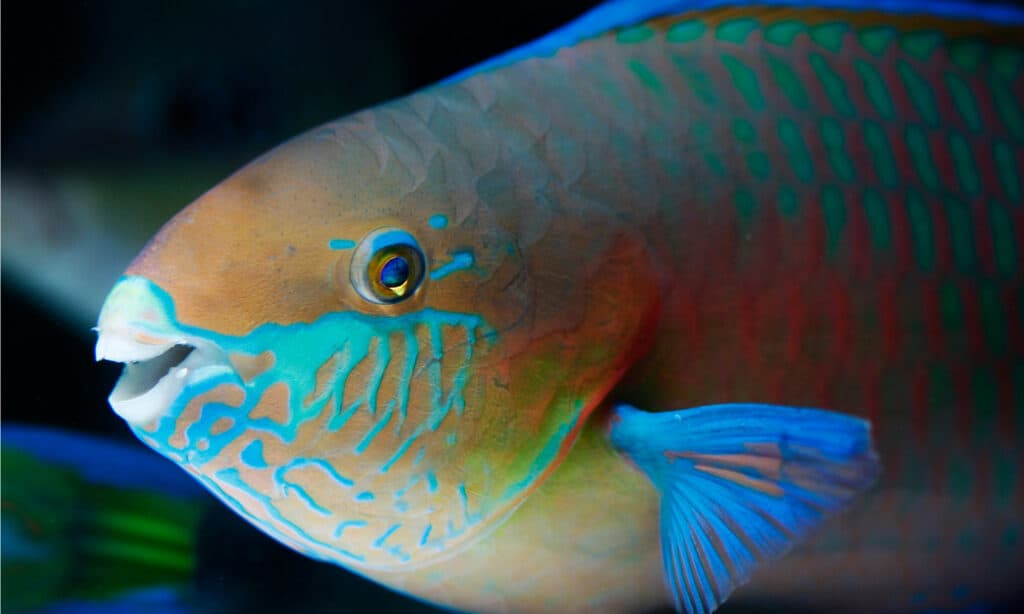
There are about 90 species of parrotfish.
©Pavaphon Supanantananont/Shutterstock.com
The stoplight parrotfish lives up to its name, displaying bright red and black scales. Depending on the light, its scales can also appear orange, and some black scales may look silver. The rainbow parrotfish is also aptly named. This colorful fish displays hues of silver, green, orange, violet, yellow, and blue depending on the lighting. Its shimmering scales are part of what makes this fish so stunning.
Pufferfishes
Pufferfish are known as some of the most poisonous fish in the ocean, but they are also beautiful to observe in the wild. Biscayne National Park is home to several species, including:
- Bandtail Puffer (Sphoeroides spengleri)
- Checkered Puffer (Sphoeroides testudineus)
- Northern Puffer (Sphoeroides maculatus)
- Sharpnose Puffer (Canthigaster rostrata)
- Southern Puffer (Sphoeroides nephelus)
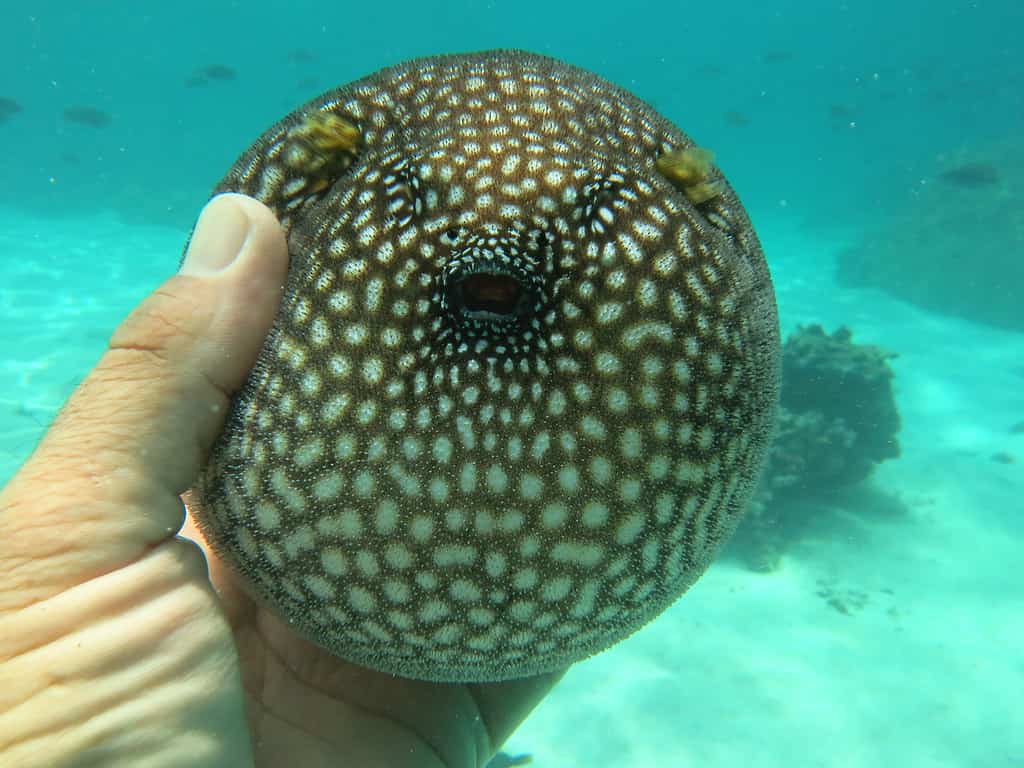
The stomach of a pufferfish can inflate up to three times its standard size.
©Moize nicolas/Shutterstock.com
Of these, the sharpnose puffer, easily recognized by its sharp “nose” and blue and yellow coloring, is frequently sighted. Those snorkeling the reefs often run into this small fish, as it feeds on small shrimp, worms, and sponges.
Large Marine Animals in Biscayne National Park
Although Biscayne National Park is 95% water, it is home to more than just fish. Larger marine animals also live in the park, ranging from apex predators to gentle giants. Visitors hiking the park’s trails may see some of these animals on land, while others can be observed from docks and park overlooks.
Manatees
Florida is known as the manatee capital of the world, and Biscayne National Park is one of the places where they are frequently found. The species is considered Threatened, and the park provides necessary shelter, food sources, and a safe place to raise their calves. Many visitors flock to the park to see these majestic animals, also known as “sea cows.”
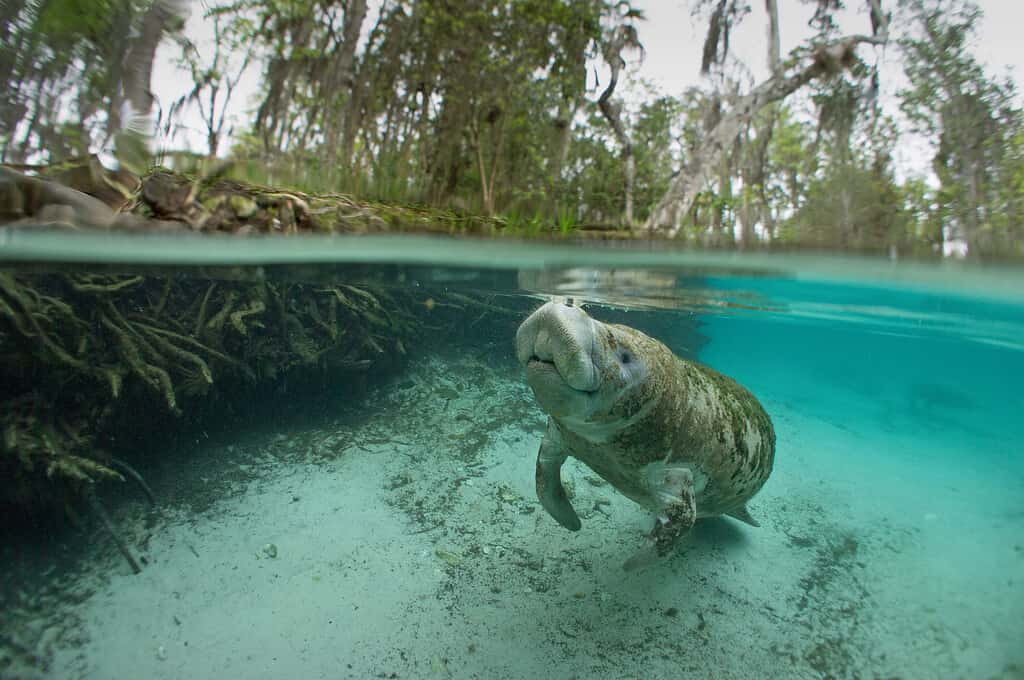
A Manatee in the Crystal River, Florida.
©tobiasfrei/iStock via Getty Images
The most common places to see manatees are Biscayne Bay, the Deering Estate Boat Basin, and mangrove estuaries. They feed on seagrass in all three locations and can be seen with their young in protected estuaries. November through March provides the best chance for viewing, when the water is slightly cooler. Manatees can be seen from land, but being on the water in a kayak or canoe increases your chances of spotting one.
Sea Turtles
Biscayne National Park is a haven for several sea turtles, including:
- Loggerhead (Caretta caretta)
- Green (Chelonia mydas)
- Leatherback (Dermochelys coriacea)
- Hawksbill (Eretmochelys imbricata)
- Kemp’s Ridley (Lepidochelys kempii)
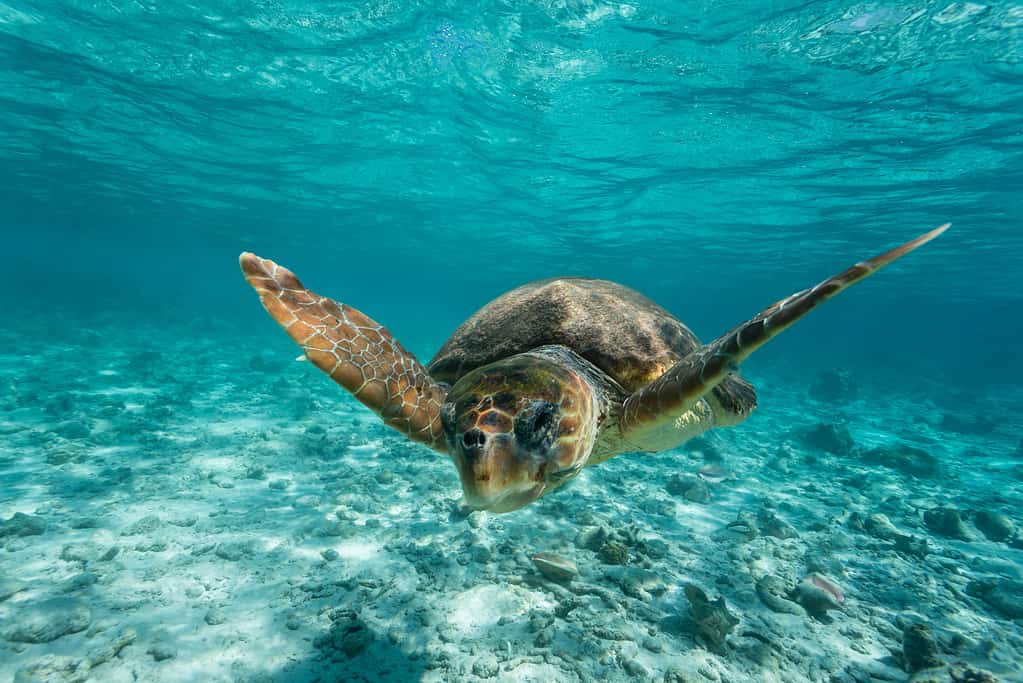
Loggerhead sea turtles, Caretta caretta, call Biscayne National Park home.
©pniesen/iStock via Getty Images
Of these turtles, the green, loggerhead, and hawksbill are the most commonly seen by visitors. Sea turtles only come on land to lay eggs, so the best chance of seeing them is while in the water. Many of these species are endangered, making sightings of them a rare treat for those kayaking, canoeing, or snorkeling near the reefs.
American Crocodiles
American crocodiles are likely to be spotted in the low-lying areas of Biscayne National Park. This includes swampland, shallow brackish water, the mangroves, bays, and canals. Sightings are rare, but hikers occasionally encounter them.
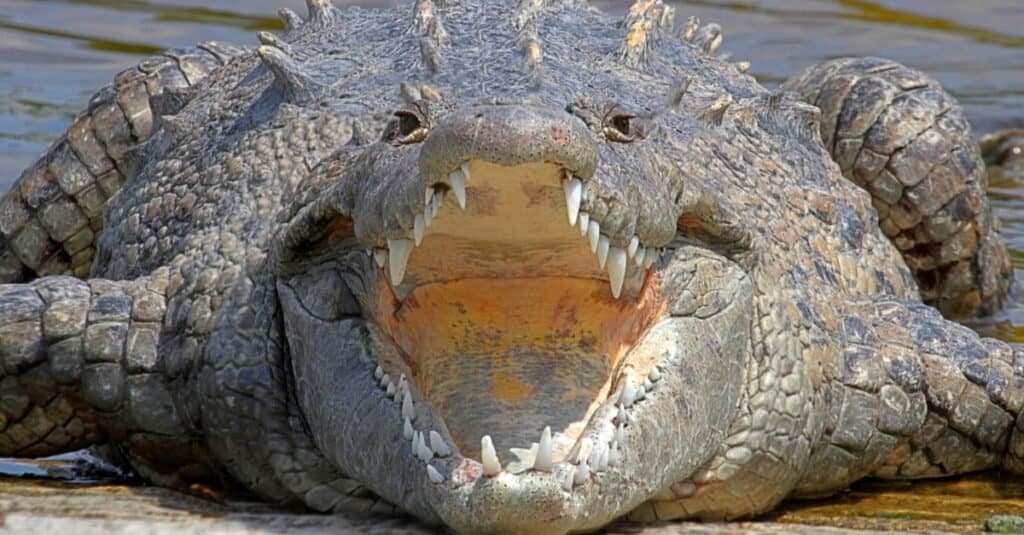
During the colder months, crocodiles tend to become less active.
©iStock.com/SteveByland
According to the National Park Service, activities that create splashing, such as snorkeling and spearfishing, are more likely to get the attention of a crocodile. The park also emphasizes safety when engaging in these activities, as these visitors are more likely to have an encounter than hikers.
Dolphins
Dolphins are almost as synonymous with Florida as manatees, specifically the American bottlenose dolphin. It’s estimated that more than 100 dolphins live in and around Biscayne National Park year-round.
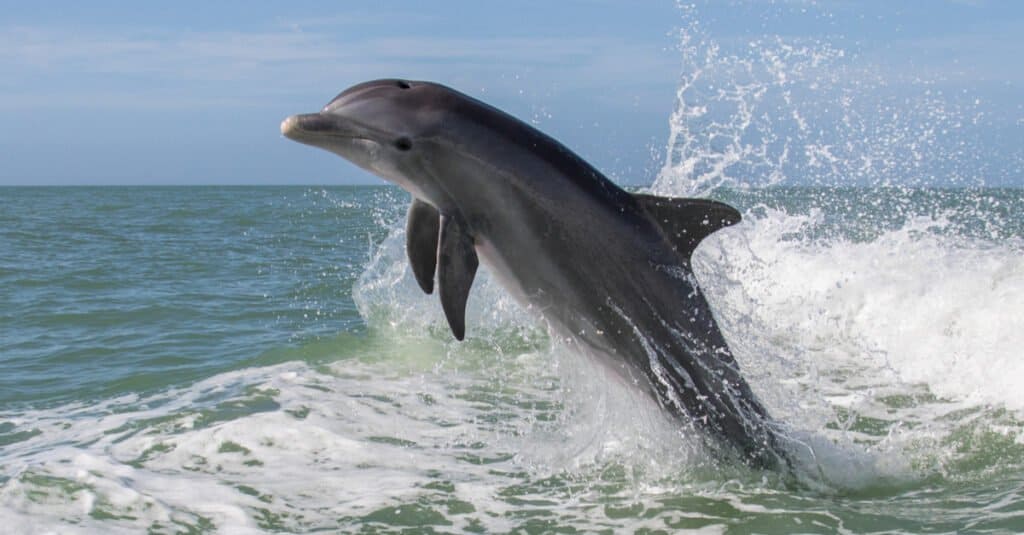
On average, bottlenose dolphins live for fifty years.
©Tory Kallman/Shutterstock.com
This makes them a significant part of the park’s ecosystem and a major attraction for visitors who want to observe dolphins in their natural habitat. Biscayne Bay and its canals are popular spots for watching dolphins, particularly at dawn and late afternoon.
Invertebrates
Biscayne National Park is also home to a diverse array of invertebrates. Some are what visitors might expect, such as lobsters and a variety of crustaceans. Others, like the upside-down jellyfish, are more of a surprise to see in Biscayne’s waters. The upside-down jellyfish (Cassiopea) might look like it was dropped on its head, but it prefers to sit on the seabed with its tentacles in the air.
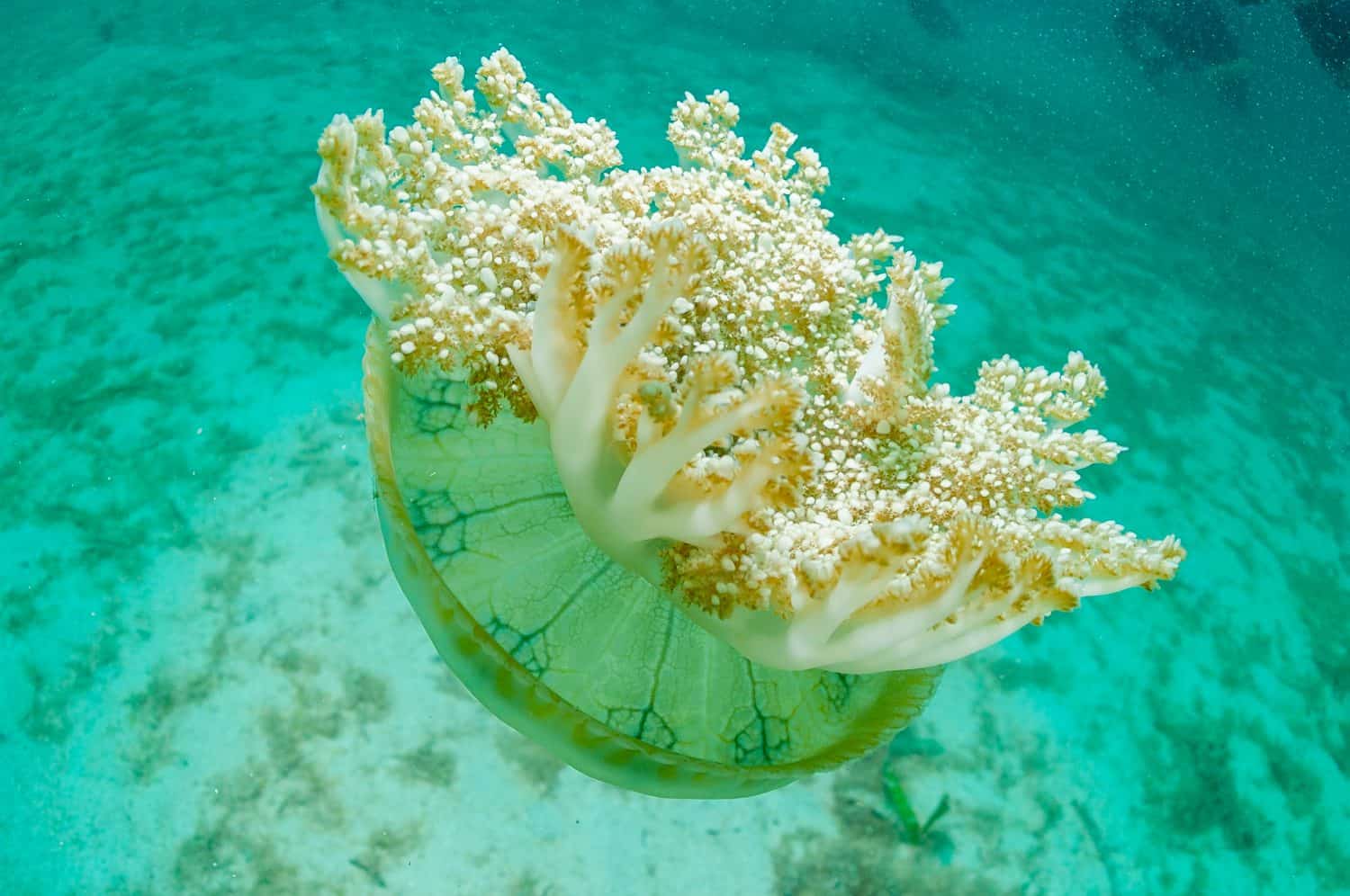
The upside-down jellyfish creates food by photosynthesizing.
©Jesus Cobaleda/Shutterstock.com
It’s an unusual sight, but these invertebrates are native to Biscayne reefs. They can also be found at Jones Lagoon and the reefs at the Keyhole. These colorful jellyfish can be tan, white, or even have blue tentacles, which makes them easy to identify. They rest on their large bells, using the algae exposed to sunlight at the water’s surface to photosynthesize. The byproducts of this process provide nutrition for the upside-down jellyfish, allowing them to survive while remaining stationary.
Schaus Swallowtail Butterfly
What some visitors might not know is that Biscayne National Park is also a refuge for an endangered insect. The Schaus swallowtail is endemic to Florida and lives only on Elliot Key and Key Largo. The species has been endangered since 1975, and numerous conservation efforts have been undertaken since then to ensure its survival. To this day, conservation efforts continue to help preserve the Schaus swallowtail from extinction.
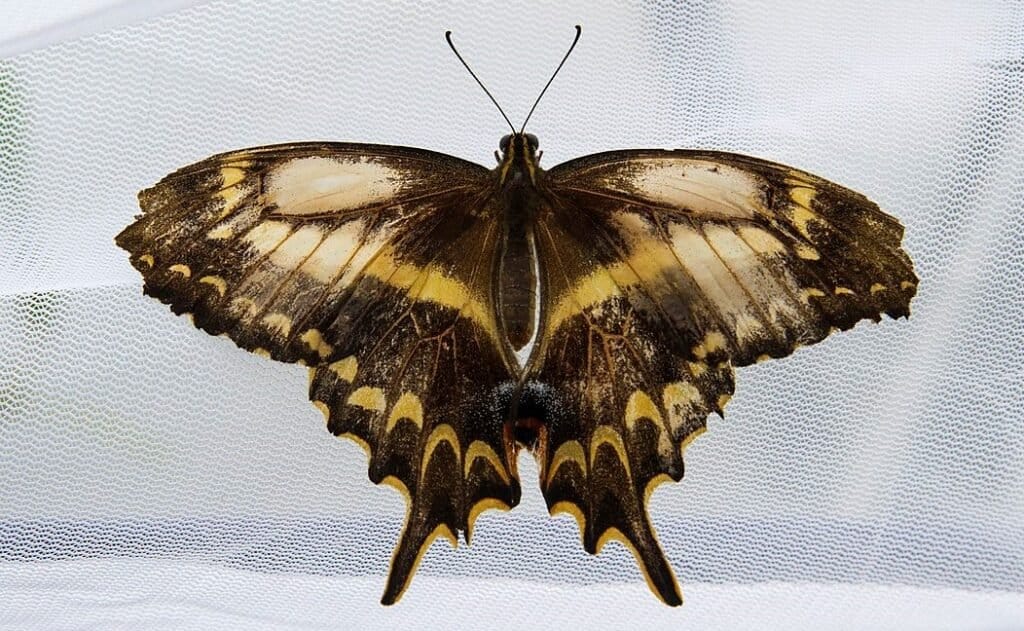
One of the reasons the Schaus Swallowtail is unique is that it can stop suddenly in mid-air and fly backwards to avoid its predators.
©U.S. Fish and Wildlife Service Southeast Region / Creative Commons – Original / License
This species is relatively large, and sightings are uncommon except during the summer rainy season. The Schaus swallowtail is known for its incredibly flight maneuvers, and can stop flying and move backwards to avoid predators. It is one of many insects that inhabit Biscayne National Park, but it is the most celebrated by visitors.