Quick Take
- Despite being tiny insects, gnats have an impressive sense of smell.
- Many every day, household smells are strong gnat attractants.
- Paying attention to rotting fruit, filled garbage bins, and clogged drains can go a long way toward avoiding gnats.
- Gnats are even drawn to the smell and taste of human sweat.
Gnats may be tiny, but their sense of smell is surprisingly powerful. And it’s this strong scent detection that often draws them straight into your home. These pesky insects are highly attracted to certain scents, especially those associated with sugar, moisture, and fermentation. Everyday smells like aging fruits, garbage, and sweat can unintentionally invite swarming gnats into your personal space.
Understanding what attracts gnats is the first step to keeping them away. Many of the odors they love are common in kitchens, bathrooms, gardens, and outdoor spaces, which explains why infestations are common and can seem to appear out of nowhere. In this guide, we’ll break down the scents that gnats can’t resist and explain how simple changes can help you avoid becoming their next target.
Overripe or Spoiled Fruit
©Everyday better to do everything you love/iStock via Getty Images
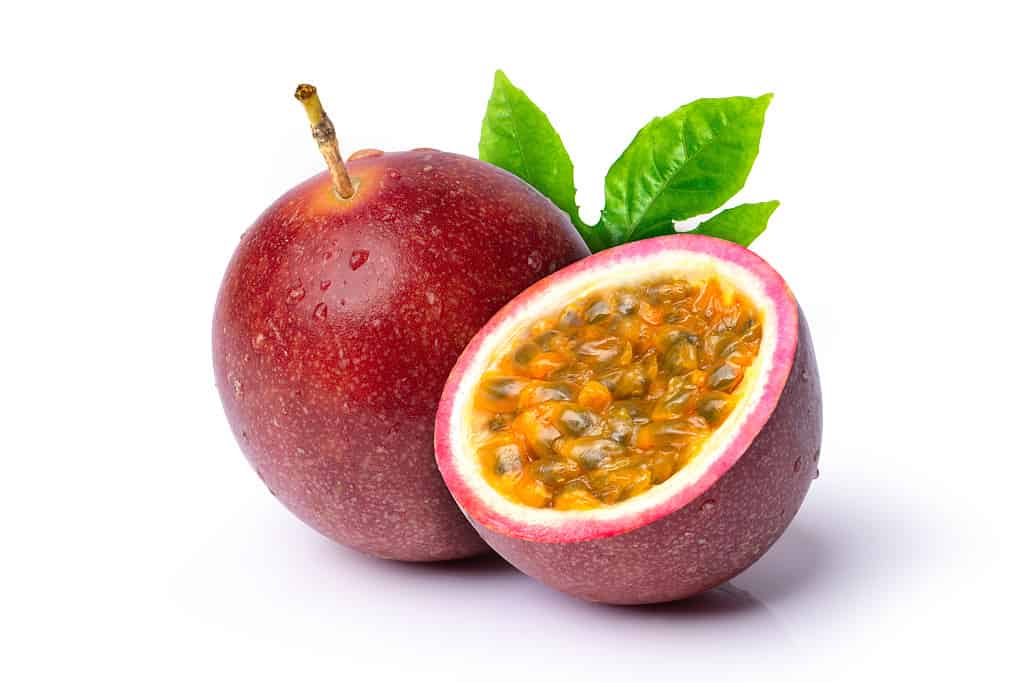
Among the top scents that attract gnats is the stink of spoiling produce. Leaving out overripe or spoiled fruit is a surefire way to attract gnats to your home or garden. These tiny insects love to feed off the pungent juices. To avoid attracting a swarm of gnats, consume fruit in a timely fashion and store overripe specimens in an airtight container. Make sure to throw out spoiled fruit immediately.
Fresh Fruit or Vegetables
©Digihelion/Shutterstock.com
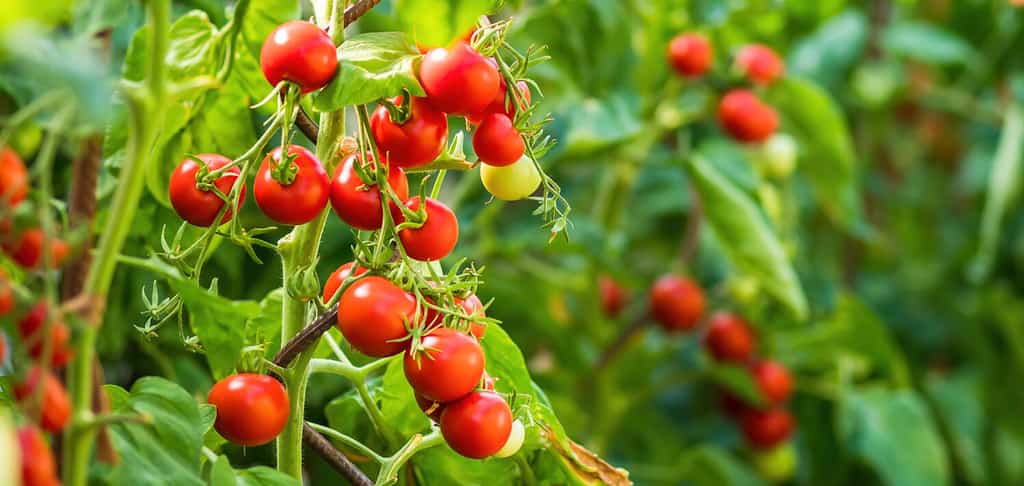
Gnats appreciate the smell of fruits and vegetables even if they aren’t spoiled. Although fresh produce looks appealing when displayed on the counter, you may want to consider storing it in the fridge if you have a gnat problem. Again, storing produce in airtight containers is a good way to seal in the smell and prevent an infestation. Never leave cut fruit or vegetables out in the open.
If you find that your garden is attracting gnats, make sure to harvest produce before it spoils and promptly remove decaying organic matter. Overwatering your lawn and garden can also attract certain types of gnats like fungus gnats.
Overwatering Your Lawn
©iStock.com/
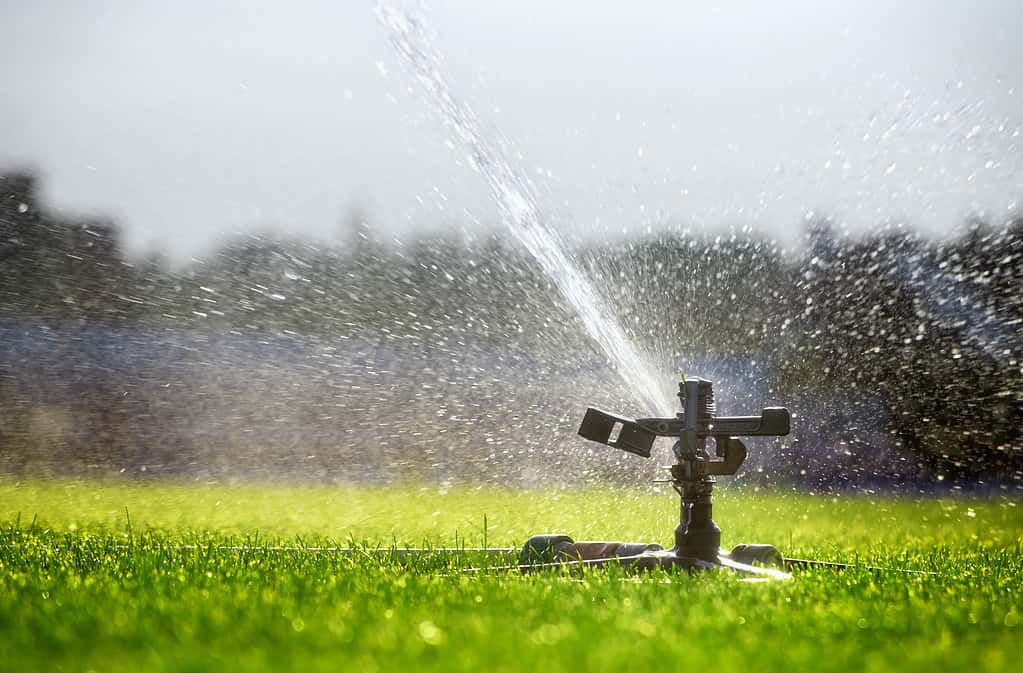
Gnats, particularly fungus gnats, thrive in moist environments. When lawns are overwatered, the soil remains excessively wet, creating ideal conditions for fungus to grow. This provides a food source for the larvae of gnats, which feed on decaying organic matter and fungi in the soil. Overwatered lawns also have poor drainage, which can lead to standing water and an environment where pests, including gnats, thrive.
Additionally, soggy conditions can promote mold growth, which further attracts these pests. To prevent attracting gnats and other pests, it’s important to water your lawn only when necessary, ensuring the soil has time to dry out between waterings and that the lawn has good drainage.
Vinegar
©focal point/Shutterstock.com
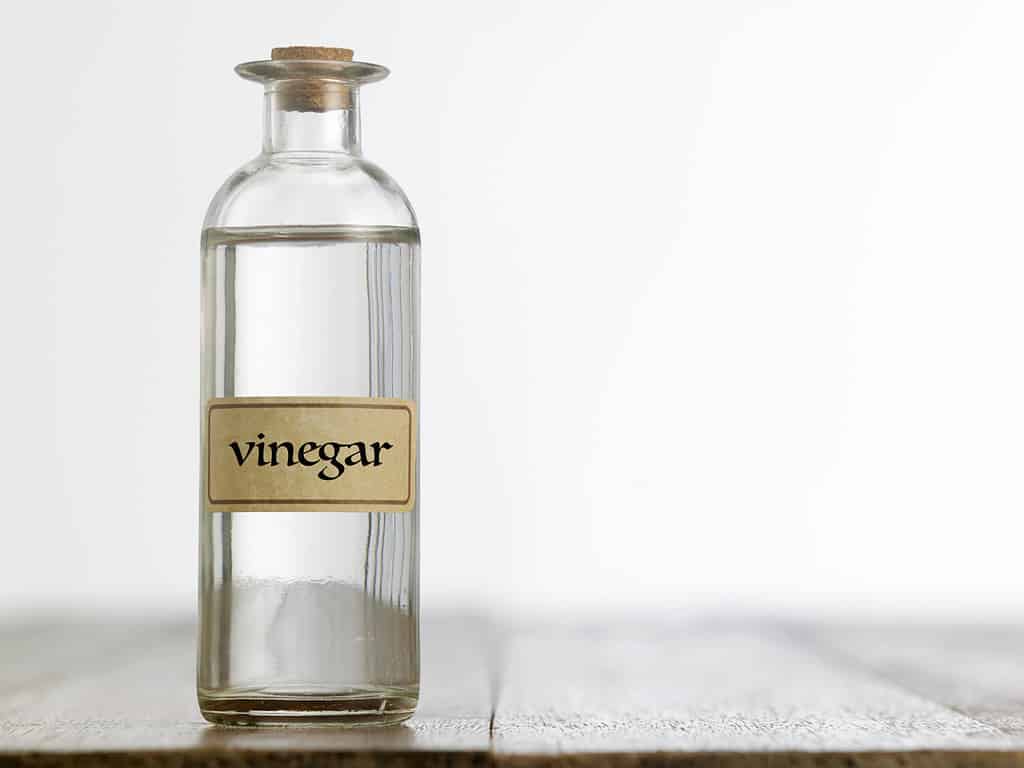
Among the strange scents that attract gnats is that of vinegar. Gnats love the acidic smell and will flock to it. Ironically, this makes vinegar a great option for drawing gnats away from other food sources like produce.
Honey

©Tibilletti/Shutterstock.com
Perhaps unsurprisingly, gnats adore the sweet smell of honey. Never leave an open container of honey where gnats can get at it.
Wine

©debyaho/iStock / Getty Images Plus via Getty Images
Gnats love fruity smells, which means they like the smell of wine. Make sure to seal open bottles of wine after use and avoid leaving out glasses with liquid still in them.
If you want to draw gnats away from the rest of the kitchen, using wine as bait is a good alternative to vinegar. Other types of alcohol are also attractants.
Spills and Garbage
©Mike_shots/Shutterstock.com
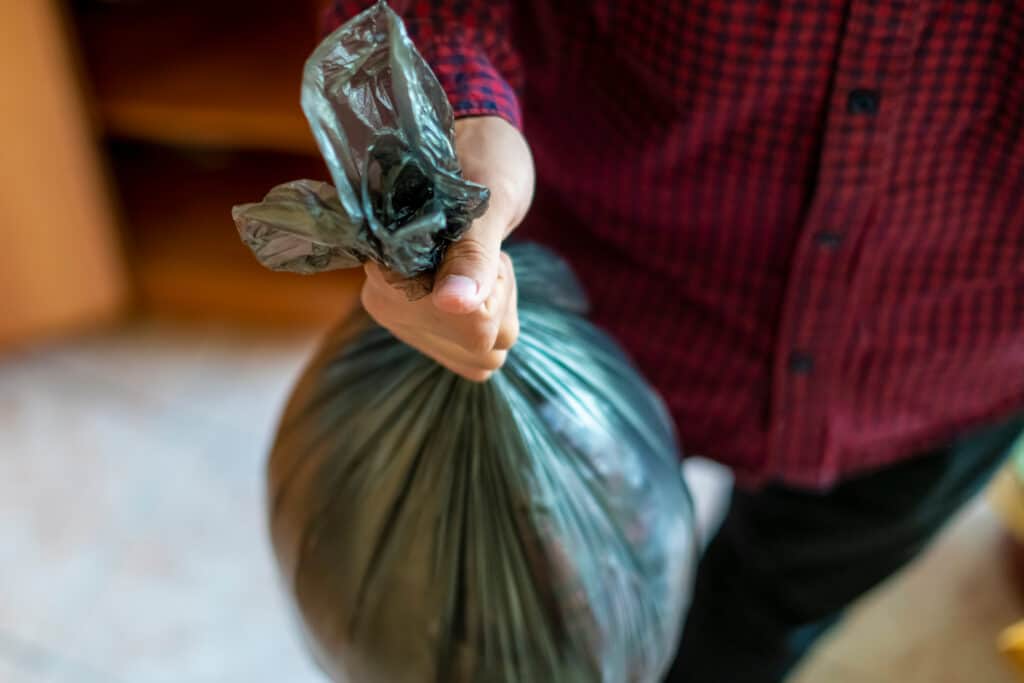
Food and drink spills emit scents that attract gnats like magnets. To avoid bringing a swarm of them into your house, be sure to clean up all spills as soon as they happen. Also, the pungent smell of garbage is one of the most common attractants.
Taking out the trash regularly, especially when it contains smelly food waste, is one way to keep gnats away. Double-bagging smelly kitchen garbage and keeping outdoor bins tightly closed can also help.
Dirty Sink Drains
©Jelena Zelen/Shutterstock.com
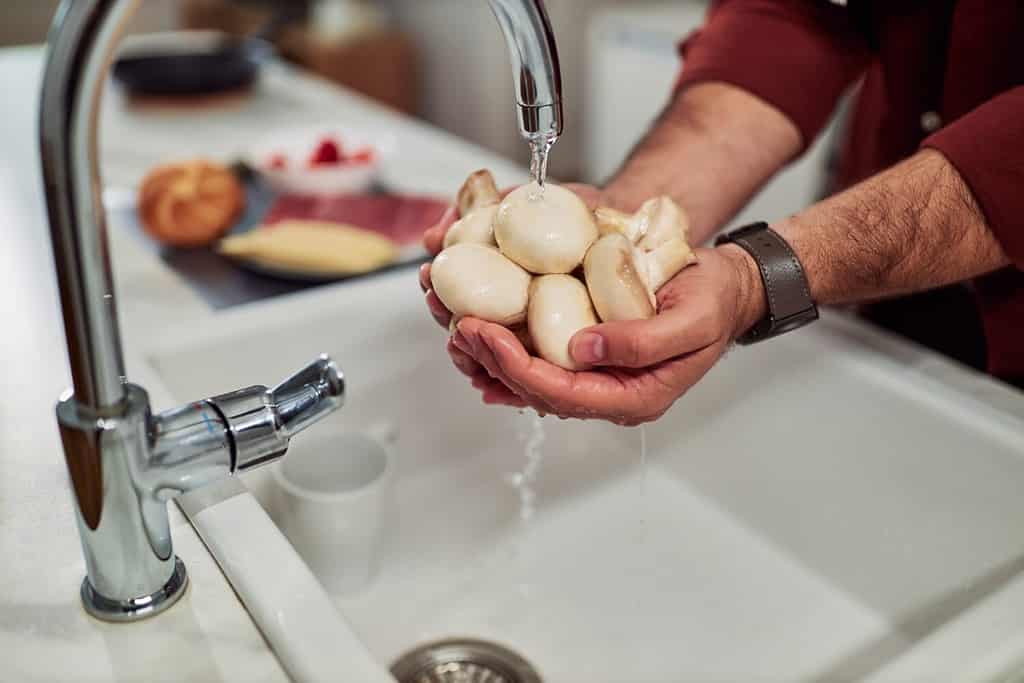
A dirty or clogged sink drain is another potential source of scents that attract gnats. Avoid rinsing food waste down the sink as this can clog it up and draw gnats to your kitchen. Occasionally using a drain cleaner on your sink drain can help remove food residue.
Diluted bleach is a good low-cost alternative to expensive drain cleaners. Also, try using a sink strainer to prevent food particles from going down the drain. As long as you empty it regularly, this should help.
Flowers
©SheilaYarger/ via Getty Images
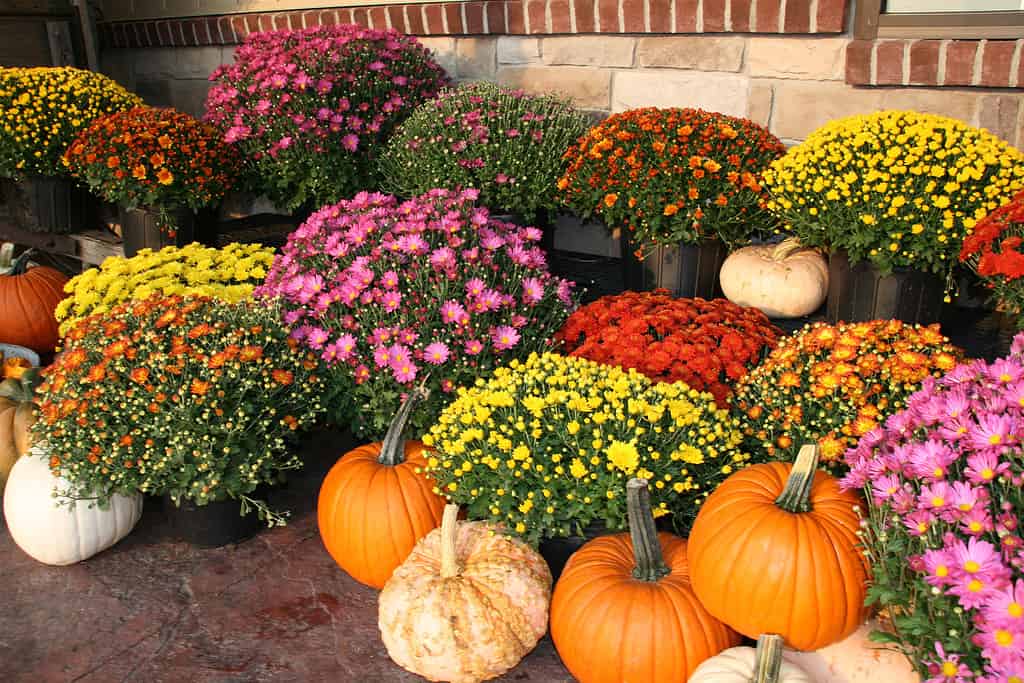
In addition to fruity smells, gnats love flowers. Both indoor and outdoor plants have the potential to attract swarms of gnats. To keep them at a minimum, prune dead flowers and make sure not to overwater them, which can lead to odorous rot. Some plants produce oils that may help deter gnats when crushed or concentrated, though they aren’t guaranteed repellents.
Flowery Fragrances
©HelloRF Zcool/Shutterstock.com
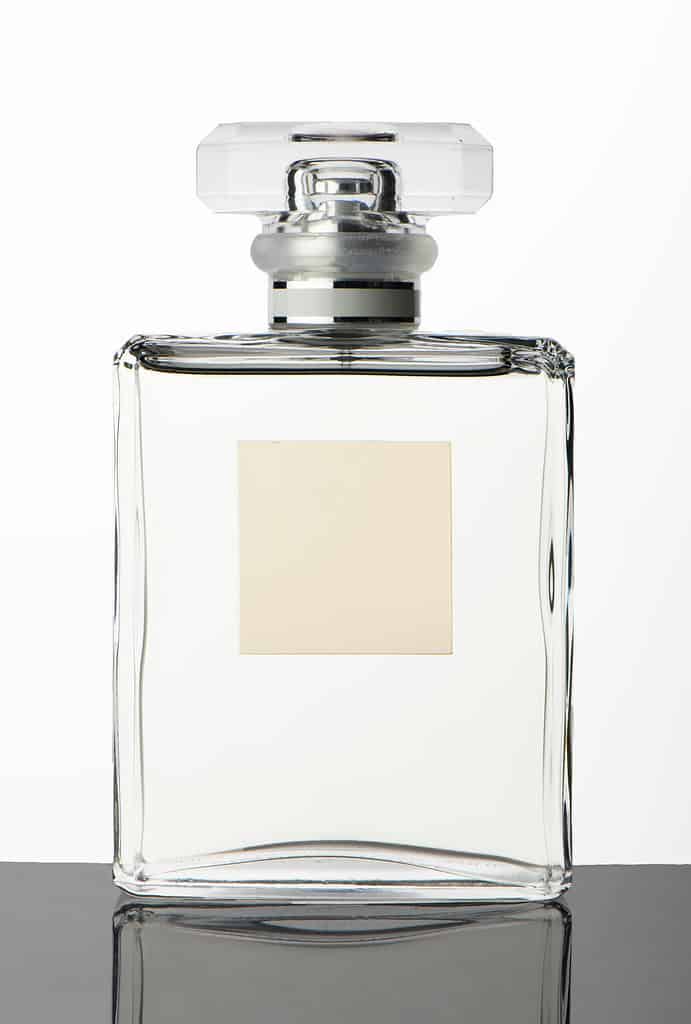
Gnats don’t just love flowers; they love anything that smells like a flower. Attractive manmade fragrances include but are not limited to perfume, cologne, lotion, shampoo, laundry detergent, scented candles, air fresheners, potpourri, and fragrant oil burners. If you find you have a lot of gnats in your house or buzzing around you, keep the floral scents at a minimum.
It’s important to note that not all flowery fragrances attract gnats. For example, flowers like lavender, citronella, and marigolds, known for their strong herbal scents, repel gnats and other insects. On the other hand, flowers with sweeter, heavier fragrances (such as roses, lilacs, and jasmine) might inadvertently attract gnats and other pollinators.
Perspiration

©PeopleImages.com - Yuri A/Shutterstock.com
Gnats are also attracted to the smell and taste of human sweat. This can make exercising on hot days a nuisance. Try applying a scentless antiperspirant or wearing sweat-wicking clothing to reduce the smell.
Fungus or Mold
©iStock.com/Tomas Klejdsz
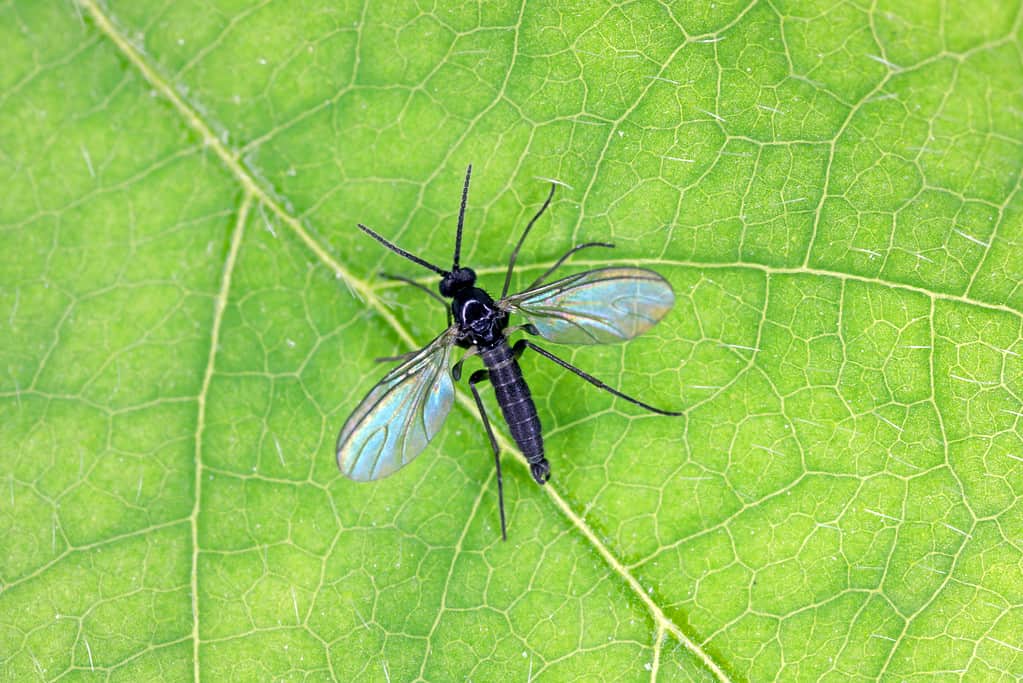
Some species of gnats, like the fungus gnat, thrive on mold and fungus. Overwatering your lawn and garden encourages the growth of these organisms, which often results in infestations. Also, be sure to keep on top of any mold issues in the house itself.