
Quick Take
- That scratching might not be about an itch at all.
- Size and color won't tell you which bear you're looking at. Something else will.
- The shed may have left this bear with more than a good back rub.
- Spotting the species is only half the lesson. Getting it wrong while getting closer is the real risk.
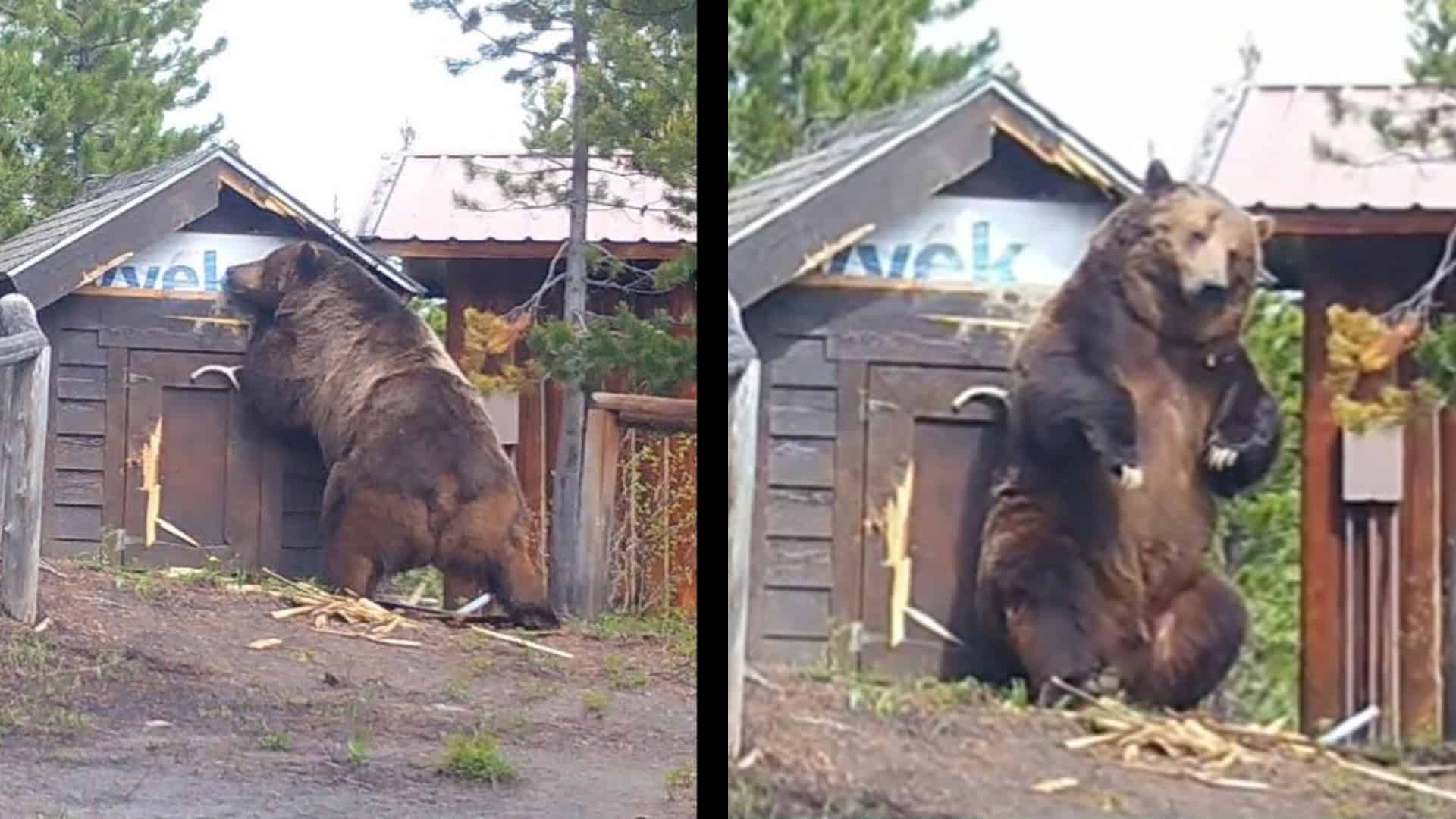
An old generator shed on Montana’s eastern Rocky Mountain Front apparently came with an amenity nobody planned: a bear-sized back scratcher. Photos shared by Jamie Goguen show an enormous grizzly standing against the little structure, rubbing its back and making the shed look more like a doghouse.
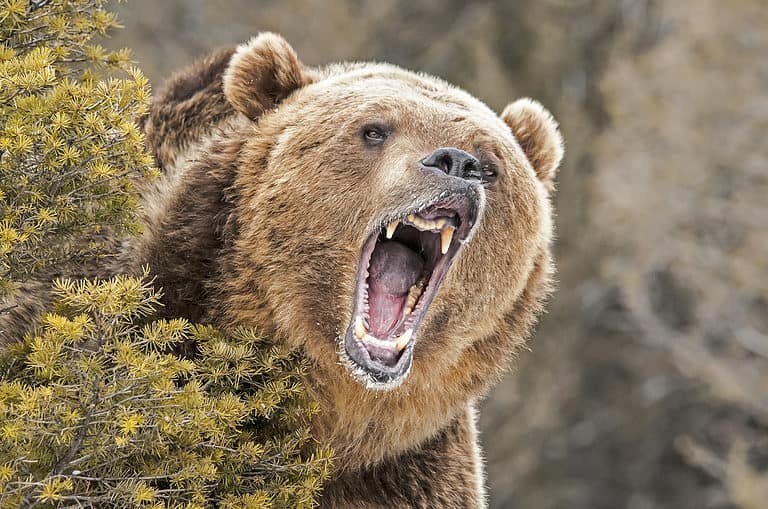
The images are funny at first glance, but they also capture a behavior scientists use to study bears—and a body shape that can help people distinguish a grizzly from a black bear. NBC Montana’s short report on the encounter has attracted more than five million views.
A Grizzly Claims a Montana Shed
Goguen described the weathered building as an old generator-storage structure and joked that it had become the grizzly’s personal scratch tree. The bear, nicknamed Brutus in the original social-media post, rose onto its hind legs, pressed its back against the shed and apparently settled in for a satisfying rub. It later stretched out nearby for a nap.
Montana Fish, Wildlife & Parks reshared the photos as a bear-identification lesson. The animal’s size is impressive, but size alone is not the best clue. A young grizzly can be smaller than an adult black bear, and both species occur in colors ranging from blond or cinnamon to dark brown and nearly black.
Watch the Montana Grizzly Put the Shed to Work
The NBC Montana segment uses Goguen’s photos to show just how tall the bear appears beside the shed. Perspective makes it impossible to calculate the animal’s exact height or weight from the images, but the photos leave little doubt that this is a large adult grizzly. They also reveal the raised shoulder area that is one of the species’ most dependable visual markers.
Why Do Grizzly Bears Rub Against Trees and Buildings?
To human eyes, a bear shimmying against a wall looks as if it has finally reached an impossible itch. Rubbing may help with loose fur or irritation, but research indicates that many frequently used “rub trees” serve another purpose: communication.
When bears press their backs, shoulders and flanks against a tree—or occasionally a pole, rock or building—they leave hair and scent behind. Other bears investigate those sites, gathering information without meeting face to face. A 2022 study of black bears and grizzlies in northern Yellowstone found that scent-marking on rub objects along well-traveled routes likely helps bears communicate both within and between the two species.
That does not prove why this particular grizzly chose the shed. Perhaps the corner simply felt good. Still, the building offered the same sturdy, upright surface that makes a tree useful, and the bear may have left more than a few hairs behind.
How to Tell a Grizzly From a Black Bear
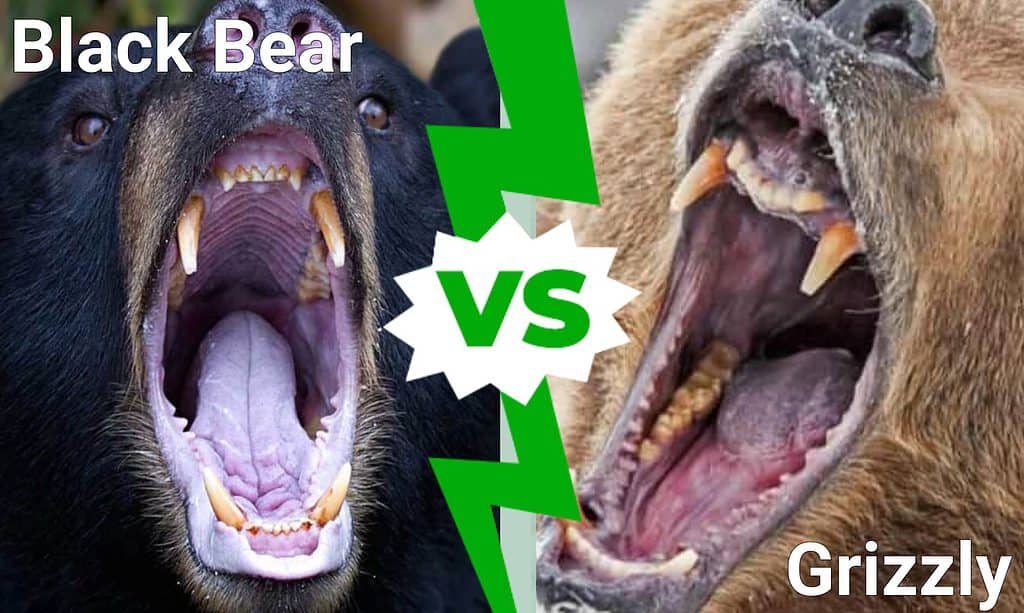
Grizzlies are inland North American brown bears (Ursus arctos), while American black bears are a separate species (Ursus americanus). Despite their names, fur color is a poor identification tool. A brown bear can be nearly black, and a black bear can be brown, cinnamon or blond. Montana wildlife officials recommend looking for several physical traits together.
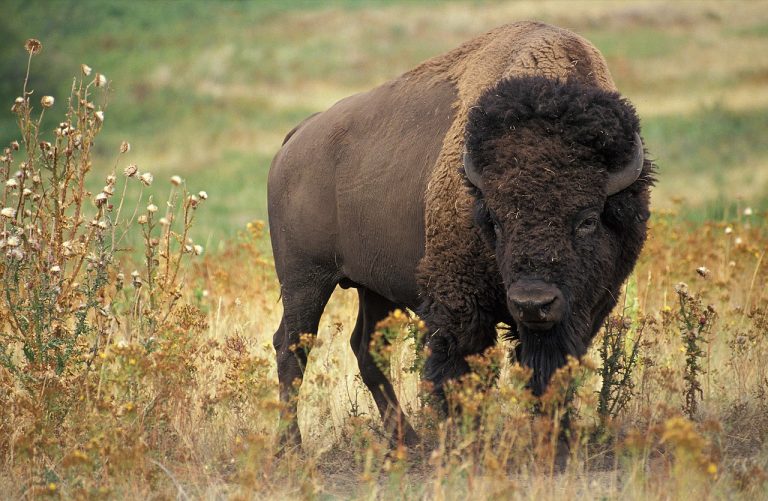
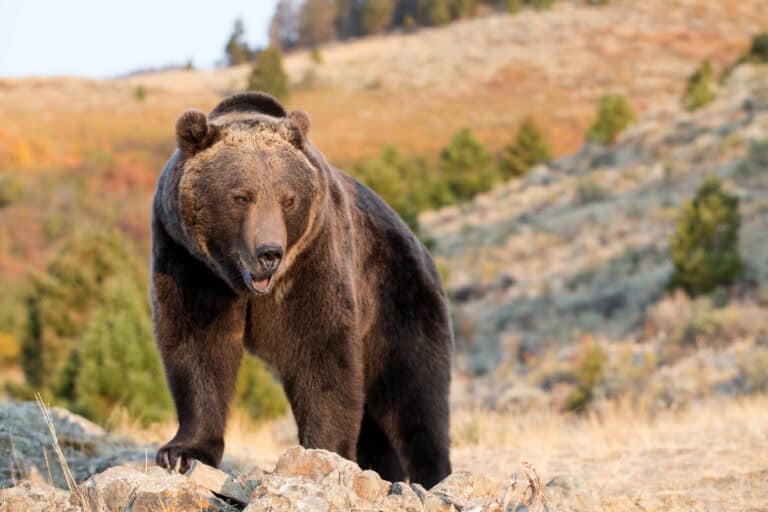
A grizzly usually has a prominent muscular hump above its shoulders, a rump lower than that hump, short rounded ears and a face that appears dished between the eyes and nose. Its front claws are relatively straight and generally about two to four inches long—adaptations well suited to digging.
A black bear lacks the grizzly’s prominent shoulder hump. Its rump is often the highest point of its back, its ears look taller and more pointed, and its facial profile is straighter. Black bear front claws are shorter and more curved, which makes them better climbers.
Grizzly or black bear: the clues the post lists
| Prominent shoulder hump | Rump highest point | Short rounded ears | Tall pointed ears | Dished face | Straighter facial profile | |
|---|---|---|---|---|---|---|
| Grizzly | Prominent shoulder hump | Short rounded ears | Dished face | |||
| Black bear | Rump highest point | Tall pointed ears | Straighter facial profile |
Knowing the difference matters, but identification should never mean moving closer for a better look. Give every wild bear plenty of room, keep food and other attractants secured, and carry accessible bear spray in bear country. The lesson in Brutus’s unforgettable photos is visible at a distance: learn the clues, then let the bear keep the shed.